

From the outside, feral pig control can look like a simple math problem: remove enough animals, and damage should fall. Field reality is harder. These pigs learn from pressure, shift movement, regroup socially, and recover fast after partial suppression. Agencies can post real short-term gains, yet those gains often fade when effort pauses or methods stay narrow. What keeps failing is rarely commitment alone. It is the mismatch between a highly adaptable species and control systems that are still built around predictable behavior and short campaign cycles. That is why many communities keep seeing the same damage return.
They Learn Pressure Patterns Faster Than Most Plans Adapt
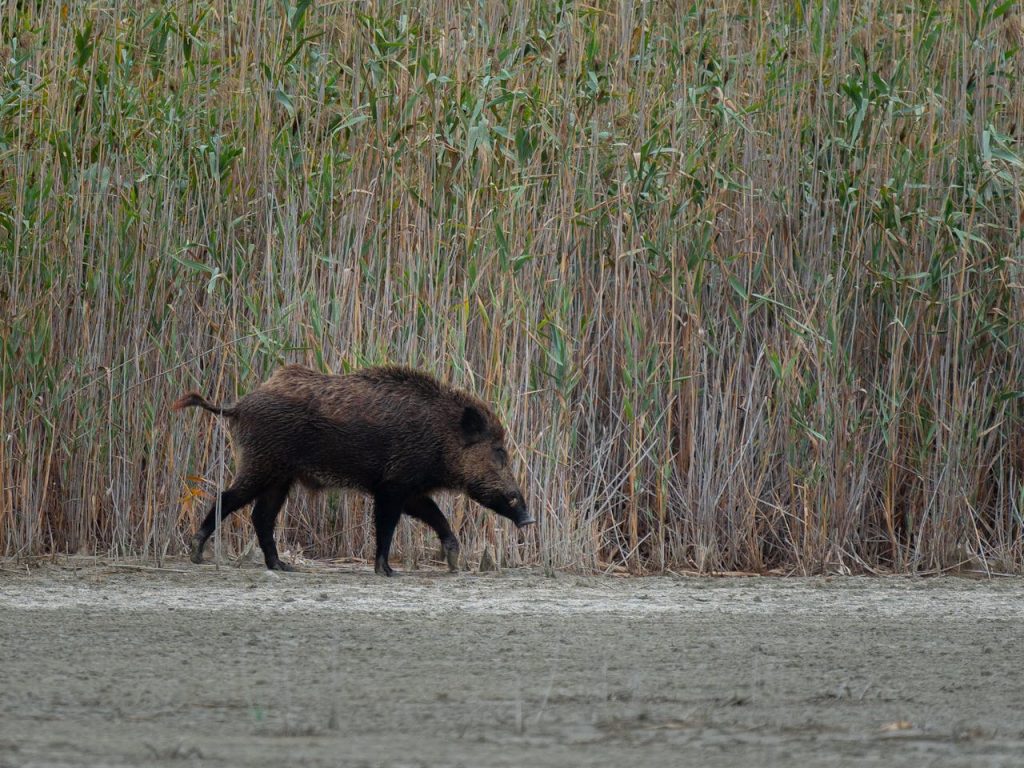
Wild pigs are not static targets. A 2024 Scientific Reports study tracking 55 boars across three hunting seasons found responses changed with experience more than with hunt intensity. Some animals stayed, others left, and many switched strategy over time. That flexibility weakens fixed routines because survivors do not keep acting like the pigs seen at the start.
The same study reported a mean post-hunt flight of 1.80 km and an average return in 25.8 hours. Disturbance can move animals, but quick return keeps local knowledge alive. Across seasons, repeated pressure can favor pigs that detect risk earlier and reposition faster.
Control Fails When One Pig Left Becomes the Next Wave
Removal is often efficient early, then punishing near the finish line. In a northern U.S. elimination campaign, removing the first 99% averaged about $50 per pig and 6.8 effort hours. The final 1% required an 84-fold jump, reaching 122.8 effort hours per pig. That curve explains why programs can post strong early wins and still miss elimination.
Those final survivors are usually the least likely to reenter baited systems or repeat predictable routes. If funding or staffing thins during that tail phase, remnants become seed populations. Year-one success can unravel quickly once reproduction and immigration refill open habitat.
Population Rebound Is Faster Than Most Budgets
Even strong suppression can unravel quickly. A 2024 study found wild pig populations recovering after density reductions of 54–68%, and advised restarting trapping in as little as three months to prevent rebound. Residual pigs compensatory reproduction, and immigration from nearby zones all contributed after control pressure eased.
Many campaigns fail in the handoff phase, not the action phase. Methods may work, but continuity breaks through funding gaps, access limits across property lines, or seasonal pauses. Once follow-up slows, agencies often pay twice: first for reduction, then again to chase the same geography after rebound.
Sounder Structure Rewards Whole-Group Strategy, Not Random Pressure
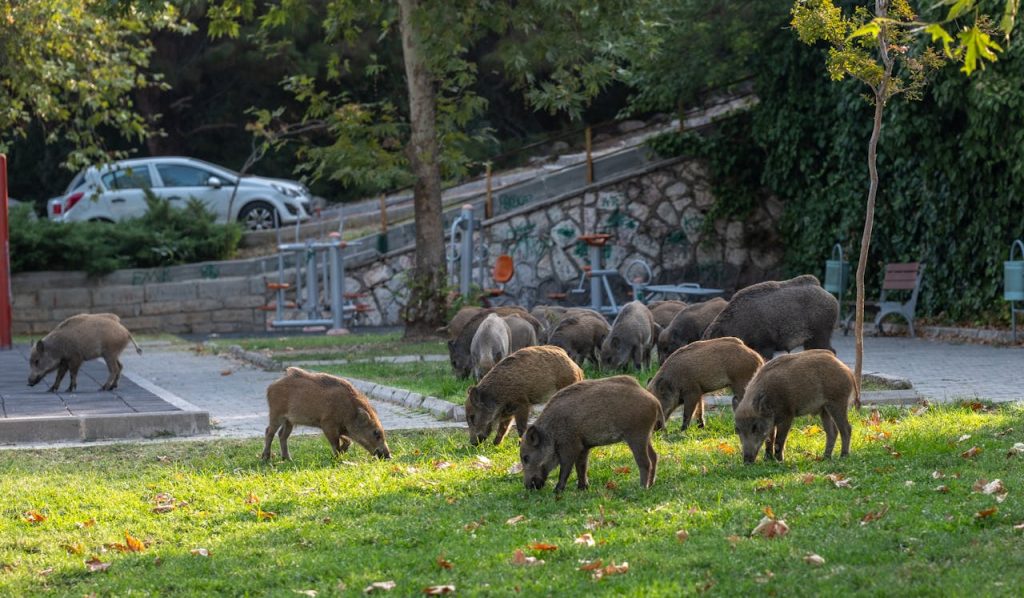
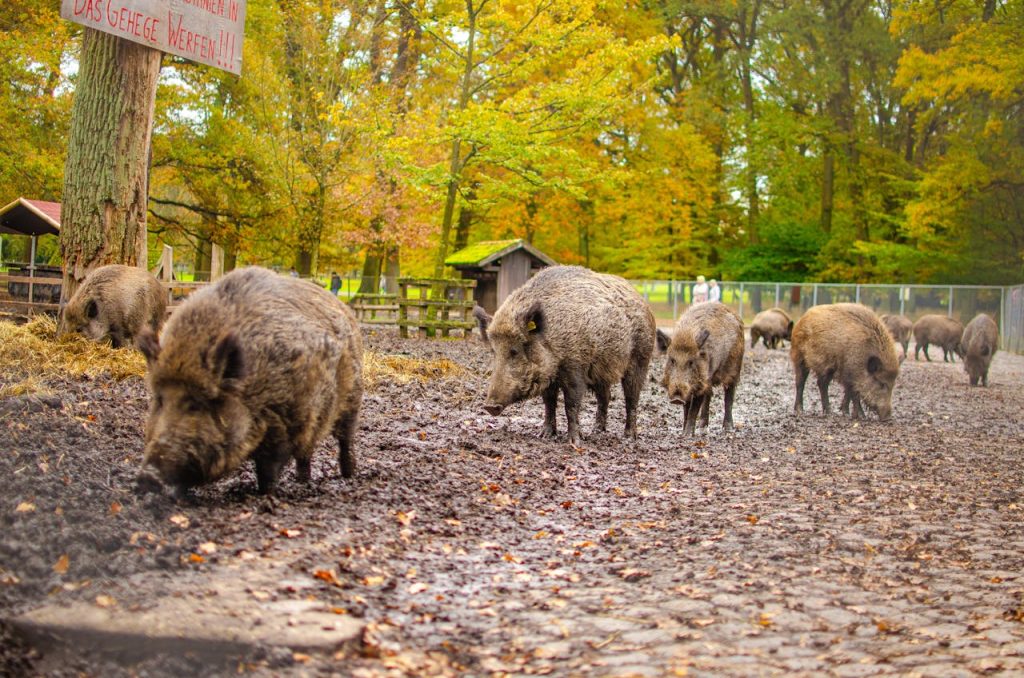
Feral pigs are social in ways that shape outcomes. APHIS describes family groups called sounders that can include up to about 30 animals, while adult males often range alone. If control removes only part of a sounder, remaining members keep group knowledge about routes, cover, and food. Density can dip briefly, yet group function often survives for months.
A South Carolina comparison showed why this matters. Whole-sounder removal cut density by 53% after one year, while traditional control showed no statistically significant decline despite continued effort. Targeting full social units outperformed piecemeal pressure.
Reproduction Keeps the Clock Running Against Delays
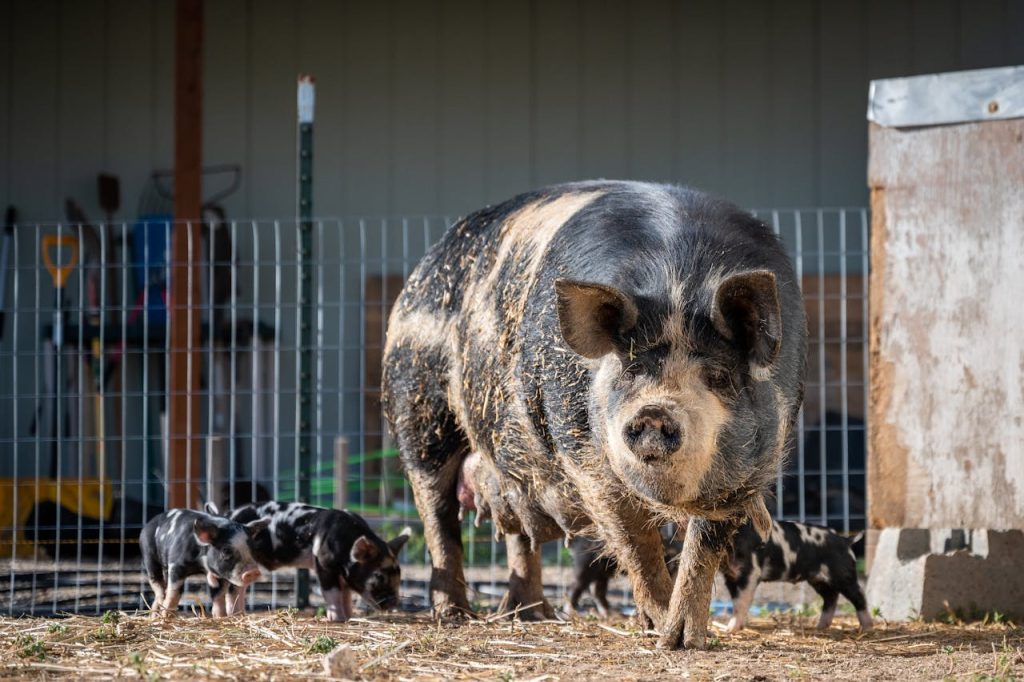
This species replaces losses fast. APHIS reports feral swine can breed year-round, produce up to two litters of 4–12 piglets annually, and reach sexual maturity at 6–8 months. In favorable conditions, populations can double in roughly four months. Even pauses in pressure create openings for recovery.
Planning often treats control like a short campaign, but pig biology runs continuously. When effort is episodic, births and dispersal refill recently cleared areas before suppression stabilizes. Managers then repeat a costly loop: visible gains, brief relief, and renewed damage that looks new but is often the same problem returning.
Traditional Traps Can Trigger Caution After Early Exposure
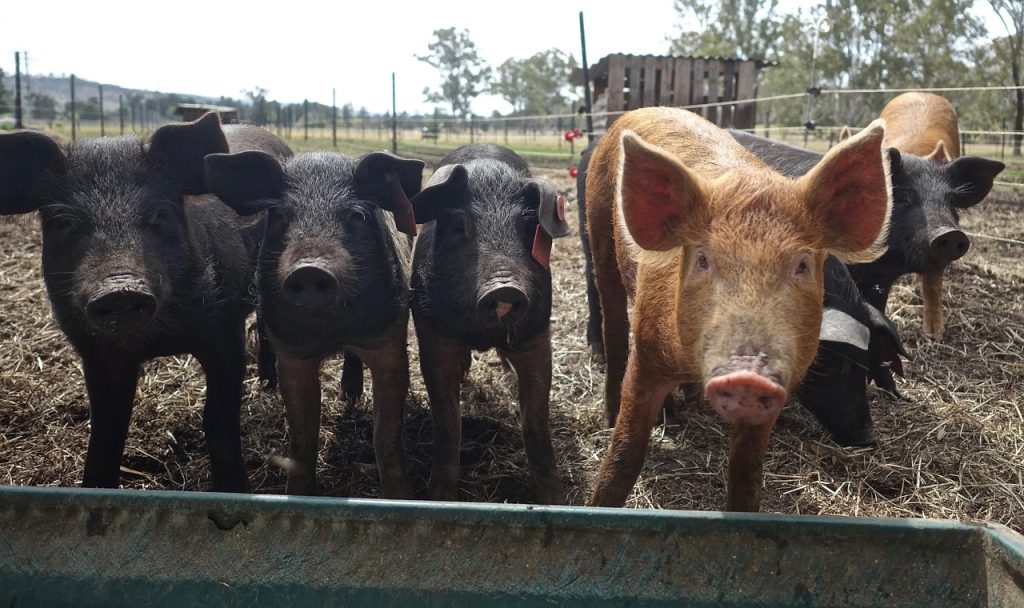
Guidance has acknowledged pig learning for years. The APHIS technical series notes trapping success depends on placement, pre-baiting, and design, and warns that trap-wary pigs may avoid smaller corrals. It also advises covering wire-floor box traps with dirt to reduce trap shyness. Those details are behavior strategy, not trivia.
When programs skip that layer, effort can rise while capture quality drops. Cameras may still show activity, yet captures shift to smaller group fractions. Activity gets mistaken for progress, and the same setup repeats. Adaptation must happen on the management side first, or pigs keep setting the terms.
Human Movement of Pigs Can Erase Local Wins Overnight
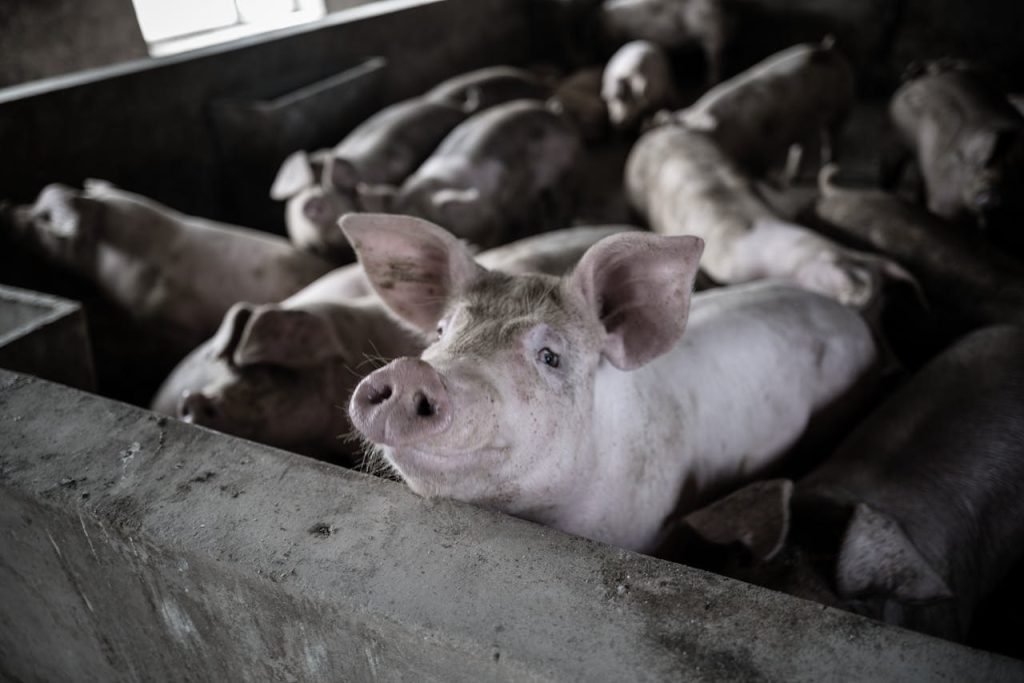
Spread is not only ecological. Policy literature on North American wild pigs links expansion to translocation pressure tied to hunting demand, and APHIS says relocating trapped pigs moves problems, increases disease risk, and is illegal in most states. Strong local control can be undone if pigs are moved across boundaries.
That makes control a coordination problem as much as field work. Counties, private lands, and neighboring states often run mixed rules and schedules. Pigs ignore those borders. Without shared reporting, fast response, and clear penalties for movement, successful zones can become temporary islands reinvaded.
The Damage Ledger Is Real, but Better Metrics Still Matter
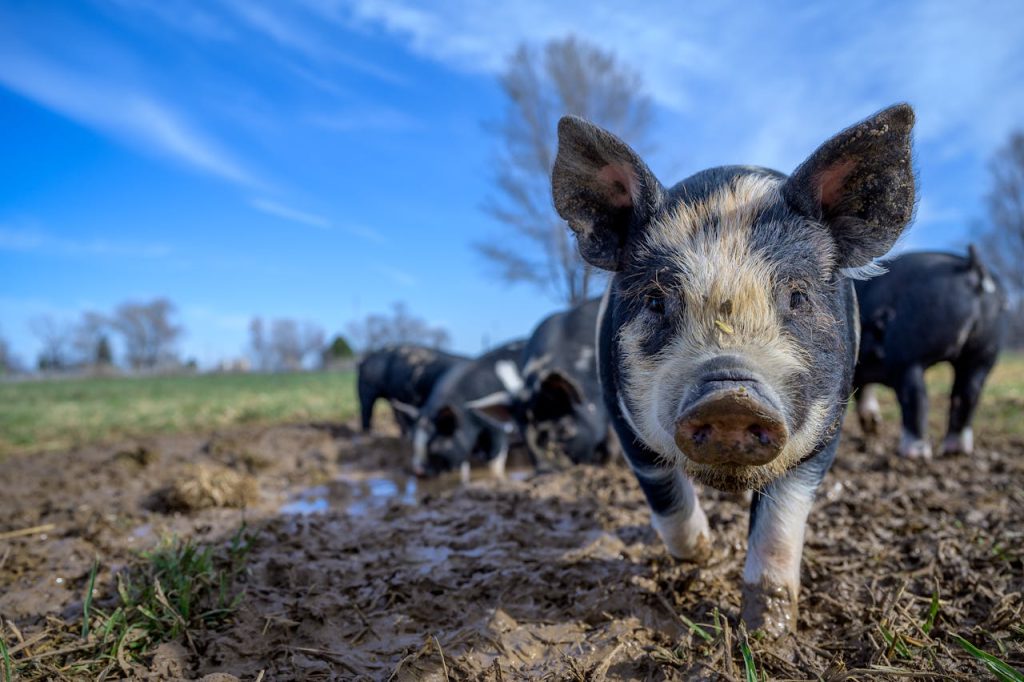
USDA APHIS estimates feral swine drive about $2.5 billion each year in U.S. agricultural damage and control costs, with impacts across crops, pasture, ecosystems, and safety. APHIS also reports a notable pseudorabies signal in feral populations, underscoring livestock and companion-animal risk.
At the same time, newer analysis argues some national totals can be overstated by outdated assumptions and uneven accounting. That does not weaken the case for control. It strengthens the case for better measurement. Strong baselines and post-control monitoring help direct funding where suppression lasts, not where short wins fade.
Communities facing feral pigs are not dealing with a simple nuisance. They are managing a highly adaptable population that learns under pressure and exploits every pause. The hopeful signal is that better outcomes already appear where control is coordinated, adaptive, and sustained across boundaries. When policy, field operations, and follow-up stay aligned, the cycle of brief wins and fast rebounds begins to break.