

Florida’s rare cold snaps can feel like a plot twist.
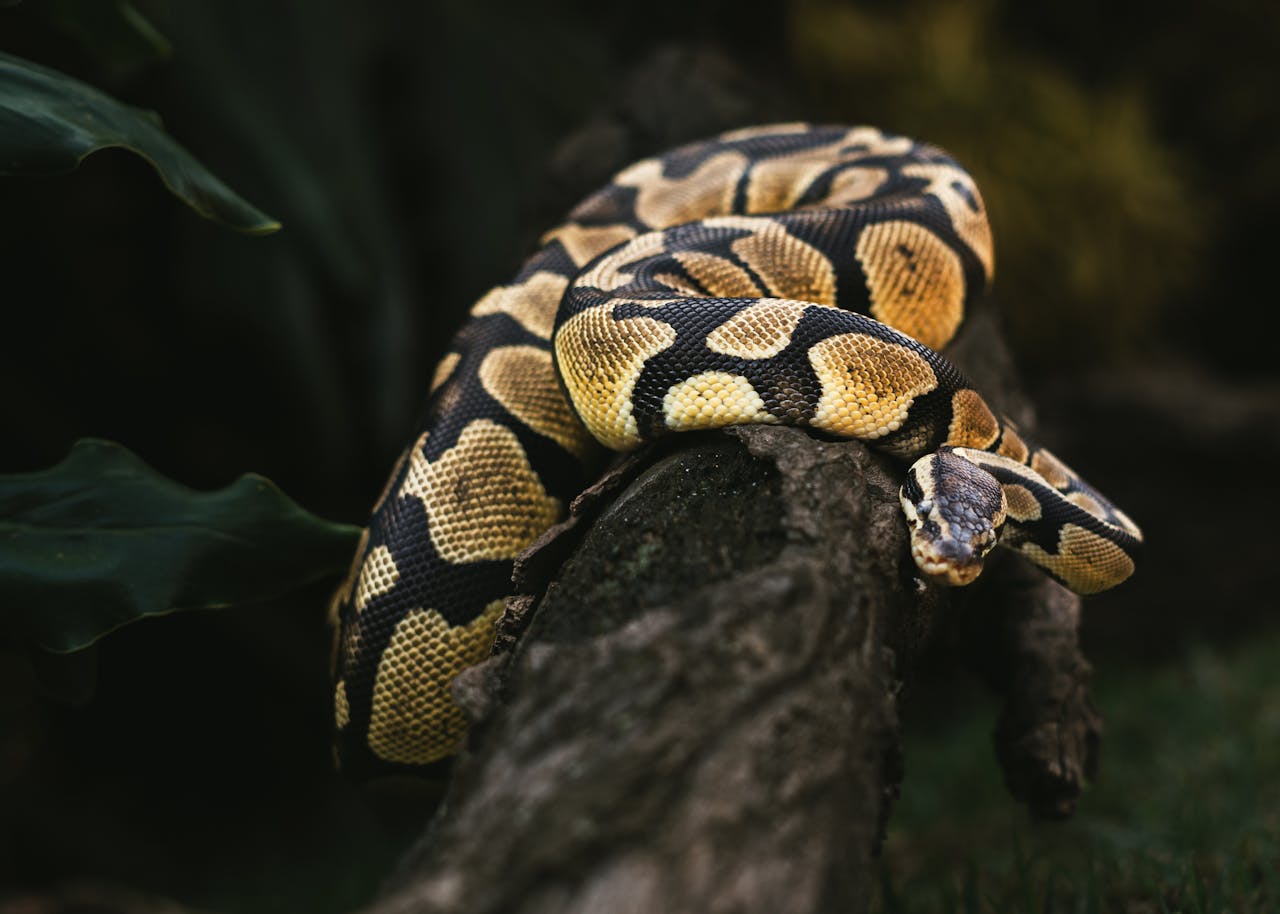
When parts of the south sit below 50°F for hours, cold-blooded life slows, hides, or tumbles into the headlines. Iguanas lose their grip, and alligators slip into brumation as temperatures fall. The surprise is the invasive Burmese python, a snake that keeps showing up after each front.
Biologists have watched pythons use burrows for shelter, and a 2023 U.S. Geological Survey report points to genetic signs linked to cold tolerance. What this really means is simple: winter is not doing the cleanup alone, and Florida’s wildlife managers have to stay relentless. Year-round.
Hours Below 50°F Changes Everything
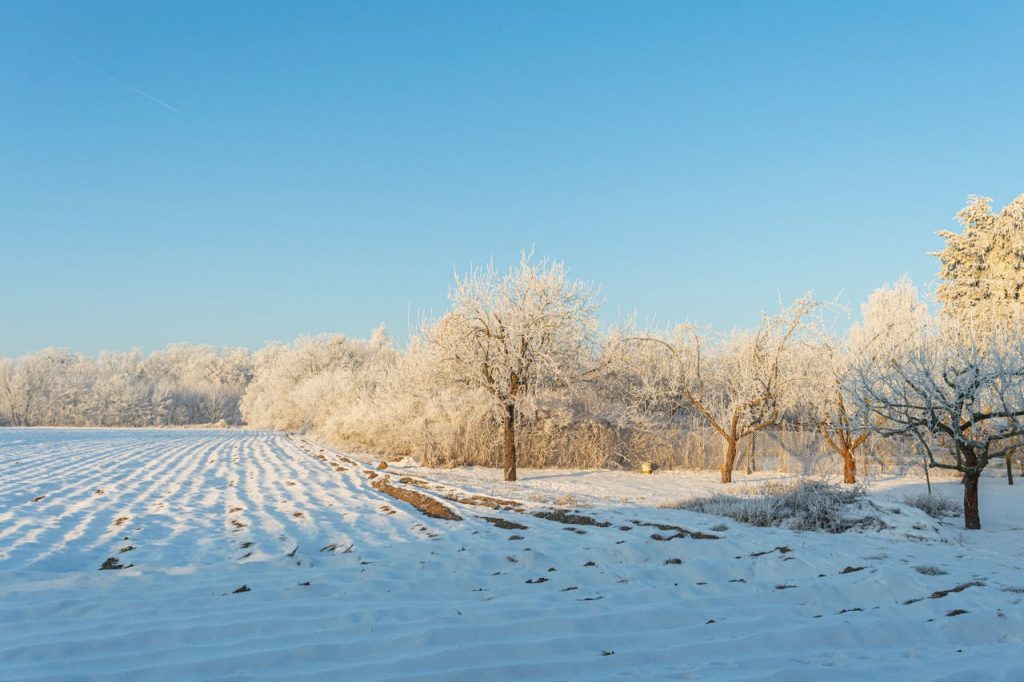
Cold does not need ice to cause chaos in the subtropics.
Several recent days in South Florida dipped below 50°F for hours, a range that can leave reptiles sluggish and exposed. Sunlight may return by afternoon, but the damage is done: movement slows, digestion stalls, and hiding spots become life support. For Burmese pythons, prolonged temperatures below about 65°F are typically risky, yet Florida’s snakes keep surfacing in reports and fieldwork after each front. That pattern is the story, and it is why the cold can no longer be treated as a cure. For now, it looks more like a speed bump than a stop sign. For the invasion.
Alligators Pause Life Through Brumation
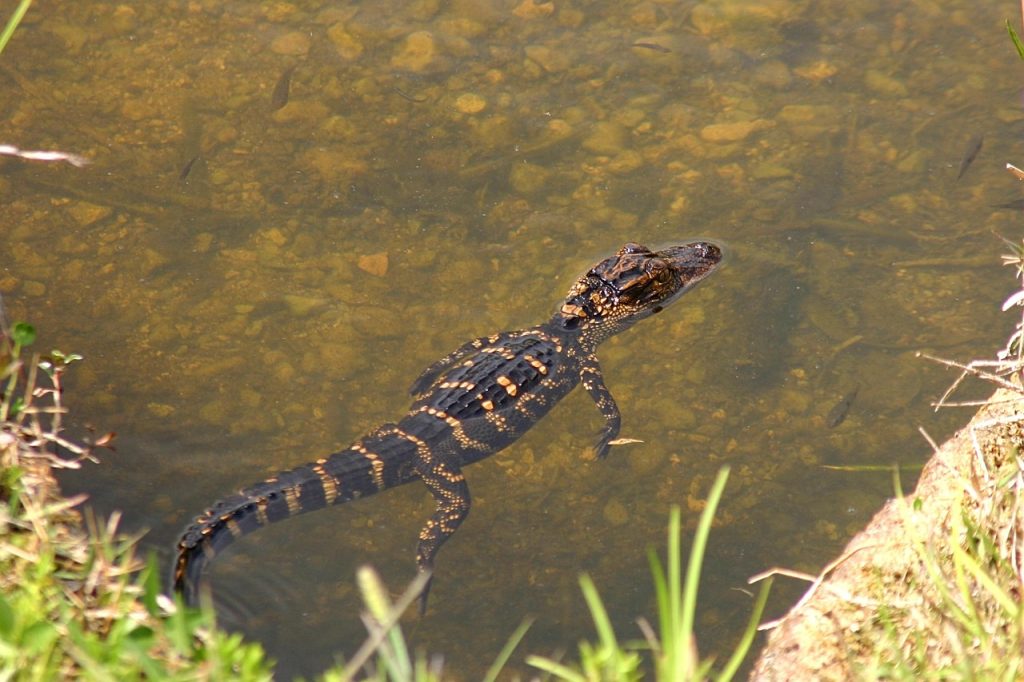
Alligators have a long-practiced plan for winter dips.
When temperatures slide below about 55°F, they can enter brumation, a dormancy that looks calm but is highly strategic. Feeding often stops, bodies conserve energy, and the animals wait for the next warm stretch rather than forcing activity. On cold mornings, they may hold in deeper water or along muddy banks with only eyes and nostrils showing.
That native rhythm is part of why cold fronts usually bring a sense of reset. The python problem breaks that expectation, because an invader is learning to wait out the same fronts instead of failing under them. In place.
Iguanas Falling From Trees Signal Trouble
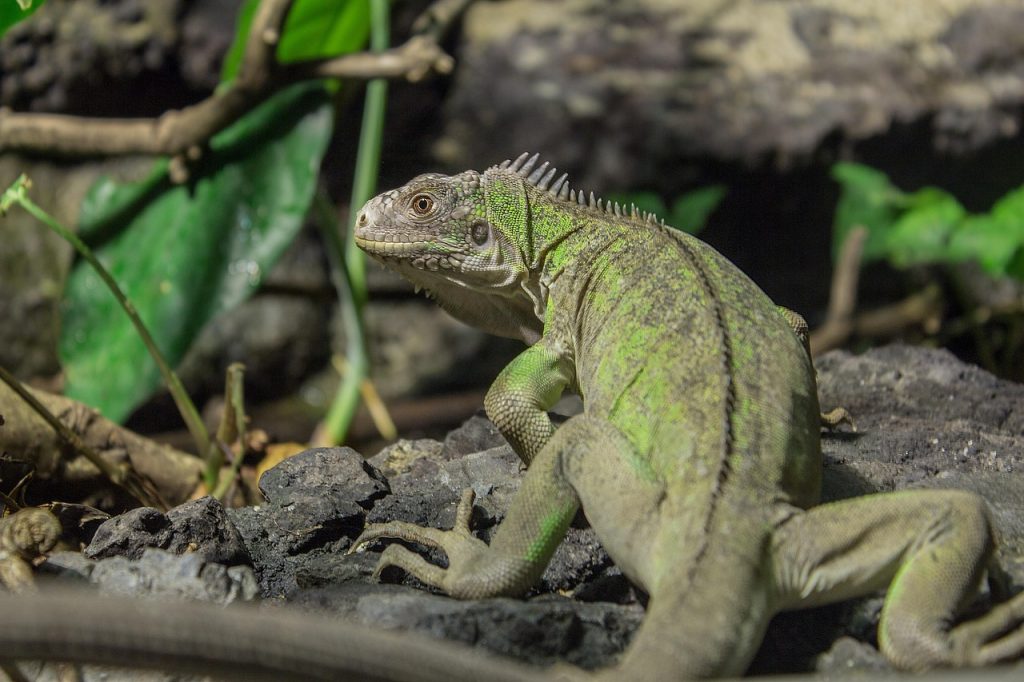
Iguanas turn a temperature chart into a headline.
After hours of chill, their muscles can slow enough that they lose their grip and drop from branches, then revive when the sun returns. In canal-side neighborhoods, people suddenly notice how a few degrees can flip the rules, turning a green lizard into a warning sign.
That same cold should stress Burmese pythons, yet the snakes keep persisting after fronts that leave other reptiles stunned. The contrast suggests the pythons are finding better shelter, better timing, or both, while much of the visible wildlife simply waits it out. Under cover, they endure what others cannot.
Burrows Become Winter Lifeboats For Pythons
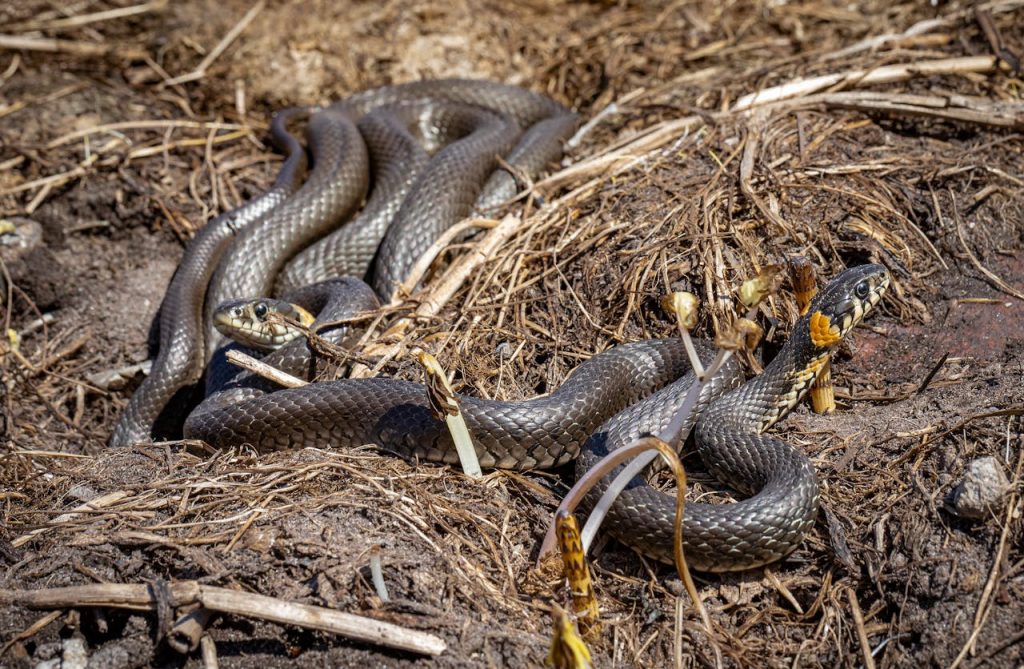
Survival in a cold snap often comes down to real estate.
Conservancy biologists in Southwest Florida have observed Burmese pythons using gopher tortoise and armadillo burrows as refuges during cold events. Soil holds heat longer than air, and a tunnel can keep a snake from spending critical hours exposed.
That behavior does not make pythons invincible, since freezing conditions can still be lethal. It does make short cold spells easier to ride out, then the snakes can emerge to bask, rewarm, and resume moving. In a place built on brief weather swings, that edge matters. It buys time. In the Everglades, time is survival.
Genetic Clues Point To Growing Cold Tolerance
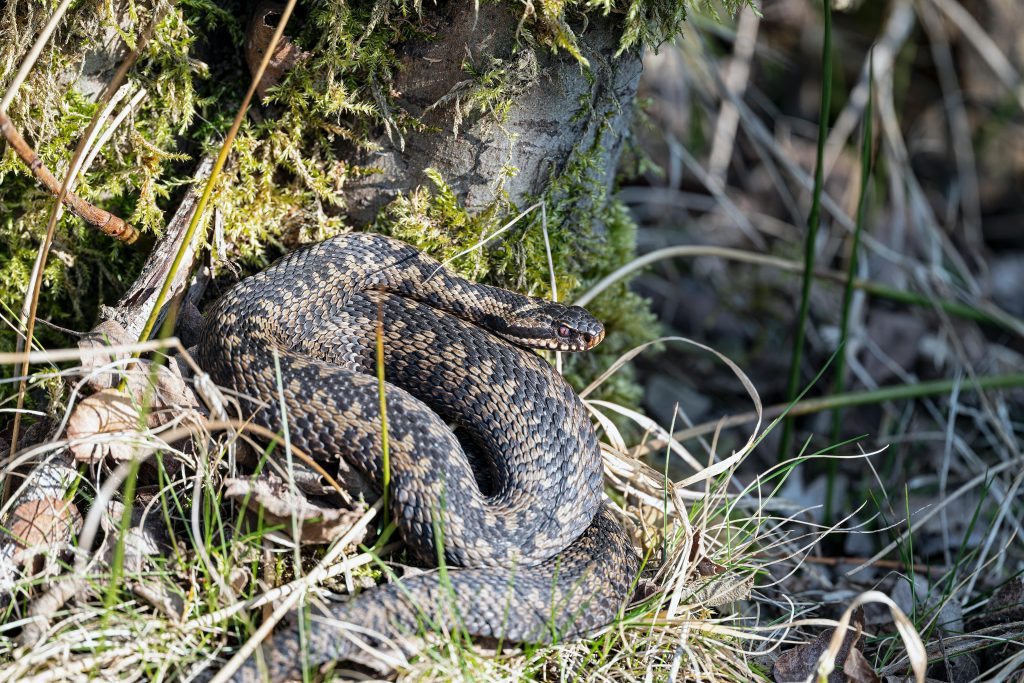
Researchers are not just watching behavior, they are reading the snakes’ biology.
A 2023 U.S. Geological Survey report cited evidence that parts of Florida pythons’ genome linked to cold tolerance have shifted through evolutionary change. Cold snaps can filter a population, leaving the hardiest animals to breed.
The report also noted that behavioral plasticity, like using refuges, can further enhance tolerance. The implication is unsettling: pythons may handle conditions farther north than the population now established south of Lake Okeechobee. Small gains add up. It widens what managers must watch each winter now.
Cold Can Still Disrupt A Python’s Digestion
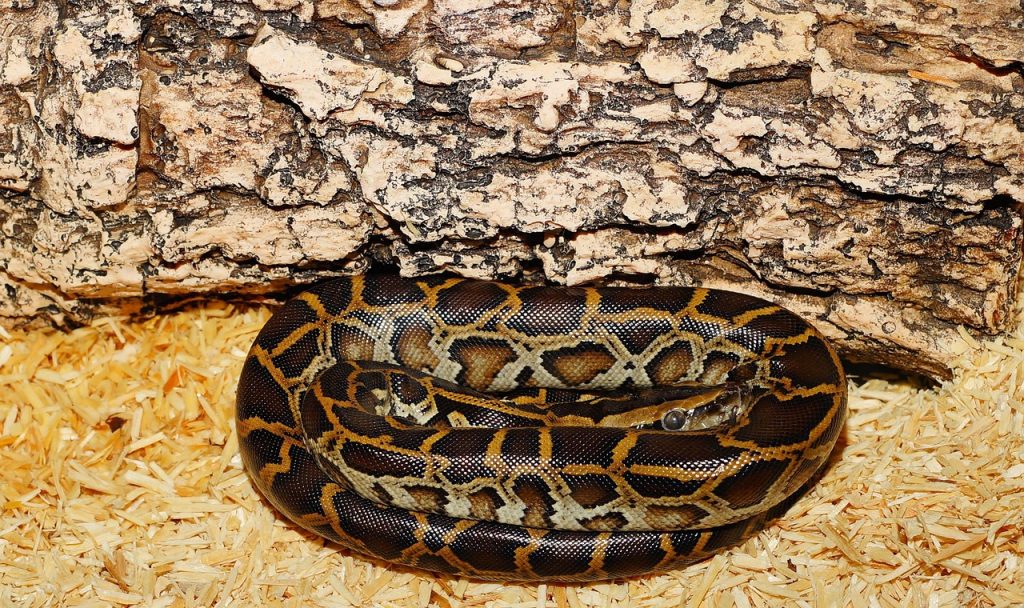
Cold tolerance does not mean cold comfort.
During a late 2024 chill in Big Cypress, U.S. Geological Survey scientists reported a tagged Burmese python expelling a whole white-tailed deer after temperatures fell below 50°F. Digestion slowed so sharply that the meal could not be safely finished.
Reported in the journal “Ecology and Evolution,” the case shows a limit that still matters. Cold can interrupt feeding and energy budgets, even when the animal survives, and lost meals can push more hunting once warmth returns, compounding the pressure on local wildlife. It was a rare wild case that shows winter still sets limits.
The Range Question Keeps Creeping North
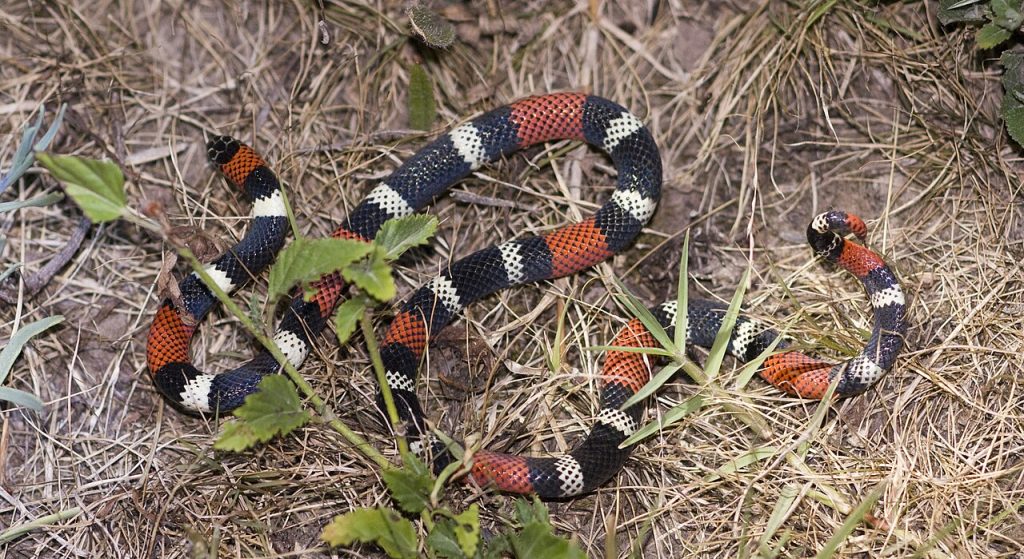
Florida’s python problem has long been mapped as a South Florida story.
The snakes are established across more than 1,000 square miles, largely south of Lake Okeechobee, where winters are milder and wetlands are continuous. If cold tolerance improves, even slightly, the boundary line becomes less reliable.
Federal researchers have warned that pythons may tolerate climatic conditions farther north than where the population is currently established. That does not guarantee a statewide takeover, but it does mean earlier detection matters in places that once assumed winter would handle the risk. Breeding changes the math.
A Big Snake With Few Natural Checks
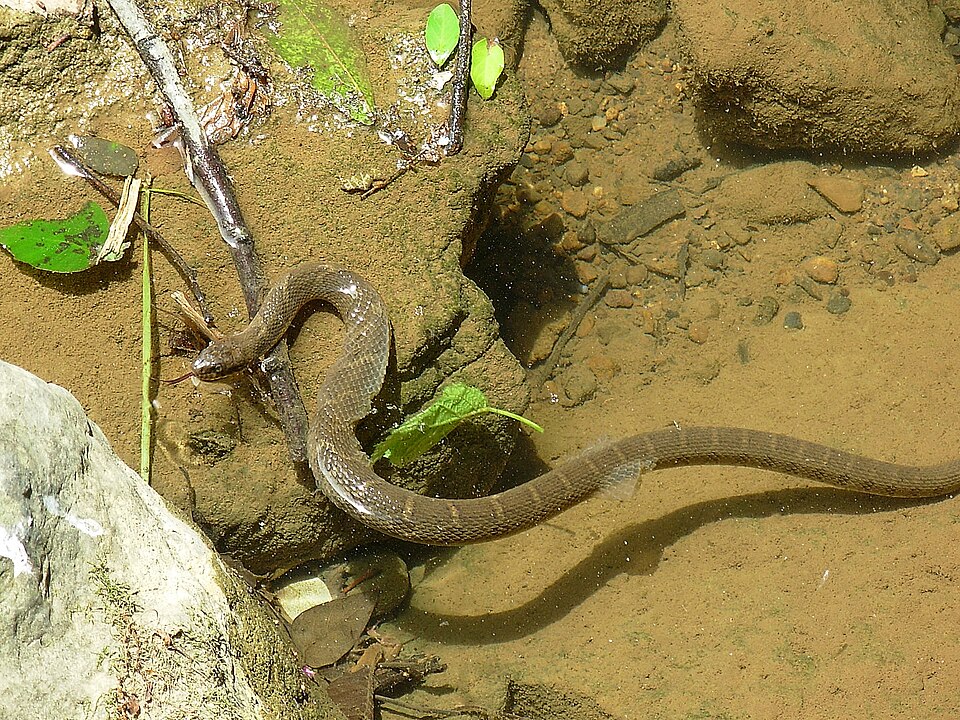
Burmese pythons are not venomous, but they are built for quiet control.
Adults commonly measure 10 to 16 feet, and in South Florida they have few predators once they reach size. That lack of pressure lets even cautious, slow-growing individuals survive long enough to reproduce.
In cold snaps, a large body also holds heat longer than a small one, which can buy extra time in shelter. Taken together, size, stealth, and patience help explain why the population persists even when other reptiles visibly struggle. The invasion traces to the exotic pet trade, and abandoned pets seeded the Everglades. Once established, growth continued.
Missing Mammals Tell The Longer Story
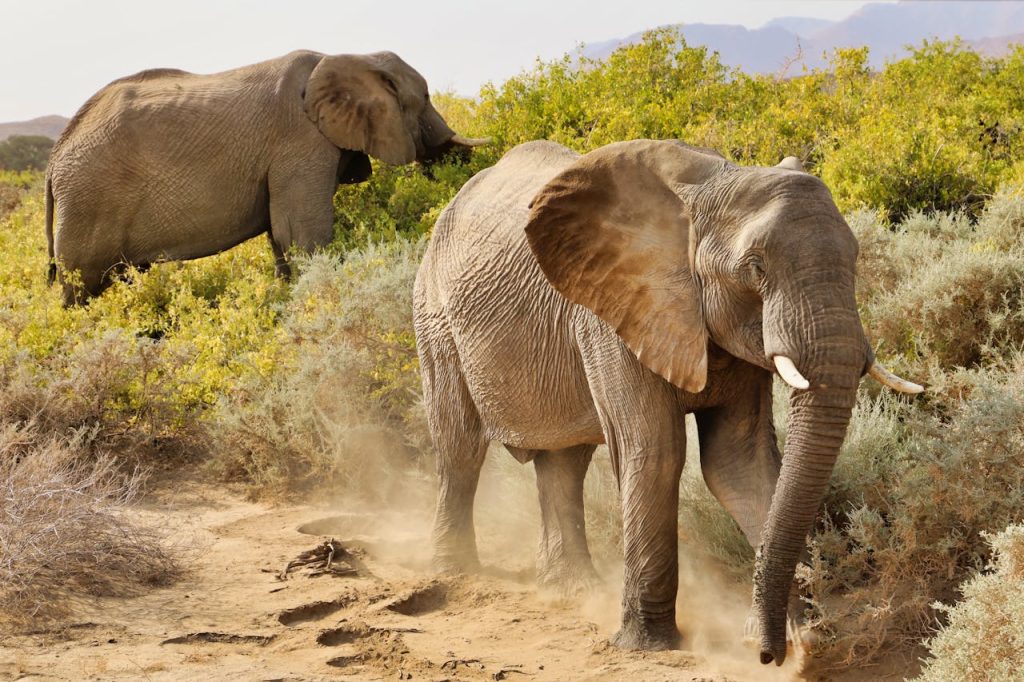
The clearest warning is often what is no longer seen.
Research has linked established python areas to steep declines in several Everglades mammals, including raccoons, opossums, rabbits, and foxes. These animals are not just scenery; they shape seed dispersal, predation patterns, and the everyday balance of wetlands.
When cold snaps fail to knock python numbers down, that pressure keeps grinding through the food web. Even native predators, like bobcats, lose options when common prey thins out, and recovery becomes a much longer, quieter project. With a range spanning more than 1,000 square miles, the impact is wide, not isolated.
Florida’s Removal Effort Has To Stay Year-Round
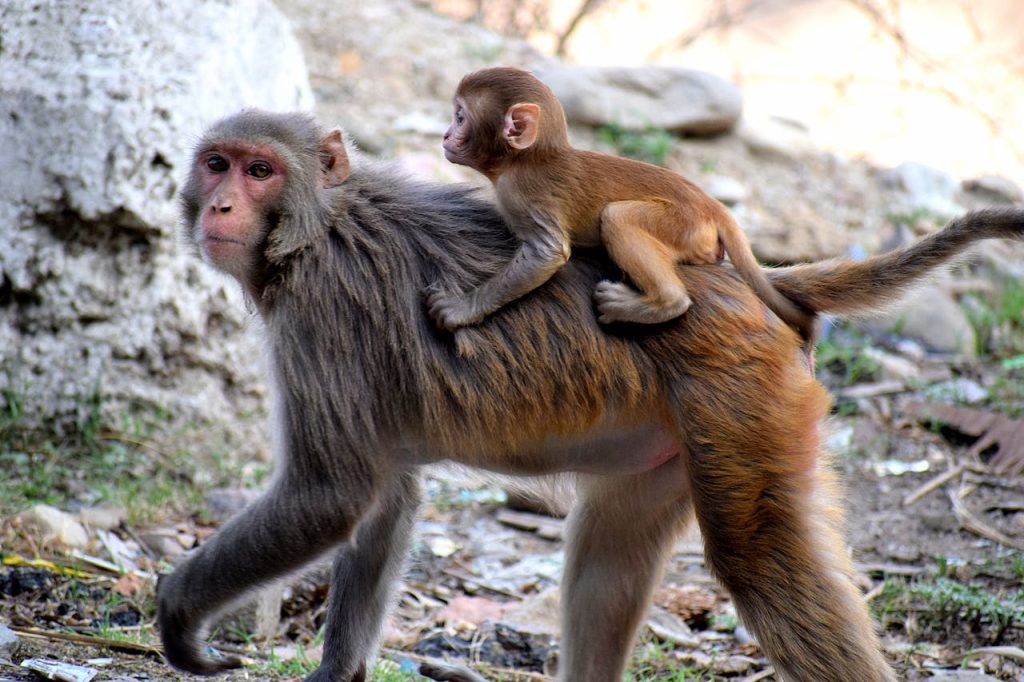
Since the cold is not clearing the board, Florida leans on removal.
The Florida Python Challenge is a public-facing piece of that work, pairing required training with a defined hunt window. In 2025, Everglades National Park joined as an official competition location, expanding where participants could search.
Events like this do not solve the problem alone, but they take real snakes out of the system and keep attention on an invasive species that thrives on being unseen. Persistence is the only reasonable strategy. FWC said 294 pythons were removed in the 2025 event, which drew 934 participants. The top finisher removed 60.
Florida’s winters are short, but the lesson is long: an invasive species can adjust faster than a plan built for yesterday’s patterns. Each cold front still stresses pythons, yet enough survive to keep pressure on mammals and the fragile quiet of the marsh.
The work, then, stays steady: track, remove, report, repeat. In a place where a few degrees can change everything, persistence is how Florida keeps balance within reach.