


A patio can feel finished with only a few well-chosen pots, but climbing plants add the one thing flat spaces lack: height. Garden designers use container vines to soften railings, screen neighbors, and pull fragrance closer to where people linger. The best choices thrive in confined roots, train easily on a trellis, and keep their looks through heat, wind, and the occasional missed watering. From spring scent to late-summer color, these climbers turn ordinary corners into outdoor rooms that feel lived-in and inviting.
Bougainvillea

Bougainvillea makes a patio feel like a sun-warmed courtyard, with papery bracts that read brighter than the actual flowers and show up from a distance. Designers keep it in a gritty, fast-draining potting mix, place it where it gets strong light and heat, and train it up a narrow trellis so the color lifts above furniture instead of snagging sleeves. Watering stays deliberate, deep soaks followed by a brief dry-down, and quick, selective pruning shapes a clean canopy while encouraging more bracts instead of endless thorny shoots, especially when pots are kept slightly snug and the plant is not pampered into pure foliage.
Mandevilla

Mandevilla is the polished climber for containers, pairing glossy foliage with large trumpet blooms that look tropical without turning a patio into a jungle. A generous pot with sharp drainage, consistent moisture, and at least six hours of sun keeps the vine flowering for weeks, especially when feeding is steady during the warm season. Designers often use a tall obelisk to keep stems vertical and airy, then trim lightly to guide shape, and the whole plant can be moved under cover before cold nights end the show, giving patios a long bloom window without constant staking or messy shedding on the floor.
Clematis

Clematis brings the kind of layered bloom that makes a small patio feel designed, because flowers hover at eye level instead of hiding in a bed. In a container, it thrives when the top gets sun but the root zone stays cool, so designers use a deep pot, rich yet well-drained mix, and mulch or a low companion plant to shade the base. Stems are tied out in a fan to widen coverage on a wall or screen, and a dependable pruning routine keeps growth airy, reduces mildew risk, and supports repeat flowering through the season, so it feels generous in bloom but still polite when doors open and close nearby.
Star Jasmine

Star jasmine earns its place near seating because the fragrance carries on warm evenings, and the evergreen leaves keep the patio looking finished in mild climates. Designers train it over a slim screen or arch for privacy, using a well-drained mix and steady watering that avoids soggy soil, then tie young shoots early so the vine climbs with intention. After flowering, a tidy prune thickens the canopy and prevents sprawl into walkways, making it a reliable option for patios that need scent, green structure, and a soft, glossy backdrop, and the vine settles into a repeatable routine that looks intentional from May into early fall.
Honeysuckle

Honeysuckle changes the mood after dusk, when the tubular flowers perfume the air and the vine feels lively without demanding much space. Designers choose a twining type and use a container to keep roots contained, then add a sturdy trellis so stems wrap upward rather than draping across herbs and side tables. Sun and consistent watering support bloom, while light trimming keeps airflow and prevents tangles, and the payoff is a patio edge that hums with pollinators and reads nostalgic in the best way, so the patio smells sweet without the plant muscling into every neighboring pot in the process.
Climbing Rose

A climbing rose in a large pot turns a blank wall into a soft backdrop, lifting blooms upward while leaving the patio floor open for chairs and traffic. Designers start with the biggest container practical, rich soil, and strong drainage, then train canes along a fan support, because horizontal canes often flower more generously along their length. Regular feeding, steady watering in heat, and seasonal pruning keep it balanced, and a wheeled stand makes it easier to shift for sun, airflow, or shelter when weather turns rough, which matters on patios where heat reflects off brick and pots dry faster than expected.
Sweet Peas

Sweet peas bring fragrance and delicate color that feels personal, and their airy texture softens hard patio surfaces without overwhelming a small space. Designers treat them as cool-season annuals, sowing early in a deep container, setting a teepee or netting at planting, and keeping soil evenly moist so stems never stall or flop. Deadheading extends bloom, and the vines respond well to light feeding, so a pot near a doorway can scent spring air while still offering plenty of stems for a jar, without stripping the display, creating a gentle, old-fashioned moment that still feels fresh against modern outdoor sets.
Morning Glory

Morning glory is the fast answer when a patio needs height and color in one season, especially for renters who want impact without permanent changes. In a container, it twines quickly up an obelisk, rail panel, or pergola post, opening fresh flowers in the morning and folding them by afternoon, which gives the space a gentle daily rhythm. Full sun and regular watering keep blooms steady, while trimming spent growth and removing seed pods limits reseeding, so the vine stays a one-season accent instead of a surprise takeover next year, a small step that saves hours of weeding and keeps the patio plan feeling controlled.
Passionflower

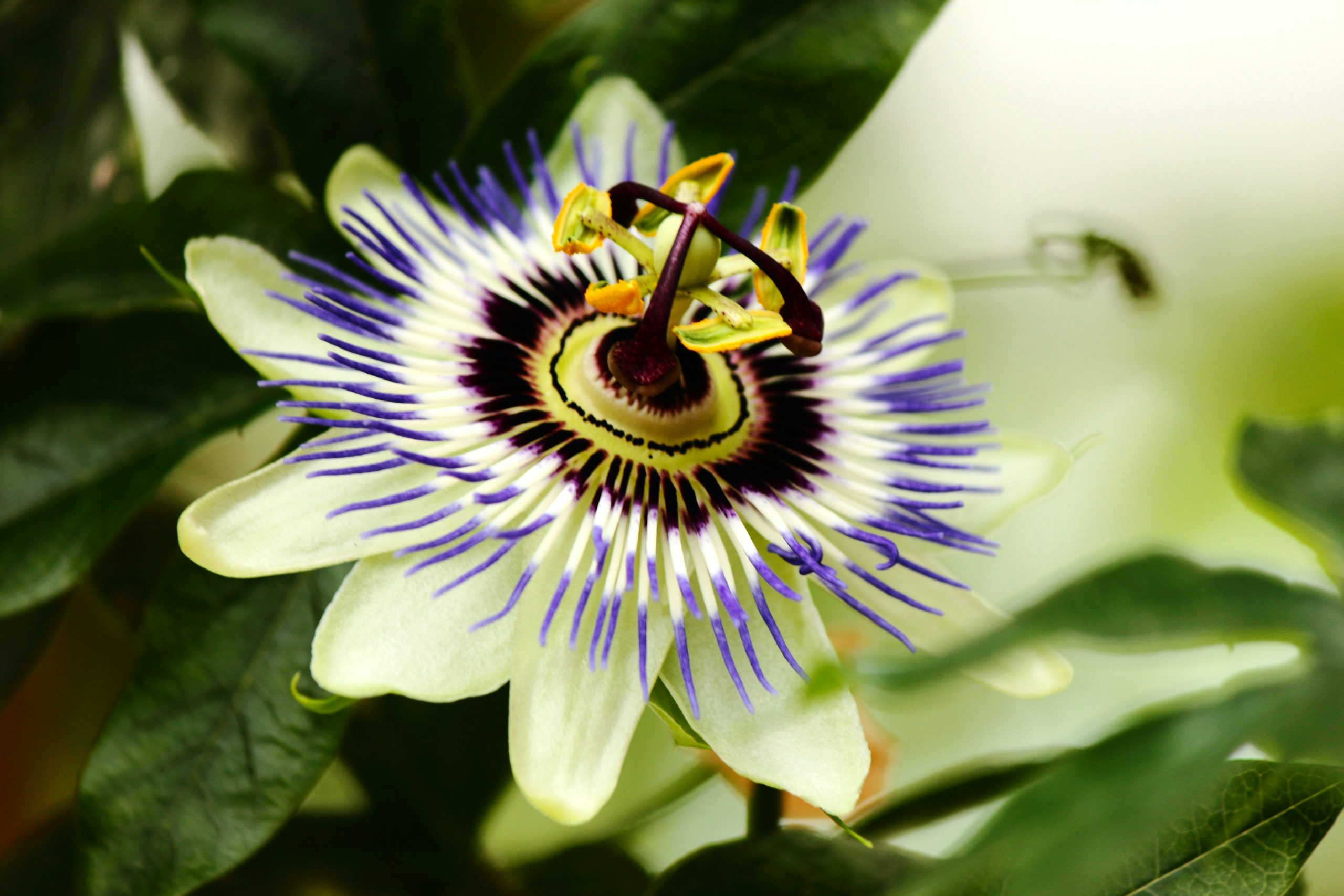
Passionflower looks almost handcrafted up close, with intricate blooms that draw attention even from a single pot near a seating corner. A sturdy trellis, bright light, and a well-drained, nutrient-rich mix let tendrils climb fast, and light feeding keeps growth vigorous without turning into a thicket. Designers like containers because they control spread in mild climates, and after flowering some varieties set colorful fruit, adding texture and interest long after petals drop and the patio shifts into late season, which helps the vine feel like a feature, not a project that eats the railing daily.
Black-Eyed Susan Vine

Reza Madani/Unsplash
Black-eyed Susan vine delivers bright, cheerful color that reads clearly from across a patio, with blooms that keep coming when conditions stay warm. It climbs willingly on a stake or obelisk, and designers start support early, then water evenly and pinch lightly so growth stays full instead of racing into a thin topknot. Most treat it as an annual, though it can be perennial in frost-free areas, and removing spent flowers keeps it tidy, while the container format makes end-of-season cleanup simple and clean, making it a dependable burst of color for summer parties and quick photo-worthy corners.
Climbing Nasturtium

Climbing nasturtium softens railings with round leaves and bold blooms, and designers love that the flowers and leaves are edible with a peppery bite. In a container, it climbs five to six feet on a simple trellis and flowers from summer until frost with steady sun and water, making a generous curtain that brightens metal and stone. It also tolerates imperfect care, so it suits busy patios, and because the plant fills quickly, a single pot near outdoor dining can deliver color, softness, and garnish-worthy petals without constant fuss, and the vine’s loose habit keeps the look friendly rather than stiff or overly formal.
English Ivy

English ivy is the steady green option for shaded patios, where many flowering climbers look sparse or refuse to bloom. In a pot, it can be trained up a wire panel for privacy, wrapped around a post for structure, or allowed to spill for a softened edge, as long as moisture stays even and drainage stays clear. Designers prune it to keep a crisp outline and avoid hiding lights or hardware, and they keep it strictly container-grown because ivy can spread aggressively in some regions, letting it serve as a calm backdrop for seasonal color, a simple choice that keeps the patio composed when flowering plants take a break between flushes.