

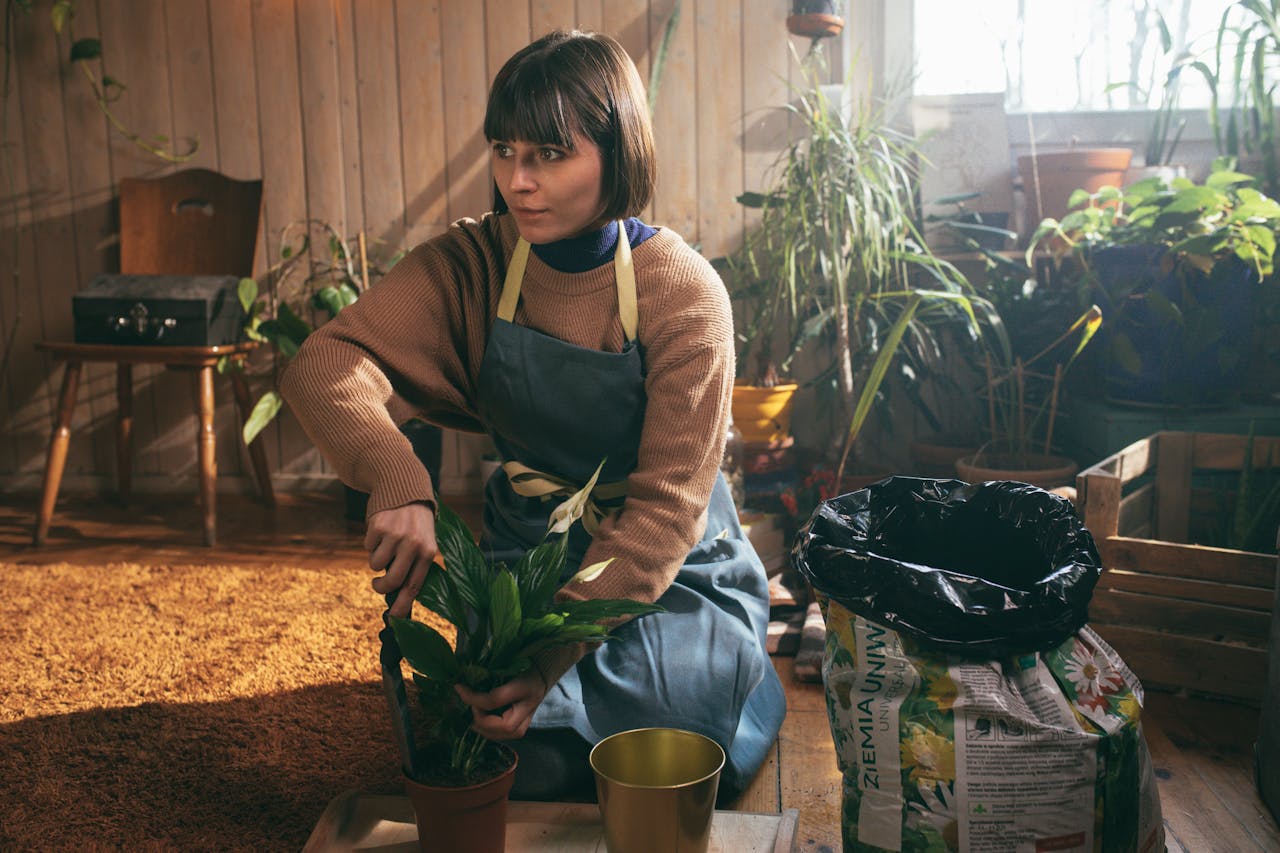
February sits in that in-between stretch, when winter still owns the yard but daylight starts bargaining for more.
Up north, snow can keep falling while seed catalogs pile up; in the middle states, thaws tease the soil; in the South, beds may already be workable. The smartest prep stays local: timing seed starts to the last frost, fixing last year’s lighting and watering hassles, and ordering long-lead plants before stock runs thin. Indoors, pots can be flushed at the sink to wash out built-up salts, then rotated so fresh growth leans evenly toward the window. That small rhythm keeps spring from arriving like a deadline.
Houseplants Get a February Reset
Curtis Adams/Pexels
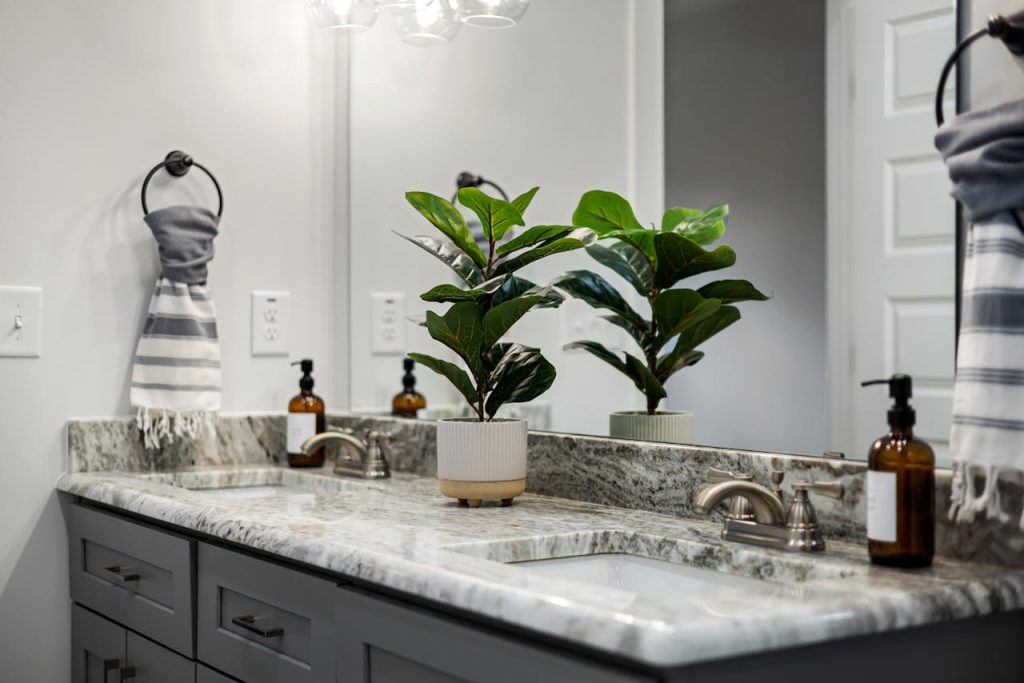
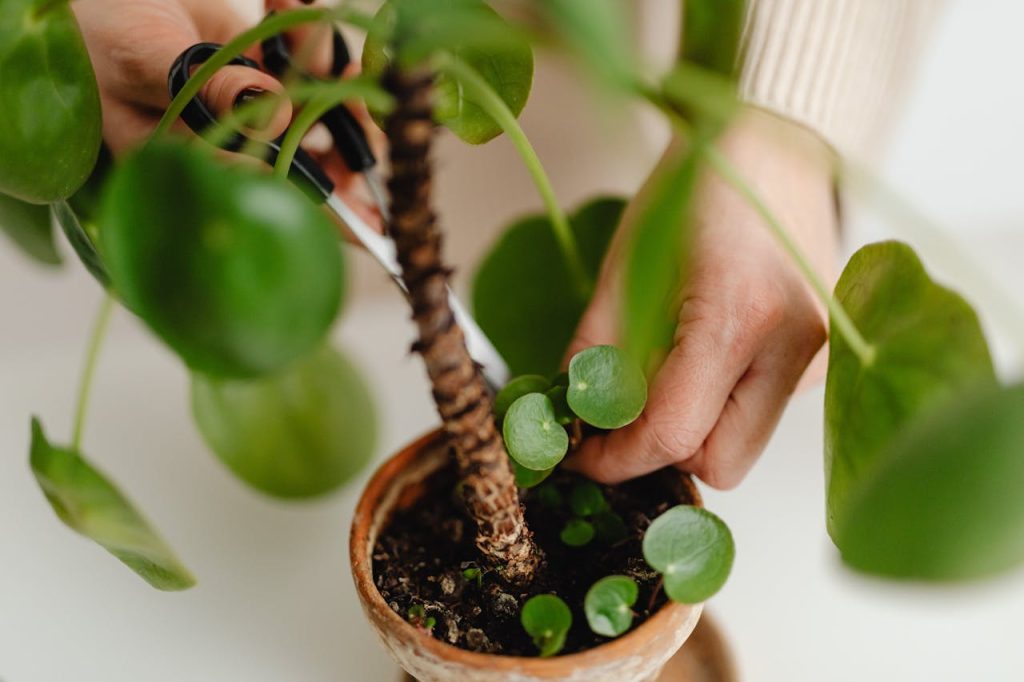
Before outdoor work ramps up, indoor plants benefit from a simple February cleanout.
Garden experts recommend taking pots to the sink and flushing soil until water runs freely from the drainage holes for a minute or two, which helps rinse accumulated fertilizer salts. After draining completely, pots can be rotated so the shadier side faces the window, keeping stems from leaning. Dusty leaves can be wiped, saucers checked for standing water, and drainage holes cleared. This is also a clean moment to test grow-light timers and clear space for seedlings. A quick reset indoors makes the whole home feel ready for spring’s first push.
Northern Region: Start the Slow Seeds
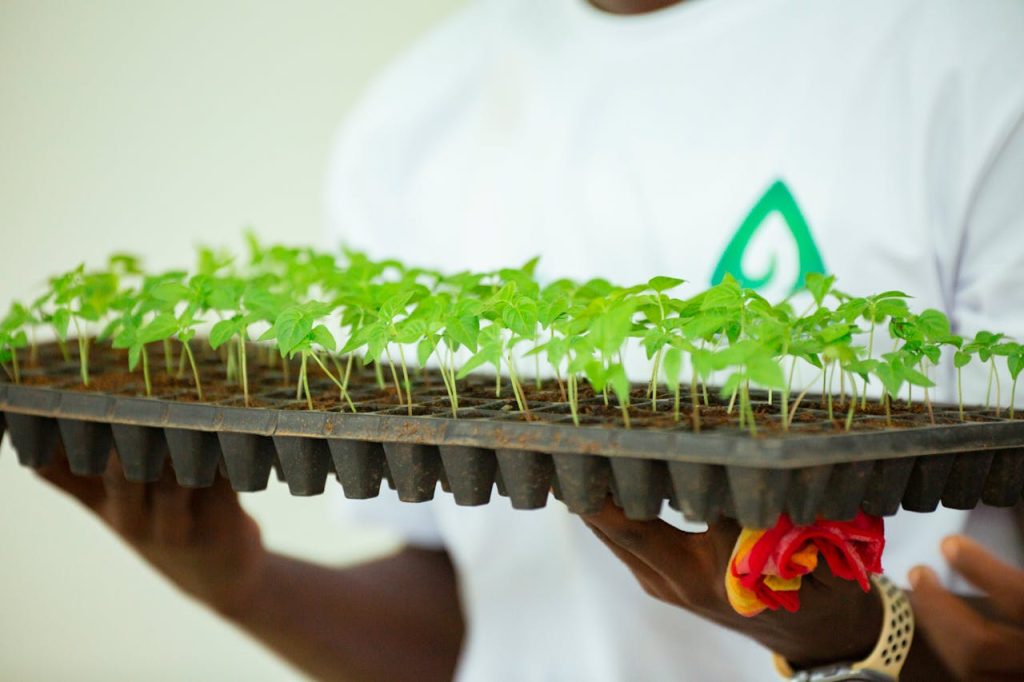
In the northern tier, February still feels like deep winter, yet the longer light invites planning instead of waiting.
For gardens with a May last frost, it is early for most indoor sowing, but slow starters can begin now. Peppers often need about 10 weeks, and celery plus herbs like rosemary, sage, and thyme move at a steady pace. Where last frost lands in April, tomatoes can fit late in the month, closer to an eight-week window. This is also the time to fix fussy lights, timers, and watering tools before trays fill every surface.
A sowing of basil under lights can deliver the first fragrant leaves while snow still hangs on.
Northern Region: Test Seeds and Start Stratification
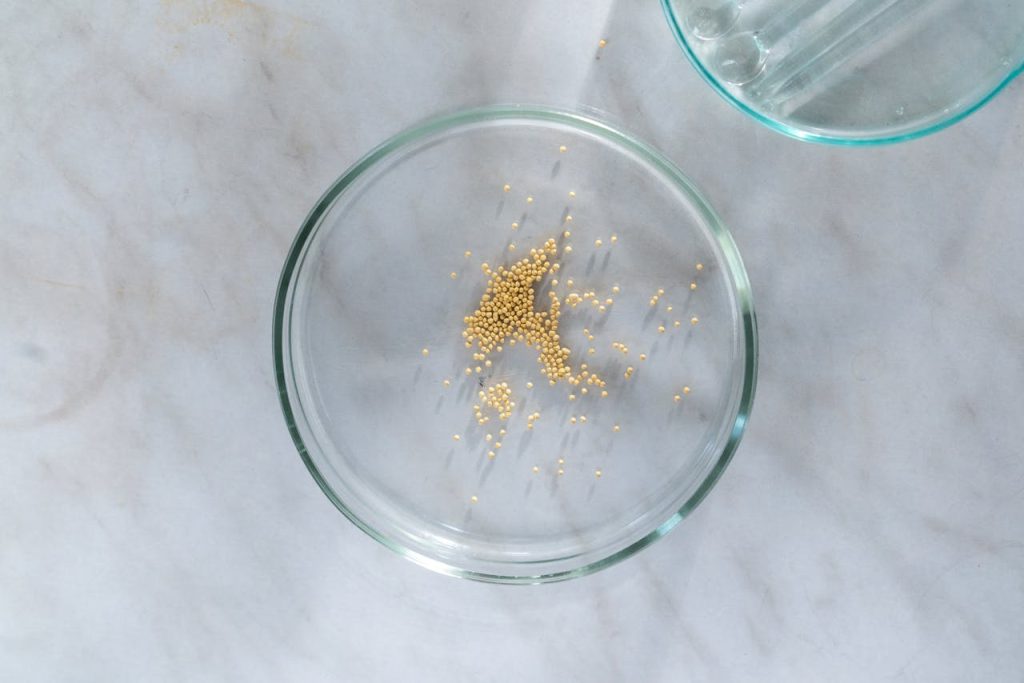
February is the quiet window for long-lead decisions in cold climates, when mistakes can be corrected without losing the season.
Old packets and saved seed can be checked with a quick germination test, so weak results do not surprise the spring schedule. Perennial and native seeds that require cold stratification can begin now, often needing 30 to 60 days in a refrigerator to mimic winter. Orders for bare root stock, from apple trees and roses to berries, rhubarb, or hops, are worth placing early because the best plants tend to go first.
Plans made during snow season land in the ground with far less drama once thaw arrives.
Northern Region: Late-Winter Checks That Save Spring
Even in deep winter, February offers workable afternoons that can prevent slow leaks of time later.
Dormant-season pruning can be wrapped up on a mild day, keeping cuts clean before sap flow speeds up. Shrub and tree guards deserve a look too, since late winter is when deer and rabbits often turn to woody bark and buds. Indoors, stored bulbs and root crops can be inspected, with a garden journal note on which squash, onions, carrots, or other keepers are still holding firm.
Onion seed can be started, dahlia vendors checked for spring leftovers, and any last nursery orders placed while inventory is still strong in cold zones.
Middle States: Sanitize Gear Before Seeds Start

In the middle tier, winter often loosens its grip in February, but last year’s problems can return fast if prep is skipped.
Reused flats and cell packs should be cleaned before new sowing begins. A soak in a 10% bleach dilution, followed by a thorough rinse, helps reduce lingering disease that can wipe out seedlings in a week. With that done, many indoor starts can begin, including tomatoes, lettuce, brassicas, and snapdragons. Cucurbits like cucumbers and melons usually wait, since they race ahead and resent long indoor stays.
Good sanitation feels boring, yet it is one of the most reliable spring advantages for busy gardeners.
Middle States: Tend Beds While Waiting on Warmth
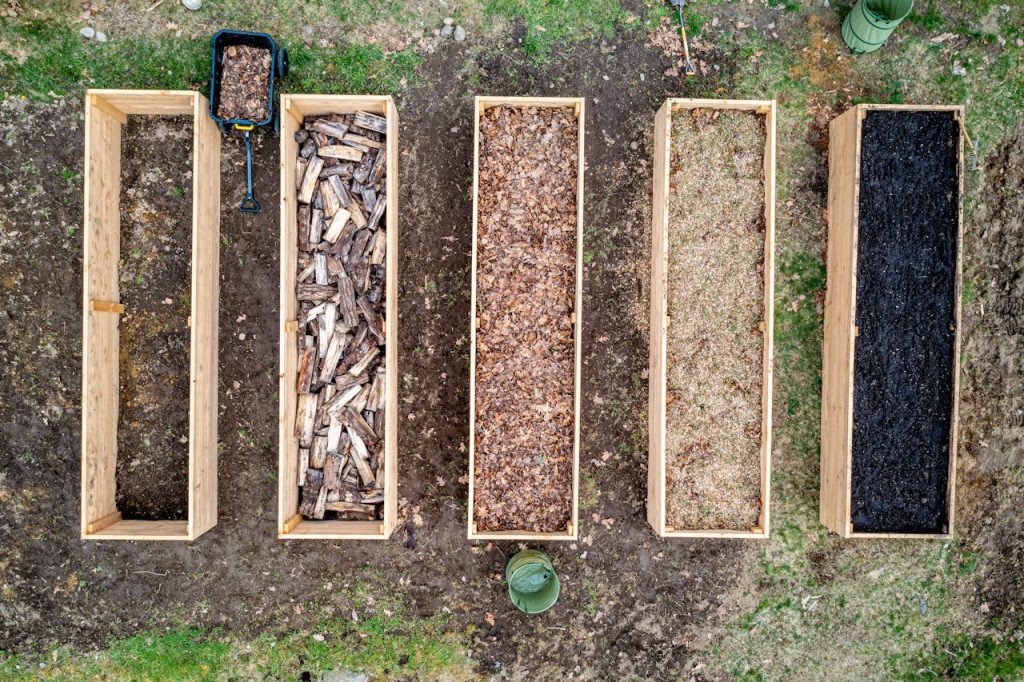
When the ground starts to thaw, February becomes a month of small outdoor moves that protect larger spring plans.
Mulch can be checked after windy spells and topped up where soil is exposed. If the ground is thawed and dry, young evergreens may need a drink on a mild day, since winter sun and wind can dehydrate needles faster than roots can replace moisture. Frost-heaved perennials can be pressed back into place, and cool-weather flowers like sweet pea or snapdragons can sometimes be sown outside when conditions allow.
A few forsythia stems forced indoors can bring color to a kitchen while shovels, hoes, and trowels get sharpened.
Southern Region: Plant Cool-Season Crops Outdoors
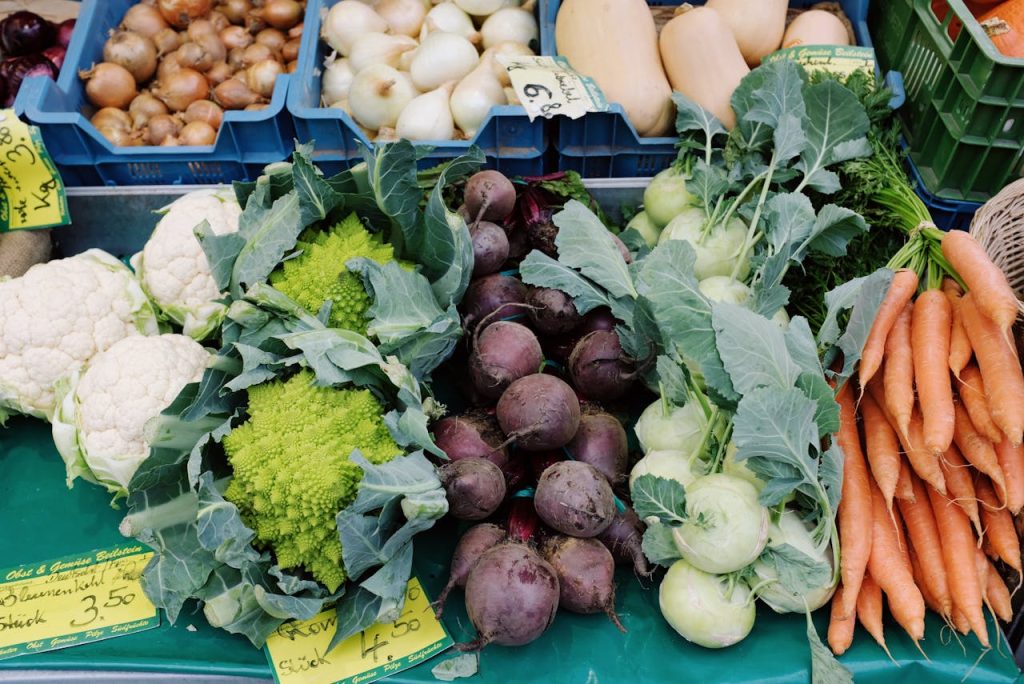
In the South, February can feel like an early spring preview, and that shift changes the whole to-do list.
Overwintered brassicas may still be producing, and beds can take new planting on many days. Root vegetables, including carrots, beets, and onion sets, often go in now, along with peas if they are not already up. Transplants like cabbage, kale, and broccoli can be hardened off and set out, while weeds are still small enough to hoe without a wrestling match. Tomato seedlings can keep growing indoors under lights.
Work done early in warm zones buys breathing room when heat arrives and growth accelerates. Cold snaps still happen.
Southern Region: Divide, Prune, and Feed Perennial Beds
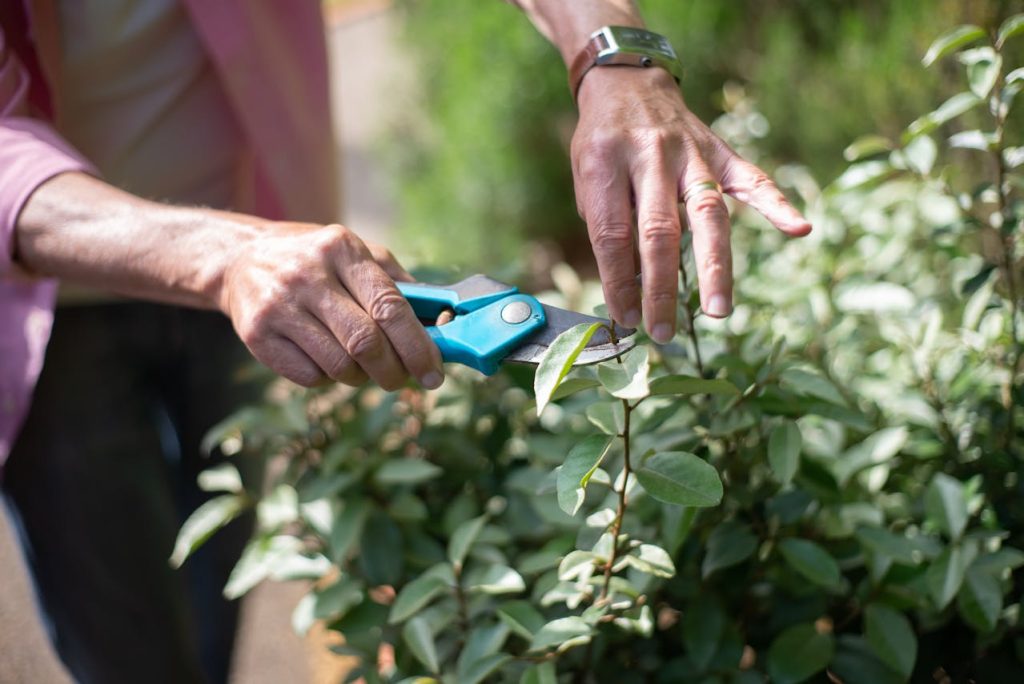
With plants stirring earlier, February is also the moment to clean up last season’s growth without racing new shoots.
Ornamental grasses and dead perennial stalks can be cut back to clear light and air for fresh stems. Dividing perennials now often works well, because roots can settle before true heat. Snapdragons and pansies can be transplanted, while poppies and sweet peas can be direct seeded in cool soil. Bare root ornamentals and fruit trees can be planted as shipments arrive, followed by a light layer of compost over perennial beds.
Some plants emerge late, so patience stays part of the plan even in warm regions.