
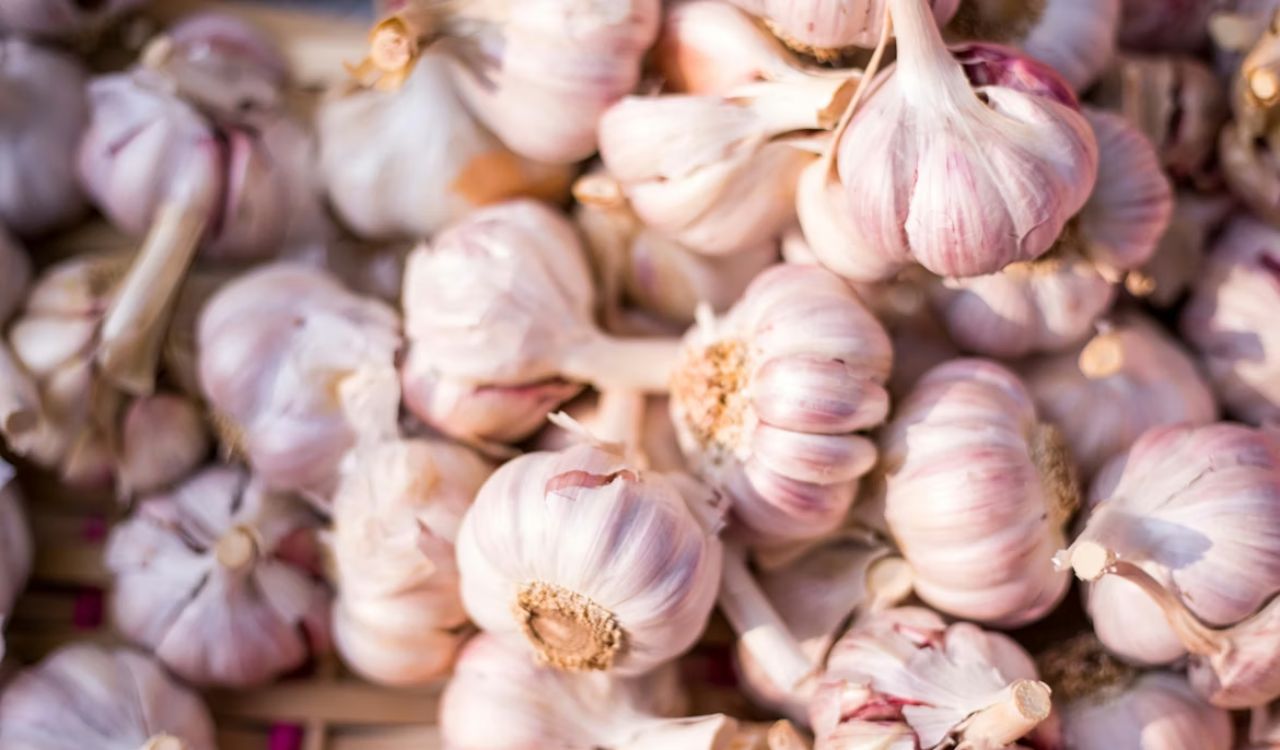
Garlic has a reputation for being foolproof, yet many gardeners end the season wondering why their harvest looks small, uneven, or disappointing. Experts say garlic failures usually come down to skipped steps rather than bad luck. This crop is slow growing and highly responsive to early decisions, from how the cloves are planted to how the soil is managed months later. When one detail is overlooked, garlic shifts energy away from bulb development and into basic survival. Paying attention to these commonly missed steps helps plants grow stronger, resist stress, and form the large, flavorful bulbs gardeners expect.
1. Planting at the wrong time
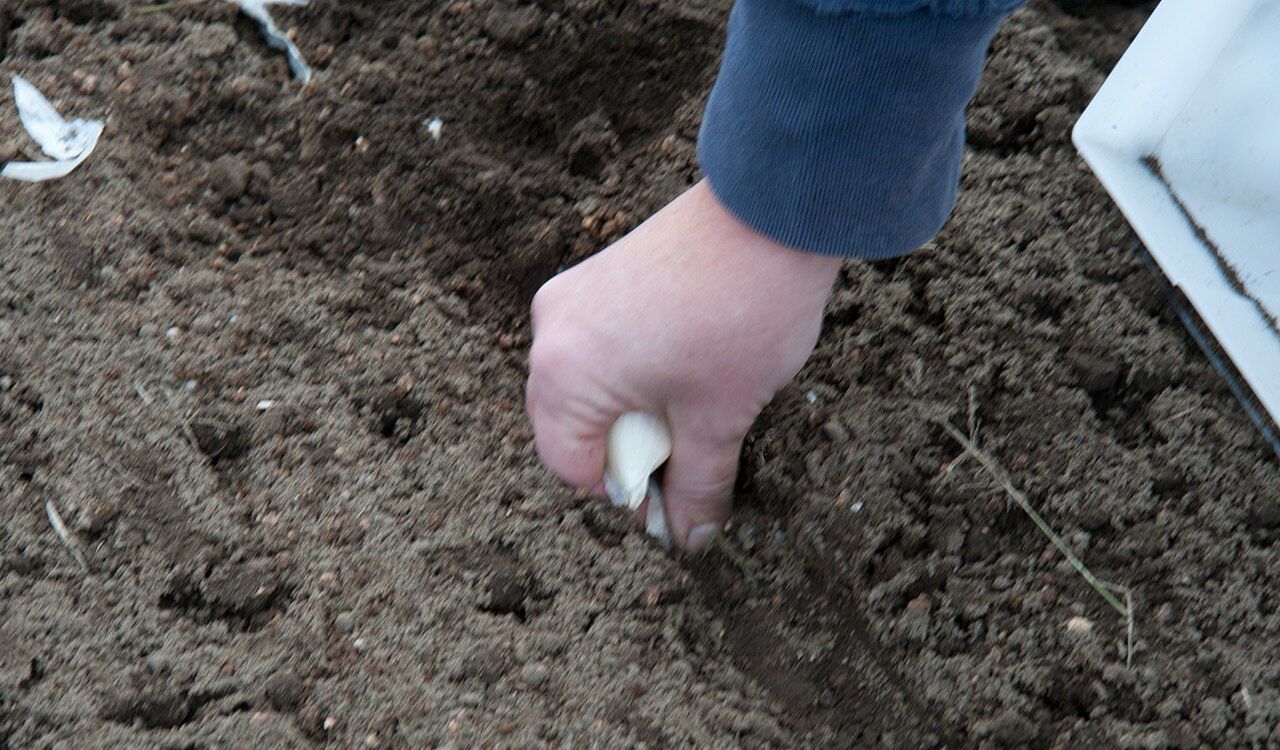
Garlic fails to thrive when it is planted too late or too early for the local climate. Garden experts explain that garlic needs a cold period to trigger proper bulb development. When planting is delayed, roots do not establish before winter, leading to weak spring growth. Planting too early can cause excessive leaf growth that suffers in cold weather. The goal is to plant when soil is cool but workable, usually several weeks before the ground freezes. This timing allows roots to form while keeping top growth minimal. Correct planting time helps garlic focus energy underground, setting the stage for strong bulbs instead of thin, stressed plants.
2. Using poor or compacted soil
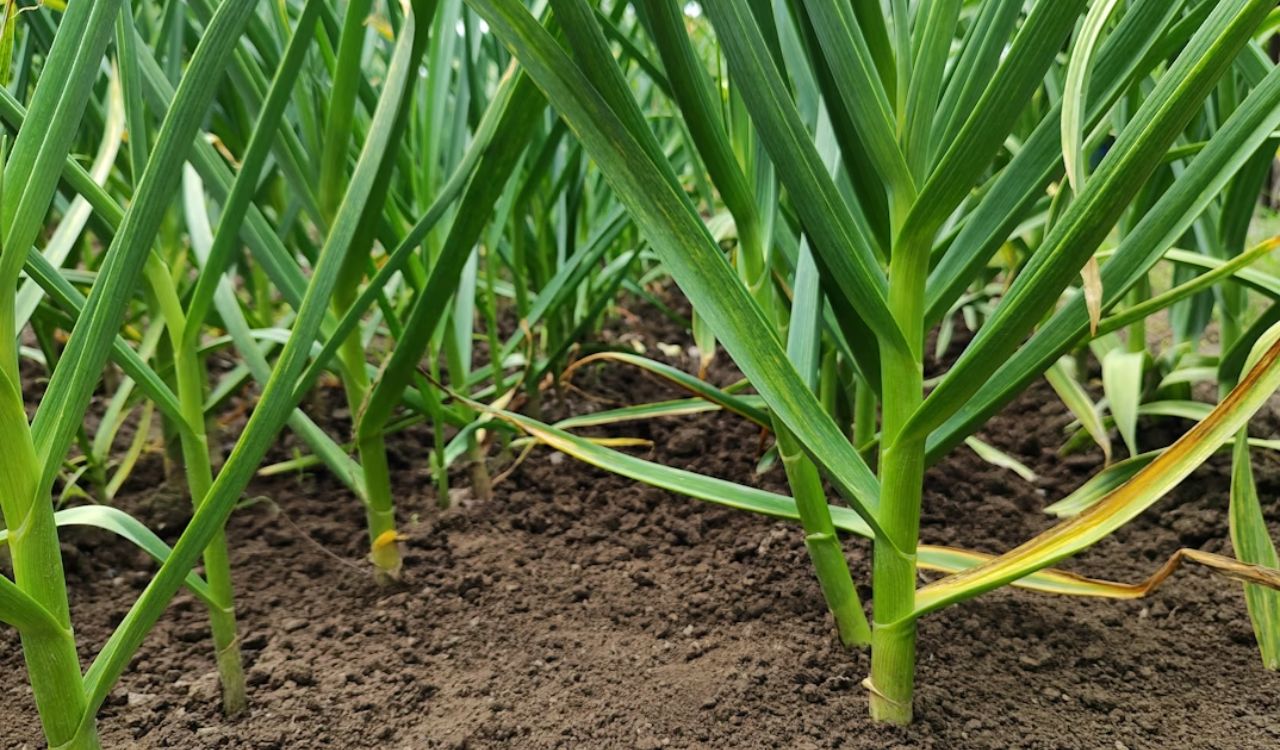
Garlic struggles in soil that is dense, compacted, or low in organic matter. Experts note that bulbs need loose soil to expand evenly as they grow. Heavy clay restricts root development and traps moisture, increasing the risk of rot. Sandy soil drains quickly but often lacks nutrients needed for steady growth. Gardeners who skip soil preparation often see small or misshapen bulbs at harvest. Mixing compost into the bed improves structure, drainage, and nutrient availability. Well prepared soil also supports beneficial microbes that help garlic access nutrients. Starting with loose, fertile soil gives garlic the space it needs to form full sized bulbs.
3. Skipping proper spacing
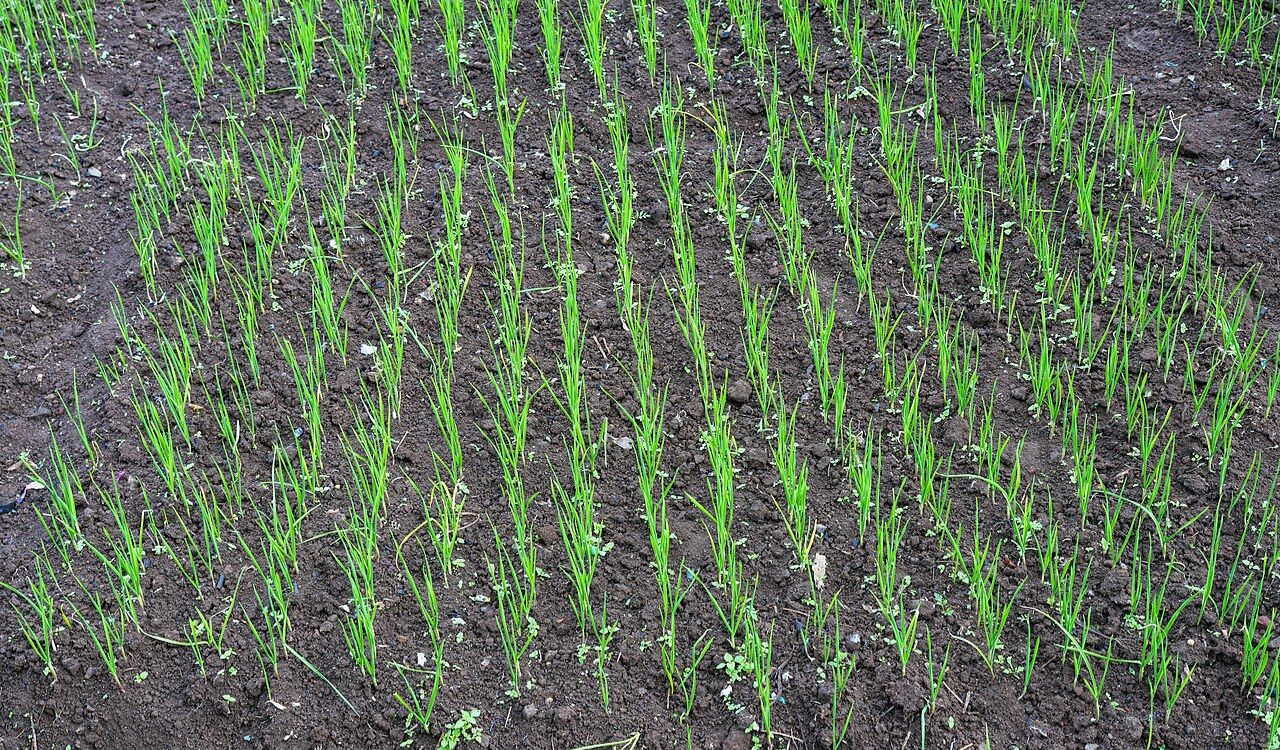
Crowded garlic plants compete for water, nutrients, and light, which limits bulb size. Garden experts recommend spacing cloves far enough apart so each plant can develop fully. When cloves are planted too close, leaves overlap early, reducing airflow and increasing disease risk. Roots tangle underground, forcing bulbs to stay small. Proper spacing allows each plant to build a strong root system and healthy leaf growth, which directly supports bulb formation. Although wider spacing may look sparse at planting time, it leads to better yields at harvest. Giving garlic room to grow is one of the simplest ways to avoid disappointing results.
4. Forgetting to mulch after planting
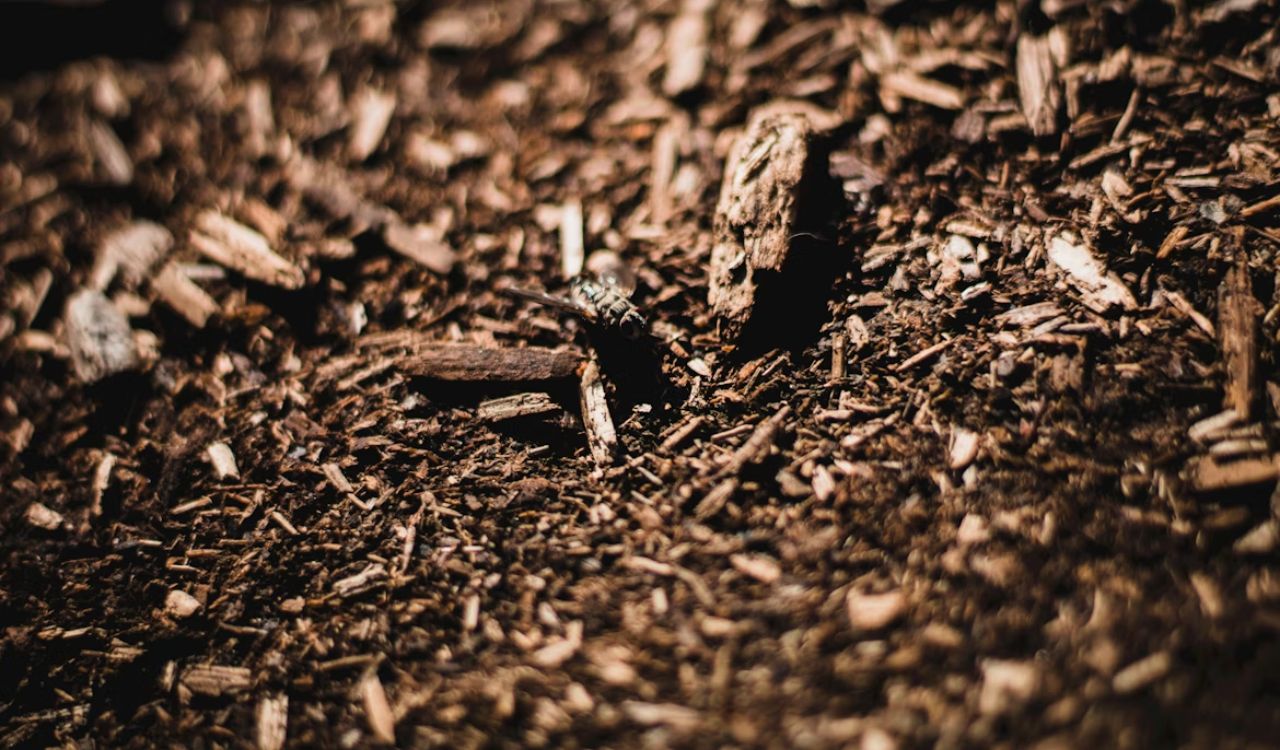
Skipping mulch is a common mistake that causes garlic to struggle through winter and early spring. Garden experts explain that mulch helps regulate soil temperature, keeping cloves from freezing and thawing repeatedly. Without mulch, soil dries out faster and becomes compacted by rain or snow, stressing young roots. Mulch also suppresses weeds that compete for nutrients once growth begins. Straw, shredded leaves, or similar materials work well when applied in a thick layer after planting. As the season warms, mulch continues to conserve moisture and protect developing bulbs. Garlic grown without mulch often shows uneven growth and reduced bulb size.
5. Overwatering or poor drainage
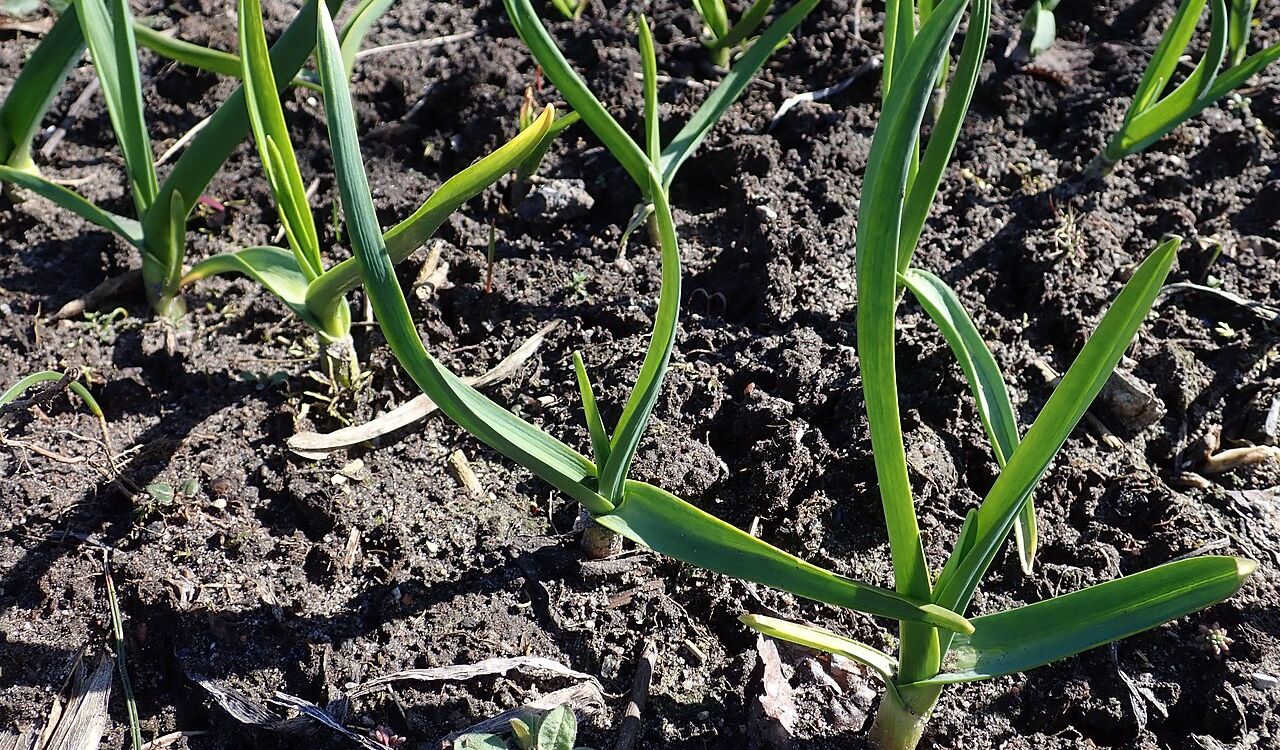
Garlic needs consistent moisture, but too much water can be just as harmful as too little. Experts note that garlic roots are sensitive to saturated soil, especially early in growth. Overwatering or planting in poorly drained beds leads to weak roots and increases the risk of rot. Wet conditions also reduce oxygen in the soil, slowing nutrient uptake. Garlic should be watered deeply but only when the top layer of soil begins to dry. Raised beds or amended soil improve drainage and help prevent problems. Managing moisture carefully allows garlic to grow steadily without stress that limits bulb development later.
6. Ignoring nutrient timing
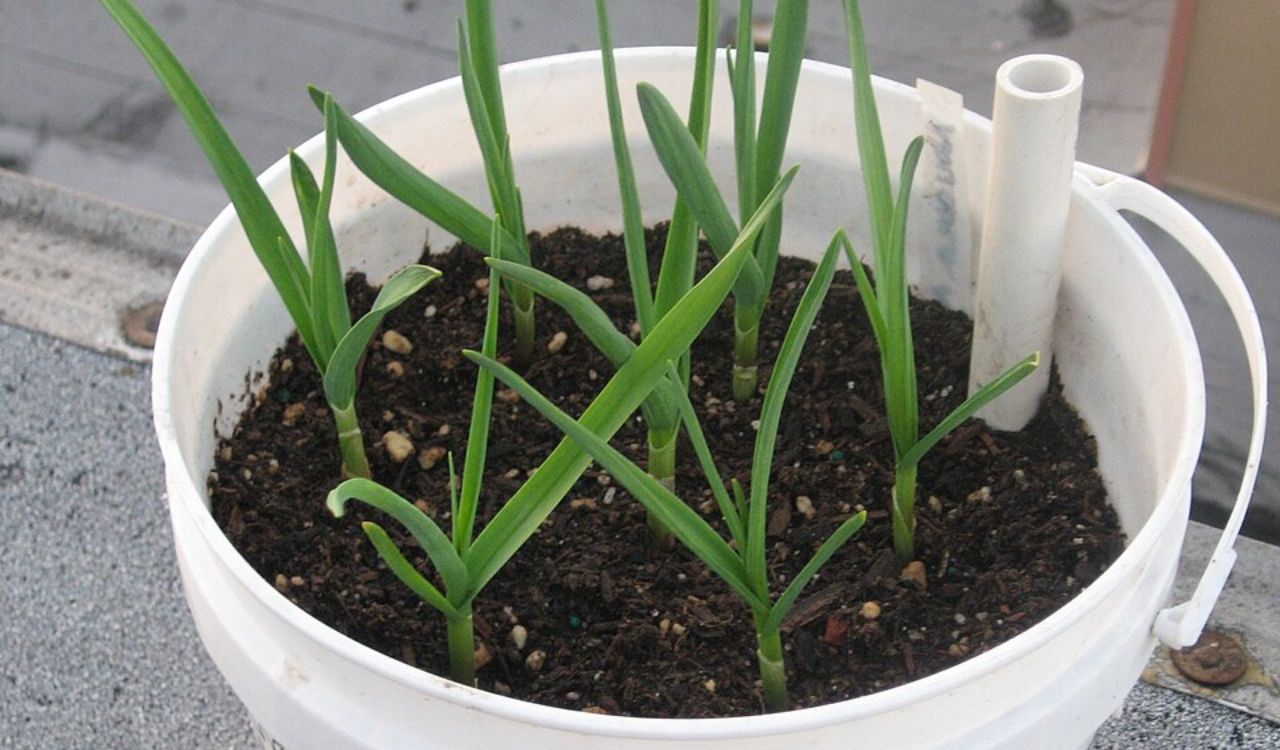
Garlic requires nutrients at specific stages, and skipping timely feeding often results in poor bulb formation. Garden experts explain that nitrogen is most important early in the growing season when leaves are forming. These leaves later supply energy to the bulb. If nutrients are lacking early, plants cannot recover later. However, continuing heavy feeding late in the season encourages leaf growth instead of bulb expansion. Balanced compost or fertilizer applied in early spring supports healthy growth. Knowing when to feed and when to stop helps garlic shift energy properly, leading to larger bulbs rather than excessive foliage at harvest time.
7. Leaving scapes on too long
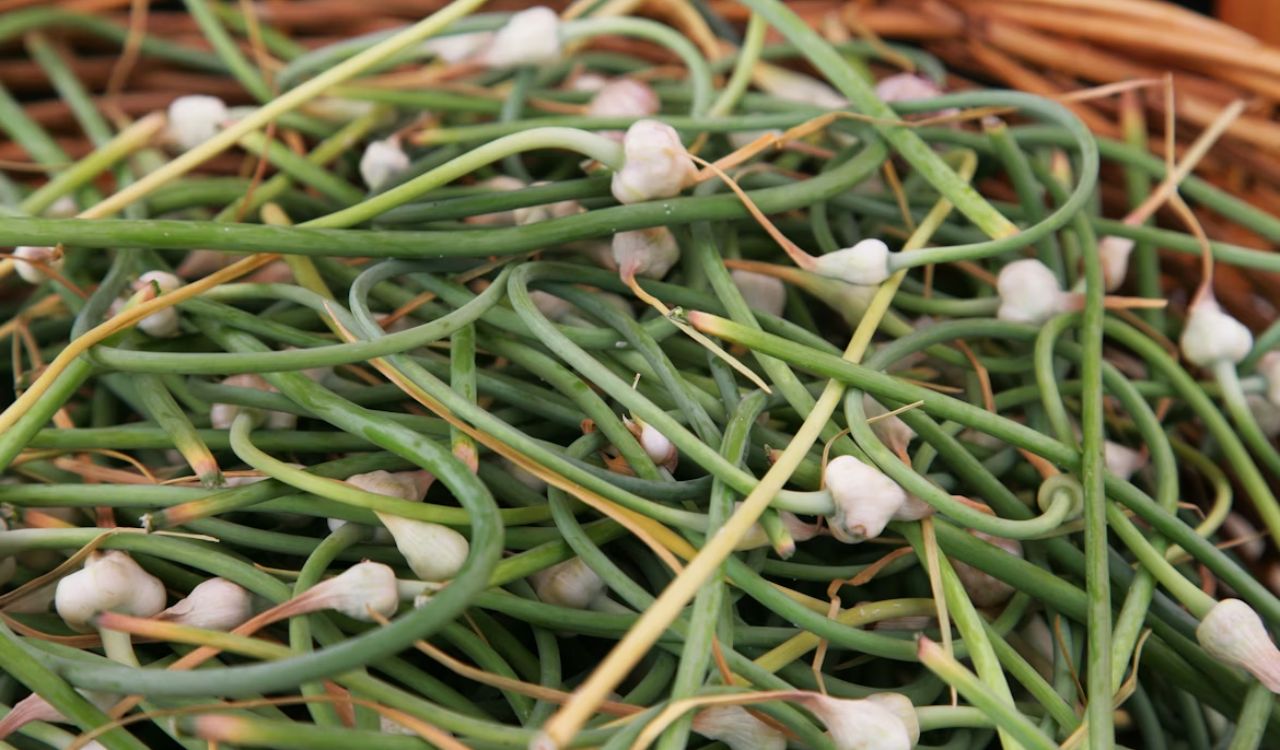
Hardneck garlic produces a flower stalk called a scape, and skipping its removal is a common reason bulbs stay small. Garden experts explain that once scapes form, the plant redirects energy away from the bulb and toward seed production. If scapes are left in place too long, bulb growth slows noticeably. Cutting scapes soon after they begin to curl allows the plant to refocus on underground development. This simple step has a direct impact on final bulb size. Removing scapes does not harm the plant and can actually improve airflow around leaves. Many gardeners also use harvested scapes in cooking, turning a potential setback into a bonus harvest.
8. Harvesting too early or too late
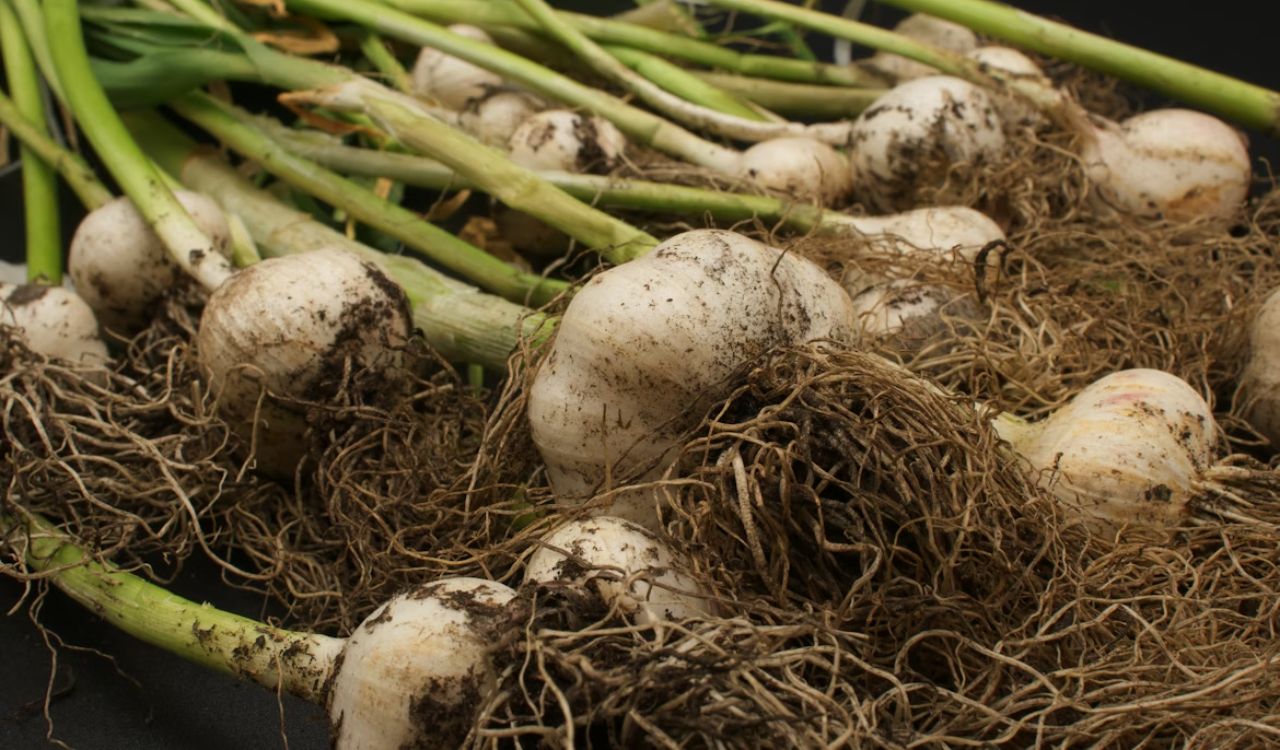
Harvest timing plays a major role in garlic success, and guessing often leads to poor results. Experts advise watching the leaves rather than the calendar. When garlic is pulled too early, bulbs have not finished sizing up and may not store well. Waiting too long causes bulb wrappers to break down, leaving cloves exposed and vulnerable to rot. The ideal time is when several lower leaves have dried but upper leaves remain green. This balance signals that the bulb has reached maturity. Careful timing ensures tight skins, full cloves, and better storage life. Harvesting at the right moment turns months of careful growing into a rewarding yield.