

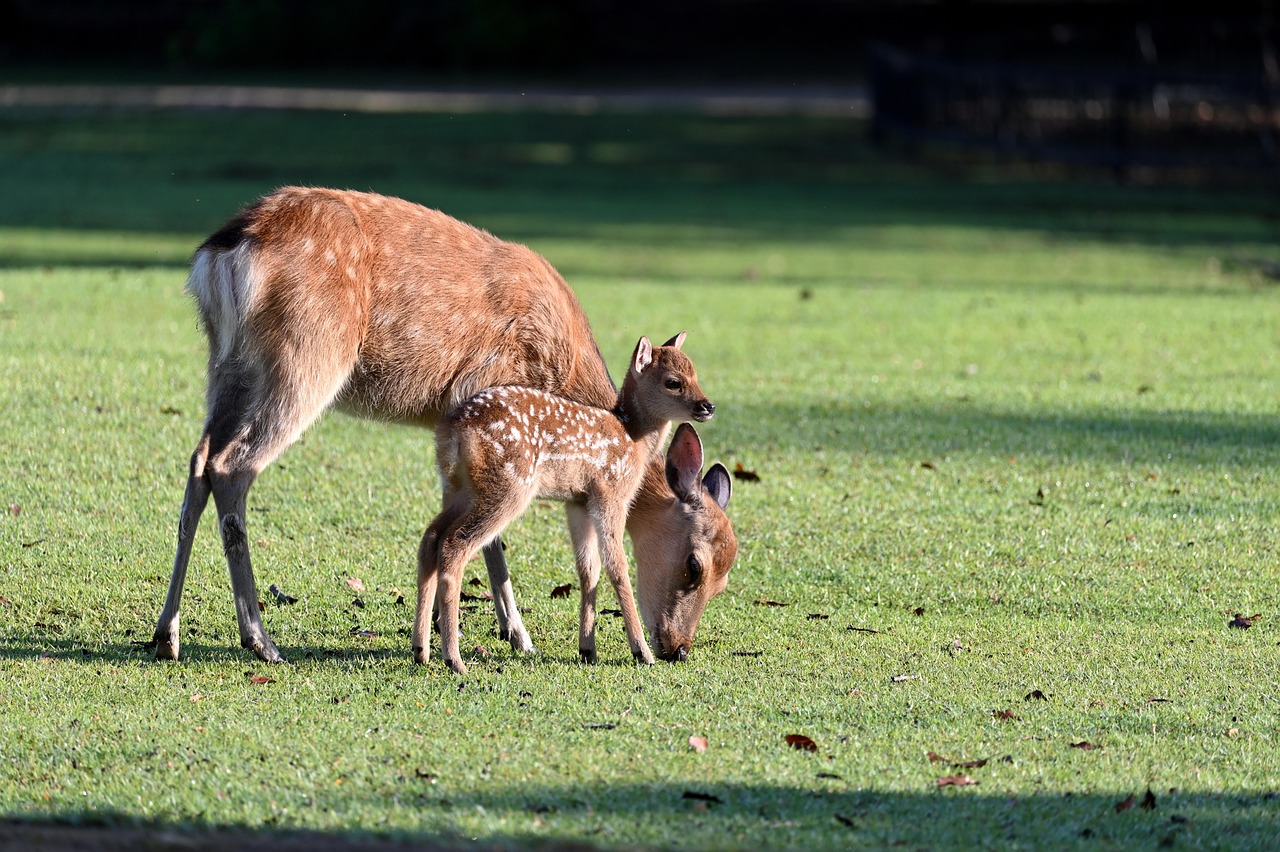
Deer can turn a promising border into a row of clipped stems, especially in late winter and early spring when food is scarce. Gardeners who plan ahead lean on perennials with strong scent, bitter sap, spiky texture, or natural compounds that signal trouble.
The best choices still feel generous: spring bulbs that light up beds, summer bloomers that feed pollinators, and foliage that holds its shape. Planted in repeating drifts, they add protection without making the beds feel armored. With decent drainage and the right light, these plants settle in, return on schedule, and keep the garden looking cared for all season.
Allium
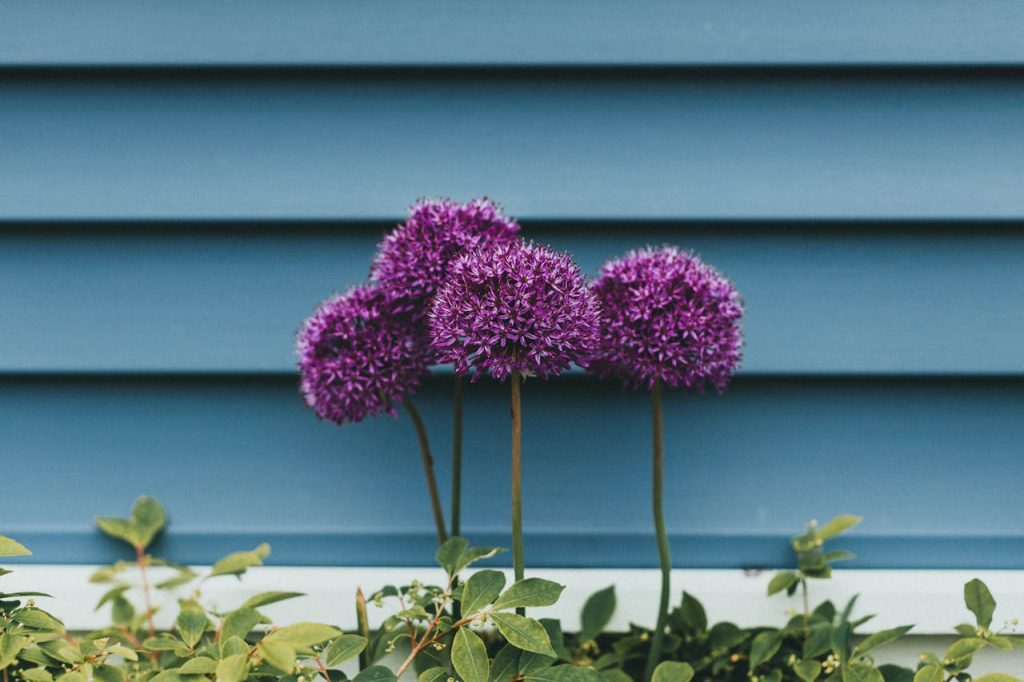
Allium (Zones 4 to 10) sits in the onion family, and deer usually avoid it because the flavor is sharp and lingering. Bulbs go in during fall, set about 2 to 3 inches deep, then push up in spring and summer with tidy stems and round bloom heads that read like punctuation in a bed.
Some types spread, especially smaller wild forms like wild garlic, but deadheading stops seeds before they fall and wander. That simple cleanup keeps clumps where they belong while the blooms keep their playful, pom-pom shape. Allium also comes in many sizes, from about 10 inches to nearly 5 feet, so it can edge a path or anchor the back of a border.
Hens And Chicks
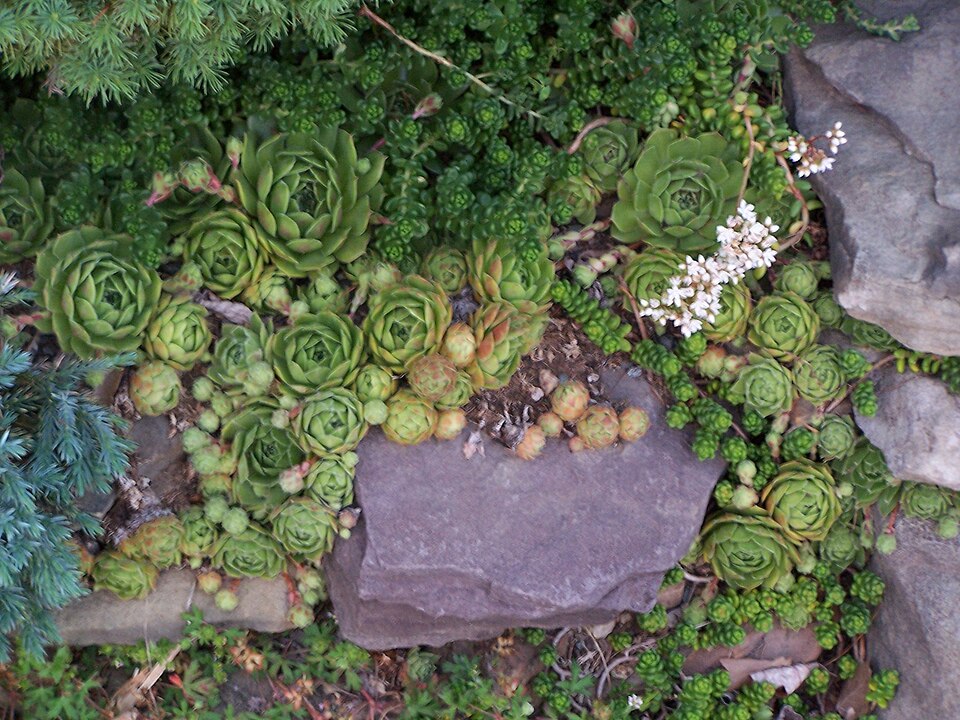
Hens and chicks, Sempervivum tectorum (Zones 3 to 8), rarely end up on a deer menu because each rosette is tough, waxy, and edged with little spikes that are unpleasant to chew. They prefer well-draining soil and do best in full sun, or light shade in hot, dry regions where afternoon heat can be intense.
Their tight clusters make them natural stars for rock gardens, borders, and outdoor containers where water drains fast. They are drought tolerant and famously hard to kill, which fits the name Sempervivum, Latin for always living. When other perennials slump, these rosettes keep their shape and quietly multiply year after year.
Daffodil
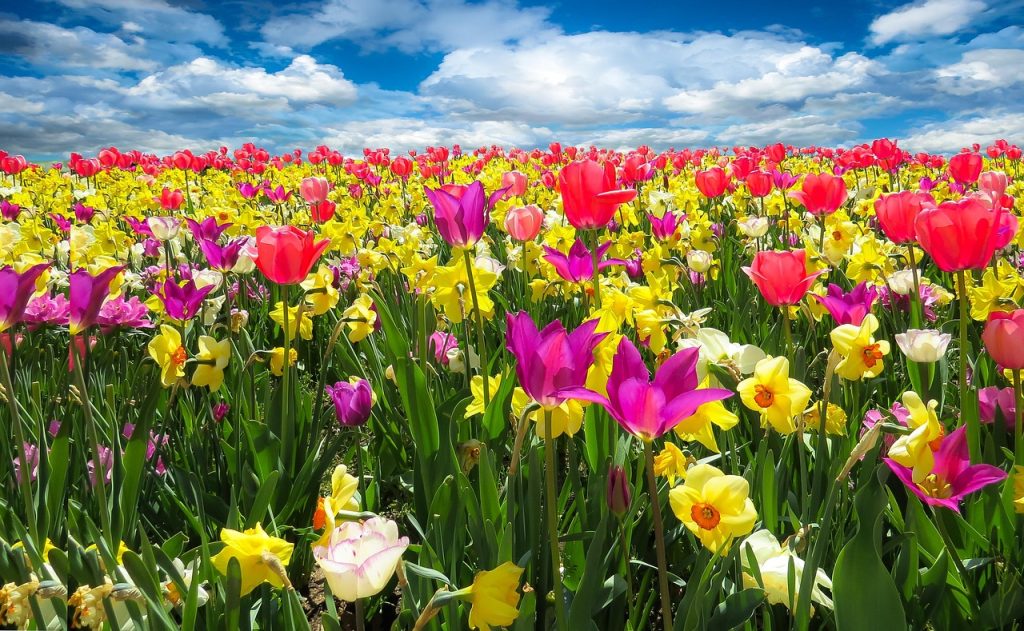
Daffodils, Narcissus (Zones 3 to 9), are early spring staples, and deer tend to avoid them because they contain lycorine, an alkaloid that makes the plant poisonous to deer, rabbits, other mammals, and people. Most people picture yellow, but forms and shades also include white and orange.
They are not fussy, yet they do need good drainage and can slip into root rot if soil stays wet. Planted near tulips and other deer favorites, daffodils can act as a natural barrier that discourages nibbling where it starts. That protective ring buys time for softer stems to leaf out and bloom. In clusters, trumpets read bright on cold mornings.
Coneflower
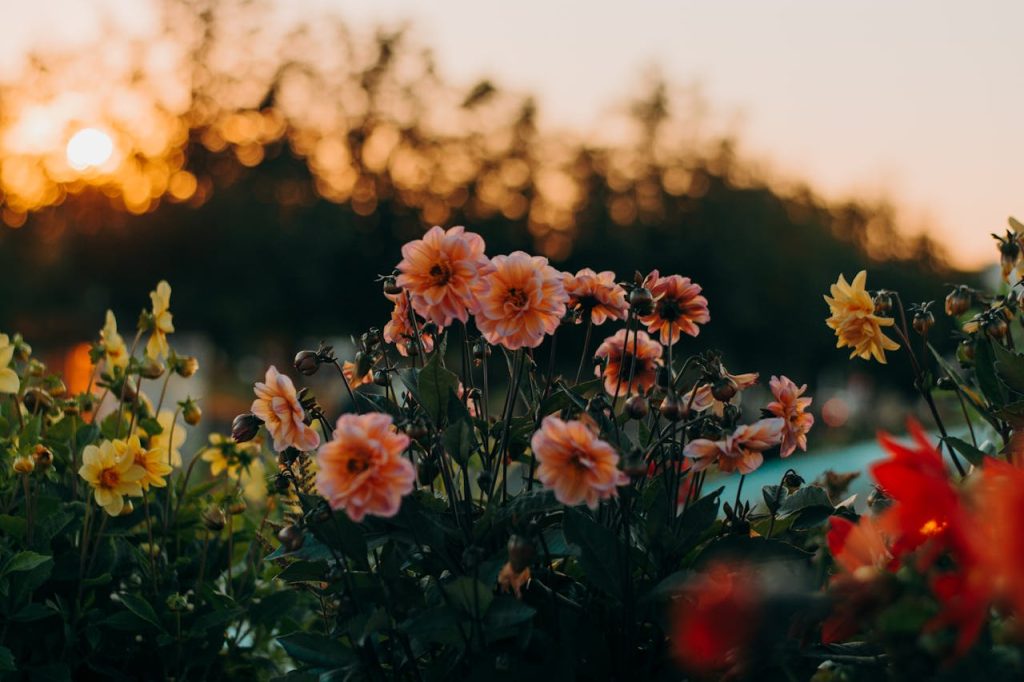
Coneflower, Echinacea (Zones 3 to 9), can get nibbled when plants are young, but deer often lose interest once clumps mature. The foliage carries a distinct aroma, and the central seed cone turns prickly, which makes browsing a poor deal.
In summer, coneflowers bring steady color with little fuss, so they fit beginner gardens and busy schedules. Deadheading encourages more blooms, but leaving a few spent heads feeds birds in winter and keeps the bed lively after frost. Their open, flat flower faces also work as landing pads for butterflies and bees. Even when petals fade, those cones add structure and a subtle, wild look.
Bee Balm
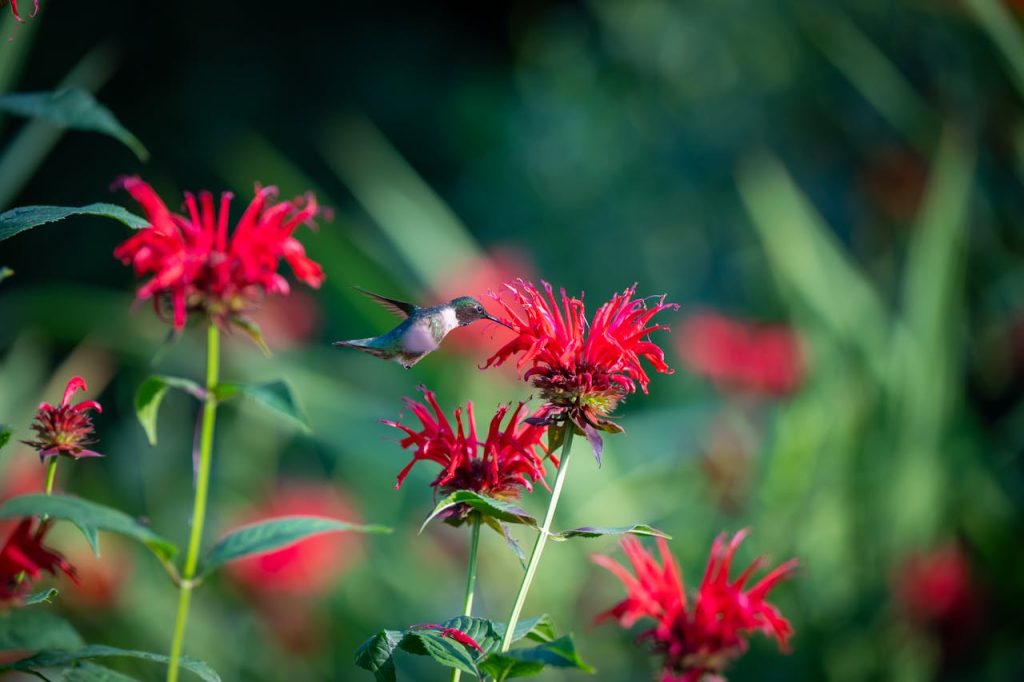
Bee balm, Monarda (Zones 3 to 9), belongs to the mint family, which helps explain why deer often pass it by. Its herbaceous scent can be strong enough to feel like a warning sign to browsers, while gardeners read it as lively and fresh.
Most varieties grow 2 to 4 feet tall and look best in full sun with moist, well-draining soil. When leaves are brushed, the fragrance lifts, and the whole planting feels awake. The blooms are a pollinator magnet, and hummingbirds show up fast for red flowers packed with nectar. Set in repeating pockets, bee balm ties a border together and keeps summer color humming. Deer tend to move on.
Hyacinth
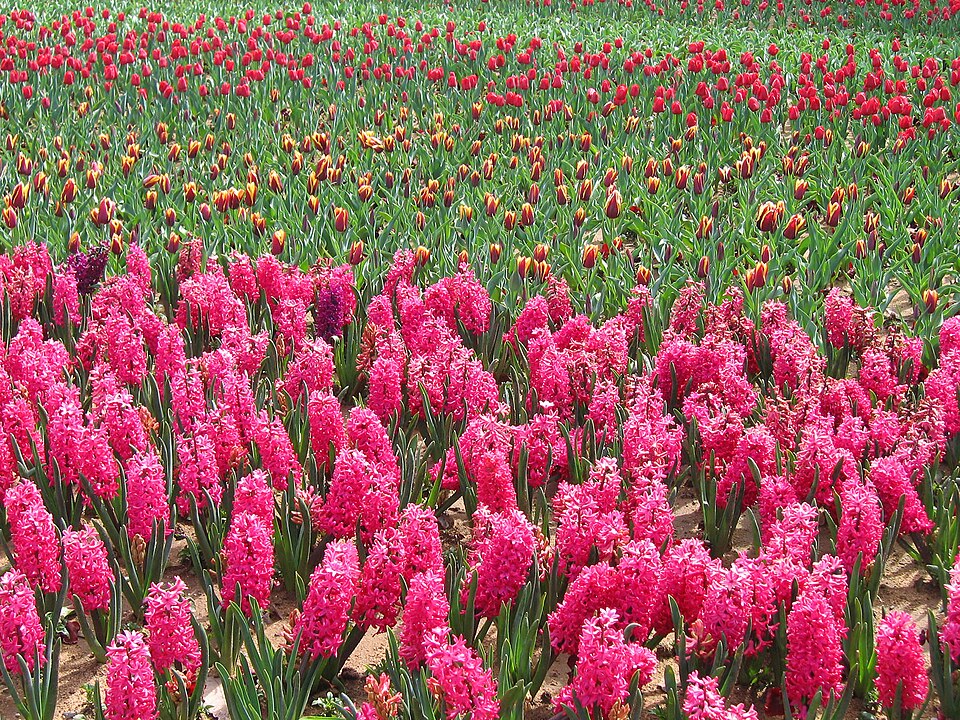
Hyacinth, Hyacinthus orientalis (Zones 4 to 8), fills April and May with a rich perfume that people love and deer often dislike. That fragrance acts like a biochemical signal, pleasant to humans and off-putting to browsers. The plant is also poisonous, especially the bulbs, which reinforces the message.
Bulbs are planted in fall, 4 to 6 inches deep, in well-draining soil where cold and wet do not linger. Homes with dogs that dig may choose a different bulb, since the underground parts are the risky bit. Color runs through blues, pinks, reds, yellows, and purples, and a small patch reads like pastel confetti. It pops in mixed beds.
Foxglove
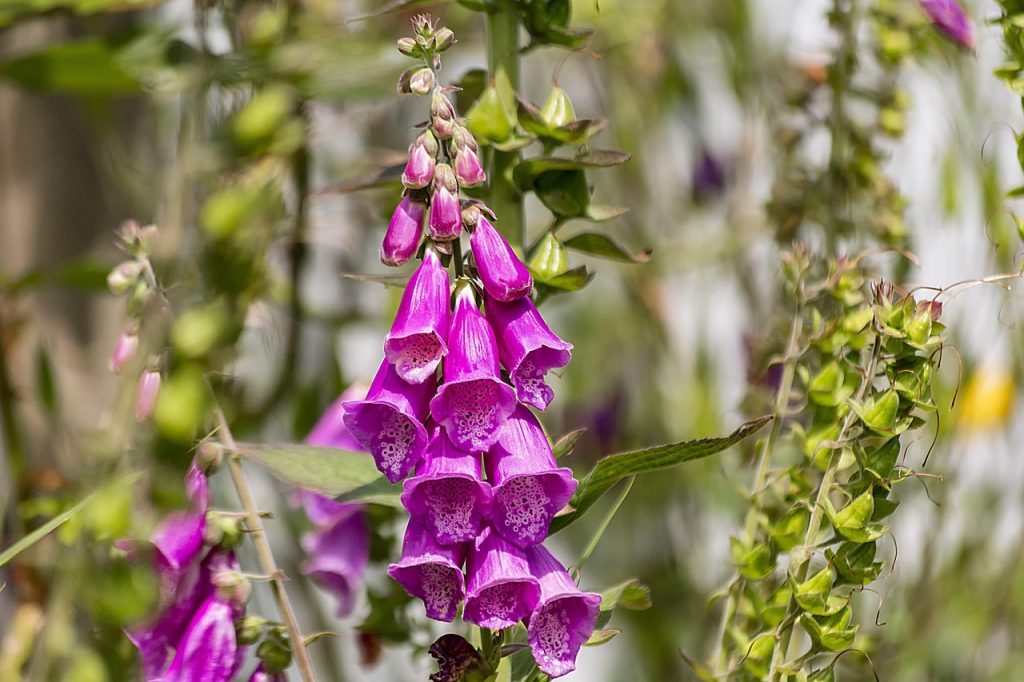
Foxglove, Digitalis purpurea (Zones 4 to 9), is built for drama: tall, slender stalks lined with bell-shaped blossoms that bumblebees crawl into. Deer usually avoid it because the plant is toxic, so stalks are rarely grazed.
Foxglove acts like a biennial perennial, blooming in its second year and then dying back. It readily self-seeds, leaving a fresh batch each season and keeping the planting in motion. At roughly 3 to 4 feet tall, it is hard to miss, whether it stars in a container or rises behind shorter perennials in a border. Those bells pull the eye upward, and bees work each one in slow, focused loops all afternoon.
Mint
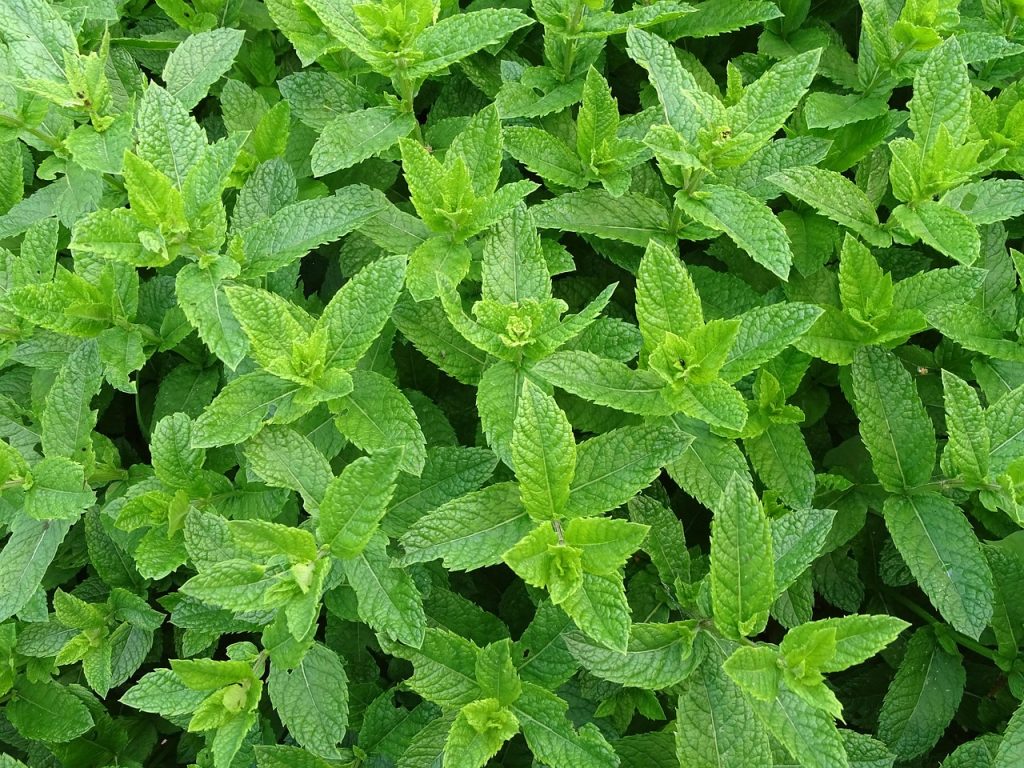
Mint, Mentha (Zones 3 to 9), is a garden twofer: deer often avoid it because the scent is strong enough to overwhelm their senses, and cooks value it for everyday flavor. It turns up in salads, mojitos, and quick garnishes without much coaxing.
Mint spreads vigorously, so many gardeners grow it in containers to keep runners from taking over nearby beds. Regular clipping keeps it tidy and encourages leaves for the kitchen. Varieties range from spearmint to chocolate mint, which makes the herb easy to match to cooking habits. Homes with dogs or cats plant thoughtfully, since large amounts can cause vomiting and diarrhea in pets.
Fringed Bleeding Heart
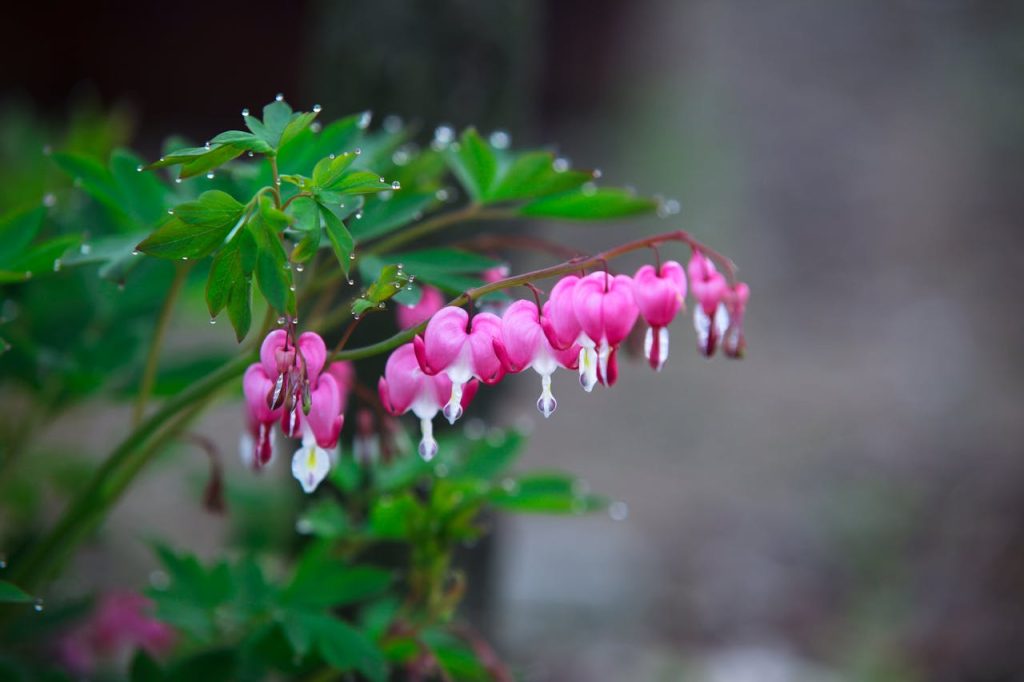
Fringed bleeding heart, Dicentra eximia (Zones 3 to 9), brings a graceful cascade of blooms that can repeat sporadically through summer. It fits pollinator, rock, cutting, and natural gardens, and it also behaves well in containers when a softer look is needed.
This low-maintenance perennial prefers part shade and well-draining soil, and its leaves stay attractive all season in partial shade. Deer tend to avoid it because it is poisonous to them and to people, though aphids can still show up as a nuisance. As a cut flower, it can last about two weeks in a vase, which makes the plant feel generous beyond the bed in cool rooms.
Yarrow
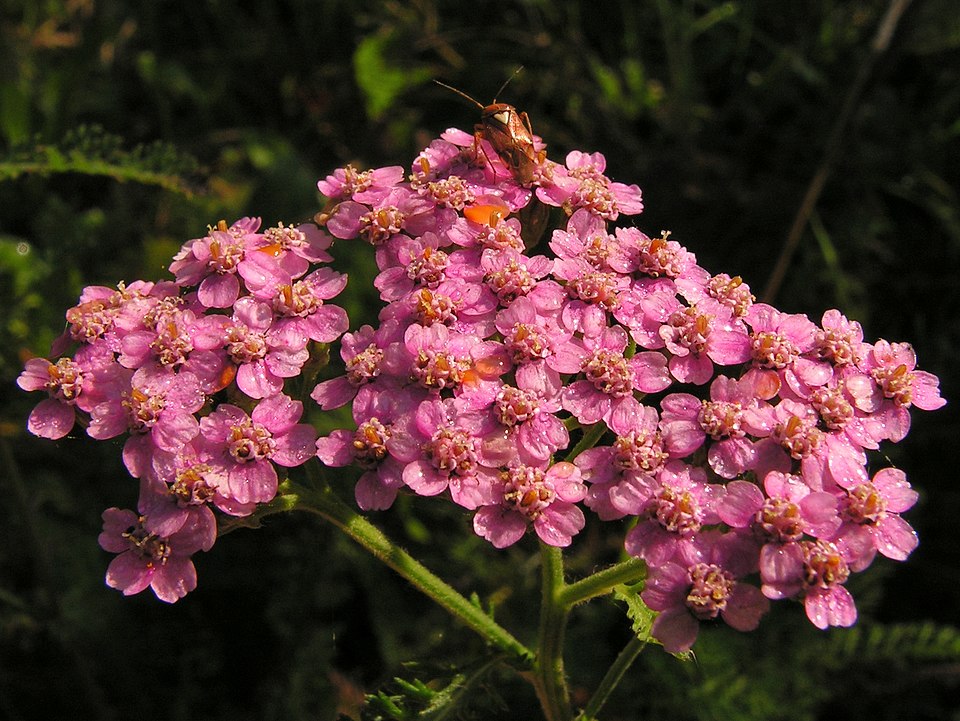
Yarrow, Achillea species (Zones 3 to 9), is a tough perennial that shrugs off drought, pests, and swings in temperature, and it can still stand up to deer. It is not fussy about soil, which makes it dependable when a bed is being rebuilt or expanded.
Clusters of flowers rise on sturdy 2 to 3 foot stems, so it also works as a charming cut flower without flopping. In summer heat, the stems hold steady and keep the planting composed. Its low, spreading habit can read like ground cover, filling gaps where weeds try to move in. Some species can be aggressive, so gardeners often give it boundaries or thin it to keep the patch polite.
Deer may wander, but scent, texture, and plant choice keep borders blooming from spring bulbs to late summer color each year, too.