

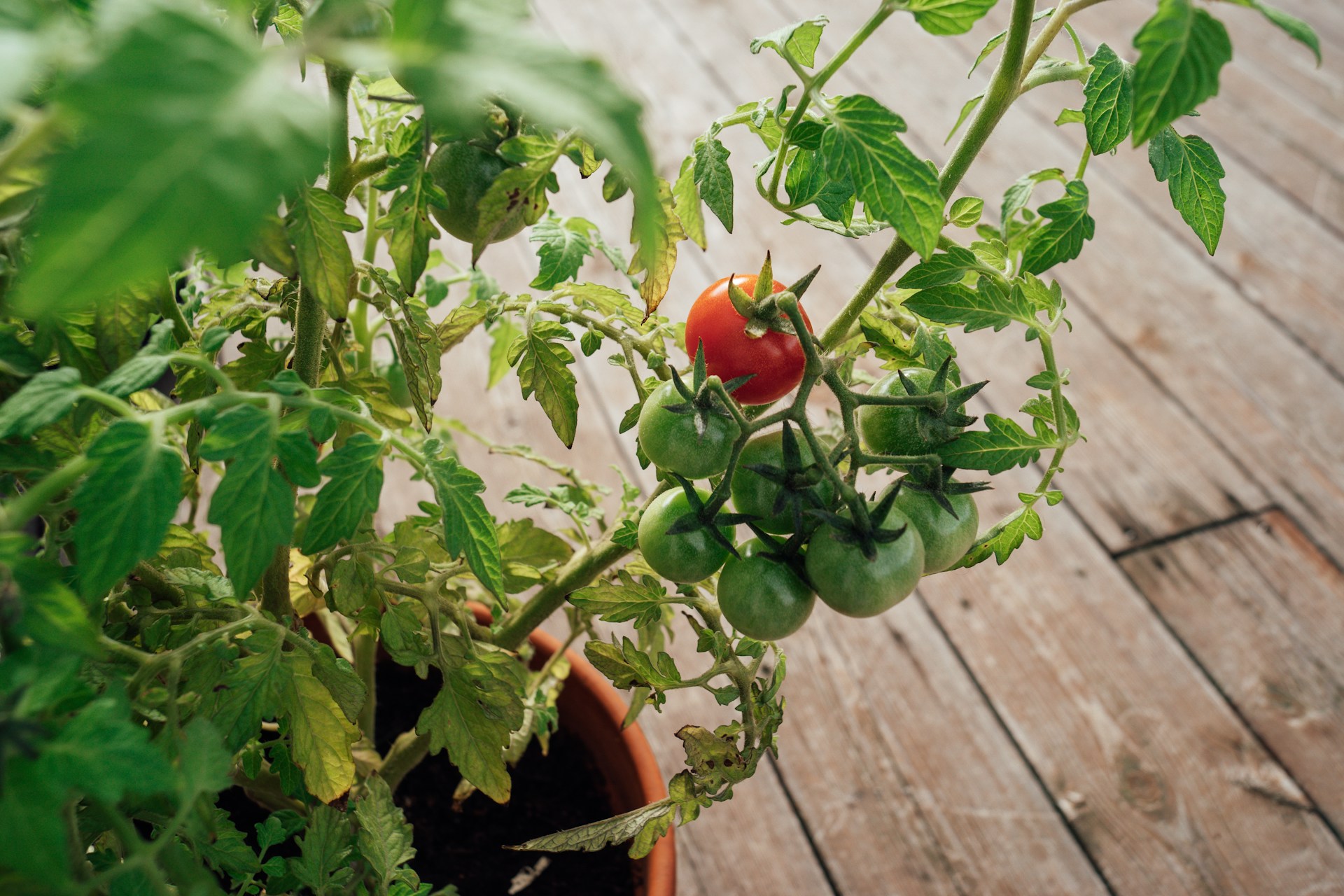
Potted tomatoes can look strong in June and then suddenly pause. Growth slows, flowers drop, and fruit size shrinks. Most stalls come from routine errors, not bad seed.
Tomatoes are long-season, heavy-feeding plants, and containers magnify weak watering and feeding habits. Roots have less room, nutrients flush out faster, and demand rises during flowering and fruit set. A steady plan beats random fertilizer bursts.
Why Container Tomatoes Lose Momentum So Quickly
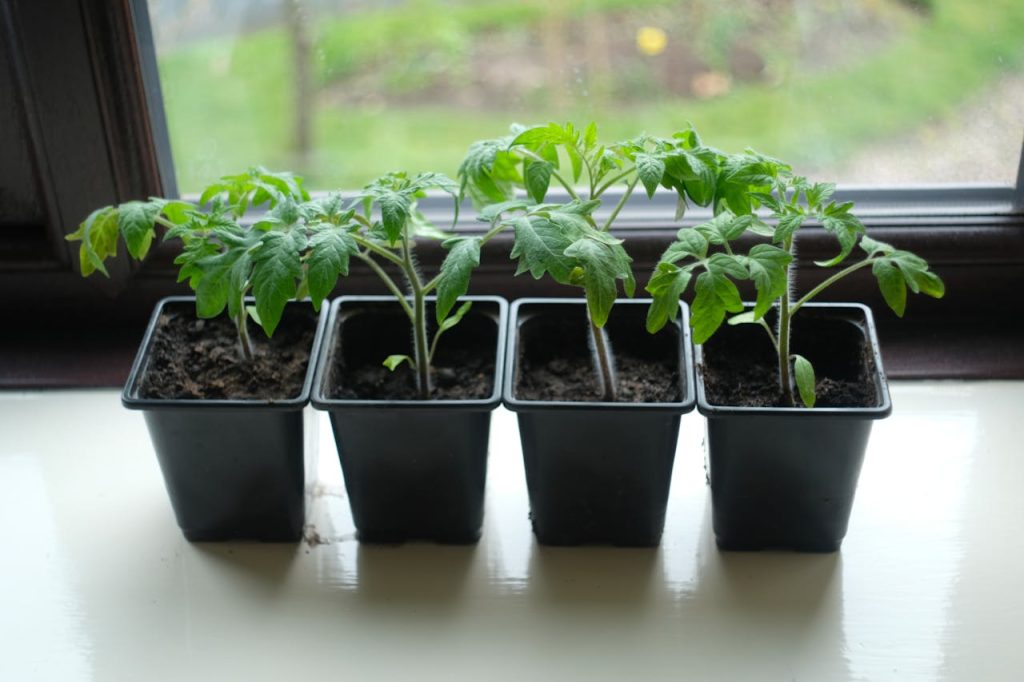
Container tomatoes use resources quickly. Extension guidance notes large root systems, high water demand, and the need for regular nutrients across the season. Even a four- to five-gallon pot can run lean when heat and fruit load rise.
Cold nights can make the decline look worse. Illinois Extension reports that early chilling can stall tomato growth for up to two weeks. If feeding is also uneven, plants recover slowly.
Bone Meal Helps, But It Cannot Carry the Season Alone
Bone meal has a role because it supplies phosphorus and some calcium. Those nutrients support root activity, flowering, and fruit development. But bone meal is not a complete tomato diet.
Typical analyses show why. Bone meal can be high in phosphate but low in potassium, so it leaves gaps.
Some extension sources also note that phosphorus from bone meal is not always as immediately available as soluble fertilizer sources. In containers, timing matters during peak bloom and fruit set. When demand outruns release, growth can flatten.
Use bone meal as a background input, not the only feed. Then cover the season with a balanced routine that supplies nitrogen, phosphorus, and potassium.
Why Chalk Is a pH Tool, Not a Tomato Fertilizer
Chalk is mainly calcium carbonate, so its main job is pH adjustment. University guidance separates lime-type products from true fertilizers, which deliver N-P-K nutrients in known ratios. That distinction matters in pots.
A plant can sit in a better pH range and still be hungry. If nitrogen or potassium is short, foliage pales and fruiting weakens. Chalk alone cannot replace a complete feeding plan.
Manure and Compost Work When Form, Rate, and Timing Are Right
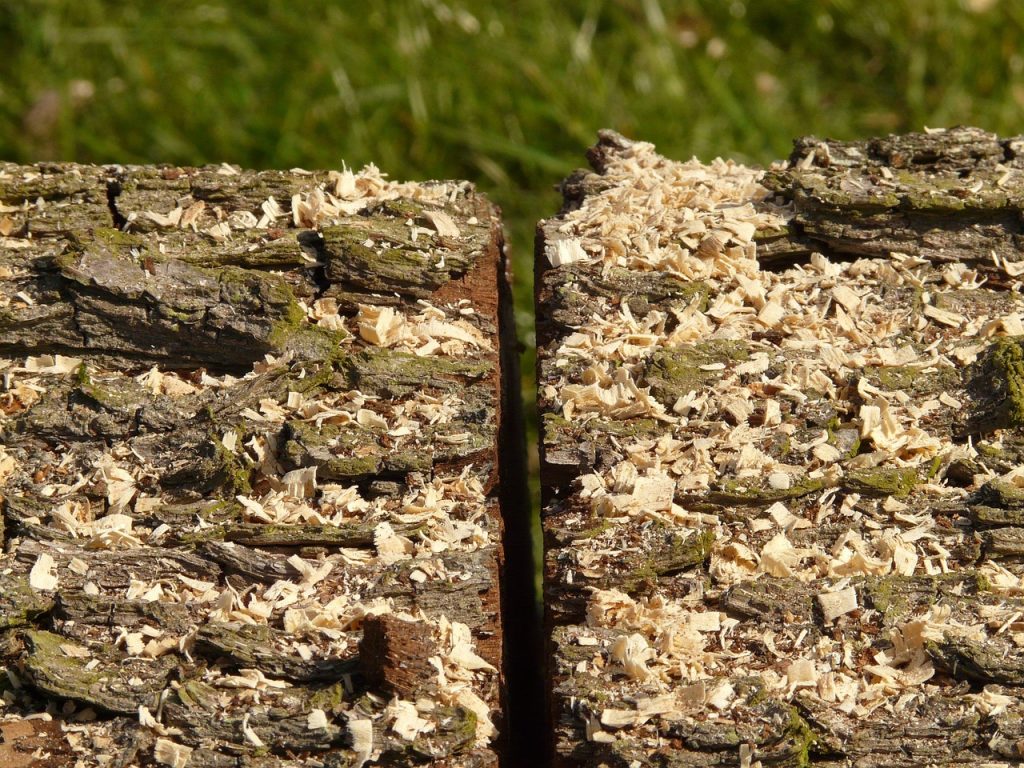
Manure can help because it adds organic matter and nutrients. But fresh manure is risky around active roots, and extension guidance warns it can burn roots unless composted first. In containers, that risk rises because salts concentrate in a small volume.
Composted manure is safer than raw manure. It is easier to dose in containers.
Compost improves structure, water-holding, and biological activity, which helps potted roots through heat. It also releases nutrients gradually, giving tomatoes a steadier baseline. Still, compost alone may not keep up once heavy fruiting starts.
Too much manure-rich compost can still build excess salts over time. Moderation matters as much as material choice.
Liquid Feeds From Weeds and Kitchen Scraps Need Caution
Homemade liquid feeds can add nutrients and fit low-waste gardening. The issue is consistency. Nutrient strength varies by batch, so rates are hard to standardize.
Use them as supplements, not as the only fertilizer for a fruit-heavy crop. Dilute well, apply lightly, and watch new growth for seven to 14 days. If plants still stall, a measured complete fertilizer usually restores balance faster.
Eggshells Help Slowly, Not Instantly
Crushed eggshells can contribute calcium over time, especially through compost. But they break down slowly, so they are not a quick correction once blossom-end rot appears on current fruit. Timing is the whole story here.
Blossom-end rot is usually linked to calcium movement problems inside the plant, often driven by uneven moisture and heat stress. Illinois guidance highlights moisture swings as a key trigger and notes that steady watering helps prevention. Water rhythm often matters more than adding shells after symptoms begin.
Build a Weekly Routine That Prevents Midseason Stalls
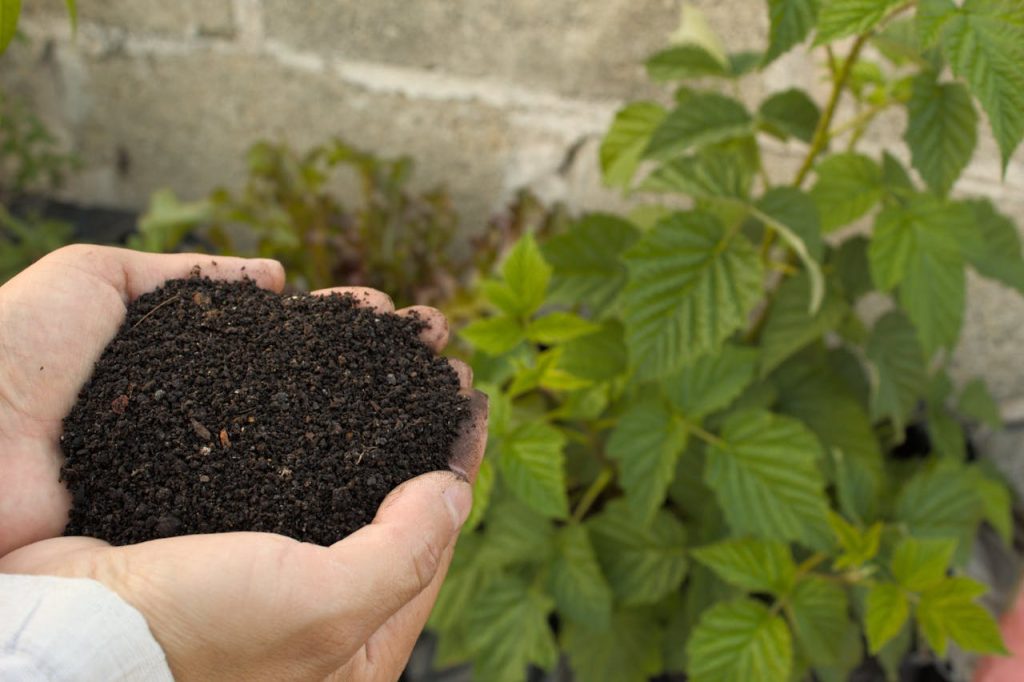
Start with a quality potting mix, drainage, and enough container volume. Then begin regular feeding a few weeks after planting, because repeated watering leaches nutrients from pots. That leaching is a major hidden cause of stalls.
Keep the program stable. Adjust dose and frequency before switching products every week. Constant product hopping creates nutrient swings that tomatoes translate into blossom drop and uneven fruit.
Pair feeding with moisture control. A good fertilizer cannot fix repeated dry-wet shocks that disrupt nutrient uptake and fruit development.
The Two Overfeeding Mistakes That Backfire Fast
First, strong frequent doses can damage roots instead of speeding growth. University guidance is clear: follow label rates to avoid over-fertilizing container plants. More is not better when salts accumulate.
Second, single-nutrient thinking causes blind spots. Bone meal only, chalk only, or eggshells only each solves a narrow piece. Reliable production comes from balance: compost for structure, complete feeding for demand, and steady watering through harvest.
Sources
- University of New Hampshire Extension
- University of Minnesota Extension
- Illinois Extension Tomato Guide
- University of Maryland Extension
- Oregon State Extension
- University of Minnesota Nutrient Management
- Utah State University Extension
- University of Arizona Cooperative Extension
- Illinois Extension on Eggshells and Blossom-End Rot