

In many neighborhoods, the quietest garden shift is happening where grass once ran wall to wall. Homeowners are lifting narrow turf strips under trees and along fences, then replanting those dimmer spaces with edible greens that stay productive in filtered light. Extension advice has helped reset expectations by separating full shade limits from partial sun possibilities, so planting decisions feel grounded instead of guesswork. The result feels practical, not performative: less mowing, steadier harvests, lower summer water demand, and meals shaped by season. Across blocks, those edges now function like working kitchens.
The Lawn Math No Longer Works
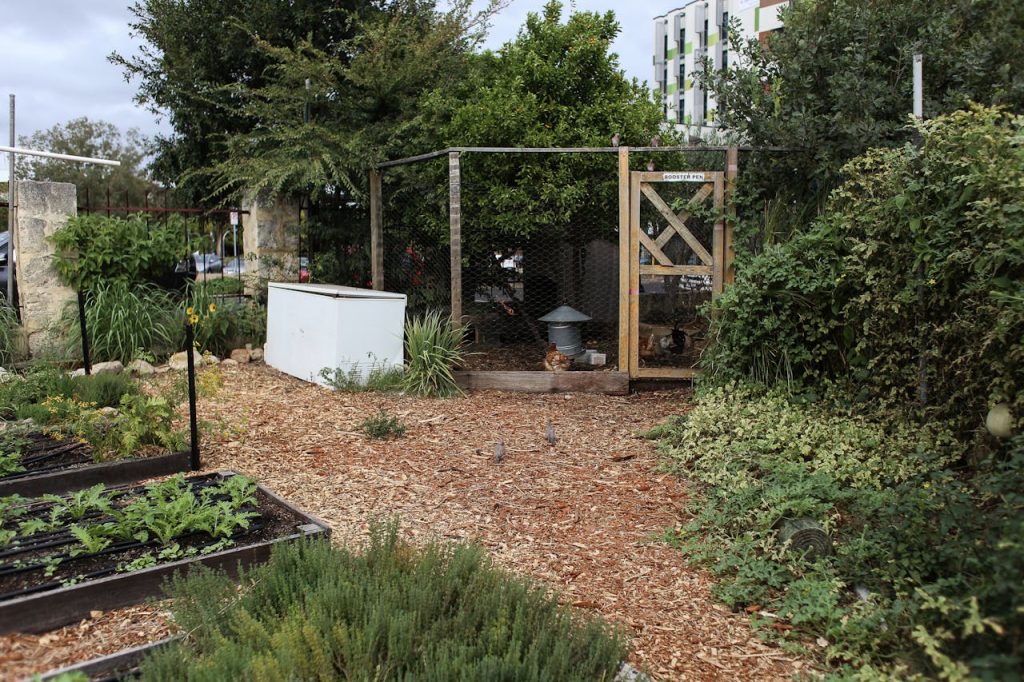
The old lawn deal has gotten harder to justify. Turf still asks for mowing, edging, reseeding, and frequent watering, yet it rarely gives back more than appearance and routine. For many households, that maintenance loop now feels expensive in both time and utility costs, especially through hotter summers.
EPA WaterSense reports that residential outdoor use in the United States is nearly 8 billion gallons a day, mainly for landscape irrigation. Once that number sinks in, replacing even a small patch of grass with edible beds starts to look less like a trend and more like plain household logic with measurable household upside.
Partial Shade Is a Real Growing Zone
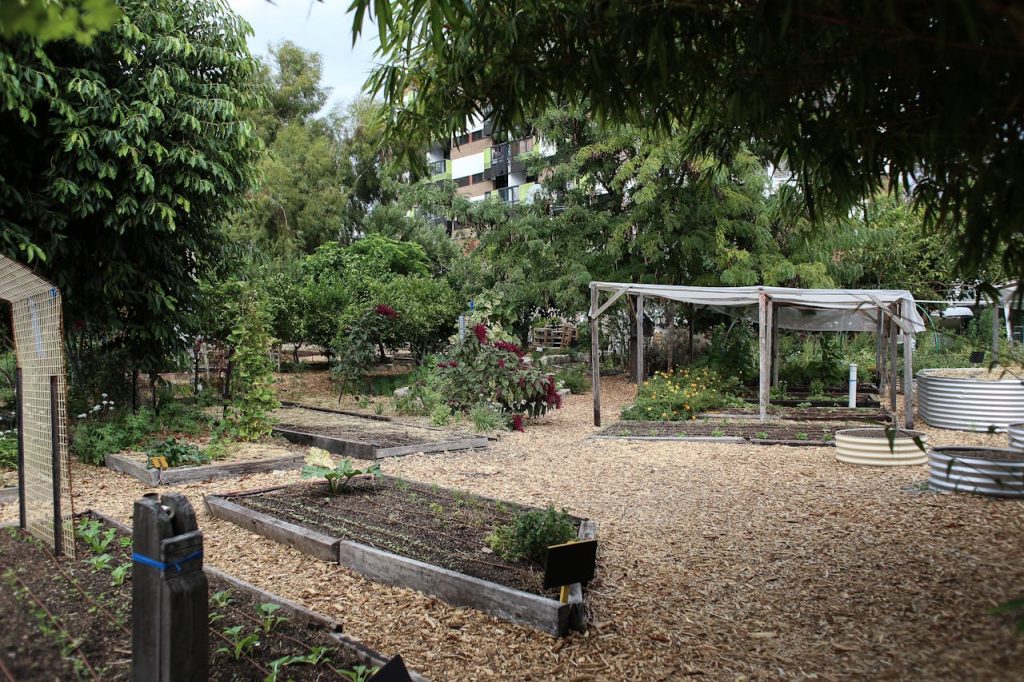
Shade is not a dead zone, but it is not a free pass either. Most vegetables still perform best with six or more hours of direct sun, so site selection matters. The smarter shift is matching crop type to available light instead of forcing full-sun expectations onto every corner of the lot and every season.
Iowa State Extension notes that leafy greens can succeed with about three to four hours of sun, while complete shade remains unproductive for food crops. That single distinction has changed how many gardeners read their yards, plan planting maps, and stop wasting effort on crops that were never suited to deep shade.
Leaf Lettuce Turns Corners Into Harvest
Leaf lettuce often becomes the first proof that a lawn swap can work. It germinates quickly, responds well to small successions, and gives visible progress before enthusiasm fades. In dappled beds, harvest cycles can stay steadier because leaves are less stressed than they are in reflective, heat-heavy turf zones.
Cool-season greens such as lettuce also struggle when heat and day length push plants toward seed production. In partial shade, growth often stays usable longer, which turns a narrow border bed into a reliable source of weekly salads rather than a brief spring sprint that ends just when routines start to settle.
Spinach Holds Better With Smarter Timing
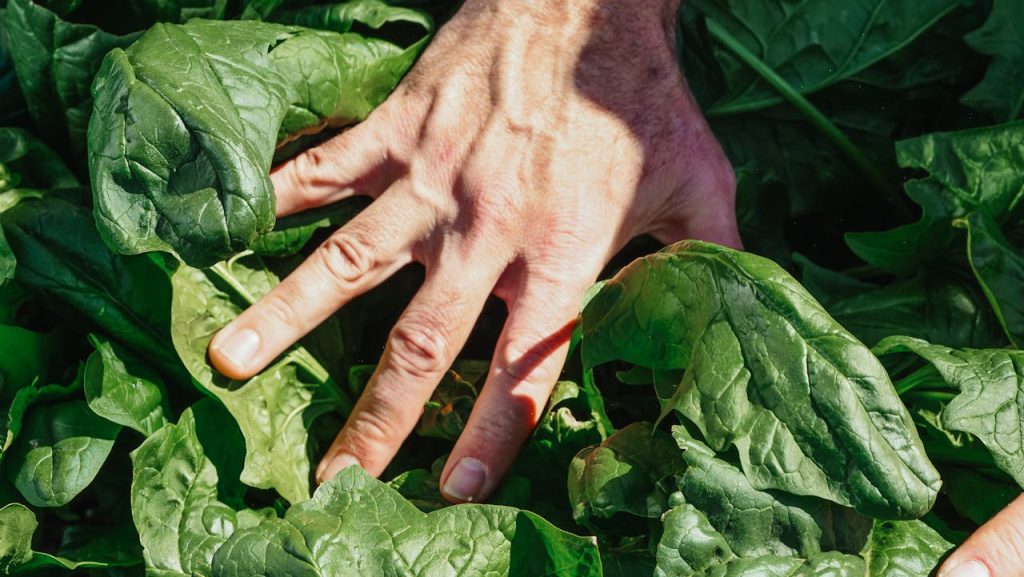
Spinach follows a similar pattern and rewards disciplined timing. It is fast, nutrient-dense, and easy to fold into mixed beds where light moves across the day. When planted in short waves instead of one large block, it keeps output more consistent and lowers the risk of one weather swing ending the entire crop.
Plant pathology guidance describes spinach as a cool-season crop that bolts with long, hot summer days, especially under stress. Using filtered afternoon light and steady moisture helps slow that shift, so leaves stay tender enough for daily cooking longer into warm periods and harvest quality does not collapse all at once.
Arugula and Mustard Keep Beds Moving
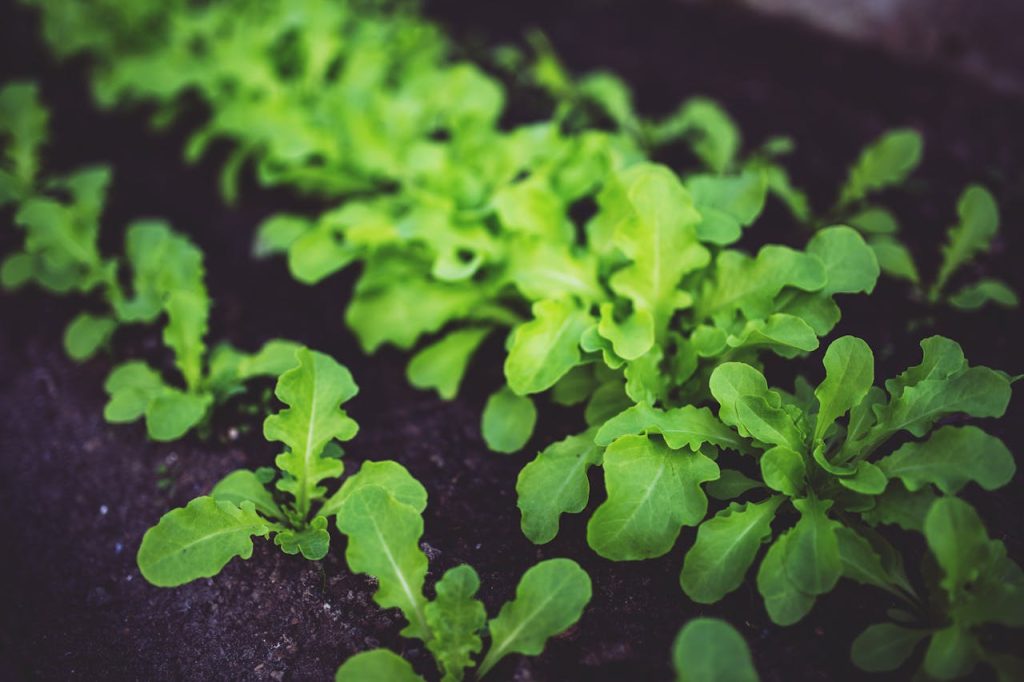
Arugula and mustard greens add speed and character to shaded edible beds. They sprout fast, recover quickly after cutting, and keep flavor variety high without needing large plots. That makes them ideal for side-yard strips where planting space is narrow but harvest frequency can be surprisingly high.
Wisconsin Extension notes that light shade can help slow arugula bolting during hot stretches, and successive sowing every two to three weeks keeps supply continuous. Iowa State also lists mustard greens among workable partial-shade options, which makes this pair practical for long seasonal rotations in compact suburban yards.
Kale and Collards Add Staying Power
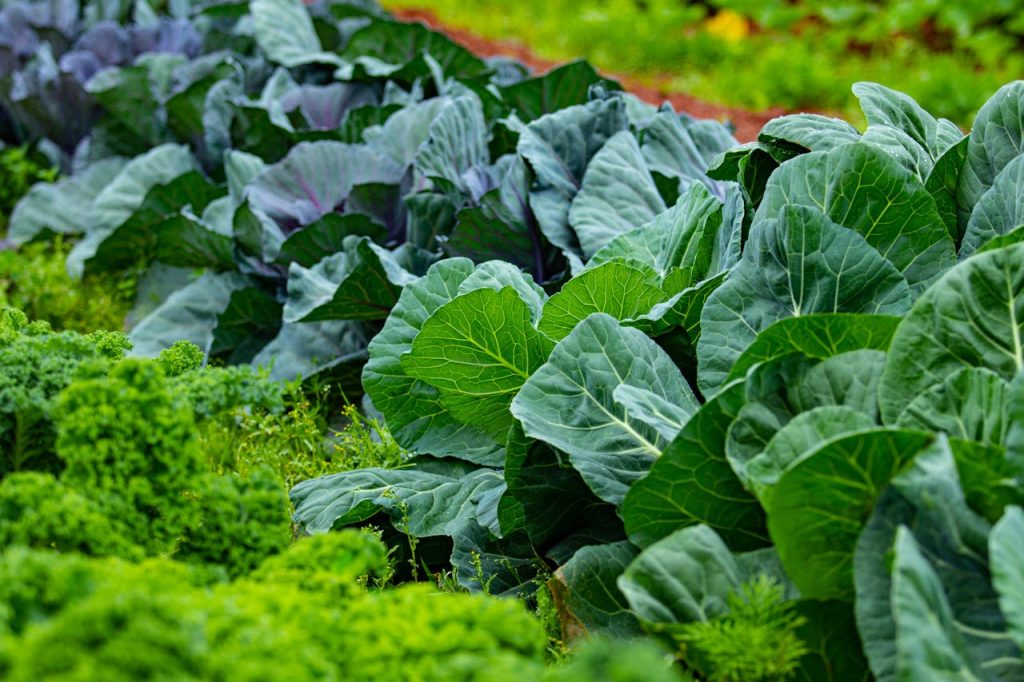
Kale and collards bring structure to converted lawn beds and keep producing after quick greens fade. Their upright habit helps small plots look intentional, while repeated leaf harvests make each plant pull real weight across the season. They also fit cooking traditions that need sturdy greens, not only salad leaves.
University of Minnesota guidance highlights that cooler weather improves flavor, while heat can slow growth and toughen leaves. That is why these crops often feel stronger in shoulder seasons and lightly shaded sites, where stress is lower and harvest quality stays more consistent over time for family meal prep.
Swiss Chard Bridges Spring to Fall
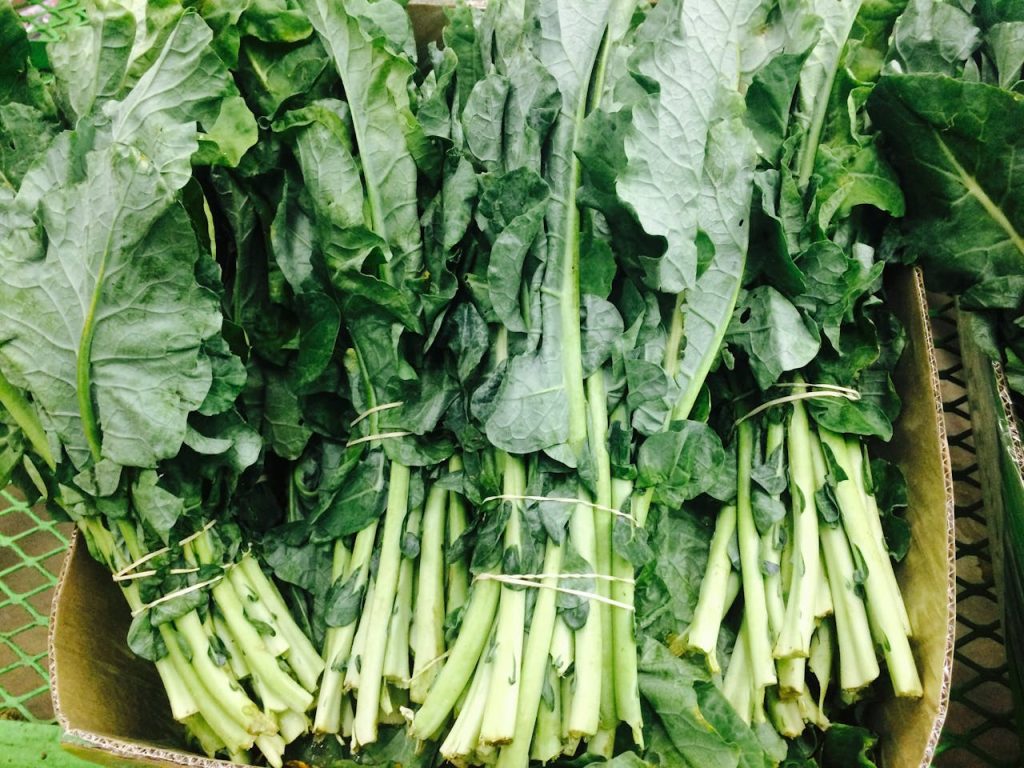
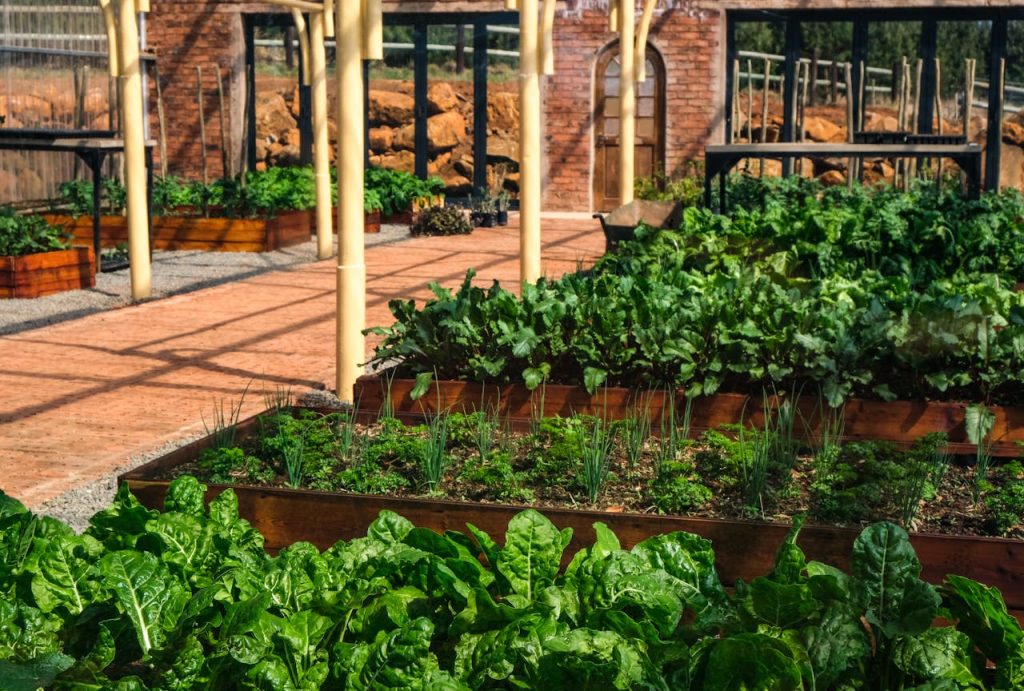
Swiss chard is often the crop that stabilizes the whole system. It tolerates variable temperatures, recovers after repeated cuts, and keeps beds visually strong with red, gold, and deep green stems. Even when surrounding lawns look tired, chard can keep a planted area looking active, useful, and cared for.
Wisconsin Horticulture notes that chard tolerates partial shade, rarely bolts compared with spinach, and can continue producing through warm stretches. That combination makes it a dependable bridge crop between spring greens and cooler fall harvests in yards that never reach full-day sun, while adding visual rhythm to the border.
Start Small, Then Scale With Confidence
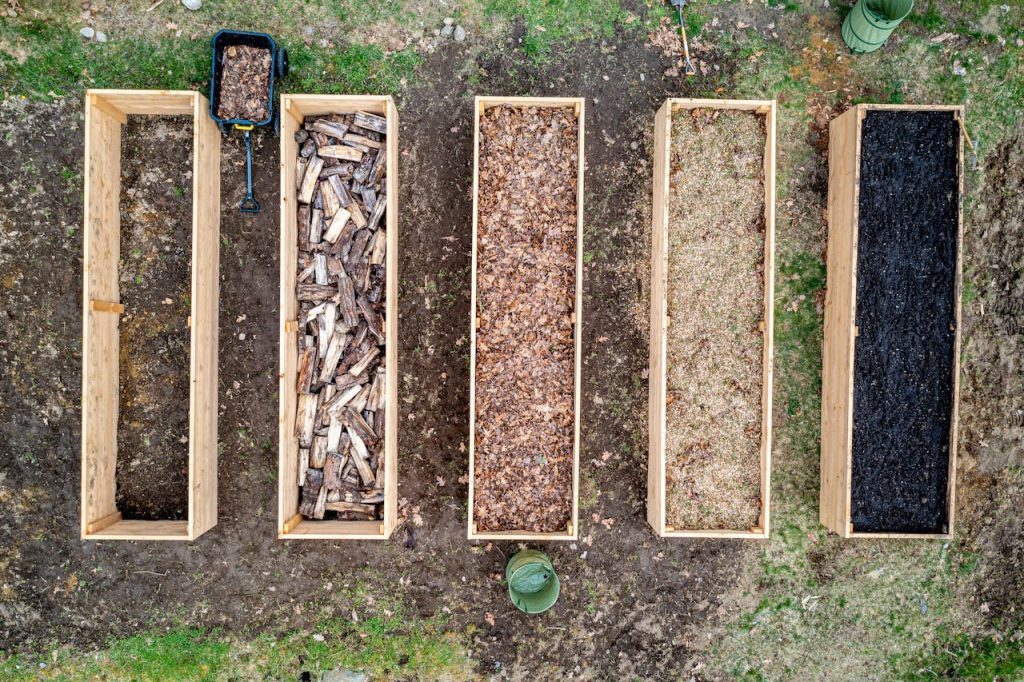
Most successful conversions begin with restraint, not ambition. Instead of tearing out every square foot of turf at once, gardeners start with one manageable bed, build soil, test irrigation, and then expand after the first season proves the workflow. That pacing prevents burnout and reduces avoidable mistakes.
University of Maryland Extension recommends starting small, even with a 4-by-4-foot section, then enlarging gradually in later years. Small starts make design corrections easier, lower first-year costs, and help households match labor to real schedules before committing to broader lawn replacement across the entire yard.
Watering Rhythm Makes or Breaks Results
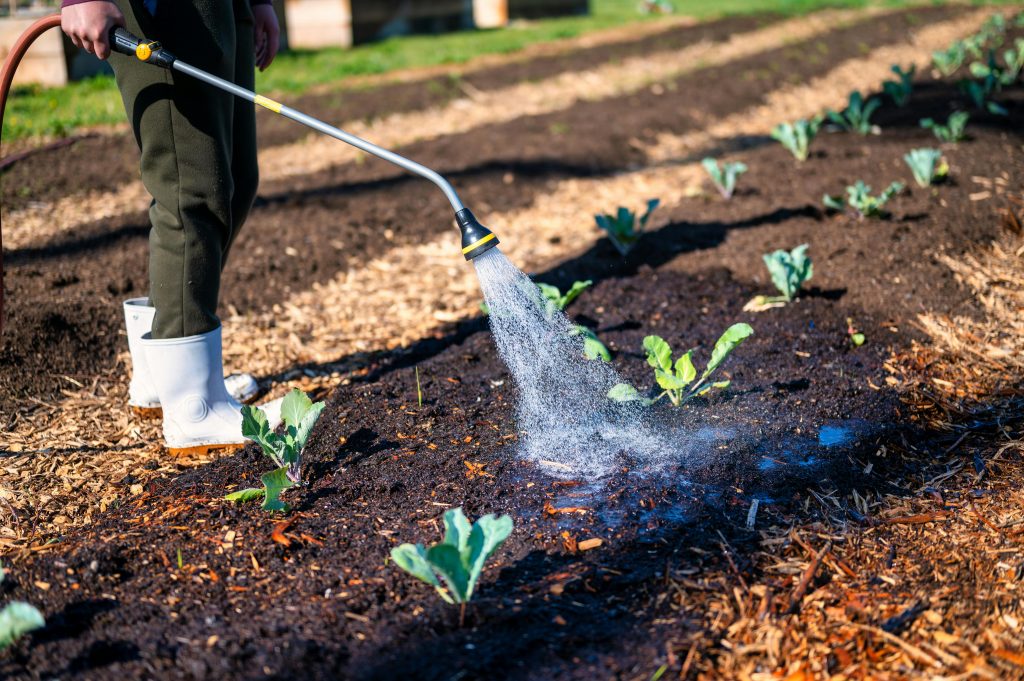
After planting, the system runs on water discipline and soil cover. Even shade-grown greens need consistent moisture from germination through harvest, and uneven watering can turn tender leaves bitter or fibrous. Mulch, drip lines, and timing do more for reliability than expensive tools or frequent replanting.
Oregon State Extension guidance favors watering early in the day to reduce evaporation, and it notes drip delivery is preferable because water reaches roots directly. Those fundamentals, paired with compost-rich soil, keep growth steady, reduce stress during heat spikes, and make shade beds dependable from spring into fall.
Edible Lawns Are Changing Yard Aesthetics
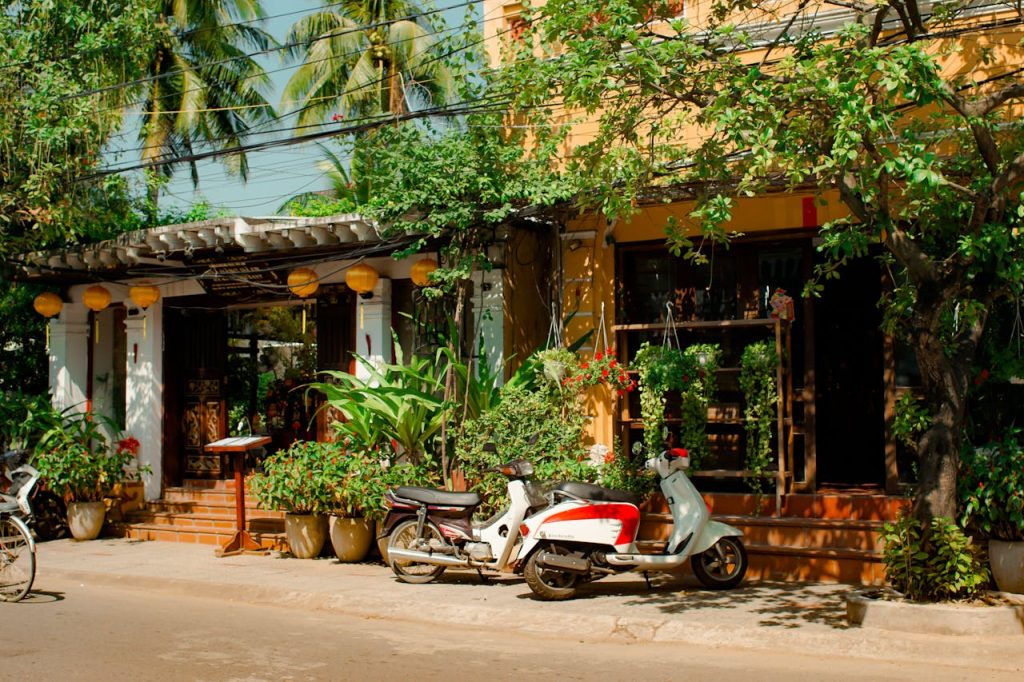
The visual language of a good yard is changing. Uniform grass is no longer the only signal of care; many blocks now read health through layered greens, seasonal harvests, and planted edges that serve both kitchen and curb appeal. Edible beds in partial shade quietly make that shift feel normal and even aspirational.
Extension guidance across regions echoes the same principle: leafy crops are better bets than fruiting vegetables in limited sun, and full shade is still a hard stop. Once that expectation is clear, a former lawn corner can become one of the most useful spaces on the property, both practical and visually welcoming.
What starts as a practical fix often becomes a different relationship with the yard itself. Former turf turns into a calm, productive rhythm of sowing, cutting, cooking, and replanting. The space looks softer, works harder, and feels more connected to local weather, local food, and daily life.