

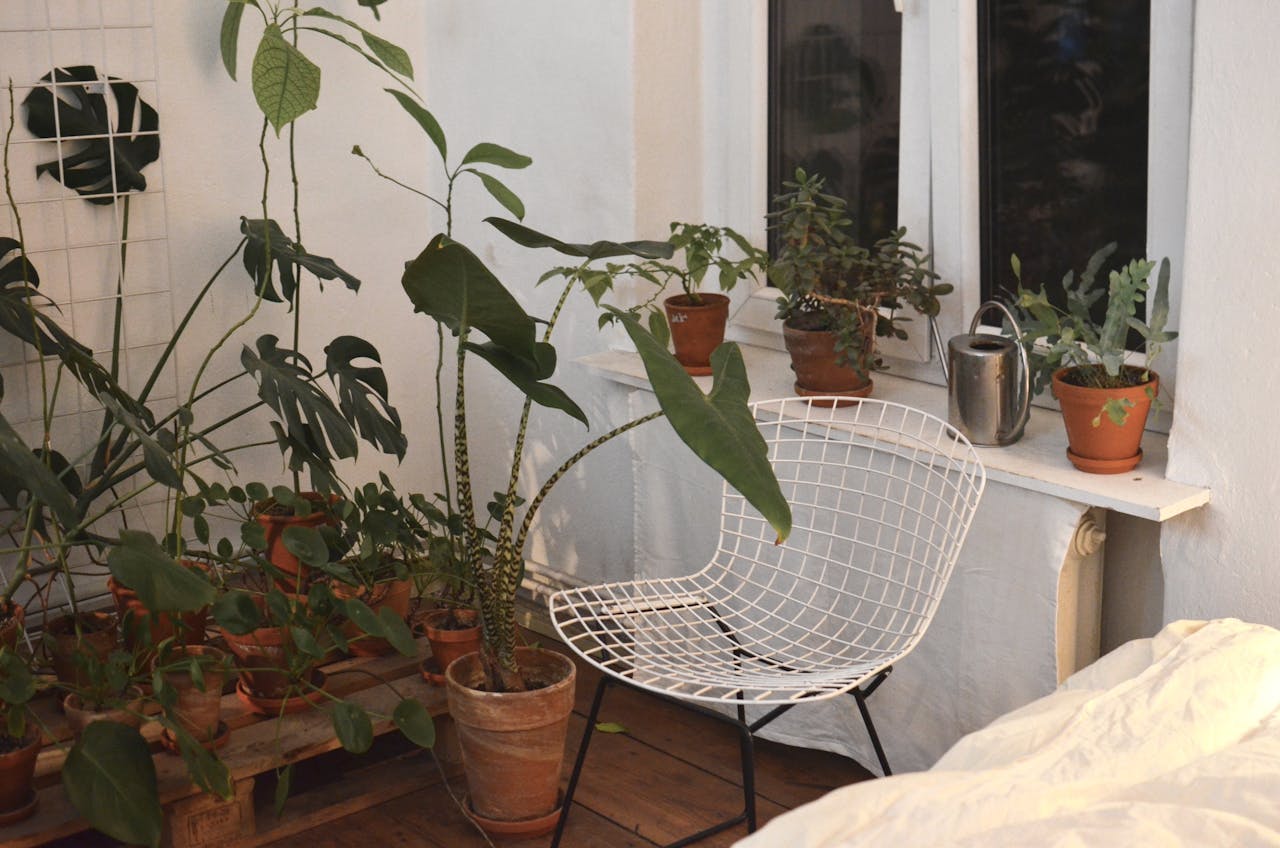
Soil is great, until it spills, breeds gnats, or turns watering into a weekly debate. Water-grown plants change the mood. Roots stay visible, jars stay tidy, and the routine shrinks to topping off, rinsing glass, and moving a stem toward better light.
In winter, when pots dry unevenly and heaters stress leaves, a simple vase can feel steadier than a crowded planter. With bright, indirect light and an occasional diluted nutrient, several classics can live in water for months and still look composed. One cutting also becomes a gift that carries its own proof of life. Fresh water and patience do most of the work at home.
Pothos
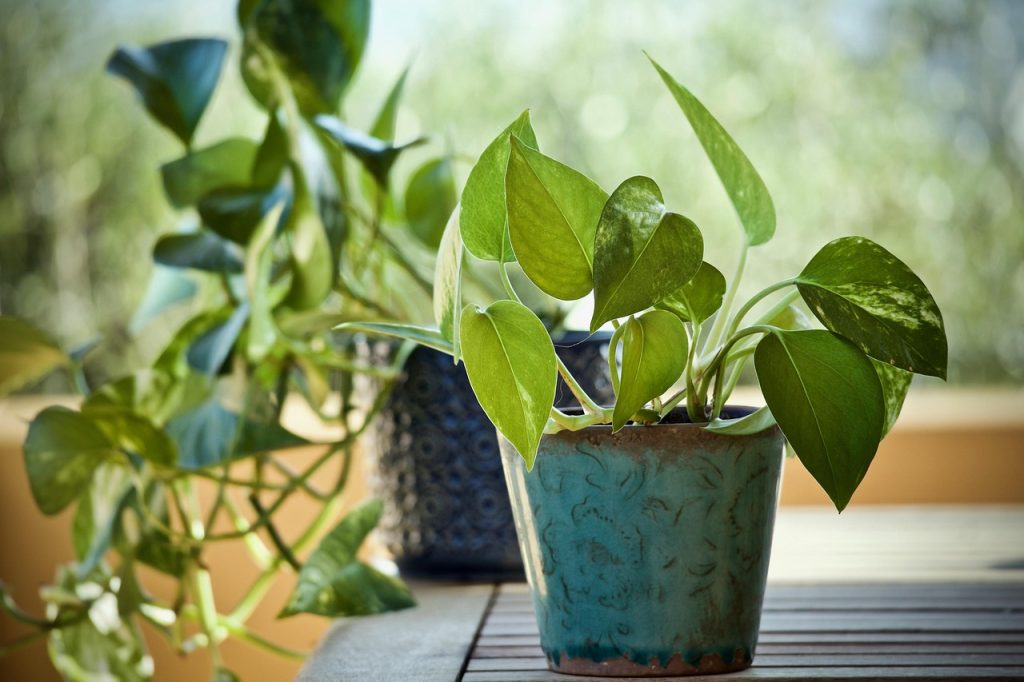
Pothos is the dependable one, happy in a jar on a counter, a bathroom shelf, or a desk that never stays perfectly tidy. A cutting with one healthy node sends out pale roots within weeks, then keeps pushing new leaves with stubborn calm.
Only the roots belong underwater, while the stem stays dry above the line to avoid soft, blackened rot. Bright, indirect light keeps internodes short, and direct sun can heat the water and invite algae. When growth turns small or washed out, a tiny dose of diluted liquid fertilizer, added once in a while, keeps the vine strong. Rinse the glass and swap water every 2 weeks to keep it sweet.
Heartleaf Philodendron
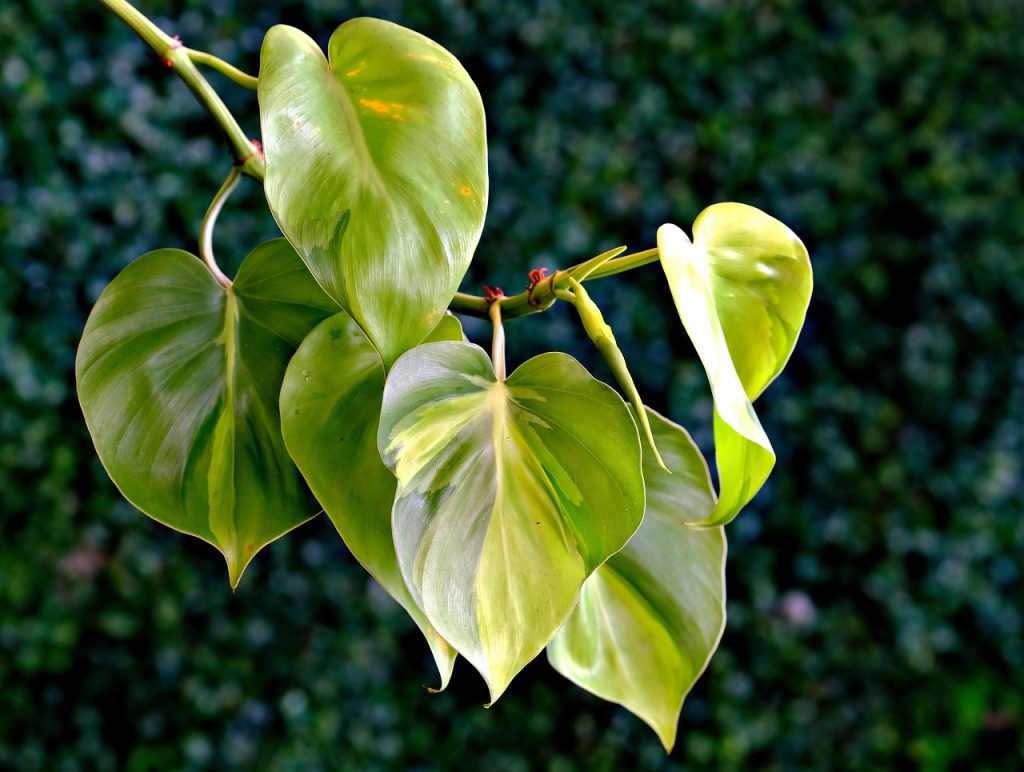
Heartleaf philodendron has a quieter look than pothos, with velvety hearts that read calm even in a busy room. Cuttings root fast, and the plant tolerates lower light without throwing a fit, though growth slows.
In water, the node should stay submerged while the crown and leaves stay dry, which helps prevent mushy stems. A gentle pinch at the tips encourages branching, so one vine becomes a fuller drape over time. Refresh water before it smells stale, and use a lightly diluted fertilizer now and then to keep leaves deep green. Clear glass shows early trouble: brown roots or slime mean a rinse and a clean refill fast.
Lucky Bamboo
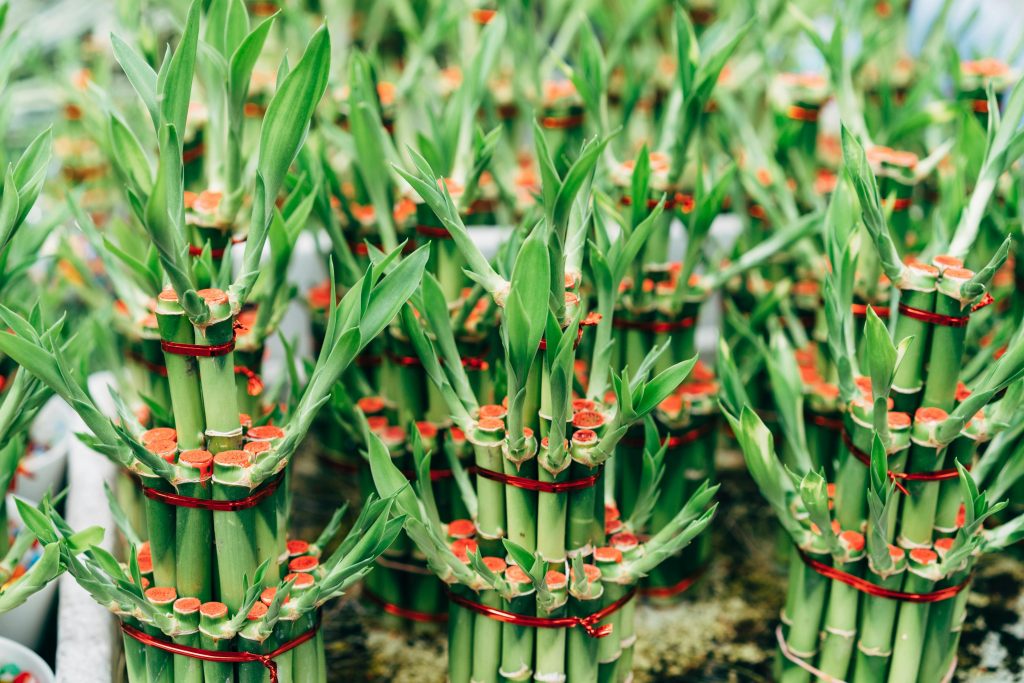
Lucky bamboo is less bamboo than dracaena, but it earns its fame in water: upright, architectural, and oddly soothing on a desk. Canes sit in pebbles to stay steady, with roots in shallow water and leaves kept out of direct sun.
Mineral-heavy tap water can leave crusty buildup and browned tips, so filtered or rested water often helps. Water that rises over the stalk invites rot, while water that drops too low dries roots fast. A full rinse of the container and stones every few weeks keeps algae from turning the setup murky. Fertilizer should be rare and weak; a few drops every couple of months is plenty for steady, healthy growth.
Spider Plant Babies
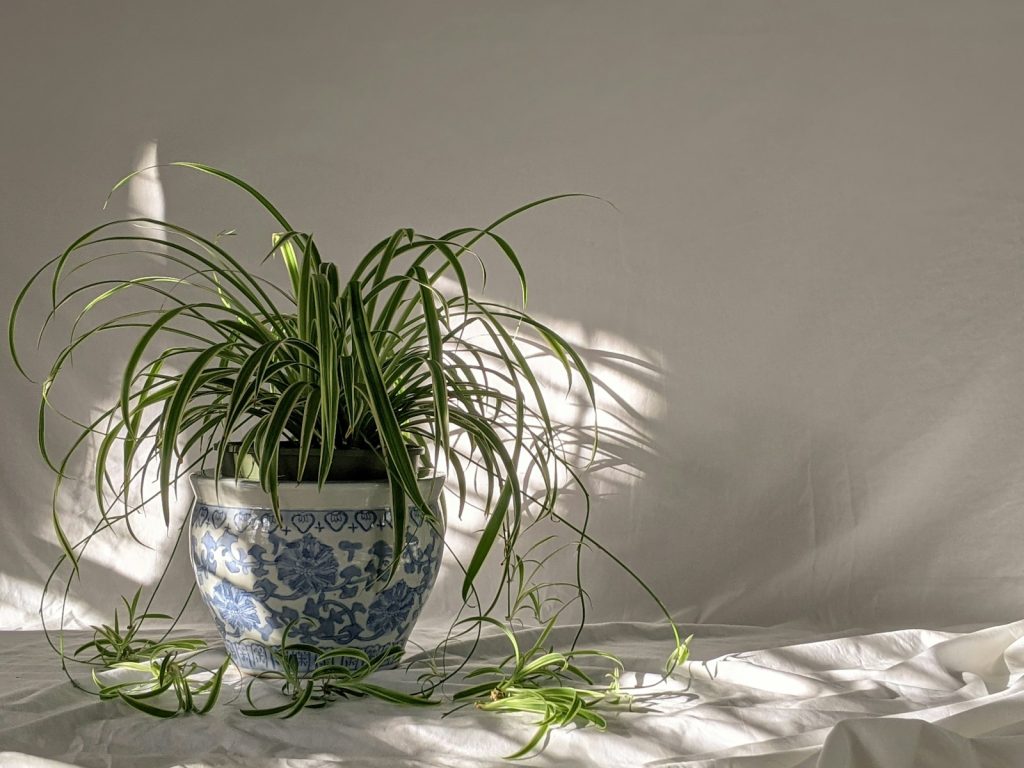
Spider plants practically volunteer for water culture because their dangling babies already carry tiny starter bumps for roots. Set a plantlet in a narrow-neck jar so the crown stays dry, and roots lengthen quickly, bright against the glass.
They stay best in bright, indirect light, where stripes hold sharp and leaves don’t scorch. Long-term water growth can run a little lean, so a diluted hydroponic feed during the growing season helps. Refresh water weekly, and trim any yellow tips early so the plant keeps its crisp, fountain shape. Warm rooms speed rooting, but cold drafts slow it, and chilled water can shock tender starts.
Peace Lily
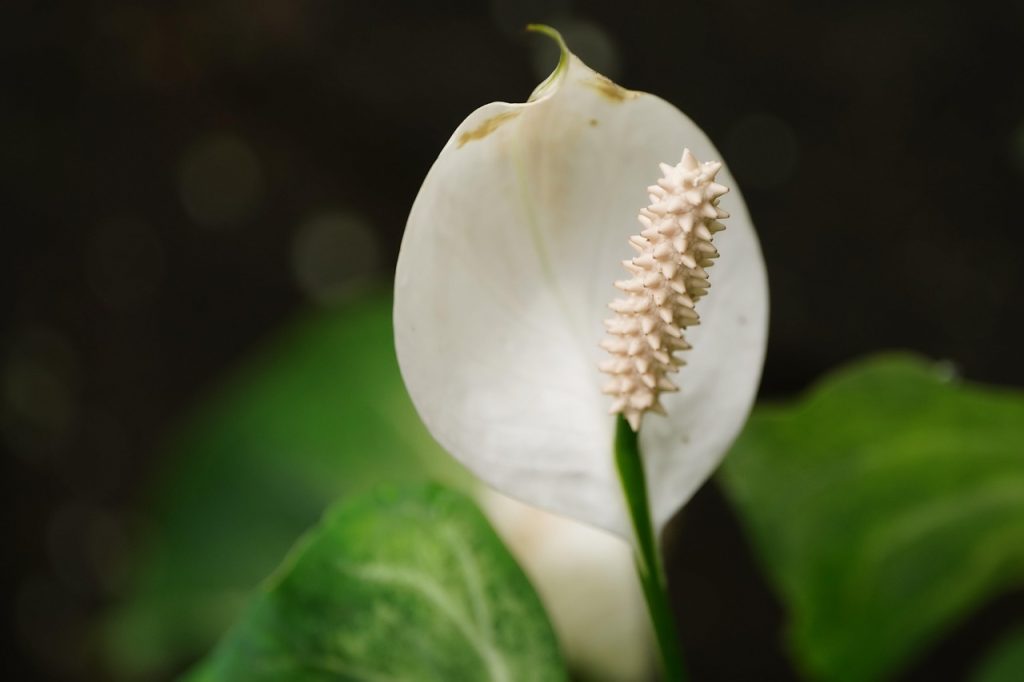
Peace lilies look surprisingly refined in water, with glossy leaves and pale roots that glow against clear glass. When moved from soil, the roots need a thorough rinse so old mix does not sour the container.
Pebbles or clay balls can brace the base while keeping the crown above the waterline, which reduces rot risk. Bright, indirect light supports blooms, and low light usually means fewer flowers but steady foliage. Water should be refreshed before it turns cloudy, and a gentle nutrient mix keeps leaves from paling over time. If tips brown, mineral buildup is the culprit; filtered water and trimming soft roots restores balance.
Monstera Cuttings
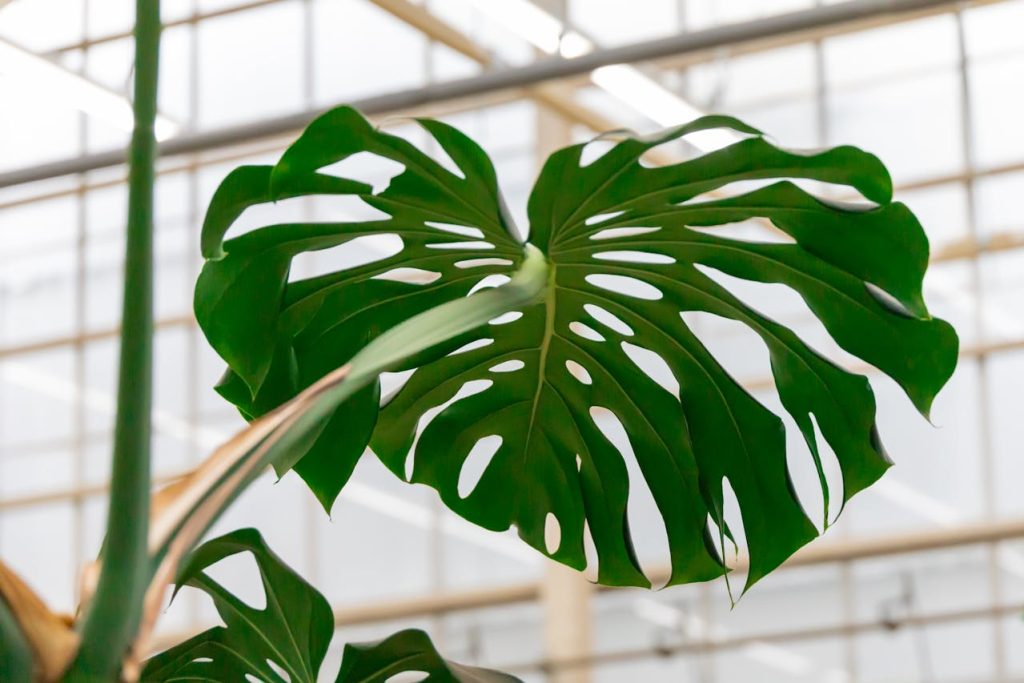
Monstera cuttings make water growing feel like a slow reveal, because a single node holds the promise of big, split leaves. A stem segment with a node and an aerial root will anchor in a tall vase and start throwing thicker water roots.
The node should stay submerged, but leaves should sit above the line, away from splashes that invite rot. Growth is usually slower than in soil, yet steady in warm rooms with bright, indirect light. A mild nutrient dose every few weeks keeps the cutting from living on stored energy until it can be potted or left in water. When water turns hazy, a rinse and refill keeps the roots clean and sweet.
Arrowhead Vine
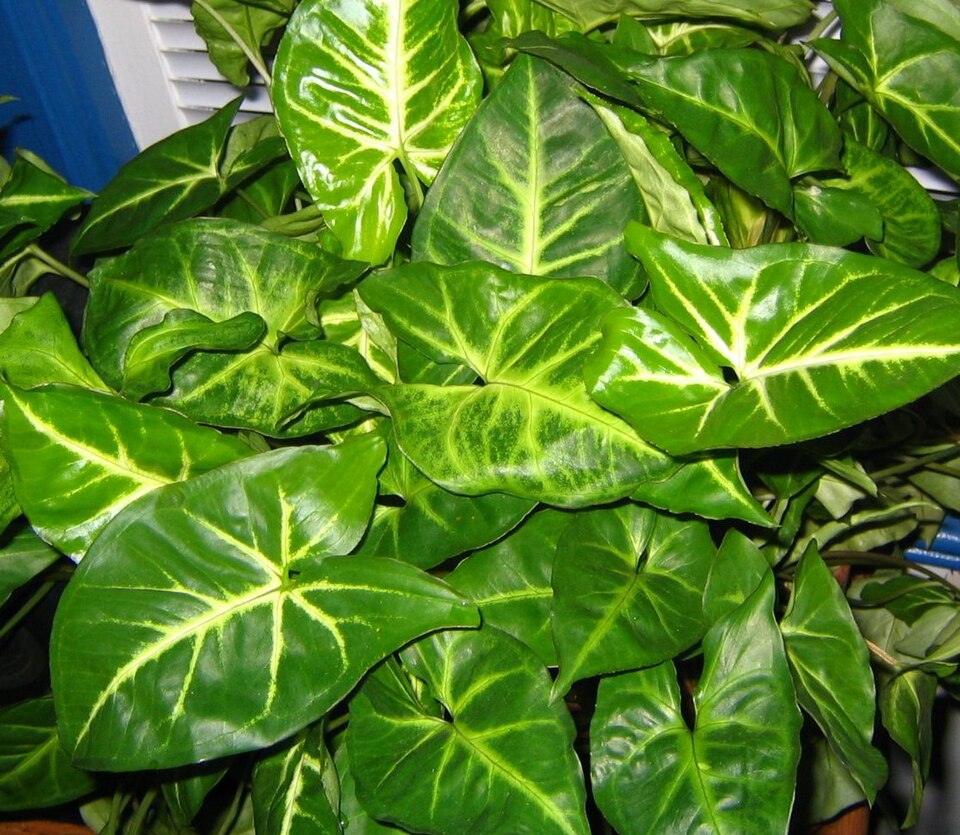
Arrowhead vine, often sold as syngonium, is a compact climber that adapts well to jars, even in small apartments. Cuttings root quickly, and leaves often shift from neat arrows to more divided shapes as the plant matures.
In water, it prefers bright, indirect light, since direct sun can bleach tender leaves and heat the jar. Keeping only the roots submerged prevents stem rot, and regular trims keep growth bushy instead of stringy. A lightly diluted fertilizer used sparingly helps the plant hold color and firmness through winter slowdowns. Clear water matters: when it smells off, a quick wash of glass and roots resets everything.
Tradescantia
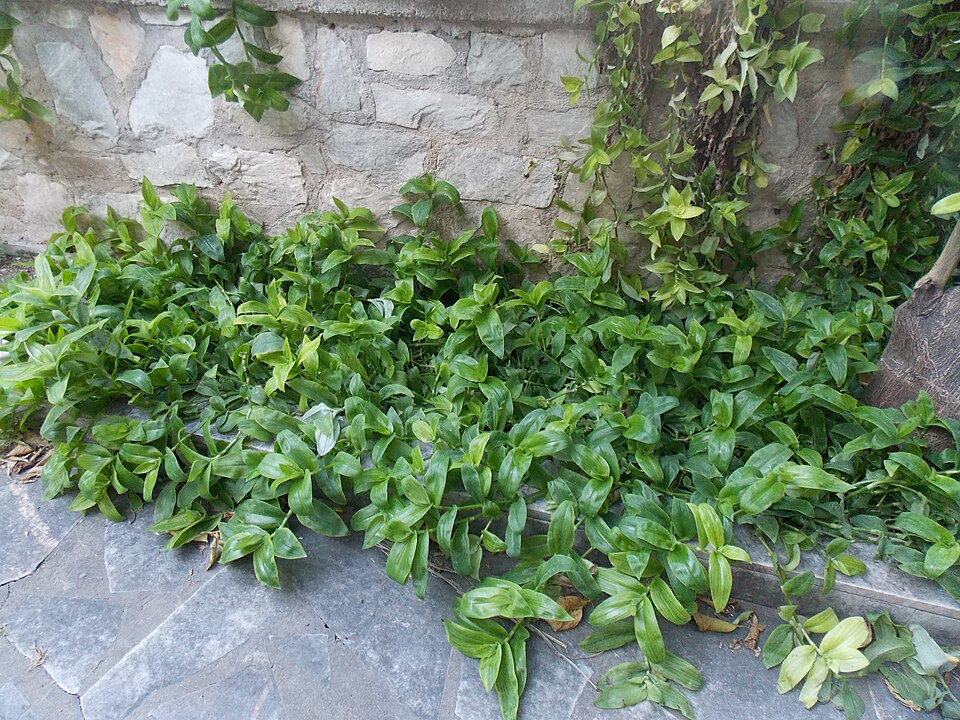
Tradescantia grows with a kind of joyful speed, which makes it perfect for jars that need to look good with little effort. A few stems root in days, then trail into purple, green, or silver-striped foliage that reads lively in soft window light.
Only the nodes should sit underwater, because submerged leaves turn mushy fast. That fast growth also burns through nutrients, so a diluted feed now and then keeps stems from going thin and brittle. Pinching tips encourages fullness, and fresh cuttings can restart the display whenever the stems get leggy. Swap water weekly to prevent sour odor, and rotate the jar so color stays even.
Coleus
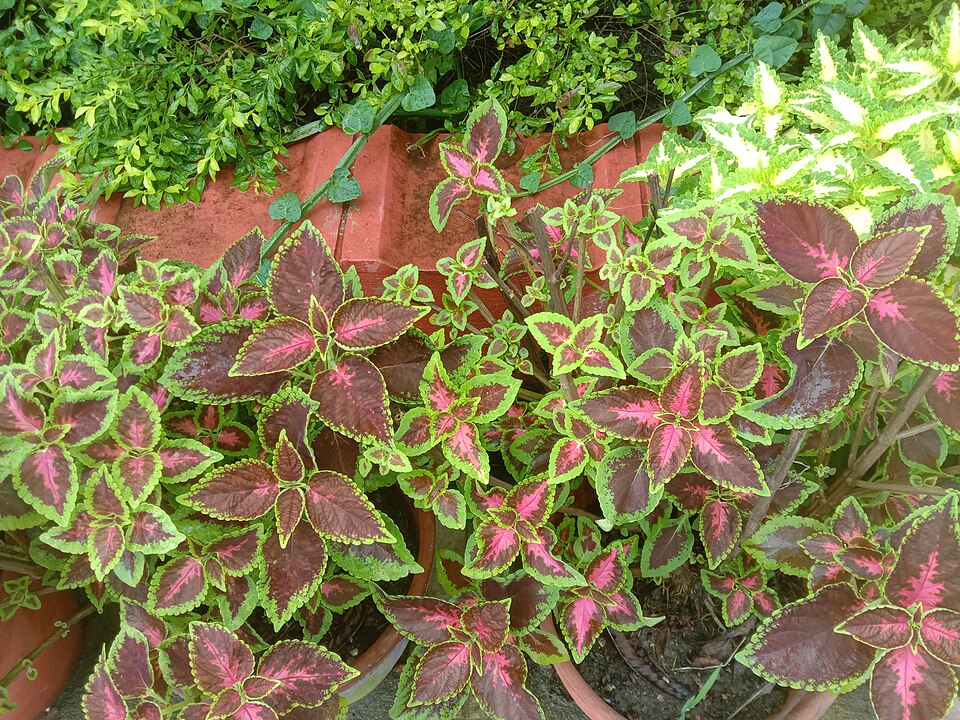
Coleus is usually treated as a porch plant, but in water it becomes a clean, indoor color experiment. Soft stem cuttings root quickly, and the leaves hold bold patterns in lime, burgundy, and chocolate tones when light is bright.
Lower nodes should stay submerged, while leaves stay dry and airy, since wet foliage can spot and slump. Water culture keeps coleus easy to refresh: pinch tips to prevent lanky stems and replace old cuttings when they stretch. A mild nutrient mix, used lightly, helps colors stay saturated instead of fading into a tired green. Direct sun can scorch through glass; bright shade keeps colors steady.
Mint
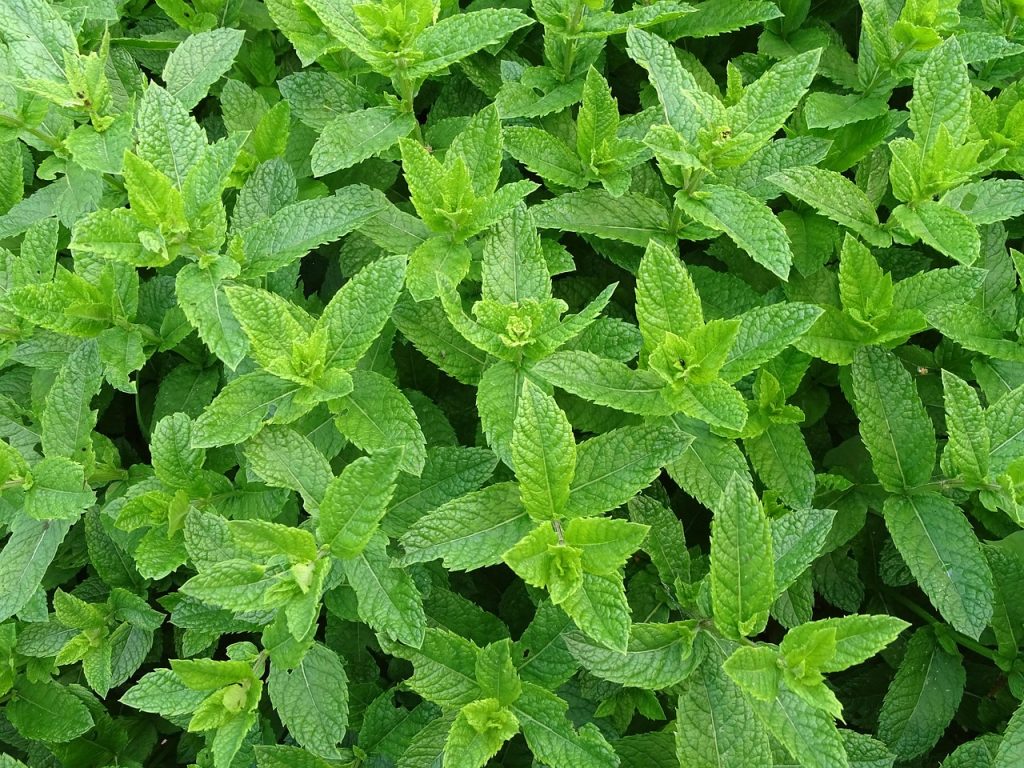
Mint earns its spot in water because it roots fast, smells clean, and stays useful even when growth is modest. A few sprigs in a glass send out roots from the leaf nodes, then push fresh shoots that can be snipped for tea and cooking.
It also avoids mint’s classic habit of taking over a garden bed, since the jar sets a hard boundary. Water should be refreshed every few days, and stems should not sit in harsh sun that heats the glass and dulls flavor. If leaves start yellowing, a very light nutrient dose, used sparingly, brings back that crisp, green edge. Harvest often for tender growth, and rinse the jar when it feels slick.
Low-maintenance plants thrive in water: clear jars, bright shade, and simple refreshes turn cuttings into lasting indoor greenery.