

A low-waste kitchen garden is less about perfection and more about smart harvest habits. Instead of raising produce that spoils before it is used, experienced gardeners favor crops that offer multiple edible parts, steady pick windows, and simple storage. That approach trims grocery runs, shrinks kitchen-bin scraps, and makes meals feel easier on busy weeks. It also answers a bigger problem: food remains one of the largest pieces of the U.S. waste stream. Even beds can do this well. These seven vegetables stand out because they keep giving in the garden and in the pan, from roots and stems to leaves, pods, and sprouts.
Green Peas
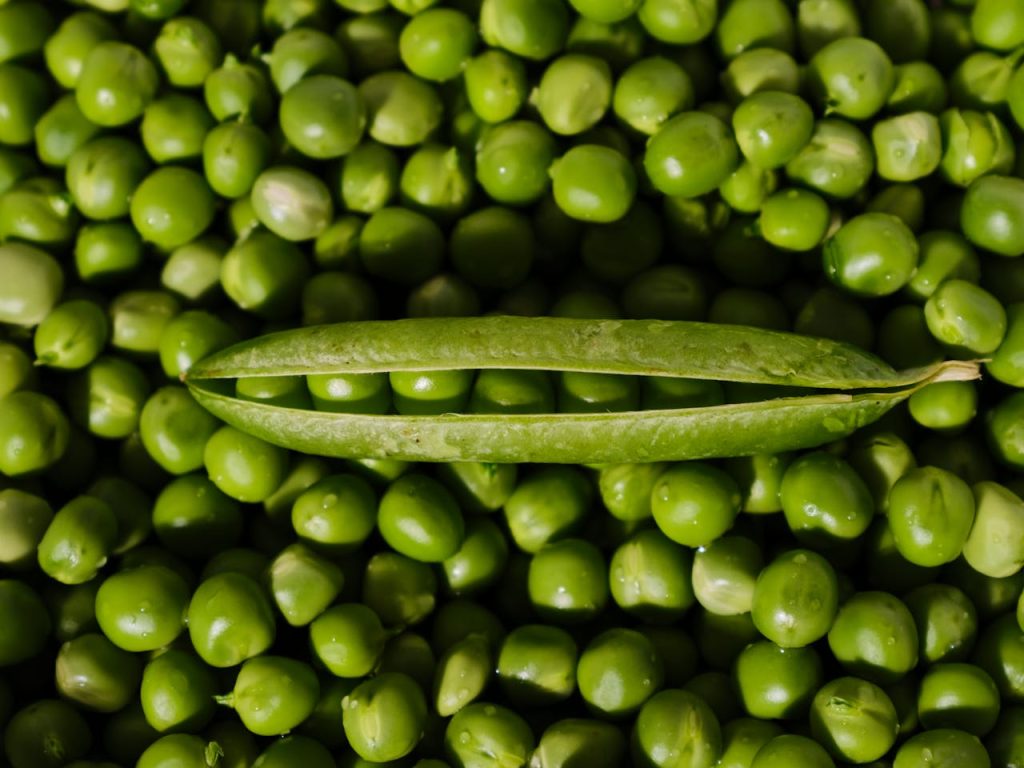
Green peas are small, fast, and unusually efficient in a low-waste plot. The shelled peas fill meals, the tender pods can be cooked when young, and pea shoots are edible as well, which means one planting can feed several kinds of dishes. A cooked cup of peas delivers about nine grams of fiber, so they pull double duty as both pantry backup and digestion support.
Gardeners also like the harvest rhythm: pick often, blanch extra peas, and freeze in portions for later weeks. Very little gets tossed when vines are harvested in stages, and even overgrown pods can be shelled for soups or stock-pot blends. That flexibility keeps waste low.
Broccoli
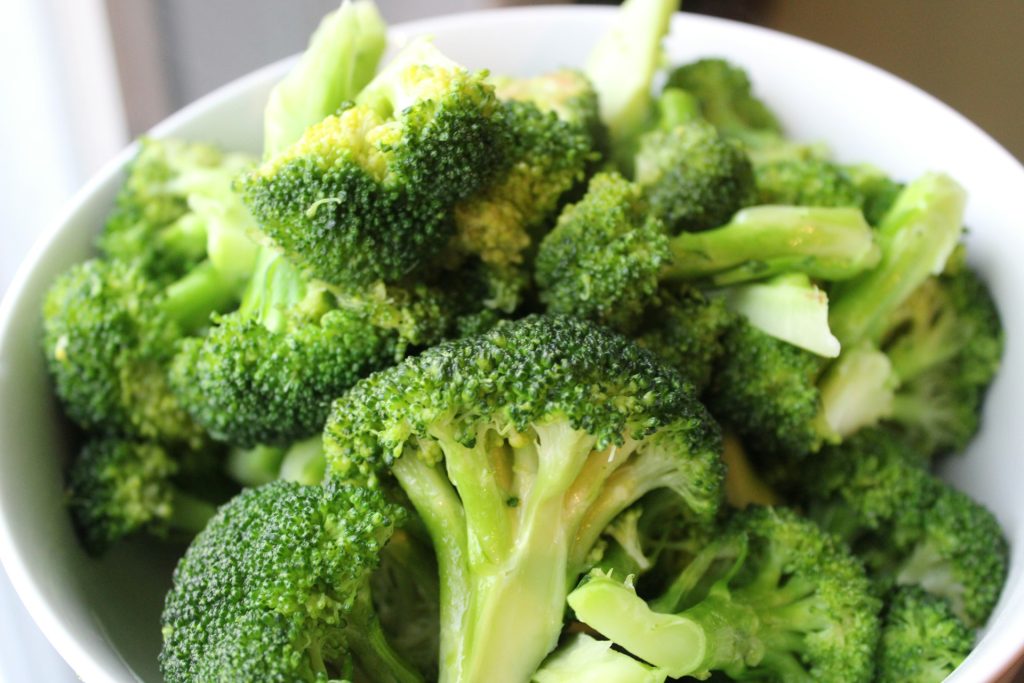
Broccoli earns a permanent place in low-waste beds because nearly the whole plant can be cooked. Most kitchens focus on florets, but peeled stems are sweet, crisp, and ideal for stir-fries, soups, and slaws. Garden cooks who treat stems like a second vegetable stretch one harvest across several meals instead of one quick side dish.
The timing helps: heads can be cut first, then side shoots continue for follow-up picks. When pieces pile up, stems can be chopped and frozen for soup bases, and leaves can be sautéed like hearty greens. With one plant producing in phases, less produce spoils in the crisper and prep scraps fall sharply.
Collard Greens
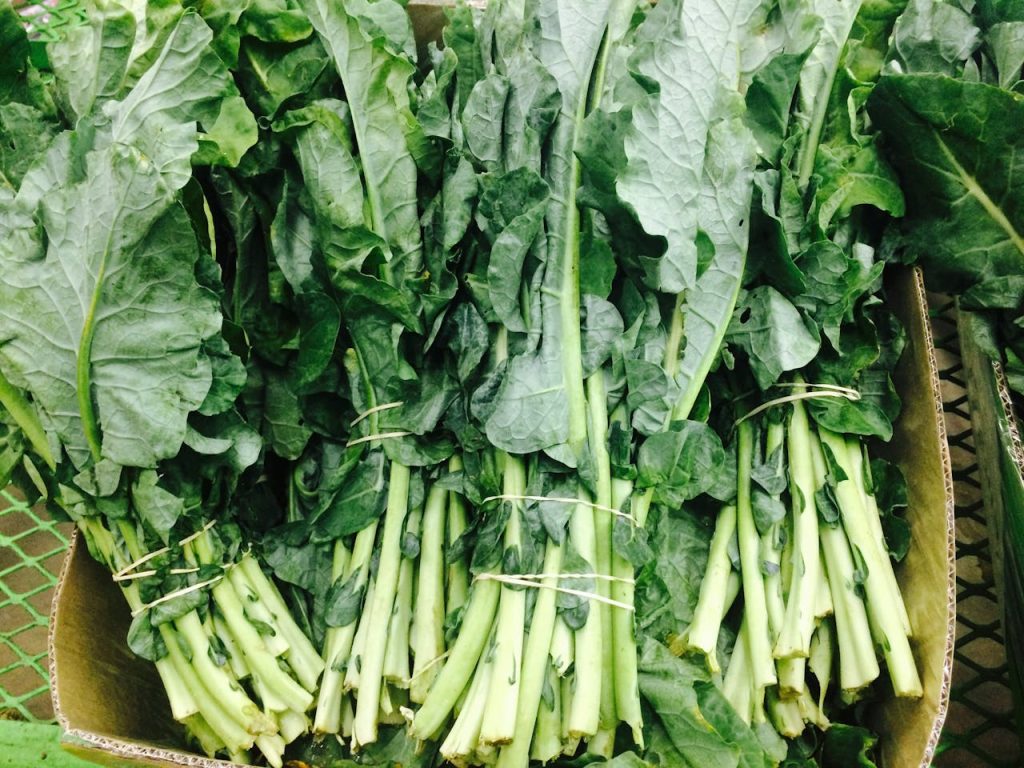
Collard greens fit low-waste gardens because they can be harvested leaf by leaf instead of all at once. Growers pick outer leaves, leave the center intact, and return for repeat harvests. That steady rhythm prevents the common problem of too much produce landing in the kitchen at one time.
They are practical after harvest. Leaves hold up in braises, soups, and quick sautés, while stems can flavor stock rather than being discarded. A cooked cup provides about eight grams of fiber, adding digestive support. The result is simple: fewer wilted bundles in the fridge, and more meals built from what is already homegrown through the week.
Brussels Sprouts
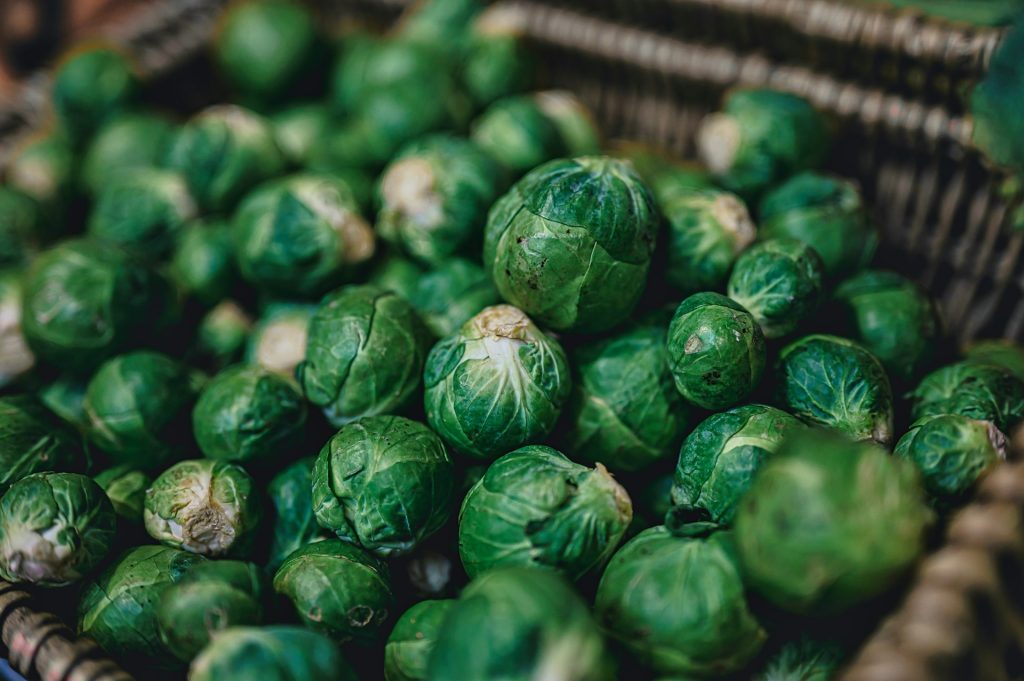
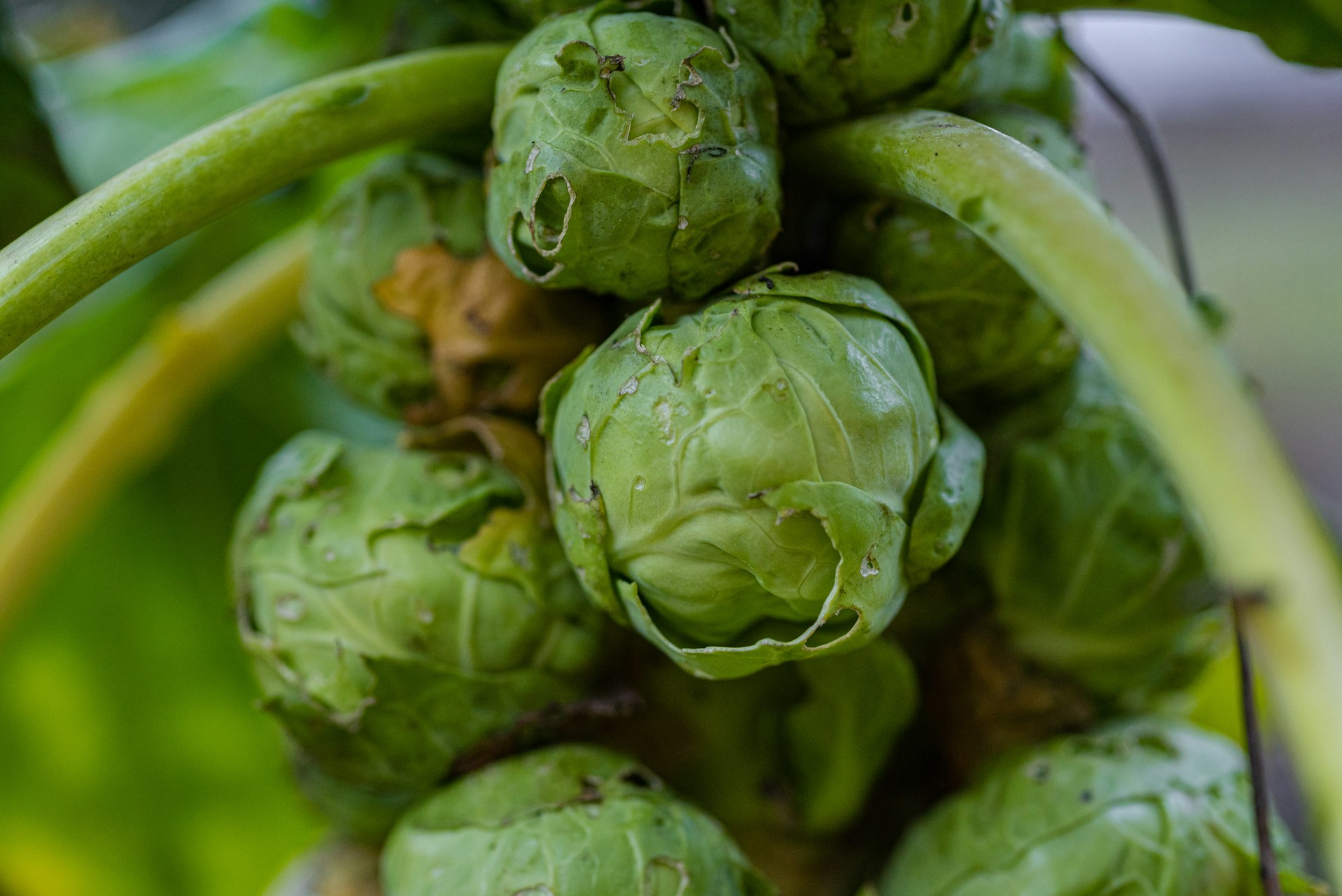
Brussels sprouts work well in a low-waste garden because harvest is staggered along the stalk instead of all at once. That pacing keeps kitchen volume manageable and reduces spoilage. The buds are the main event, yet the leaves are edible too and can be cooked like mild collards.
They are flexible after picking. Sprouts roast, shred, and sauté well, while leaves can be braised or stirred into soups. A cooked cup provides about four grams of fiber, so meals gain both texture and digestive value. One plant can supply several cooking styles through the week, which means fewer scraps and more complete use of what the bed produces.
Artichokes
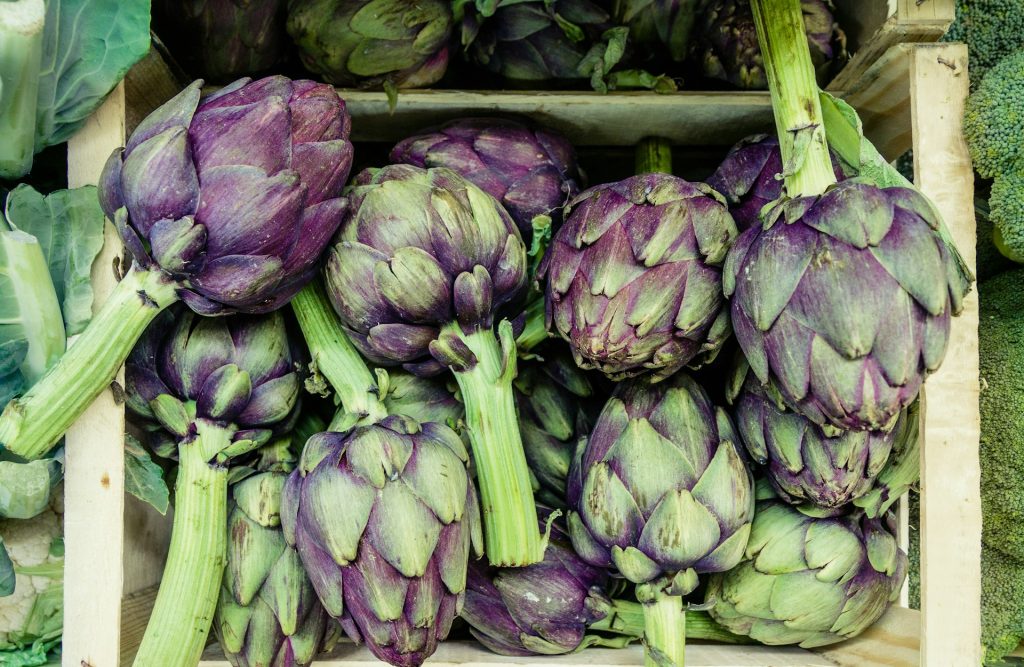
Artichokes fit a low-waste plan when space allows, especially where plants can produce beyond one season. Their harvest window is broad and each bud yields multiple edible layers when prepped well. Even the peeled stem near the base is tender, which cuts trimming loss compared with store-bought vegetables.
In the kitchen, artichokes handle steaming, roasting, and marinating, then leftovers can move into salads, pasta, or grain bowls. A medium artichoke provides about seven grams of fiber, including inulin, a prebiotic tied to healthier gut bacteria. For gardeners aiming at less waste and more nutrition per plant this crop delivers.
Beets
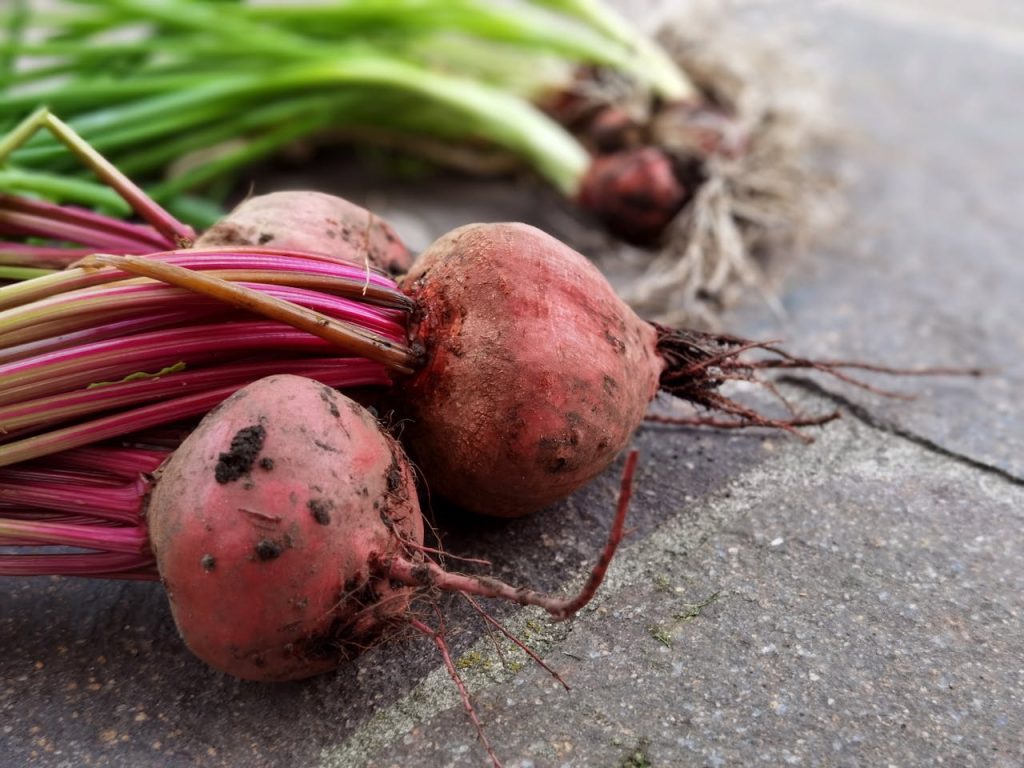
Beets are a true two-for-one crop in a low-waste garden. The roots work in soups, roasts, and pickles, while the greens cook like chard in sautés, stews, or egg dishes. Using both parts from one harvest reduces trimming waste and gives cooks more value from the same bed space.
They are practical to store as well. In cool conditions, roots can stay in the ground until needed, and harvested bulbs keep well in the refrigerator once tops are trimmed. Young leaves can be picked before full maturity, so the crop contributes early and late through the season. That timing helps households waste less while keeping weeknight meals varied.
Kale
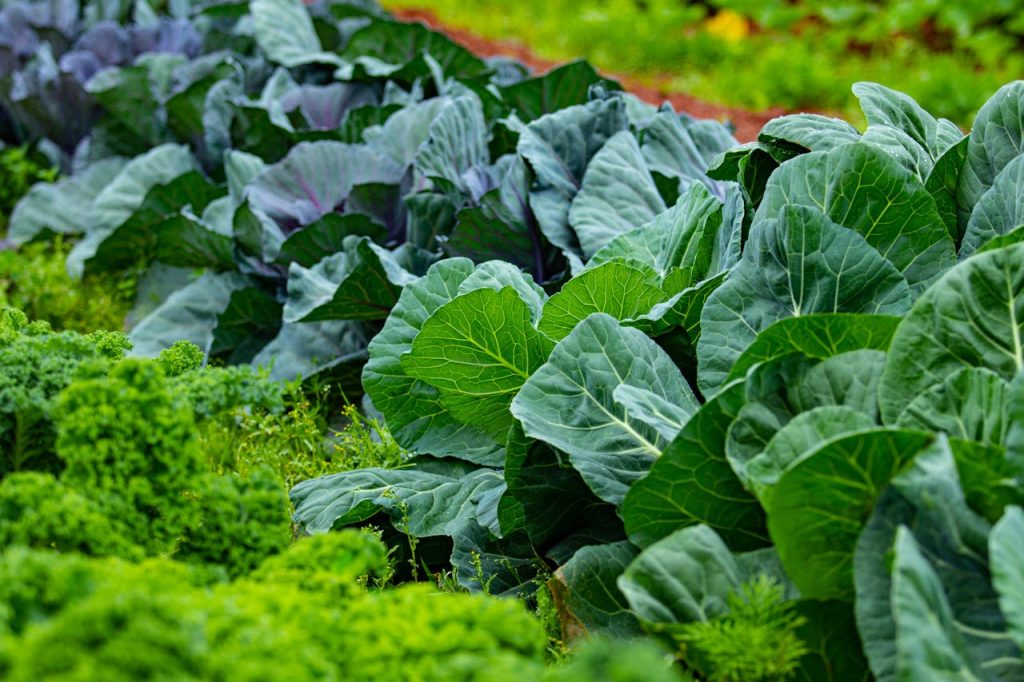
Kale belongs in a low-waste garden because it supports repeated, leaf-by-leaf harvests. Gardeners pick outer leaves, leave the center intact, and return again as new growth appears. This cut-and-come-again rhythm spreads production over time and avoids the one-day glut that often ends in a wilted bag.
Its kitchen range is wide. Small leaves can be eaten raw, larger leaves handle soups and braises, and stems can be chopped into sautés or broth. In cool weather, plants keep producing longer than expected, which helps bridge seasonal gaps. For households that value use over flashy harvest photos, kale is dependable and efficient.