

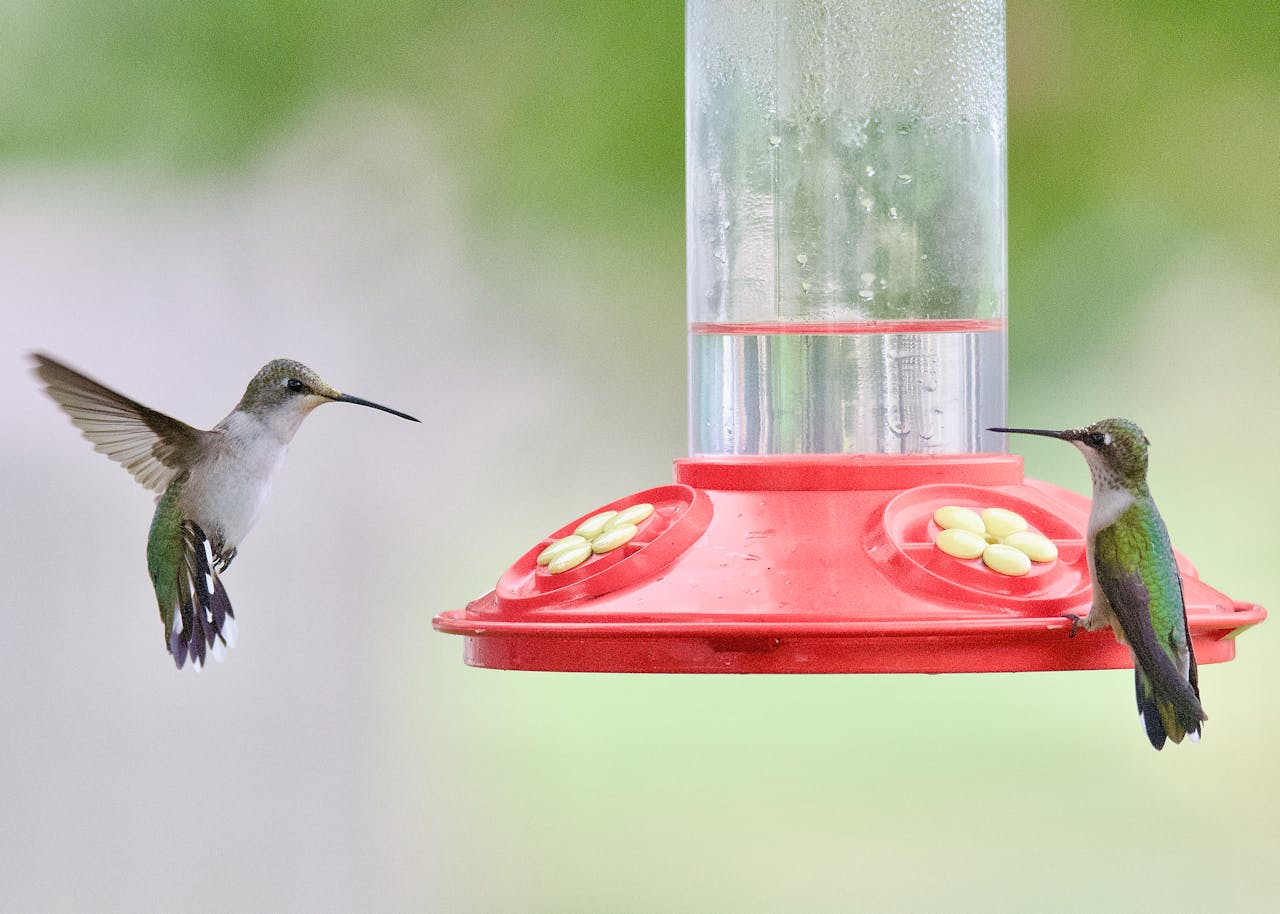
The first hummingbird of spring is tiny, fast, and easy to miss, but the moment lands hard. Backyards that felt still all winter suddenly feel alive again. What often gets overlooked is that feeder timing is not a simple spring ritual. Migration runs on temperature, bloom cycles, daylight, and geography, so the right week in Florida can be the wrong week in Vermont.
Recent guidance from ornithologist Mary Mack Gray and animal care supervisor Lisa Kelly frames timing around regional safe dates, then local weather on top of that. The broad rule is practical: place nectar before expected arrivals, not after first sightings flood social feeds. Early support matters most when birds arrive tired and flowers are not yet fully reliable.
Why Timing Matters More Than Good Intentions
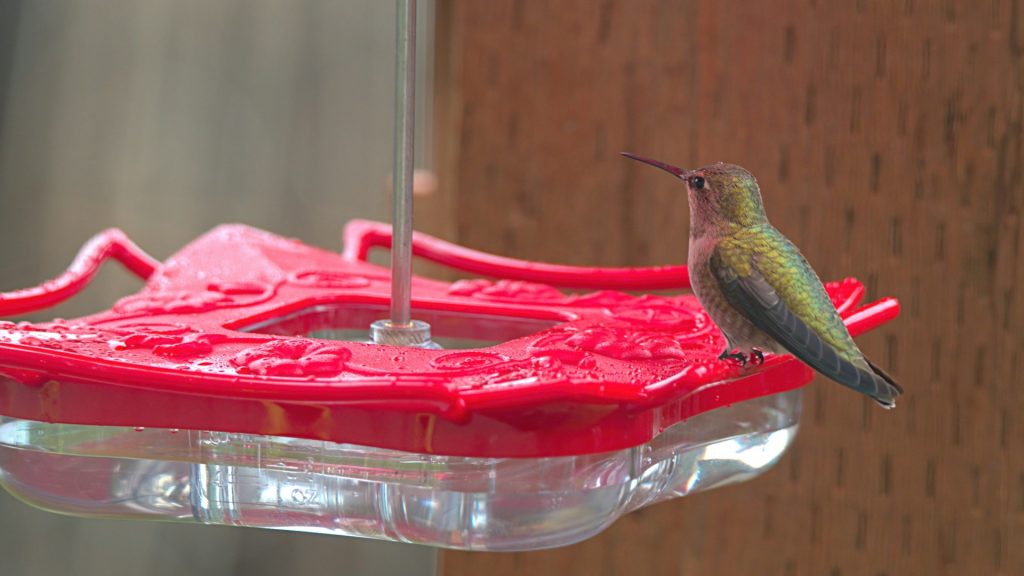
Hummingbirds burn energy at an extreme rate, especially during migration legs that stack wind, distance, and unpredictable weather. If a feeder appears after the first wave has already moved through, a yard can miss that critical stopover window. Audubon notes that spring migration activity typically builds from March through May, with earlier movement in southern zones and later movement in the Northeast.
At the same time, timing cannot be copied blindly from another state. The same species can arrive weeks apart across latitude and elevation, and cold nights can limit natural nectar even when days look mild. That is why experts frame feeder setup as regional windows plus local forecast checks, not one national date.
Regional Windows Are Real, but Local Weather Still Wins
Gray’s regional windows are a strong planning baseline. Gulf Coast and much of Florida often begin seeing arrivals from mid-February into early March, while many southern and southwest areas, including parts of Texas, Arizona, and California, commonly line up from late February to mid-March.
The Pacific Northwest has its own pattern. Rufous hummingbirds can push north early, so waiting for a late spring cue can mean missing birds already moving through.
In the Southeast, guidance often splits by latitude, with southern pockets trending earlier and northern pockets landing closer to early April. For the Mid-Atlantic, Ohio Valley, and much of the Midwest, the window usually shifts into mid-April through early May, and cooler springs can delay things further.
Higher elevation zones in the Rockies and colder northern regions often need the most patience. Much of the Northeast and New England is safer in late April to early May, with occasional mid-April exceptions when conditions settle.
What Early Support Does and What Late Setup Costs
A feeder that is ready before first arrivals gives migrants immediate fuel when they need it most. A feeder set too late often goes unnoticed because birds have already established routes through nearby habitat. In practice, timing influences visibility as much as generosity.
Going early is useful only when maintenance follows. Audubon’s rule of thumb remains one of the clearest: put feeders out about a week before birds typically arrive in that area, then keep nectar fresh and monitor conditions.
First-Time Setup Rules That Protect Birds
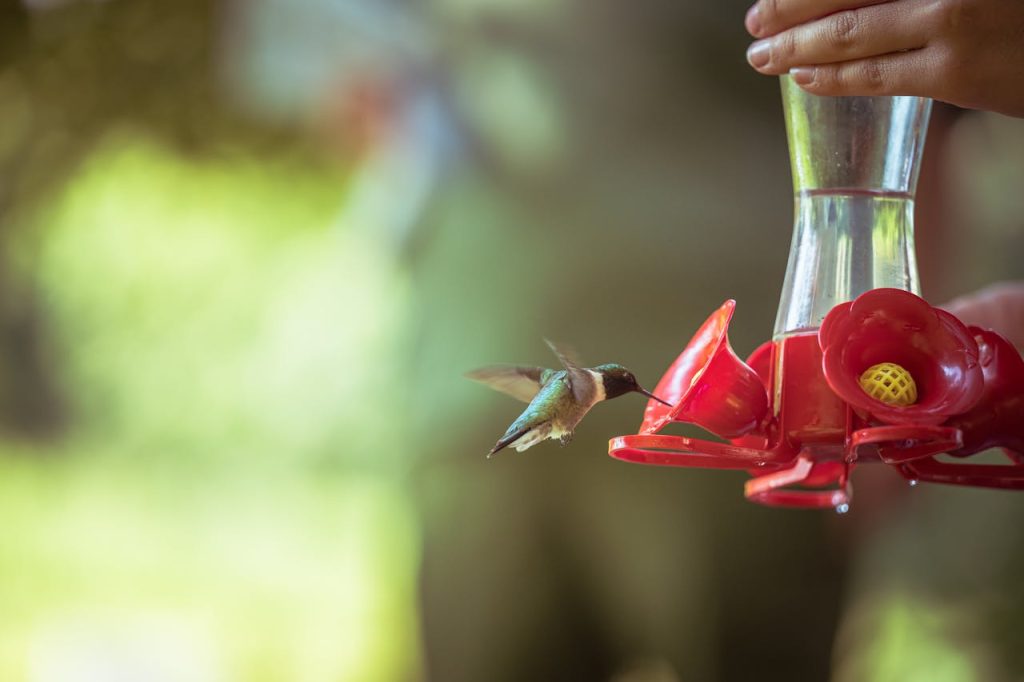
Nectar composition is simple and strict: one part refined white sugar to four parts water, with no dyes and no specialty sweeteners. Audubon and the National Zoo both reinforce this ratio because clear nectar is enough and unnecessary additives can create risk.
Boil to dissolve, cool fully, then fill. Store extra safely, and replace old nectar with a fresh batch before fermentation starts.
Cleaning schedule matters as much as recipe. Cornell recommends changing sugar water every three to five days, more often in heat, and washing feeders at least weekly with hot water and a brush, followed by thorough rinsing.
Material and maintenance habits matter, too. In hotter climates, many caretakers prefer glass for durability and easier sanitation, but the best feeder is always the one that gets cleaned on schedule.
Placement and Spacing Make or Break Feeder Traffic
When multiple feeders hang too close together, dominant birds can guard them and chase others off. Spacing units roughly twenty to twenty-five feet apart creates separate feeding zones and reduces constant aerial conflict. Positioning near shade also helps nectar hold up better.
Visibility still matters. Feeders should be easy for birds to find, but not left in full, punishing sun that speeds spoilage. The best spots balance access, safety, and easy human maintenance.
Use Live Tracking Instead of Guesswork
Migration maps from community science projects give a real pulse check before hanging day. Journey North and Hummingbird Central both collect first-sighting reports, which helps backyard birders watch movement patterns as they progress north.
Those maps are not crystal balls, but they are strong trend tools when combined with local temperatures and flowering cues. The most reliable routine is simple: follow nearby sightings, check overnight lows, and put feeders out slightly ahead of expected arrival.
Common Errors That Quiet a Feeder Fast
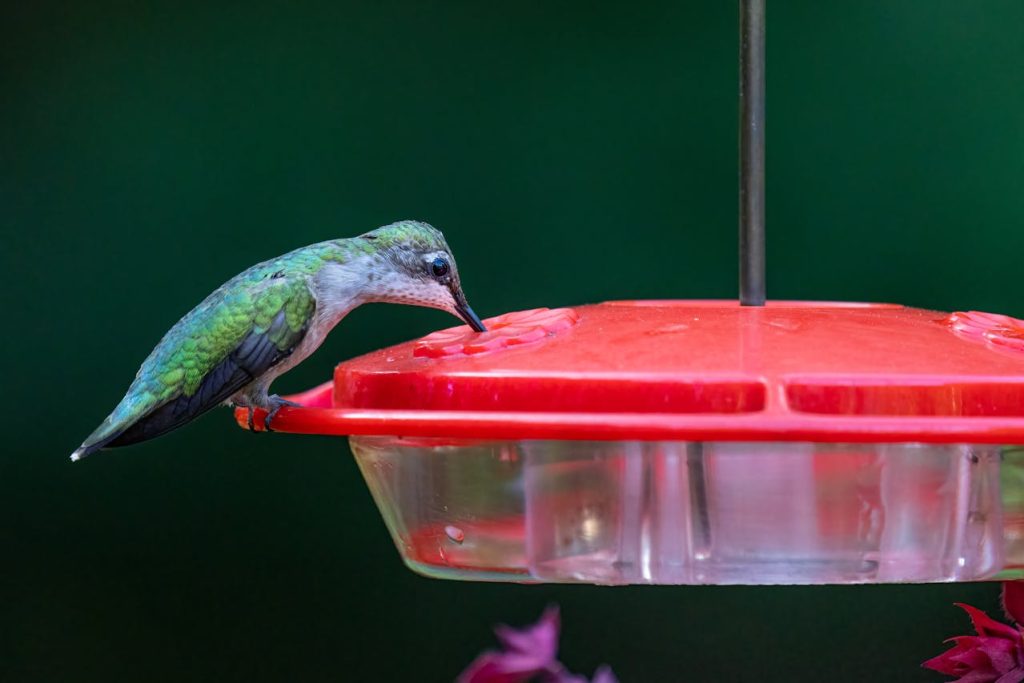
One common mistake is waiting to confirm arrival before placing nectar. By that point, some birds have already passed, and the yard loses early traffic that might have returned daily for weeks.
Another mistake is stale nectar. Even a well-placed feeder goes quiet if sugar water is old, ports are sticky, or mold begins developing where it is hard to see.
A third issue is copying a national date without adapting to local climate, especially in mountain zones, lake-effect regions, or places with volatile spring nights. Regional windows are useful, but microclimate decisions are what keep birds coming.
A Practical Spring Plan by Region
A workable plan starts broad, then narrows fast: Gulf Coast and Florida often begin by early March; many southern and southwest zones by late winter into mid-March; Pacific Northwest often by March for early movers; Southeast by mid-March into early April; and much of the northern tier by late April into May. Then adjust for elevation, cold snaps, and bloom timing.
After setup, consistency is everything. Keep nectar fresh, clean on schedule, spread feeders if traffic grows, and keep watching migration reports. Timing gets the first visit, but maintenance is what turns a brief stop into a dependable seasonal pattern.