

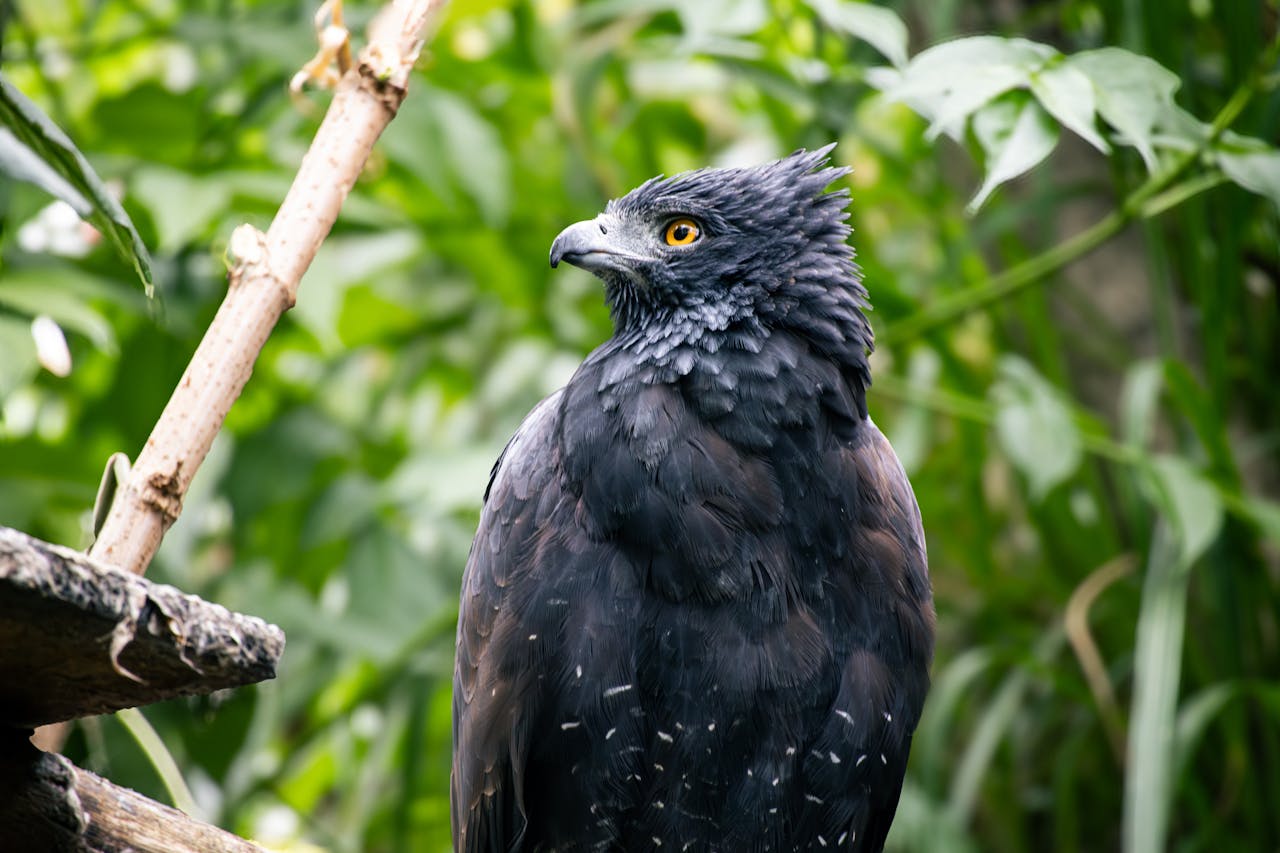
The headline often says harpy eagle, but the species described in this range story is the Philippine eagle, a towering forest raptor found only in the Philippines. It is one of the world’s largest eagles by length and wingspan, and it has carried national symbolic weight for decades.
What this really means is simple: this is not a visibility problem anymore. People know the bird exists. The deeper issue is whether forest protection, enforcement, and long-term funding can move fast enough to match how slowly this species reproduces.
A Forest Titan, Not a Myth
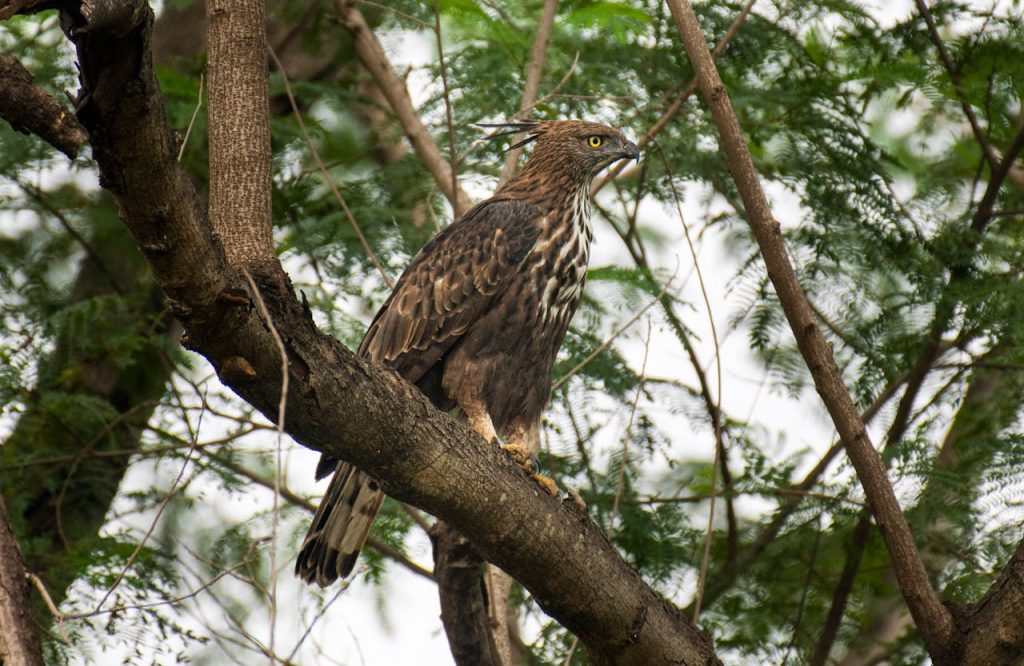
The bird at the center of this story is the Philippine eagle, often confused with the harpy because both are huge canopy predators. This one stands about 3.3 feet tall, carries an average wingspan near 6.6 feet, and can reach about 18 pounds. It is built for steep, forested terrain, not open plains or city edges, and it needs tree cover.
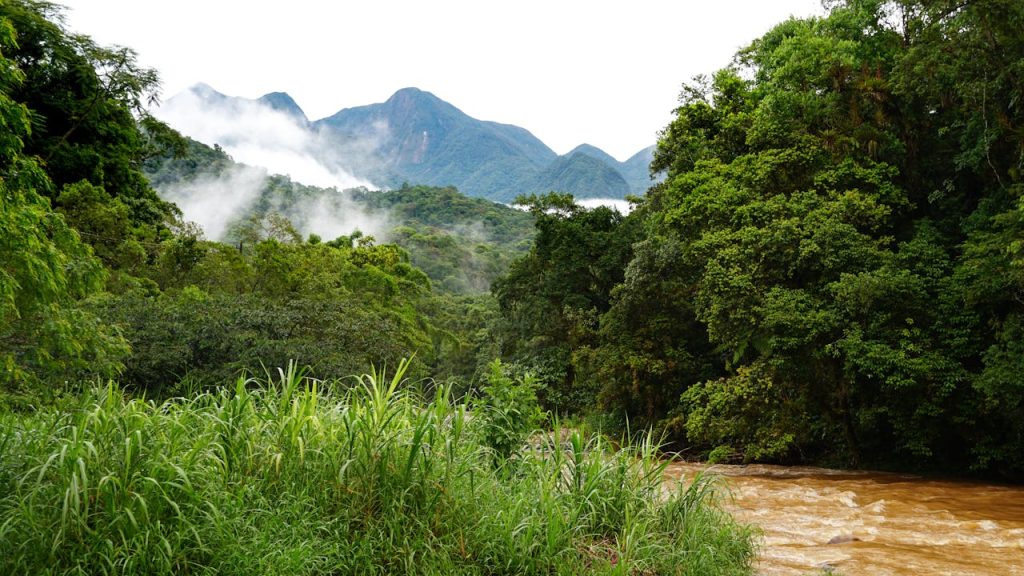
It lives only in the Philippines, with remaining populations tied to Luzon, Samar, Leyte, and Mindanao, where most individuals persist. That narrow range makes every forest block matter. When habitat breaks apart, the species does not have an easy fallback range the way wider-ranging raptors do.
What It Actually Eats and How It Hunts
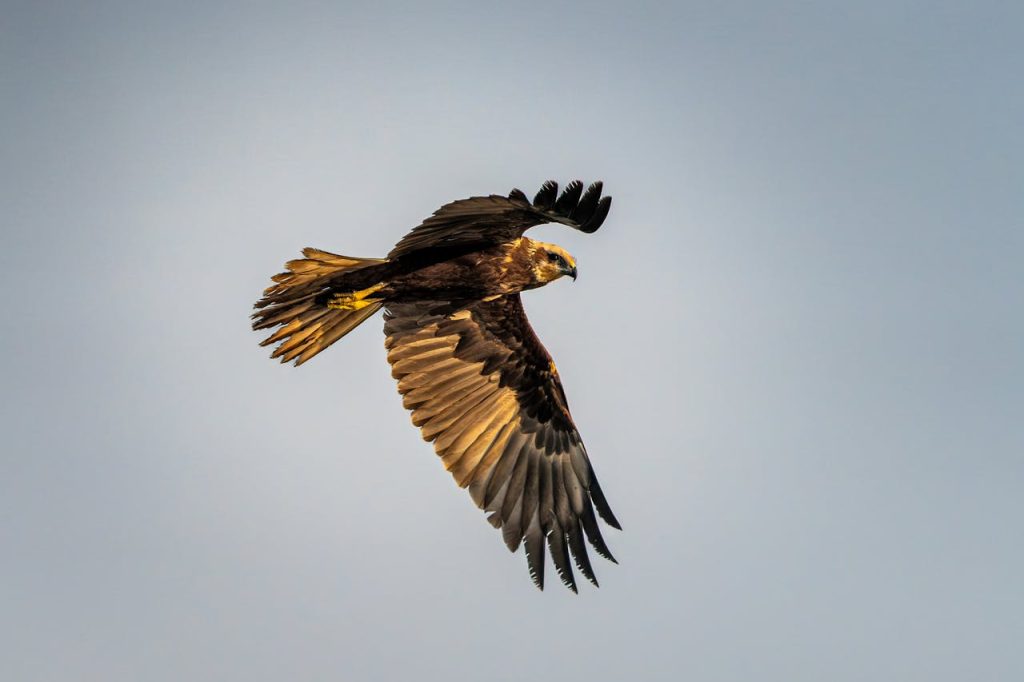
The monkey-eating label was always incomplete. Philippine eagles do take macaques, but they also hunt civets, flying squirrels, bats, reptiles, and other birds, depending on what each island can support. That flexible prey list is a strength, yet it still depends on intact forest food webs and stable canopy structure.
Field accounts also describe pair hunting during difficult pursuits: one bird draws attention while the other moves in from a better angle. That behavior sounds dramatic, but it underlines a hard reality. Even a predator can be injured when prey fights back, especially in dense forest where each chase carries risk.
The Numbers Behind the Alarm

Conservation status is not ambiguous here. The species is listed as Critically Endangered, and multiple assessments point to a small, fragmented population. Britannica summarizes estimates of fewer than 500 mature birds, while earlier range-wide estimates reported about 180 to 500 adults and a continuing decline trend.
Newer habitat modeling has given conservation teams a sharper map and a planning baseline of roughly 392 breeding pairs across the range, with uncertainty around that figure. That does not mean the species is safe. It means planners now have better coordinates for where protection must intensify first, by island.
Why Decline Continues
The pressure comes from several directions at once: deforestation, agricultural conversion, hunting and trapping, and habitat degradation linked to mining and pollution. None of these pressures acts alone. Together, they shrink hunting space, disturb nesting zones, and lower survival odds for younger birds.
Recovery is also slow by biology. The species matures late, breeds in long cycles, and needs large forest territories per pair. So even when protection improves, population rebound is gradual. This is why short policy bursts rarely work; the species needs long, uninterrupted conservation commitments across decades.
National Symbol, Fragile Reality
The Philippines declared the Philippine eagle its national bird through Proclamation No. 615 on July 4, 1995, recognizing it as a flagship of forest health and national heritage. The proclamation also called for sanctuaries, research, and stronger public awareness through government action.
Symbolic status helped visibility, but symbolism alone does not secure habitat or reduce local conflict. The gap between recognition and field protection still shows up in fragmented landscapes. Pride matters, but only when it is matched by enforcement, funding, and practical support for communities living beside eagle territories.
What Real Protection Looks Like
Recent range analysis shows the current protected-area network covers about 32.4 percent of modeled suitable habitat, below proposed representation targets. That single number explains why legal designation and real-world outcomes can diverge. Important forest remains outside strong protection.
What works best is layered action: secure nest trees, improve local law enforcement, support community forest stewards, and keep monitoring active year-round. When conservation plans combine mapping, field patrols, and local participation, they protect one raptor and the wider forest system that keeps entire islands ecologically stable.
Sources
- Encyclopaedia Britannica: Philippine eagle
- Philippine Eagle Foundation: Priority conservation areas and global population estimate
- Lawphil: Proclamation No. 615, s. 1995
- Bangko Sentral ng Pilipinas: Flora and Fauna series coins
- Animal Diversity Web: Pithecophaga jefferyi
- Protected Planet: Mt. Apo Natural Park
- Protected Planet: Mt. Kitanglad Range Natural Park
- Protected Planet: Northern Sierra Madre Natural Park