

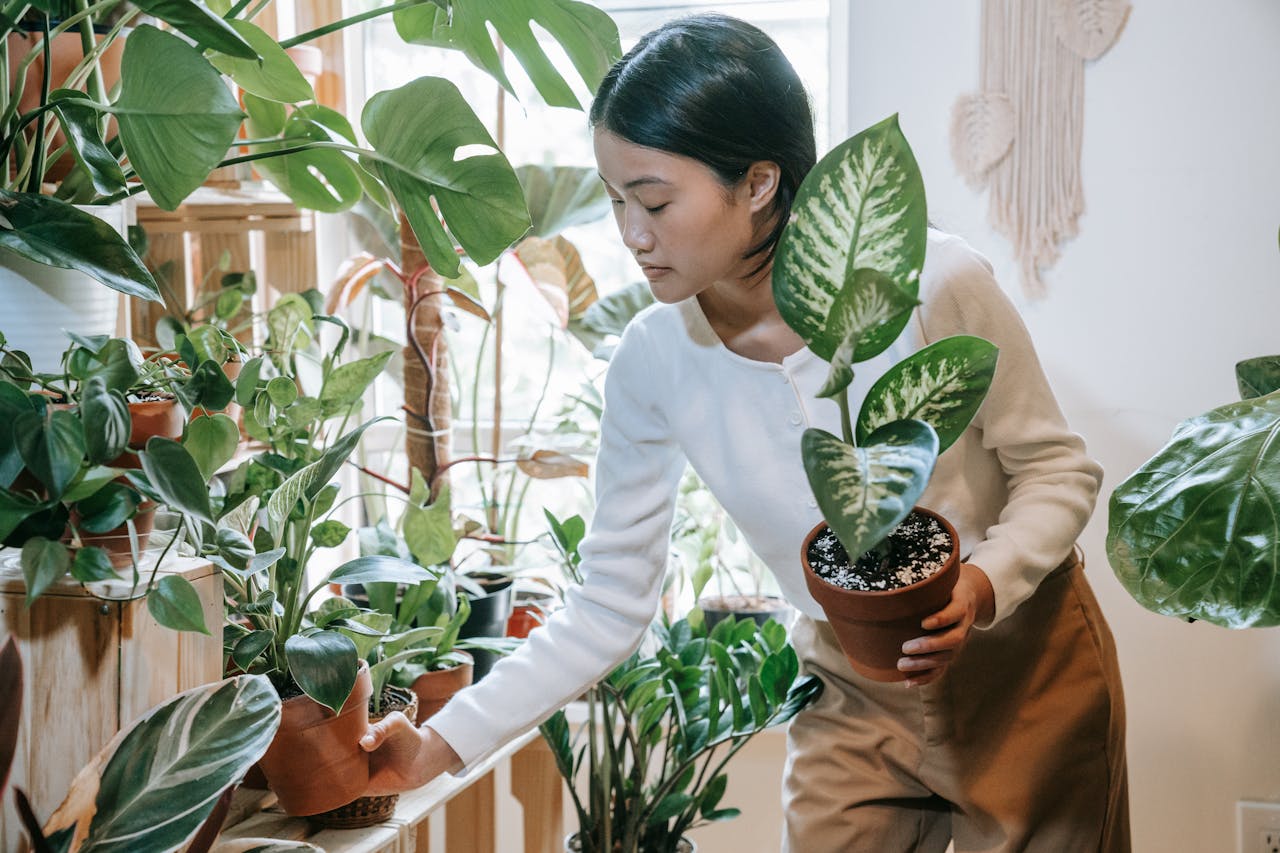
A room shifts the moment something blooms, because petals signal energy, not just greenery. Plant people tend to reach for indoor varieties that flower under bright, indirect light, stay tidy in pots, and rebound after a missed watering or two.
In late winter or during a long rainy week, a fresh flush of color can make a corner feel warm and lived in. The best choices do not demand rare gear or perfect timing; they respond to steady light, even moisture, and a little feeding. Picked well, one plant can change the whole mood of a shelf, table, or windowsill within weeks. Many also rebloom in cycles, so the scene keeps evolving.
African Violet
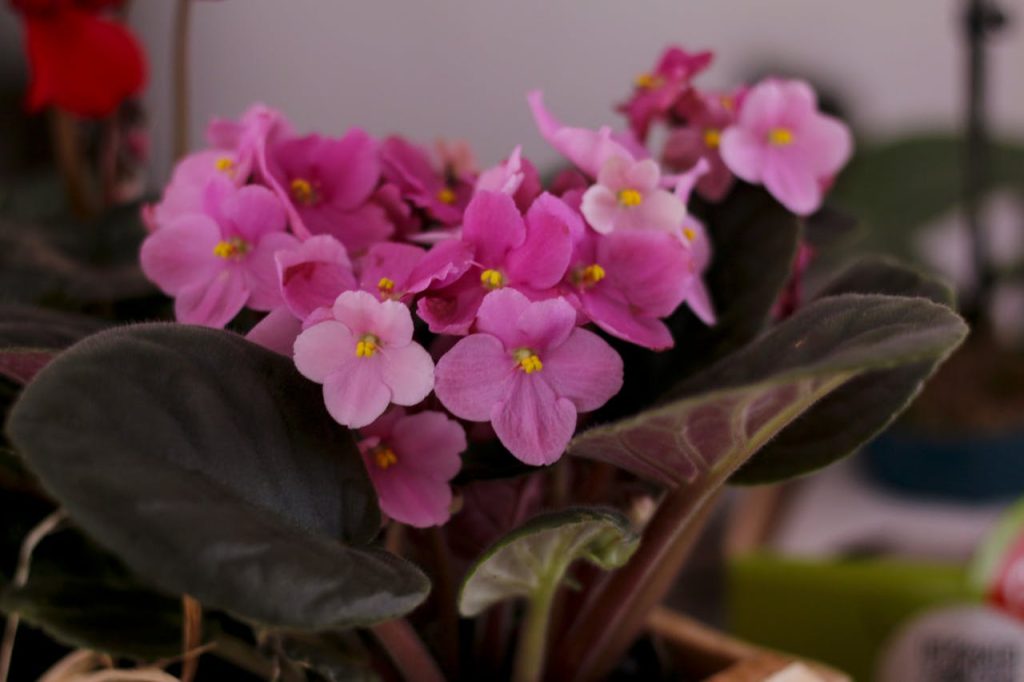
African violets bloom close to their leaves, so even a small pot reads like a bouquet. With bright, indirect light and steady warmth, they can flower for weeks, pause, then start again, especially when kept slightly snug in the pot.
Growers favor bottom watering with room temperature water to keep leaves dry, plus gentle rotation for even growth. Pinching spent blooms and tired stems keeps the crown tidy and nudges fresh buds. A light, regular feed during active growth helps, and flushing the pot occasionally prevents fertilizer salts from building up so roots stay calm. Skip cold drafts, and use an airy mix so water never lingers.
Peace Lily
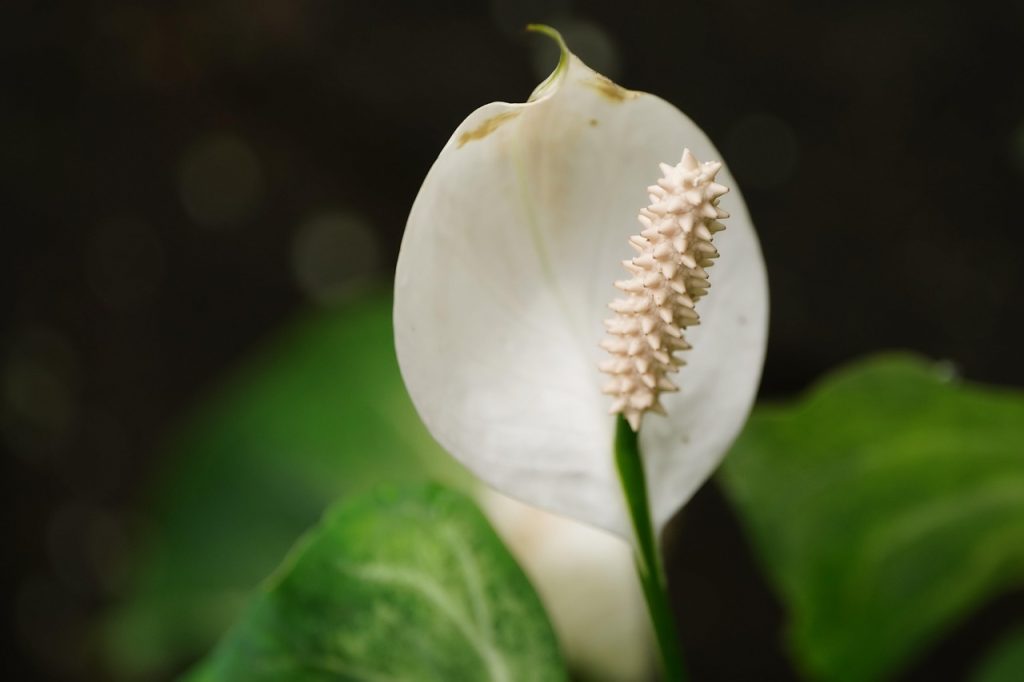
Peace lilies lift white spathes above glossy leaves, so a room looks fresher even before the next deep clean. They tolerate lower light than many bloomers, but brighter shade usually means more flowers and sturdier stems.
Pros keep the soil evenly moist, then let the top layer dry slightly, using the plant’s soft droop as an honest thirst signal. Cutting old stalks at the base makes new growth look crisp. Rinsing the pot every few months to wash out salts, and feeding lightly in spring, helps the plant push repeat blooms without stretching. Avoid harsh sun; bright, indirect light works best. A touch of humidity helps.
Anthurium
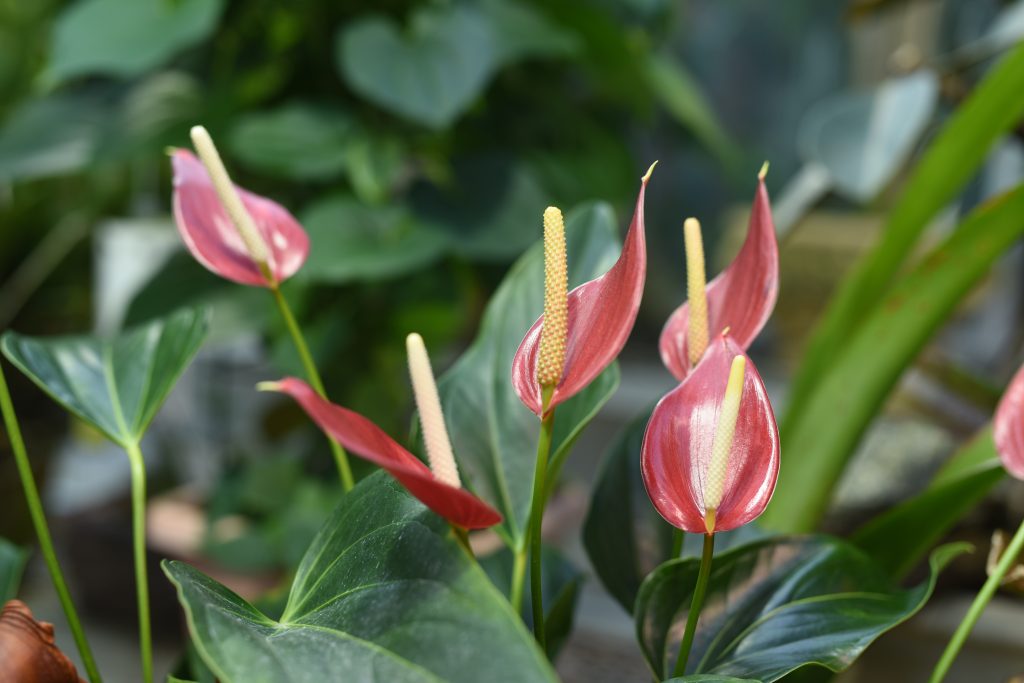
Anthuriums bring glossy, heart-shaped blooms that look polished, so one plant can act like decor on its own. In bright, indirect light with steady warmth, they tend to flower in waves through the year instead of one short season.
Plant specialists keep them in a chunky mix that drains fast, water when the top inch dries, and avoid cold drafts. Wiping leaves helps light absorption, and trimming faded blooms keeps energy moving forward. Moderate humidity, a weak feed during active growth, and rotating the pot for even light often lead to quicker, fuller reblooms. Drain fully after watering, and skip standing water in saucers.
Phalaenopsis Orchid
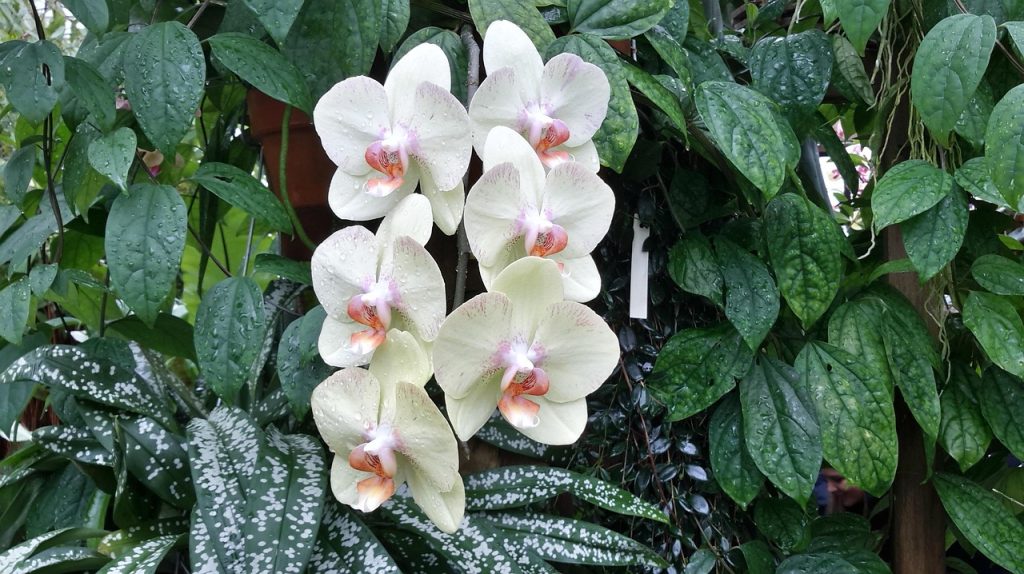
Phalaenopsis orchids feel extravagant, yet they are built for indoor life, with blooms that can last six to 12 weeks. They thrive in bright, filtered light and a barky mix that lets roots breathe, not sit wet.
Orchid growers soak the pot, let it drain completely, then wait until roots turn silvery before watering again. Keeping water out of the crown prevents crown problems, and a weak fertilizer during growth supports the next spike. After flowers fade, trimming a green spike above a node can spark a second flush, while cooler nights away from heaters help set buds. A clear pot makes root signals easy to read at a glance.
Kalanchoe
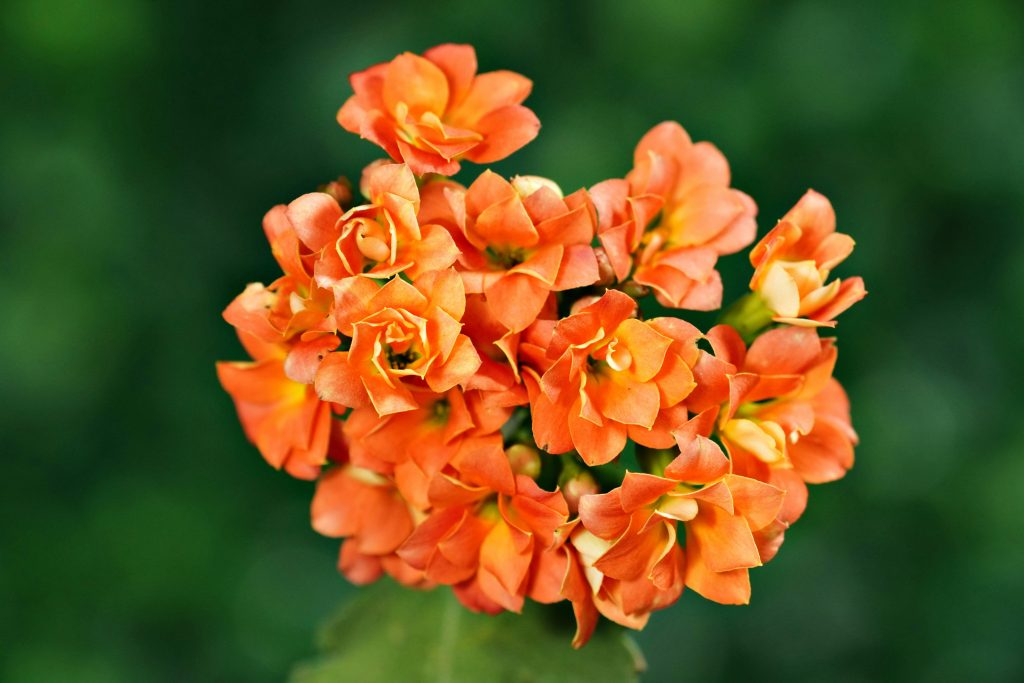
Kalanchoe packs tight clusters of flowers above thick leaves that store water, so it stays cheerful even with an imperfect routine. In a sunny window and fast-draining soil, blooms can hold for weeks, then return after a short reset.
Because it responds to night length, growers often give 12 to 14 hours of darkness for several weeks to trigger buds. Water only after the pot dries, pinch off spent clusters, and rotate for even growth. Once color returns, light feeding and warm indoor temps keep the plant compact and blooming instead of stretching. Cool drafts can stall bud set, so it does best away from a window seam at night.
Bromeliad
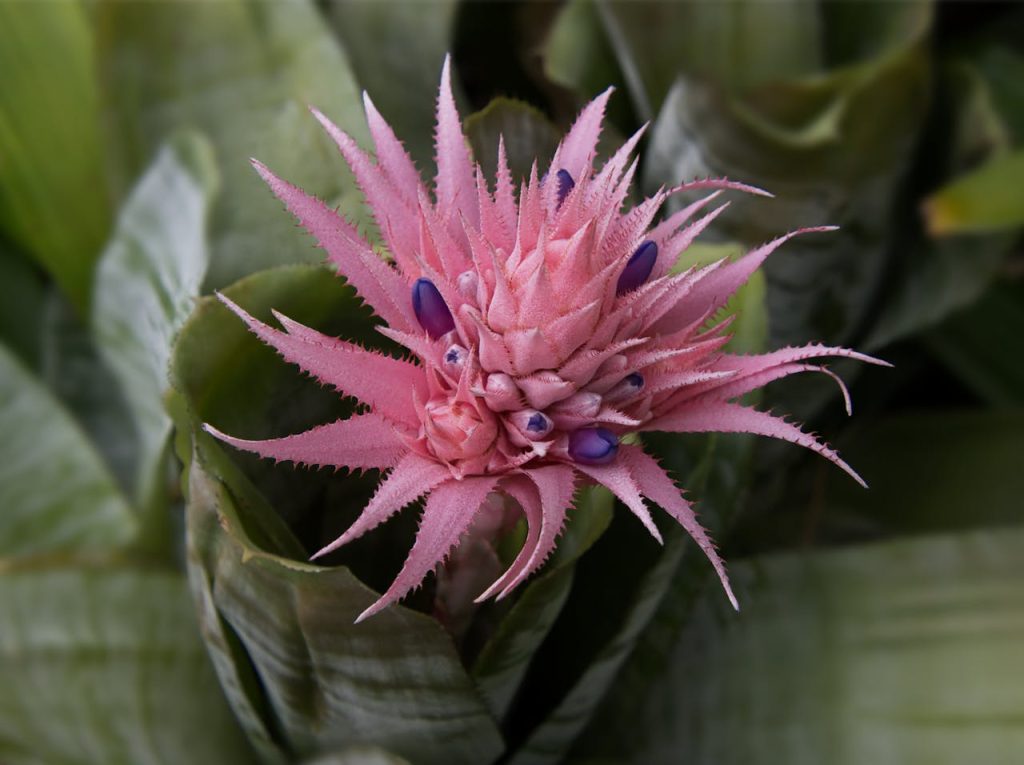
A bromeliad blooms like a living sculpture, with a colorful central bract that can hold for months. That long run makes it a favorite for quick impact, especially when greenery elsewhere feels sleepy.
Most popular types do best in bright shade, warm air, and a light mix that drains fast. Care is simple: keep a little water in the central cup, refresh it weekly, and keep roots only lightly moist. Low-mineral water helps reduce buildup, and good airflow prevents stale, soggy conditions. After the mother rosette finishes, pups at the base slowly size up for the next bloom cycle. Skip direct sun; filtered light keeps color richer.
Cane Begonia
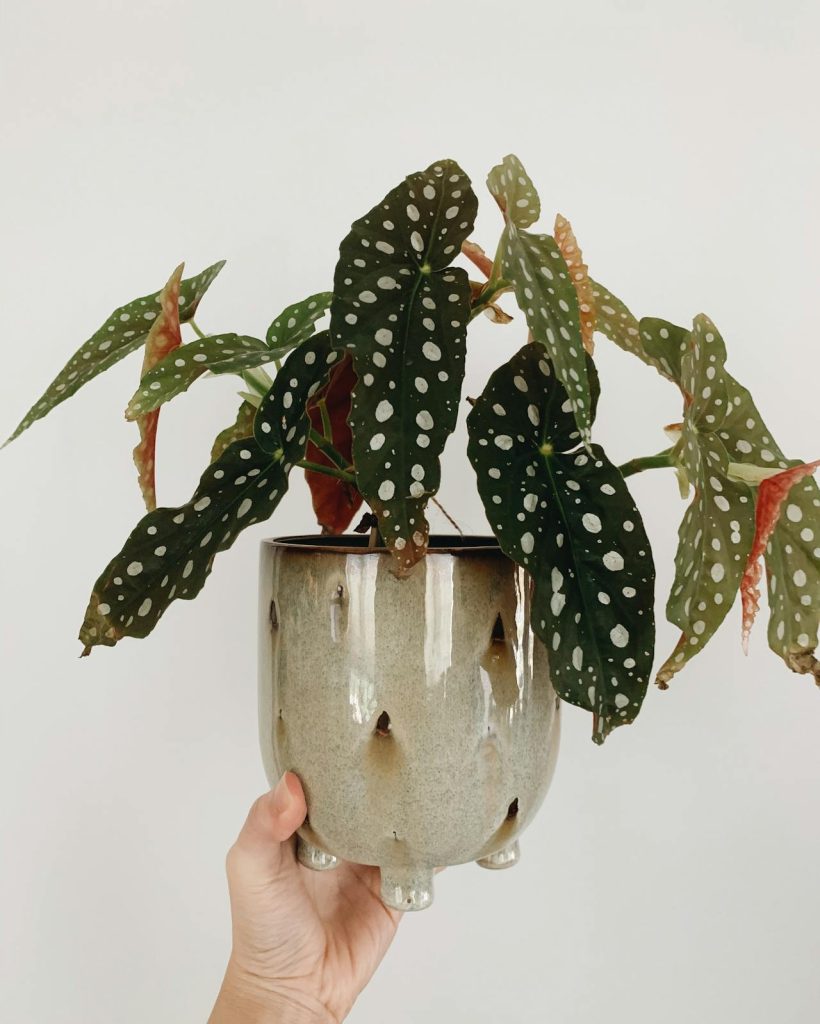
Cane begonias pair showy leaves with dangling clusters of blooms, so they look dressed up even between flower cycles. Given bright, indirect light and a bit of gentle morning sun, they often bloom in repeating waves.
Pros water when the top layer dries, using a pot and mix that never stay soggy. Pinching tips encourages branching, which creates more sites for buds, and trimming spent clusters keeps the plant tidy. A light feed in spring supports fresh canes, and rotating the pot prevents one-sided lean. Cuttings root readily, so one good plant can turn into a small matching set around the room. Keep it warm, not drafty.
Lipstick Plant
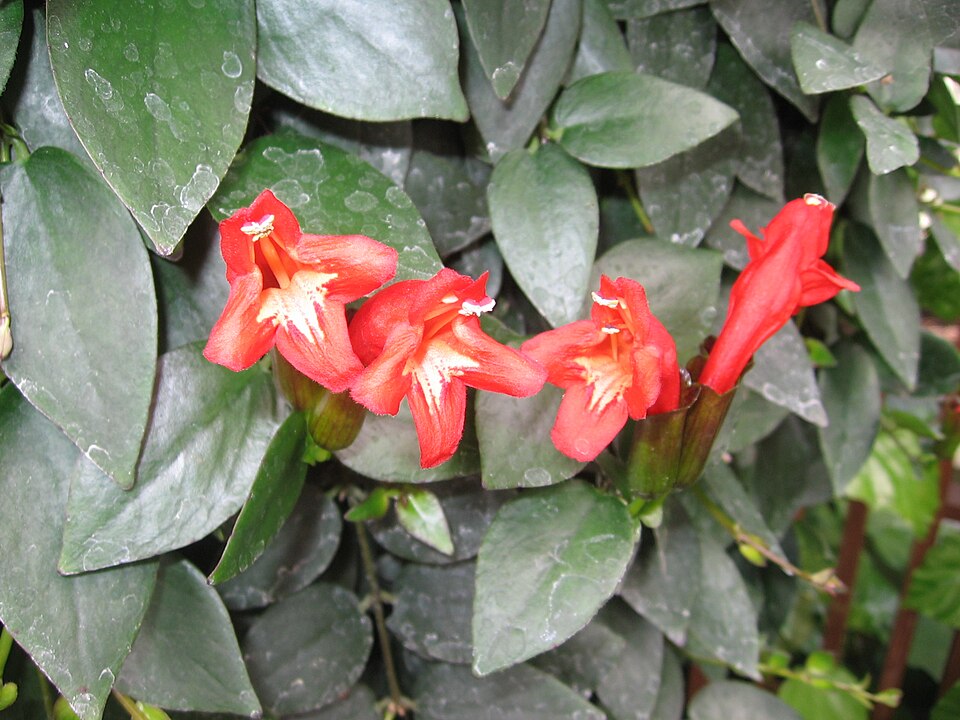
The lipstick plant sends out tubular buds that pop into bright blooms along trailing stems, making hanging pots feel lively fast. In strong, indirect light, it flowers heavily when roots are slightly snug and the mix drains quickly.
Specialists water thoroughly, then let the top layer dry, because constant dampness dulls growth. Pruning after a flush encourages fresh tips, where the next buds form, and moderate humidity keeps leaves from crisping. A spot near an east window or under a good grow light often brings quicker color, while cold glass and blasting vents can stall bud set. A weak feed helps, and clean leaves catch light.
Hoya
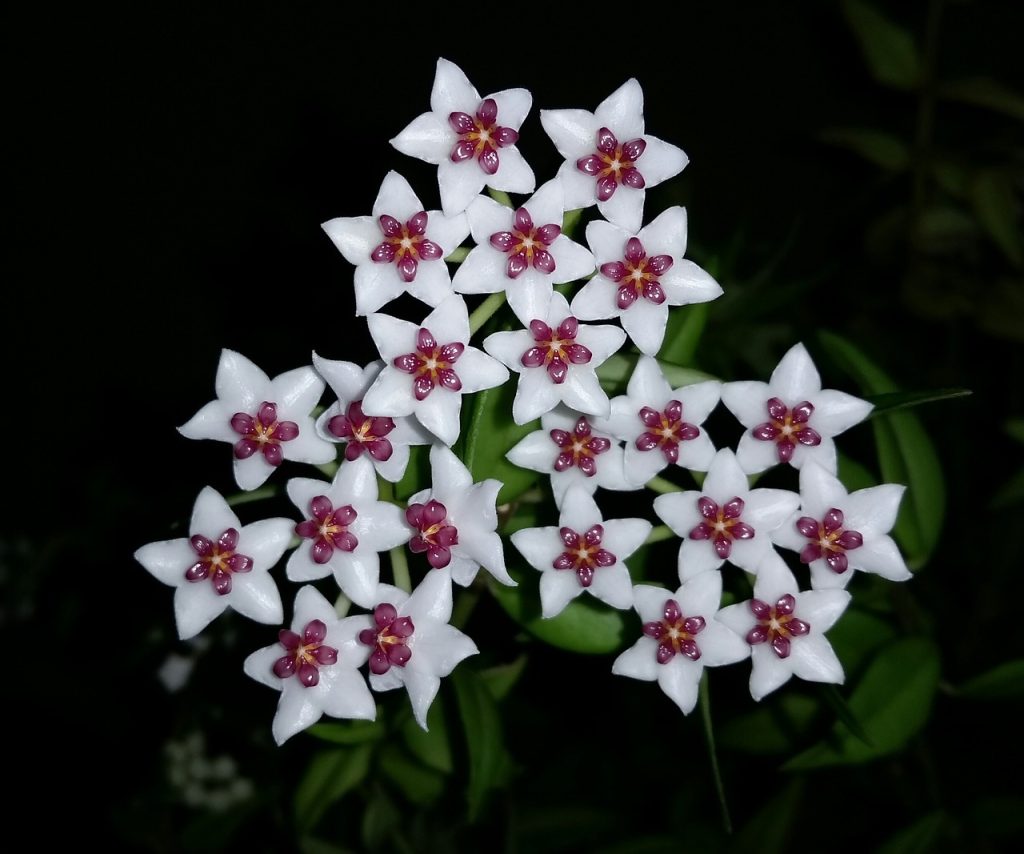
Hoyas reward patience with starry clusters that look like wax and often carry a soft evening scent. They bloom best in bright light with a little gentle sun, and they prefer drying slightly between waterings.
Experts avoid cutting the short flower spurs, since those spots rebloom, and they resist moving the pot once buds form. A chunky mix, steady warmth, and higher humidity help vines mature, which is when blooms become more regular. Light feeding during active growth supports sturdy new leaves, and letting the plant stay a bit root bound can push it from leafy to floral over time. In winter, less water with steady light helps.
Christmas Cactus
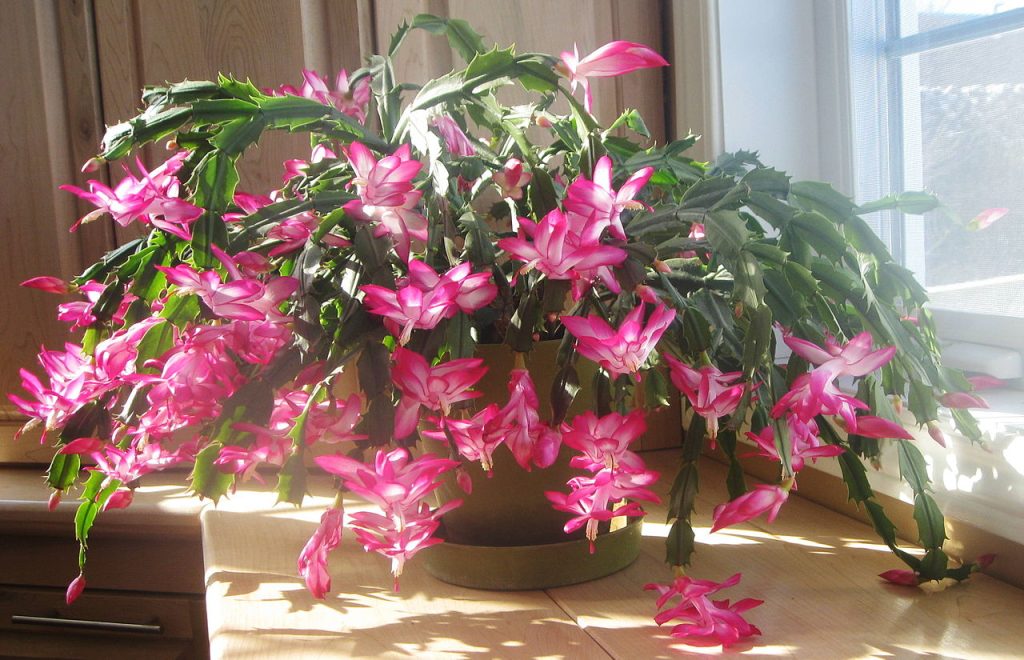
A Christmas cactus blooms along each jointed stem, with flowers that hang like small lanterns in winter light. It sets buds as nights lengthen and temperatures cool, which makes it a reliable seasonal mood shift indoors.
Growers keep it slightly moist during bud set, then avoid moving the pot once buds appear, since changes in angle can cause drops. Bright, indirect light and an airy mix help, and allowing a short rest after flowering supports the next cycle. In spring, a light feed and pinching off a few stem segments encourage branching, which usually means more buds next season. Cooler nights away from heaters improve bud set.
Blooming houseplants do more than add color; they add a quiet sense of progress. As buds swell, open, and fade, the space feels tended, calmer, and a little more hopeful. With steady light and a simple routine, flowers become a repeating reminder that a home can keep renewing itself.