

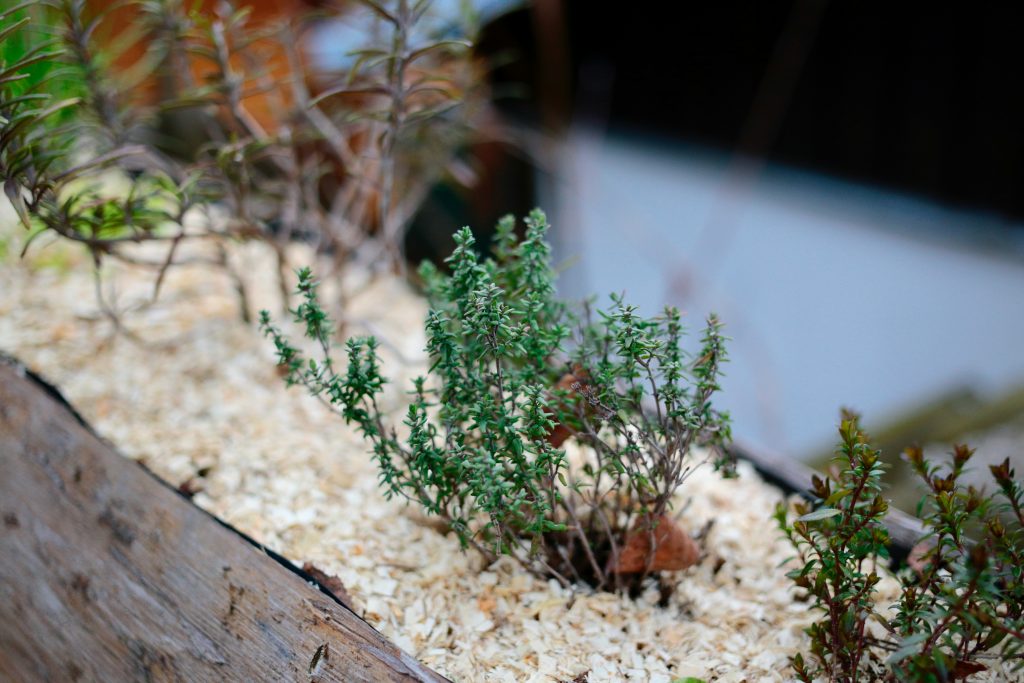
Sawdust can look like pure waste, but in a garden it behaves like a slow, carbon-rich ingredient. Used carelessly, it can tie up nitrogen as microbes break the wood down, leaving beds pale and sluggish for weeks. Used thoughtfully, it becomes a gentle mulch, a compost balancer, and a long-term source of organic matter that helps soil stay crumbly and hold water. The difference is simple: clean wood, thin layers, steady moisture, and patience with the biology doing the work, quietly, season after season. With the right approach, even a little pile from a woodshop can strengthen soil, over time.
Start With Clean, Untreated Sawdust
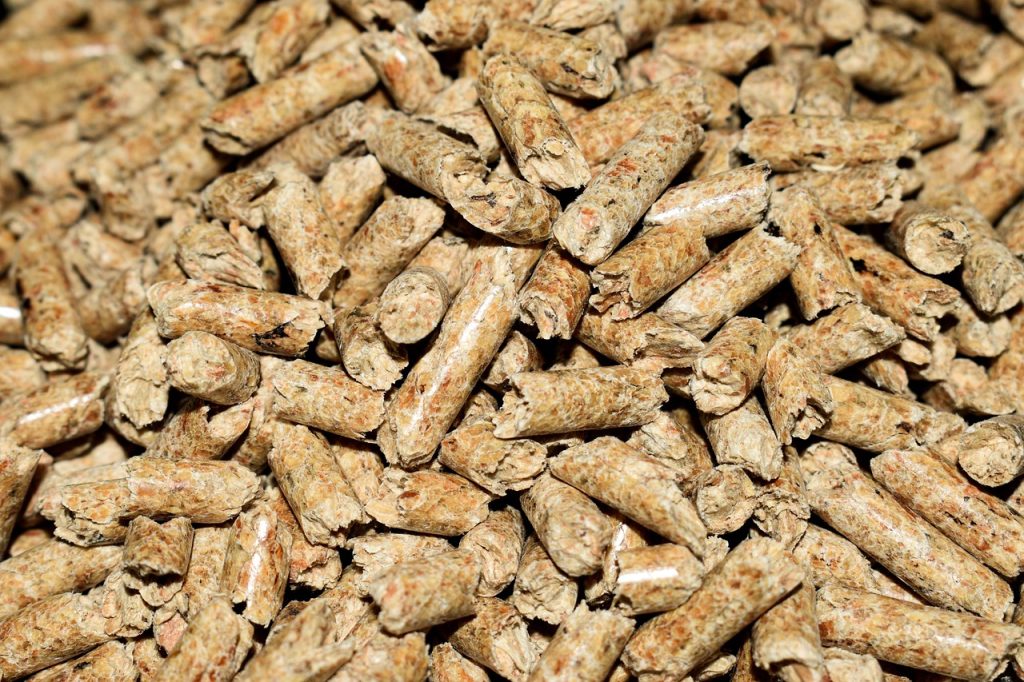
Sawdust is only as garden-safe as its source. Clean, untreated wood is fine, but dust from painted, stained, pressure-treated, or engineered boards can carry glues, resins, flame retardants, or preservatives that are not meant for soil and can persist. Single-source sawdust from a known sawmill or woodshop is easier to trust, and knowing the species helps, since some woods are more acidic or aromatic than others. When the source is uncertain, it belongs on paths, under shrubs, or in a hot compost system that is managed, watered, and turned, not mixed straight into vegetable beds on faith alone.
Use It As Mulch, Not As A Soil Fill
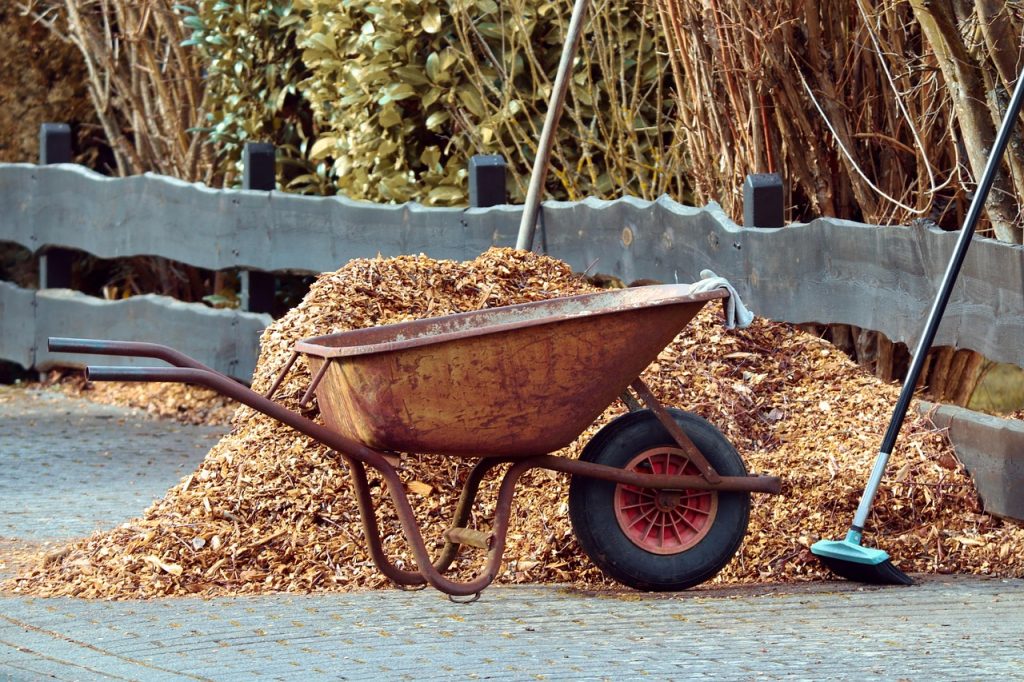
Fresh sawdust is mostly carbon, so mixing it into soil can cause a temporary nitrogen shortage as microbes borrow available nitrogen to digest the wood, and beds may look fine on day one, then turn pale and slow. As a surface mulch, sawdust breaks down more slowly, shades weeds, reduces evaporation, moderates surface temperatures, and keeps most of that nitrogen tug near the top where it is less likely to starve roots. Kept back from stems in a thin, fluffy layer, it also reduces splash on leaves after rain, and it stays easy to rake aside when planting or top-dressing with compost later on, too.
Keep Layers Thin So Soil Can Breathe
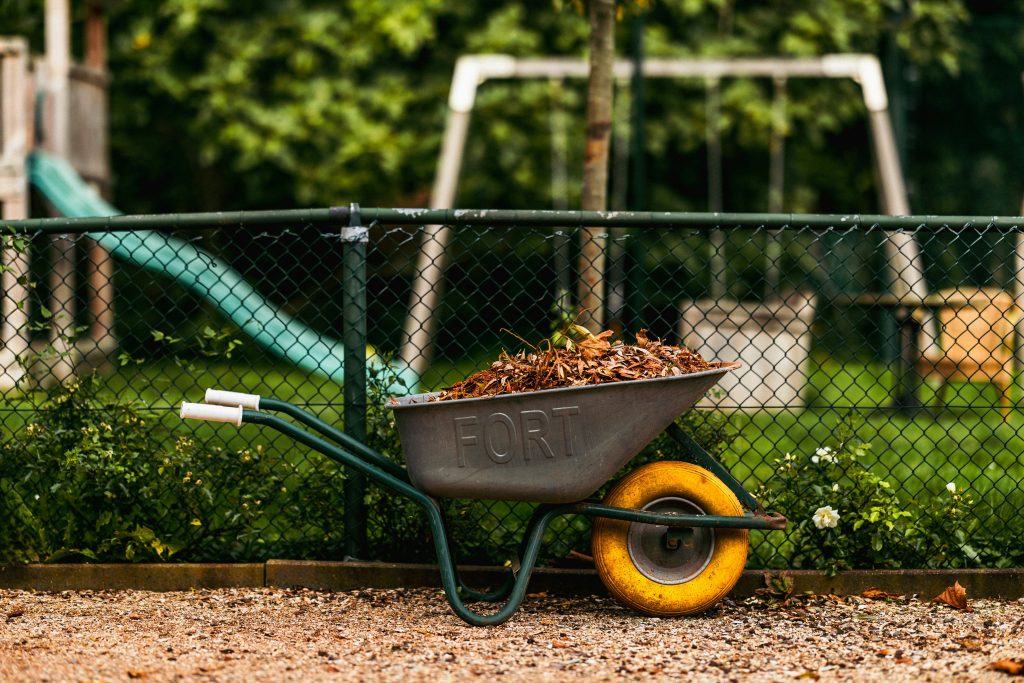
Sawdust performs best in thin layers because a deep blanket can mat down after rain, form a crust, and shed water instead of letting it soak in, especially on clay or compacted beds. A light topdressing stays airy, keeps oxygen moving, and gives fungi room to do the slow conversion from wood to humus, while also reducing splashing that spreads soil-borne disease onto lower leaves. About one to two inches is plenty; refresh with small handfuls as it settles, and rake lightly after storms so the surface stays loose, absorbent, and easy to plant through, even in humid, windy weeks without clumping.
Compost It With Nitrogen-Rich Partners
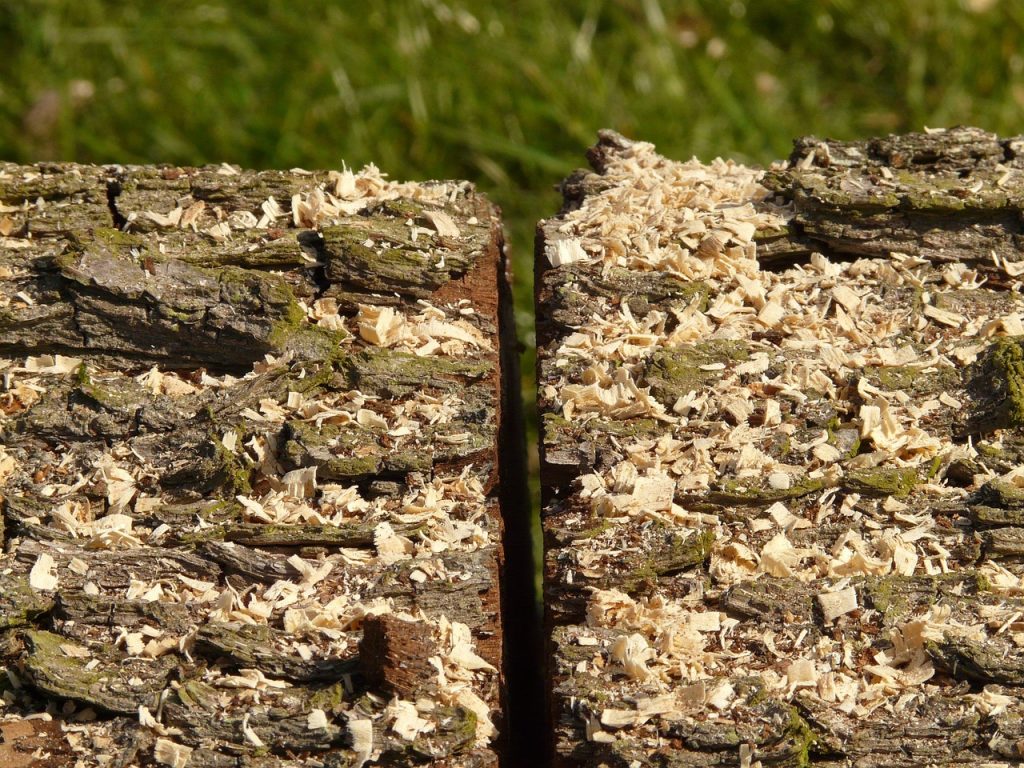
In a compost pile, sawdust is a strong carbon partner for wet kitchen scraps, grass clippings, or manure, helping the mix smell cleaner, drain better after rain, and avoid the swampy texture that attracts flies. The trick is balance: too much sawdust dries and stalls the pile, while too little leaves it slimy, sour, and slow, so the center never heats and the edges never break down. Mixed in thin layers with nitrogen-rich material, kept at wrung-sponge moisture, and turned for air, sawdust finishes as dark, crumbly compost that spreads easily and feeds soil without the classic nitrogen tie-up.
Add Nitrogen If It Must Be Mixed In
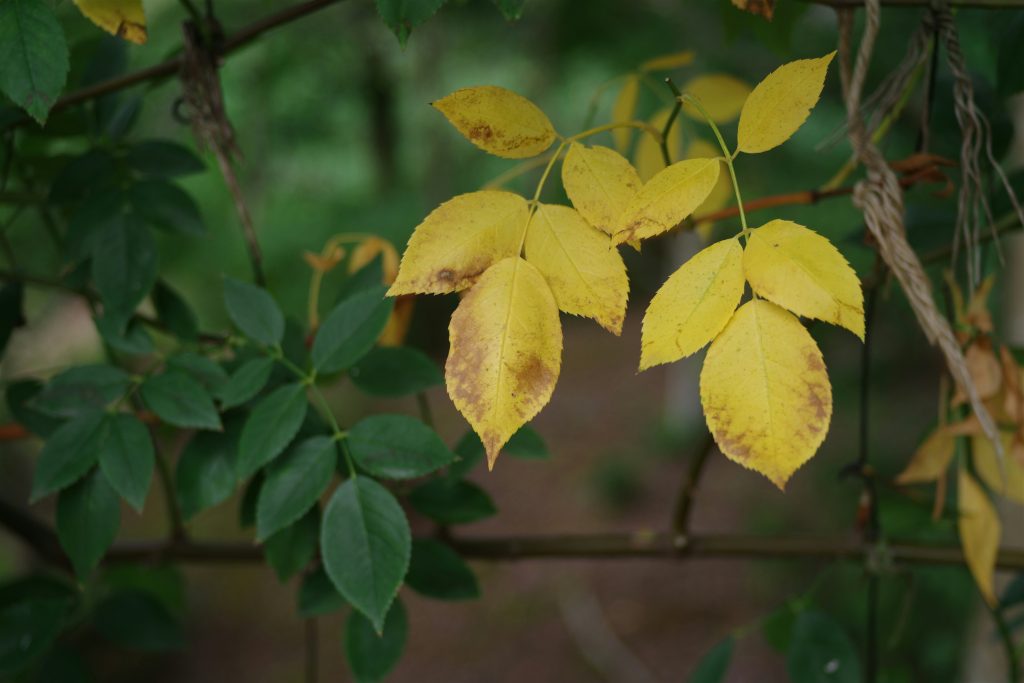
Sometimes sawdust needs to be incorporated, such as when building a new bed mix, loosening heavy clay, or renovating a compacted strip before a planting season. In that case, a nitrogen source helps feed the decomposers so they do not pull nitrogen from the root zone, which is what triggers yellowing, weak stems, and the slow disappointment of a bed that will not take off. Composting first is best, but a measured dose of fertilizer, manure, or high-nitrogen compost can also work, and results improve when the mix is made weeks ahead so microbes start the job before seedlings arrive on schedule.
Turn Coop Bedding Into Soil Gold
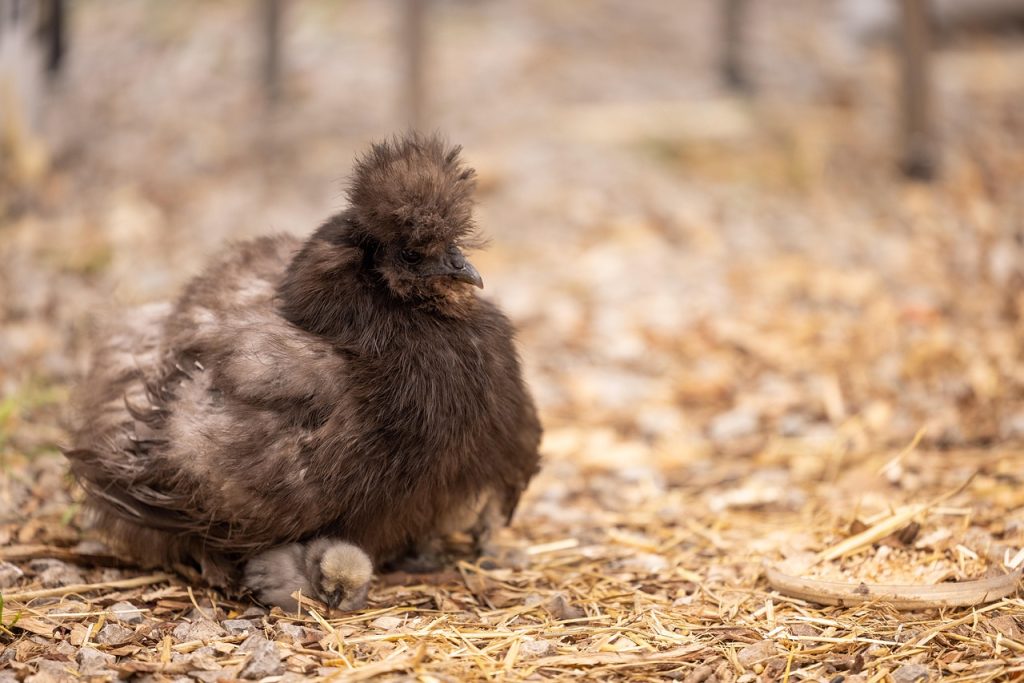
Sawdust used as coop bedding often becomes a better garden input than fresh dust because it absorbs nitrogen and microbes before it ever reaches compost, shifting it from pure carbon into something more balanced. Once mixed with manure, the pile heats faster, breaks down more evenly, and finishes with a darker, richer texture that spreads well and improves soil structure without drama. Time still matters: let it compost until it smells earthy and no longer looks like shavings, since unfinished bedding can still tie up nitrogen, and fresh manure can burn roots or push too much growth at the wrong time.
Feed Fungi For Long-Term Soil Structure
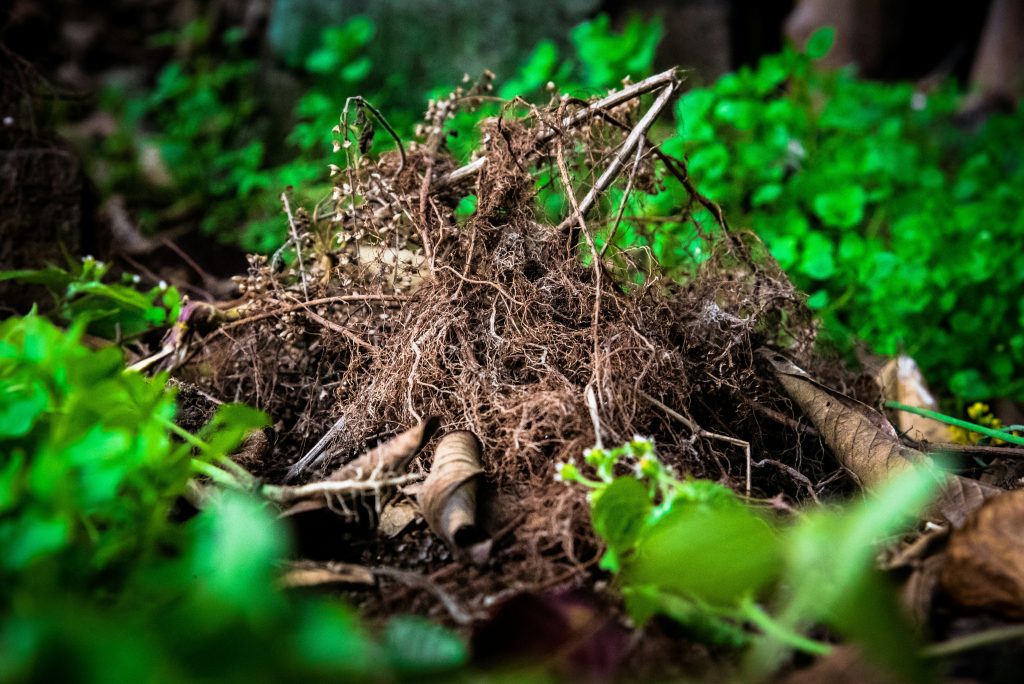
Wood-based materials tend to favor fungi, and that can be a quiet advantage in perennial beds, shrubs, berries, and woodland-style gardens. Fungal networks help build stable soil crumbs, hold moisture, and cycle nutrients slowly, which supports steady growth instead of boom-and-bust feeding. A thin sawdust mulch paired with leaf mold or finished compost encourages that slower biology, keeps the surface cooler, reduces crusting, and softens the impact of heavy rain, while still allowing easy planting, top-dressing, and weeding without fighting a heavy, matted layer through summer heat as well now.
Avoid Black Walnut And Questionable Mixes
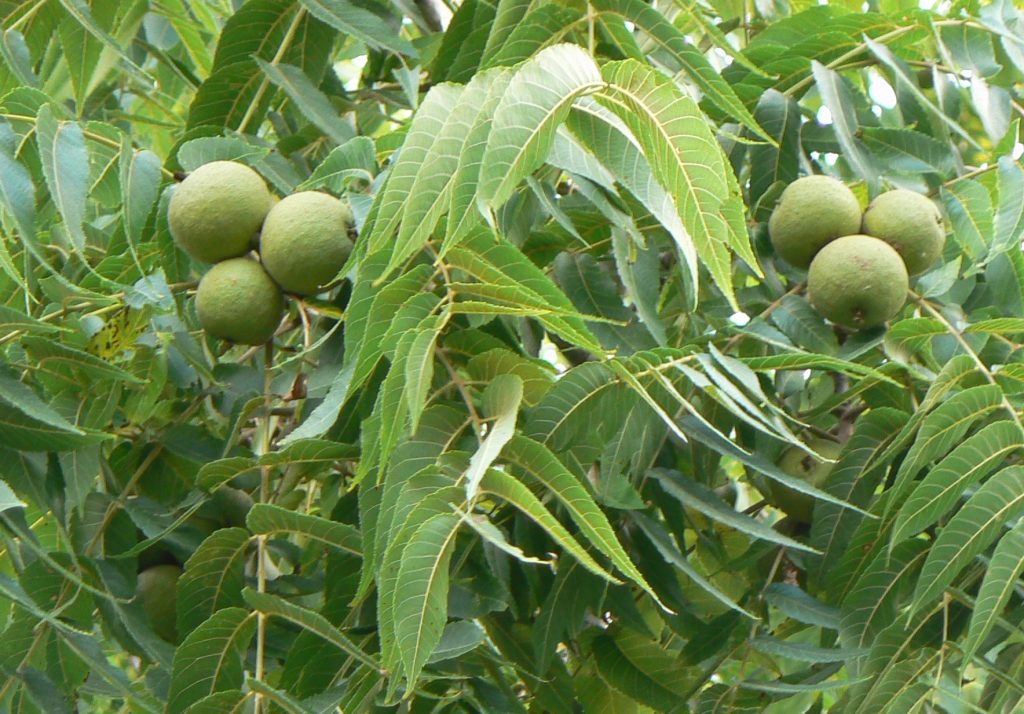
Wood species matters, and black walnut deserves real caution because it contains juglone, a compound that can suppress growth in some sensitive plants, especially in vegetable beds and around certain ornamentals. Sawdust from mixed shop scraps is also risky, since it can hide finishes, plywood glue, or treated lumber dust that is hard to identify once blended, and small amounts can spread far when used as mulch. When species or treatments are unknown, keep the dust on paths, or hot-compost it thoroughly before any garden use, and reserve known, single-source sawdust for beds where food and flowers are expected to thrive without guessing.