

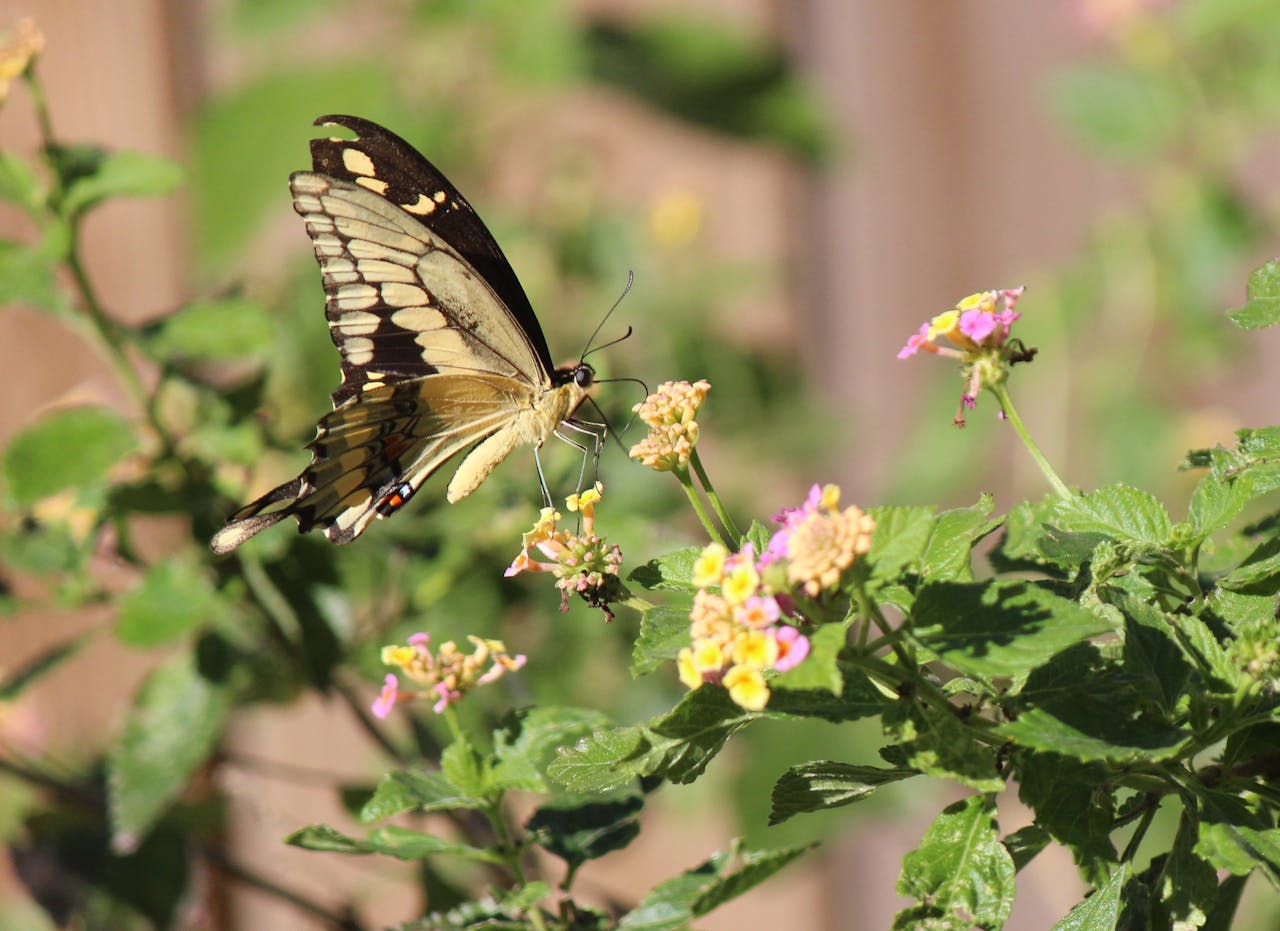
A certified habitat is not about having a huge yard or a perfect-looking landscape. It is about proving that wildlife can actually live, feed, shelter, and reproduce in the space available. That can happen in a suburban lot, a small courtyard, or even a balcony with containers and a clear plan.
Most setbacks happen when people focus on appearance first and habitat function second. Certification works better when every planting and feature has a purpose. Start with what wildlife needs, build those pieces deliberately, and treat the application as documentation of real habitat performance, not a decorative milestone.
Know What the Certifier Checks First
Most rejected applications are not rejected because the garden looks bad. They are rejected because one habitat element is missing or too thin. NWF checks for five things working together: food, water, cover, places to raise young, and sustainable gardening practices. If one piece is weak, the site may still look lovely but it will not function as real habitat.
The fix is simple and practical. Build a checklist before planting, then map each feature to one of those five categories. A birdbath, dense shrubs, and host plants do more than decorate space. They satisfy specific criteria and make the application stronger from day one.
Prioritize Native Plants and Hit the 70% Goal
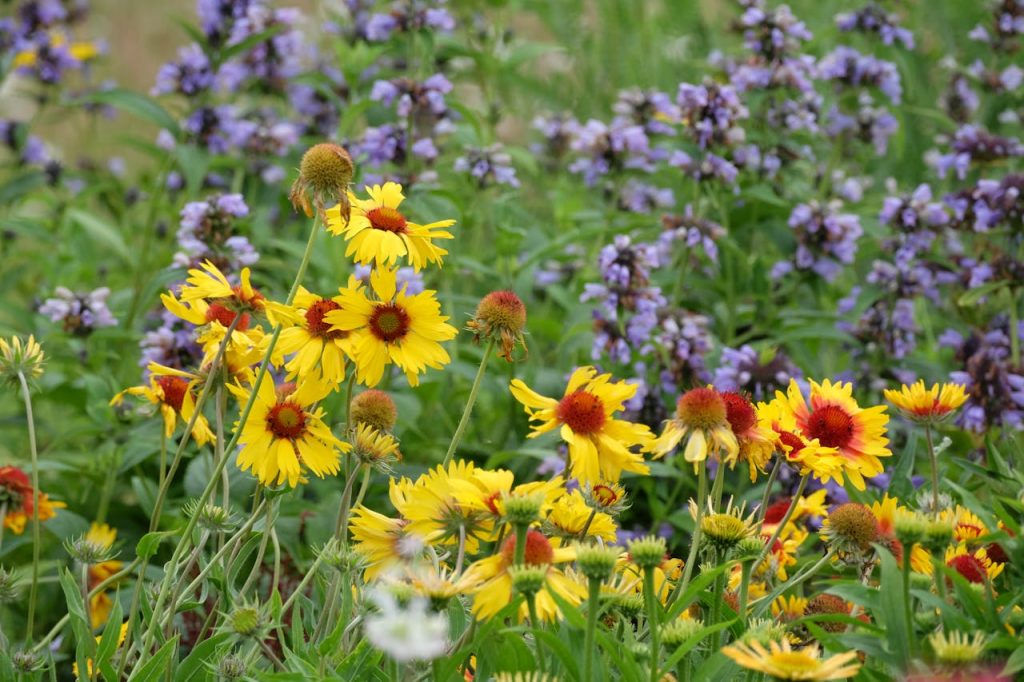
Certification is much easier when native plants are the foundation instead of an afterthought. NWF recommends aiming for at least 70% native plants, with bloom and structure across seasons. That target supports more insects, birds, and other wildlife than turf-heavy yards, while reducing maintenance because native species are adapted to local conditions.
Do not try to replace everything in one weekend. Convert in layers. Start with keystone natives and high-value host plants, then phase out low-value ornamentals over time. A staged plan keeps costs sane, avoids burnout, and gives wildlife steady gains each season ahead.
Build Better Food and Water Sources
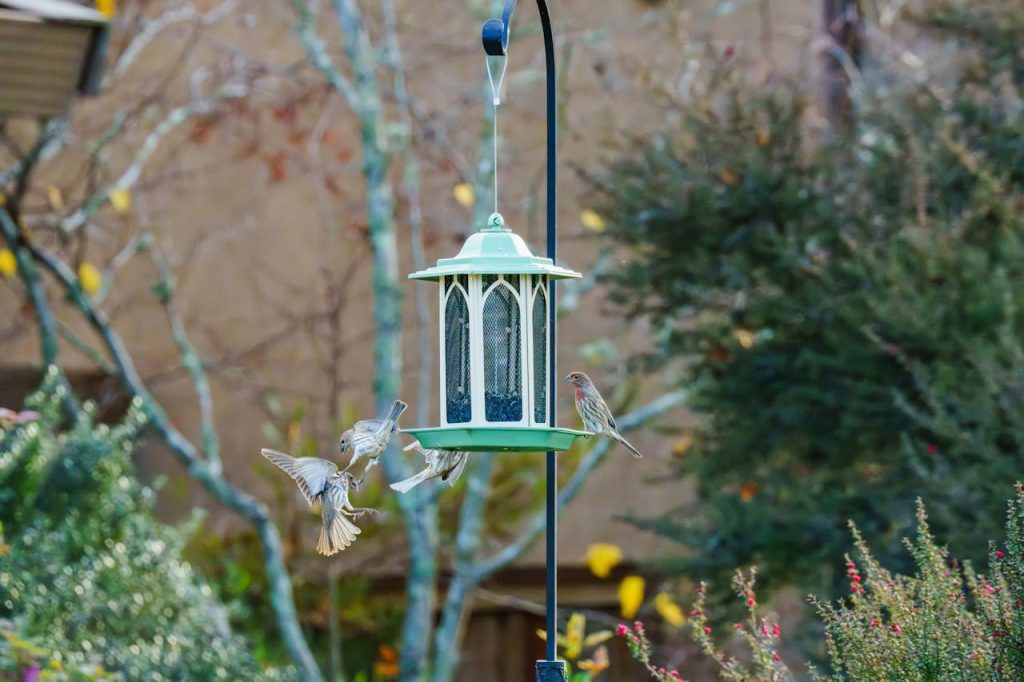
Food needs variety, not a single feeder. A functioning habitat offers nectar, seeds, berries, and foliage that insects and birds can use at different times of year. Water should be clean, shallow where needed, and easy to access. Birdbaths, puddling dishes, and small ponds all count when maintained and placed where wildlife can use them safely.
Many gardens miss this by adding one flashy feature and calling it done. Think in layers instead: early bloom, midsummer bloom, fall seed heads, and consistent water. This approach supports migration windows, nesting cycles, and daily survival without constant intervention each season.
Create Real Cover and Places to Raise Young
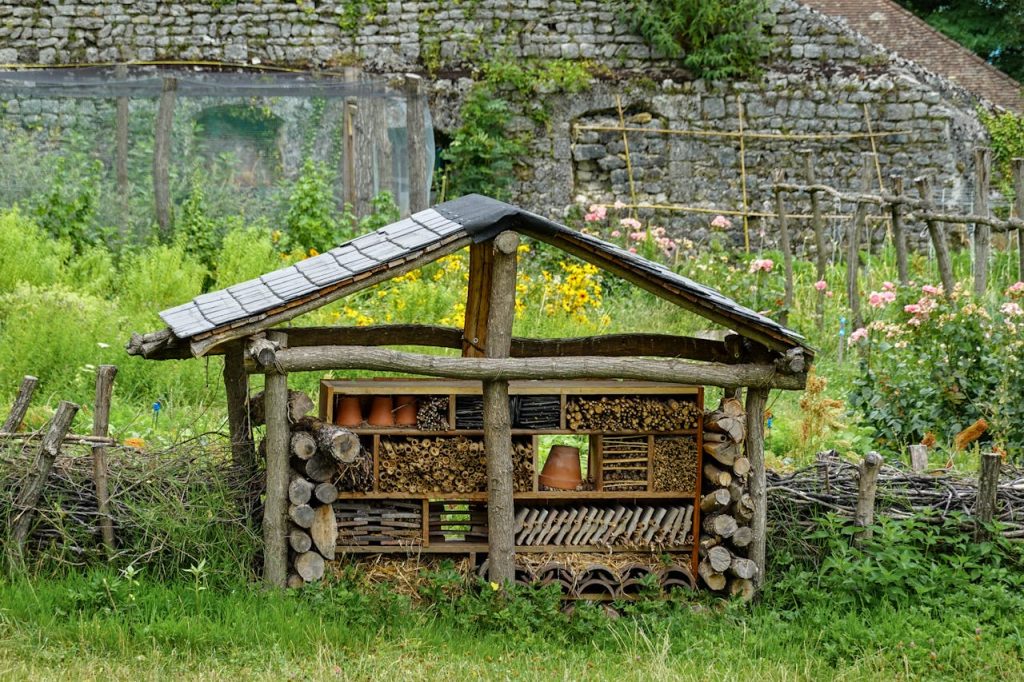
Open lawns may look tidy, but they offer little security. Wildlife needs cover from weather, predators, and frequent foot traffic. Dense native planting, brushy pockets, evergreen structure, leaf litter, and protected roosting space all improve survivability. Cover is not clutter. It is shelter, and shelter signals intentional habitat.
Raising young needs precision. Birds need nesting support and nearby insect-rich foraging. Butterflies and moths need host plants for caterpillars, not only nectar flowers for adults. Amphibians need water-linked breeding space. If young cannot complete life cycles, habitat quality remains partial.
Use Sustainable Practices That Keep Habitat Healthy
A wildlife garden fails when routine maintenance removes the life it is meant to support. NWF ties certification to sustainable practices including soil and water stewardship, invasive plant control, and cleaner landscape care. Chemical-heavy routines can undercut habitat goals by shrinking insect populations and weakening food webs.
The stronger path is preventive care. Plant densely, mulch thoughtfully, water deeply but less often, and solve small problems early. Reduce unnecessary chemical inputs, especially products with neonicotinoids and broad-spectrum pesticides. A steadier system needs fewer interventions over time.
Small Spaces Can Qualify If They Are Designed Well
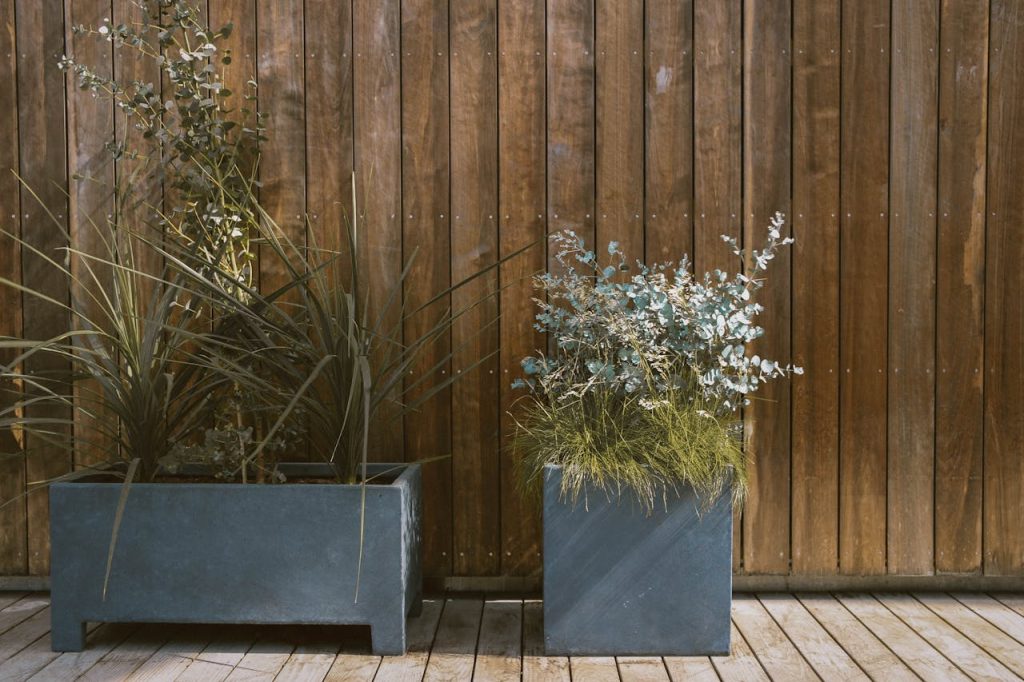
No yard is required. NWF states there is no size minimum for certification, and balconies, decks, courtyards, and other compact spaces can qualify when all habitat essentials are present. That matters for renters and urban households who assume certification is only for larger suburban lots with deep planting beds.
Small spaces fail when containers are scattered without purpose. Treat each pot or box as a job assignment: one for nectar, one for host plants, one for cover, and one with nearby water access. Vertical layers help too. Trellises, railing planters, and shaded corners can deliver real ecological value quickly.
Submit the Application With the Right Expectations
Once the habitat meets requirements, the application itself is straightforward. NWF lists a $25 certification fee that includes a one-year membership, a personalized certificate, and access to official yard markers. Options include a classic sign at $30, a lawn plaque at $99, and a garden flag at $30. Schoolyard application fees are waived for schools.
A common mistake is treating certification as a shopping step instead of an ecology step. Markers are optional and available only after approval. Get the habitat right first, document it clearly, and the rest becomes easier. This sequence keeps the process grounded in impact.
Keep the Habitat Functional After Certification
Approval is not the finish line. A certified yard still needs seasonal upkeep that protects habitat value. Leaving some stems and leaf cover through colder months can support overwintering insects and birds, while phased cleanup in warmer periods protects emerging life stages. The goal is not a frozen look. The goal is continuity across the annual cycle.
If you want the work to count beyond one fence, register efforts on broader biodiversity maps and connect with local bird groups. Community participation strengthens habitat corridors and helps nearby properties adopt better practices. One healthy yard matters. A connected cluster changes what wildlife can survive.
Sources
- National Wildlife Federation: Create & Certify
- Certified Wildlife Habitat Application
- NWF Habitat Essentials
- NWF Native Plant Finder
- NWF Container Gardening for Small Spaces
- Homegrown National Park Biodiversity Map
- Audubon Chapters
- Birds & Blooms Overview with Mary Phillips
Native plants, water, cover and safer garden habits can win certification and turn all small yards into thriving wildlife refuges.