

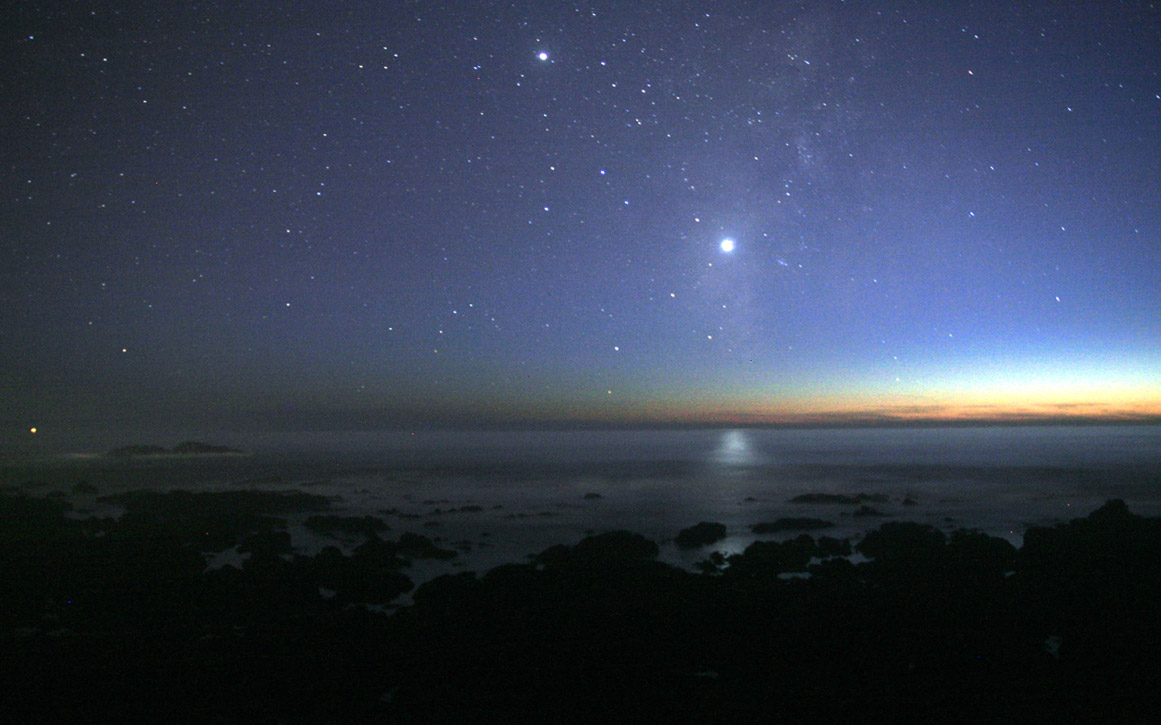
Before sunrise, the eastern sky can fool a hurried glance, and one bright point above the horizon often gets labeled the Morning Star before anyone slows down to confirm it. Dawn haze, city glow, and thin cloud can flatten the scene, so a planet, a bright star, or even a moving light may look similar for a few seconds.
Venus is often the true standout, but the reliable sighting comes from a simple routine, not a fast guess. Direction, timing, steadiness, and repeat views over several mornings turn a bright speck into a clear identification, and that small habit makes dawn skywatching feel less like luck and more like observation.
Know What Morning Star Means
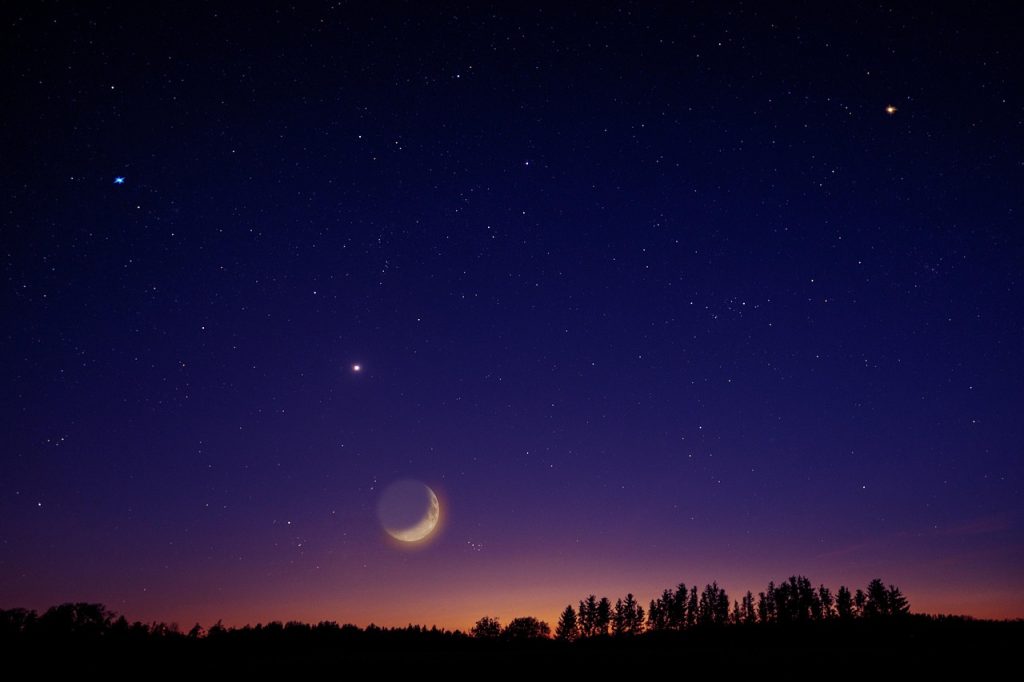
The phrase Morning Star sounds precise, but it is only a nickname, and that is where many dawn mistakes begin. Venus earned the name because it can blaze before sunrise, yet the term itself does not confirm identity on any given morning, especially when dawn haze makes every bright point look a little larger than it is.
Ancient skywatchers once treated the morning and evening appearances as separate objects, which shows how convincing the illusion can be. A careful observer uses the nickname as a clue, then confirms the object by checking position, brightness, and behavior over more than one dawn, instead of trusting a first label.
Check The Timing Window
Venus never appears far from the Sun in the sky, so a real dawn sighting should feel tied to sunrise, not random or high overhead. In its morning phase, Venus rises before the Sun and stays in the sunrise side of the sky, close to the brightening horizon band where twilight slowly builds from gray to pale gold.
If a bright object shows up far from the eastern dawn glow or lingers as the dominant point long after daylight takes over, caution is warranted. Timing is often a stronger clue than brightness, especially on clear mornings when several bright objects can look sharp, and a quick guess tends to ignore the timing.
Start With The Eastern Horizon
Many false calls happen because the eye scans everywhere and grabs the brightest point first. A steadier method starts low in the east and uses fixed landmarks, like rooftops, trees, or a distant ridge, to anchor the search before the sky brightens too much and washes out the fainter parts of the dawn pattern.
Venus often sits low enough that haze or humidity softens it, so it may look less dramatic than expected on some mornings. Using the same horizon reference on several clear dawns makes the real pattern easy to notice, and it stops random lights in other parts of the sky from stealing attention. That consistency matters.
Treat Brightness As One Clue
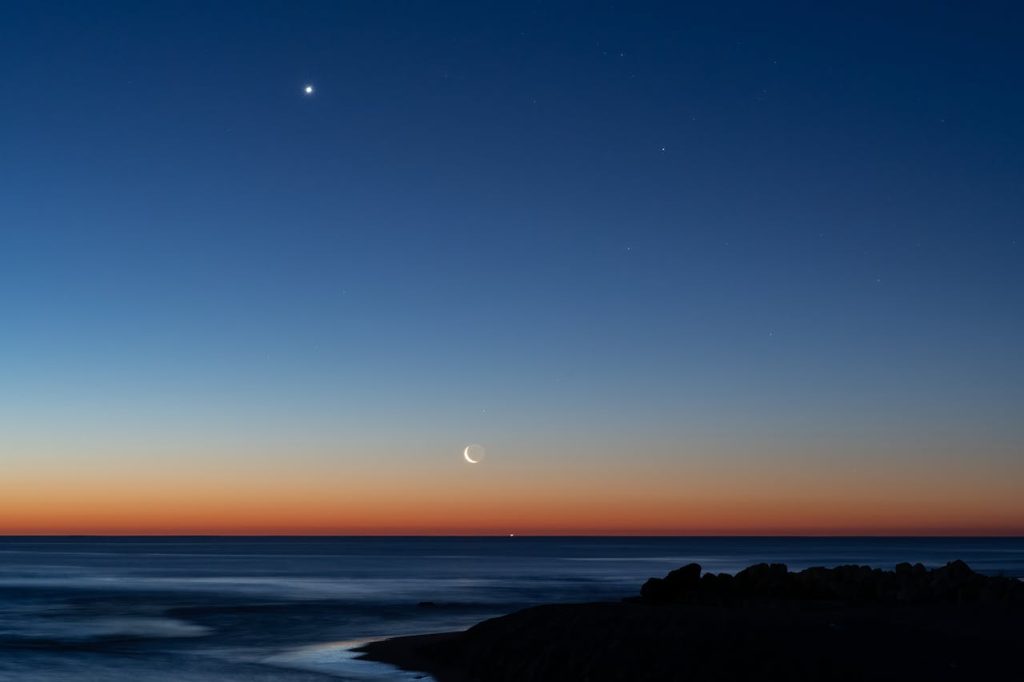
Venus is the brightest planet seen from Earth and, after the Sun and Moon, one of the brightest objects in the sky. That is why it grabs attention at dawn and why so many people assume the brightest point must be Venus every time, even when the timing or direction does not quite fit.
Brightness helps, but it is not a final test, because other lights can look unusually bold under clear conditions or near the horizon. The strongest identification comes from combining brightness with direction, steadiness, and repeat sightings in the same sunrise-facing part of the sky on multiple mornings, not on brightness alone at dawn.
Look For A Steady Glow
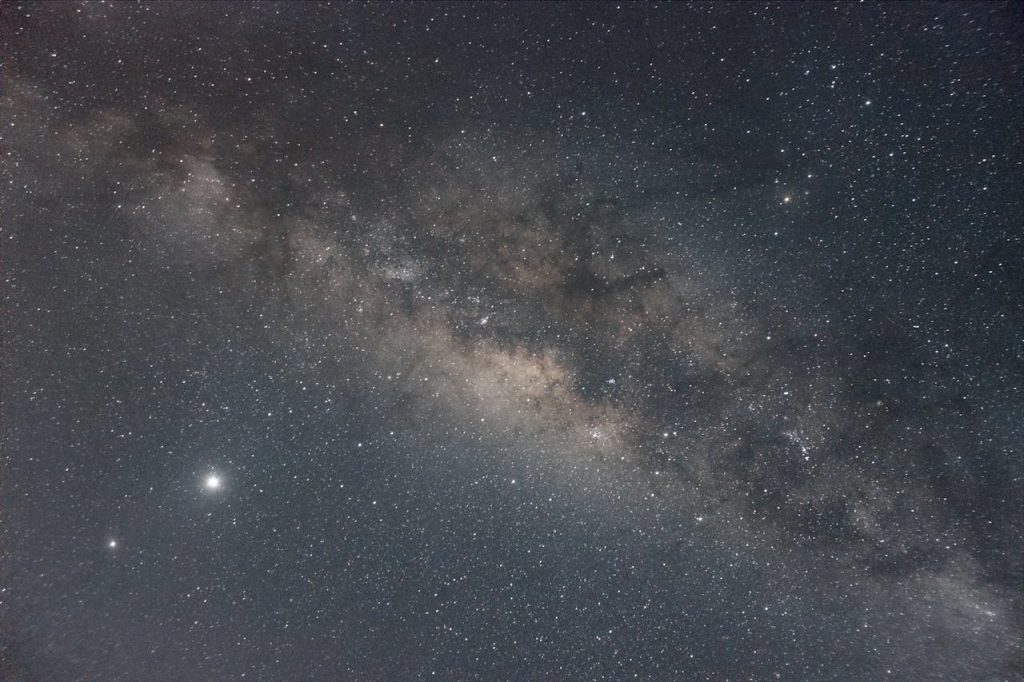
A twinkle check is one of the easiest dawn tests to use without equipment. Stars usually flicker more sharply, while planets tend to hold a steadier glow because Earth’s atmosphere distorts a star’s pinpoint light more strongly than a planet’s broader apparent disk, even though both look tiny to the naked eye.
Venus can still shimmer near the horizon, and bright stars there can flash colors as the air churns, so the difference is not perfect. What matters is the overall look: Venus usually appears fuller and steadier than a sharp, restless star in the same sky, especially after a short, patient watch in calm conditions.
Rule Out Moving Lights First
A quick one-minute watch can prevent the most common mistake, which is mistaking a moving light for a planet. Aircraft usually reveal themselves through motion, blinking lights, or a slow change against the skyline, even if they look bright at first glance and seem fixed for a few seconds in the dawn glare.
Venus behaves differently during that first minute. It holds its place relative to the horizon and nearby stars, and it does not drift across the sky in real time, so stillness becomes a simple but powerful clue before any app or chart is opened, and before the eye starts overthinking every small detail in real skies.
Confirm It Across Three Mornings
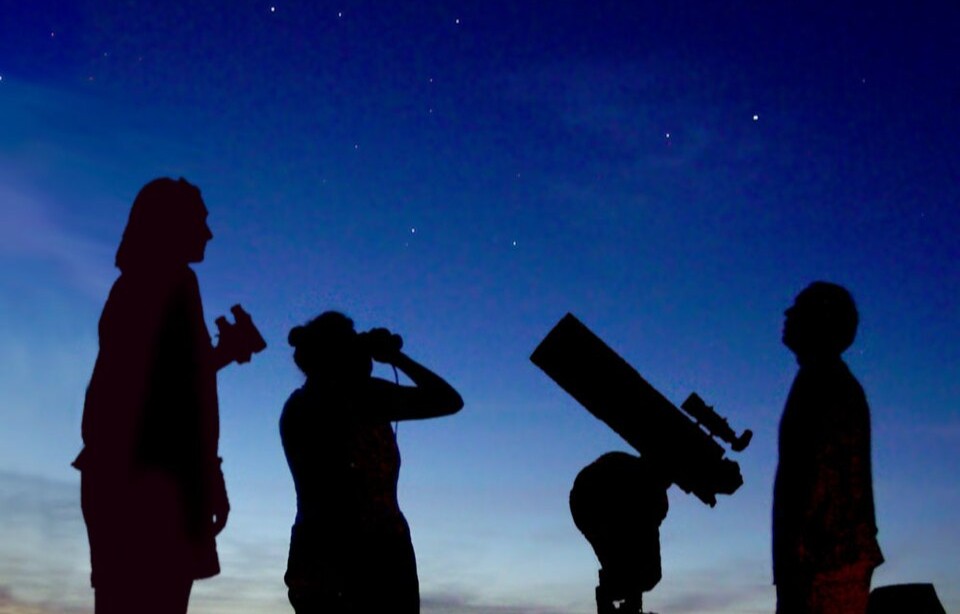
The best confirmation often comes from repetition, not a single confident sighting. From the same balcony, yard, or street corner, a short check at about the same time on three clear mornings quickly reveals whether the bright point behaves like Venus and stays on the sunrise side of the sky.
Stars keep their familiar patterns, while planets shift against that background over time, and Venus remains tied to the dawn side during its morning appearance. This repeat method is especially helpful in humid weather, when brightness can change enough to confuse a one-day guess and make memory less reliable than notes over time.
Use A Sky App As A Check
Sky charts and phone apps are excellent tools, but they work best as a confirmation step, not the first step. When the screen is checked too early, it is easy to force the real sky to match a bad compass reading, the wrong location setting, or a rushed assumption made in the dark before dawn settles.
NASA skywatching guides encourage apps for finding what is visible and when, which makes them useful after a naked-eye guess is made. That order builds skill, and over time the dawn sky starts to make sense before the phone leaves a pocket, even on mornings with haze, thin cloud, or a bright Moon nearby and fewer mistakes.
Use Binoculars Carefully
Binoculars can make Venus easier to find in bright twilight, and NASA recommends them as a strong first instrument for skywatching. Even a simple pair can help an observer separate a steady planet from a flickering star when the horizon air is messy and the dawn glow is rising fast over buildings or trees.
Safety matters more than magnification at dawn because Venus stays relatively close to the Sun in the sky. Astronomy educators warn that the Sun should never enter binoculars or a telescope’s field of view, because concentrated sunlight can cause severe eye injury in a moment and ruin the entire outing before sunrise.
Know When Venus Will Be Missing
The biggest Morning Star mistake is expecting Venus to appear every clear dawn as if it lives in one fixed place. Venus alternates between morning and evening appearances as it orbits the Sun, so its visibility changes over weeks and months, not just from one sunrise to the next or one clear forecast.
When Venus seems gone, the sky is not being stubborn and the observer is not doing anything wrong. The planet may be too close to the Sun for safe viewing, or it may simply be appearing after sunset in its Evening Star phase instead, waiting for the next morning cycle to return to the eastern sky. It always comes back later.
Once the first bright guess stops being the whole story, dawn skywatching becomes calmer and more rewarding. Venus starts to feel less like a trick of light and more like a familiar rhythm, showing up with a pattern that careful eyes can trust, even when the horizon is hazy and the morning is busy.