

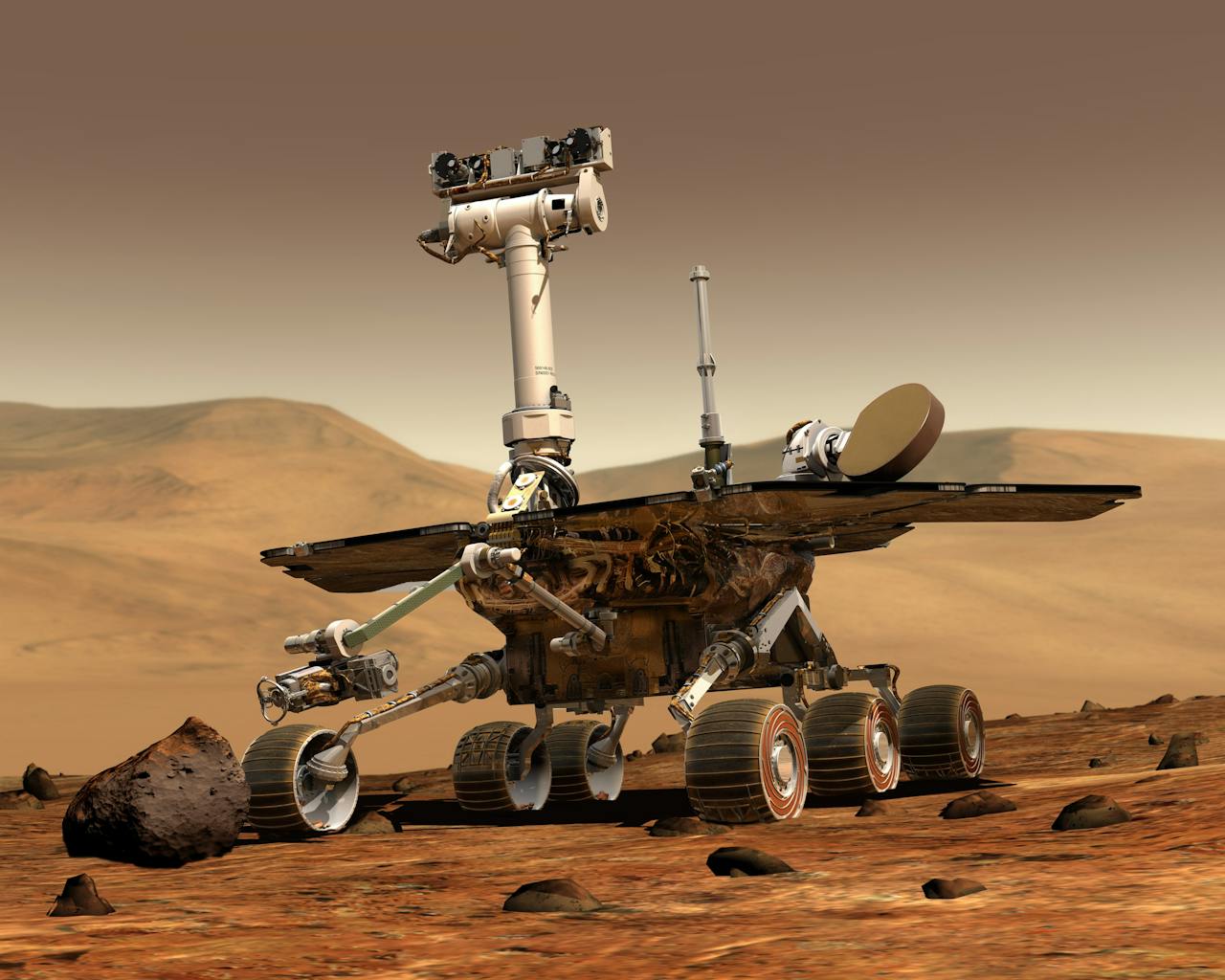
Half a century after Viking reached Mars, one unresolved result still unsettles planetary science. In 1976, NASA’s landers ran life-detection experiments that produced signals no one could fully dismiss and no one could fully confirm. For decades, the consensus leaned chemical, not biological.
New chemistry findings, reanalyses, and fresh rover observations have reopened the record with sharper tools and fewer assumptions. The central issue is no longer a single dramatic claim. It is whether early test design may have altered fragile evidence before scientists could read what the soil was trying to say. That nuance matters now.
Why Viking Still Feels Unfinished
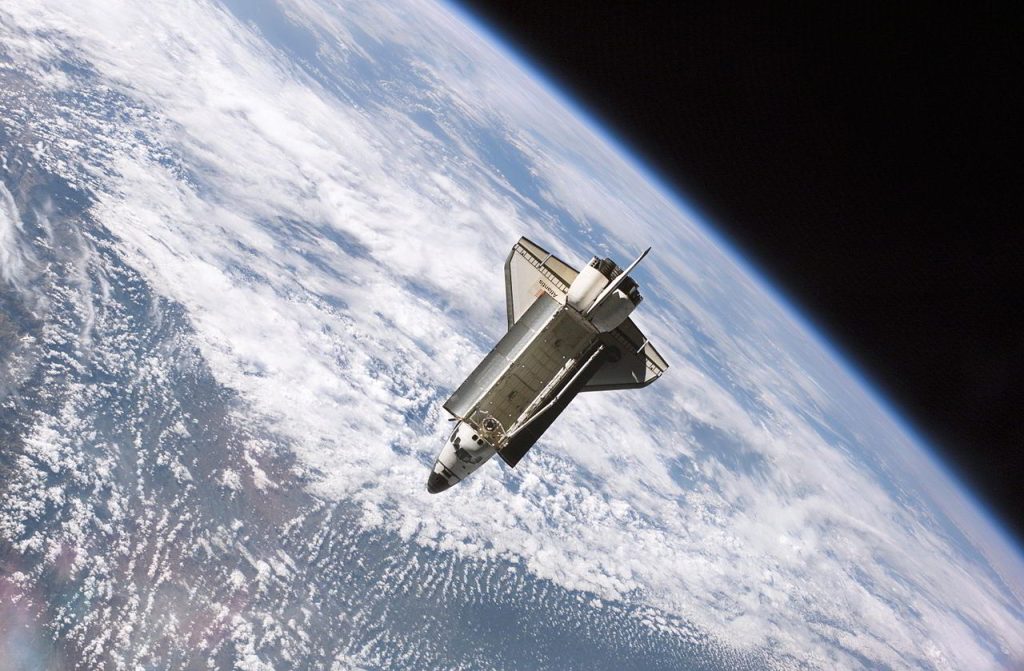
Viking 1 landed on July 20, 1976, and Viking 2 followed on Sept. 3, 1976, at a second site. NASA sent both landers to do more than photograph rocks. Each carried biology experiments and a gas chromatograph-mass spectrometer to test Martian soil for active chemistry, organic compounds, and possible metabolism.
That setup created a hard tension from the start. If biology-like reactions appeared while organics stayed uncertain, researchers had to choose between sterile chemistry and living systems, or accept a mixed signal. That unresolved split still anchors the Viking life debate and keeps the records scientifically alive.
The First Signal That Refused To Stay Quiet
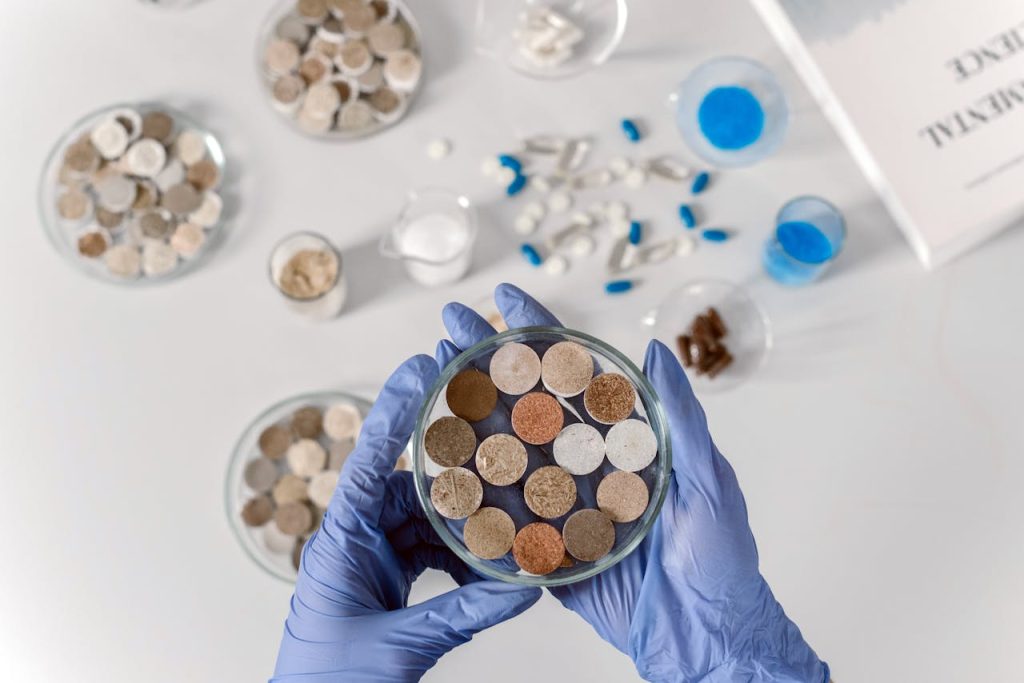
The labeled release experiment added nutrient solution tagged with radioactive carbon to Martian soil. At both landing sites, the first injection produced a rapid release of radioactive gas. That response looked life-like to some investigators and difficult to dismiss as instrument noise under Viking conditions.
Then the pattern became harder to read. Later injections did not reproduce the same strong rise many biologists expected from active growth. One camp saw a fragile biological hint altered by test conditions. Another saw reactive soil chemistry that can imitate metabolism under specific environmental constraints.
Gas Changes That Kept Scientists Arguing

Viking’s gas exchange experiment humidified soil and tracked gases above the sample. It recorded oxygen release and additional gas shifts that were enough to trigger long debate, especially because similar behavior appeared at both landing sites rather than in a single odd sample.
Even so, Mars is chemically aggressive. Ultraviolet radiation, oxidizing compounds, and severe dryness can drive nonbiological reactions that resemble metabolic output. That is why the gas data remain pivotal yet inconclusive. They showed a reactive surface beyond inert dust, but they did not supply one interpretation the whole field could accept.
The GC-MS Result That Set The Narrative
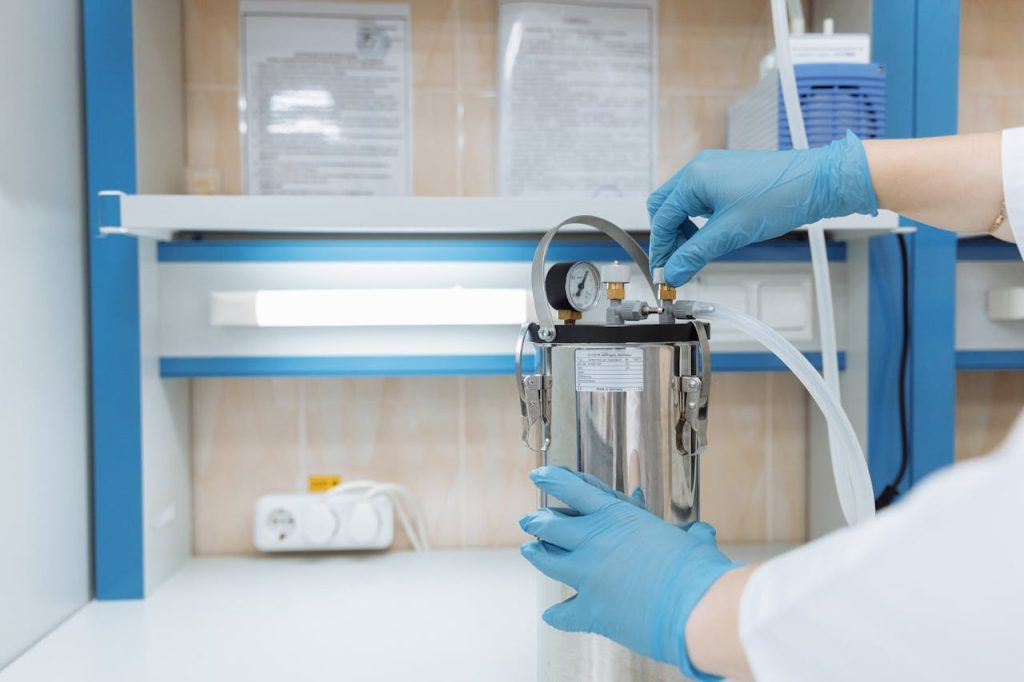
The GC-MS results became the turning point. Viking’s heated soil analyses did not reveal a clear inventory of indigenous organics at expected levels, and that negative outcome carried major weight. Without obvious organics, many researchers interpreted the biology-style gas signals as chemical reactions in harsh regolith.
Viking also detected chlorinated compounds, including methyl chloride and methylene chloride, but those were largely treated as contamination at the time. That choice shaped decades of consensus. Once no clear organics became the working assumption, the mission’s positive hints were recast as unresolved anomalies.
How Phoenix Reopened A Closed Door
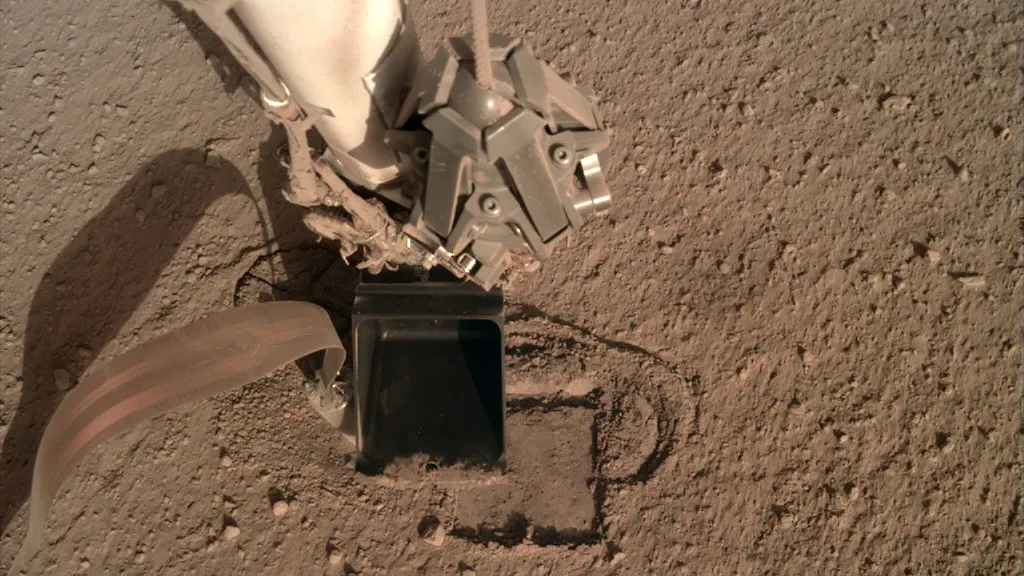
Phoenix changed the conversation in 2008 when NASA reported perchlorate in Martian soil. That mattered because perchlorate can alter heated analyses, prompting scientists to revisit whether Viking’s ovens may have transformed or erased delicate organic traces during the detection process itself.
NASA teams also stressed that perchlorate is not a simple vote for life or against life. It is a reactive ingredient in Martian surface chemistry that complicates interpretation. Phoenix did not settle Viking’s puzzle, but it removed a key old assumption. The framework used in 1976 was incomplete, making reinterpretation necessary.
The Reanalysis That Changed The Chemistry
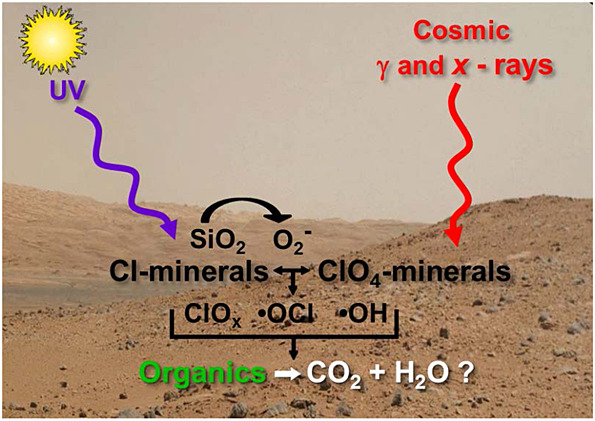
A 2010 reanalysis argued that perchlorate-rich samples, when strongly heated, can break down organics and generate chlorinated byproducts similar to what Viking measured. That provided a concrete mechanism for how organics could have been present while still appearing absent in the original protocol.
The central point was not that life had been proven. It was that method design can hide target signals. If a test sequence can damage the molecules it seeks, a negative organic readout becomes less definitive. Viking data remain active science because better chemistry models can shift interpretation without altering the measurements.
The Pattern Problem No One Can Ignore
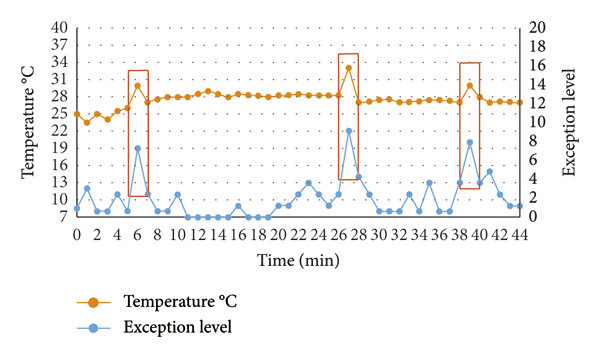
The hardest unresolved issue is the non-repeating response pattern. If microbes were metabolizing the added nutrients, many biologists expected sustained gas release after later injections. Viking did not deliver that clean curve, and this remains a challenge for life-first interpretations.
Yet non-repeat behavior does not end the case by itself. Osmotic stress, reactive oxidants, substrate depletion, or shock from liquid exposure can suppress later responses in sensitive systems. Under Martian conditions, biology and nonbiological chemistry can overlap in output. Viking sits in that overlap, which is why the dispute has endured.
The Abiotic Case Gains New Weight
A recent Icarus review reexamined the Viking biology dataset and argued that perchlorate plus abiotic oxidants can explain signals without requiring extant life in tested soil. The same paper also says a nonbiological explanation does not exclude life on Mars in other settings.
That distinction matters. The review raises the evidentiary threshold instead of declaring the larger question closed. To argue biology convincingly, future missions must separate oxidation chemistry from metabolism-like behavior, align results across instruments, and use workflows less likely to alter fragile compounds. Better controls are the path forward.
Why The 2026 Debate Matters

In early 2026, a new Astrobiology note urged a scientific back-and-forth on Viking before human missions complicate interpretation and planetary protection. Its message was procedural: uncertainty should be examined in open technical debate, not frozen by inherited consensus.
The authors did not present definitive proof of life. They argued that unresolved label-release and oxygen-related signals still deserve structured testing with modern methods. Even skeptics can use that framing, because it sets clearer criteria for future missions and keeps the question anchored to evidence quality rather than loyalty to old conclusions.
Bright Angel And The New Generation Of Caution
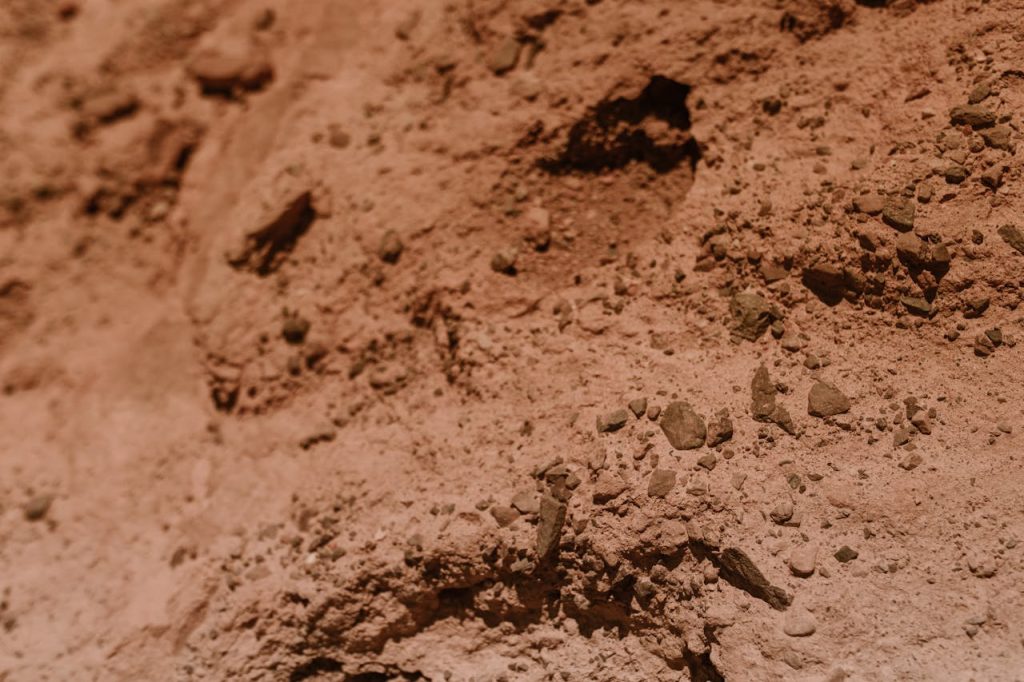
Modern Mars results have raised stakes. NASA reported potential biosignature features in Perseverance observations from the Bright Angel formation, while emphasizing that biological and abiotic explanations remain plausible. That caution echoes the central lesson from Viking.
Viking’s legacy is not a closed verdict but a scientific temperament: careful, patient, and honest about uncertainty. The mission forced humanity to confront how easily tools can shape conclusions, especially on worlds where fragile signals sit at the edge of detectability. What remains enduring is the discipline it taught. Strong claims must be matched by stronger methods. If life ever did brush against those 1976 instruments, the next generation has a clearer responsibility now: ask better questions, protect cleaner samples, and leave less room for ambiguity than history once allowed.