


Coffee table plants need to do more than survive. They sit at eye level, share space with books and drinks, and are viewed up close every day. Interior stylists often say the wrong plant can feel messy, oversized, or high maintenance in this spot. The best options stay compact, grow at a controlled pace, and look intentional rather than accidental. They also need to tolerate indoor light and dry air without shedding leaves or demanding constant care. These coffee table plants are frequently recommended because they balance beauty and practicality, adding warmth and texture without taking over the room.
1. Peperomia obtusifolia

Peperomia obtusifolia is a favorite among interior stylists for coffee tables because it stays compact and polished. Thick, rounded leaves give it a soft presence that works well up close without feeling busy. It tolerates moderate indoor light and does not require frequent watering, which helps it thrive in living rooms with changing conditions. Allow the top portion of soil to dry before watering again. Growth is slow and controlled, keeping the plant proportional to the table. Peperomia rarely sheds leaves or spills outward, making it a clean choice for styled surfaces where clutter is noticeable and balance matters.
2. Haworthia
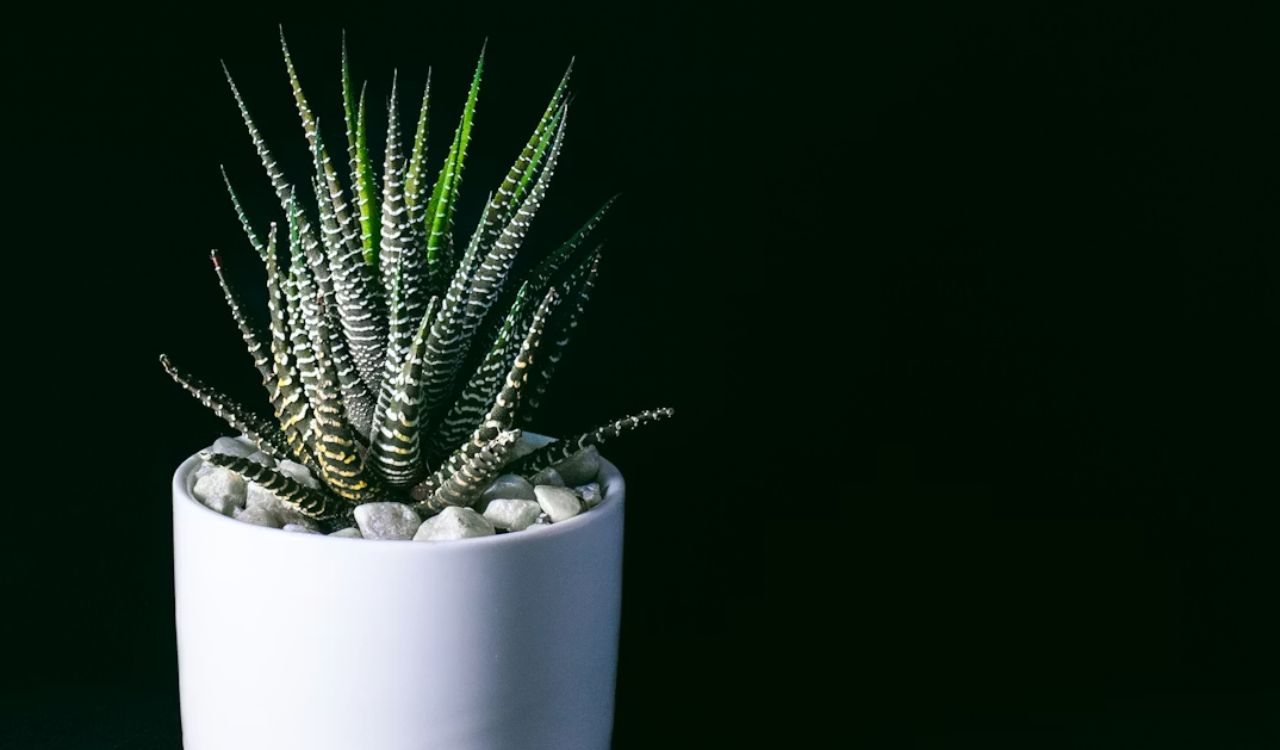
Haworthia is often recommended for coffee tables because it remains small, tidy, and visually interesting without spreading. Its compact rosette shape adds texture while staying low enough to avoid blocking sightlines. Haworthia prefers bright, indirect light but adapts well to indoor conditions away from windows. Water only after the soil dries completely, since it stores moisture in its thick leaves. Growth is slow, which helps it keep a neat profile over time. Unlike many succulents, it tolerates indoor lighting better than harsh sun. This makes haworthia a reliable, low fuss accent for coffee table styling.
3. Pilea (Pilea peperomioides)

Pilea is often chosen for coffee tables because of its compact size and playful leaf shape. The round leaves create visual interest without appearing heavy or cluttered. It prefers bright, indirect light but tolerates typical indoor conditions when placed near a window. Water when the top layer of soil dries, keeping moisture consistent but not excessive. Pilea grows upward rather than outward, which helps it stay neat on flat surfaces. Occasional rotation keeps the plant balanced and symmetrical. Stylists like pilea for adding personality to living rooms while maintaining a light, approachable look that does not dominate the space.
4. Mini rubber plant (Ficus elastica)
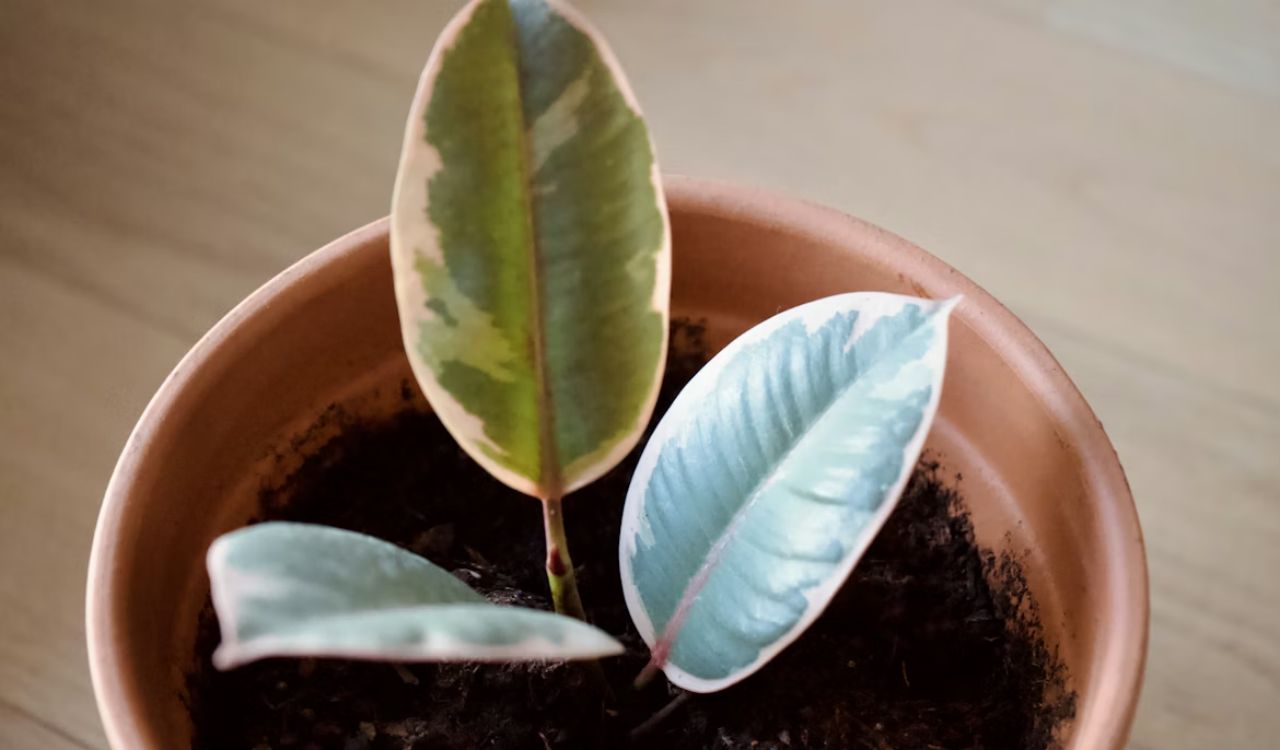
Mini rubber plant varieties are often recommended for coffee tables because they offer bold foliage without overwhelming the surface. Their thick, glossy leaves look intentional and styled when viewed up close, which matters at table height. These plants prefer bright, indirect light but tolerate average indoor conditions well. Water only after the top portion of soil dries, since overly wet soil causes stress. Growth is slower indoors, helping the plant keep a manageable size. Leaves hold their shape and do not shed easily, which keeps the table clean. Stylists like mini rubber plants for adding structure and contrast while maintaining a calm, curated look.
5. Parlor palm (Chamaedorea elegans)

Parlor palm works well on coffee tables because of its soft texture and controlled growth. Unlike larger palms, it stays compact indoors and does not sprawl across nearby surfaces. It tolerates low to moderate indoor light and adapts well to living room conditions. Water when the top layer of soil begins to dry, keeping moisture consistent but not heavy. Growth is slow, which helps the plant stay proportional to the table over time. Thin fronds add movement without blocking sightlines. Interior stylists often use parlor palm to soften modern spaces while keeping the overall look balanced and approachable.
6. Bird’s nest fern (Asplenium nidus)
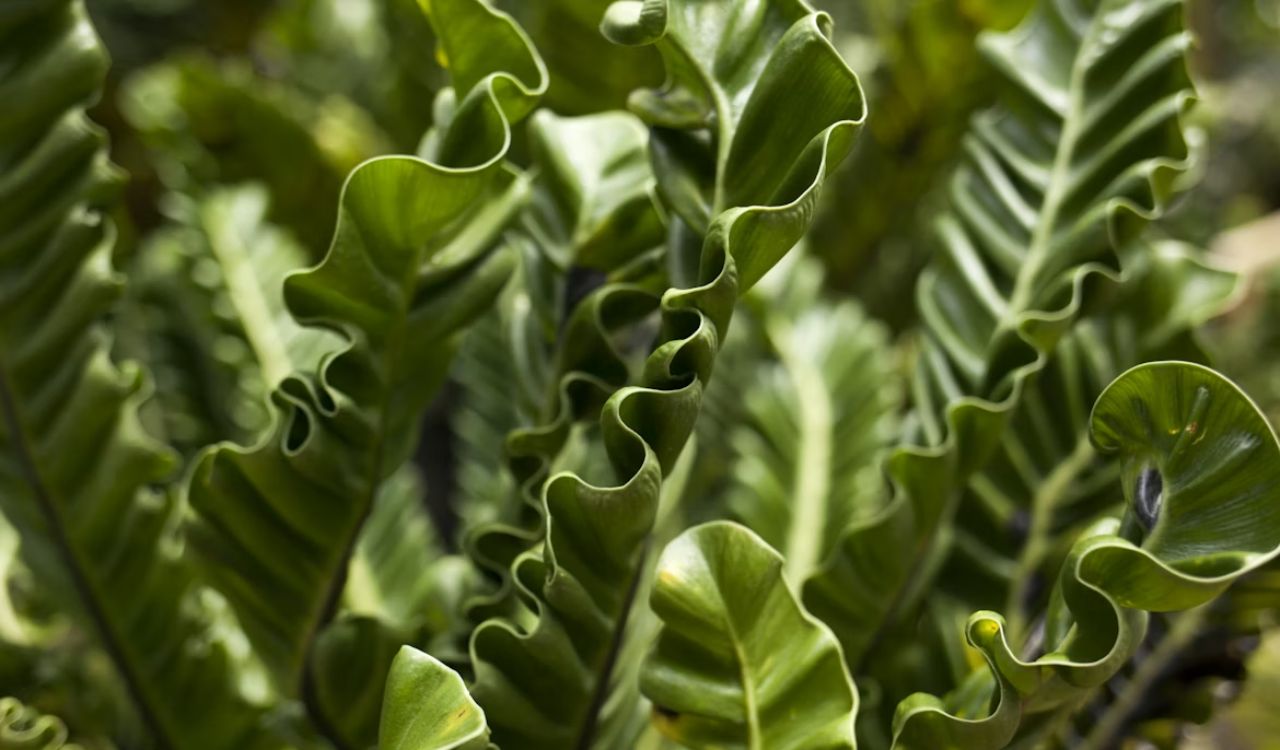
Bird’s nest fern is a popular coffee table plant because it forms a tidy rosette that feels intentional rather than wild. Broad, wavy leaves create visual interest while staying low and contained. It prefers bright, indirect light but adapts to typical indoor conditions without direct sun. Keep the soil evenly moist, allowing the surface to dry slightly between waterings. Growth remains centered rather than spreading outward, which works well on flat surfaces. Bird’s nest fern adds a lush feel without clutter, making it a favorite for stylists who want greenery that looks full yet controlled in living spaces.
7. Fittonia (Nerve plant)

Fittonia is often chosen for coffee tables because its low growth and detailed leaf patterns reward close viewing. The veined foliage adds color and texture without needing height, which helps keep sightlines open across the room. It prefers bright, indirect light but adapts to indoor settings when light is steady. Keep the soil lightly moist, as fittonia responds poorly to long dry periods. If it wilts, it usually recovers quickly after watering. Growth stays compact and spreading rather than tall, making it easy to manage on a table. Stylists like fittonia for adding visual interest in small doses without overwhelming surrounding decor.
8. African violet (Saintpaulia)
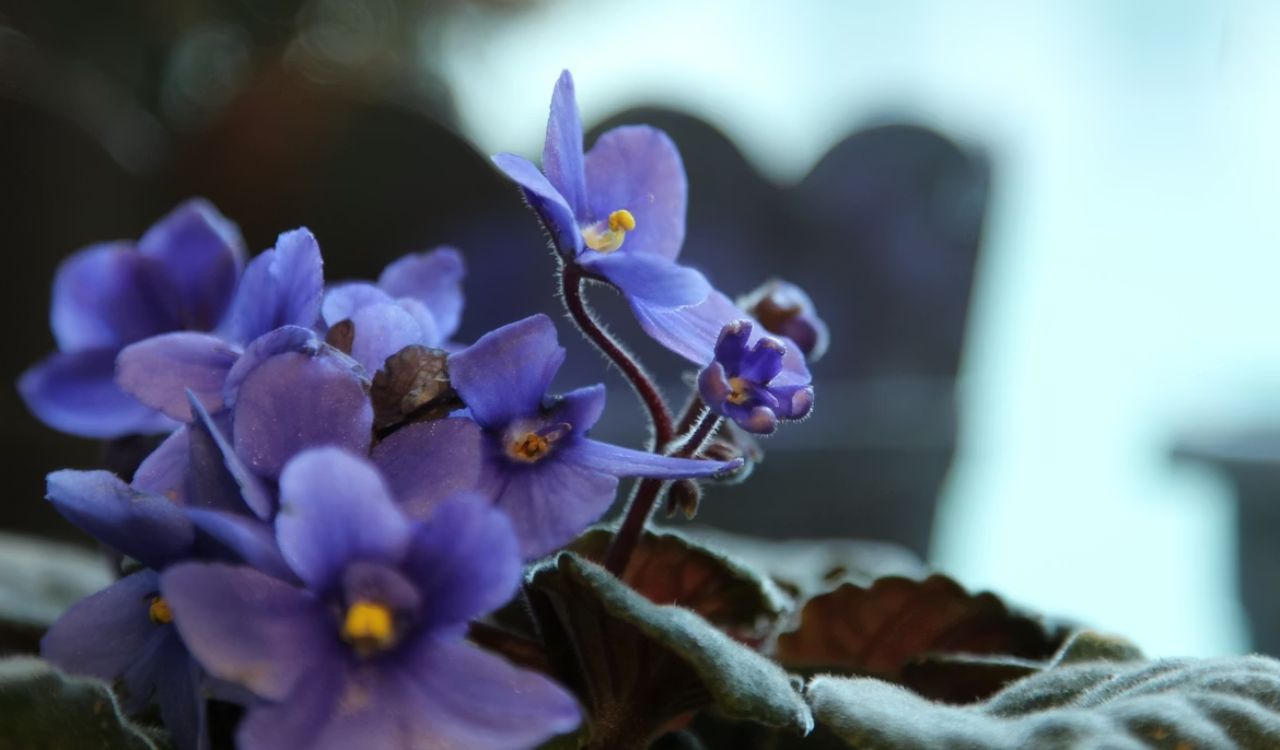
African violet works well on coffee tables because it stays compact and offers controlled color in indoor spaces. The soft, fuzzy leaves form a neat rosette that looks intentional from above, while flowers add interest without excess height. It prefers bright, indirect light and consistent watering, with soil kept lightly moist but never soggy. Growth remains contained when conditions are stable, which suits flat surfaces. African violets do best when left undisturbed, making them practical once placed. Interior stylists often use them to introduce gentle color and softness at table level without clutter or visual heaviness.
9. Mini monstera (Rhaphidophora tetrasperma)

Mini monstera is recommended for coffee tables when kept young and lightly pruned. Its split leaves add a modern, sculptural look without the bulk of larger tropical plants. It prefers bright, indirect light and regular watering once the top layer of soil dries. Growth is faster than some options, but trimming keeps it proportional to the table. Leaves grow upward rather than sprawling, which helps maintain a tidy footprint. Stylists like using mini monstera for contrast against clean surfaces, as it adds character while still working within a controlled indoor setting when size is managed thoughtfully.
10. Polka dot plant (Hypoestes phyllostachya)
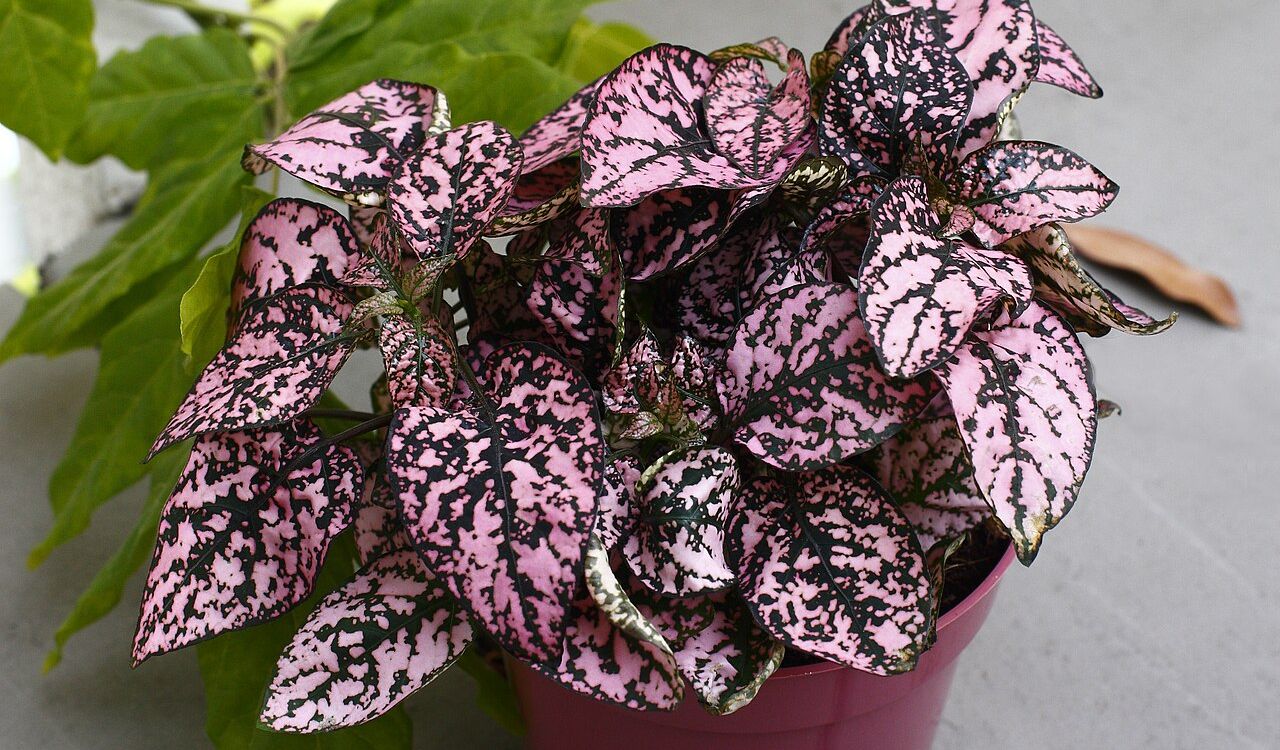
Polka dot plant is often used on coffee tables for its color and compact habit. The speckled leaves draw attention without needing height, making it suitable for close range styling. It prefers bright, indirect light to maintain strong color but adapts to indoor conditions when light is consistent. Keep the soil slightly moist, allowing the surface to dry briefly between waterings. Regular pinching helps maintain a full, low shape instead of leggy growth. Interior stylists favor polka dot plant for adding playful detail to living rooms while keeping the overall arrangement neat and intentional.