

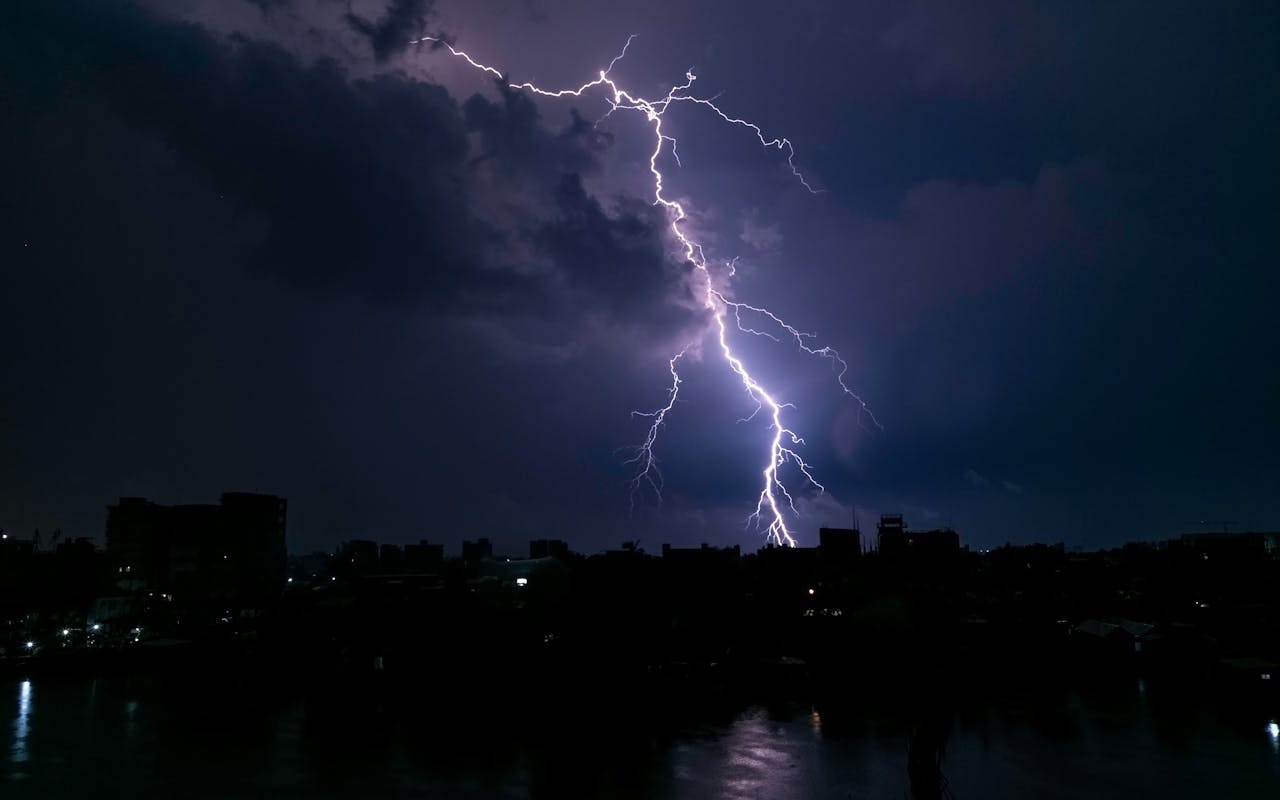
Storm season can change the mood of ordinary places in minutes. A school field, a roadside stop, or a back porch may feel calm right up to the first low roll of thunder. Meteorologists spend every year correcting the same lightning myths because most close calls start with routine decisions, not rare bad luck. People wait for rain, stand under a tree, finish one more play, or step back outside too soon. The risk often hides inside familiar habits, and the safest choices usually look simple, early, and a little boring, which is exactly why they save people. This is where myth busting becomes practical storm safety.
Thunder Is The Warning, Not The Rain
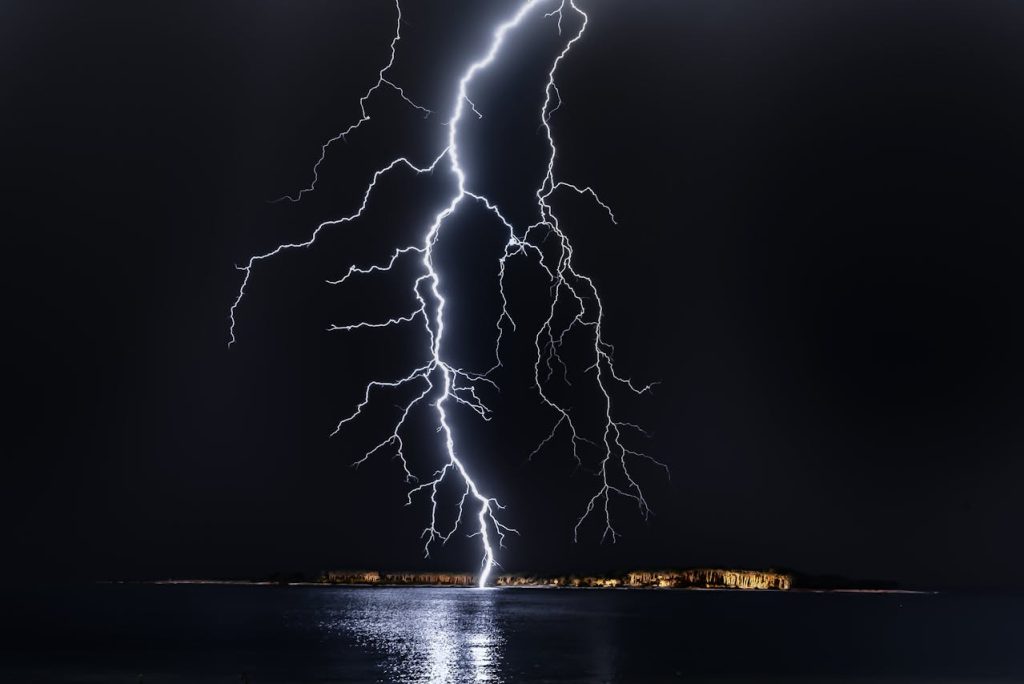
Meteorologists keep repeating one rule because people still wait for raindrops before moving. The National Weather Service says no place outside is safe when thunderstorms are in the area, and hearing thunder means a strike is already possible, even before the storm looks close.
That timing catches people during yard work, sports practice, and quick errands because the sky overhead can still seem manageable. Risk starts before the downpour arrives, so the safest decision happens at the first rumble, with a fast move into a substantial building or a hard top vehicle. Waiting for visible rain simply wastes the safest minutes.
Blue Sky Does Not Mean Safety

One of the most stubborn lightning myths starts with a clear patch of sky. The Weather Service and CDC both note that lightning can strike far from the heaviest rain, which is why people get caught off guard while the storm still looks distant from one direction. A bright horizon can be misleading.
Meteorologists often call these long reach strikes bolts from the blue, and the Weather Service says they can hit 10 to 15 miles from the thunderstorm. That is why open beaches, lakesides, and trails can still become dangerous while the darkest clouds seem somewhere else entirely. Storm edges are often where confidence outruns caution.
Trees And Picnic Shelters Create False Comfort
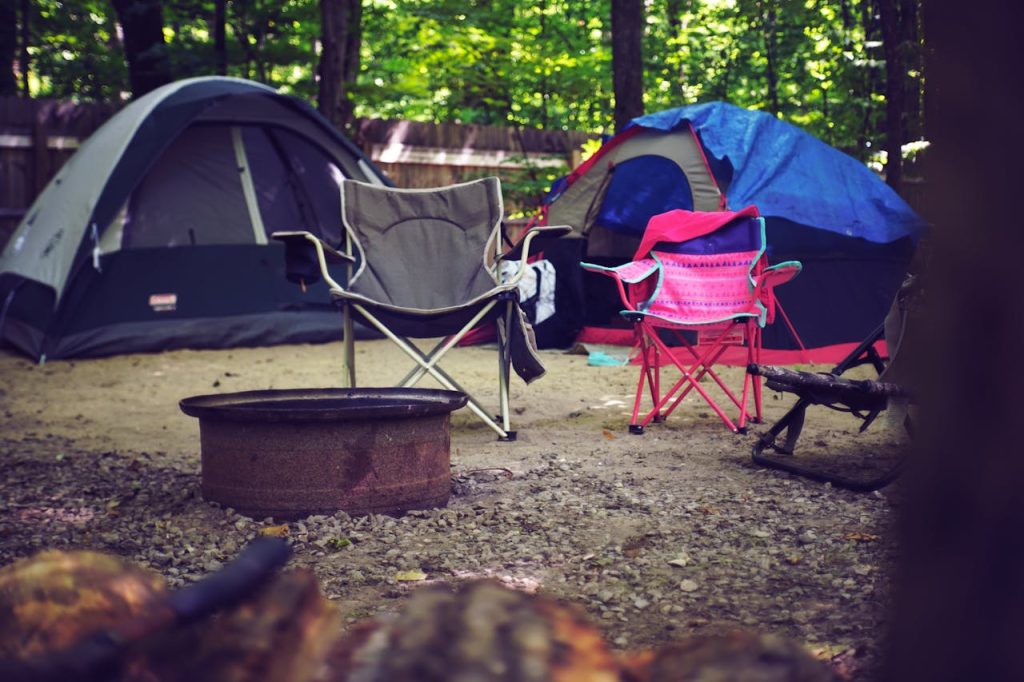
A tree feels like shelter because it blocks rain, but it is one of the worst choices in a thunderstorm. Weather.gov and CDC guidance both warn against sheltering under isolated trees, and CDC notes that being underneath trees is a leading cause of lightning deaths. Dry clothes do not equal safety.
The same false comfort appears in dugouts, gazebos, and picnic shelters. They may keep people dry, but open structures do not stop lightning, so meteorologists urge a quick move into a substantial building or a fully enclosed hard top vehicle as soon as thunder is heard. Partial roofs protect from rain, not electrical danger.
Cars Are Safer For The Right Reason

Many people still think rubber tires protect a car from lightning, but meteorologists have debunked that for years. The Weather Service explains that a metal roof and frame help route current around occupants, which is why an enclosed car can be a safer option. It is the metal shell, not the tires.
That protection depends on the vehicle type. CDC and Weather Service guidance both warn that convertibles, motorcycles, and golf carts are not safe shelters, and even in a hard top car, people should stay inside, keep windows up, and avoid touching metal parts until the storm passes. An enclosed cabin matters more than speed.
Indoors Is Safer, But Not Every Indoor Habit Is

A house or sturdy building is the right move, but indoor safety has its own mistakes. CDC and the Weather Service both warn that lightning can travel through wiring and plumbing, so a storm is the wrong time for showers, dishwashing, or corded phone calls. Many risky habits happen indoors out of routine.
Meteorologists also caution against plugged in electronics, windows, doors, and concrete surfaces during the strongest part of the storm. The goal is not fear. It is avoiding the few indoor pathways that can carry current while the thunder moves through the area, then returning to normal once the storm has fully cleared.
Crouching Is A Last Resort, Not A Safety Trick

Another stubborn myth says lying flat on the ground is safer, but CDC guidance says not to do that. Ground current can travel across the surface after a strike, and lying flat increases contact with the ground when the danger is spreading outward. That old advice still circulates, and it misleads people.
If no real shelter is nearby, CDC describes a crouched, ball like position as a last resort while people keep moving toward better protection. Meteorologists stress that wording because crouching can only reduce risk slightly. It does not turn any open area into a safe place, and it should never replace a shelter decision.
A Lightning Victim Is Safe To Touch

Fear still causes dangerous hesitation after a strike. The Weather Service and CDC both state clearly that a lightning victim does not carry an electrical charge, so touching the person to give aid is safe and should never be delayed because of that myth. Quick help is safer than standing back and freezing.
Meteorologists and emergency guidance also stress the next steps: call 911, move to a safer location if possible, and begin first aid, CPR, or use an AED when needed. Fast action matters because many lightning injuries are survivable, and early help can change the outcome. Calm response saves time when every minute counts.
Lightning Can Hit The Same Spot Again
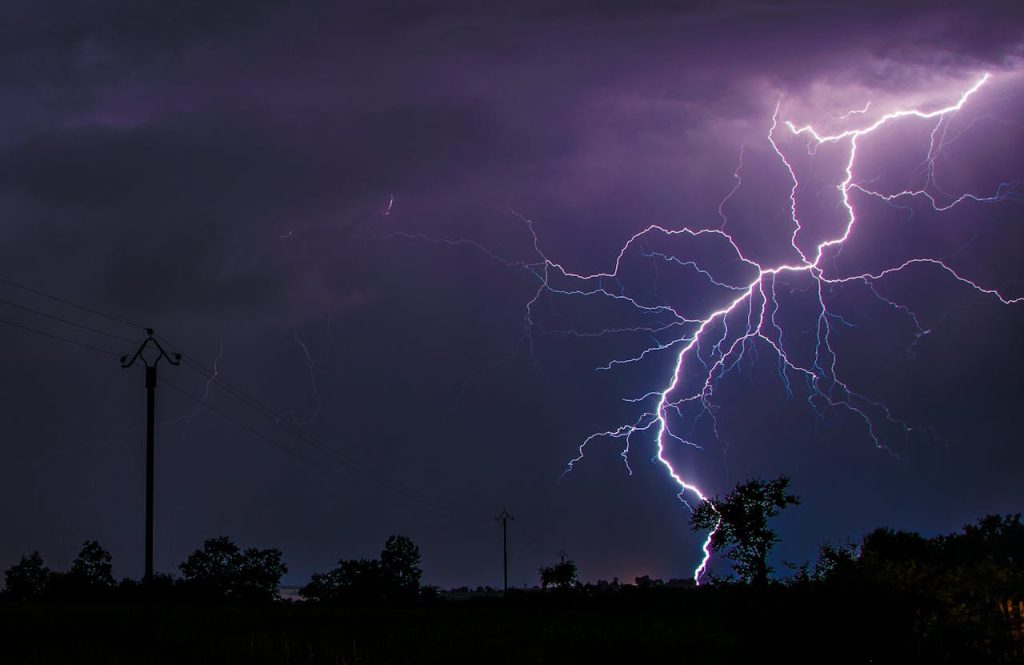
The idea that lightning never strikes the same place twice sounds tidy, but it is wrong. The Weather Service notes that lightning often strikes the same place repeatedly, especially tall, pointy, isolated objects, including towers and high structures. Storms tend to reuse obvious targets.
A related myth says metal alone attracts lightning, which confuses where strikes land with how electricity moves. Weather.gov explains that height, shape, and isolation matter more for strike location, but metal still conducts current, so touching metal objects during storms remains risky. The real question is exposure, not superstition.
Storm Planning Reduces Risk More Than Luck
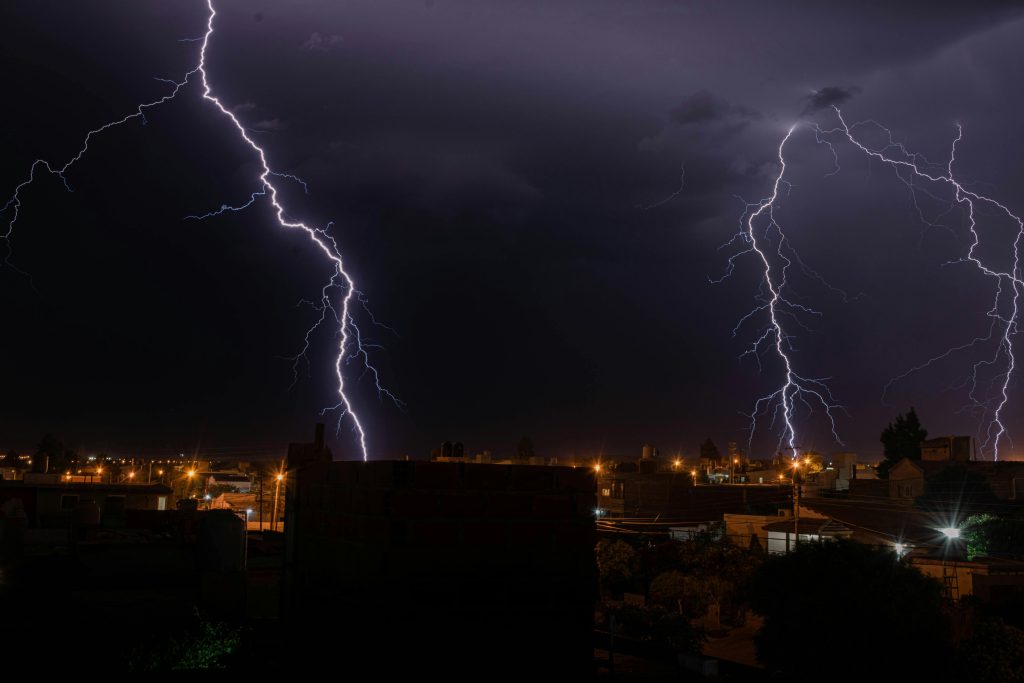
Meteorologists often describe lightning risk as a behavior problem, not a mystery. CDC data shows most lightning deaths occur in summer, especially July, and many happen during outdoor recreation, which means everyday timing choices shape exposure. Storm safety starts before thunder, not during panic.
CDC also notes that about one third of lightning injuries happen indoors, which is why myth busting still matters. A simple plan, an early shelter decision, and a calm response after a strike protect people far better than luck, bravado, or old storm lore passed around for years. Prepared habits lower risk in every season.