

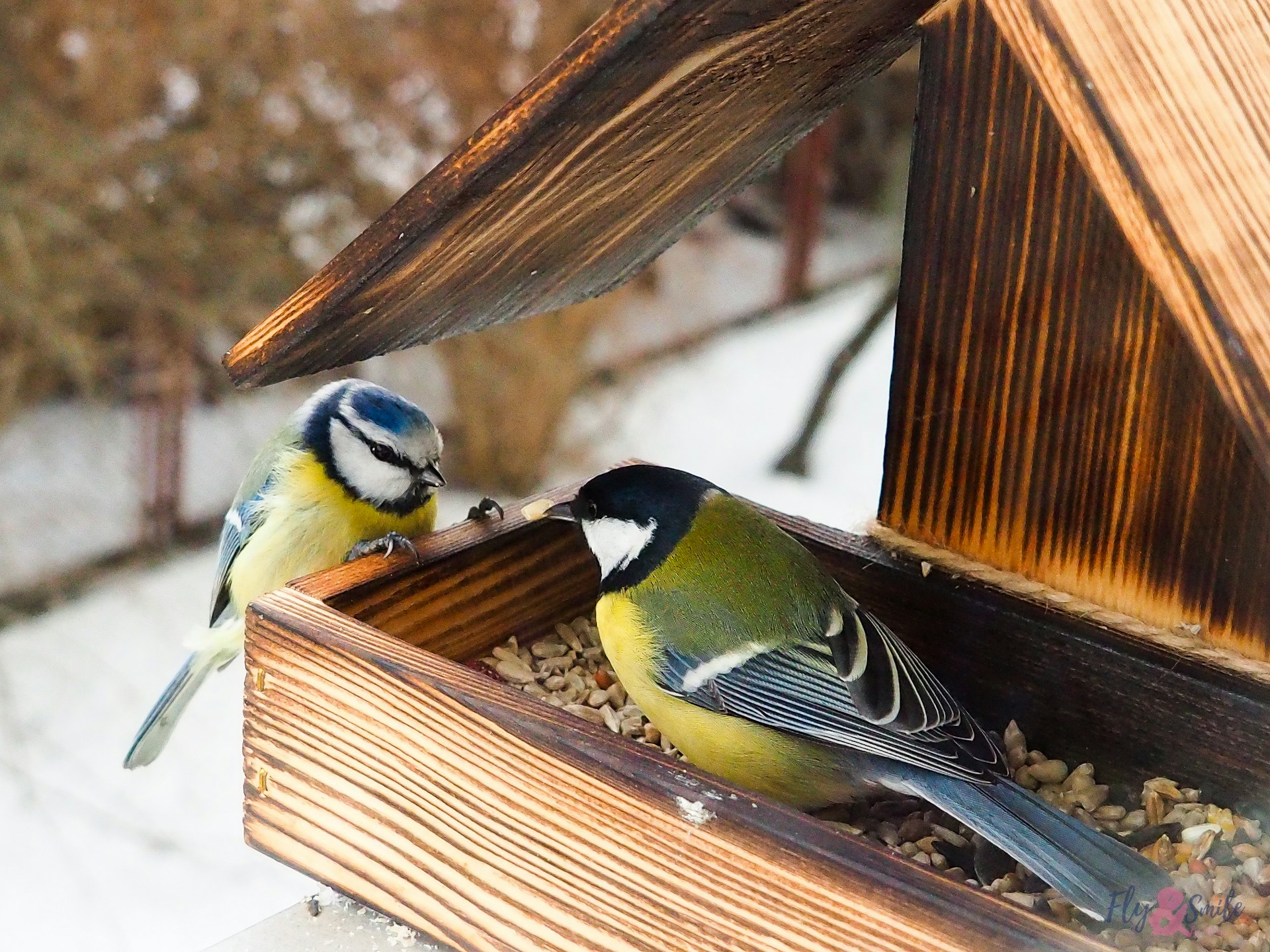
Each winter, people refill feeders, hang suet, and feel they have helped. These habits can aid individual birds, but they rarely produce evidence scientists can use to track larger change. In February, impact comes from observation, not good intentions alone.
That is why the Great Backyard Bird Count matters. The 2026 count runs from February 13 to 16, and anyone can join from a balcony, yard, park, or trail. The program is led by the Cornell Lab of Ornithology, Audubon, and Birds Canada, and it is built for all birders.
Why Winter Tips Often Fall Short
Most winter advice is one-way: put out food and hope birds arrive. The missing piece is structured counting. Without consistent reports, researchers cannot compare areas, spot declines early, or separate feeder luck from real trends.
The count closes that gap by turning birdwatching into usable checklists. Submissions support research on distribution, movement, and population health. In practical terms, people are not just enjoying birds. They are helping build datasets conservation teams use.
The 15-Minute February Fix That Actually Helps
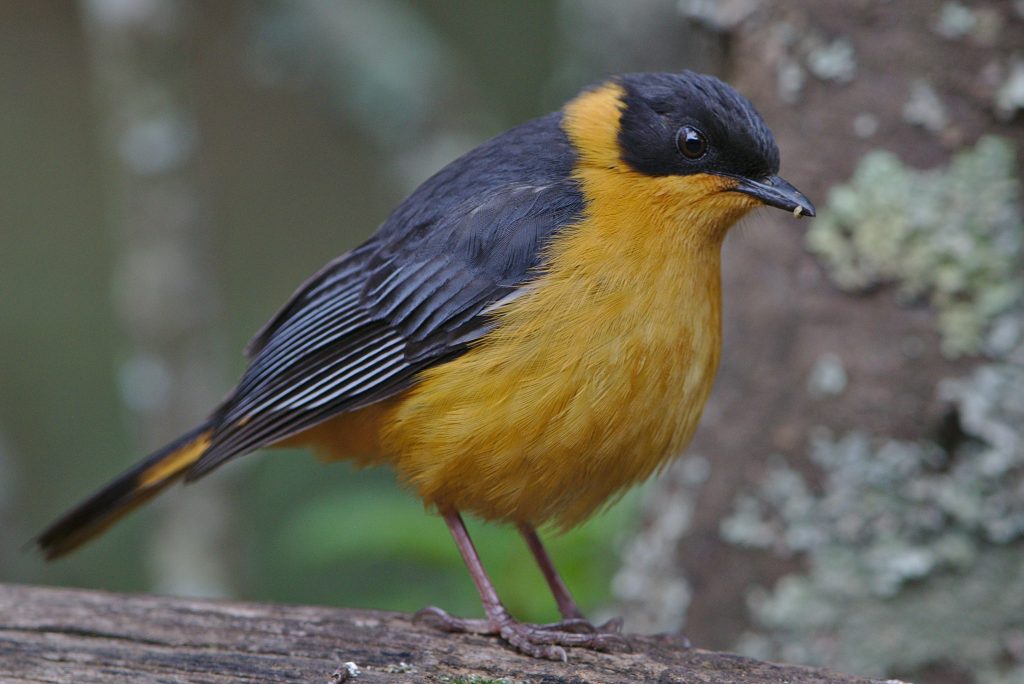
The core rule is simple: watch birds for at least 15 minutes, at least once, during the four-day window. That short commitment lowers the barrier for first-timers while still creating comparable observations. It makes participation realistic even on busy days.
Participation is now huge. Official 2025 results reported 8,078 species across 217 countries or eBird subregions, with an estimated 838,113 participants. At that scale, local checklists become part of a global snapshot.
If someone is new, Merlin Bird ID offers a fast start for identifying birds by sight or sound. It also makes submitting observations simple.
If someone already uses eBird, full checklists can be entered in the app or on desktop with species counts. Those richer entries improve trend tracking over time.
Make Your Count More Useful
Pick one place and one time block you can repeat, even if it is a porch rail before breakfast. Consistency beats ambition because repeat observations reveal change faster. Note weather, time, and unusual behavior, then submit promptly so records stay comparable.
The strongest February move is not another generic tip. It is fifteen focused minutes that turn attention into evidence. Feeders still matter, but data shows where birds are stable and where support is urgently needed. That shift from private birdwatching to science is why this habit keeps paying off after winter ends.
Clean Feeders Before the Count Window Starts
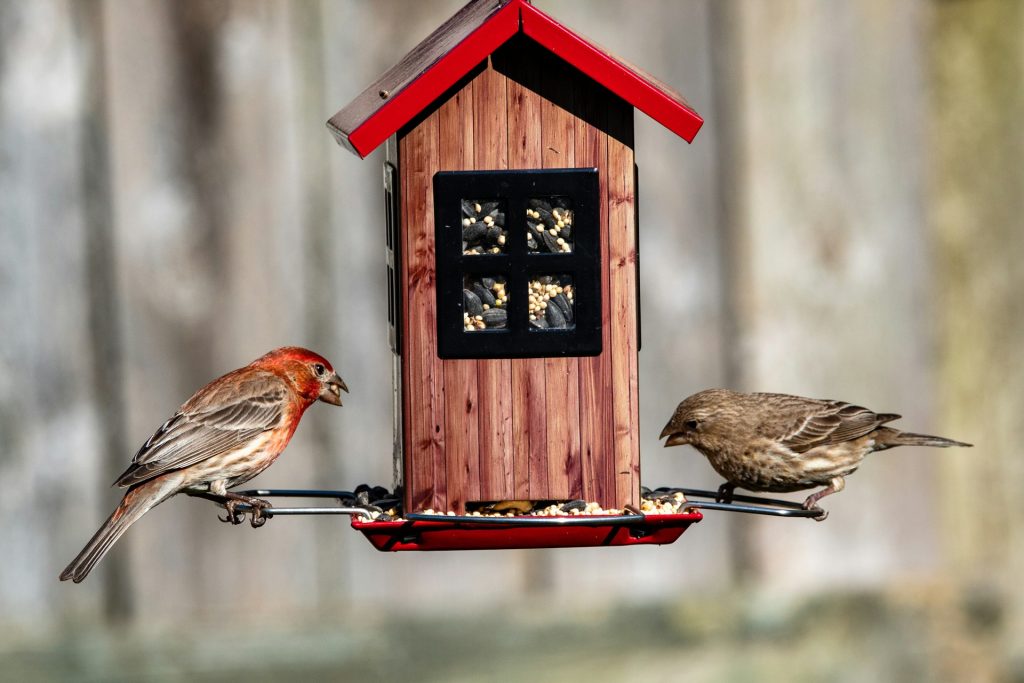
A feeder full of seed looks helpful, but a dirty feeder can do real harm in winter. Moisture from snow, frost, and thaw cycles can spoil seed quickly, and crowded ports can spread disease when birds are already burning extra energy to stay warm. A basic clean with hot water, complete drying, and fresh seed before your session makes a visible difference in activity.
This simple step also improves count quality. Healthier birds linger longer, feed more normally, and are easier to identify without rushing. Instead of logging quick fly-through sightings, you get steadier behavior and cleaner observations. In practice, cleaner feeders turn a routine winter habit into better data for conservation.
Add a Reliable Water Source During Cold Spells
In February, water is often the missing variable. Birds can find seed but still struggle when shallow sources freeze, forcing them to spend energy searching for drinkable spots. A small dish refreshed regularly, or a birdbath that stays ice-free, reduces that pressure and supports daily movement through your yard.
Reliable water also makes short counts more meaningful. When birds can predict where to drink, their patterns become easier to observe and compare from one session to the next. You are no longer capturing random scarcity behavior but more typical local use. That makes your checklist stronger and far more useful over time.
Build Safe Cover Near Feeding Areas
Food alone is not enough if birds feel exposed. Open feeders without nearby shrubs, brush, or tree structure can look empty even when birds are nearby, because they avoid risky landings. Adding cover within a short flight distance gives birds safer routes between feeding, resting, and scanning for danger.
Once cover is in place, visits usually become calmer and longer. Longer visits mean better looks at field marks, fewer rushed IDs, and fewer duplicate guesses. Even in a small yard, a layered shelter setup can outperform an extra feeder. Safety changes behavior, and behavior is what you are trying to document accurately.
To make cover work, think in layers instead of single plants. Low brush gives quick escape, mid-height shrubs create staging spots, and nearby branches offer lookout points before birds commit to a feeder. This layered layout reduces panic flights and stop-and-go movement, so your 15-minute count captures steadier, more natural activity rather than brief, stress-driven appearances.
Build Safe Cover Near Feeding Areas
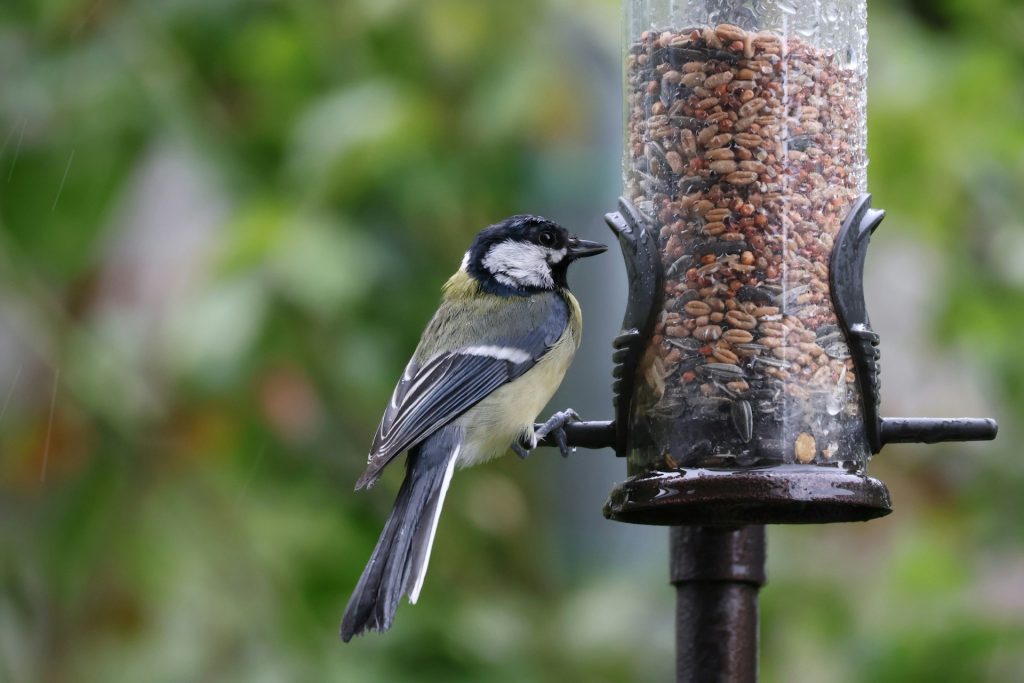
Food alone is not enough if birds feel exposed. Open feeders without nearby shrubs, brush, or tree structure can look empty even when birds are nearby, because they avoid risky landings. Adding cover within a short flight distance gives birds safer routes between feeding, resting, and scanning for danger.
Once cover is in place, visits usually become calmer and longer. Longer visits mean better looks at field marks, fewer rushed IDs, and fewer duplicate guesses. Even in a small yard, a layered shelter setup can outperform an extra feeder. Safety changes behavior, and behavior is what you are trying to document accurately.
Repeat the Same 15-Minute Session Each Week
A single 15-minute count is useful, but repeated sessions create insight. Using the same spot and roughly the same time each week reduces noise from changing light, shifting routines, and random disturbance. That consistency helps you separate one-off sightings from real seasonal patterns.
Over a few weeks, trends start to show clearly: which species are stable, which appear briefly, and which are thinning out. Those patterns are exactly what make community-science records valuable beyond one weekend. Short, repeatable effort beats occasional long effort almost every time. Consistency is where the real signal appears.