


America’s park gates have become a stage for a larger argument about who public land is for, who should pay more, and who gets priority when crowds swell. New federal fee rules took effect on Jan. 1, 2026, and shifted the conversation from trail maps to policy fights almost overnight. What looked like a narrow funding move now carries questions about fairness, access, staffing pressure, and national identity. As visitation rises and infrastructure strains under demand, even a routine fee board at an entrance station now reads like a public referendum on access, belonging, and stewardship across the seasons ahead.
A Price Change That Redrew the Debate

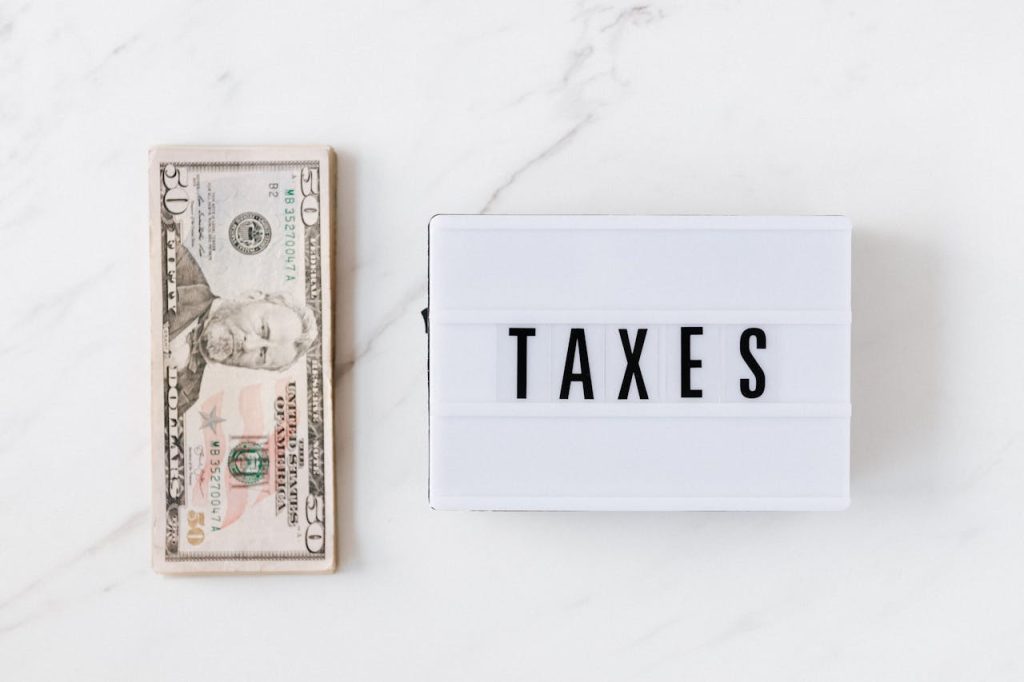
The latest shift is sharp and specific. Beginning Jan. 1, 2026, non-U.S. residents face a $250 annual interagency pass price, while U.S. residents remain at $80. At 11 major national parks, nonresidents also pay an added $100 per person on top of standard entrance fees.
The change followed Executive Order 14314, signed July 3, 2025, directing higher nonresident fees and resident preference in some access decisions. Supporters frame it as taxpayer protection and infrastructure funding. Critics argue it turns a practical fee policy into a political signal about who belongs first at the gate, and that framing is why tempers rose fast.
Eleven Parks Became the Front Line
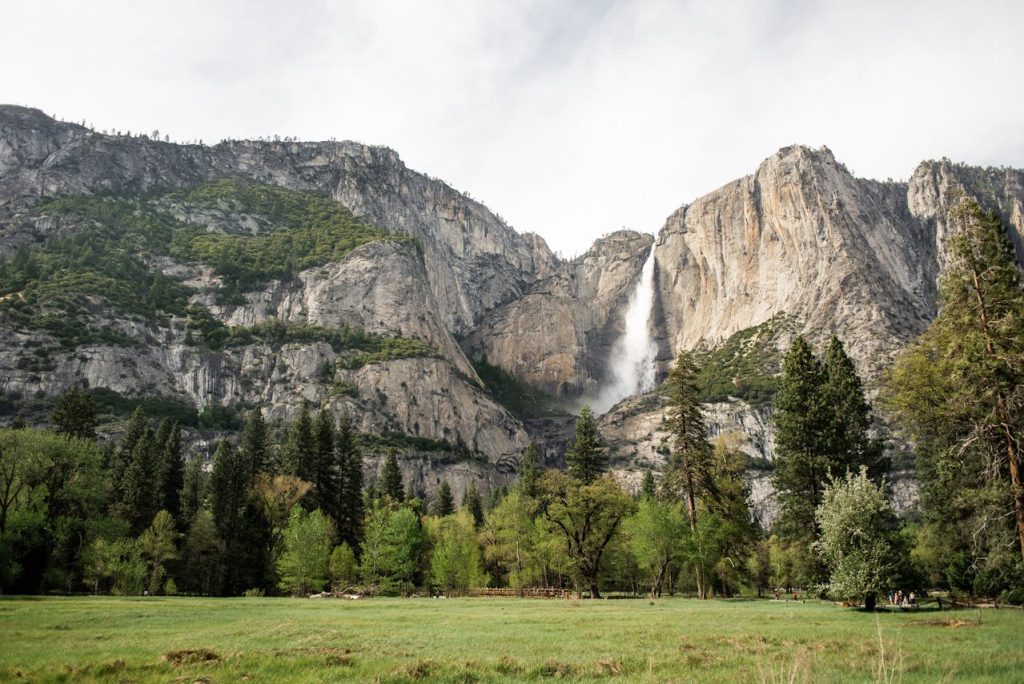
The surcharge is not systemwide. It applies at Acadia, Bryce Canyon, Everglades, Glacier, Grand Canyon, Grand Teton, Rocky Mountain, Sequoia and Kings Canyon, Yellowstone, Yosemite, and Zion. These are headline parks where congestion and entrance bottlenecks were already intense before the fee shift.
On paper, the rule looks simple. At the gate, it becomes layered: base price, pass type, residency status, then the surcharge decision. The headline is national, but enforcement happens park by park, ranger by ranger, in traffic queues that can already stretch far beyond what entrance roads were built to handle on peak weekends.
Free Days Stopped Feeling Universal
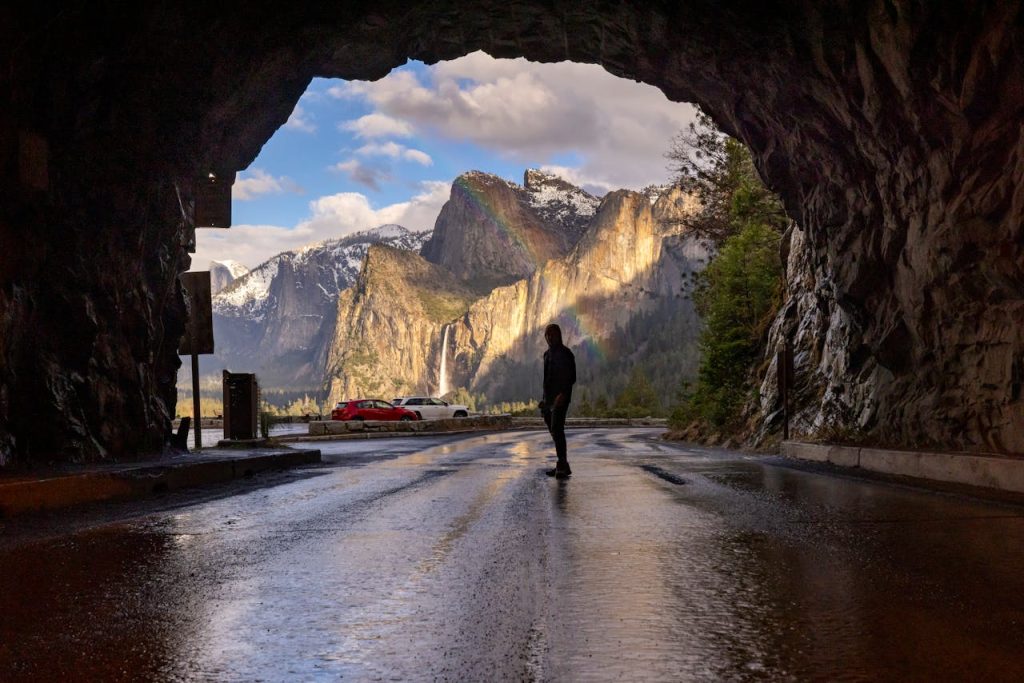
Fee-free days also changed character. For 2026, the National Park Service listed eight resident-only free-entry dates, including Presidents Day, Memorial Day, June 14, July 3–5, August 25, Sept. 17, Oct. 27, and Veterans Day. The waiver covers entrance fees, not timed-entry tickets or amenity charges.
That marks a clear shift from 2025, when eight free days were promoted as open to everyone. The symbolism is hard to miss: a calendar once pitched as broad invitation now works as a policy signal about who qualifies first. Even where prices stay manageable, the message itself can shape how welcome some visitors feel before arrival.
Most Units Charge Nothing, But the Politics Land Everywhere
Any fee argument gets clearer with one structural fact: most park units do not charge entrance fees. NPS says just over 100 of 425 units collect them, so the loudest controversy centers on a minority of sites that absorb outsized visitation and wear while carrying the public image of the whole system.
Where fees are collected, the money does not vanish into a general pool. NPS says at least 80% remains at the site where it is collected, while the remaining share supports parks that do not charge entrance fees. That split is why pricing debates quickly become governance debates about equity across the system and future upkeep.
The Numbers Exist, But the Baseline Is Thin

Both camps cite numbers, but the data base is uneven. Congressional researchers say NPS historically did not collect systematic counts of international visitors across the system, which makes revenue forecasts and visitation-impact claims harder to validate before policy takes effect.
Available indicators are useful but incomplete. A federal travel survey estimated that 33% of 48.3 million international air visitors in 2024 visited national parks or monuments. Yellowstone surveys show a shift, with international summer shares at 30% in 2018 and 15% in 2024. Those trends inform the debate, but they do not settle it for every park.
Entrance Booths Became Policy Checkpoints
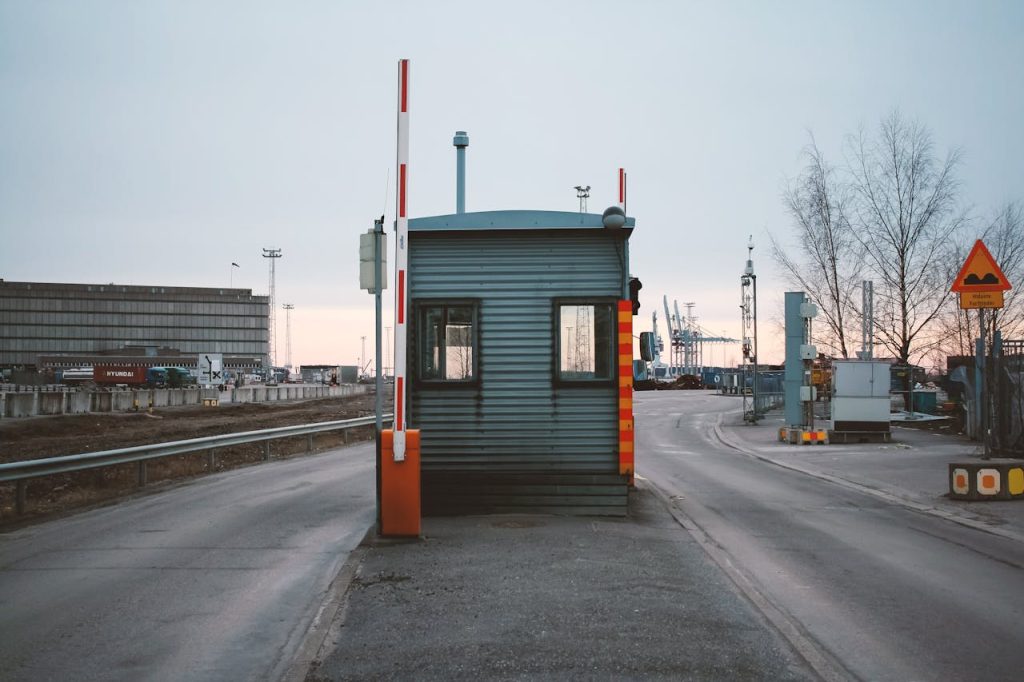
Implementation has become its own controversy. Congressional research says resident pass holders are now expected to show documents such as a U.S. passport, driver’s license, state ID, or permanent resident card when using resident-priced passes at fee stations. It is a major shift for gate staff.
Combined with verbal residency questions for some transactions, the new steps have produced reports of slower entrance processing at busy gates. Lawmakers have also raised questions about what residency information is collected, what is retained, and who can access it. A revenue rule became a front-line trust issue at the booth window.
Fee Rules Now Stack With Reservation Rules

Fee policy is colliding with another reality: many high-demand parks already manage access through timed windows. At Arches, timed-entry pilots continued in 2025 during peak periods, with tickets required in designated hours plus a nonrefundable $2 processing fee, separate from entrance charges. That means price and access are already split into multiple steps.
At Acadia, Cadillac Summit Road again requires timed vehicle reservations from May 21 through Oct. 26, 2026. These systems can improve flow and predictability, but they also stack rules in ways that confuse occasional travelers: fee status, pass type, reservation status, and entry timing all matter before a single overlook comes into view.
Why the Fight Keeps Coming Back
The core conflict is bigger than one surcharge. Parks sit at the intersection of conservation finance, crowd management, identity, and travel diplomacy. A rule designed to raise revenue can quickly become a referendum on belonging, fairness, and what equal access should mean in a system built on trust.
That is why the fight keeps returning. Every entrance line compresses backlog, staffing strain, and political messaging into a few minutes of waiting. Until funding, operations, and communication move in the same direction, each fee change is likely to be judged less as logistics and more as a statement about values for many.