

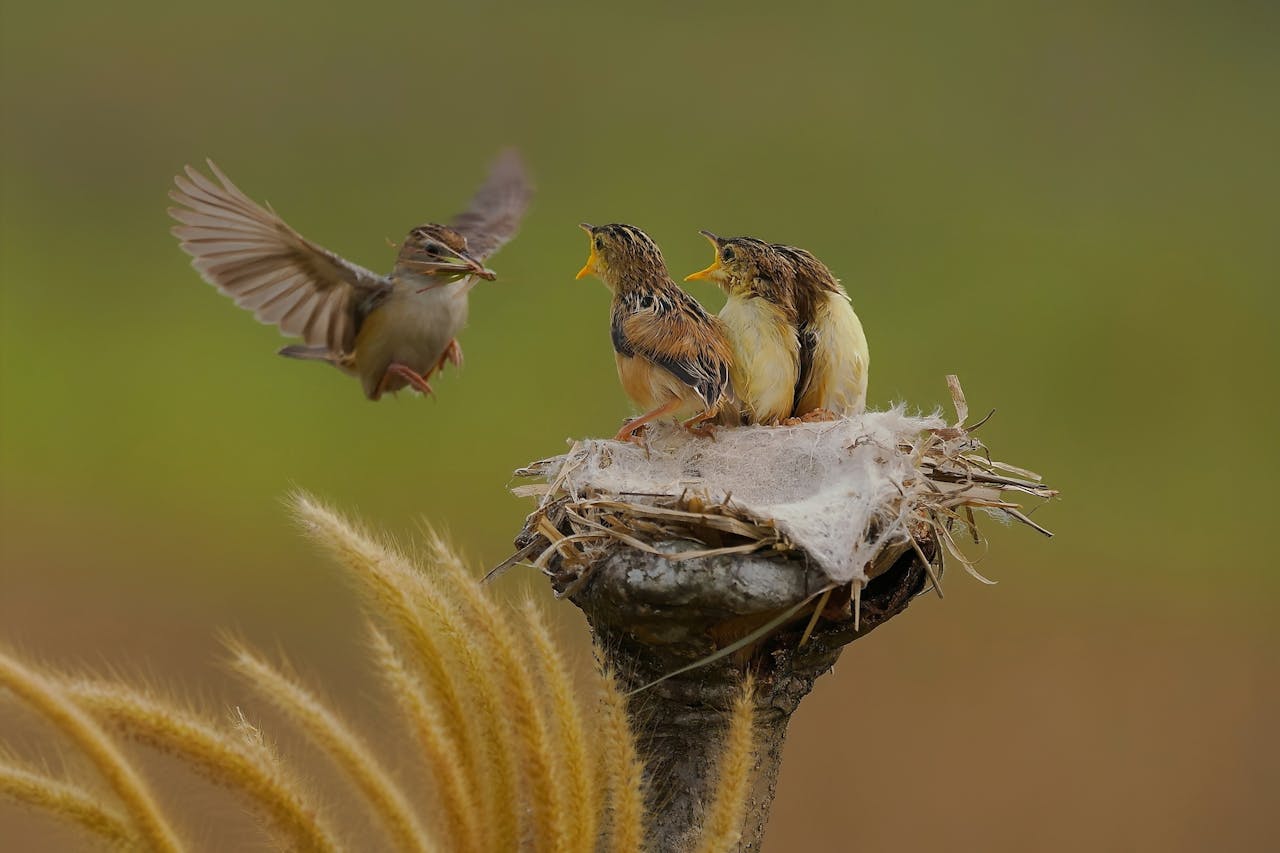
In spring and early summer, ordinary places can flip in seconds. A quiet school field, a marsh boardwalk, or a parking-lot tree can suddenly fill with alarm calls, low passes, and tight aerial turns. What looks dramatic to people is usually disciplined nest defense, timed to the most fragile days of breeding. Birds are not performing for attention. They are protecting eggs, hatchlings, and territory with strategies shaped by habitat, predator pressure, and memory. Across species, the message stays consistent: when the nest is near, distance and timing matter. Habitat decides tactics: reeds, rooftops, beaches, and lawns.
Red-Winged Blackbird Runs Relentless Patrols
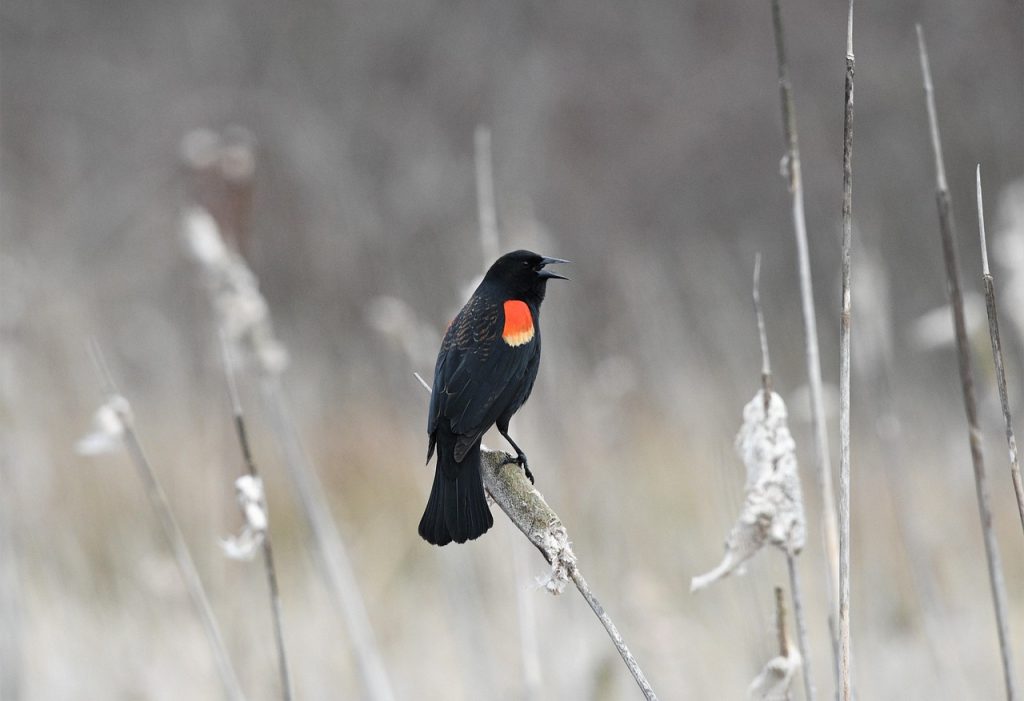
In marshes and pond edges, male Red-winged Blackbirds treat breeding territory like a shift. Cornell’s All About Birds reports males spend more than a quarter of daylight hours on defense, chasing rivals and confronting nest threats with short, direct flights that feel much larger than their body size suggests.
That same Cornell account notes defensive charges may target animals far bigger than a blackbird, including horses and people. The point is simple biology: if nests are clustered in reeds and low cover, hesitation costs offspring. So the bird chooses pressure early, loud calls first, contact only if distance keeps shrinking.
Northern Mockingbird Learns Faces Fast
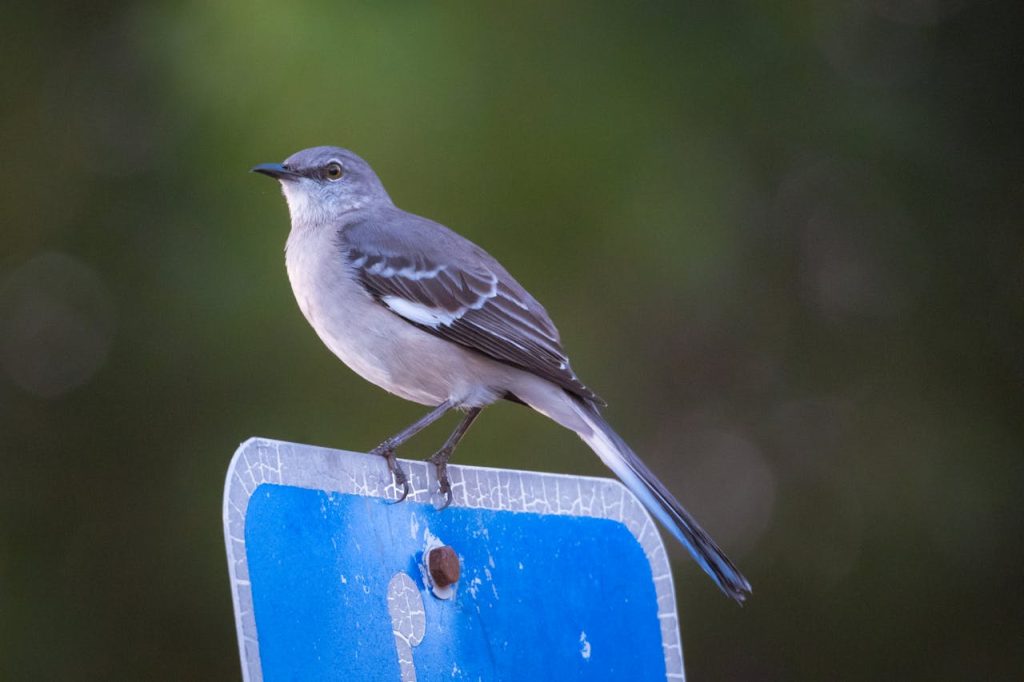
The Northern Mockingbird is not guessing when it rushes a repeat intruder near a nest. A 2009 PNAS study found urban mockingbirds learned to identify individual humans after only two 30-second exposures at the nest, then escalated their response to that specific person while ignoring less threatening passersby.
U.S. Fish and Wildlife notes that mockingbirds, along with several raptors, may show nest-defense behavior toward people during the nesting season, roughly January through August. What looks dramatic from the sidewalk is usually precise threat sorting, not chaos, and the response often fades once nesting pressure drops.
Killdeer Uses Theater as a Shield
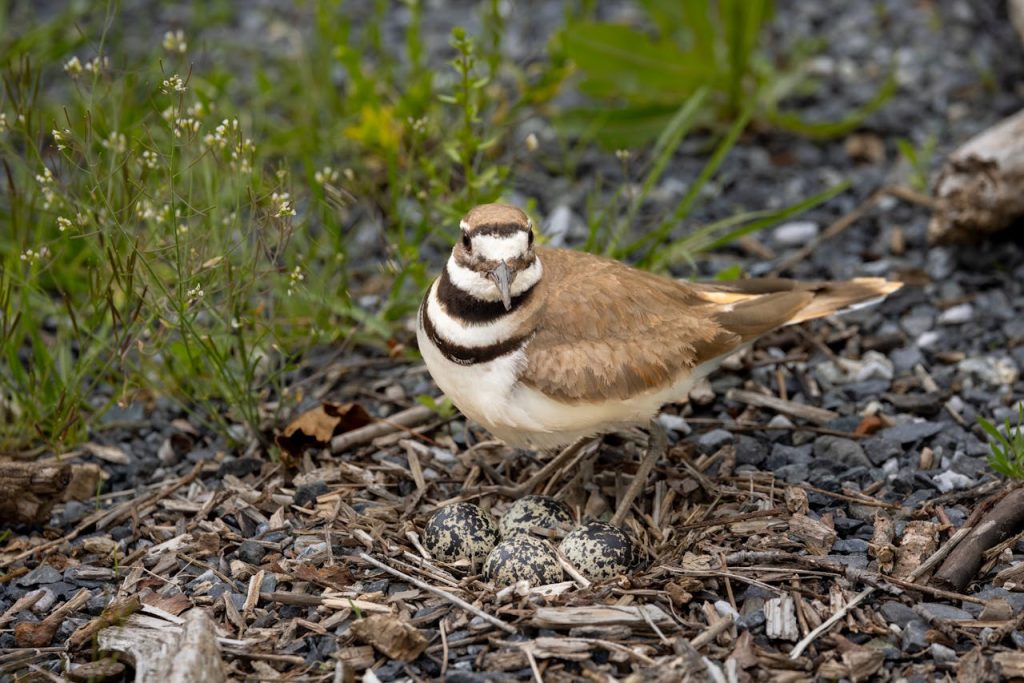
Killdeer defend ground nests with one of the smartest decoys in bird behavior: the broken-wing display. Audubon and Cornell both describe adults fluttering as if injured to pull danger away from eggs or chicks, then recovering the moment the intruder is far enough from the nest site.
Cornell also notes a second tactic many people never see. When large hoofed animals threaten to step on eggs, Killdeer may puff up, raise the tail, and run toward the animal to alter its path. The strategy is not bravado. It is selective pressure translated into movement, sound, and timing on open ground where cover is almost nonexistent.
Arctic Tern Turns Colonies Into No-Fly Zones
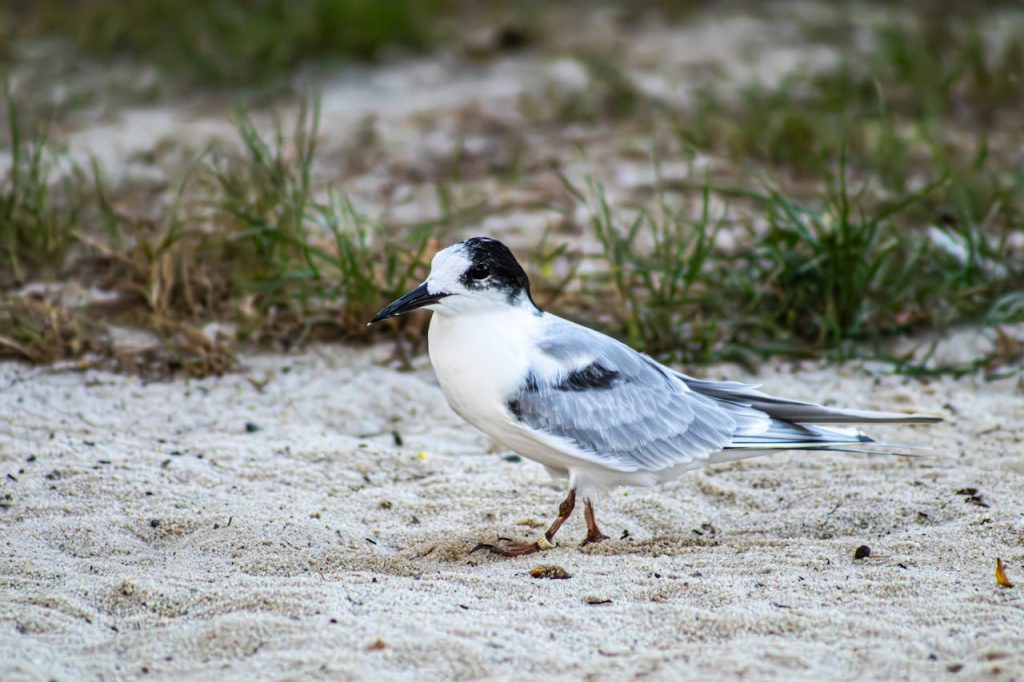
At coastal colonies, Arctic Terns operate as a coordinated warning system. The Wildlife Trusts describes colonies as noisy for a reason: when young are at risk, adults dive at intruders with sharp bills ready, layering alarm calls with close aerial passes that quickly change human behavior on beach paths.
These birds also balance that intensity with extraordinary migration, arriving in the U.K. around April and leaving around September. During that short nesting window, every approach is evaluated fast. What sounds like nonstop commotion is disciplined colony defense built for exposed sand and shingle where nests have little cover.
Least Terns and Skimmers Defend as a Team
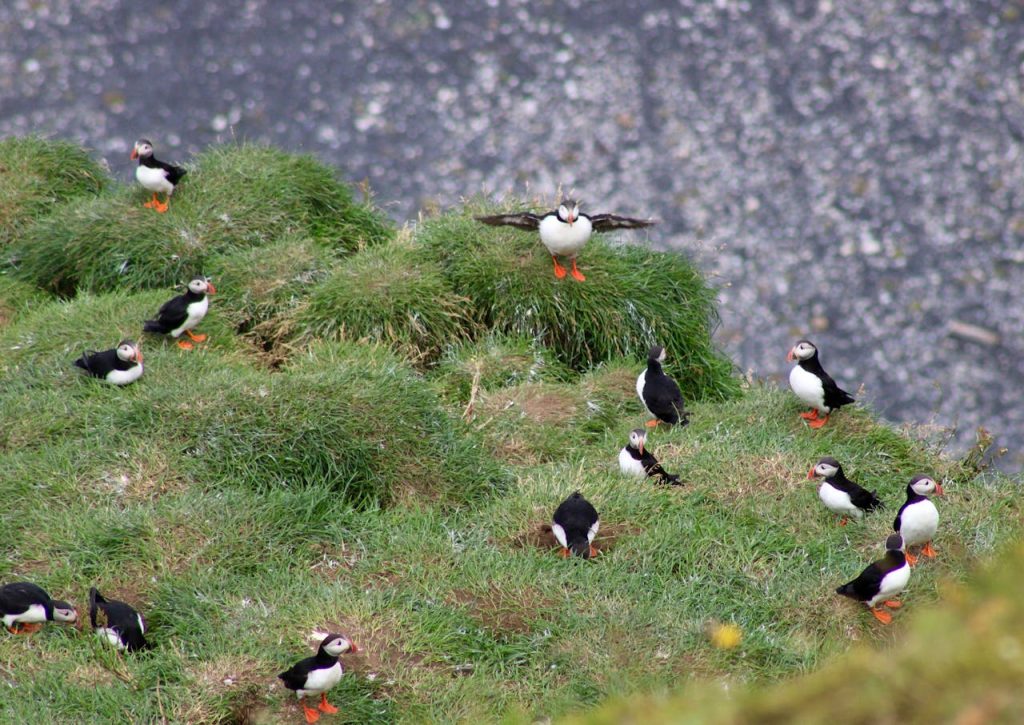
U.S. Fish and Wildlife highlights a key difference between many beach nesters and solitary ground nesters: colony scale. Least terns and black skimmers may nest in groups of hundreds or even thousands, and when a person or predator pushes too close, multiple adults can respond at once in coordinated dive passes.
Because these nests sit out in the open, there is no hedge or branch line to hide behind. Group defense is the advantage. The same agency notes that this high-alert behavior is tied to breeding investment, not temperament. The warning is practical: distance is the easiest way to lower pressure for birds and people alike.
Canada Geese Guard the Nest as a Pair
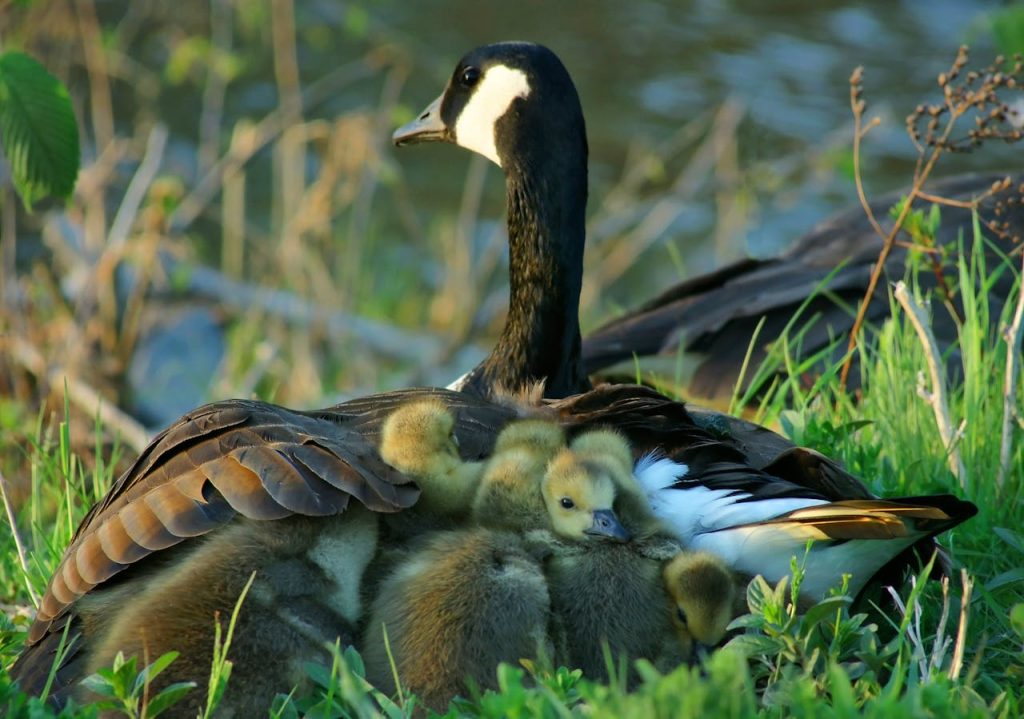
Canada Goose nest defense looks different from aerial species, but the structure is just as clear. Mass Audubon notes the female chooses a slightly elevated site near water and incubates a clutch of four to seven eggs, while the male stands guard and may become forceful in defense if the nest is threatened.
Once goslings hatch, usually after about 25 to 28 days, they can walk, swim, and feed almost immediately. That early mobility helps families leave risky nest zones fast, but the protective perimeter remains. In parks and retention ponds, conflict usually starts when people treat that perimeter as scenery instead of a boundary.
Australian Magpie Defends Seasonally, Not Constantly
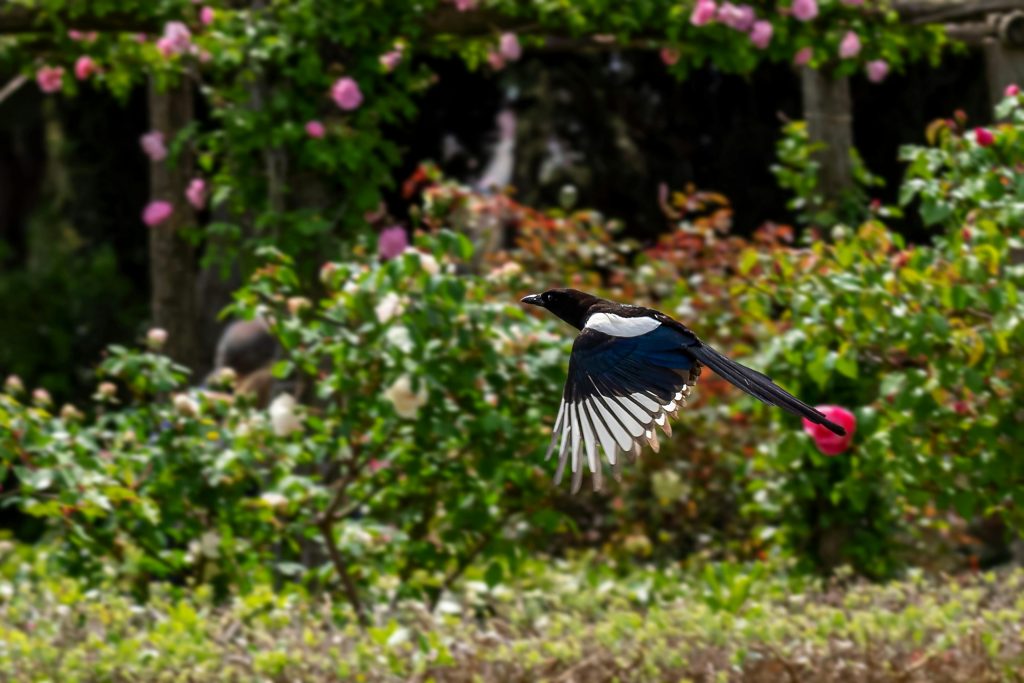
In Australia, swooping headlines can make magpie season sound constant, but official guidance is more specific. Queensland lists the main swooping period in spring, roughly August to November, and frames it as territorial defense of eggs and chicks during breeding, not random hostility toward people.
A Queensland local-government guide adds useful scale: only a small percentage of birds, and for magpies often under 10%, swoop humans, usually within about 150 meters of a nest. That detail reframes the behavior. Most birds are not looking for conflict. They are managing a brief, high-stakes window in one small patch of space.
Masked Lapwing Chooses Open Ground and Holds It
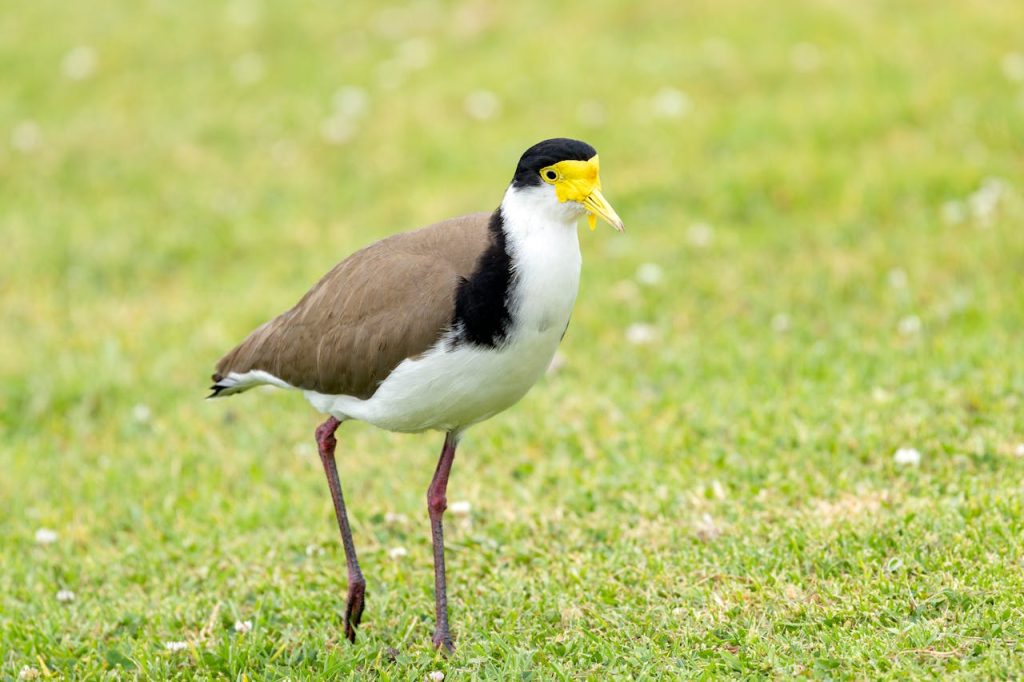
Masked Lapwings, often called plovers, turn lawns, sports fields, and flat rooftops into nesting sites, which puts defense behavior close to daily foot traffic. Victoria’s wildlife guidance says they nest on the ground or flat roofs and may swoop to protect eggs or young, with breeding often running July to November.
Queensland guidance echoes the same pattern: these birds are visible, vocal, and willing to challenge intruders near nests, especially after chicks hatch. In practical terms, open habitat gives people a clear line of sight, but it gives lapwings an equally clear line to respond when boundaries are crossed.
Seen clearly, nest defense reads less like temperament and more like care under pressure. The same birds that sing at dawn can become exact, assertive guardians for a few critical weeks, then settle back into routine once chicks are mobile and risk falls. In that arc, the season reveals something simple and durable: vigilance is one form of devotion.
When nests are on the line, birds switch from song to strategy, showing defense as precision work shaped by season and local risk.