

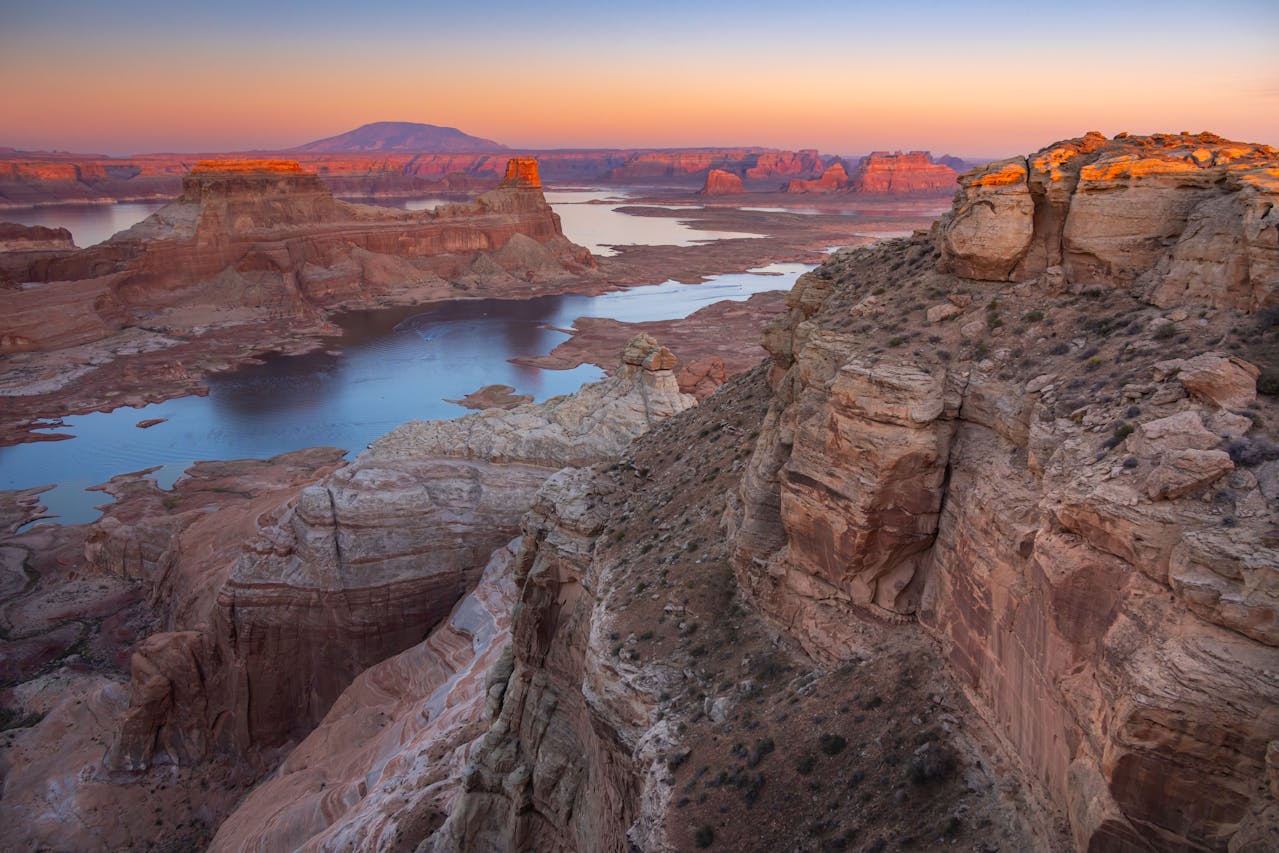
Lake Powell enters 2026 under tighter boating rules shaped by one persistent threat: quagga mussels moving on hulls, anchors, and hidden water systems. Arizona and Utah agencies, working with Glen Canyon staff, now treat every ramp exit as a containment checkpoint with legal and ecological stakes. Updated local program terms, seal-based tracking, dry-time schedules, and clearer decontamination pathways have shifted the season’s rhythm. What once felt like routine trailer traffic now doubles as frontline prevention for the broader Colorado River region.
Arizona Updates Its Local Boater Program for 2026
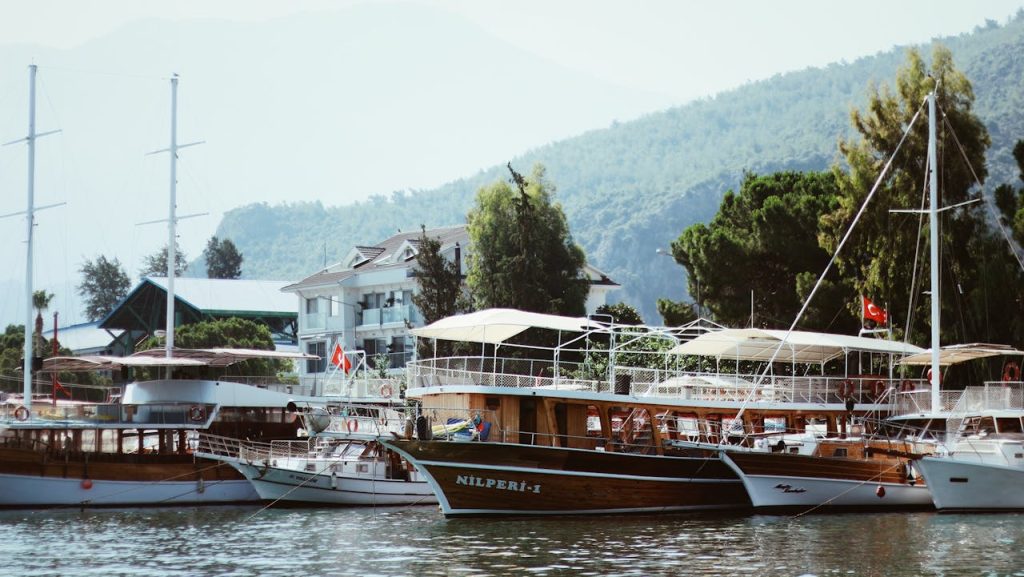
Arizona’s Lake Powell Local Boat Program enters 2026 with updated conditions posted in the registration flow, signaling that repeat participants must review new terms before assuming eligibility. The program helps ramp staff identify qualifying stored vessels and move them through faster exit checks when documentation is complete.
Eligibility still focuses on boats stored within 25 highway miles of Wahweap launch ramp. Arizona Game and Fish directs applicants to register online, upload required records, and follow revised conditions before launch planning, rather than relying on prior-year habits or dockside hearsay.
Utah Frames Lake Powell as the Core Mussel Risk Zone
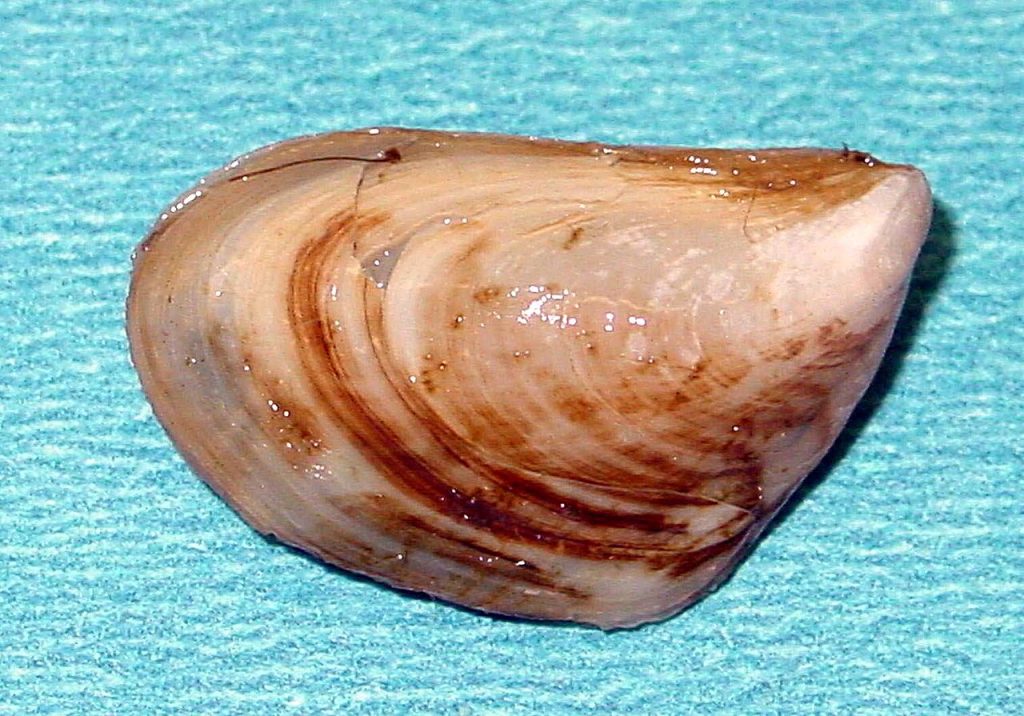
Utah’s guidance keeps the risk description blunt: Lake Powell remains the state’s only waterbody infested with quagga mussels, and technicians report attached mussels on anchors, sea strainers, and hull surfaces. That field evidence explains why 2026 messaging is stricter, even when inspection lanes slow weekends and test patience at the ramp.
Officials also emphasize what is at stake beyond recreation. Quagga mussels can clog water delivery lines, foul engine cooling systems, and reduce plankton that fish rely on, turning one missed containment step into a wider infrastructure and habitat problem for downstream communities.
Clean Drain Dry Is Now Enforced as a Full Exit Process
The core sequence is unchanged, but enforcement language is firmer this season. Arizona requires boaters leaving listed waters to remove mud, plants, and mussels from vessel and trailer surfaces, then drain bilges, live wells, ballast tanks, and lower engine units before transport to another destination or storage site.
Arizona also states that if a watercraft stayed on listed waters for six or more consecutive days, owners must complete decontamination and meet desiccation windows before relaunch. The posted schedule is 18 days from Nov. through April and seven days from May through October under current statewide movement orders.
Inspection Stops and Drain Plug Rules Shape Every Departure
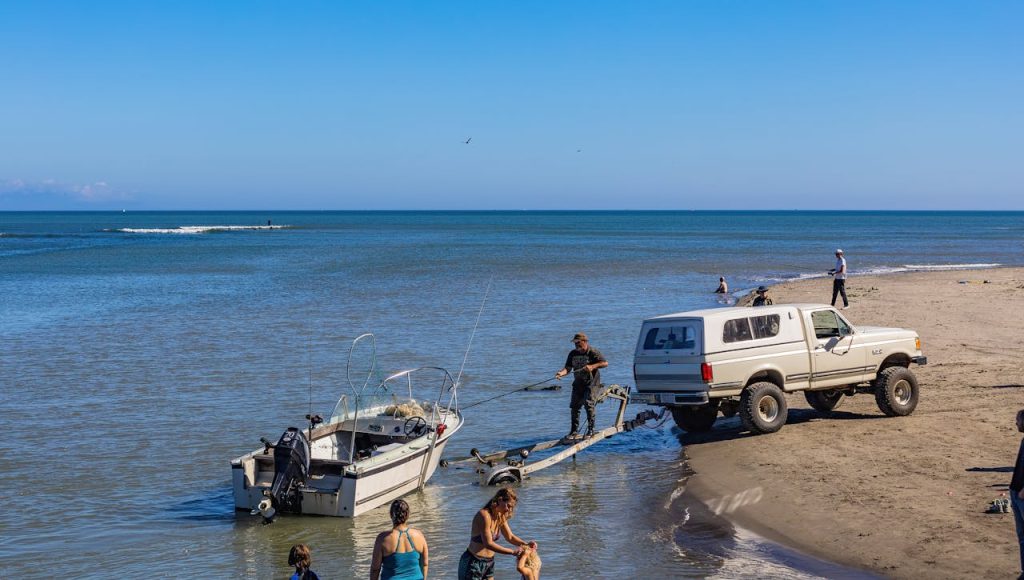
Inspection lines at Lake Powell are now part of the containment system, not a minor pre-departure inconvenience. Utah warns that weekend waits can exceed an hour because crews are actively detecting mussels in hidden compartments and confirming drain status before boats leave the launch corridor.
Utah law also requires all drain plugs to be removed and kept out during transport, and it requires all watercraft users to stop at inspection stations when those stations are open, including checkpoints near ramps and along state highways. That structure links on-water recreation to road-based compliance in one continuous chain.
Seal and Receipt Tracking Adds Trip-to-Trip Accountability
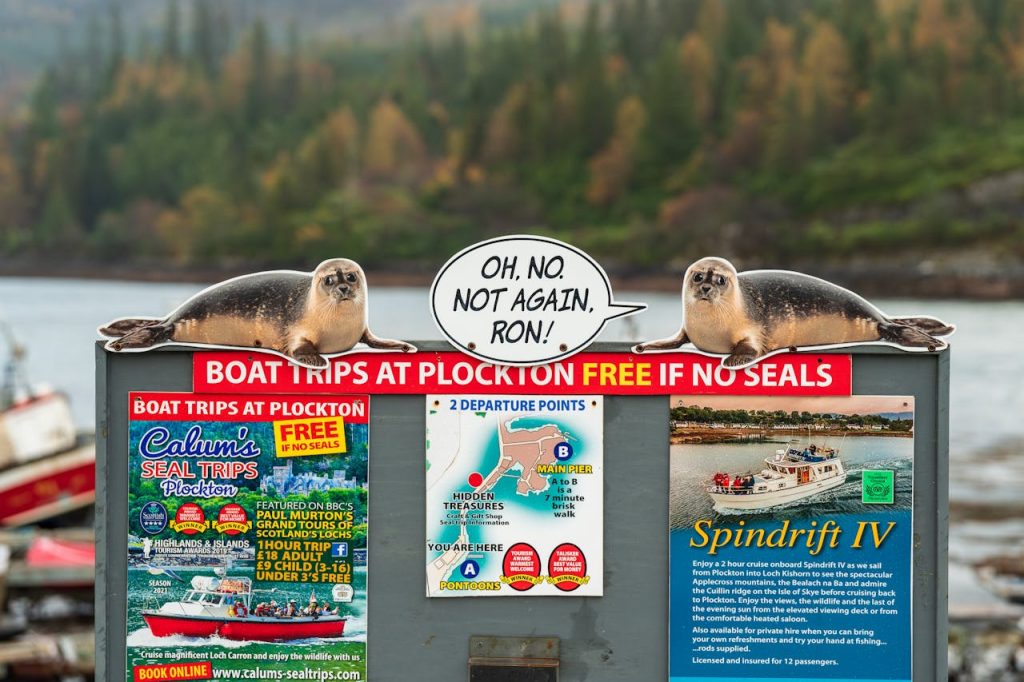
Utah’s seal-and-receipt workflow gives each departure a traceable record that follows the boat beyond the marina. After inspection, technicians apply a plastic seal and issue paperwork that can be presented at the next waterbody, helping staff verify compliance quickly and reduce repeated uncertainty at entry points.
State guidance also says it is illegal to remove a seal before required dry time is met, except when removal is necessary for maintenance. In practice, that turns compliance from a single ramp moment into a trip-by-trip accountability system that supports faster decisions at future launches and inspection checkpoints.
Dry-Time Calendars Now Drive Real-World Boating Schedules
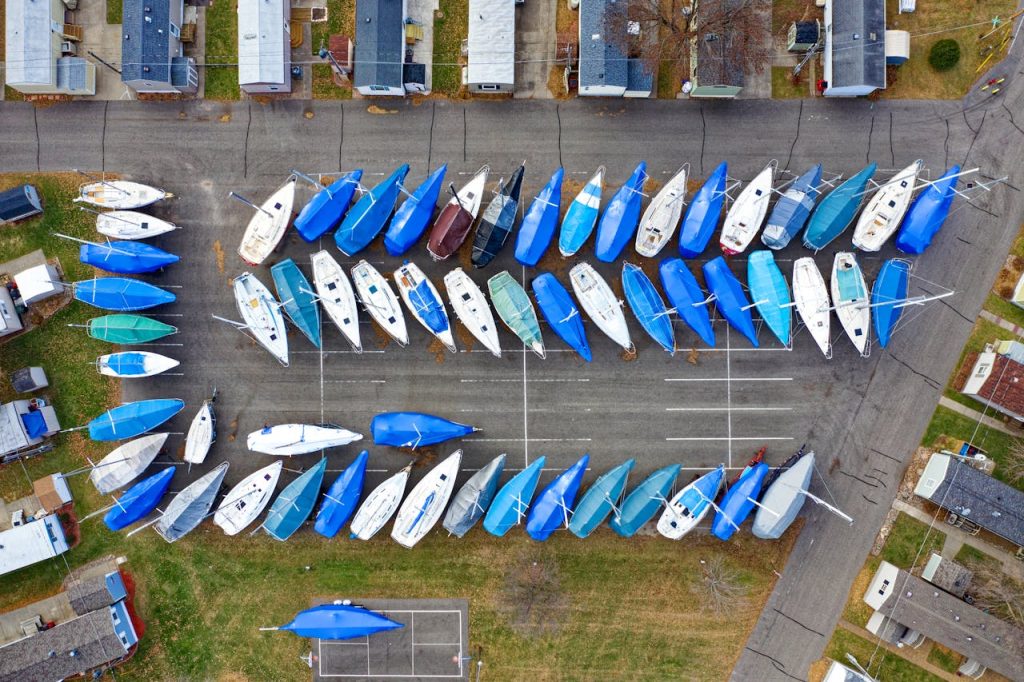
Dry-time calendars now shape boating plans almost as much as weather and fuel costs. Utah’s self-certification schedule sets seven days in summer, 18 days in spring and fall, and 30 days in winter, while complex boats are generally held to a 30-day dry time in every season unless professionally decontaminated.
Those windows are not trivia. They influence marina turnover, weekend scheduling, resale timing, and multistate routes, especially when owners plan to relaunch soon after leaving Lake Powell and must meet another jurisdiction’s invasive-species movement rules without costly delays, citations, or last-minute rerouting.
Hot-Water Decontamination Remains the Fastest Technical Path
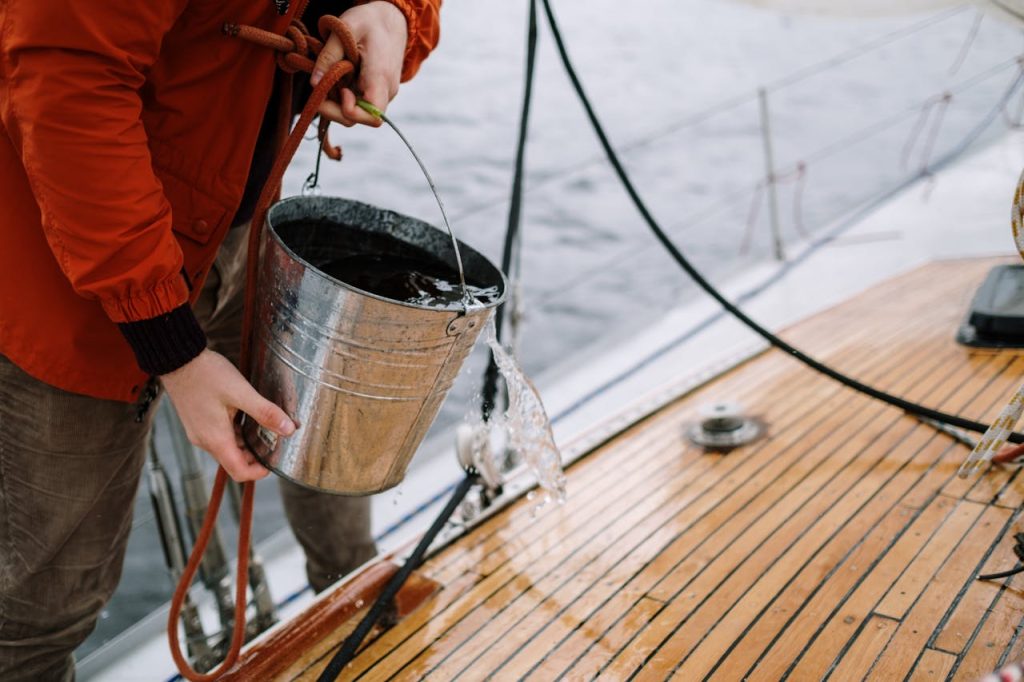
For vessels that cannot wait out dry time, professional hot-water treatment becomes the operational gateway. Glen Canyon guidance explains that certified decontaminators flush 140°F water through critical systems to kill mussels that may survive ordinary draining, short dry periods, or basic surface rinsing.
The National Park Service says decontamination support at Lake Powell is coordinated with Utah DWR and Arizona Game and Fish, with station coverage at Wahweap, Bullfrog, and Halls Crossing. Boats with attached mussels can be routed to certified private providers when on-site courtesy service is not the right pathway.
Cross-Border Rules Matter on a Shared Reservoir
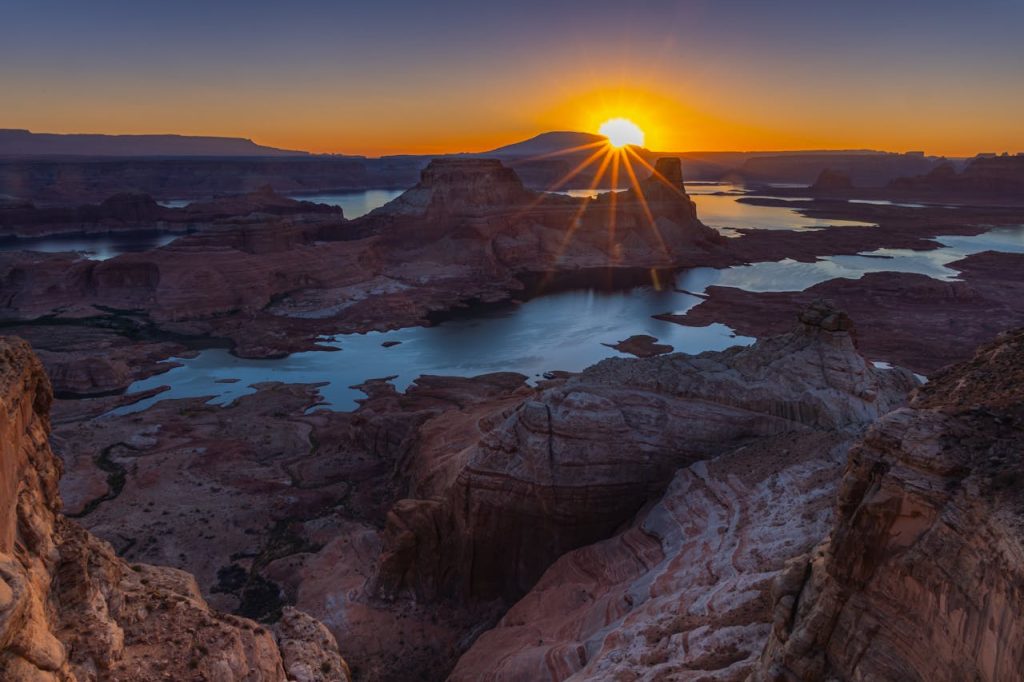
Lake Powell operates under overlapping state and federal frameworks, and 2026 rules reflect that layered reality. Utah requires annual mussel-aware education for all boaters and AIS enrollment with fees for motorized vessels used in Utah waters, including boats stored at Arizona marinas once they cross into Utah.
Utah also states that the Lake Powell Bullfrog local boater program has been discontinued. For boats docked in Arizona, officials direct owners to Arizona’s local program while maintaining Utah requirements whenever those vessels operate on the Utah side of the reservoir or relaunch at Utah access points there.
2025 Inspection Data Explains the Tougher 2026 Tone
Recent enforcement totals explain why agencies are pressing harder on details this year. Utah reports 288,554 inspections and 6,509 decontaminations statewide since Jan. 1, 2025, including 51,337 inspections and 1,886 decontaminations in the Lake Powell area across multiagency operations.
The same update identifies common violations: skipped education courses, unpaid enrollment fees for motorized boats, missed inspection stops, and drain plugs left in during transport. Officials frame these as preventable behavior gaps, then build 2026 messaging around clear steps that reduce confusion before a boat reaches the next launch ramp.
By season’s end, the tighter routine asks for more patience, but it also reflects a shared ethic around a hard-working reservoir. Every verified exit, documented inspection, and completed dry-time cycle protects boating access, infrastructure, and the living systems that support both states. The rules may feel strict in the moment, yet they carry a long-view promise: fewer infestations, fewer closures, and steadier water recreation across the region.