

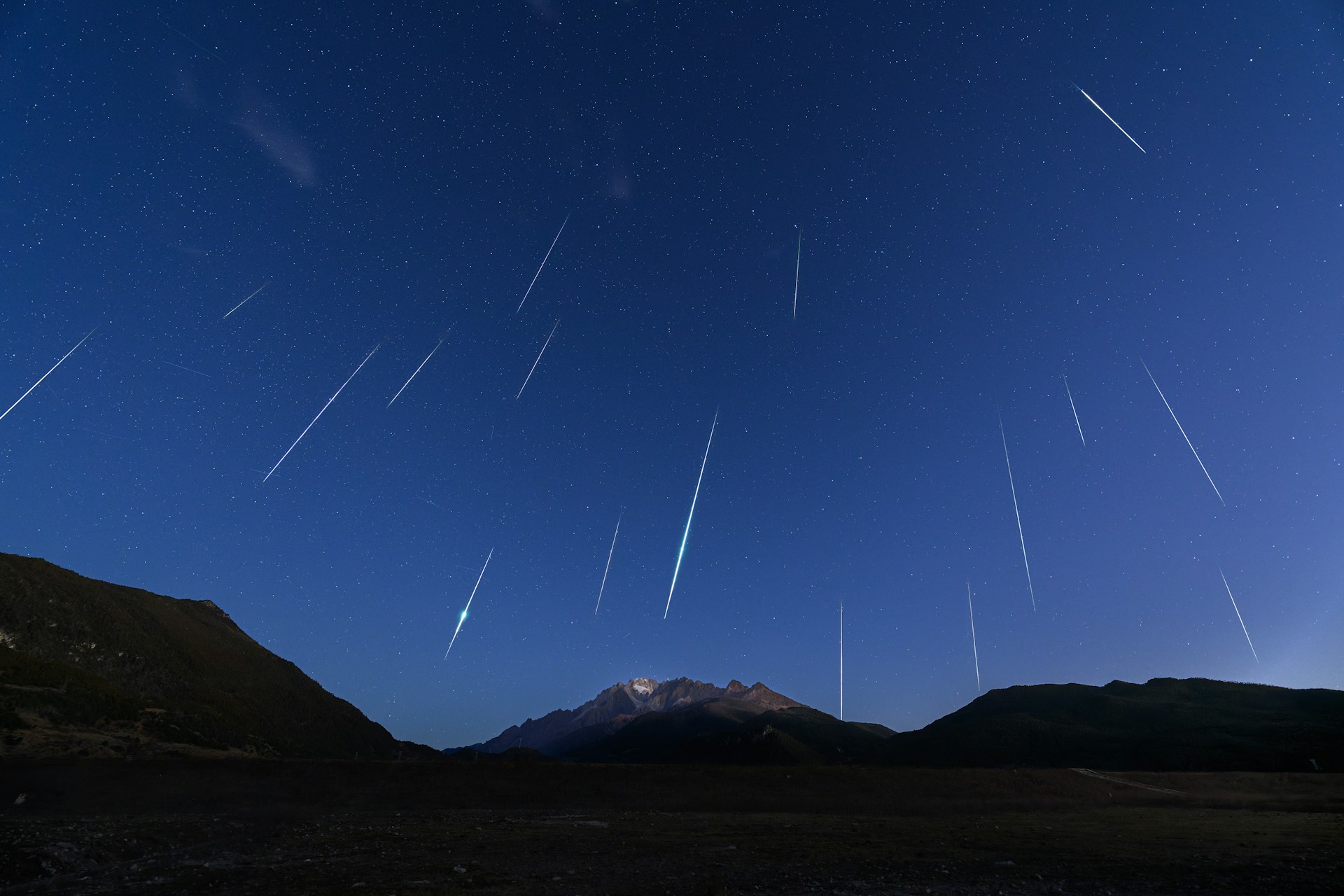
Meteor showers sound simple, yet plenty of good viewing nights get spoiled by myths that make people rush, overpack, or stare at the wrong thing.
Most disappointment starts before the first meteor appears, because a weak setup can flatten a strong shower into something that feels oddly empty.
The sky is rarely the main problem, even though frustrated viewers often blame the forecast before they question their own habits.
A great shower usually gets ruined by familiar things: city glow, cold legs, bright screens, stiff posture, and expectations borrowed from flashy videos.
A great meteor shower does not ask much from you, but it does punish impatience and poor viewing habits more than people expect.
It asks for darkness, patience, comfort, and enough self-control to stop checking your phone every few minutes and resetting your night vision.
Once those basics are in place, the whole experience changes, and the night starts rewarding you in quieter and richer ways.
What seemed random and underwhelming starts to feel rich, quiet, and surprisingly generous, even when the meteors arrive in uneven bursts.
Expecting A Constant Show
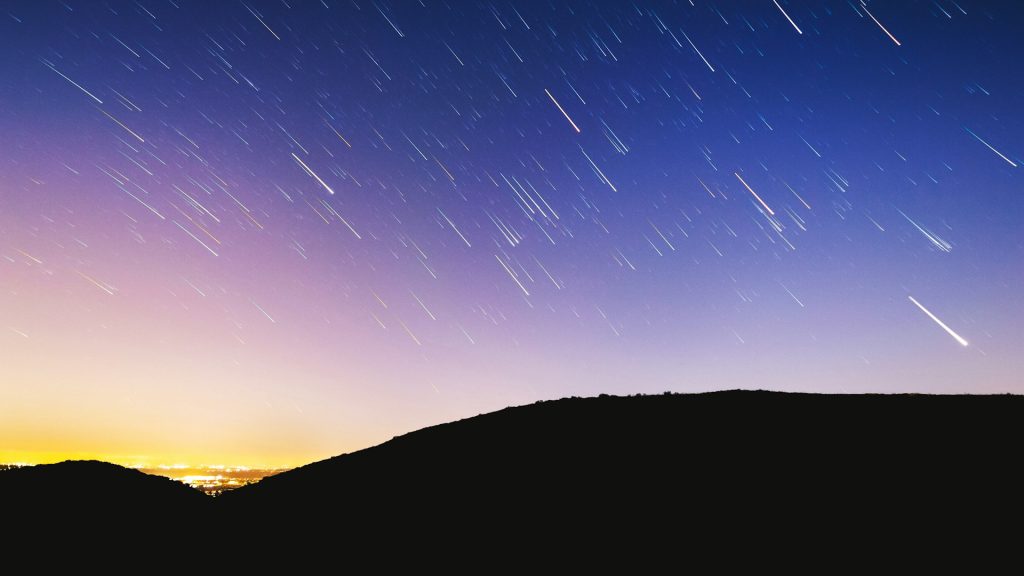
Many people show up expecting a nonstop sky full of streaks, as if every meteor shower should look like a fireworks finale from start to finish.
Real showers come in waves. A quiet spell does not mean the shower has failed, only that the sky is moving at its own pace.
Those pauses are normal, and they matter far less than impatient viewers usually assume when the first burst does not come quickly.
The viewers who stay relaxed through the slow patches usually get rewarded. They are the ones who catch the bright trails people talk about later.
Thinking Any Sky Will Do
Light pollution wipes out far more meteors than most first-time viewers realize, even when the shower itself is active above them.
A few bright streaks may still break through, but the fainter meteors vanish into the glow and make the whole event seem weaker than it is.
Darkness does not improve the view a little. It changes the scale, texture, and rhythm of what your eyes can actually pick up overhead.
A short drive away from stores, intersections, porch lights, and parking lots can turn a flat sky into one that feels layered and alive.
Higher ground is not always the smarter choice, especially when that scenic overlook is soaked in glare from roads, signs, and nearby buildings.
A scenic overlook loses its magic fast if headlights, signs, and nearby buildings keep your eyes fighting brightness the entire time.
Moonlight can create a similar problem, especially when the Moon is bright enough to wash faint trails out of the sky.
People often blame the shower when the real issue is simple: the sky never got dark enough for the subtle meteors to show up well.
Giving Up Too Fast
Five minutes is not enough time to judge a meteor shower, yet plenty of people decide too early that the night is a waste of effort.
Your eyes need time to adapt, and each glance at a bright screen pulls them backward and reduces what you can actually detect overhead.
Dark adaptation is not a bonus feature. It is one of the main reasons experienced viewers can spot much more than rushed beginners do.
Once your vision settles, faint trails begin to appear where the sky looked empty at the start, even though those meteors were always there.
That delay confuses a lot of beginners, especially when they are expecting the shower to impress them instantly after stepping outside.
They assume the shower suddenly improved later, when the real change was that their eyes finally caught up with the darkness around them.
If you want a fair view, stay put, stay patient, and give the night enough time to reveal what quick viewers almost always miss.
Bringing The Wrong Gear
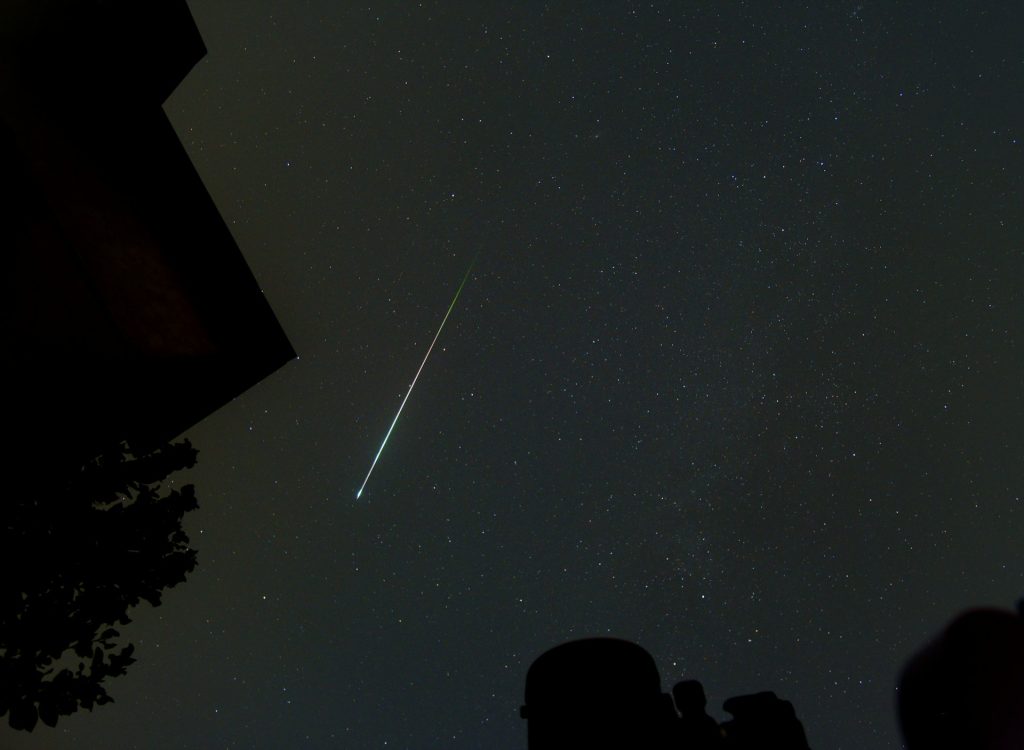
Meteor showers make people overpack, as if a smarter bag of equipment will somehow force the sky to perform better.
For this kind of event, too much gear often becomes a distraction. You start adjusting things instead of simply watching the sky.
A telescope is great for planets, the Moon, and some deep-sky targets, but meteor showers ask for width rather than magnification.
It is a poor tool for meteors because its narrow field makes fast, wide motion much harder to catch in real time.
Your own eyes, a reclining chair, and an open patch of sky will usually beat fancy optics on a meteor-shower night.
Staring At The Radiant
People hear about the radiant and assume that is the one place they should stare at for the entire shower.
The radiant matters for understanding the event, but the longest and most dramatic streaks often show up farther away from that point.
A fixed stare can make you miss the most satisfying part of the display, which often unfolds away from the labeled origin point.
Meteor watching works better when your gaze stays broad and easy instead of pinned to one exact spot for too long.
Peripheral vision helps more than many people expect, because motion at the edge of sight is often your first clue that a meteor flashed.
A softer gaze lets you catch motion at the edge of sight, which is often how the best meteors first announce themselves.
Ignoring Comfort And Conditions
A lot of viewers treat discomfort like part of the tradition, then wonder why their patience disappears long before the best part of the shower.
Cold legs can ruin focus fast. Wet grass and a stiff neck do the same, turning a decent night into a slow test of irritation.
Comfort is not optional here; it is part of the setup, and it directly affects how long you stay outside and how much you see.
Warm layers matter, and so does a chair that lets you lean back. When your body settles, your attention finally stays on the sky.
Letting Screens Control The Night
Phones sabotage meteor watching faster than most people think, because one bright screen can undo minutes of careful dark adaptation.
Even a quick message check can make the sky look emptier, harsher, and less active than it really is when your eyes were fully adjusted.
If you must use a device, keep it dim, keep it brief, and resist the urge to let the screen control the pace of the night.
The Setup That Wins
The setup that wins is almost boring in its simplicity, which is exactly why it works so reliably.
Pick the darkest safe spot you can reach. Bring warm layers, water, and something that lets you recline without straining your neck.
Then give your eyes at least twenty minutes, keep screens away, and stop demanding instant drama from every quiet minute overhead.
When comfort, darkness, and patience work together, the whole shower changes. The sky stops feeling random and starts feeling quietly spectacular.