

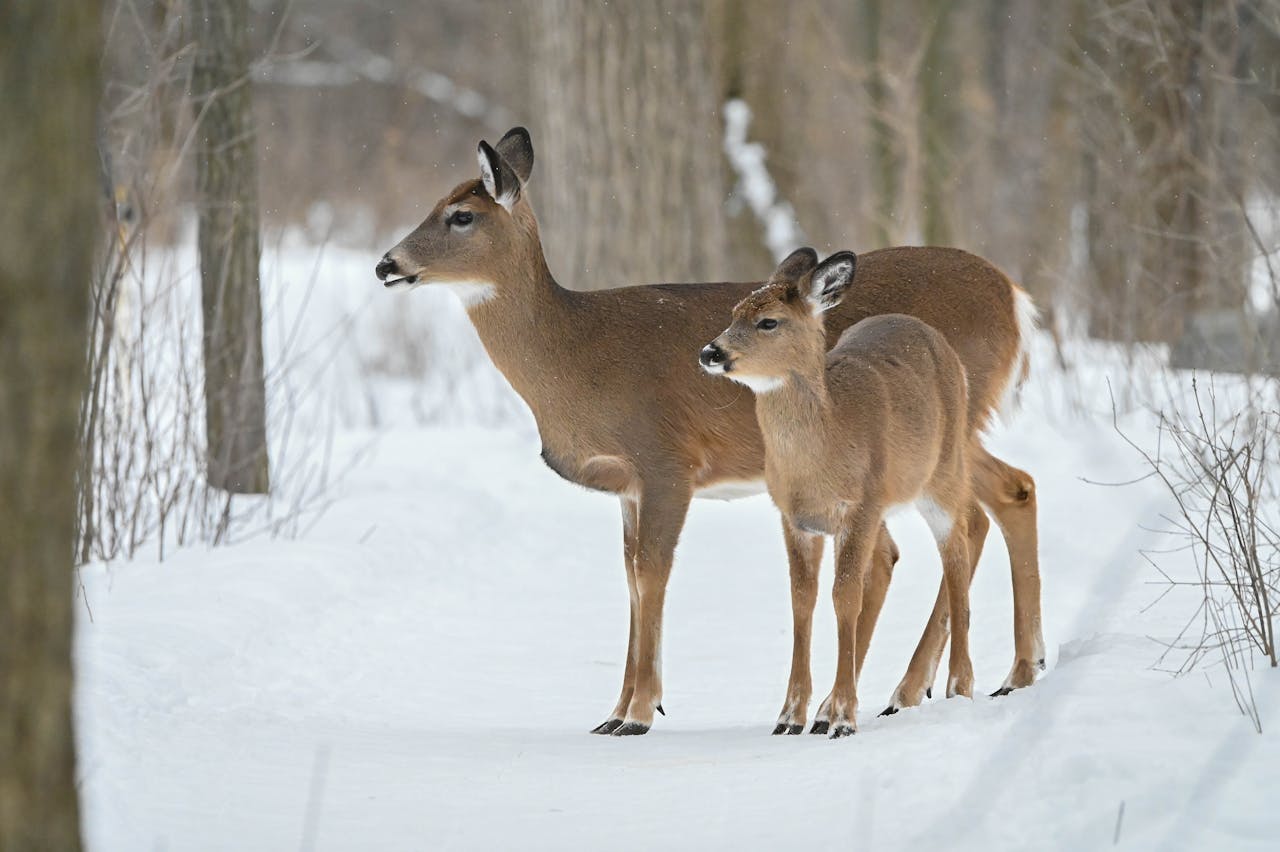
On freezing mornings, concern for deer can make a yard of corn feel generous and urgent. Wildlife officials across multiple states continue to deliver a tougher message: winter feeding often causes hidden damage before spring reveals the cost. Deer survive cold months through reduced movement, sheltered habitat, and a specialized digestive rhythm built for sparse woody browse. When people introduce concentrated food, risk can spread from rumen stress to roadside collisions and disease transmission, changing an act of care into a preventable source of harm for animals and communities. That is why agencies urge restraint.
Winter Biology Is Built for Scarcity
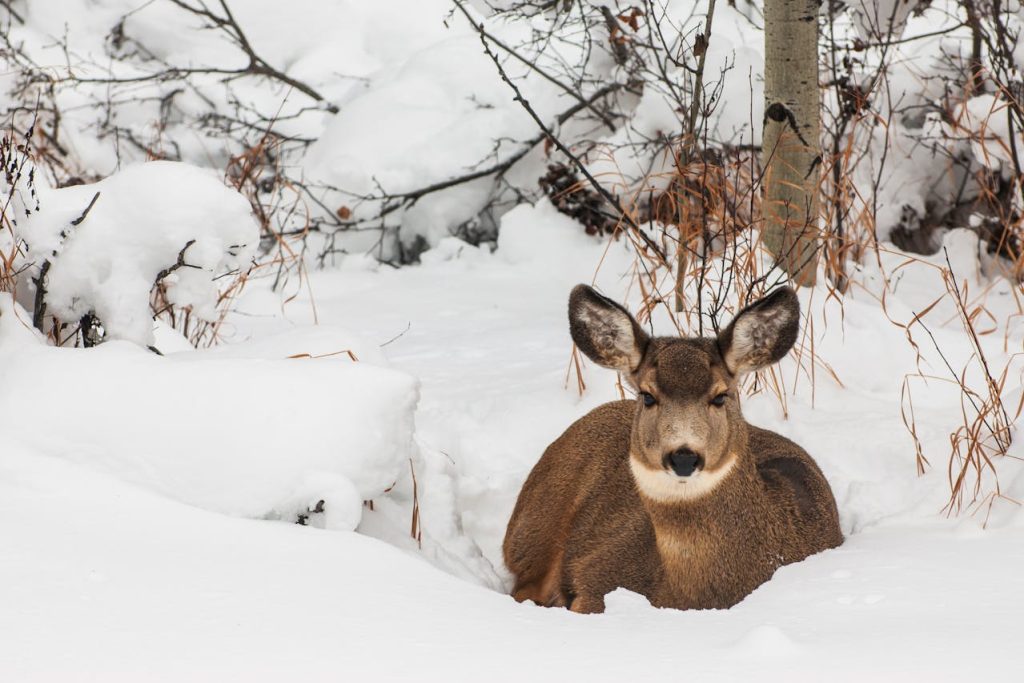
In deep winter, deer do not operate like they do in spring. State biologists explain that they lower activity, conserve energy, and rely on fat and woody browse while using sheltered yards to reduce wind exposure. What appears to be inactivity is often a survival strategy already in motion not a signal that people must intervene at once.
That is why agencies caution against emergency feeding as a first response to snow and cold. New Hampshire Fish and Game notes that sudden supplemental feeding is usually unnecessary and can interrupt normal movement patterns that help deer survive long stretches of severe weather with less stress.
Sudden Grain Can Damage the Rumen
A deer can eat corn and still be in trouble. Wildlife agencies in New Hampshire and Maine explain that winter digestion depends on microbes adapted to high-fiber browse, and abrupt high-starch foods can destabilize that system. The result can be acidosis, poor nutrient use, and dangerous decline even when food is present.
Maine’s winter feeding guidance adds that an acidic rumen environment can destroy beneficial microorganisms and leave deer unable to process what they consume. In plain terms, full stomachs do not always mean fed bodies during winter stress and sudden diet shifts can trigger cascading setbacks that last for weeks.
A New Hampshire Incident Still Guides Warnings
Officials often return to one specific case because it removed any doubt about consequences. New Hampshire Fish and Game reports that in 2015, 12 deer were found dead around a South Hampton feed site after they were given food they could not digest. The lesson has remained central to public messaging ever since for a reason.
The point is not public blame. It is biological timing. Agencies frame the incident as a reminder that good intentions can fail quickly when winter diets shift too fast for rumen microbes to adapt, especially during prolonged cold and deep snow periods when deer are already operating near metabolic limits.
Feed Sites Raise Collision Risk Near Homes
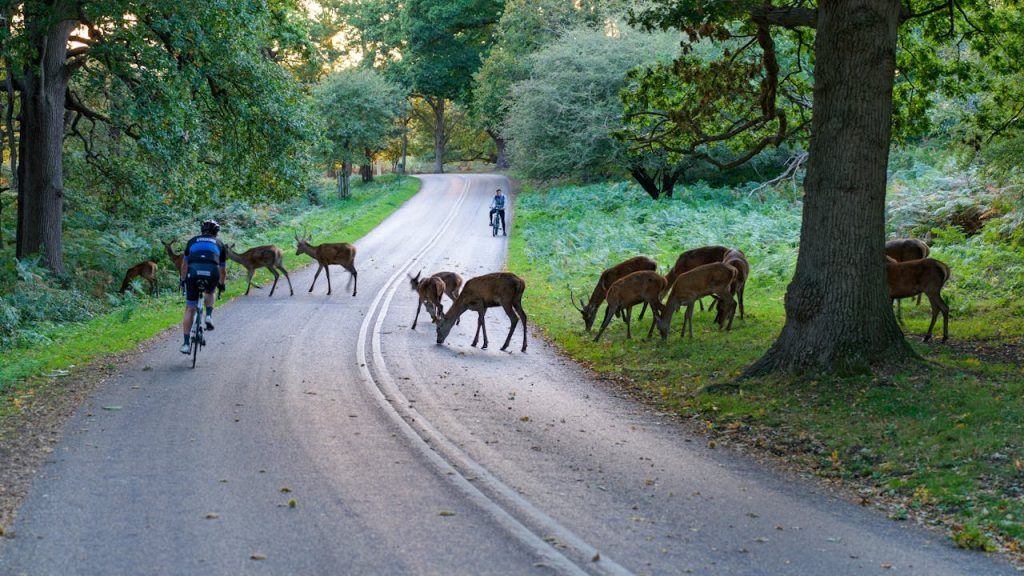
Winter feeding changes where deer travel and when they move. New Hampshire officials warn that supplemental feeding is linked to higher vehicle collision risk, while Washington wildlife staff note that artificial feed pulls animals into concentrated paths where repeated crossings become more likely, especially around dusk.
Once deer learn a reliable food location, movement often narrows around roads, driveways and neighborhood edges. That creates more conflict points for drivers and wildlife alike. In this context, traffic safety begins before a car is on the road, with the decision to avoid concentrated feeding in the first place.
Concentrating Deer Increases Disease Pressure
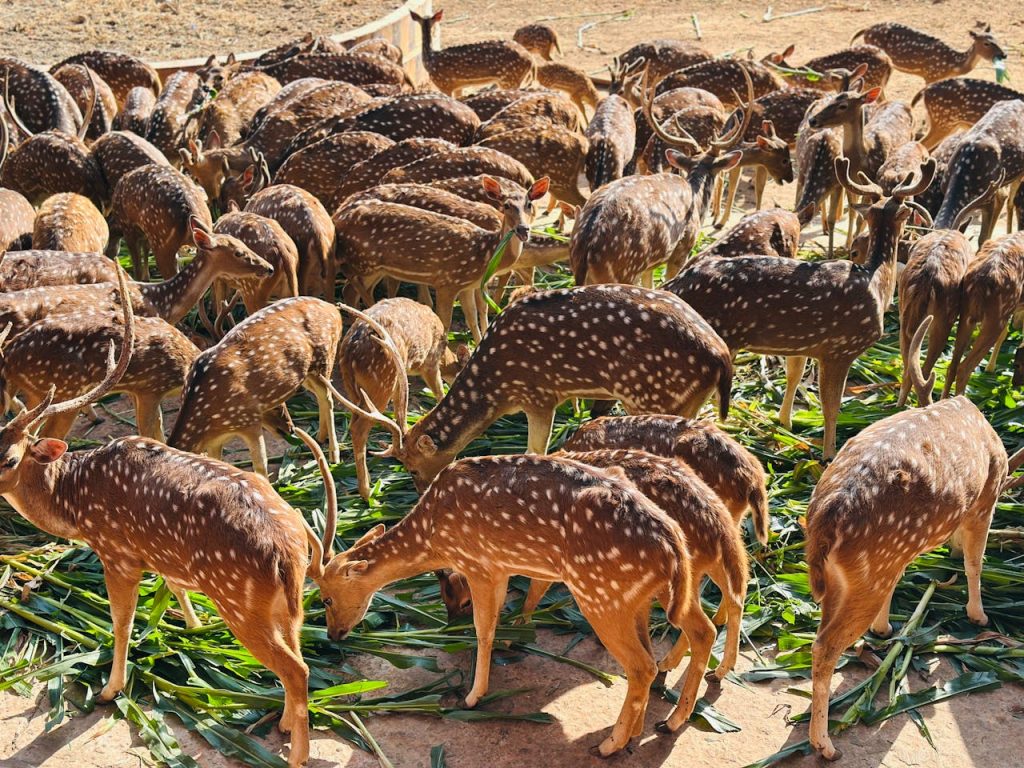
Disease control is one of the strongest arguments against winter feeding. Colorado Parks and Wildlife and Washington officials both note that feed sites crowd cervids into close contact, increasing saliva and fecal exposure at shared ground points where pathogens can move more easily across animals in a short time.
CDC guidance adds broader context: chronic wasting disease has been reported in wild deer in 36 U.S. states, and once CWD prions enter an area, they can remain in soil for years. Concentration does not create every disease event, but it can amplify transmission conditions in ways managers now treat as avoidable.
Rules Are Tightening Across States
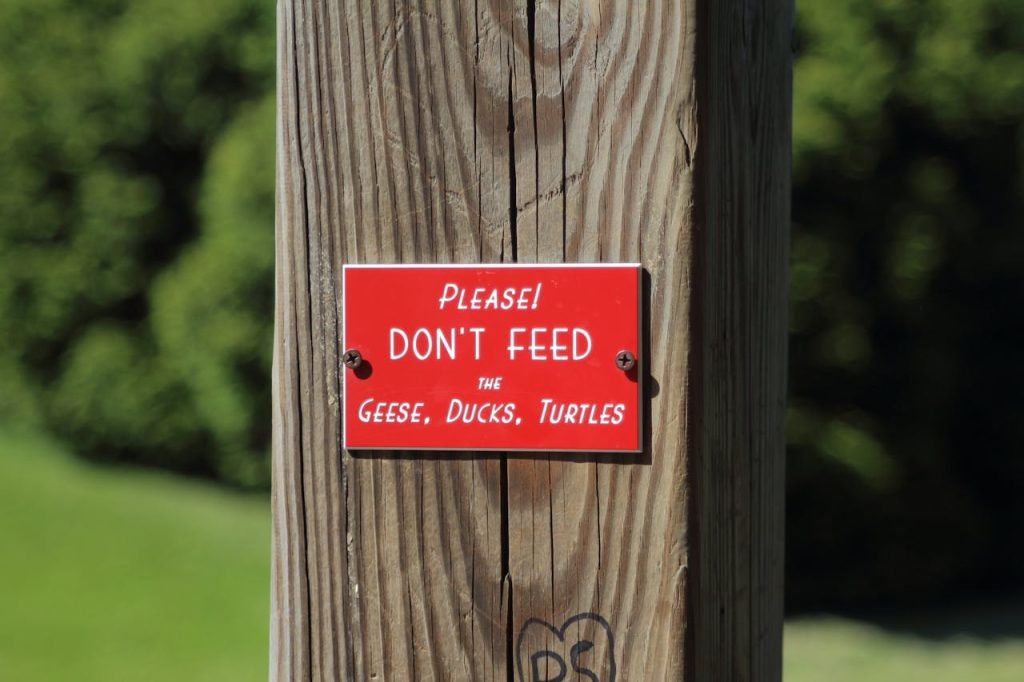
Public policy is increasingly matching wildlife science. Washington’s rule effective May 17, 2025, makes it illegal to feed deer, elk, and moose statewide, including feeding other wildlife if it causes those species to congregate. Colorado law also prohibits intentional feeding of deer and several other large mammals.
Wisconsin and Michigan use CWD-focused restrictions with county and regional feeding or baiting bans tied to detections. The legal details vary, but the core pattern is consistent: agencies are moving from advice alone to enforceable limits where concentration risk, disease spread, and public safety concerns overlap.
Better Help Starts Before Winter Peaks
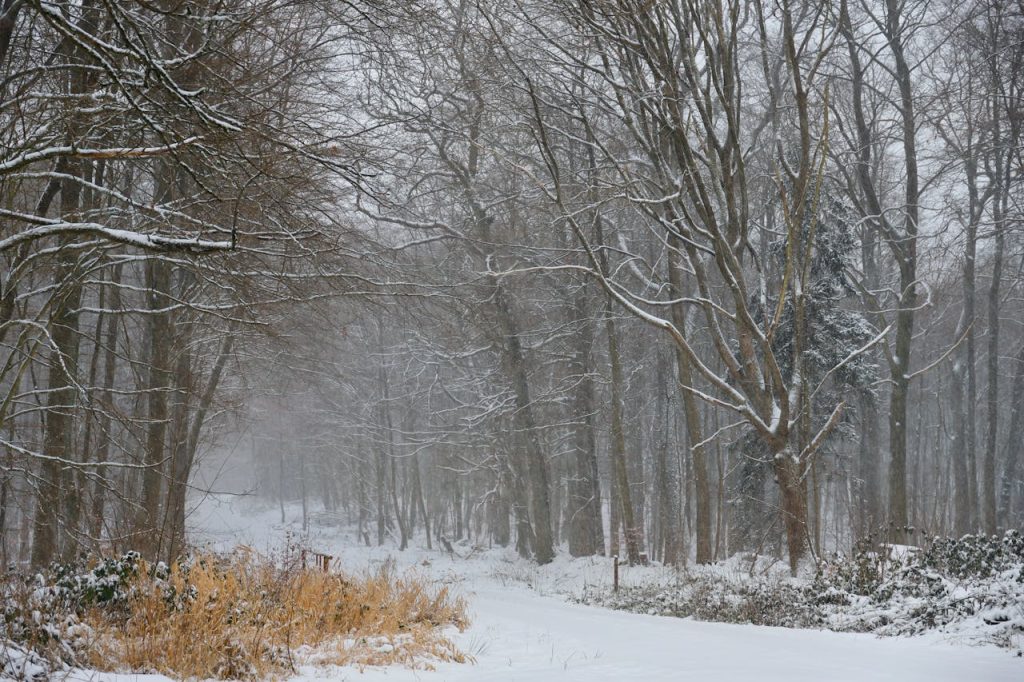
Wildlife managers are clear that care is still possible, but it should be preventive, not improvised. They emphasize protecting wintering habitat, preserving deer yards, limiting disturbance during severe weather, and reducing attractants near roads and homes where conflict risk rises in low-light months.
When emergency response is truly needed, agencies use controlled methods with gradual transitions and oversight rather than casual backyard handouts. The practical message stays steady across states: long-term habitat work and safer human behavior protect more deer than short bursts of supplemental feeding after storms arrive.
Compassion Works Best When It Follows Ecology
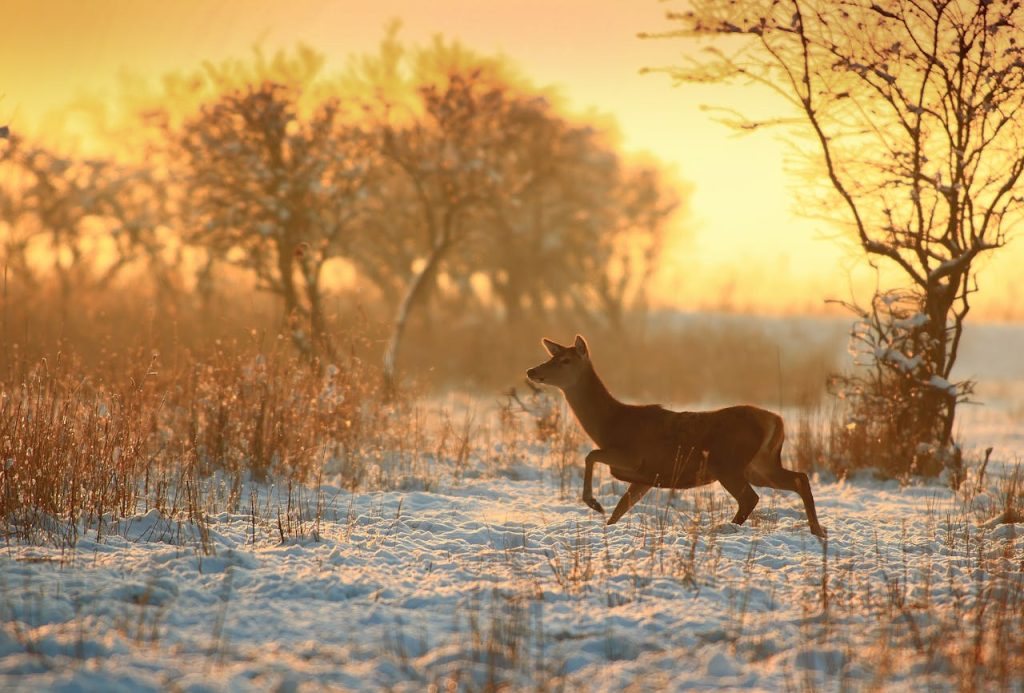
Winter concern for deer reflects real empathy, and agencies acknowledge that instinct. The challenge is translating concern into actions that align with animal biology, roadway safety, and disease prevention. Feeding can feel immediate, but it often shifts risk into places people do not see right away.
Communities that avoid feeding and support habitat protection tend to reduce conflict while keeping wildlife behavior more natural. In that balance, care becomes steadier and more effective: fewer preventable losses, fewer dangerous crossings, and healthier herds moving through winter on the terms their bodies are built to handle.
In places where winter feels unforgiving, compassion remains a strength. The most durable form of that compassion is informed restraint, habitat stewardship, and choices that reduce hidden risk. When those choices guide a community, deer enter spring with better odds, roads become safer at dusk, and concern turns into care that truly protects what it hopes to save.