

Winter still feels close, yet spring planning has started in earnest. The Old Farmer’s Almanac outlook, shared via Better Homes & Gardens, leans warmer than average for many regions, but it also flags places where warmth arrives in patches, not all at once.
A dry April, a wet May, or a cooler pocket in the West can make the season feel late even when the seasonal average reads warm. The real tell is week-to-week momentum: softer mornings, workable soil, and rain that lands gently instead of washing plans away. In short, “spring warmth” may show up later than hoped, even as daytime highs hint at it. That mismatch is the warning.
Why “Warm” Can Still Feel Late
The Almanac’s outlook skews warm across much of the United States, which can read like an early spring. But a warm season can still feel late when nights stay cold enough to threaten tender starts, and when wind and low humidity pull moisture out of soil before roots settle.
Rain timing is the other spoiler. A drier-than-usual month can slow germination and raise watering needs, while a wetter turn can keep ground too soggy to work and push planting back. What this really means is that spring arrives in steps, and the first comfortable week is not always the first warm forecast. That gap is where expectations break, often.
Northeast Warms Up, but Stays Thirsty
In the Northeast, the Almanac calls for a warmer-than-usual spring, paired with below-average rainfall and no snow in the seasonal outlook. That mix can feel pleasant on paper, yet it carries a familiar tension: early buds and blooms can wake up fast while the ground dries out.
The Atlantic Corridor is also flagged for warmer weather, with May rainfall closer to normal, which may arrive just as early plantings need it most. Until then, sunny days can be deceptive. Warm afternoons can mask chilly dawns, and the region can swing between patio weather and coat weather in the same week, stretching the sense of waiting out.
Appalachians Get Warmth, but Rain Splits
The Appalachians get a more complicated spring signal. The Almanac still leans warm, but rainfall splits by location: the Appalachians tied to the Northeast are expected to be drier than normal, while the southern Appalachians are anticipated to see higher-than-usual rainfall.
That split shapes daily life. Drier stretches can make streams run low and keep pollen hanging in the air, while the wetter southern pattern can mean slick trails, foggy mornings, and sudden afternoon downpours. Even with warm averages, a rain-soaked week can slow the season’s feel, especially in higher elevations. It is warmth with a brake pedal.
Eastern Upper Midwest Stays Cool and Dry

In the eastern part of the Upper Midwest, the Almanac points to a cooler-than-usual spring, and it also expects conditions to run drier than normal. Cooler air slows green-up, and dry ground can harden fast, leaving lawns, fields, and roadside ditches looking stuck between seasons.
This is the kind of pattern that makes spring feel postponed. A few bright days do not change the fact that soil warms slowly, and late frosts stay on the table longer. Dry winds can kick up dust on gravel roads and stress early seedlings. Even small delays add up when planting windows are already tight. The headline may be spring, but mornings argue.
Heartland Warms, While Rain Pulls Apart
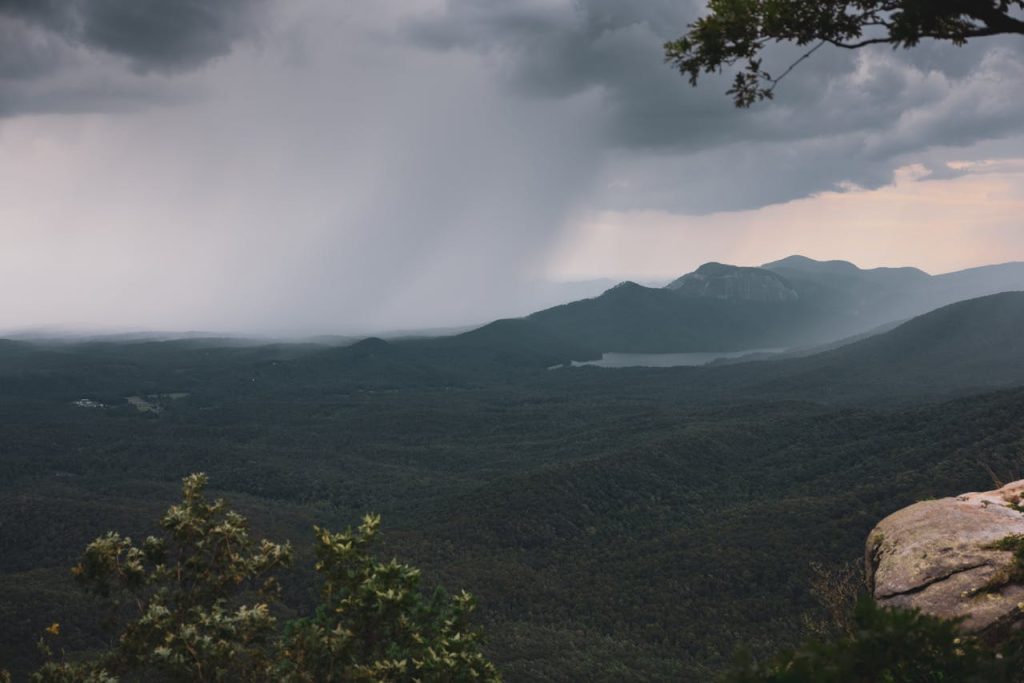
Farther west in the Upper Midwest, the outlook flips, with warmer conditions expected than in the east. That kind of line-on-the-map change can be jarring, because neighboring towns can end up living in different seasons.
Across much of the Heartland, the Almanac predicts above-average spring temperatures, but rainfall splits north to south. The north is expected to be drier than usual, while the south is projected to be wetter than normal. Warmth plus uneven rain can rush some chores and stall others, especially when fields stay saturated after a run of storms. The season can feel early on paper, and late in practice.
Deep South Runs Warm, With Two Rain Stories

In the Deep South, the Almanac expects above-average spring temperatures, but precipitation is not uniform. The north side of the region is projected to trend wetter, while the south side is expected to run drier, which can create two different spring stories within the same state.
Warmth arrives, yet planning stays tricky. Wetter areas may deal with standing water and delayed yard work, while drier areas may start watering earlier than usual and watch pollen and dust linger. Either way, the timing of rain becomes the real driver of how spring feels day to day. A warm spring can still feel unsettled when water swings.
Southeast and Florida: Dry April, Wetter May
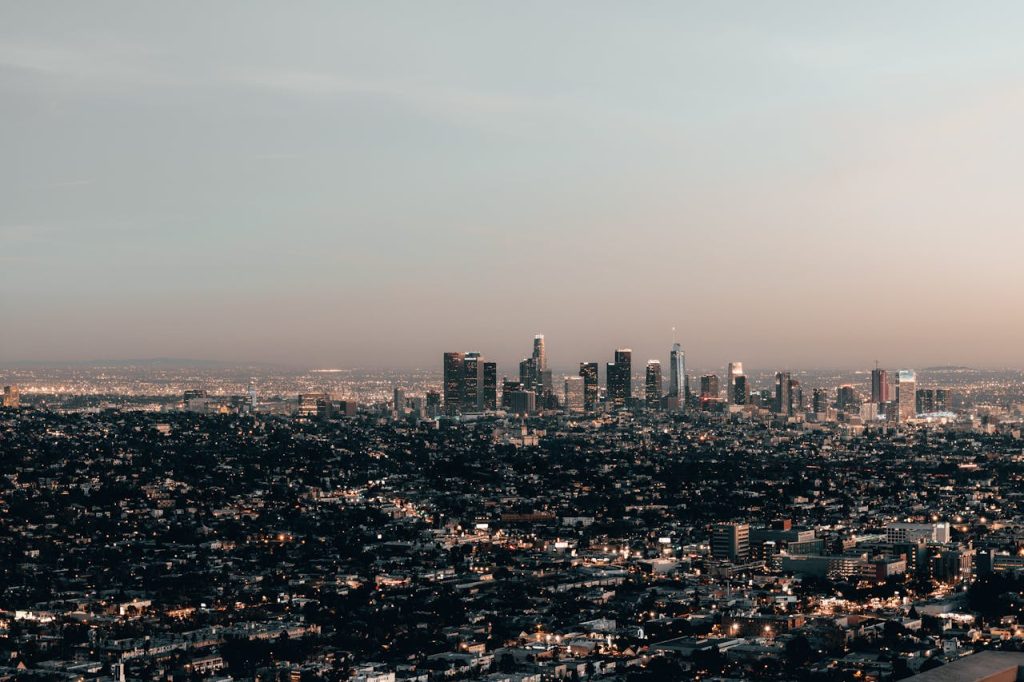
The Southeast is also forecast to run warmer than average, but the month-by-month rhythm is the catch. The Almanac expects April to be drier than usual, followed by a May that turns wetter than typical, a switch that can compress outdoor projects into a narrow window.
Florida follows a similar pattern: warmer temperatures, a drier April, and rainfall returning closer to normal in May. That can make spring feel delayed because the comfortable stretch is not only about heat. It is also about when humidity, showers, and storms settle into a predictable pace. When the shift comes, it often comes fast, and plans scramble to match it.
Pacific Northwest: Average April, Cooler May Up North

The Pacific Northwest is one of the clearest examples of why spring warmth can arrive later than expected. Washington, Oregon, and Idaho are called out for a slightly cooler spring, with average temperatures expected to hold through April.
May then divides the region: cooler-than-usual conditions up north and warmer-than-average weather down south, all within a drier-than-average season. That mix can keep mornings crisp and soil stubbornly cool, even when skies look bright. A dry stretch also shifts watering earlier, and it can leave rivers and hillsides changing more by sun than by steady rain. It is a slow thaw, not a clean flip.
Pacific Southwest Turns Warm and Dry
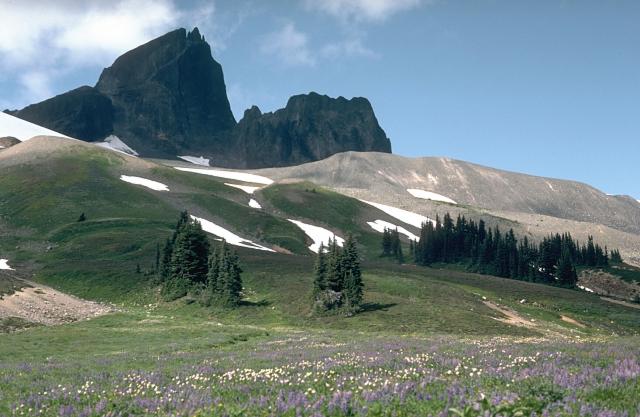
In the Pacific Southwest, the Almanac points to above-normal temperatures through spring, alongside drier-than-usual conditions. Warmth can feel welcome, but dry weather changes the texture of the season: green hills can fade sooner, and breezy afternoons can pull moisture out of soil and skin.
A dry spring also reshapes routines. Watering schedules start earlier, dust becomes more common, and land managers watch grasses cure fast. Even with warm days, spring can feel shorter, because the region can slide quickly from mild comfort into early summer stress before many people expect it. That speed is what makes it feel off.
Desert Southwest Spikes in April, Eases in May
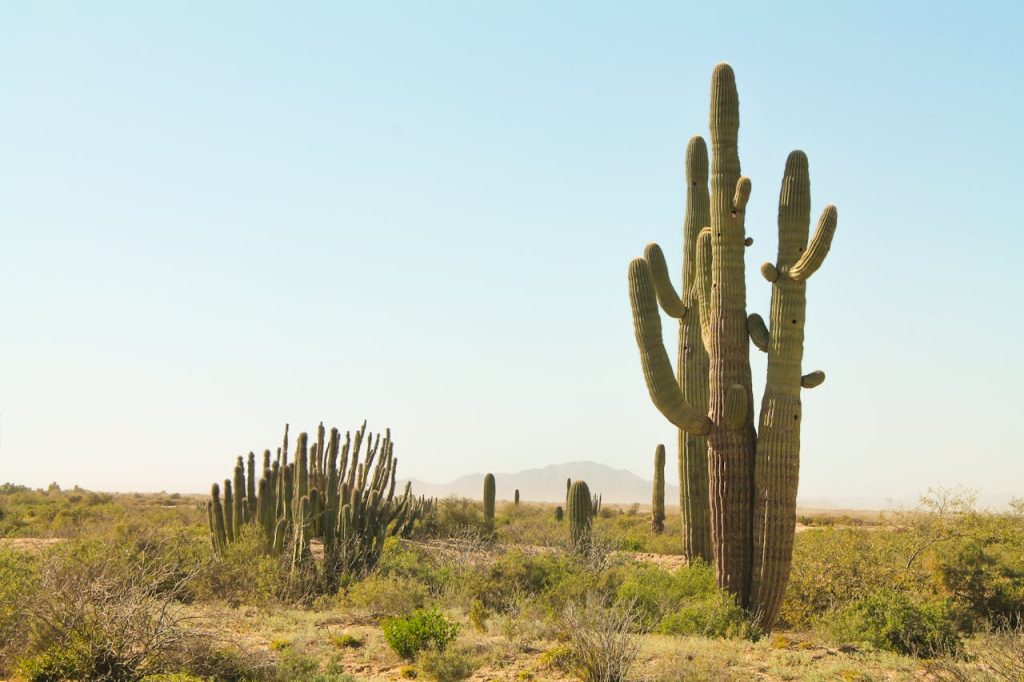
The Desert Southwest is forecast to warm in a more staged way. The Almanac predicts a warmer April, followed by a May that returns to a more normal pattern, a reminder that heat can surge early and then level out.
That early push matters for gardens, pets, and anyone working outdoors. A hot April can dry exposed soil fast and kick irrigation earlier, while a steadier May can offer a brief stretch of calmer mornings before sustained summer heat settles in. Because the month shift is built in, spring can feel like it arrived with a jump, then waited to decide what it wanted to be. It is not late, just unpredictable at first.
Alaska Warms, While Precipitation Splits North and South
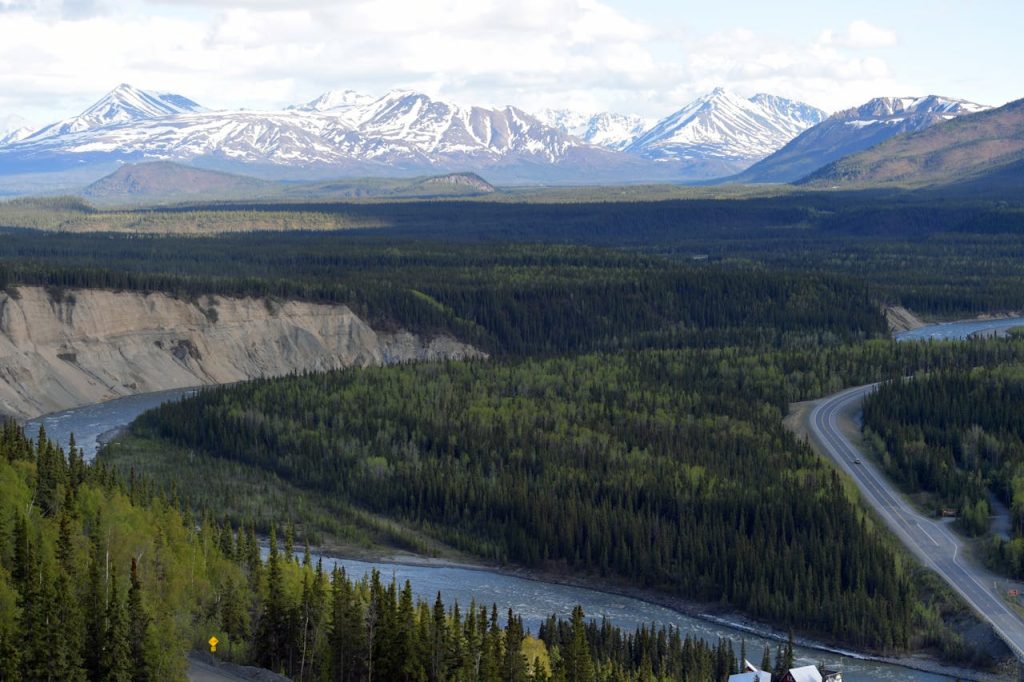
In Alaska, the Almanac expects spring temperatures to run warmer than usual, but precipitation splits the state’s story. The north is projected to see higher precipitation, while the south is expected to receive below-average moisture.
In a place where timing is everything, that difference can shape breakup, travel conditions, and how quickly ground becomes workable. Wetter systems in the north can slow drying even as air warms, while the drier south can see earlier dust and faster melt in exposed areas. The result is a spring that advances, yet does not move evenly across the map. Warmth helps, but moisture still sets the pace.
Hawaii Warms, but Rain Shifts by Region
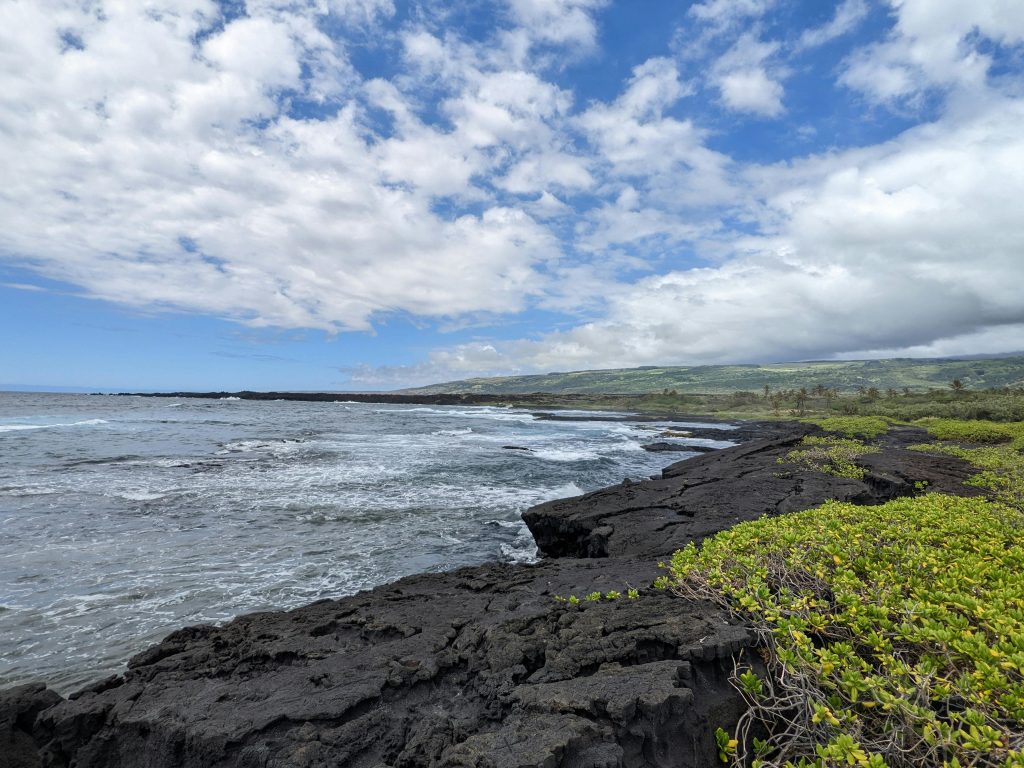
Hawaii’s spring outlook leans warmer than average, yet the bigger signal is rainfall placement. The Almanac expects lower rainfall in the east, while central and western areas are projected to run wetter than average, a split that can be felt island by island.
Warmer air can make those swings more noticeable. Drier eastern areas may see browner lawns and lighter stream flow, while wetter central and western zones can keep hillsides vivid and mornings humid. With temperatures already mild, rain is what sets the mood, and it can make spring feel either relaxed or restless depending on which shore catches the showers most.