

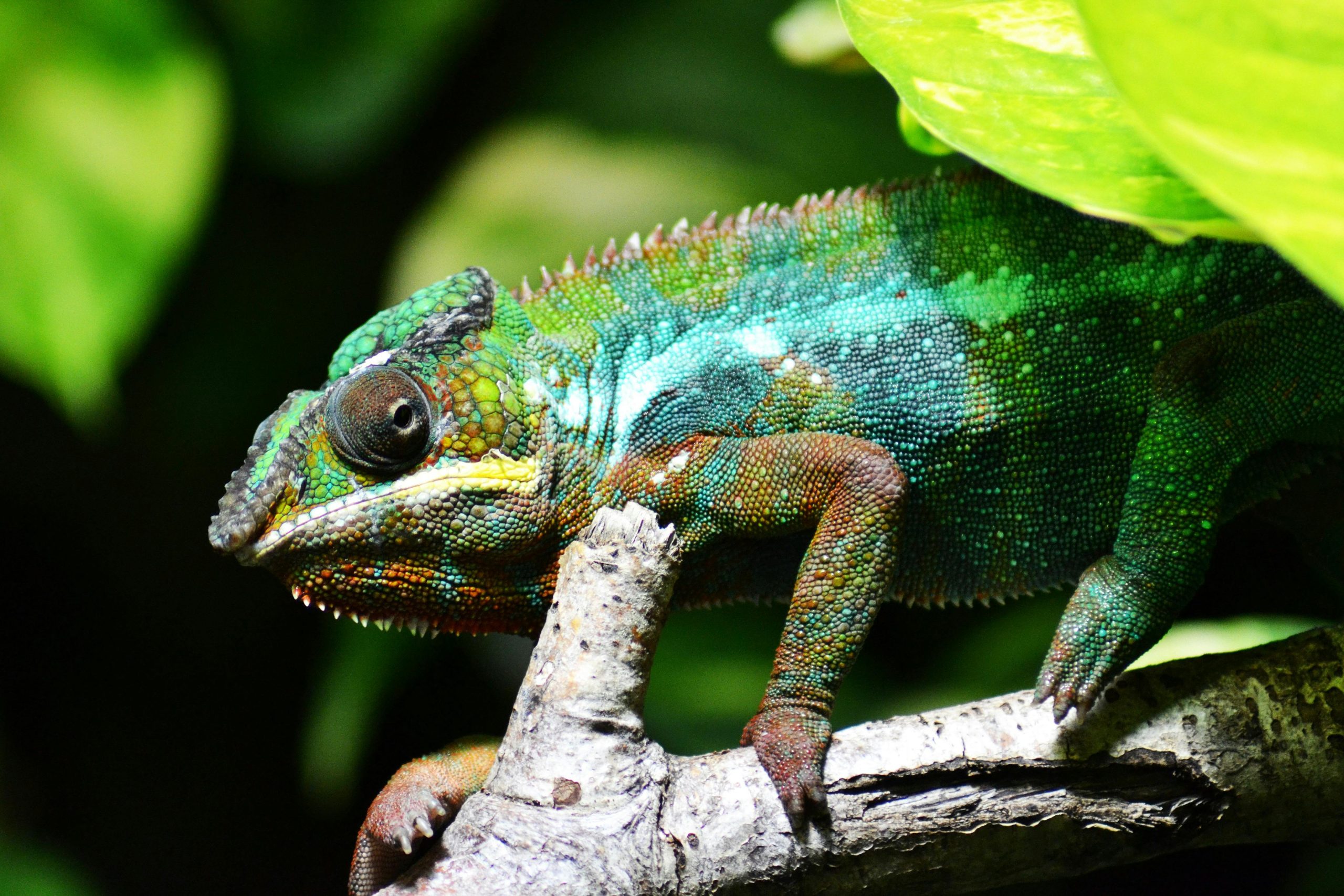
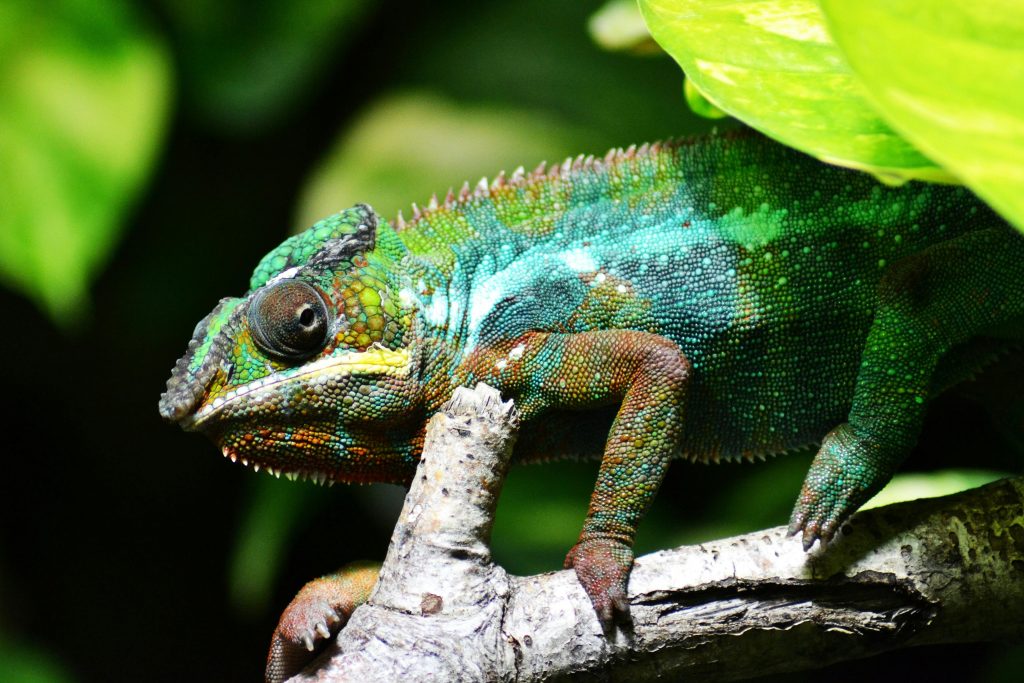
On warm Florida evenings, a flash of turquoise or red can appear in a hedge and vanish just as quickly. Panther chameleons, a pet-trade species known for showy color, have turned up in suburban pockets, where trees, fences, and landscaped shrubs mimic the cover they prefer. Biologists say sightings matter because early reports help map where the lizards are breeding and where they are only passing through. With collectors sometimes prowling neighborhoods at night, agencies are urging residents to document responsibly and report through official channels, not social media.
A Pet Trade Species That Found A Florida Foothold
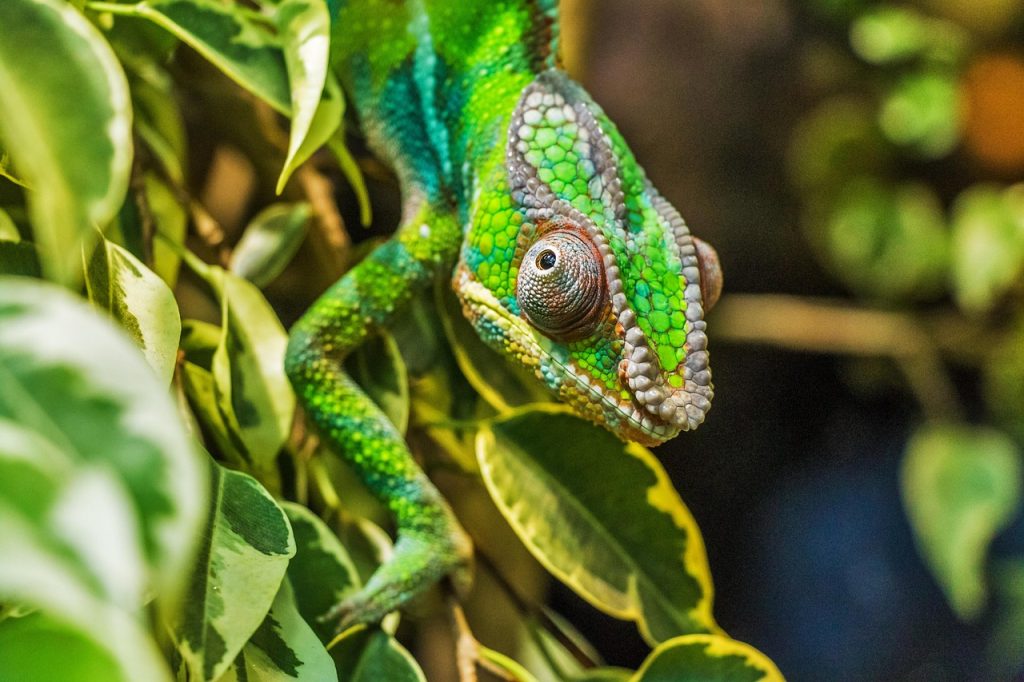
Panther chameleons are native to Madagascar, but Florida’s warmth, humidity, and backyard irrigation can make planted neighborhoods feel familiar. UF/IFAS notes the species was first documented in Florida in 2008 and appears to have established by 2012, with records that include both escaped pets and small breeding pockets. As arboreal hunters, they tuck into ornamental trees and shrubs, and UF/IFAS notes they have been observed sleeping in gumbo-limbo trees, a hint of how easily a private release can settle into linked hedges and street trees. After dusk, porch lights draw insects, and warm nights stretch long.
Sightings Shift From Wild Places To Street Corners
Sightings feel louder lately because they are happening near porches and sidewalks, not deep wetlands. A UF-linked study described a pocket of Orange County where panther chameleons have made themselves a home, and Space Coast reporting has described rising chameleon calls in places like Cocoa and Satellite Beach. UF/IFAS notes established chameleons often occur in suburban and other human-modified settings, so warm walls, porch lights, and night insects keep activity going long after sunset, while scattered single sightings make it harder to tell what is truly breeding without steady reports.
What Makes A Panther Chameleon Stand Out
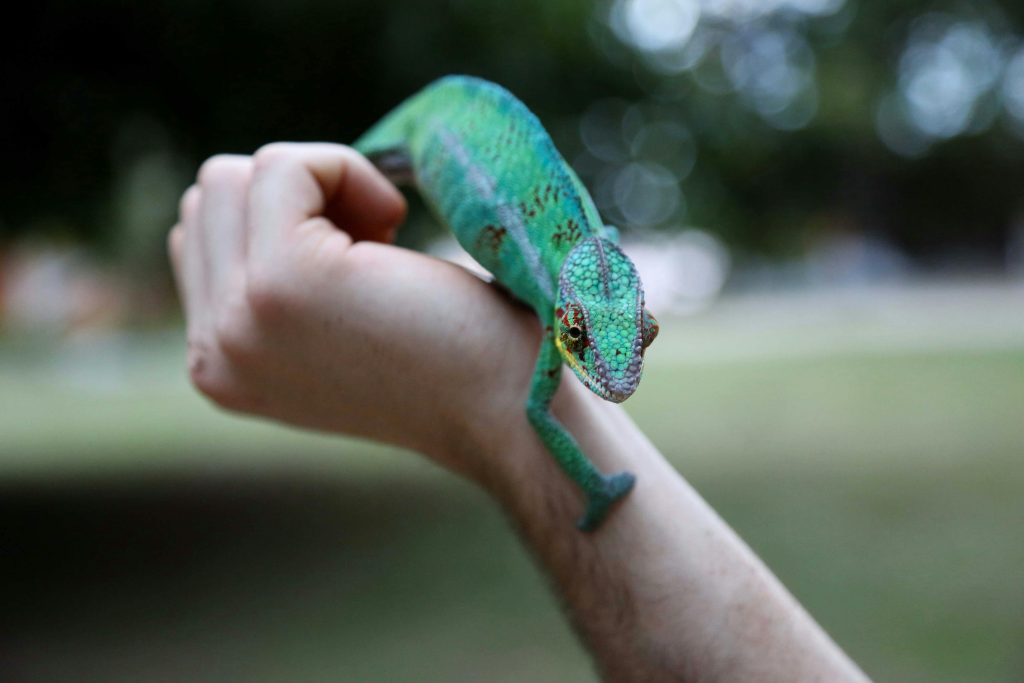
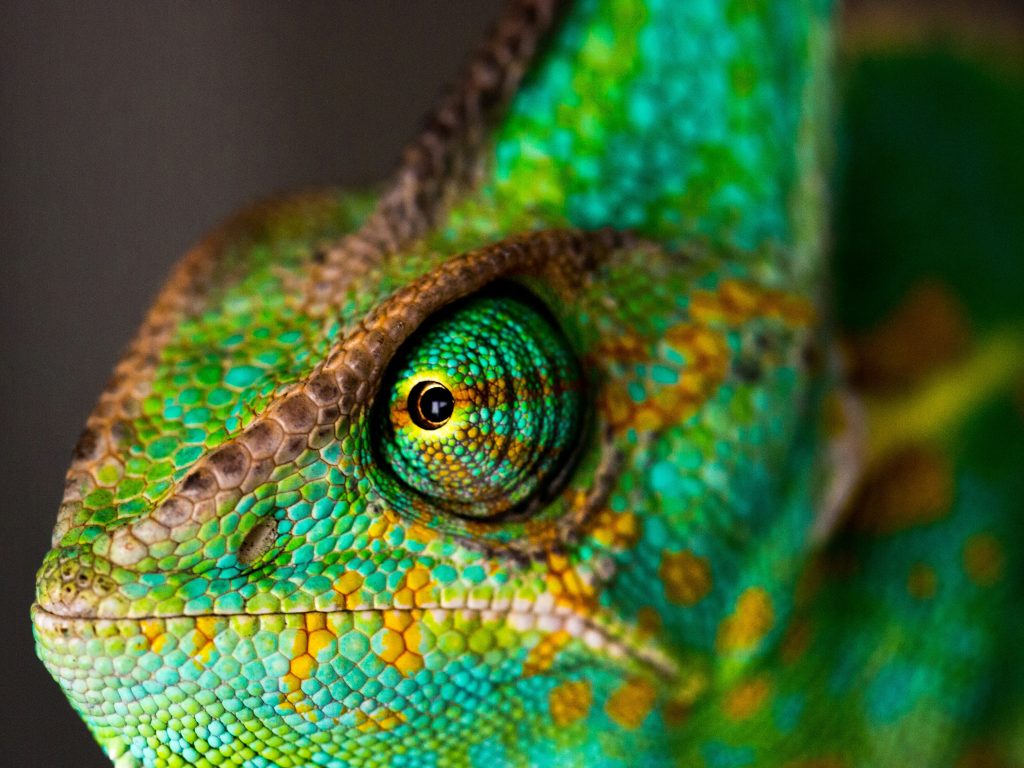
Identification starts with body shape, then the color show, and both can fool a quick glance. UF/IFAS describes panther chameleons as having a shorter casque than veiled chameleons and ridges over the eyes and snout that form a shovel-like projection, plus a curled tail, grasping toes, and independently moving eyes. Adult males can carry bright blues, yellows, oranges, and reds with a pale side stripe, females are more muted, and adults commonly range from 12 to 22 inches including the tail, a size that separates them from Florida’s native green anole that is sometimes miscalled an “American chameleon.”
Nighttime Flashlights Make Them Easier To Find

The easiest time to spot a chameleon is also when neighborhood tensions can flare. Everglades CISMA notes night searches with flashlights are often the best way to detect chameleons, because a beam can reveal a sleeping lizard that disappears into green cover by day. In Orange County, researchers found residents were less bothered by the reptiles than by collectors shining lights into trees and crossing property lines after dark, turning a wildlife oddity into a safety and privacy issue, especially when repeated visits spill across fences and down sidewalks. The scene is quiet, but it can feel intrusive.
Why Agencies Want Reports, Not Rumors
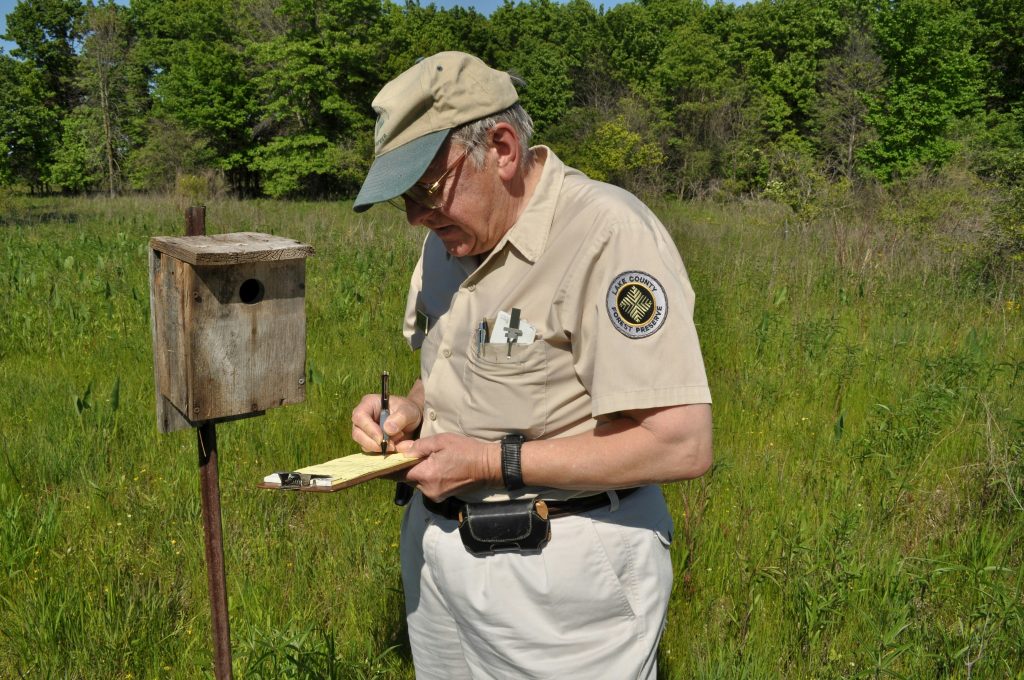
Wildlife managers are not collecting stories; they are building a map that guides real decisions. UF/IFAS explains Florida range estimates draw on EDDMapS, museum records, iNaturalist, scientific publications, and personal communications, then uses those records to approximate where populations are established. It also urges reporting sightings, especially outside known shaded areas on distribution maps, and even spells out the basics: take a digital picture and report the observation to EDDMapS, so a credible report can separate a one-off escape from a reproducing cluster that needs removal and follow-up surveys.
How To File A Sighting That Can Be Verified

Reporting works best when it stays calm, specific, and easy to verify. FWC says nonnative lizards can be reported through the free IveGot1 app or the IveGot1 web form, options it prefers for lower-priority species like small nonnative lizards, while the hotline is reserved for higher-priority animals. FWC also lists the Invasive Species Hotline at 888-Ive-Got1 (483-4681), answered 8 a.m. to 5 p.m. on weekdays, and notes photos can be emailed to ExoticReports@MyFWC.com if uploads fail, so staff can match images to the report, confirm identification, and plot a reliable location pin. Adding the date and time helps.
Why Capturing One Can Make The Problem Worse
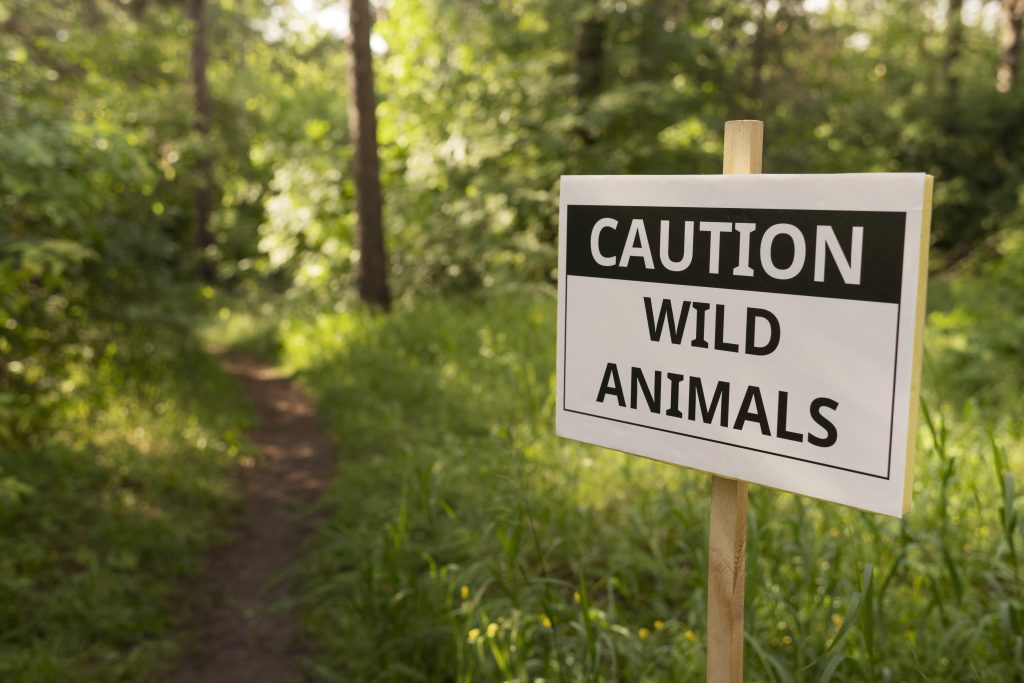
The safest response is observation, not capture, even when the animal looks slow and harmless. Transporting a chameleon can spread it to a new area, and handling can injure the animal or trigger a bite, especially if it is stressed or cornered. Everglades CISMA urges documenting sightings with a photo and location, and it points to Florida’s Exotic Pet Amnesty options for surrendering unwanted reptiles instead of releasing them, a practical off-ramp that matters because many introductions begin as someone’s pet problem that outgrows its tank and patience, then gets dumped outdoors. Distance helps, and cornering raises stress.
What Scientists Worry About In The Food Web
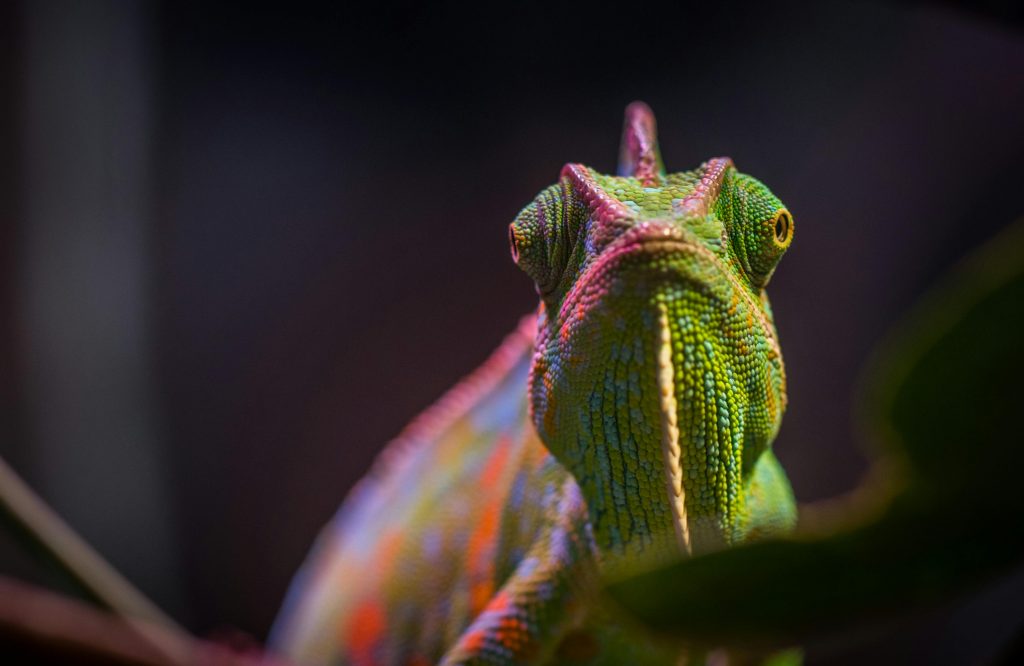
The ecological risk is not that the lizards look strange, but that they hunt efficiently where they do not belong. UF/IFAS defines invasive reptiles as species that do or can cause harm to the environment, economy, or human quality of life, and chameleons are visual ambush predators that take insects and other small prey, including small lizards in some settings. In Space Coast reporting, a UF Extension agent warned chameleons may even eat small birds, a pressure that can ripple into nesting seasons and backyard bird feeders, and it can stay hidden until enough animals are on the landscape to make the change obvious.