

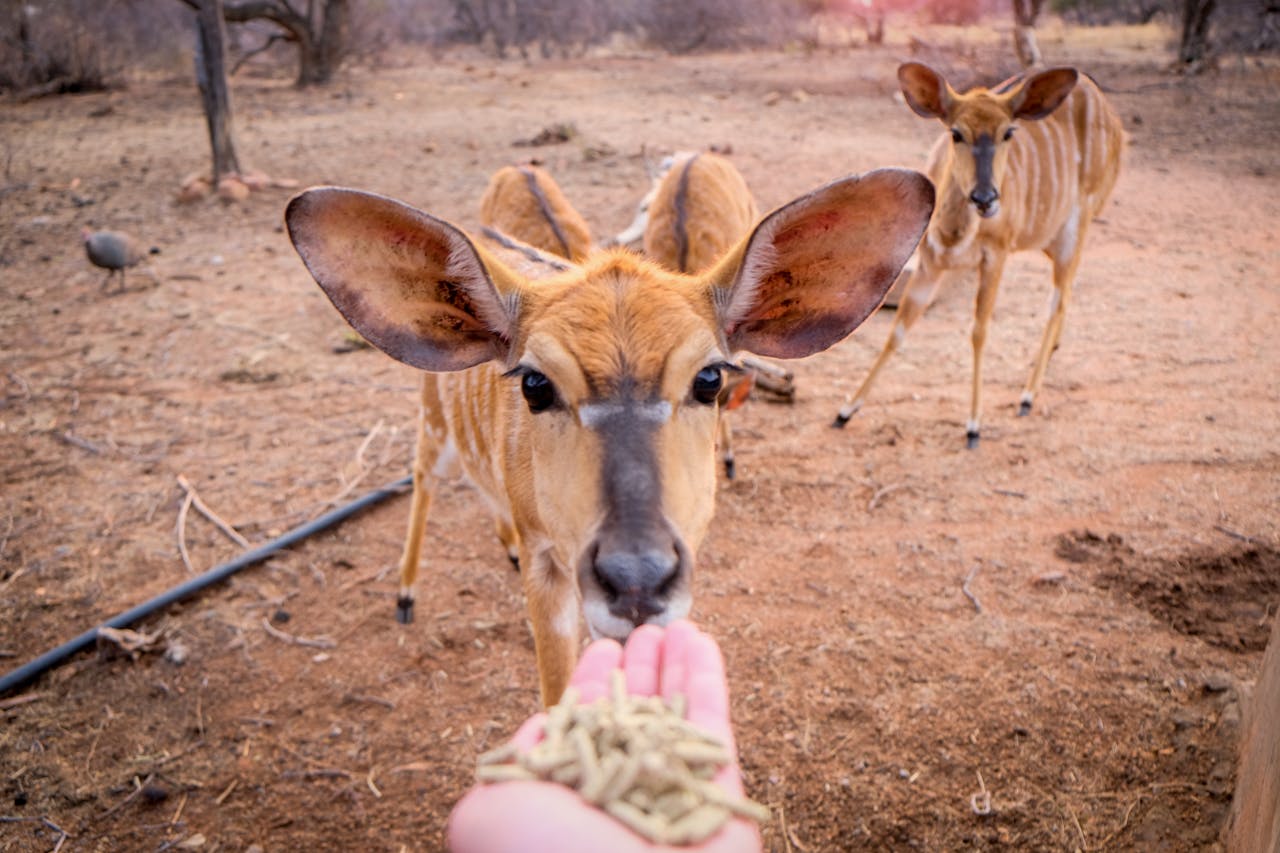
Handing out snacks feels kind, but rangers see how quickly it changes wild behavior in ways visitors never notice.
Food is not a neutral gift in a park; it is a training signal that can rewrite an animal’s daily map in days.
Once animals connect people with calories, they start to patrol trailheads, campsites, and parking lots like diners.
That shift pushes them closer to cars, pets, and kids, and it also pushes people to take risks for a photo.
Rangers say the hardest part is that the animal looks fine right up until the moment things turn tense.
When the problem shows up, it is often blamed on the animal, even though the habit was taught by humans.
Feeding also ripples outward, changing who eats what, who dominates space, and which animals get pushed out.
Here’s what rangers want visitors to understand before a single chip, crust, or apple slice hits the ground.
It Trains Animals to Approach People
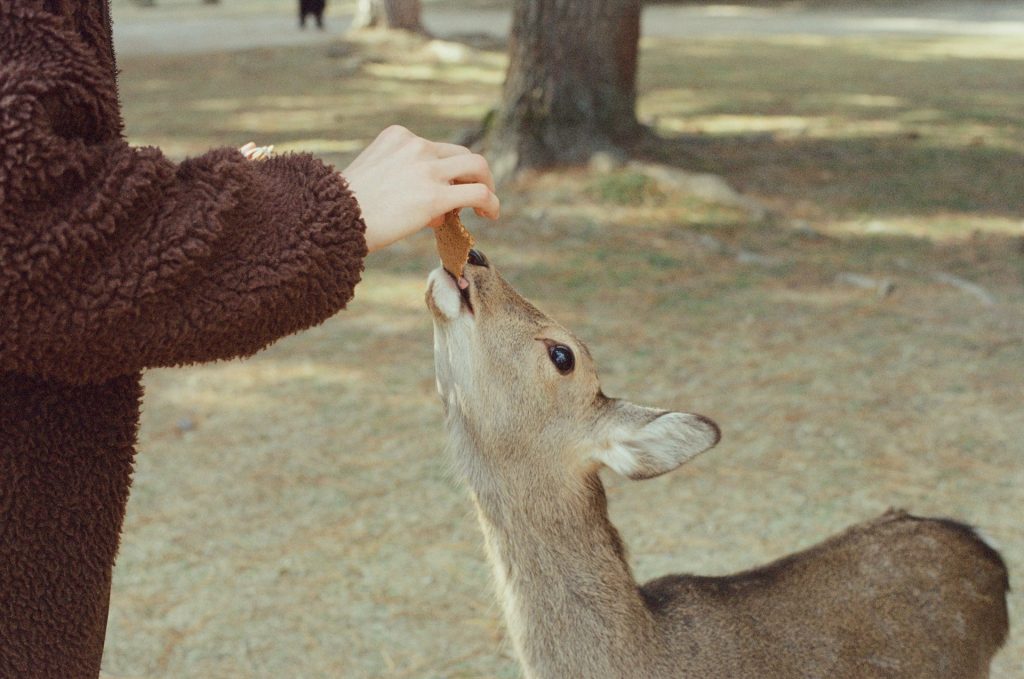
Feeding turns a cautious animal into one that walks straight toward strangers, because the reward is predictable.
That learned approach behavior makes distance feel optional, so people miss warning signs like raised fur or pinned ears. Closeness starts to feel normal.
Even calm species begin to linger near people, and that lingering spreads as others copy it. Soon the animal waits where humans gather.
Rangers call it conditioning, and it is the first step toward conflicts that seem to come out of nowhere.
Aggression Becomes a Learned Shortcut
Animals that learn food comes from hands can get pushy, because waiting is slower than taking.
Rangers see nips around pockets, backpacks, and picnic tables, especially when crowds treat a bold animal like a mascot.
A fed deer may start to paw, head-butt, or chase, not out of malice, but because it worked once and worked again.
Bears and raccoons that score easy meals can test tents, coolers, and car doors, turning camps into nightly patrol routes.
When an animal is rewarded for being close, it also gets rewarded for being louder, faster, and more insistent.
People often respond by waving arms or shouting, which reads like a challenge to some species and raises the temperature.
Then a single scratch or bite triggers reports, investigations, and sometimes a lethal outcome for an animal that was acting trained.
The sad irony is that the animal is punished for a behavior people helped install, one snack at a time.
Human Food Wrecks Diets and Guts
Human snacks are dense, salty, and sweet in ways wild bodies did not evolve to process day after day.
Birds fed bread can fill up fast but miss nutrients, so they lose condition even while eating constantly.
Processed foods can upset gut bacteria, leading to diarrhea, dehydration, and weaker immune responses in young animals.
Leftovers also carry wrappers, skewers, and bones that can choke, puncture, or block an animal’s digestive tract.
Some species stop foraging widely, because easy calories reduce the need to search, and that shrinks their natural diet range.
That shift can change breeding success, since adults may raise young on low-quality food when natural options are plentiful.
Rangers say the animal may look healthy in a photo, but inside it can be running on junk fuel.
More Animals Means More Disease
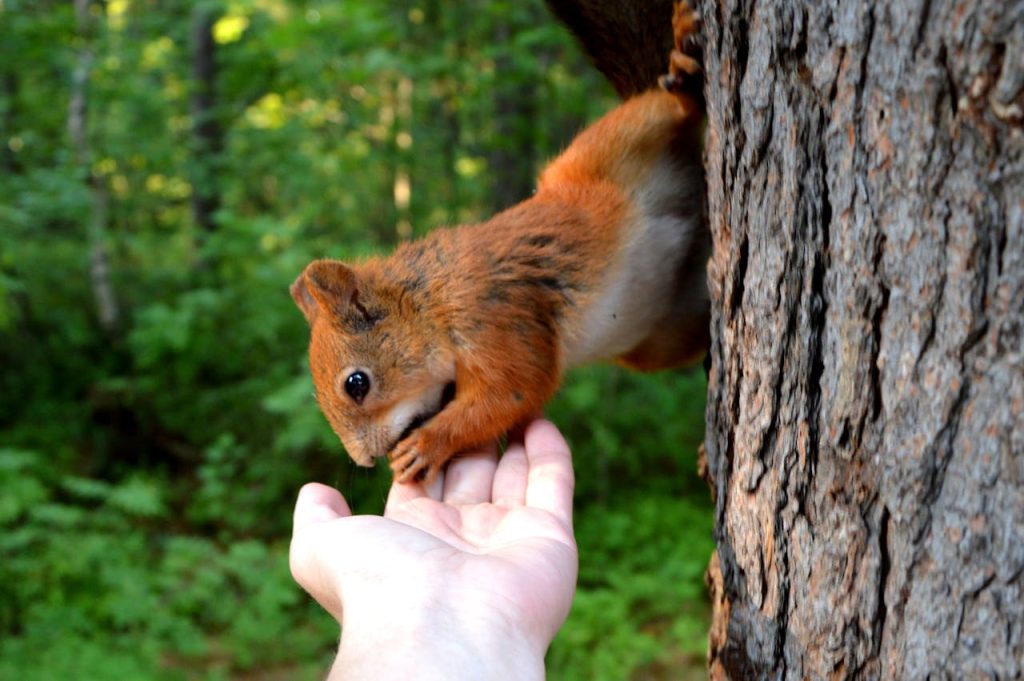
Feeding sites pull animals into tight clusters, and close contact is the easiest way for many illnesses to spread.
Shared crumbs become shared saliva, and the ground becomes a mixing bowl for droppings, fleas, and ticks.
When animals linger longer, they also leave more waste near people, raising the odds of accidental contact.
Rangers worry most about the quiet cases, where a sick animal looks tame, moves slowly, and draws even more attention.
Stopping the feed is one of the simplest disease controls, because it breaks the crowd before it forms.
It Raises the Odds of Road Kills
Animals that beg near roads learn that cars mean snacks, so they trade safe habitat for asphalt and bumpers.
Visitors slow down to feed or film, and that creates sudden stops that can cause crashes in busy corridors.
Deer, elk, and bison drawn to shoulders also get clipped more often, especially at dawn and dusk when visibility drops.
Small animals follow the same pattern in miniature, darting between tires for dropped fries and crumbs.
Once a spot becomes known for close encounters, more people pull over, and the risk multiplies with every extra vehicle.
Rangers say a single feeding habit can turn a quiet pullout into a recurring collision zone.
Rangers May Have to Remove Animals
When feeding creates repeated conflict, rangers may have to haze, relocate, or in worst cases put an animal down.
Relocation sounds humane, but many animals try to return to the food source and die on the trip. Others struggle to compete in a new area.
Even hazing can fail if snacks keep showing up, because the animal learns people are annoying but still worth it. The lesson sticks.
Visitors rarely see this ending, but it is the outcome rangers work hardest to prevent across the whole season.
Feeding Violates Rules and Costs Money
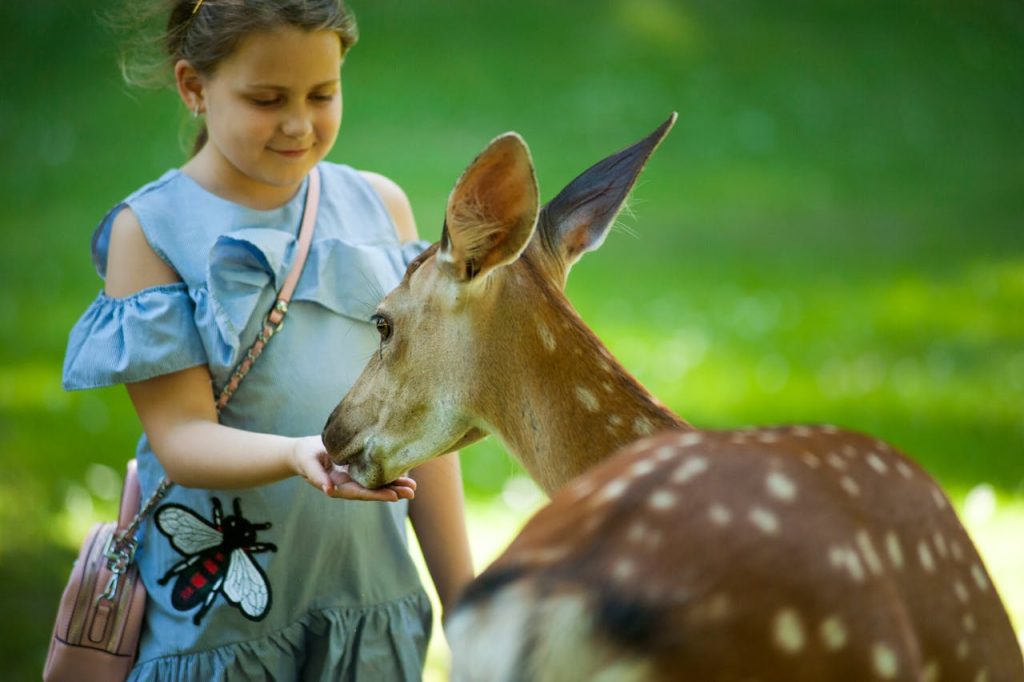
Many parks ban feeding for a reason, and rangers can issue citations when they catch it happening in real time.
Even where rules feel informal, staff log patterns, post warnings, and close areas when animals start associating people with food.
That enforcement is not about being strict; it is about keeping wildlife wild and keeping visitors from learning the lesson the hard way.
Better Ways to Watch Wildlife
Want a close moment without the harm? Let animals keep their routines, and use patience instead of snacks.
Pack food in sealed containers and eat away from trailheads, so smells do not turn busy spots into feeding stations. Clean crumbs before you leave.
Carry binoculars or a zoom lens, and treat distance as part of the experience, not a barrier. Your photos improve and the animals stay calm.
If you see someone feeding, tell a ranger rather than confronting them, because staff can respond without escalating the scene.