

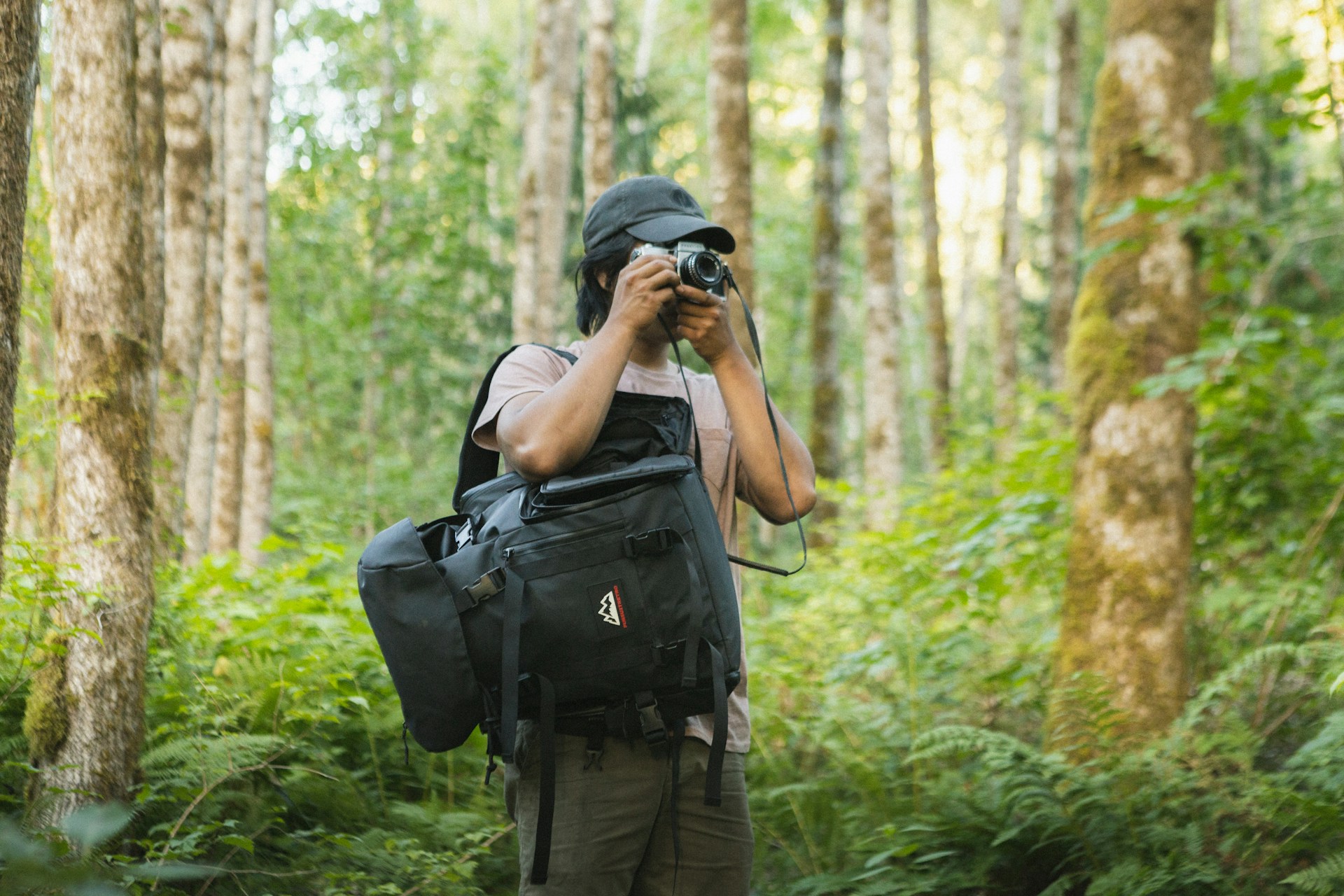
In grizzly country, the distance between a quiet sighting and a dangerous moment can shrink in one careless photo decision. A slow step off trail for a cleaner angle, a roadside stop that grows into a crowd, or a rushed attempt to frame cubs can shift bear behavior fast. Ranger guidance across major parks is consistent: safe wildlife photography is less about gear and more about restraint. After Yellowstone’s Sept. 2025 bear injury involving a solo hiker, officials repeated the same core message that matters every season, especially in low-light hours: space, awareness, and timing prevent most encounters before they begin.
Close-In Framing Instead Of Long-Lens Distance
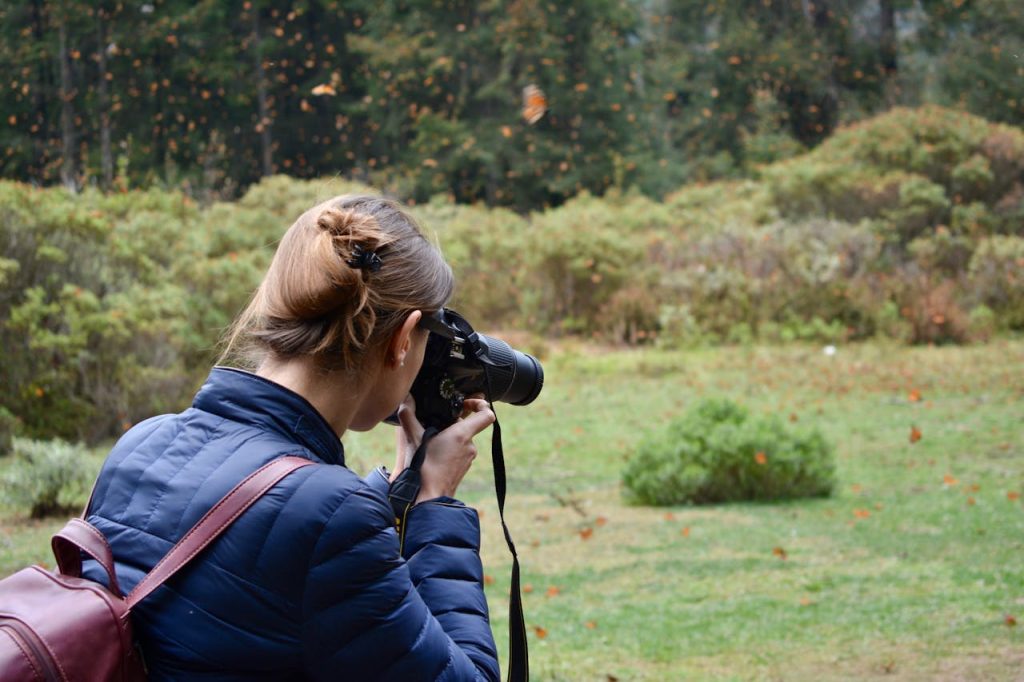
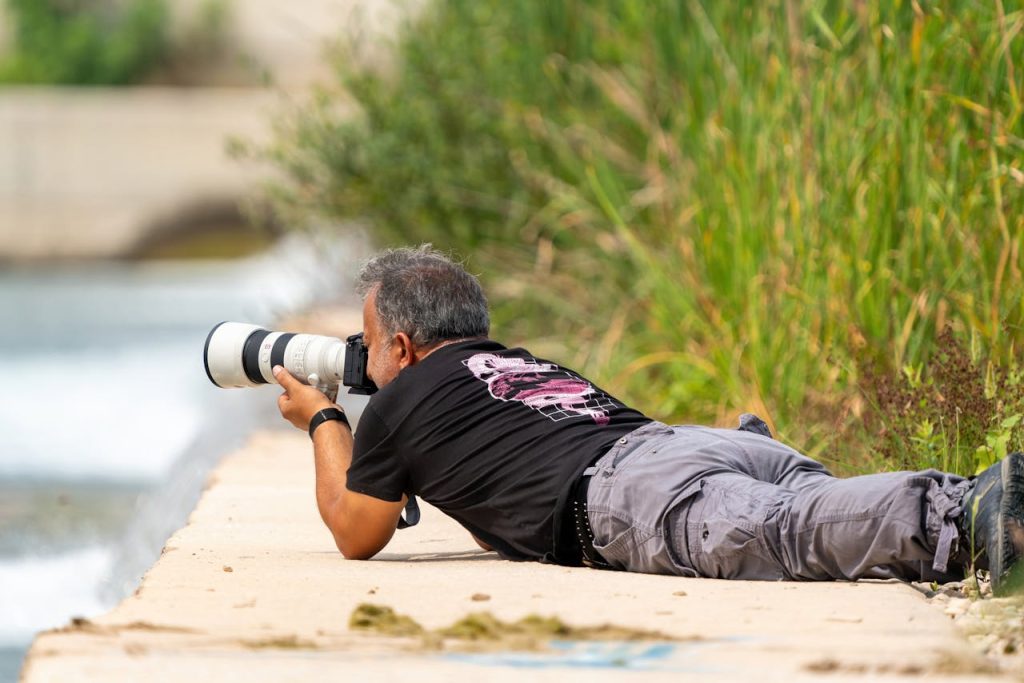
The most common mistake is also the most preventable: moving closer for a frame-filling shot instead of using magnification. Glacier guidance tells visitors not to approach wildlife for photos and to use a telephoto lens, while maintaining at least 100 yards from bears. Those numbers are not symbolic; they are the line between observation and pressure.
When a bear changes behavior because of a person’s presence, the scene is already unstable. Rangers repeatedly note that wildlife can look calm and still flip into defensive behavior when surprised, crowded, or blocked from movement. A better angle is rarely worth what follows.
Staying In The Viewfinder And Missing Bear Signals
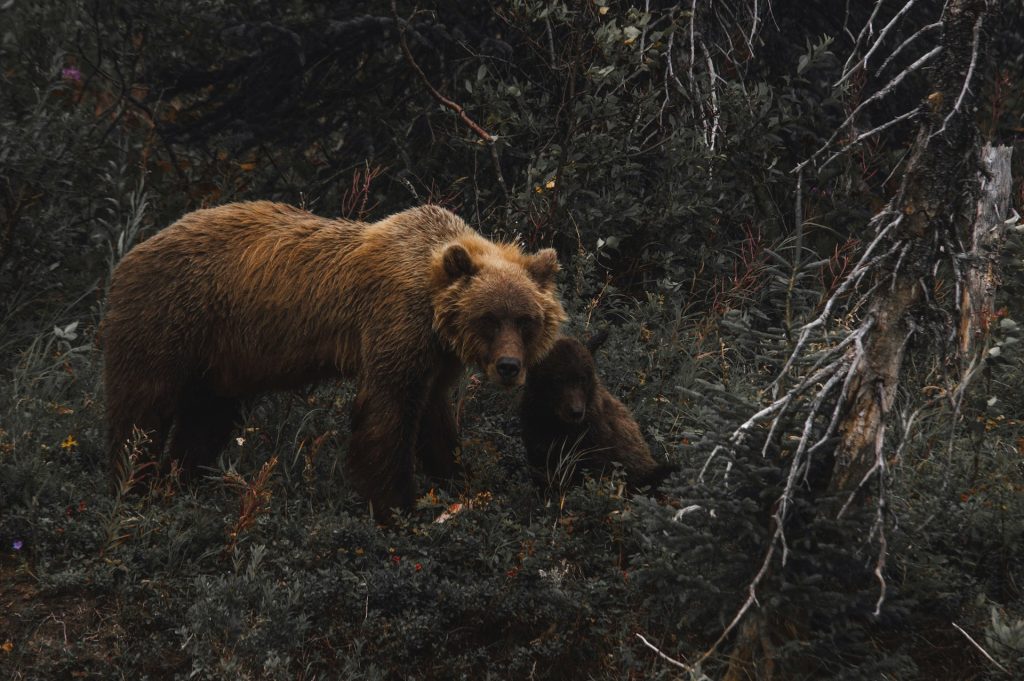
Photo concentration can narrow awareness at the worst moment. NPS bear safety notes that defensive bears may woof, snap jaws, lay ears back, or bluff-charge before contact. A photographer locked into composition can miss those cues, then react late with sudden movement that raises tension.
Ranger advice emphasizes calm, readable motion: identify as human, stand ground when appropriate, and back away slowly if a bear is stationary or aware. The risk is not only the bear’s distance, but how quickly a person notices a shift. In grizzly country, situational awareness is part of the camera kit, not an optional field skill.
Stopping In Wildlife Jams For Roadside Shots
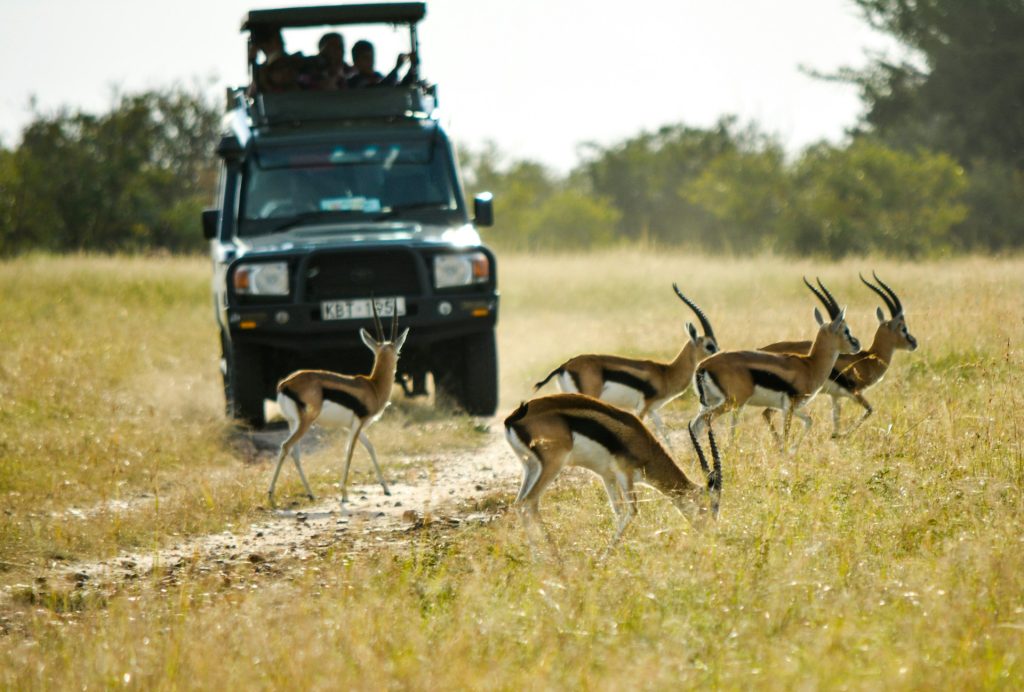
Roadside photo stops look harmless until they stack into a wildlife jam. Yellowstone safety rules say not to block traffic for pictures, to use pullouts, and to stay with the vehicle when jams form. Parks Canada gives nearly the same warning: slowing safely, remaining in the vehicle, then moving on reduces risk for people and animals.
The hidden hazard is momentum. Cars keep arriving, people step out for a cleaner shot, and both wildlife and children can move unpredictably near active lanes. Rangers treat these scenes as high-risk because one rushed decision can force an animal, a driver, and a crowd into the same tight space.
Leaving Food Scents Near Camera Setups
Many encounters begin with scent, not sight. NPS and U.S. Fish and Wildlife Service guidance warns that crumbs, trash, coolers, and scented items can attract wildlife and condition bears to human food. Once that association forms, bears may approach people more directly, raising conflict risk around camps, pullouts, and photo stops.
Wildlife teams frame this as a behavior loop: easy calories reward bold approaches, then repeated approaches create management problems for both parks and communities. Clean shooting areas, secured food, and closed containers are not housekeeping details; they are encounter prevention in practical form.
Photographing Alone In Low-Light Bear Hours
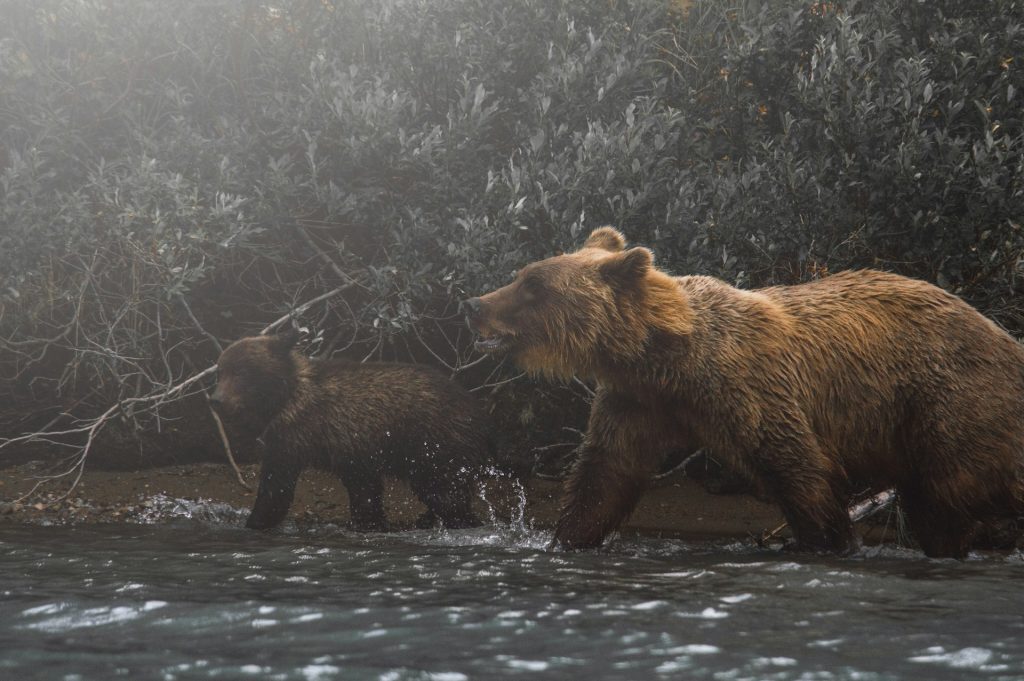
The golden-hour instinct helps photographers, but it can work against bear safety. U.S. Fish and Wildlife Service and Yellowstone advisories both caution against hiking at dawn, dusk, or night in grizzly country, and both stress traveling in groups of three or more with bear spray accessible.
A solo photographer moving quietly at first light can surprise a feeding bear before either side has time to adjust. Rangers consistently tie safer outcomes to group travel, noise on approach, and staying on maintained trails. In other words, the perfect light window should never outrank the visibility and detection safety buffer.
Positioning Near Cubs Or Carcass Areas
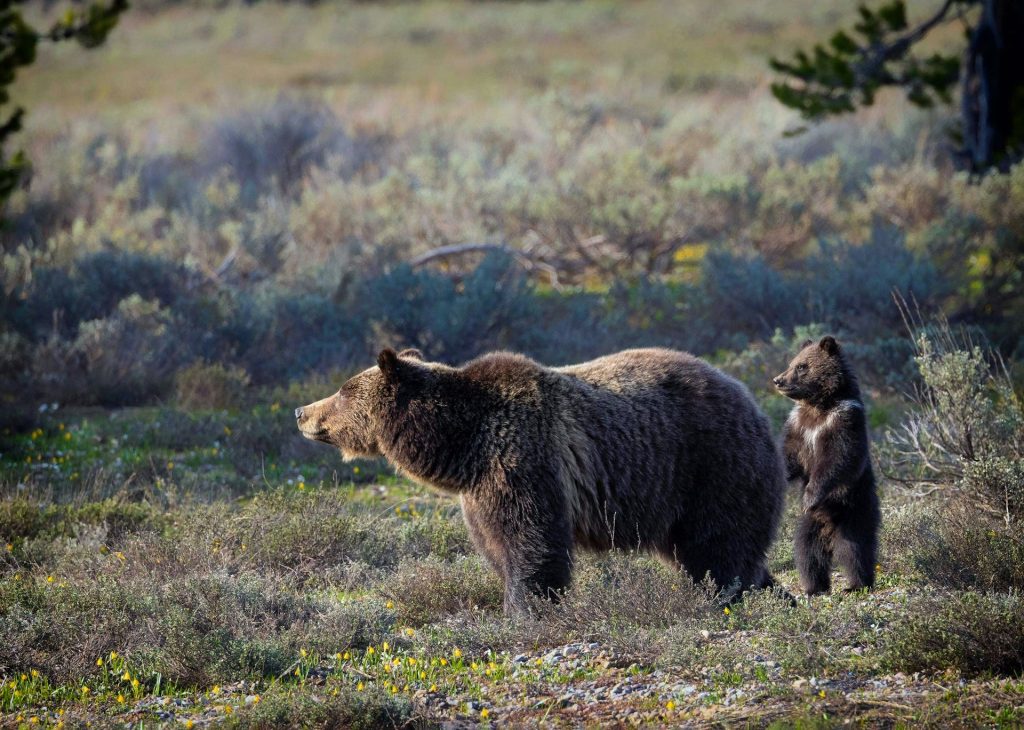
Some photo scenes carry built-in defensiveness. NPS bear guidance warns never to place a person between a mother and cubs, and Yellowstone’s Sept. 2025 incident update noted a carcass near the encounter site, where defensive reactions are more likely. These are contexts where proximity alone can be interpreted as threat.
Photographers sometimes focus on the subject and forget the wider story in the terrain: trails, feeding sign, scavenging activity, and escape routes for the animal. Rangers urge distance plus route awareness, so wildlife retains room to move away. When that room disappears, behavior can change in a heartbeat.
Using Calls Or Noise To Force A Head-Turn
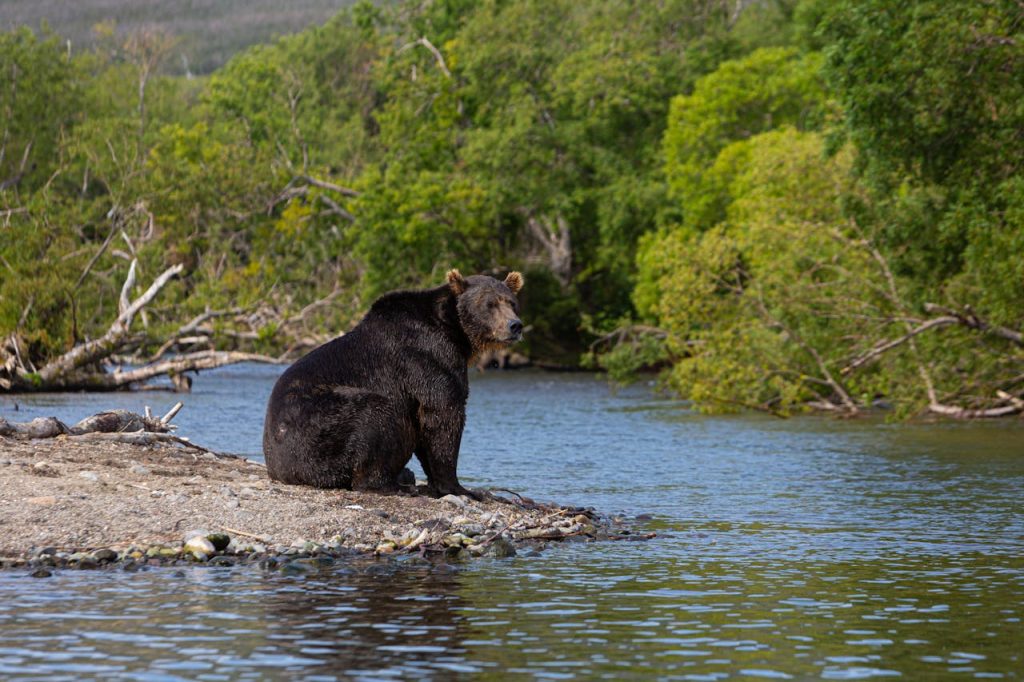
Some visitors still whistle, call, or clap for a dramatic head-turn shot. NPS safe-watching guidance says not to use wildlife calls or attractants, and BC Parks similarly advises against yelling or whistling at animals for photos. Disturbing natural behavior is not only unethical; it can escalate attention into agitation.
A startled or fixated bear is harder to read and harder to leave calmly. Rangers prefer patience over provocation: wait for natural movement, keep distance, and accept imperfect angles. Field professionals know that an authentic behavior frame carries more value than a reaction shot forced by pressure.
Packing Bear Spray Out Of Reach While Shooting
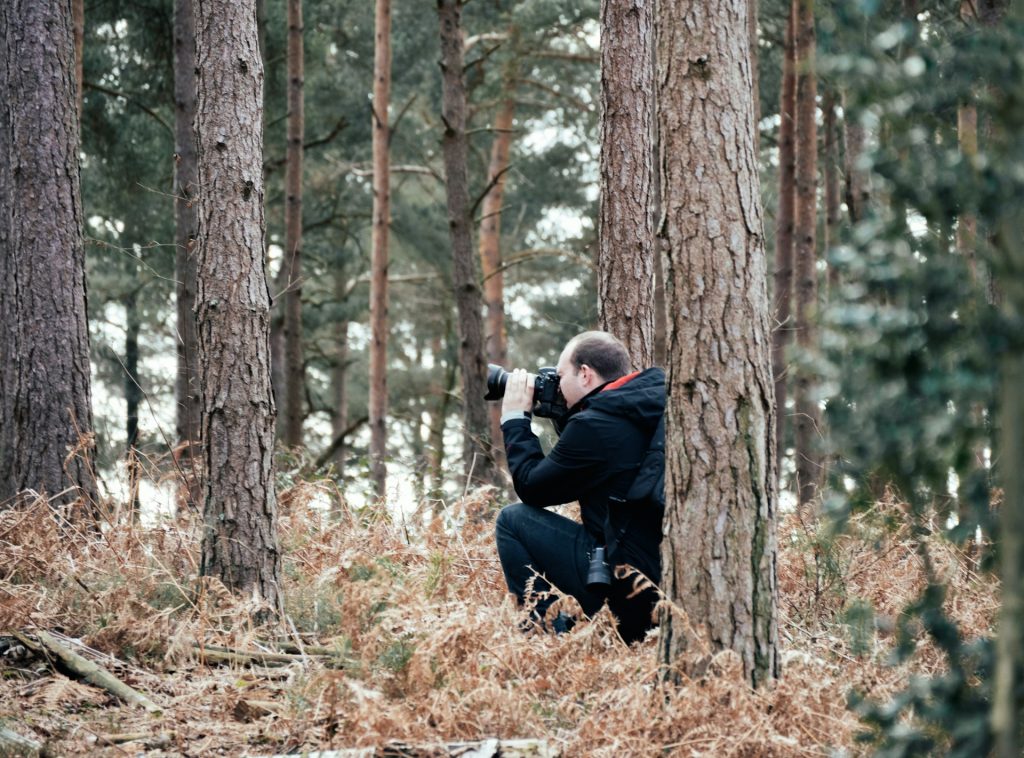
Many photographers carry bear spray, then bury it under layers or gear while moving between shots. U.S. Fish and Wildlife Service and Yellowstone both stress carry-and-access, not just possession. In the Sept. 2025 Yellowstone encounter, the hiker began deploying spray as contact occurred, underscoring how timing windows can be narrow.
Rangers describe spray as a readiness tool that works best when paired with distance, group travel, and early detection. The camera can stay around the neck, but spray needs a quick-access holster or chest position. In grizzly terrain, equipment layout is safety strategy, not a packing preference.