


A fresh web of mole ridges can make even a careful yard feel suddenly chaotic, so quick fixes spread fast in neighborhood chat threads and weekend conversations. Coffee grounds often top that advice because they are cheap, familiar, and easy to apply in minutes. But the pattern that follows is frustratingly predictable: a short calm period, then new soil lifts by morning. Pest professionals and extension guidance point to the same reason. Moles are driven by food and tunnel efficiency, not brief scent changes at the surface, so myth-based tactics consume time while damage quietly expands. That gap drains weekend momentum.
Why The Coffee Grounds Myth Keeps Circulating

Coffee grounds look practical, and that visual matters. A lawn owner sees fresh ridges, scatters a household leftover, and gets the satisfying feeling of immediate control. Because mole activity naturally rises and dips through the day, a short quiet period can look like proof even when nothing changed below ground.
Specialists describe coffee grounds as, at best, a temporary irritant, not a dependable control method. Once feeding routes reopen, the same runs are rebuilt and the cycle starts again. The issue is not effort; it is aiming effort at scent instead of food-driven tunnel behavior.
What Moles Are Actually Doing Under The Lawn
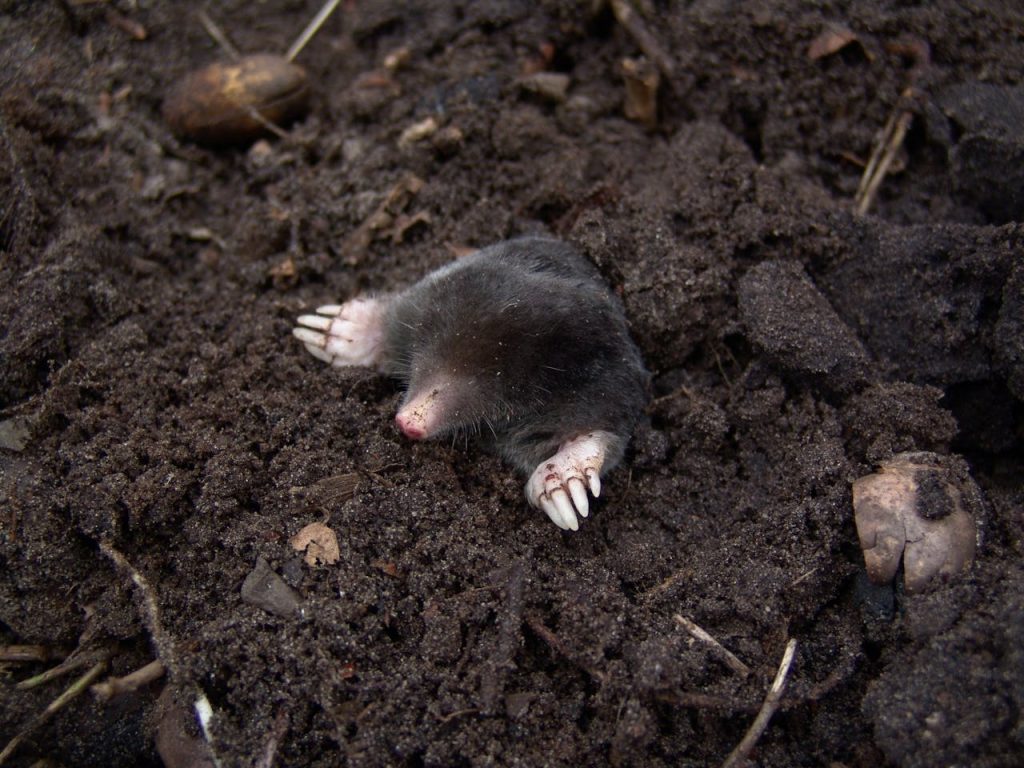
Moles are not chasing turf roots as a primary food source. They are insectivores that hunt earthworms, grubs, and other soil animals, so tunnels are feeding infrastructure, not random vandalism. That distinction explains why fragrant home remedies underperform while biologically informed steps hold their value.
Extension guidance also notes the two-tunnel pattern: shallow feeding runs near the surface and deeper passageways used consistently. When plans ignore that structure, treatments get scattered in low-value spots. Good outcomes begin with reading mole movement like a map, not a guess.
Why Smell-Based Fixes Fade After Weather Shifts

Topsoil odors are unstable by design. Rain, irrigation, and sun quickly dilute or redistribute any scent layer, while mole motivation stays centered on prey pockets and easy digging conditions. That mismatch is why strong-smelling fixes often feel useful on day one and irrelevant by the next watering cycle.
Research-based pest guidance groups many home remedies as inconsistent, then points back to precision methods instead. Weeks spent repeating weak deterrents usually expand tunnel networks and complicate repair later. Temporary nuisance signals do not beat persistent food signals underground.
Reduce Food Pressure, But Keep Expectations Real
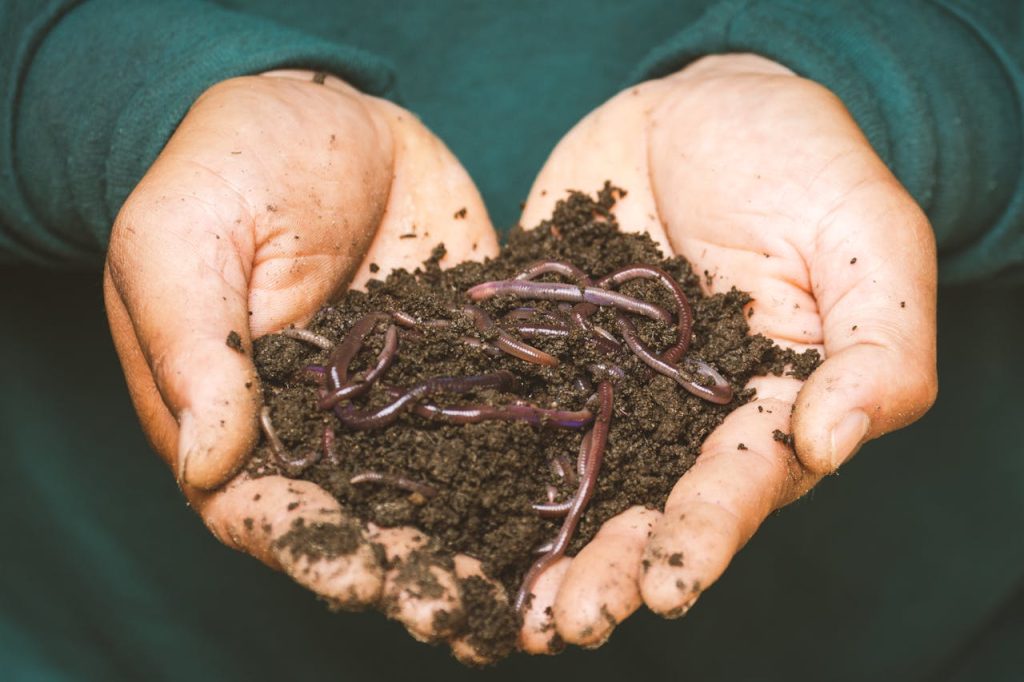
Biological grub controls can be part of a sensible plan, especially where grub pressure is high. Resources commonly cited by lawn professionals include beneficial nematodes and milky spore, both aimed at reducing subterranean larvae that can attract mole foraging in managed turf areas.
Still, extension sources caution against overselling this step as a solo solution. UC IPM notes that lowering grub numbers may make areas less attractive, but research has not confirmed it as a complete mole answer. Food reduction helps most when combined with run tracking, barriers, and follow-up.
Use Barriers Where Plants Need Real Protection
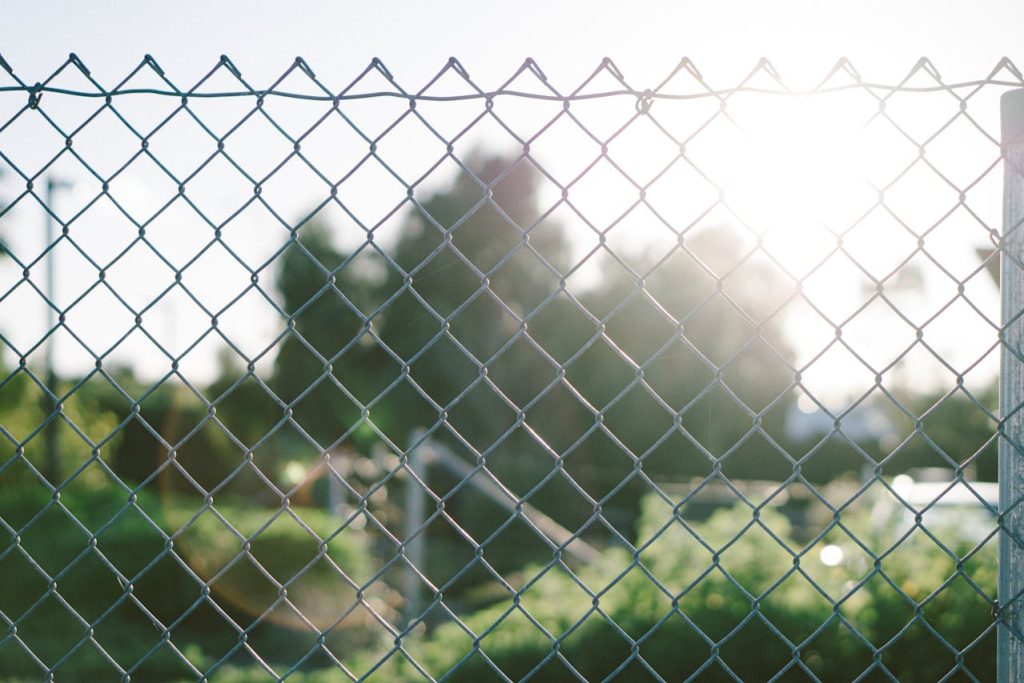
For small beds, exclusion works better than fragrance. A buried hardware-cloth or sheet-metal perimeter physically interrupts access to roots and bulbs, which is exactly what temporary repellents fail to do. This approach is labor intensive, but it brings predictable protection to high-value planting zones.
Virginia Tech guidance describes a trench around 20 inches deep with an outward L-shaped foot at the base to discourage tunneling under the edge. That design is usually practical for focused gardens, not entire lawns, which is why many homeowners reserve it for their most vulnerable spaces.
Find Active Runs Before Any Major Action

Randomly treating every raised line wastes time. The smarter move is to identify current traffic by compressing suspect surface runs, then checking which ones are rebuilt. This simple test turns a messy yard into usable data and keeps labor centered on tunnels that actually matter in the week ahead.
University guidance is direct here: traps belong in active tunnels, and renewed soil often appears within 24 hours in a live run. That one-day daily feedback loop prevents overwork, reduces trial-and-error frustration, and improves outcomes whether the next step is trapping, patching, or both.
Repair Strategy Matters After Tunnels Collapse
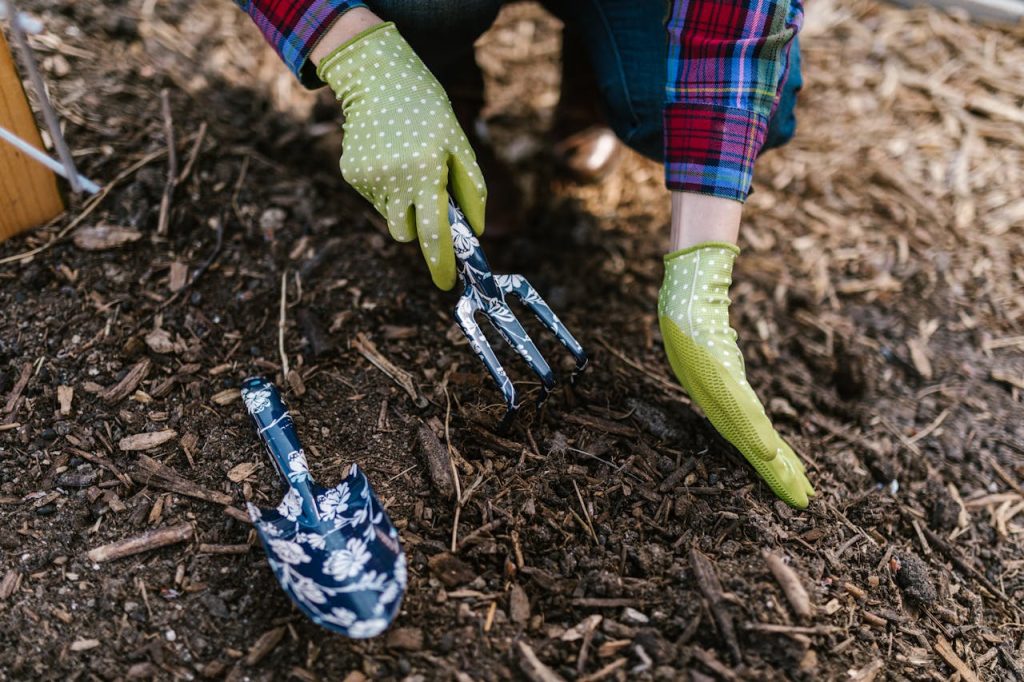
After active routes are addressed, repair should do more than hide damage. Loose ridges left airy and soft can invite repeat disturbance, especially in moist seasons when soil movement is easier and prey remains available. Restoring firmness and grade helps lawns recover both function and appearance.
A practical approach is to backfill and compress disturbed areas in stages, then monitor for fresh lift rather than reworking the same spot blindly. Garden sources also recommend a soil-and-sand blend for filled openings because it compacts more stubbornly than loose soil alone in many beds.
Plant Choices Can Support, Not Replace, Control

Aromatic borders are useful as support tactics, especially in compact gardens where tunnel entry points are predictable. Recommendations often include marigolds, daffodils, alliums, and fritillaries, which may make sections of a bed less inviting without creating wildlife harm or chemical drift concerns.
That said, planting strategy works best as pressure shaping, not total exclusion. Active moles can still pass beneath root zones if food remains abundant and tunnels stay open nearby. Pairing plant deterrence with mapped runs and physical barriers gives those plantings a clearer role and better odds.
When Damage Persists, Precision Trapping Leads
Extension and professional guidance consistently place trapping near the top for reliable removal, but only when placement is disciplined. Devices set in inactive or temporary runs rarely perform, which is why preparation matters more than buying multiple tools on the first frustrating weekend.
Active-run confirmation, careful placement, and routine checking are the real performance drivers. Because wildlife rules and trap types vary by location, many households call licensed local professionals when tunnel damage keeps expanding. Precision beats urgency and broad lawn disruption.
The Plan That Saves Weekends And Lawn Health

The most durable mole strategy is simple and repeatable: confirm active runs, apply one proven intervention, repair deliberately, then reassess after weather shifts. This sequence prevents the scattershot cycle where every new ridge triggers a brand-new remedy and another reset during busy growing weeks.
Balanced control also remembers the tradeoff: moles damage turf, yet their tunneling can improve soil aeration and water movement. Managing conflict instead of chasing total eradication usually produces steadier lawns, lower stress, and fewer wasted Saturdays over a full growing season.
Once the myth loop breaks, yard work becomes calmer and more predictable. Progress starts to show in fewer surprise ridges, stronger turf recovery, and weekends that feel less like emergency response and more like steady care.