

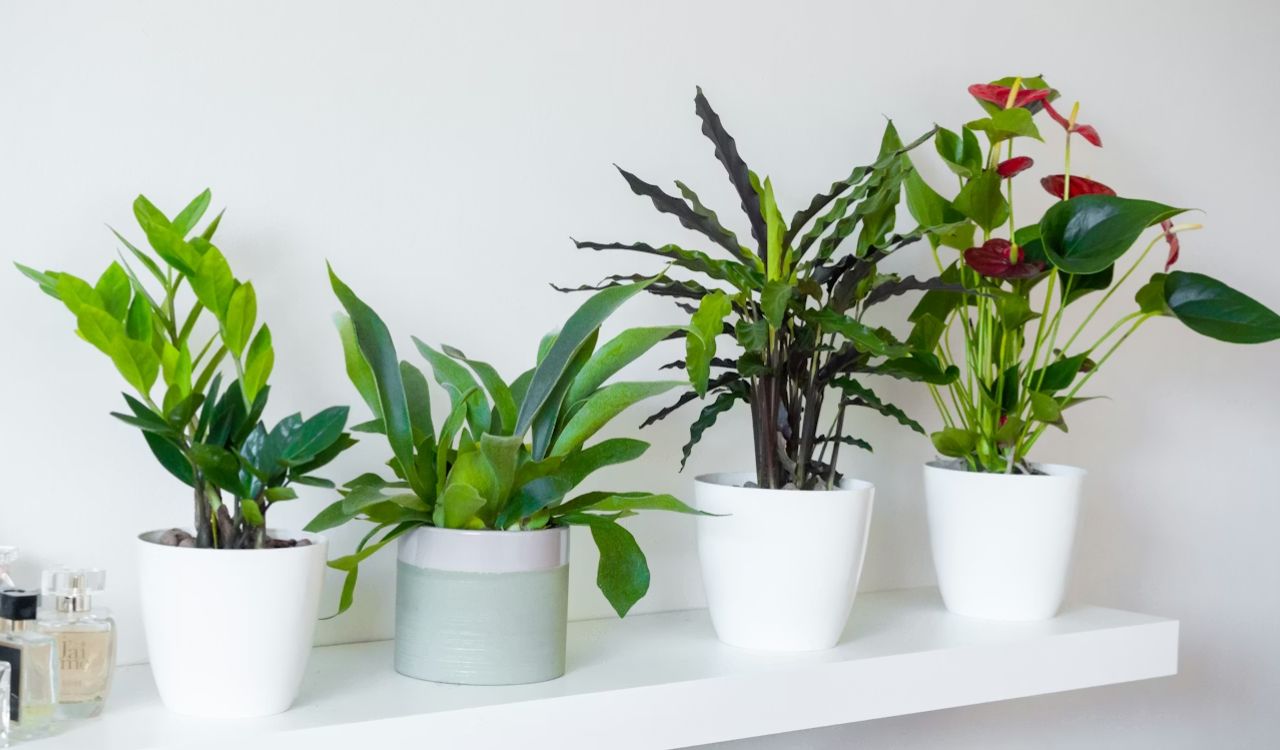

Busy homes are not gentle environments for houseplants. Watering gets skipped, light changes with the seasons, and plants are sometimes forgotten altogether. Fortunately, plant experts agree that some houseplants are naturally built to handle this kind of treatment. These varieties evolved to store water, grow slowly, and tolerate inconsistent care without falling apart. Instead of demanding perfect routines, they focus on survival first. If you want greenery that keeps going even when life gets hectic, these tough houseplants are known for staying healthy, upright, and presentable with minimal effort.
1. Snake plant (Sansevieria)
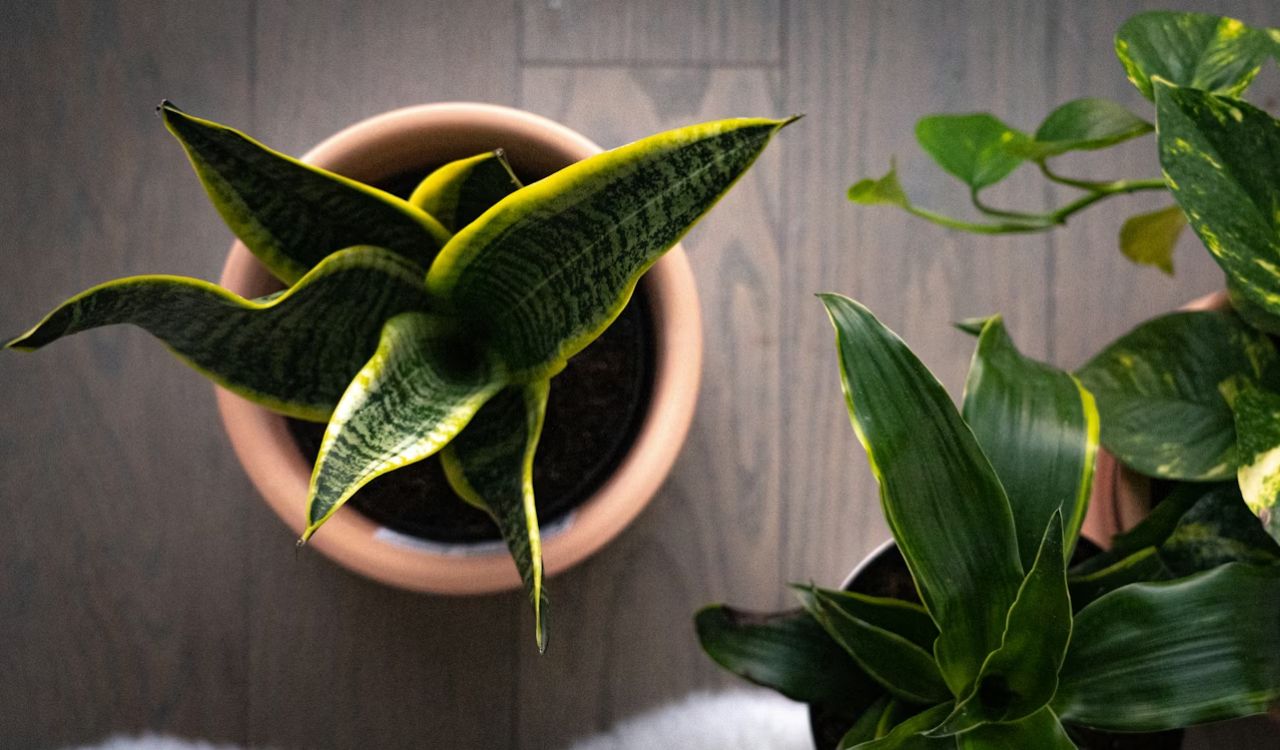
Snake plant is often considered one of the most durable houseplants because it thrives on neglect more than attention. Its thick leaves store water, allowing it to survive long gaps between waterings without stress. It tolerates low light, bright indirect light, and most indoor temperatures without complaint. Overwatering is the biggest risk, so letting the soil dry fully is key. Growth is slow and steady, which means less maintenance and fewer surprises. Even in busy homes with irregular care, snake plant keeps its structure and color, making it a dependable choice for people who want greenery without daily responsibility.
2. ZZ plant (Zamioculcas zamiifolia)

ZZ plant is known for surviving conditions that challenge many other houseplants. Thick underground rhizomes store moisture and nutrients, allowing the plant to cope with missed waterings and low light. It performs well in rooms with artificial lighting and does not require frequent care to stay healthy. Leaves remain glossy and firm even when attention is inconsistent. Water only when the soil is mostly dry, since excess moisture causes more harm than neglect. Its naturally slow growth keeps it manageable over time. For busy households, ZZ plant offers a polished look with very little effort.
3. Spider plant (Chlorophytum comosum)
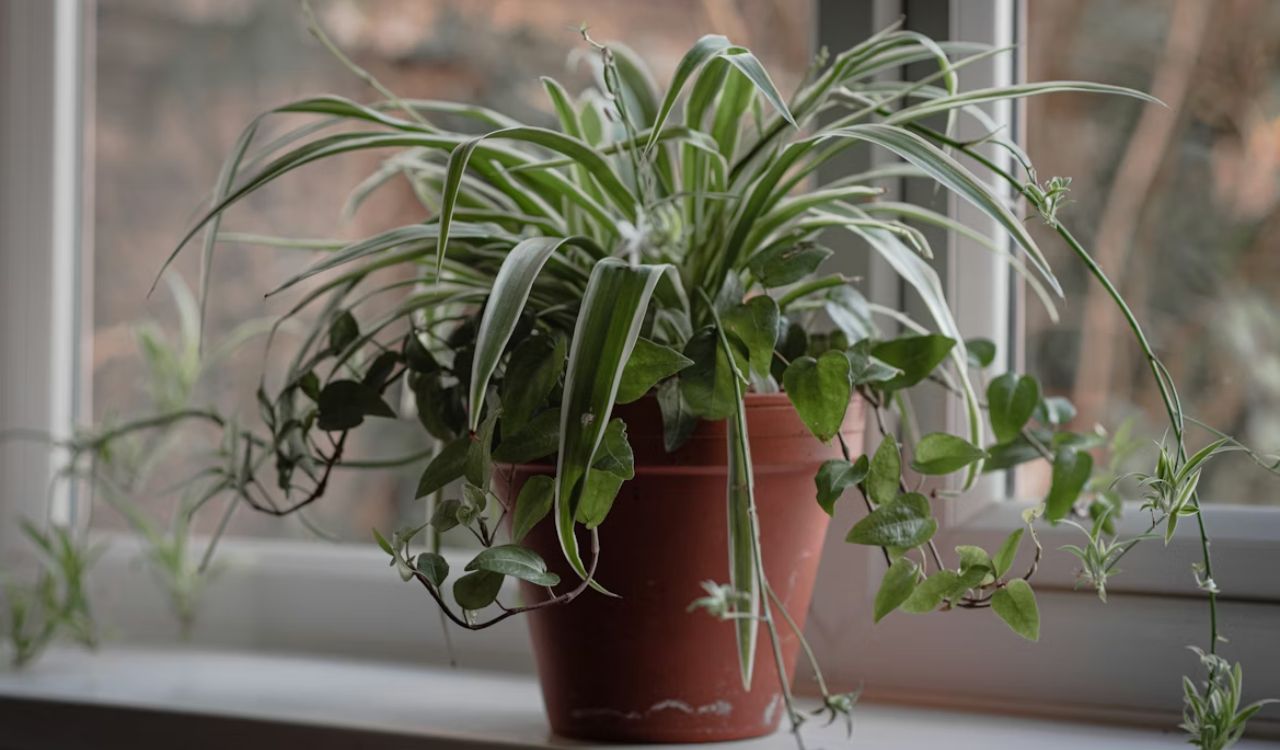
Spider plant is considered nearly unkillable because it adjusts quickly when care is inconsistent. It tolerates missed waterings, uneven light, and changing indoor conditions without lasting damage. Thick roots store moisture, allowing the plant to recover easily if watering is delayed. While it prefers bright, indirect light, it continues growing in average household lighting. Water when the soil surface feels dry, and avoid letting the pot sit in standing water. Brown leaf tips are common and usually cosmetic rather than serious. Spider plant grows steadily without constant attention, making it well suited for busy homes where routines are not always predictable.
4. Rubber plant (Ficus elastica)
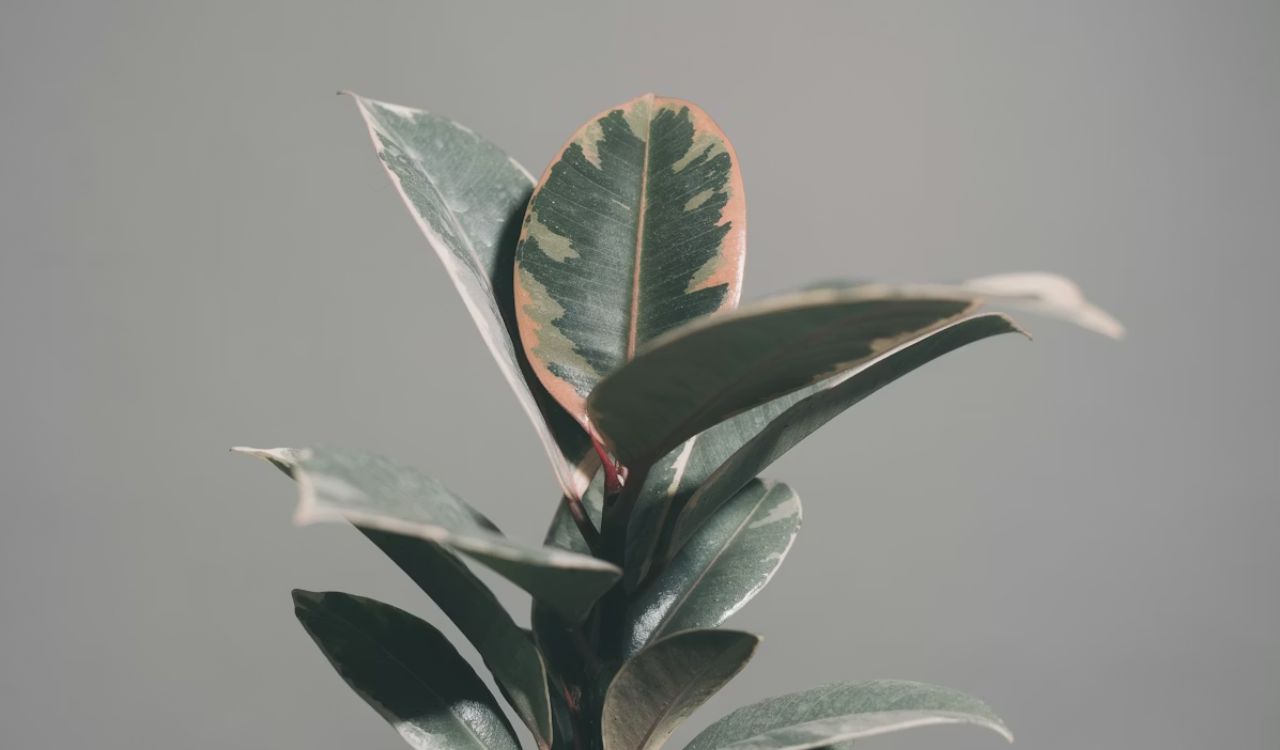
Rubber plant is often praised for its ability to tolerate uneven care while still looking bold and healthy. Thick, leathery leaves hold moisture well, helping the plant cope when watering is delayed. It prefers bright, indirect light but adapts to average indoor conditions without complaint. Let the top portion of soil dry before watering again, as soggy roots cause more harm than dry soil. Growth is steady rather than fast, which keeps maintenance low. Occasional leaf wiping helps it stay glossy. In busy homes, rubber plant remains upright and presentable even when care is not perfectly timed.
5. Jade plant (Crassula ovata)
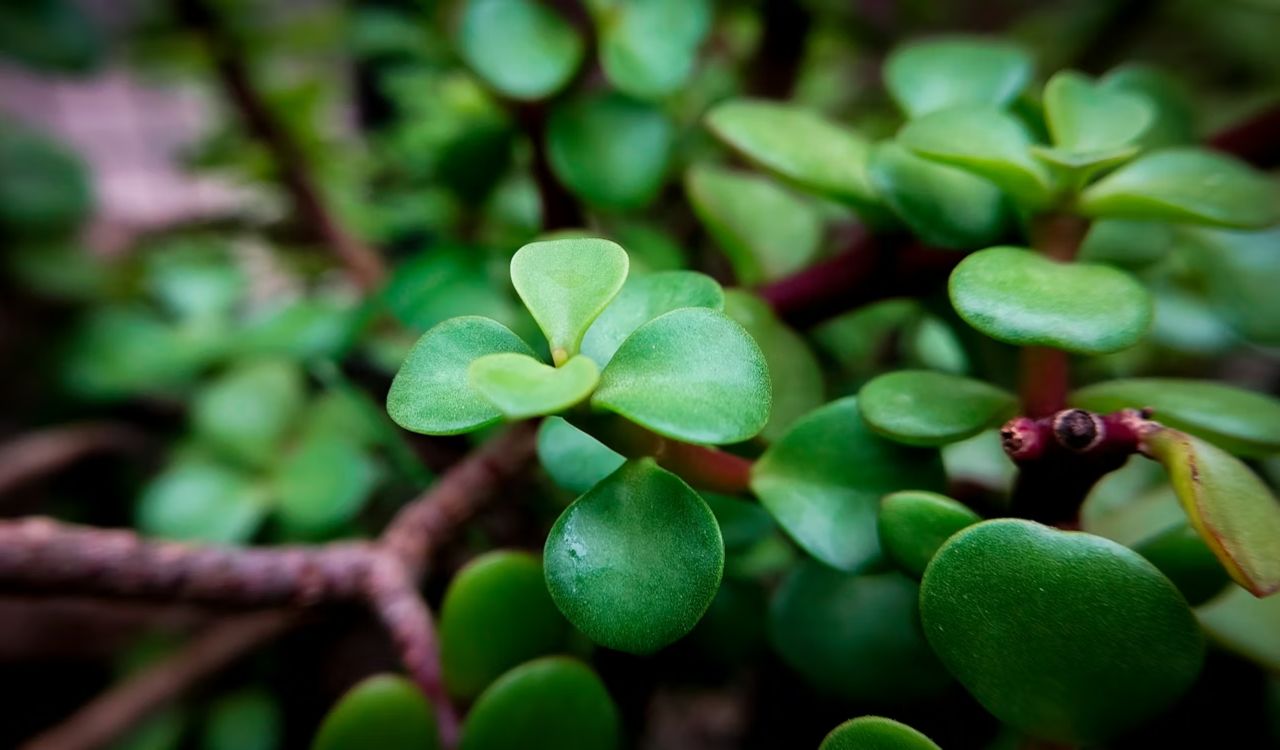
Jade plant is one of the most forgiving succulents for busy households because it stores water in its thick, fleshy leaves. This allows it to tolerate long stretches without watering and recover easily from neglect. It prefers bright indoor light but adapts to average conditions as long as soil drains well. Let the soil dry completely before watering again, since excess moisture causes more harm than dryness. Growth is slow and controlled, which limits the need for pruning or repotting. Even with minimal care, jade plant keeps its compact shape and firm leaves, making it a dependable long term houseplant for hectic schedules.
6. Aloe vera
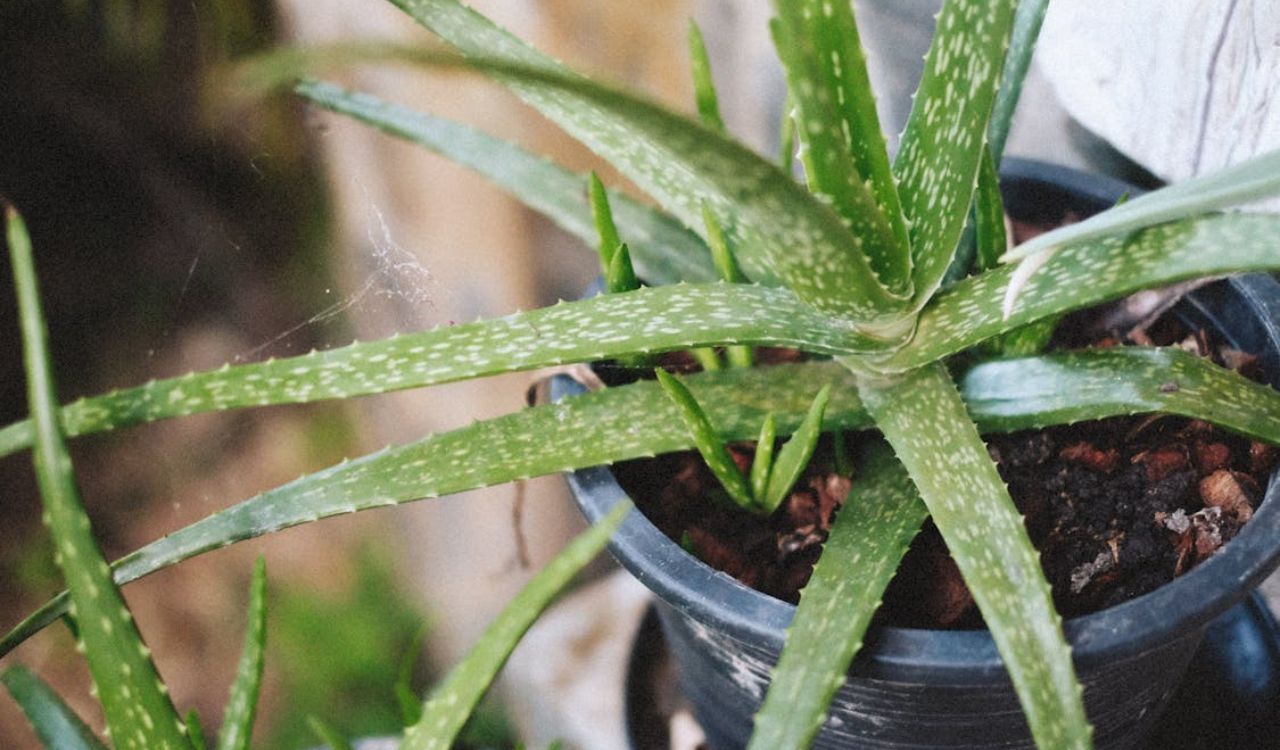
Aloe vera thrives in busy homes because it prefers being left alone rather than tended often. Thick leaves store water, allowing the plant to tolerate long gaps between waterings without stress. It grows best in bright light but adapts to average indoor conditions as long as soil drains quickly. Water only after the soil dries completely, since excess moisture causes rot. Growth remains slow indoors, keeping the plant manageable. Aloe rarely reacts dramatically to missed care, and its sturdy structure helps it stay healthy despite inconsistent routines. This makes it a dependable plant for people with limited time.
7. Ponytail palm (Beaucarnea recurvata)

Ponytail palm is surprisingly tough and well suited to homes with unpredictable care. Its swollen base stores water, helping it survive long periods without watering. It prefers bright light but tolerates indoor conditions without constant adjustment. Let soil dry thoroughly between waterings to avoid root issues. Growth is slow, which limits maintenance and repotting. The stiff, arching leaves hold their shape even when care is irregular. Ponytail palm responds poorly to overattention but thrives when ignored. For busy households, it offers structure and personality without demanding frequent care or close monitoring.
8. Peace lily (Spathiphyllum)
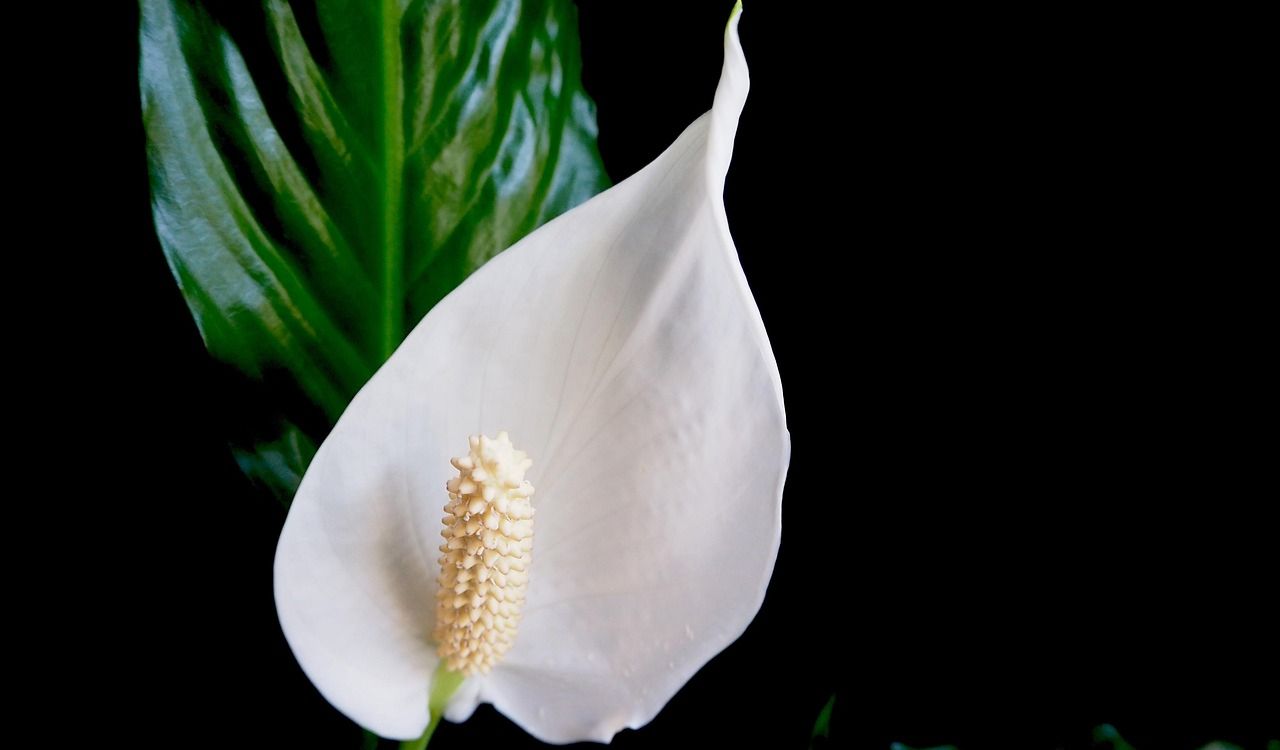
Peace lily is often described as resilient because it clearly communicates its needs and rebounds quickly once cared for. It tolerates low to moderate light and adapts well to indoor environments where conditions are not always ideal. Missed waterings usually result in temporary drooping rather than lasting damage, and leaves recover soon after watering. Keep soil lightly moist but not saturated, and avoid letting it dry out completely for long periods. Growth may slow with less light, but foliage remains healthy. Peace lily suits busy homes by offering clear visual cues without declining quickly when care is delayed.
9. Dracaena (Dracaena marginata)

Dracaena marginata is valued for its ability to tolerate inconsistent care while maintaining its upright form. It adapts to a range of indoor light levels and does not require frequent watering to stay healthy. Allow the top portion of soil to dry between waterings, since overwatering is a bigger risk than brief dryness. Leaves stay firm even when attention is occasional. Growth is slow and manageable, reducing pruning needs. Dracaena also handles indoor air well, making it suitable for busy homes where conditions vary. Its steady nature helps it remain attractive without strict routines or daily care.
10. Cast iron plant (Aspidistra elatior)
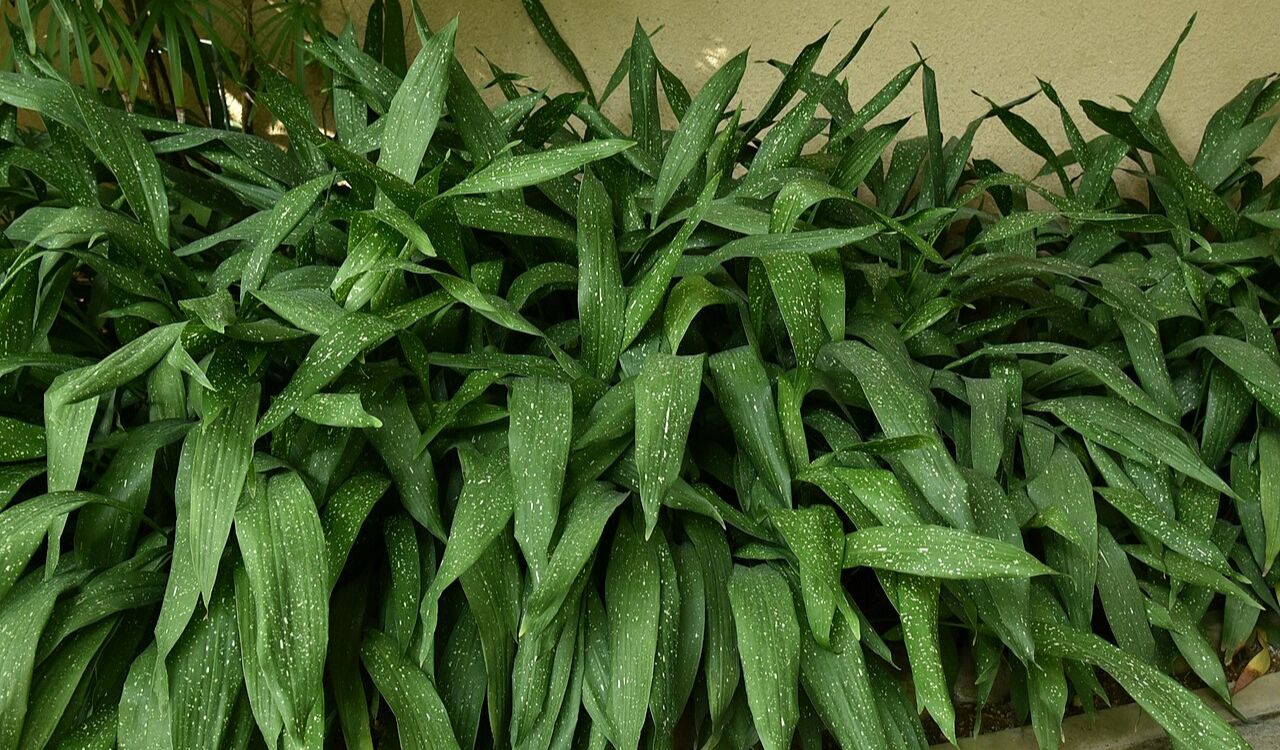
Cast iron plant earns its reputation by surviving conditions that challenge many houseplants. It tolerates low light, irregular watering, and typical indoor temperature changes without reacting dramatically. Thick, dark green leaves grow slowly but last a long time, reducing maintenance demands. Allow the top layer of soil to dry before watering again, and avoid direct sun, which can damage foliage. This plant prefers being left alone rather than fussed over. Growth is gradual, so repotting is rarely urgent. For busy homes, cast iron plant offers reliable greenery that stays steady even when care is inconsistent.
11. Hoya (Hoya carnosa)

Hoya is often overlooked, but plant experts value it for its patience and resilience. Thick, waxy leaves store moisture, allowing the plant to tolerate missed waterings without stress. It prefers bright, indirect light but continues growing in average indoor conditions once established. Allow the soil to dry well between waterings, since excess moisture causes more harm than dryness. Growth is slow and steady, which reduces maintenance demands. Hoyas dislike frequent disturbance, so leaving them in one spot works best. In busy homes, this plant stays healthy by thriving on consistency rather than constant care or attention.
12. Peperomia (Peperomia obtusifolia)
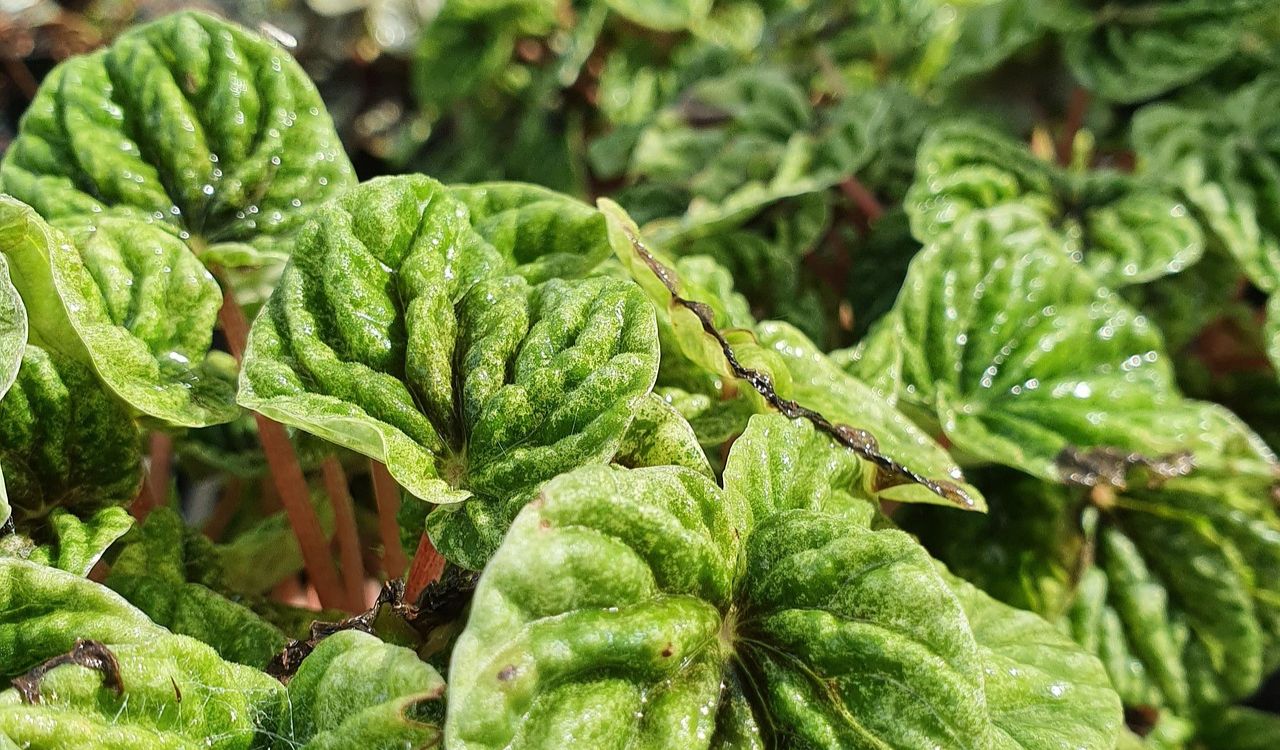
Peperomia obtusifolia is well suited to busy households because it remains compact and forgiving when care routines slip. Its thick leaves store water, helping it manage occasional missed waterings. It adapts well to moderate indoor light and does not require bright conditions to stay healthy. Water only after the top portion of soil dries, and avoid letting roots sit in moisture. Growth stays slow and controlled, limiting the need for pruning or repotting. Peperomia also tolerates indoor air well. Its small size and steady nature make it an easy plant to keep alive even with irregular attention.
13. Haworthia
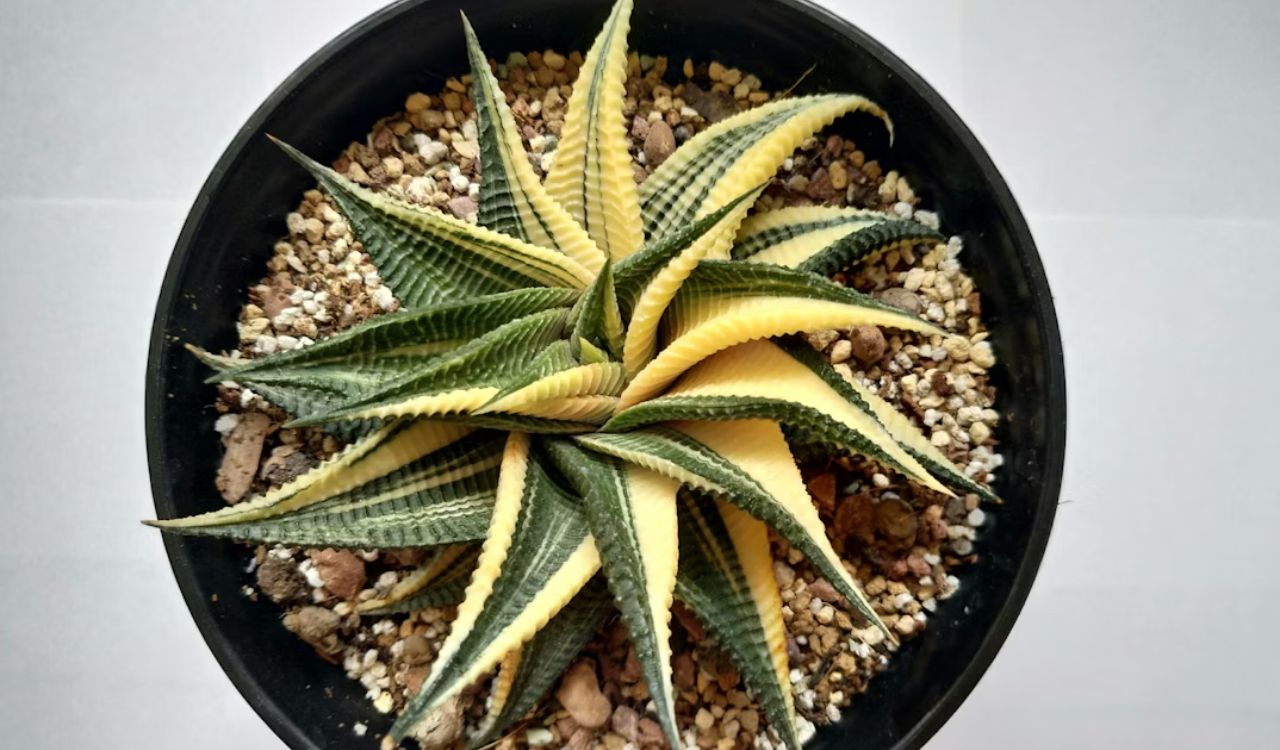
Haworthia is a hardy succulent that thrives on minimal involvement, making it ideal for busy homes. Compact rosettes store water efficiently, allowing the plant to tolerate long gaps between waterings. It prefers bright, indirect light but adapts well to indoor conditions away from windows. Direct sun can damage leaves, so filtered light works best. Let the soil dry completely before watering again, since excess moisture is its main threat. Growth is slow and predictable, which keeps maintenance low. Haworthia remains tidy and healthy with very little care, proving that small plants can be exceptionally tough.