


Deer pressure is no longer a minor nuisance in many gardens. Beds that look full in spring can be chewed down by midsummer, with buds clipped first and tender stems stripped next. Plant experts say the damage worsens when landscapes rely on soft ornamentals that read like easy food, especially along edges used at dawn and dusk.
The fix is not one miracle plant but a smarter palette of tough flowering species with scent, texture, and chemistry deer dislike. Aromatic foliage, fuzzy leaves, bitter sap, and coarse stems lower repeat browsing while still delivering color. Layered by season and site, these picks keep structure, support pollinators, and stop grazing from defining the growing season.
Fragrant Bloomers That Deer Usually Ignore

Bee balm, catmint, and lavender are reliable first picks where browsing is constant. Their aromatic foliage and textured leaves make them less appealing than tender, scent-light ornamentals, and deer-resistance lists repeatedly place these groups in safer categories. They also bloom for long stretches, so they protect color as well as plant structure.
Their care needs are direct. Bee balm prefers sun to light shade, moist but draining soil, and regular division for airflow. Catmint likes lean ground and rebounds after a trim. Lavender wants full sun, sandy or gritty drainage, and light pruning above live growth. Grouped together in warm exposures, these three often cut visible deer damage while keeping pollinators active.
Spiky Summer Color For Lean Beds
Salvia and Russian sage form a strong backbone in sunny borders. Both handle heat, lower water once rooted, and carry aromatic foliage deer avoid. Their vertical spikes keep color visible above neighbors, so beds still look full under midsummer stress.
Penstemon extends that look with tubular flowers and a tidy upright habit. It also handles leaner ground than many soft-leaf perennials.
Deadhead salvia after each flush to keep stems clean. A light shear often triggers another round of bloom.
Yarrow finishes the mix with flat clusters and ferny foliage. It loves full sun, tolerates drought, and responds to deadheading and occasional division. Together, these plants hold long color with fewer browse marks than lush, high-moisture options.
Heat Tough Daisies That Hold Through Browse Pressure
Coreopsis, blanket flower, and globe thistle handle the exact conditions that expose borders to browsing: hard sun, lean soil, and uneven rain. Coreopsis and gaillardia keep blooming without heavy feeding, while globe thistle adds steel-blue spheres and coarser foliage that deer and rabbits often skip. The mix also looks sharp, pairing warm daisy tones against cool blue accents.
Deadhead coreopsis and blanket flower to extend bloom and prevent a tired midsummer look. Keep globe thistle in sharply drained soil, avoid rich amendments that force weak stems, and divide crowded clumps as needed. This trio stays colorful and structured when weather swings and deer pressure rises each year.
Tall Flowering Picks That Hold Structure
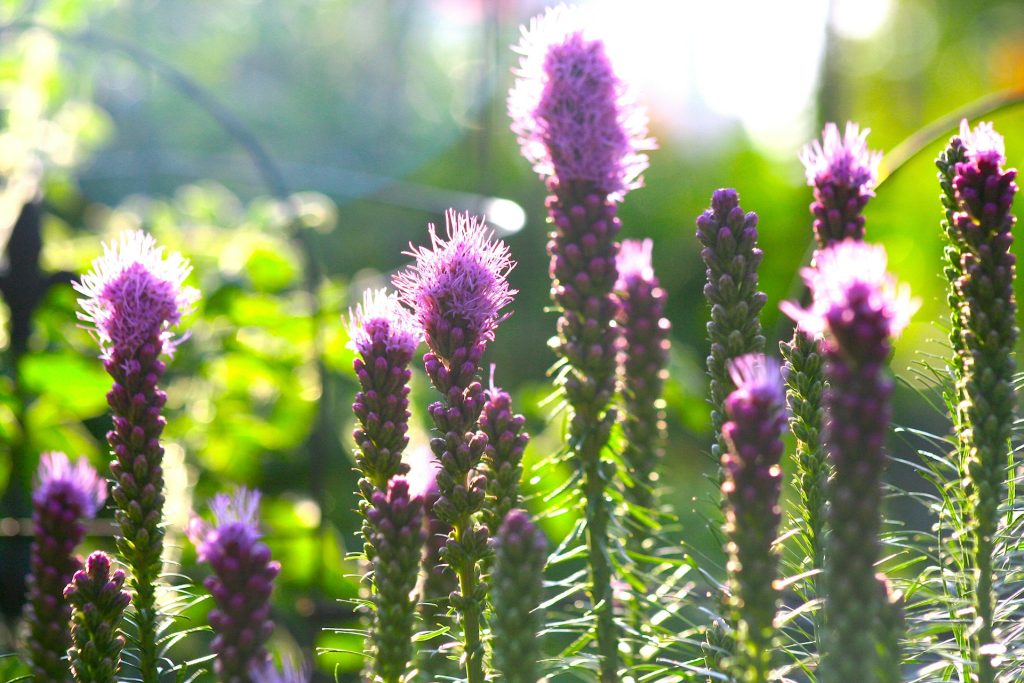
Blazing star, ornamental allium, and foxglove add height without relying on soft leaves deer prefer. Liatris sends narrow spikes, allium lifts round heads above strap foliage, and foxglove brings tall bells in spring. This vertical layer keeps beds ordered.
Allium shines because onion-family scent and taste make it a poor deer target. Plant bulbs in fall and let foliage die back naturally.
Foxglove and euphorbia relatives contain toxic compounds that browsers often avoid. Gardeners still need gloves, careful placement, and basic pet safety.
Liatris likes sun with moisture that drains well. Foxglove prefers richer, evenly moist soil and often self-seeds. Repeat this trio in pockets and borders keep rhythm even when lower plants get nibbled.
Shade Perennials That Resist Deer Better Than Most
Lungwort, hellebores, and astilbe give shade gardens real defensive options. Lungwort brings early flowers and spotted leaves in cool, moist conditions. Hellebores carry late-winter to spring bloom in part to full shade. Astilbe adds feathery plumes where many sun-first deer-resistant plants fail. Together they prevent the usual shade slump after spring.
Keep soil rich and evenly moist, especially for astilbe and lungwort during warm spells. Divide astilbe every few years to maintain vigor, and clean older hellebore leaves as new growth rises. Because hellebore tissues are toxic and lungwort can irritate pets if eaten, place them thoughtfully. Used together, they keep low-light beds layered, colorful, and less appealing to deer.
Foliage Workhorses With Built-In Deterrence
Silvermound artemisia and Euphorbia Ascot Rainbow do more than fill space. Silvermound forms aromatic, bitter mounds deer usually avoid, and its pale tone cools hot color schemes. Ascot Rainbow adds chartreuse-bracted color and variegated foliage that stays attractive beyond peak bloom. Both plants also bridge visual gaps between major flower flushes.
These are low-water structural plants. Give both excellent drainage and avoid overfeeding, which causes floppy growth. Trim silvermound after flowering to keep its dome, and wear gloves when pruning euphorbia because milky sap can irritate skin and eyes. Repeated near edges and paths, this pair sharpens design lines and lowers browsing pressure in high-traffic beds.
Woodland Style Without Annual Replanting

Columbine is a bridge between sunny edges and shaded interiors. It handles part shade, blooms in spring with spurred flowers, and often reseeds enough to maintain presence. Deer-resistance lists commonly include it, so it helps in transition zones where browsing is unpredictable.
For stronger performance, grow it in well-drained soil that stays lightly moist. Cut spent stems for tidiness, or leave some seedheads where naturalizing is welcome. Thin heavy seedlings in spring.
Because columbine can be short lived, plan for renewal instead of permanence. A few new seedlings each year are a strength. Paired with hellebore, lungwort, astilbe, catmint, or salvia, it creates a smooth spring-to-summer bridge that stays full and hides patchy grazing.
A Practical Deer Resistant Flower Plan That Lasts
Start with one principle from extension guidance: no plant is deer proof when food is scarce. Success comes from layered deterrence. Combine aromatic plants, coarse or fuzzy foliage, and selected toxic species where appropriate, then stagger bloom from early spring into fall. If deer sample one group, the bed still holds shape and color.
A durable sunny mix can center on salvia, catmint, lavender, yarrow, allium, coreopsis, gaillardia, and globe thistle. Shade transitions can rely on hellebore, lungwort, astilbe, and columbine, with silvermound and euphorbia adding structure. Keep results steady with deep, infrequent watering, timely deadheading, and periodic division. Damage will not vanish, but it stops driving the entire season.