

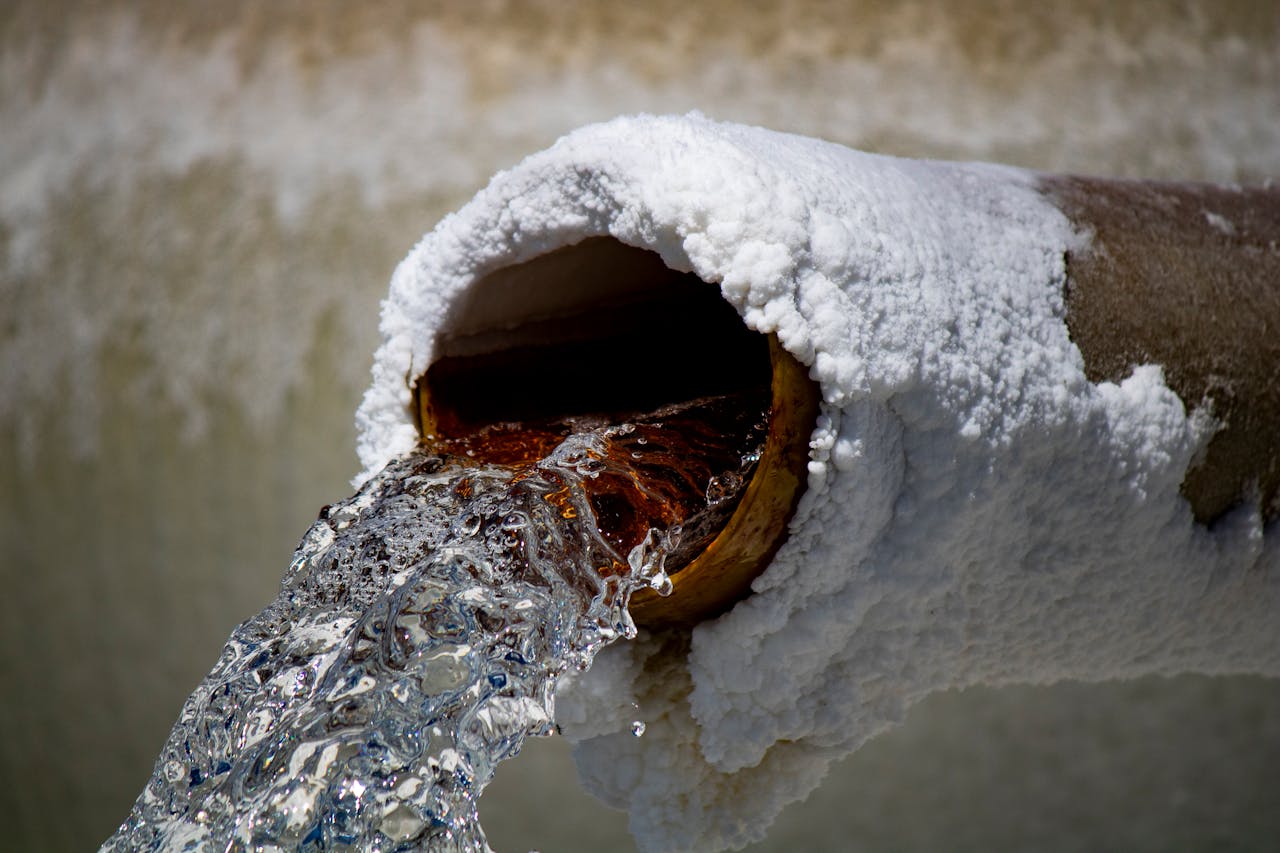
Texas plumbers know the pattern well: a mild spell, a sudden north wind, then emergency calls before sunrise. In many homes, the line that fails is not ancient or unusual, it is simply exposed in one overlooked spot and pushed past its limit overnight. State and local guidance keeps repeating the same points because they keep proving true in the field. Most burst-pipe losses in Texas trace back to preventable freeze mistakes tied to timing, airflow, and shutoff readiness. A short freeze window can still trigger days of expensive interior repair once thaw begins.
Leaving Hoses Attached to Outdoor Faucets
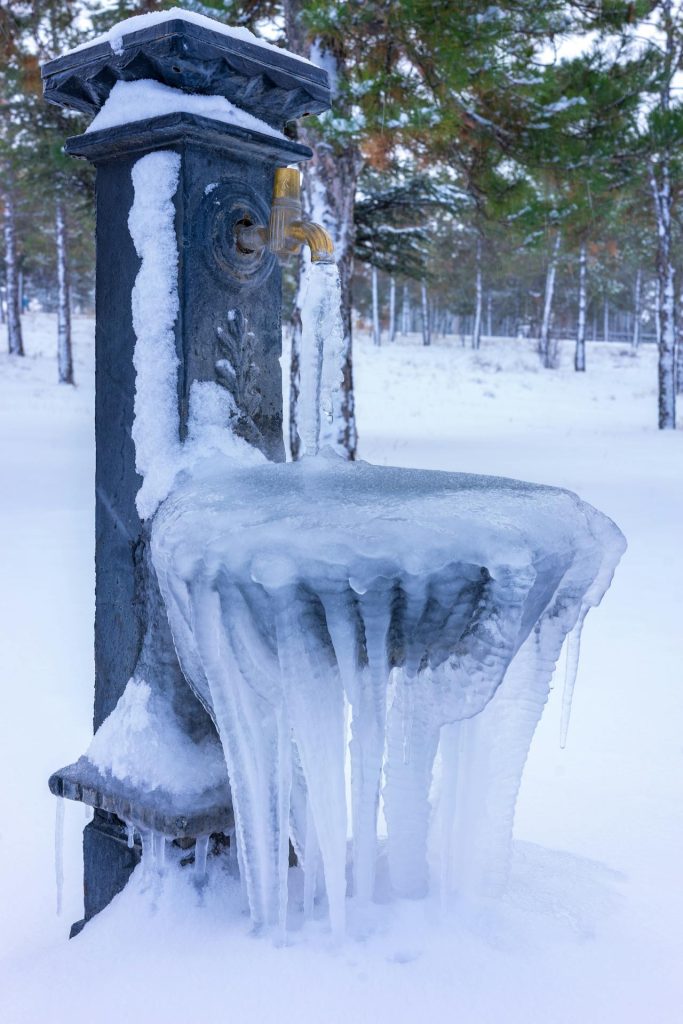
Texas crews keep seeing this one because it looks harmless until the temperature drops hard. A hose left on a bib traps water in the exposed run, and expanding ice can push pressure back into the line inside the wall. By the time thaw starts, the leak can already be soaking insulation and drywall.
Austin Water and Texas A&M guidance both stress the same prep order: disconnect hoses, protect hose bibs, and drain irrigation feeds before the coldest window arrives. In practice, this is often the first fix plumbers check after a freeze event, and it remains one of the easiest losses to prevent in older and newer Texas homes alike.
Buying Pipe Wrap After the Forecast Goes Viral
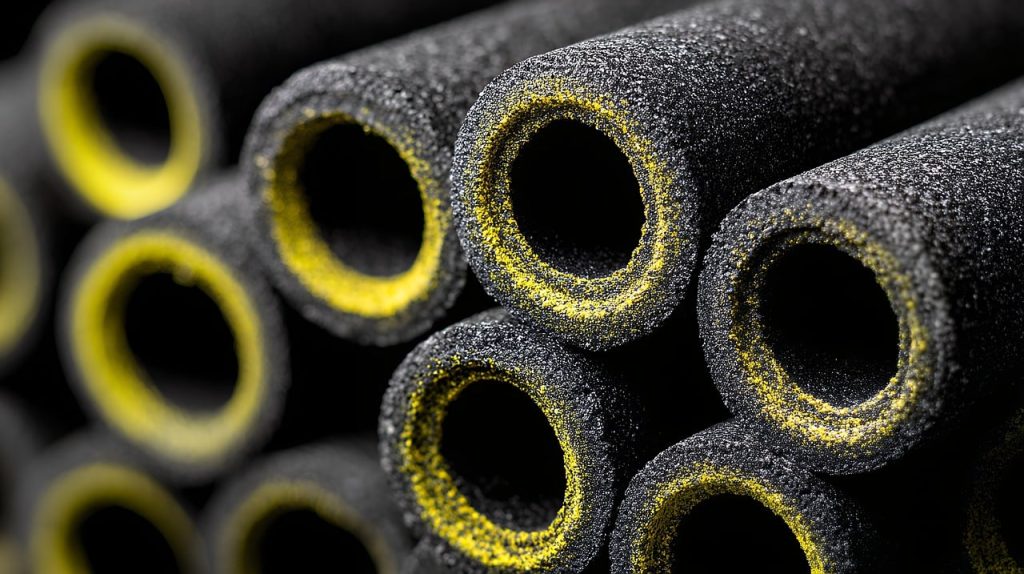
The mistake is not ignorance, it is timing. Many households wait for a freeze alert, then search for foam sleeves, faucet covers, and heat tape after stores have thinned out. Texas A&M experts warn that winterization supplies can sell out quickly once warnings are issued, leaving vulnerable runs exposed when temperatures fall overnight.
Plumbers treat early purchase as damage control, not overreaction. Wrapping attic lines, garage branches, and exterior-wall plumbing before the rush is one of the cheapest moves in the freeze plan. They also recommend keeping spare wrap ready for late-season cold snaps after warm weeks.
Ignoring Cold Air Paths Around Attics and Garages
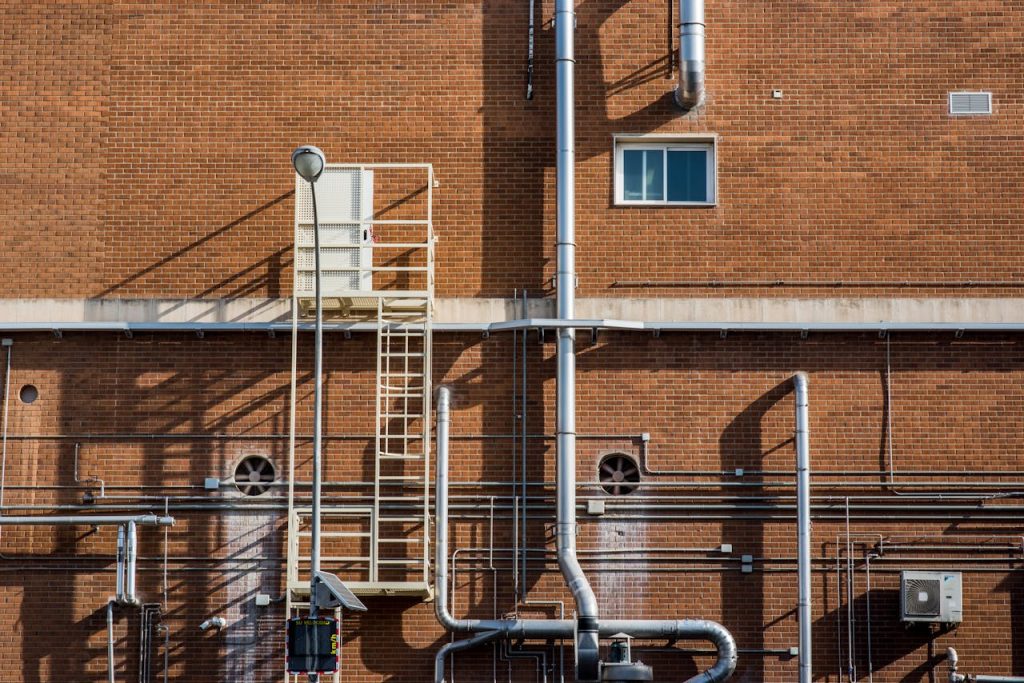
A home can feel warm at the thermostat and still have pipe zones near freezing. Wind enters through attic penetrations, unsealed crawl access points, and garage gaps, then chills lines that sit against framing or exterior walls. That mismatch is why leaks often appear in places residents rarely inspect.
Texas A&M extension guidance calls out attics and exterior walls as priority risk areas, and city utilities echo the need to shield exposed runs from direct wind. Plumbers say this is where a small sealing job can prevent a major repair invoice later, especially when overnight wind chills stay below freezing for hours.
Dropping the Thermostat Too Low to Save Money
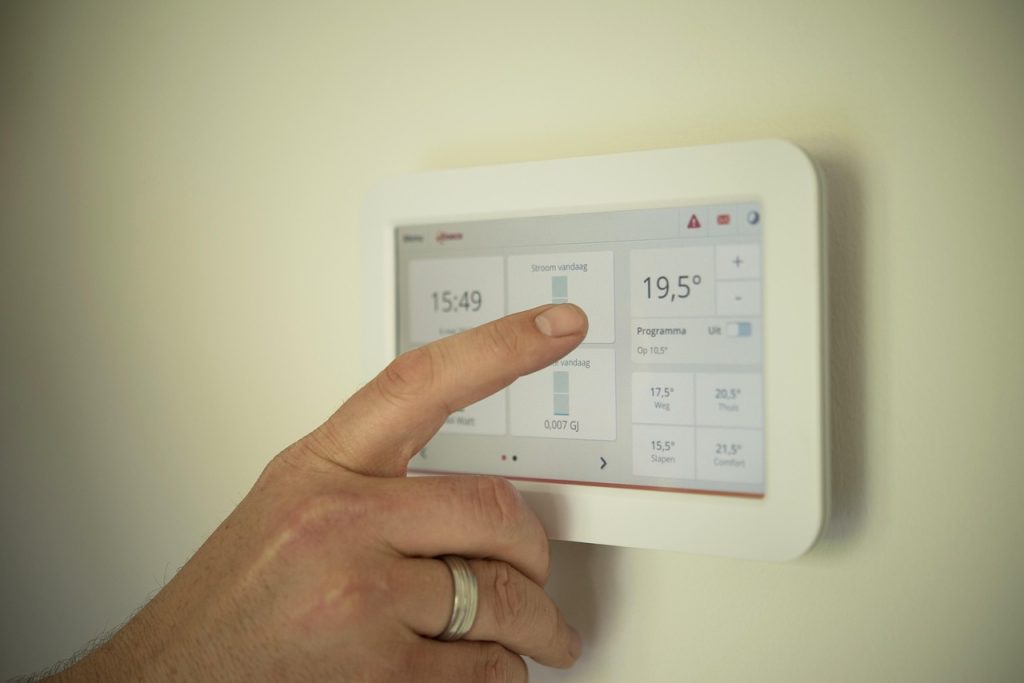
During a short freeze, the biggest heating mistake is wide nighttime setbacks. Peripheral plumbing cools first, so a comfortable living room does not mean cabinet backs, utility corners, or garage-adjacent lines are safe. Once water inside those lines slushes and stalls, pressure spikes can follow quickly.
The Red Cross advises keeping heat steady, day and night, and setting vacant homes no lower than 55°F. Austin Water recommends 65°F or higher when leaving town in freezing weather. Plumbers frame it simply: stable indoor heat costs less than post-freeze restoration and the disruption of water shutdowns in hard-cold weeks.
Keeping Cabinet Doors Closed in Vulnerable Rooms
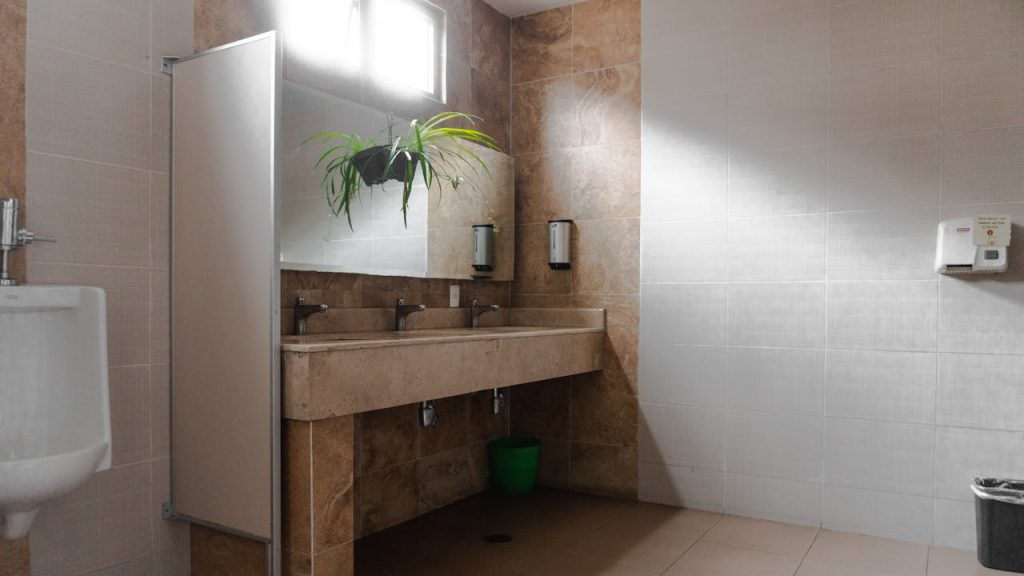
Under-sink lines on exterior walls often freeze while interior rooms still feel fine. Closed cabinet doors trap colder pocket air, which slows heat transfer exactly where pipes need it most. In Texas cold snaps, that small airflow decision can separate a routine morning from a plumbing emergency.
CDC, Austin Water, and SAWS all advise opening cabinets so indoor heat can circulate around supply lines during freezing periods. Utilities also remind households to move cleaners and chemicals out of reach before doors stay open. Plumbers consider this one of the fastest low-effort protections for north-facing kitchens and bathrooms.
Using the Wrong Faucet Drip Strategy
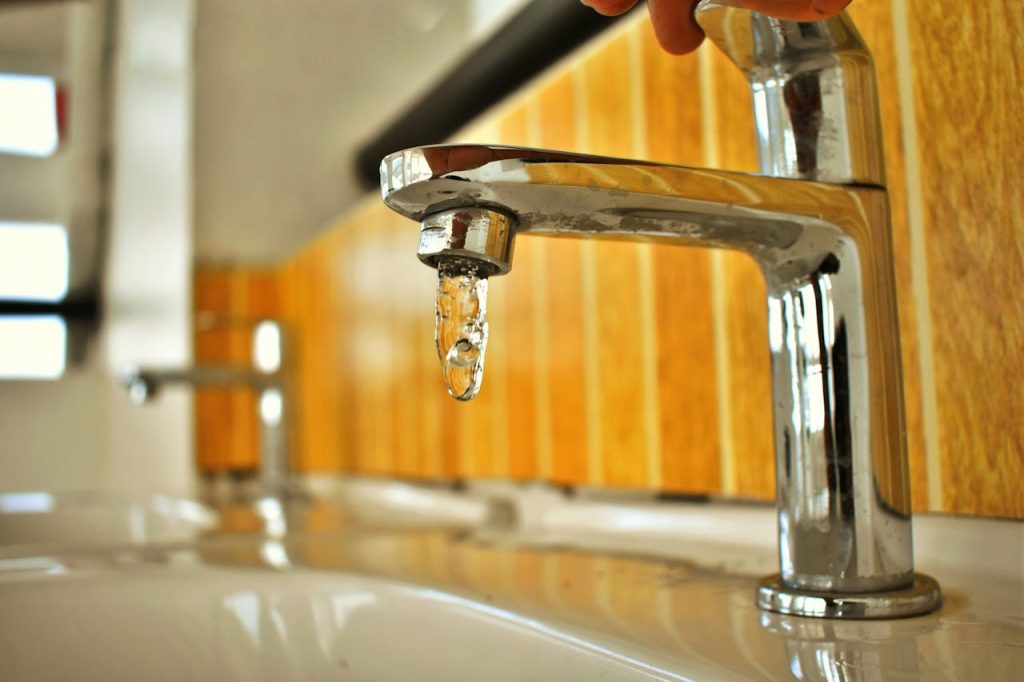
The drip debate gets noisy, but utility guidance is practical. A heavy stream wastes water, while no flow at all can leave vulnerable lines stagnant under prolonged cold. The goal is a slow, steady trickle that keeps movement in at-risk sections without overloading drains or hiding deeper insulation gaps.
Austin Water recommends dripping one cold faucet only if needed, ideally the fixture farthest from the main shutoff. SAWS also treats dripping as a protective step during freeze conditions. Plumbers pair this with insulation and indoor heat, because dripping works best as part of a full prevention setup, not a last-minute fix.
Forgetting Irrigation and Backflow Assemblies
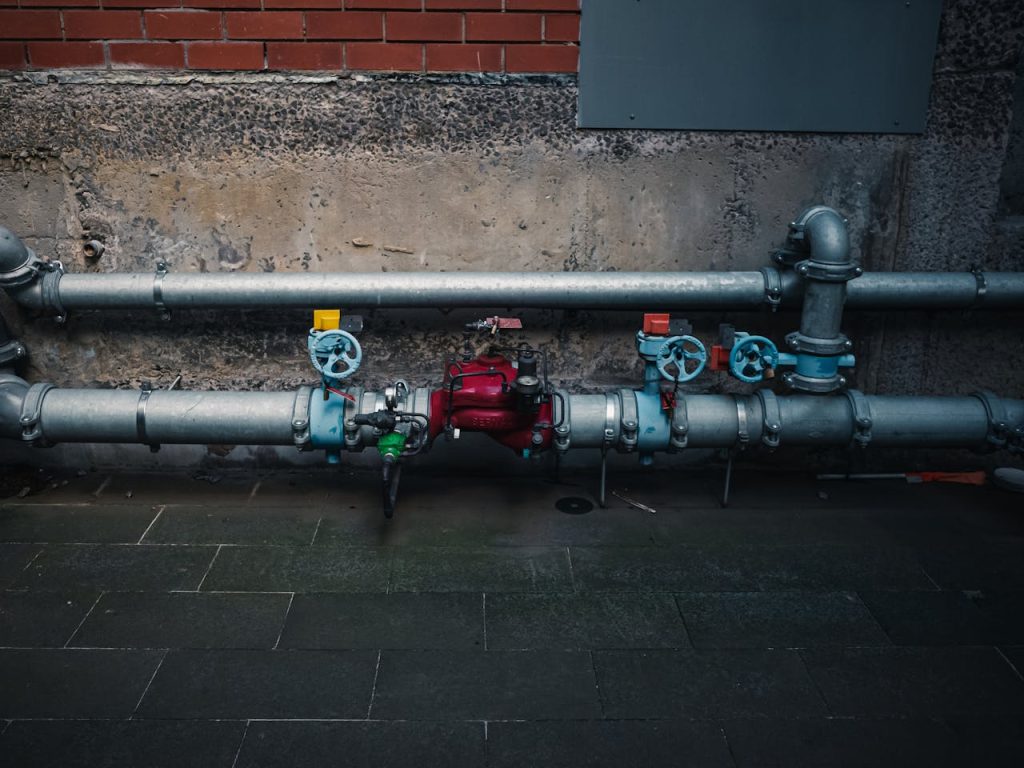
Many freeze plans stop at kitchen sinks, while irrigation branches and backflow devices stay exposed outside. Those components hold water, lose heat quickly, and can crack during overnight lows, especially when winter prep is delayed. Damage there can also create pressure and leak problems downstream.
Fort Worth Water and Austin Water both emphasize irrigation winterization, including controller shutdown steps and draining or depressurizing lines. Red Cross guidance also flags sprinkler supply lines as common freeze targets. Plumbers treat outdoor systems as essential in prep because exterior failures can trigger secondary repairs.
Not Knowing the Main Shutoff Before a Leak Starts
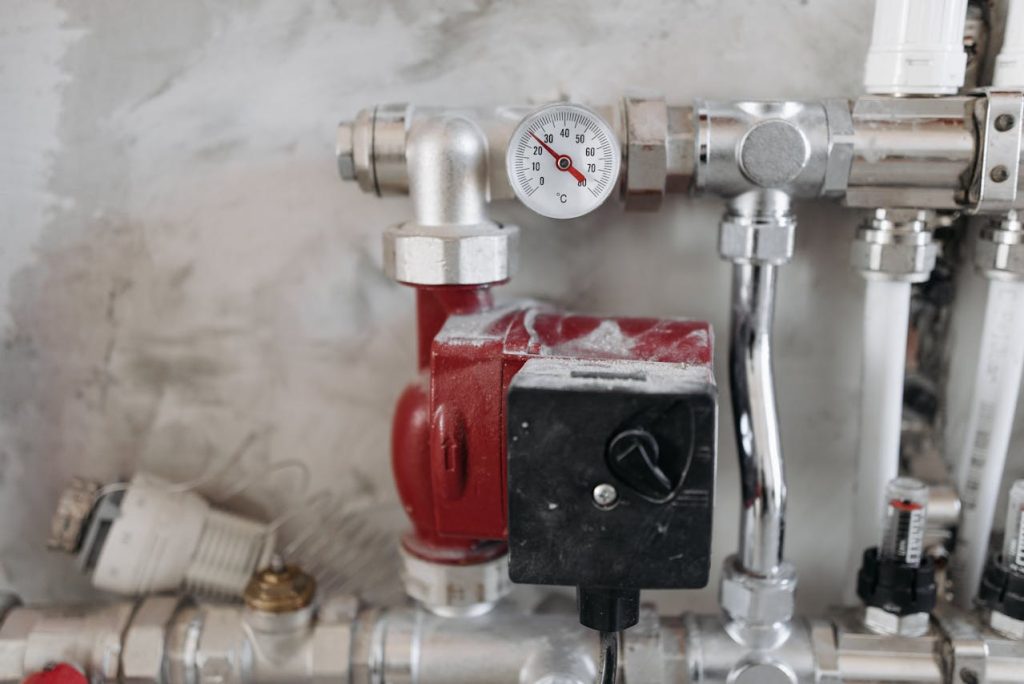
When a pipe opens up after thaw, minutes matter most. Yet many households only look for the main valve after water is already running through walls or ceilings. That delay can turn a repairable break into flooring, cabinet, and electrical cleanup that lasts for days.
SAWS and Austin Water both push shutoff readiness before winter, including confirming the valve works and ensuring everyone in the home knows the location. For vacant properties, Austin advises shutting water off at the meter during freezing travel periods. Plumbers call this the habit that consistently limits total damage when help is delayed after thaw begins.
Thawing with Open Flame or Rushing the Process
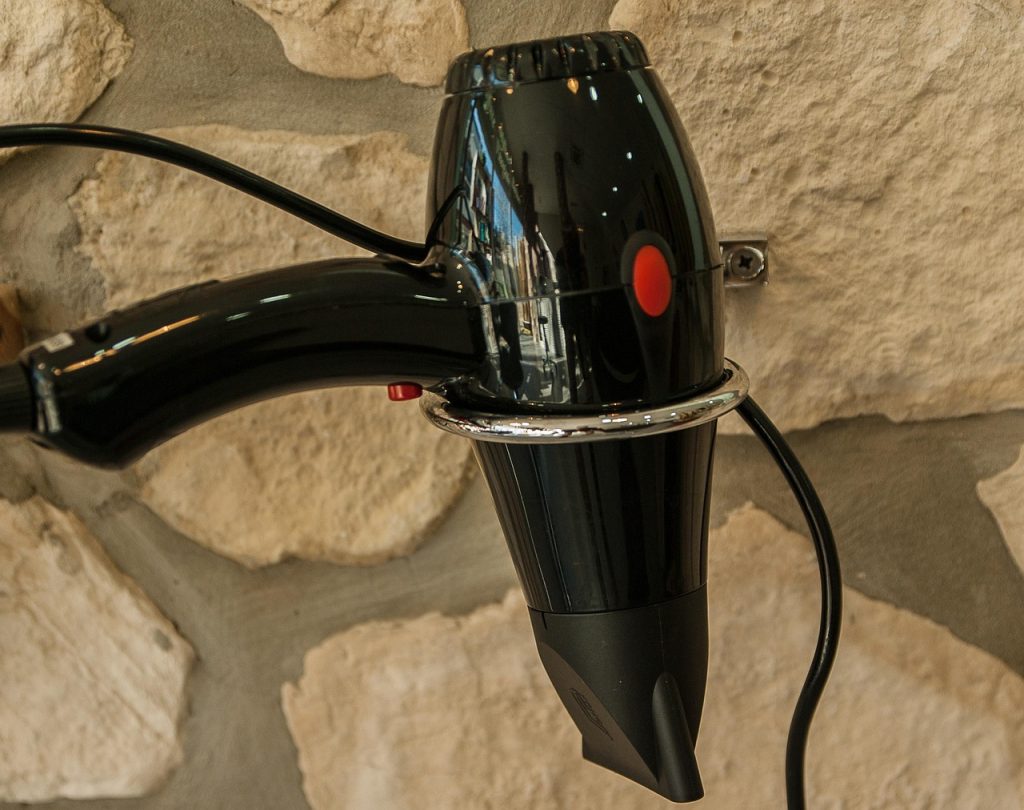
After a freeze, panic creates bad choices. Open flame tools, rapid high heat, and unattended space heaters can damage piping and raise fire risk before full flow returns. Even when water starts moving, hidden cracks can widen as pressure normalizes, so a rushed thaw can still lead to larger interior leaks.
CDC and Red Cross both advise gentle heat methods such as a hair dryer or heating pad, with the faucet open while thawing. They also warn against torches and other open-flame devices. Plumbers follow the same sequence: thaw slowly, check other fixtures, and shut water if pressure or leaks look wrong before calling licensed help.
Texas cold snaps are brief, but the stress they cause can linger long after the weather clears. The homes that come through with fewer repairs usually follow a simple rhythm: prepare early, keep heat steady, and treat shutoff access like part of routine safety. That steady approach protects more than pipes. It protects sleep, budgets, and a sense of calm when forecasts turn sharp overnight.