

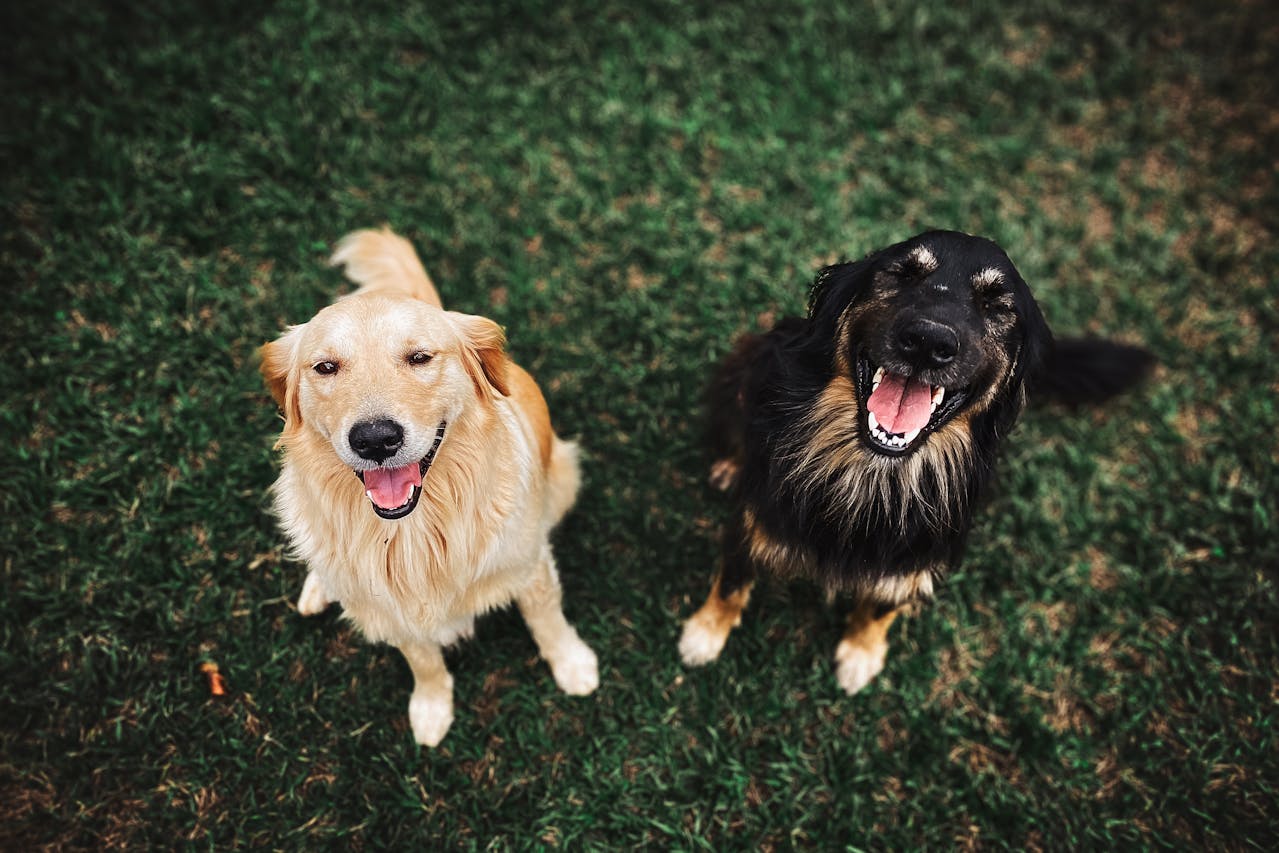
Most people assume dog conflict starts with a bark or a snap, but behavior specialists describe a quieter sequence: subtle stress cues appear, people miss them, pressure rises, and the relationship pays for it later. A tongue flick, a turned head, or sudden stillness can carry more weight than any loud sound. Research on human interpretation shows that adults and children often mistake distress for tolerance, especially during affectionate contact.
That mismatch shows up in homes, parks, clinics, and family gatherings. The cost is usually emotional first, then behavioral, unless early signals are read with care.
Tail Wagging Gets Over-Simplified
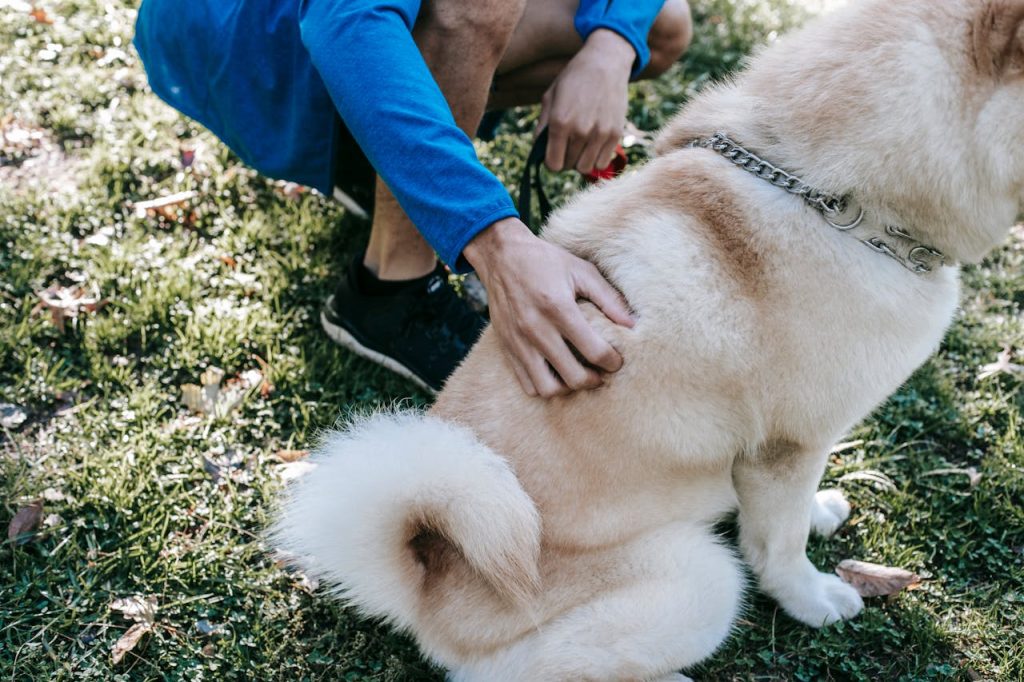
A fast wag is treated as proof of friendliness, but behavior guidance warns that wagging mainly signals arousal and intent to engage, not automatic comfort. In tense settings, a high, tight wag can sit beside stiff posture, hard focus, and a body preparing for conflict rather than greeting.
When families read only the tail, they miss the rest of the sentence written through eyes, ears, mouth, and weight shift. A loose midline wag with soft muscles often tells a different story, which is why context matters more than motion alone. The backfire is common: people move closer, the dog feels cornered, and a preventable moment escalates.
Lip Licking Gets Dismissed As Nothing
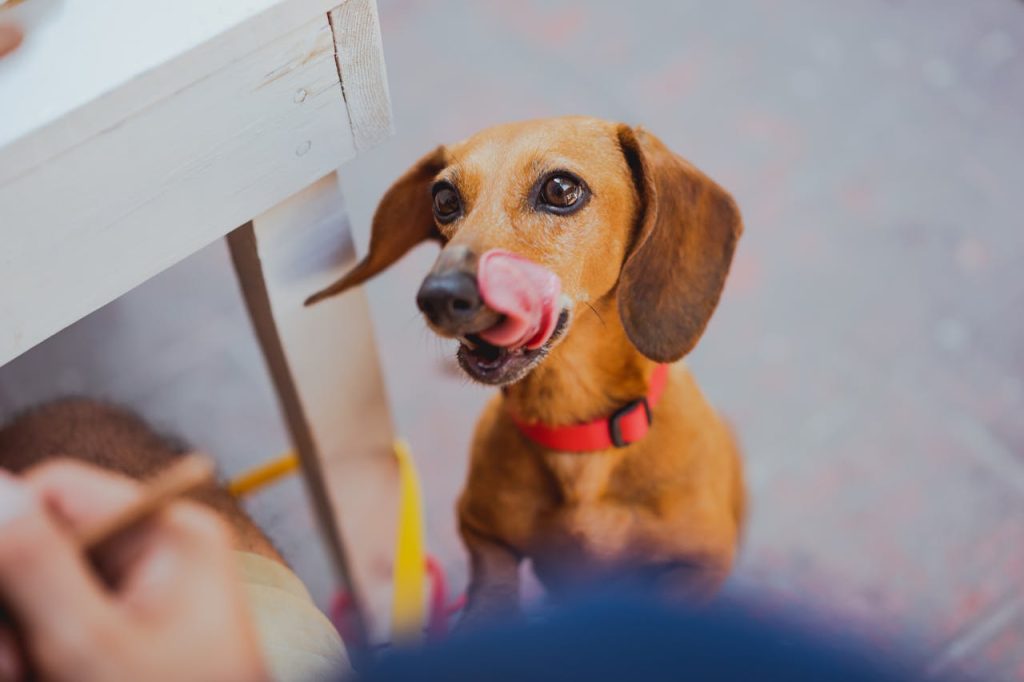
Lip licking gets read as hunger, anticipation, or a cute habit, yet veterinary behavior references flag it as a frequent displacement signal during tension. It can appear in quick tongue flicks that vanish in a second, especially around handling, close faces, crowded greetings, or unpredictable noise.
Because the gesture is tiny, people miss it and continue the same pressure that triggered it. The dog then climbs the stress ladder from subtle appeasement to stronger signals, and the household later calls the reaction sudden. It was rarely sudden; it was simply quiet at first, then ignored long enough to become louder.
Yawning Gets Labeled As Sleepiness
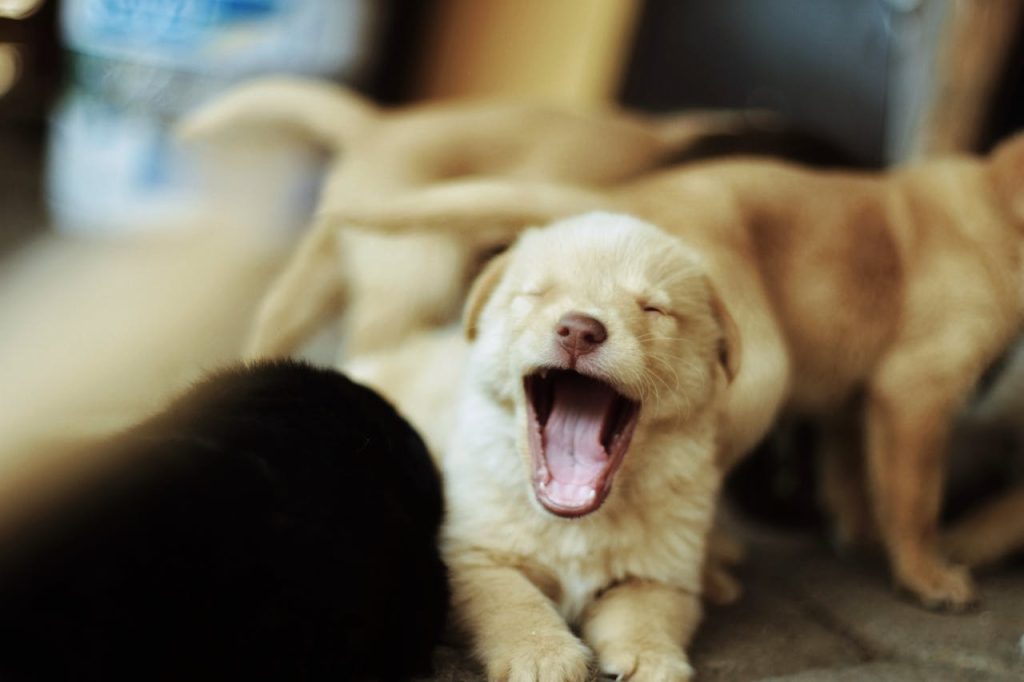
Yawning is usually filed under sleepiness, but canine behavior sources note that dogs also yawn when they are socially or physically stressed. The stress yawn can look longer, slower, and more deliberate than a drowsy one, often appearing during restraint, repeated commands, intense staring, or crowded introductions.
Misreading that yawn as boredom invites more pressure at the wrong time. Handlers keep touching, talking, or leaning in, while the dog keeps signaling discomfort with rising urgency. What backfires is not affection itself, but the refusal to pause and reassess once the body has already asked for space in a polite way.
Looking Away Gets Called Stubbornness
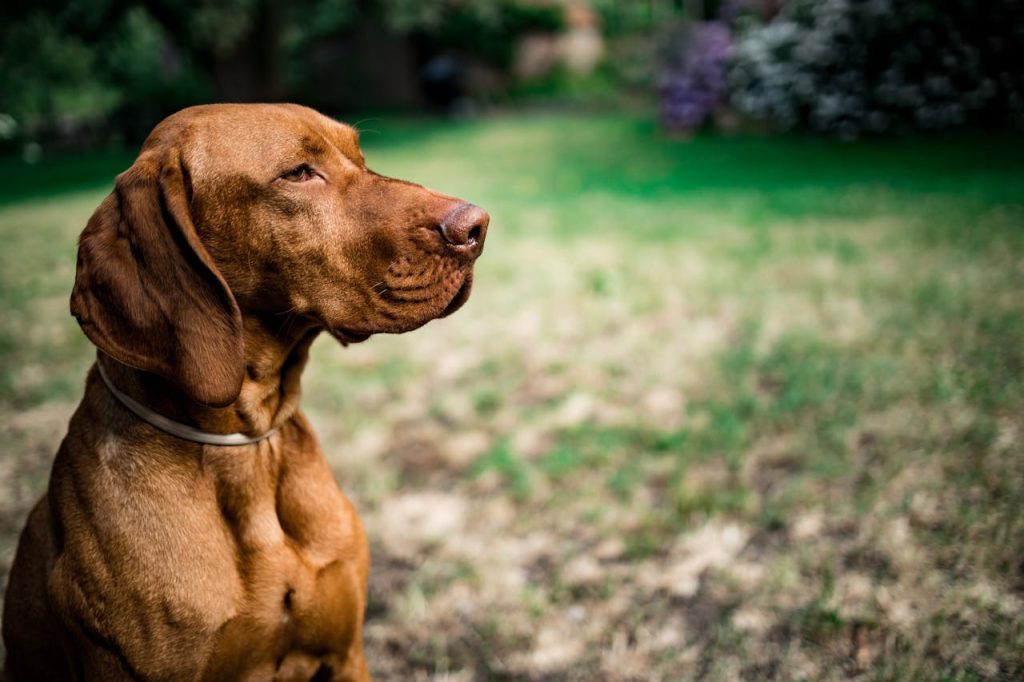
When a dog turns the head away, avoids eye contact, or angles the body out of interaction, people label it stubbornness. Ethology and training guidance describe the opposite: these gestures often function as calming or distance-increasing signals meant to reduce social pressure without confrontation.
The misunderstanding creates a loop. Humans reorient the dog, repeat the cue, or move closer to force engagement, and the dog learns that polite refusal does not work. Communication then shifts toward louder options that people call out of character. The behavior was in character all along; the quiet version was repeatedly overruled.
Whale Eye Gets Treated As Drama
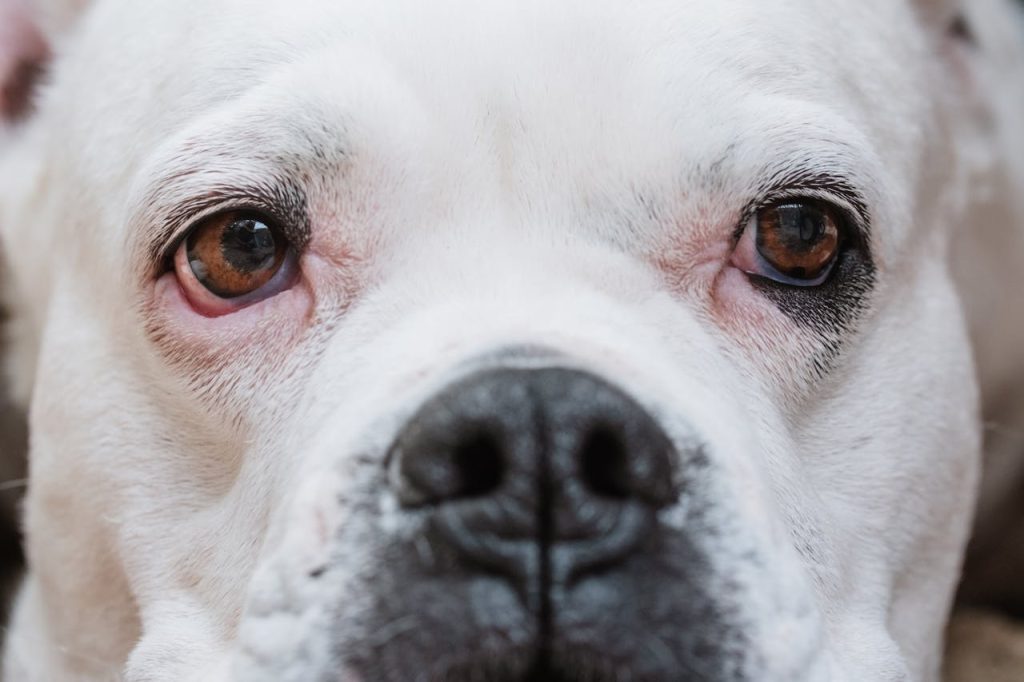
Seeing the whites of a dog’s eyes, often called whale eye, gets dismissed as dramatic expression in photos and videos. In behavior assessments, that look is commonly paired with fear, tension, or guarding, especially when the head turns away while the eyes stay fixed on a person, toy, food bowl, or resting spot.
The backfire begins when observers treat the look as harmless sass and keep reaching in. The dog gets no relief from a discomfort cue, so the next message tends to be sharper. Families later describe the response as unpredictable, yet the sequence was visible: eye signal, ignored boundary, then escalation under pressure.
Freezing Gets Mistaken For Calm
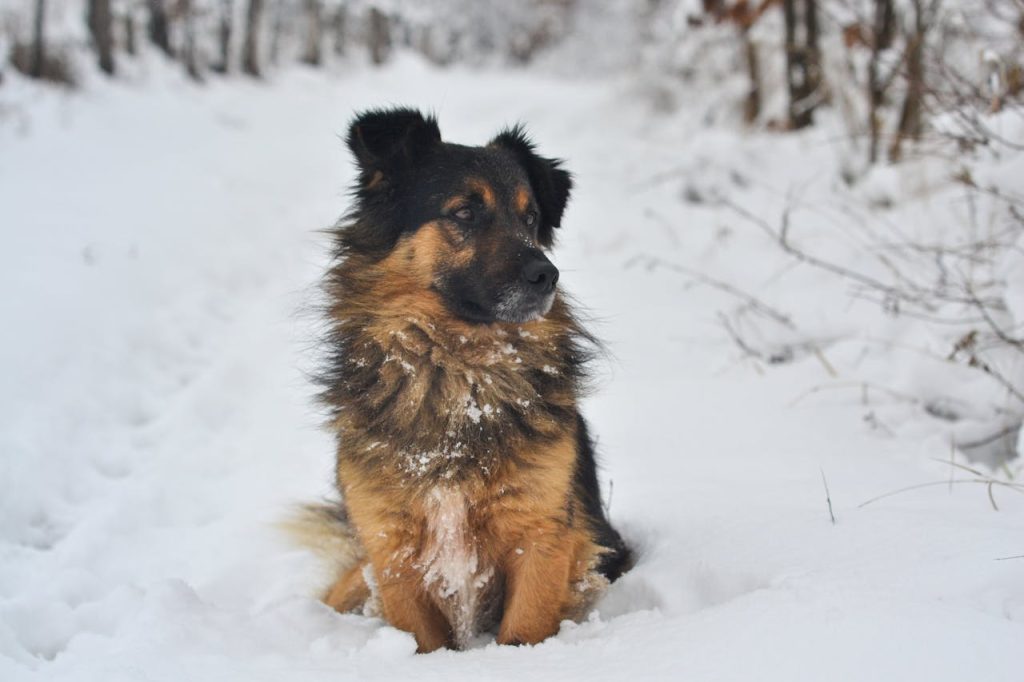
Stillness is one of the most dangerous signals to misread because it can look like obedience, patience, or calm cooperation. Research on dog signaling shows that adults and children may interpret a freeze as acceptance, even when the dog is overwhelmed and deciding between retreat and defense.
When people praise that stillness and continue touching, hugging, or crowding, they remove safer exits. The body has shifted from subtle appeasement into high-alert processing, and the window narrows quickly. The backfire can arrive in seconds, which is why freeze is treated by behavior professionals as a stop sign, not a success cue.
Growling Gets Punished Instead Of Understood
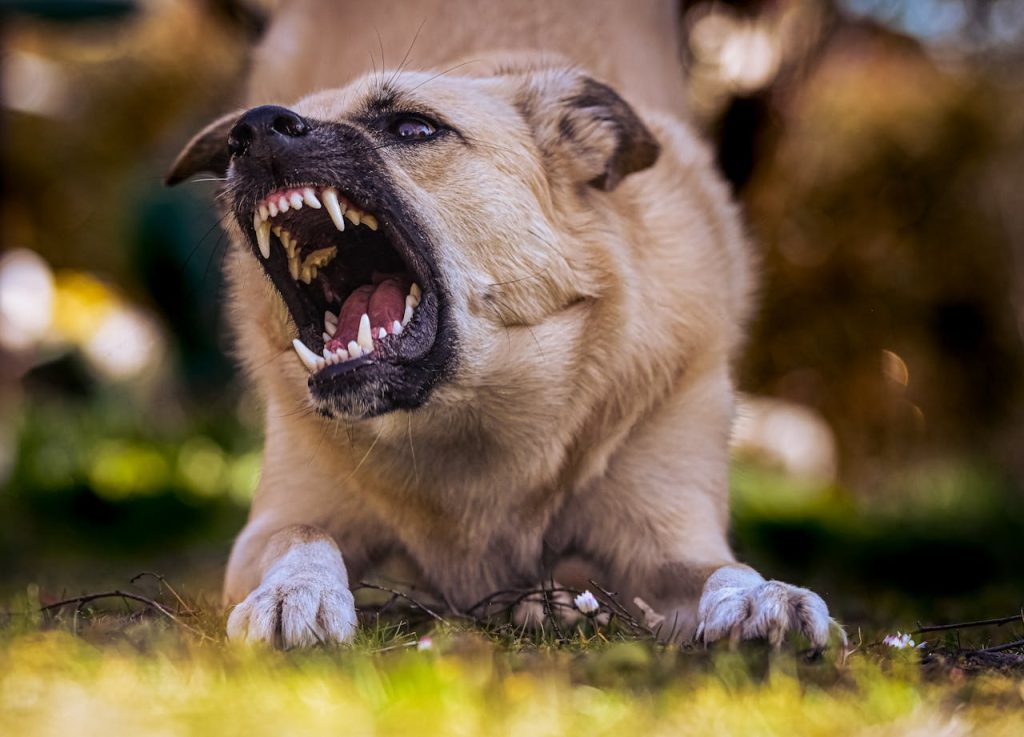
Growling is often framed as disobedience or attitude, but behavior experts describe it as warning communication. It tells others that distance, pain, fear, or resource pressure has crossed a threshold. Suppressing that warning through punishment may quiet the sound, yet it does not resolve the underlying discomfort.
That is where misreading backfires hardest. A household that corrects growls can teach the dog to skip early warnings and jump to faster defensive behavior under the same trigger. Safer outcomes come from investigating cause, reducing pressure, and rebuilding trust, not from silencing a signal meant to prevent harm.
Belly-Up Posture Gets Taken As Consent
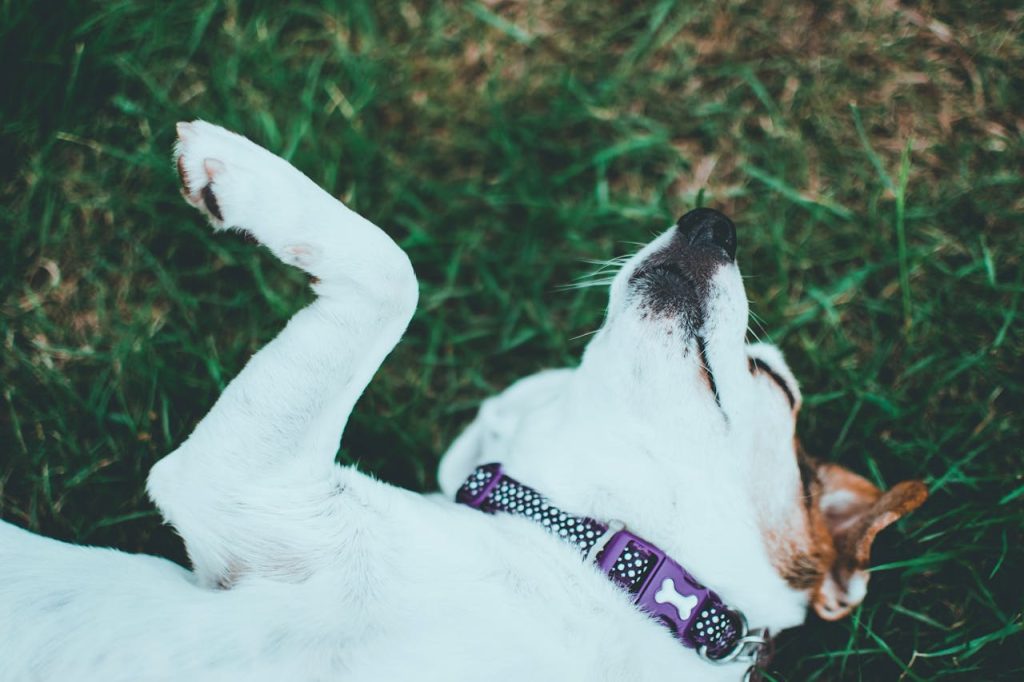
A dog rolling fully onto the back is often read as an invitation for belly rubs, but posture details matter. In relaxed play, muscles stay loose and movement stays wiggly. In social stress, the same position can be a conflict-avoidance display with tight limbs, closed mouth, and eyes tracking for exits.
Trouble starts when people impose touch on a dog signaling appeasement, not consent for handling. Restraint, hugging, and leaning over can amplify the sense of being trapped, especially in children’s interactions. The backfire is relational and behavioral: trust dips, avoidance grows, and defensive responses appear sooner next time.
Play Bows Get Read Without Context
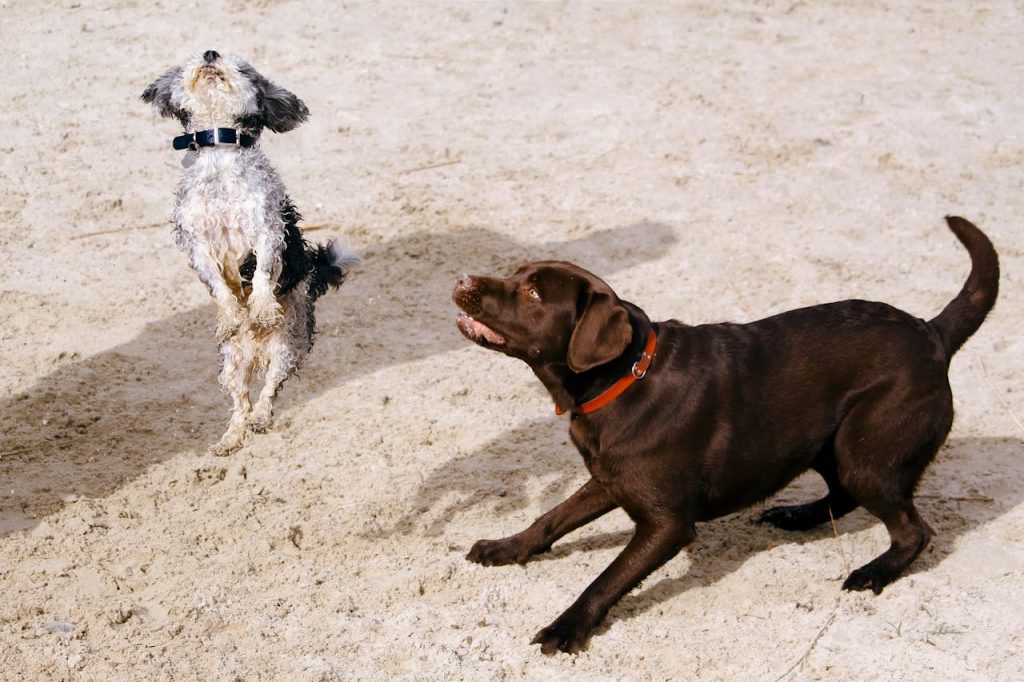
The play bow is one of the clearest invitations in dog language, yet it gets misread in both directions. Some people ignore a genuine bow and interrupt healthy play early, while others assume every bounce means safety and miss rising tension in the seconds that follow.
A playful exchange tends to stay loose, reciprocal, and self-pausing, with role reversals and frequent check-ins. When posture stiffens, pauses disappear, and one dog cannot disengage, the context has changed even if movement still looks energetic. The backfire comes from labeling the moment too quickly. Accurate reading depends on sequence, not a single snapshot.