

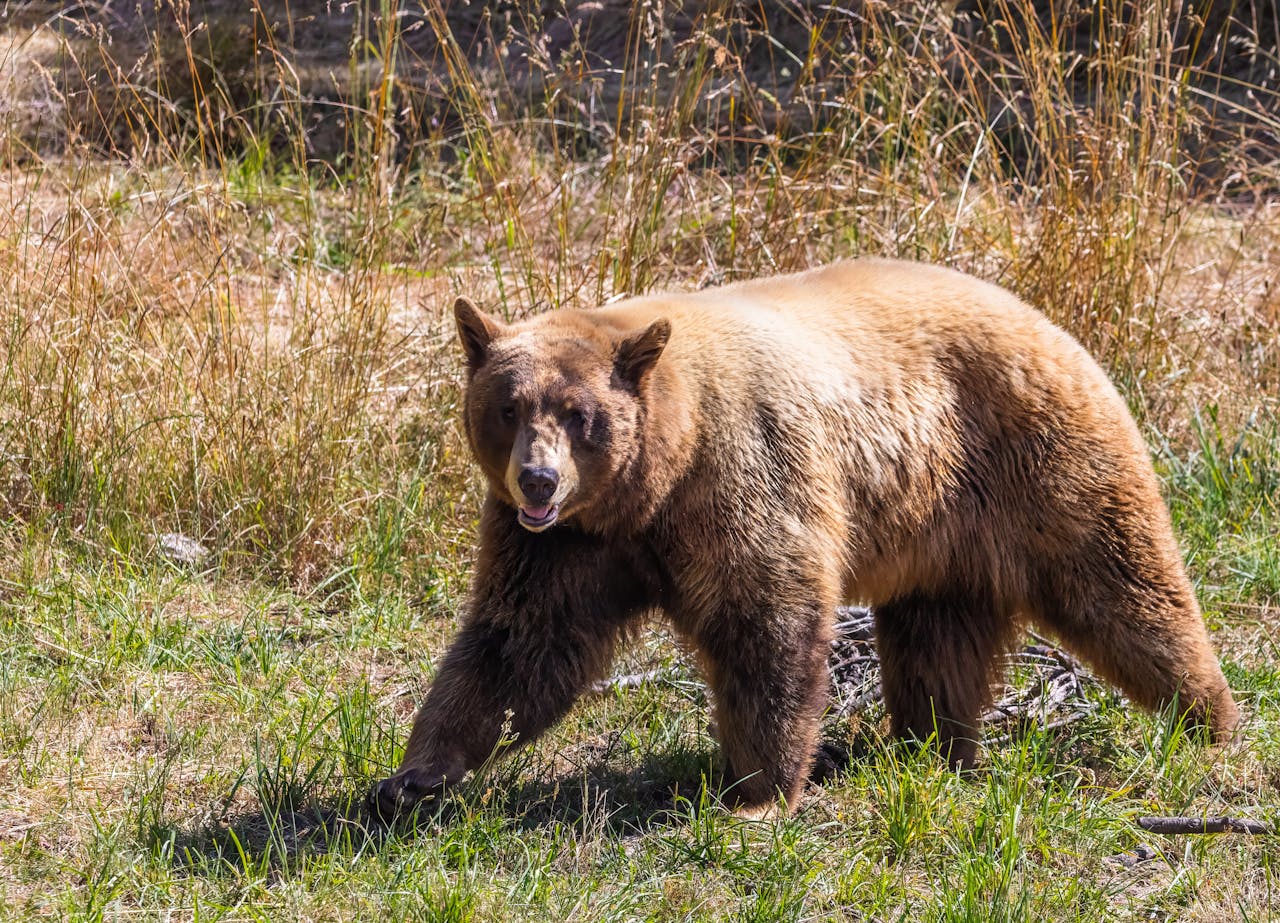
A quiet trail can shift in a second when brush moves and a bear steps into view. Rangers across U.S. parks repeat the same message because the first few moments matter most. Most bears want space, not conflict, and small choices made under stress can keep a tense surprise from turning dangerous. The safest response is calm, clear, and deliberate, grounded in simple habits built before the hike and steady actions taken once the animal is seen.
Bear country reaches many popular trails across the West and beyond. Paths often cross feeding areas, dense cover, and blind corners, so good judgment protects hikers and bears.
Start With The Trailhead And Local Rules
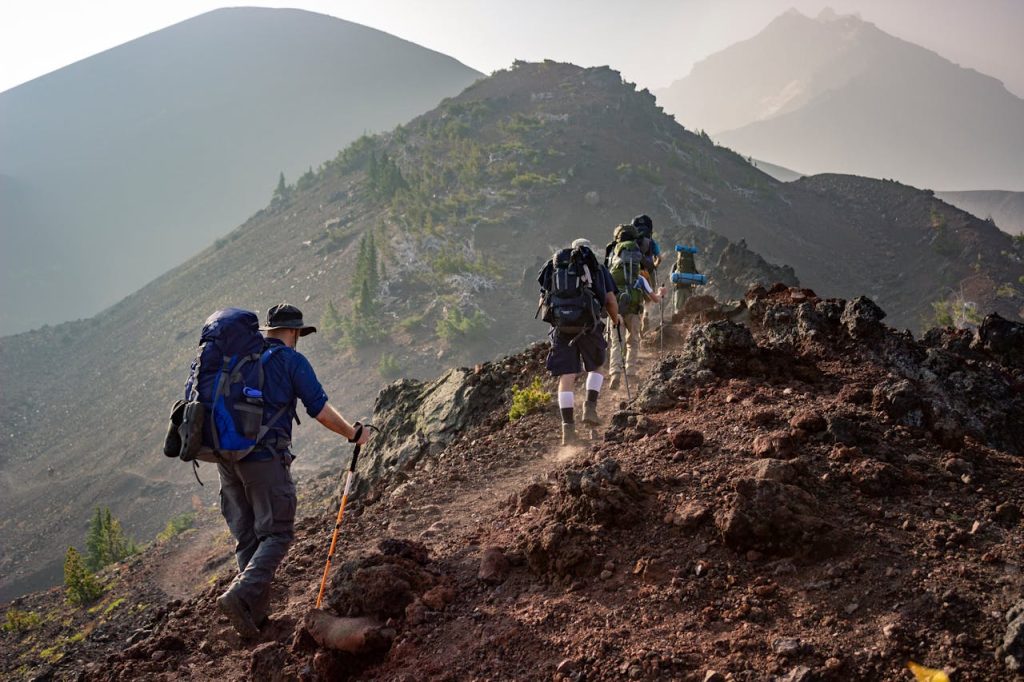
Rangers often stress that bear safety starts before the first mile. Forest Service guidance urges hikers to read trailhead signs and check with the local office for area rules, closures, or food storage requirements, because conditions change with berry crops, carcasses, and recent sightings. A short stop at the station can reveal where bears are active and which trails need extra caution.
That small step also sets the tone for the whole day. Hikers who know the route, local restrictions, and return time plan tend to move more calmly, which matters in bear country where rushed choices are usually the ones that go wrong.
Make Noise Before A Bear Gets Surprised
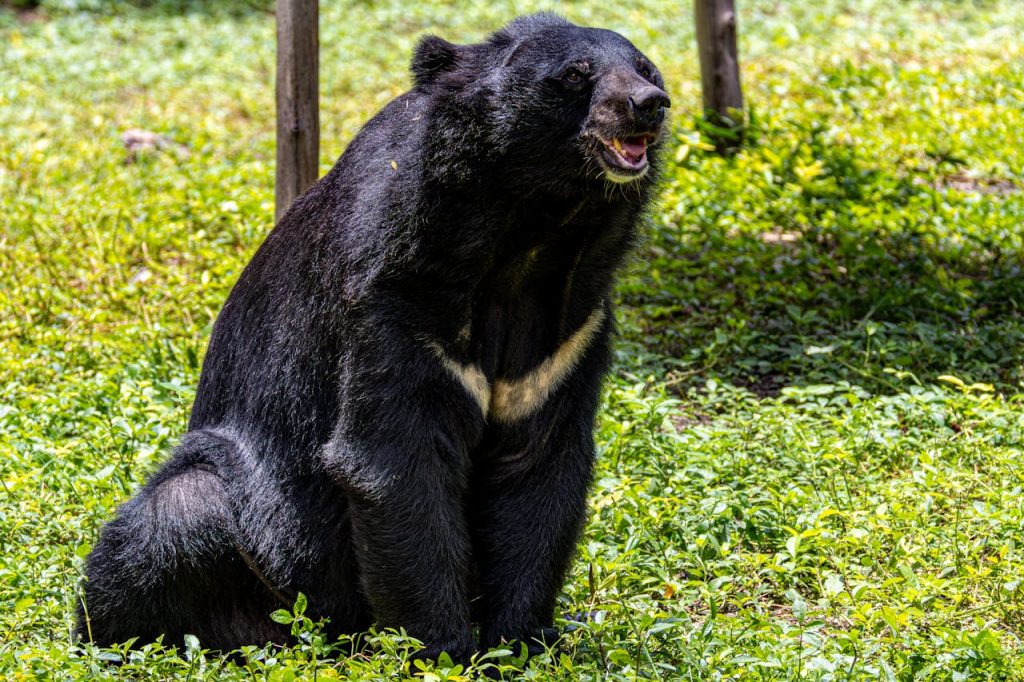
Parks repeatedly note that most bears avoid people if they hear them coming. Rangers recommend steady human noise on the trail, especially at blind corners, near streams, in dense vegetation, and on windy days when natural sound can hide footsteps. Regular talking or calling out helps a bear identify people early and move off before a close encounter forms.
Some park pages also warn against relying on bear bells alone because they may be too quiet. Clear voices, claps at tight corners, and an alert pace are more dependable signals in noisy terrain and thick cover where sight lines disappear quickly. Ranger habit daily.
Hike In Groups And Keep Everyone Close
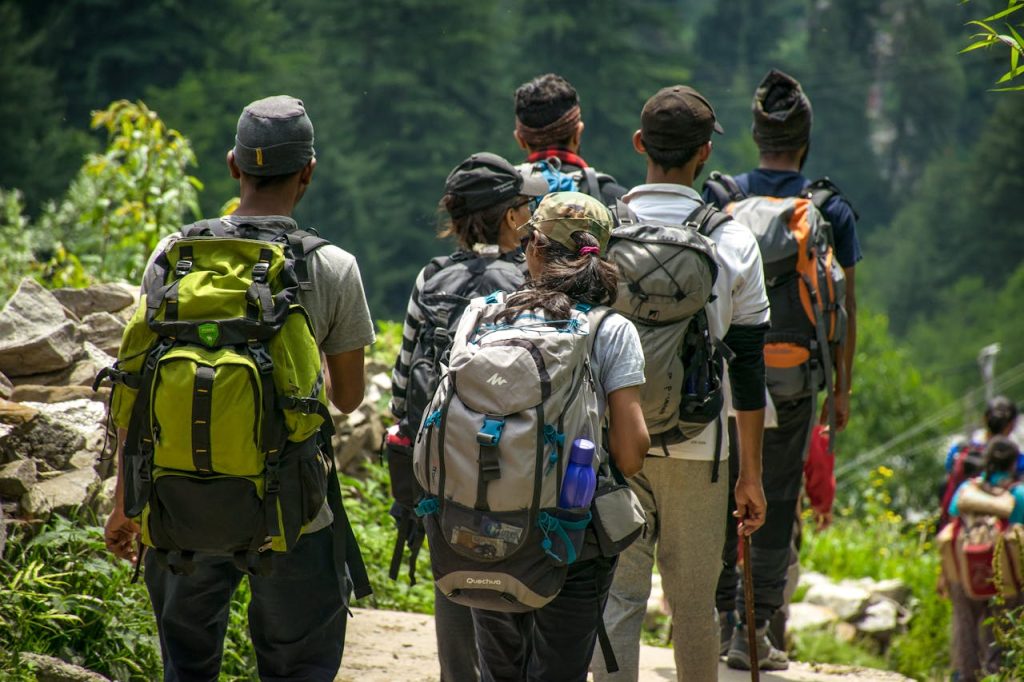
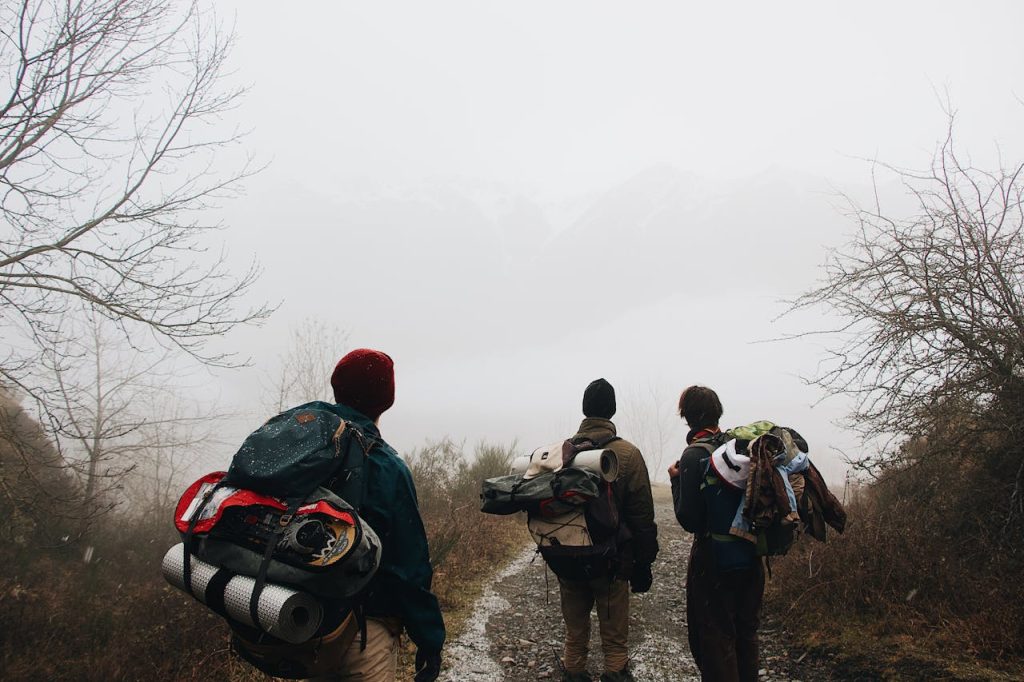
National Park Service and Fish and Wildlife guidance both point to group travel as a strong prevention tool. Groups are easier for bears to detect, and they present a larger presence than a single hiker. Fish and Wildlife specifically advises groups of three or more, while Forest Service pages also tell hikers to keep children close and dogs leashed.
This advice protects more than people. Loose spacing, a child drifting ahead, or an unleashed dog can create sudden movement that confuses a bear and raises tension. A compact group moves through habitat with fewer surprises and fewer close calls. Spacing matters on trails.
Stay Alert And Drop The Headphones

Forest Service and park rangers consistently push one habit that sounds simple but matters a lot: active attention. They advise hikers to skip headphones, watch blind corners, and stay aware of surroundings. Bears blend into brush, and a calm animal can be nearly invisible until the distance is already short. Awareness buys time, and time is the real safety margin.
Grand Teton also highlights conditions that deserve extra caution, including wind, streams, dense vegetation, and low visibility rises in the trail. Those are the places where noise and alert scanning matter most on busy trails. This often prevents surprises.
If A Bear Has Not Noticed Anyone, Do Not Crowd It
When a bear appears at a distance and seems unaware, rangers want distance preserved, not tested. National Park Service and Forest Service guidance both emphasize giving the animal space, altering the route when possible, and never blocking a travel path. Bears use trails too, and a bear standing on a trail does not automatically signal aggression or a problem that needs a close look.
The safest move is usually patience or a detour. Letting the bear keep an escape route lowers pressure, and lower pressure lowers the chance of bluff charges, defensive behavior, or a tense standoff on the path that traps people and wildlife together.
If A Bear Notices The Group, Stay Calm And Look Human
Once a bear is aware and watching, the goal shifts from avoidance to clear communication. NPS guidance says hikers should stay calm, stand their ground, and talk in low, calm tones so the bear recognizes a human voice rather than prey sounds. Slow arm movements can help, and a bear that stands on hind legs is often curious, not automatically threatening in that moment.
Screaming and sudden motions can escalate the scene. Rangers also urge quick control of children, since high pitched sounds and scattered movement can make a tense encounter harder to manage safely and calmly. A steady voice helps the group stay organized too.
Back Away Slowly, Keep The Pack On, And Never Run
NPS guidance is blunt on the two instincts people get wrong: running and climbing a tree. Bears can run fast, and both black bears and grizzlies can climb, so those moves can worsen danger instead of solving it. Rangers advise a slow sideways retreat when possible, which keeps the bear in view while signaling a calm exit and reducing the odds of a chase response.
Parks also say not to drop a pack. The pack can help protect the back in a worst case moment, and dropping it may give a bear access to food, which can reinforce future conflict around people and trails and nearby camps. Leaving room for the bear remains the priority.
Protect Food And Scented Items Even On Day Hikes

Rangers treat food mistakes as a bear safety issue, not just a cleanup issue. NPS and Grand Teton pages warn hikers not to leave snacks, trash, or scented items out, and never to throw food or a backpack to distract a bear. That can teach bears to associate people with rewards, which makes future encounters more dangerous for everyone who uses the trail.
Even on short hikes, food should stay packed and controlled. In camp areas, parks and agencies push bear resistant lockers, hard sided vehicles, or approved containers because odor management prevents repeat conflicts near people and campsites. It protects bears too.
Know The Emergency Response If An Attack Happens

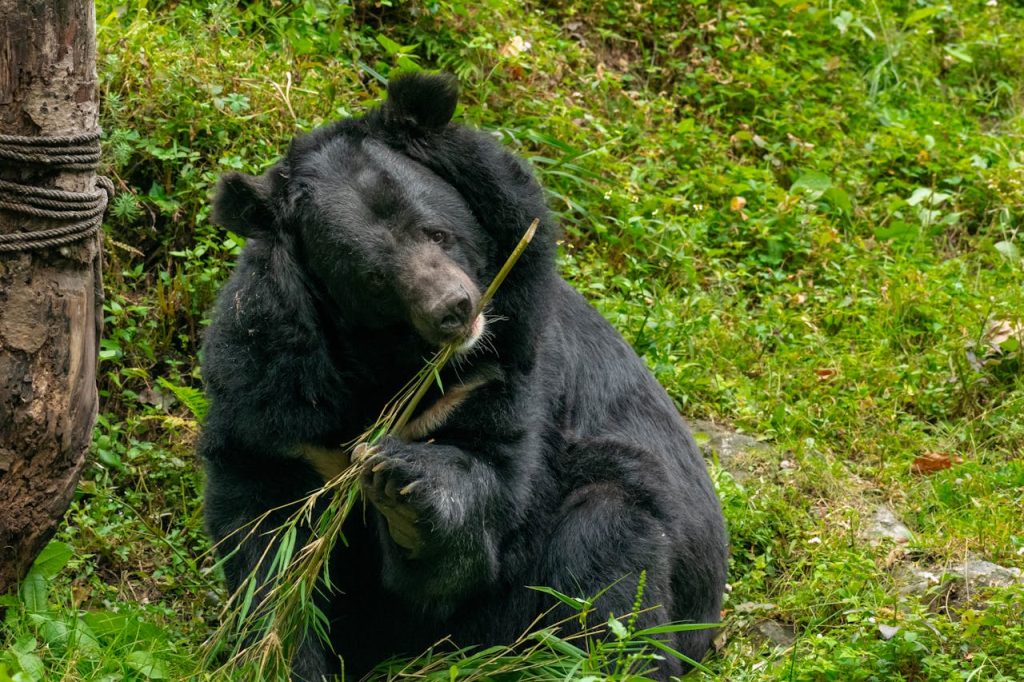
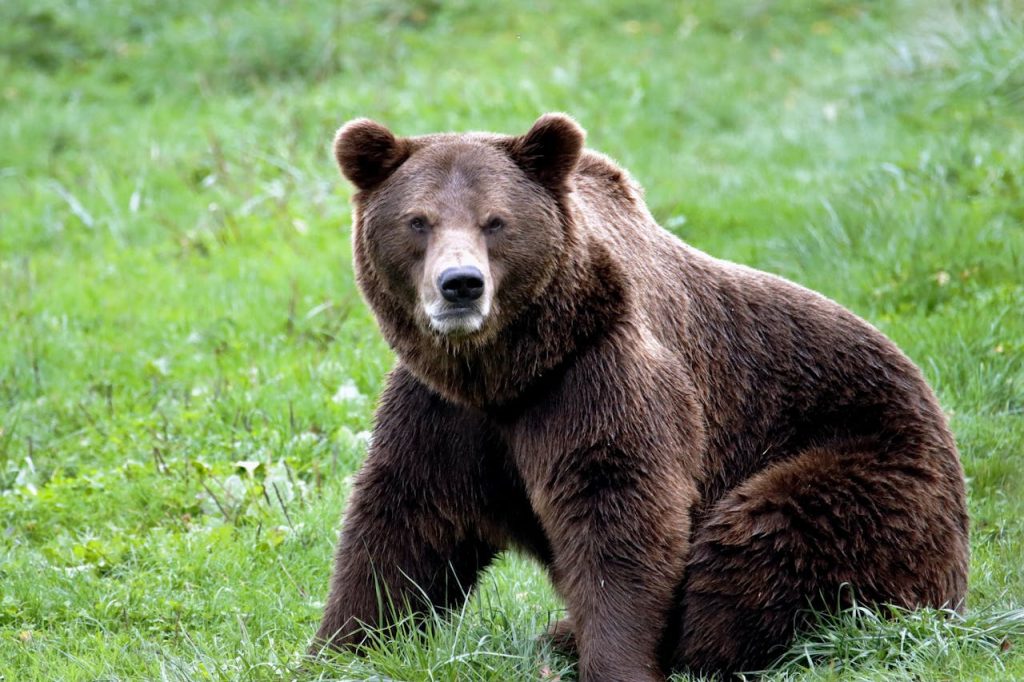
Bear attacks are rare, but ranger guidance is very specific about emergency response because species and behavior matter. NPS says black bear attacks are not a play dead situation, and escape or strong resistance is advised if escape is not possible. For brown or grizzly attacks, NPS advises playing dead in a defensive attack, then fighting back only if the attack continues.
NPS also notes a stalking or tent attack is different and calls for fighting back. After any bear incident, park guidance urges reporting it to a ranger promptly so staff can protect other hikers, track the area, and monitor bear behavior carefully.