

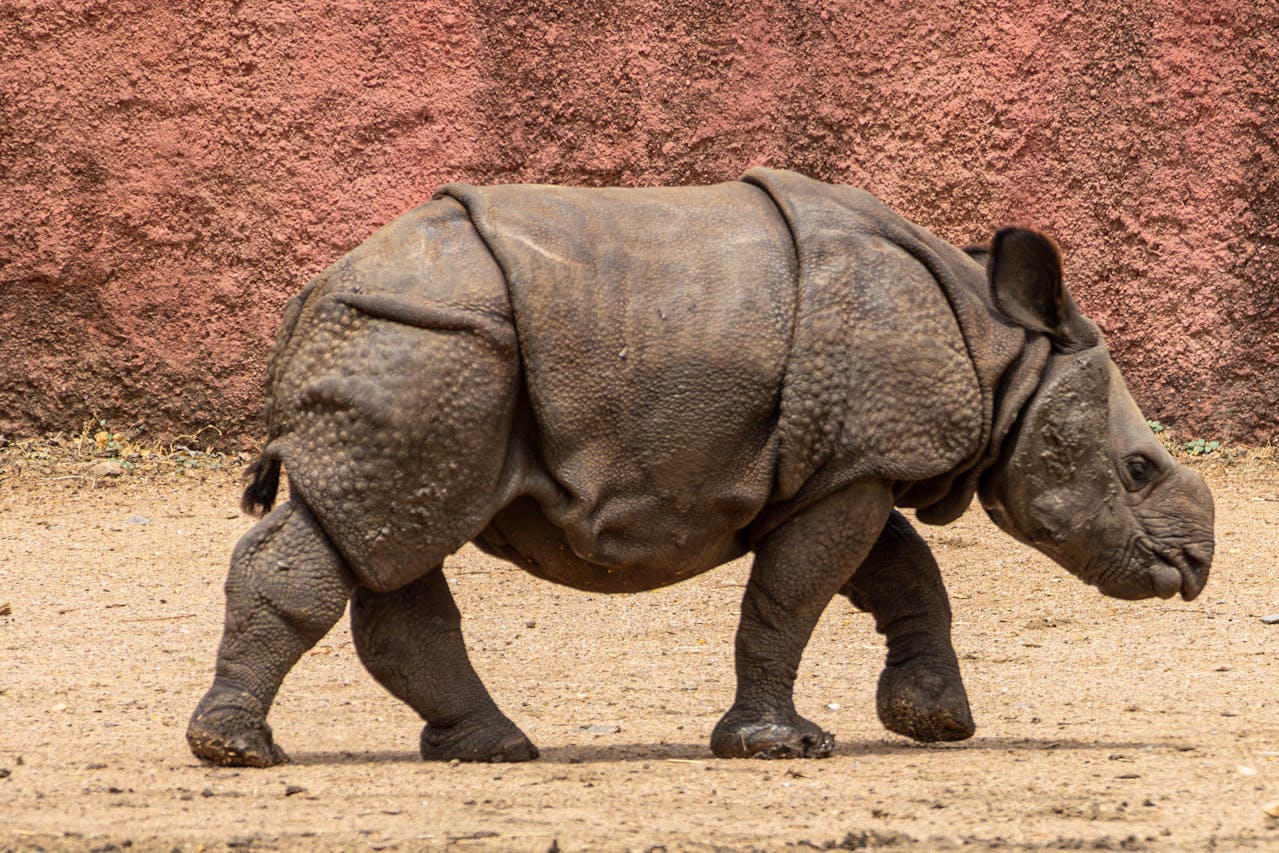
A wolf pup sealed in Siberian permafrost carried a surprise more revealing than a museum label. Inside its stomach, scientists found woolly rhinoceros muscle and hair preserved intact, then used that tissue to assemble a full rhino genome.
Radiocarbon dating placed the meal at about 14,400 years old near the village of Tumat in northeast Siberia. In Genome Biology and Evolution, the team described this first complete Ice Age genome built from prey remains inside a predator, turning one frozen bite into a test of whether woolly rhinos stayed viable until a sudden end. Compared with older rhinos, the genome looked steady.
Permafrost Turned A Stomach Into A Sample Jar

Permafrost is not just cold ground; it is a slow-motion freezer that limits microbes, oxygen, and liquid water, the trio that normally erases soft tissue. That protection is why the Tumat wolf pup emerged with fur, skin, and organs still present, and why the stomach held identifiable food.
For ancient DNA work, that matters because muscle can carry more intact genetic material than weathered bone, but it almost never survives. Here, the frozen belly behaved like a sealed sample jar, shielding the rhino cells from contamination and letting the team build a high-coverage genome instead of scattered fragments. A rare time capsule.
The Tumat Wolf Pup Still Had Its Last Meal
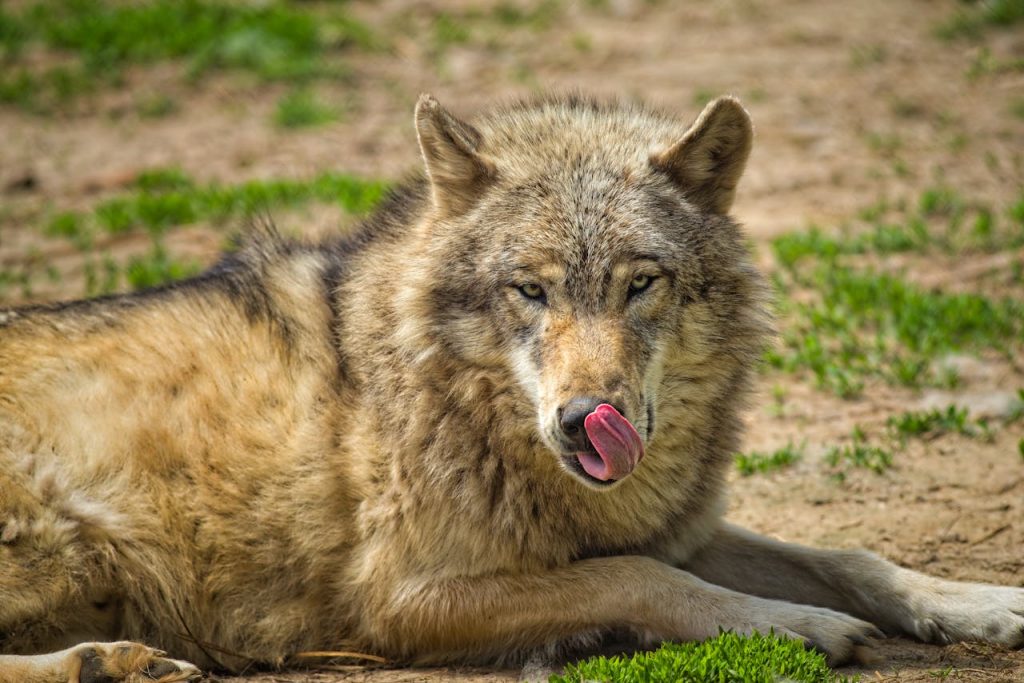
More than a decade ago, two Siberian wolf pups were recovered from permafrost near Tumat in northeast Siberia, their bodies protected from the usual cycle of thaw and decay. One pup still carried its last meal, a detail so uncommon it instantly raised eyebrows among paleogeneticists.
Radiocarbon dating placed that meal at about 14,400 years old, giving researchers a fixed point on the Late Pleistocene timeline. The pup was young, which made the find feel intimate, not just ancient, and it hinted that the meat likely came from a pack’s shared haul. In the lab, that preserved bite became a clean sample, not a guess. From one moment.
Woolly Rhino Tissue Survived With Hair Attached
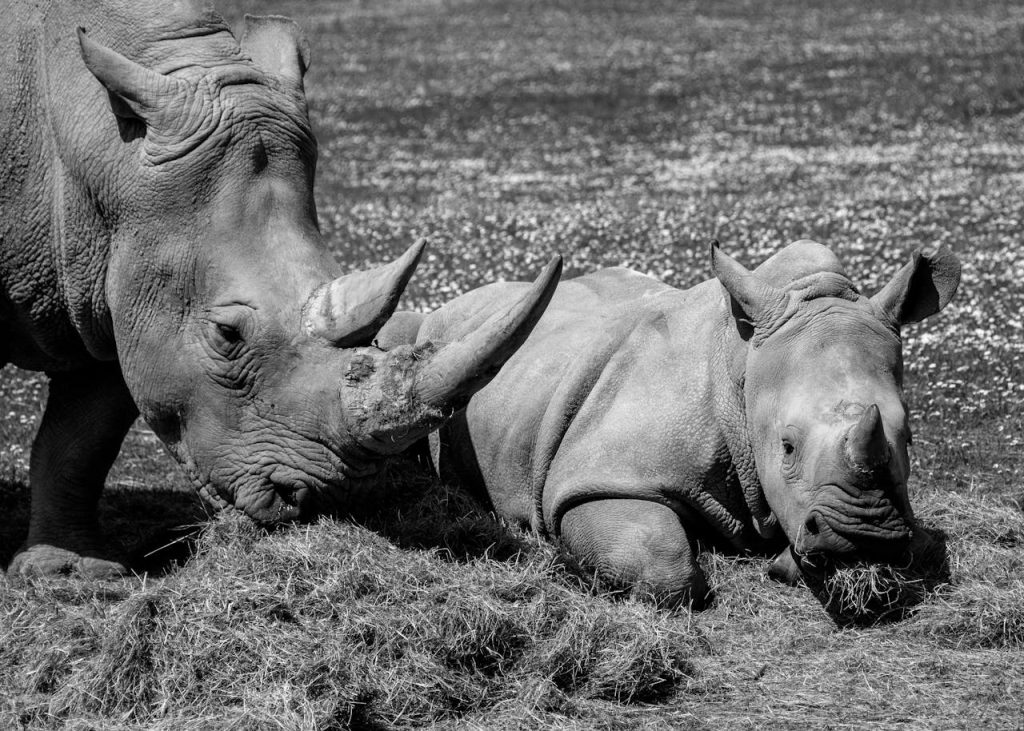
The stomach contents included woolly rhinoceros flesh from Coelodonta antiquitatis, complete with strands of hair that matched the animal’s famous heavy coat. Woolly rhinos were cold-adapted grazers, and their size is often compared with the modern white rhino, which makes the meal feel startlingly substantial.
Because the tissue dated to about 14,400 years ago, it likely came from an individual living shortly before the species disappeared around 14,000 years ago. A wolf pup did not bring down a rhino alone, so the safest reading is shared feeding from a pack hunt or a scavenged carcass on the steppe. In Siberia.
A First: A Full Genome From Stomach Contents
Sequencing an entire Ice Age genome from stomach contents had never been done, largely because digestion mixes prey DNA with bacteria and the predator’s own cells. In the Tumat pup, freezing slowed those processes so sharply that the rhino muscle still held enough intact DNA for a high-coverage assembly.
The study, published in Genome Biology and Evolution, described the work as both exciting and technically demanding, including careful extraction, screening, and contamination controls. What emerged was not a partial genetic hint, but a full genome that could be compared directly with other woolly rhino genomes from Siberia.
Why High-Coverage Data Changed The Story

High-coverage genomes reduce the risk of reading errors as biology, because each stretch of DNA is supported by many overlapping fragments instead of a single fragile strand. That precision is crucial when the goal is to measure subtle signals such as inbreeding, genetic load, and shifts in diversity.
The rhino tissue from the pup’s stomach was also unusual because it likely came from one of the youngest woolly rhino specimens ever analyzed at this depth. Genomes from animals living close to extinction are hard to find, and they can reveal whether a species was already unraveling or was struck by rapid change. Near the end.
Three Time Points, One Surprisingly Stable Pattern
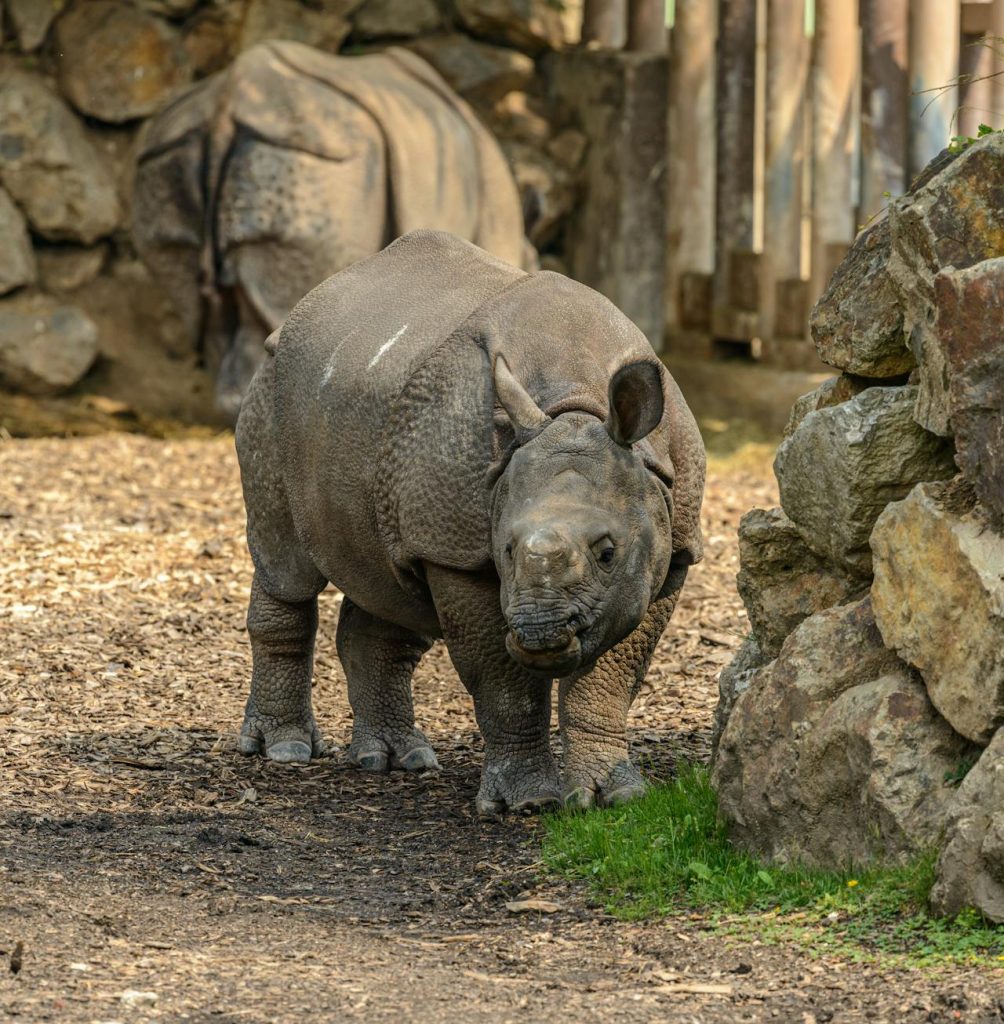
A single genome is a snapshot, so the team compared the stomach-derived rhino with two other Late Pleistocene Siberian woolly rhinos dated to about 49,000 and 18,000 years ago. They examined genome-wide diversity, inbreeding levels, genetic load, and inferred population size changes across time.
The striking result was stability: the genetic pattern did not show a late spike in inbreeding or a clear drop in diversity in the centuries before extinction. That steadiness suggested the population remained viable until very late, which shifts attention away from slow genetic decline and toward sudden external pressures. On habitat.
Climate Pressure Looked Bigger Than A Slow Genetic Fade
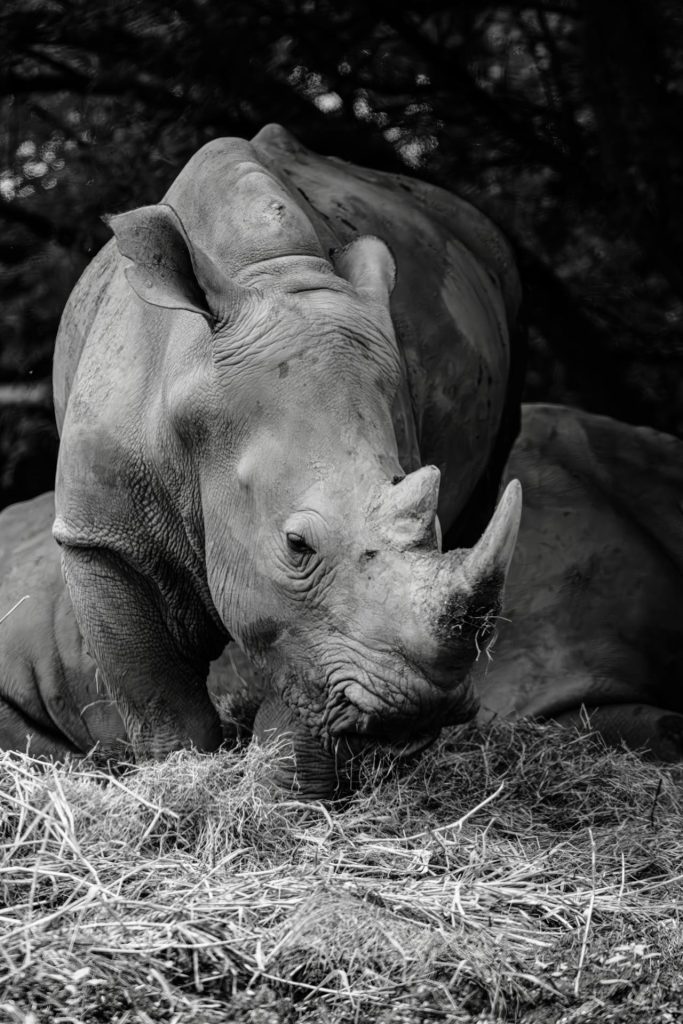
The genomes carried an awkward message for simple stories: woolly rhinos seemed to hold steady for a long time, even as humans expanded across northern Eurasia. In the study’s interpretation, the data fit with the idea that the animals remained viable for thousands of years after humans were thought to arrive in northeast Siberia.
That timeline makes climate and habitat change hard to ignore. As warming reshaped the dry steppe into wetter landscapes with deeper snow and different plants, a cold-adapted grazer could lose its edge quickly. The genome does not rule out hunting, but it points to a bigger environmental shove.
Extinction Looked Rapid, Not Gradual

The absence of obvious genomic erosion close to the end led the authors to a blunt conclusion: the woolly rhinoceros likely disappeared quickly, not by a slow fade. When long homozygous segments are scarce, it usually means there was no recent severe bottleneck squeezing the population into close relatives.
In other words, only a few centuries before extinction, the genome still looked like it came from a stable population. That sets up a dramatic contrast, with genetics suggesting continuity while the landscape was changing fast. It is a reminder that extinction can arrive as a sharp event, not a long decline. In time.
The Pup Preserved Behavior, Not Just DNA
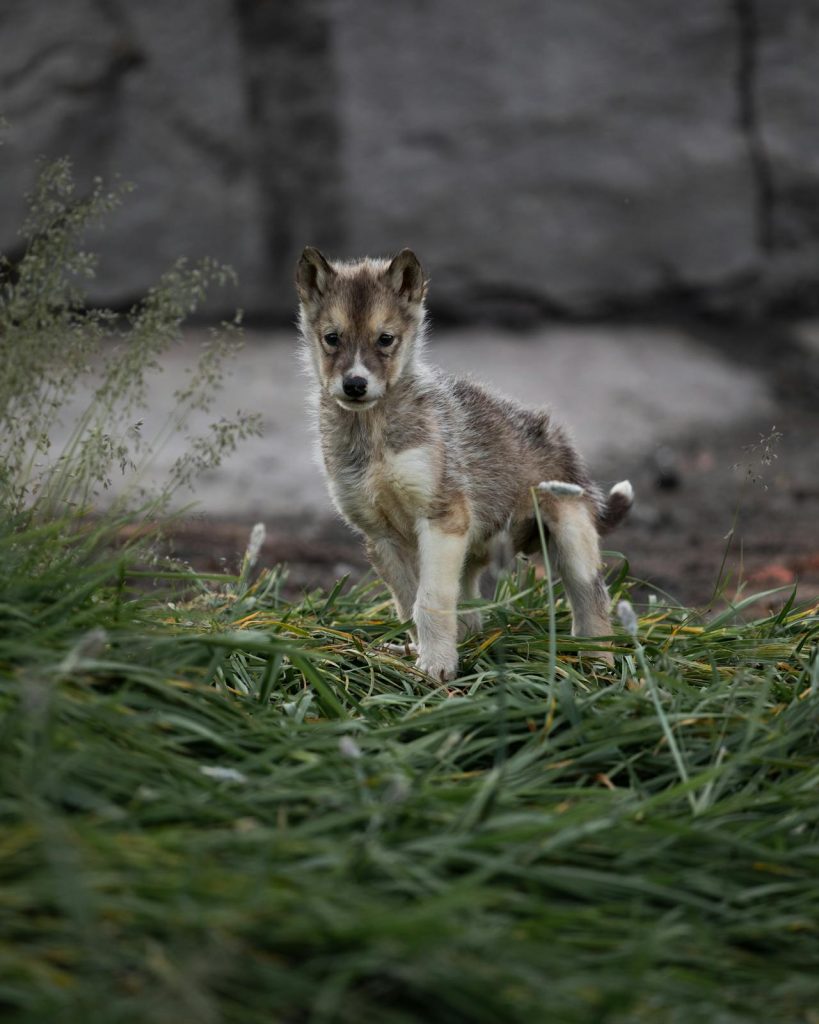
Beyond genetics, the pup’s stomach preserves a small, ordinary scene from the Ice Age, the kind that rarely survives in the fossil record. A young wolf was eating solid food, which implies adults were provisioning pups or that the pack fed together after finding a large carcass.
That detail ties predators, prey, and season into one frame. A woolly rhino moved through cold grasslands built for thick coats and steady forage, while wolves tracked opportunity and shared it across the group. The permafrost locked that interaction in place, leaving scientists with behavior as well as DNA. It happened before the rhino’s disappearance.
A New Road Into Ancient Genomes

Ancient DNA work often starts with bones and teeth because they persist, but that bias can hide young individuals and soft-tissue detail. This study showed that, under exceptional preservation, prey tissue inside a predator can still yield a complete genome fit for population analysis.
The lesson is practical: permafrost sites may hold usable DNA in unexpected places, including stomach contents that never fully thawed. Genomes from the final centuries can reveal whether a species was genetically failing or simply outpaced by climate shifts. That distinction can sharpen how scientists think about risk today. Better questions follow.
Science sometimes moves forward through the grand and the accidental at the same time. A pup that never reached adulthood ended up carrying one of the clearest genetic portraits of a vanished giant, preserved by cold and revealed by patience. It is a quiet reminder that the past still has new evidence to offer, and that the smallest details can reshape the biggest timelines.