

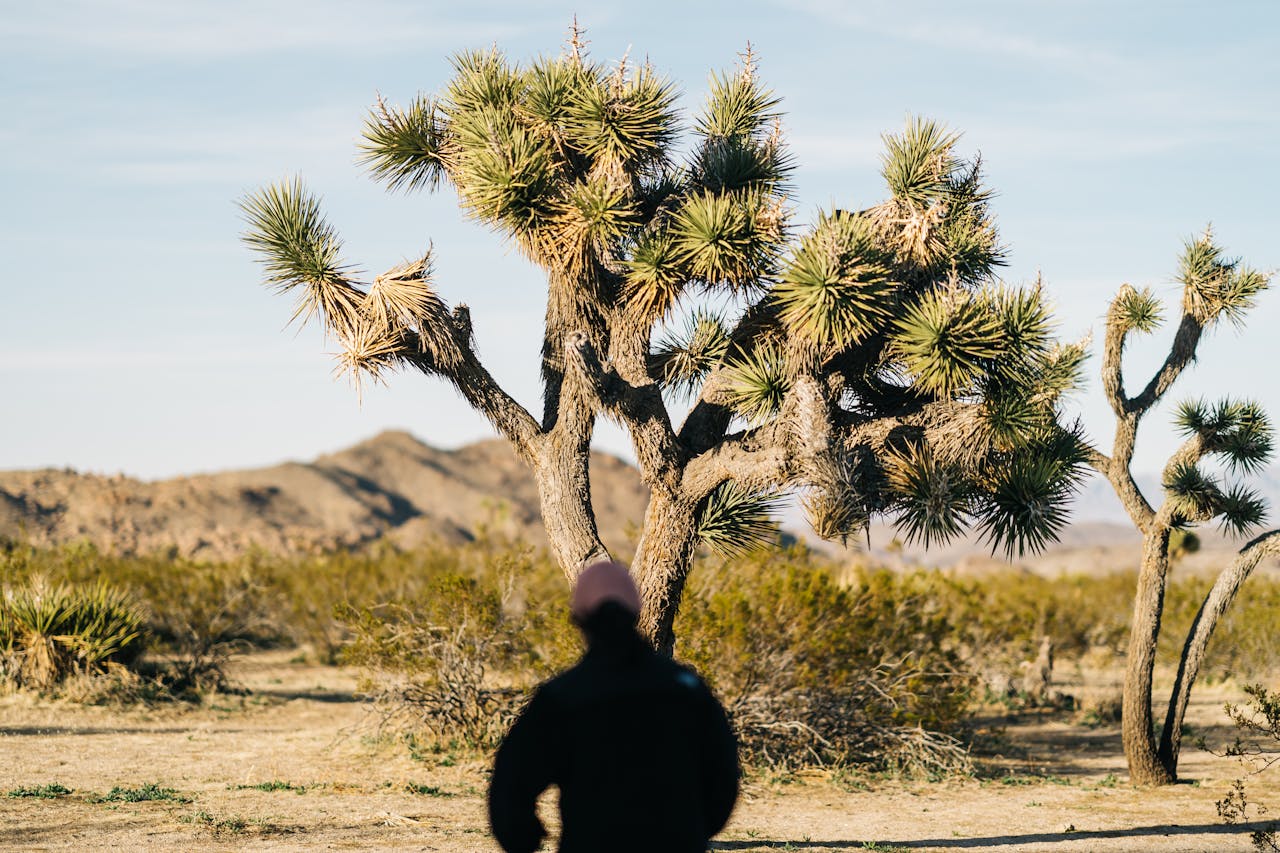
Joshua trees are supposed to wait until late Feb. to lift their white flower clusters over the Mojave. This season, many opened blooms in late Oct. and Nov., and biologists are watching closely because timing is the whole game in a desert.
The trees grow slowly and live long, but reproduction depends on yucca moths that may still be underground when cold nights linger. To track what is changing, researchers are asking for photos of flowering or fruiting trees uploaded to iNaturalist, ideally with repeat visits to the same plants. Those simple records can reveal whether early flowers fade, set fruit, or stall across the Southwest.
What Early Blooming Can Disrupt
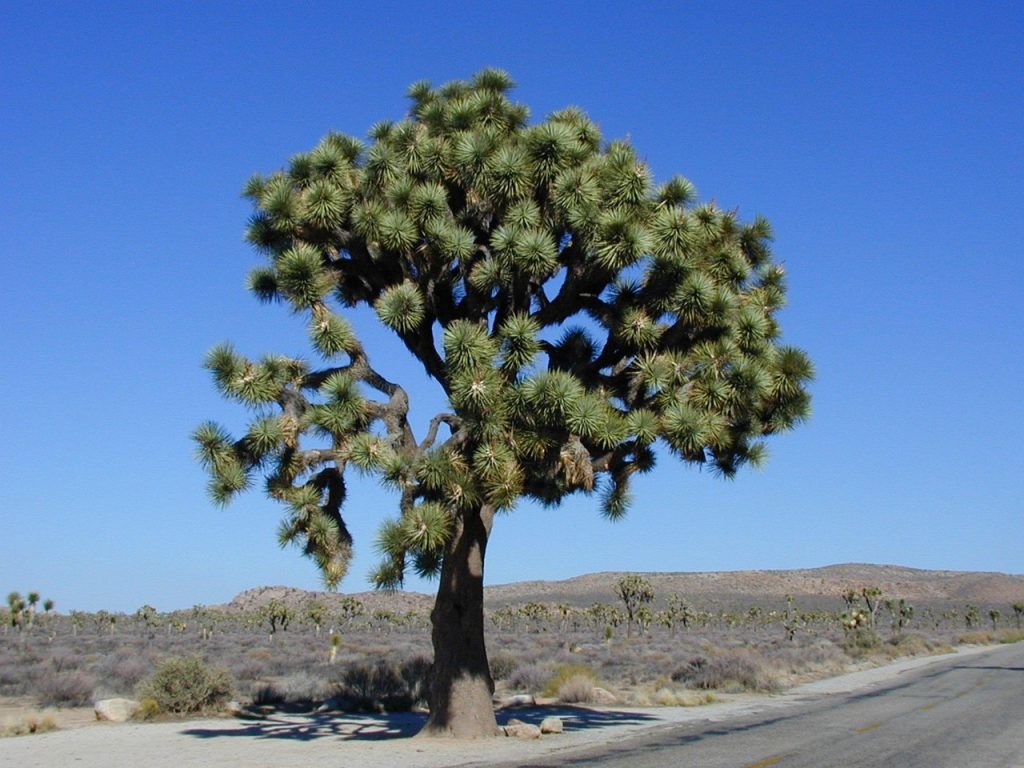
Early flowers look like a gift, but Joshua trees run on tight cues. Normally the bloom starts in late Feb., when yucca moths are more likely to be active. When blossoms arrive in late Oct. or Nov., the tree may spend energy on flowers at a time when pollination is unlikely.
If blooms are not pollinated, fruits do not form, seeds do not mature, and fewer seedlings get a chance to appear. The deeper worry is a mismatch in an obligate partnership: a flower that opens without its moth partner breaks the chain for both species. Over time, repeated misses can thin future stands even while older trees still look fine on the surface.
The Mojave Icon That Hides Long Risk
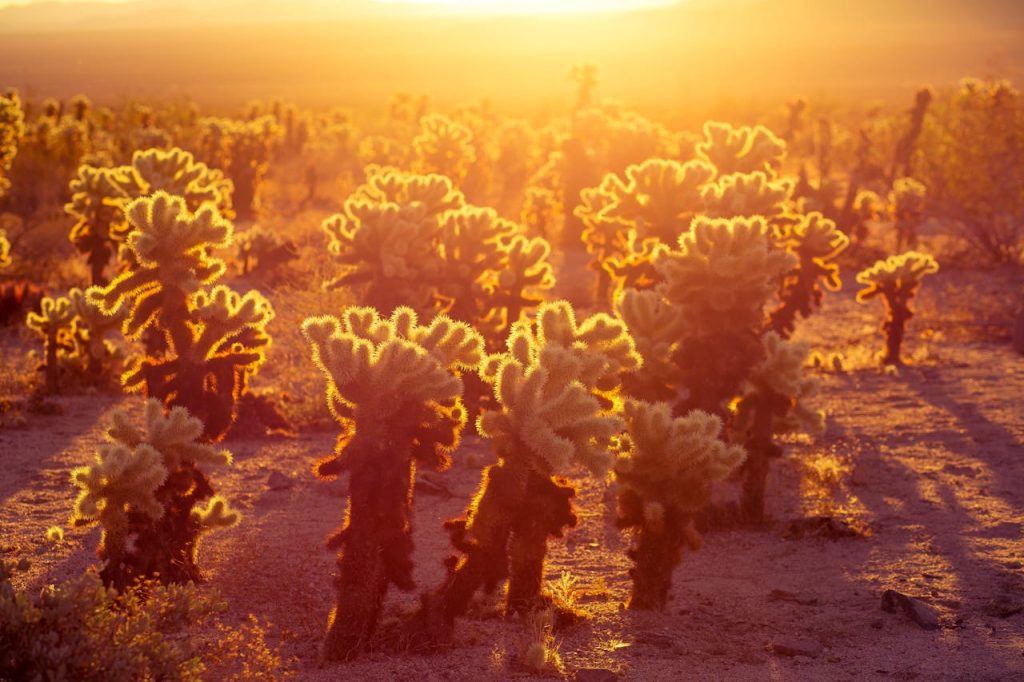
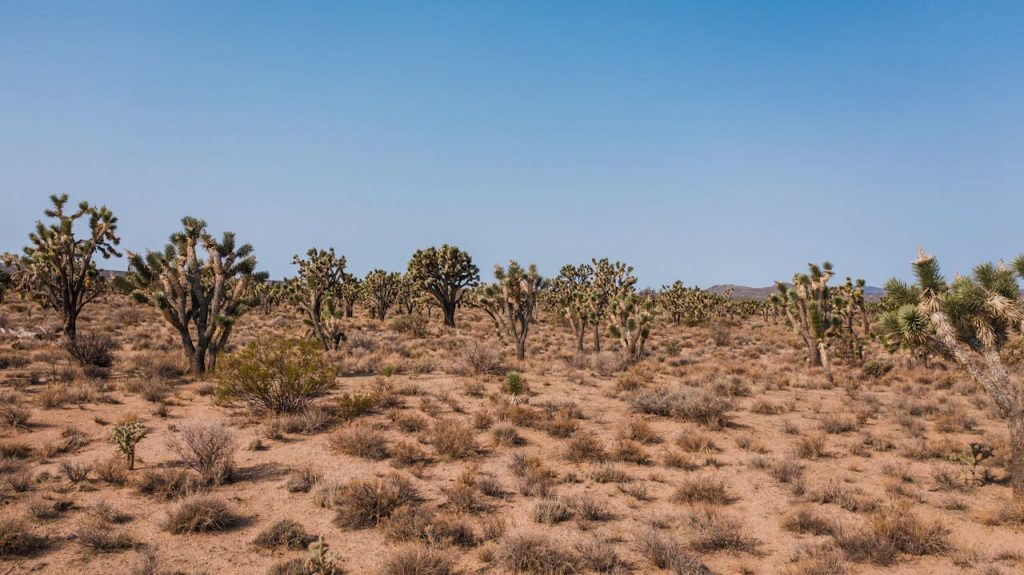
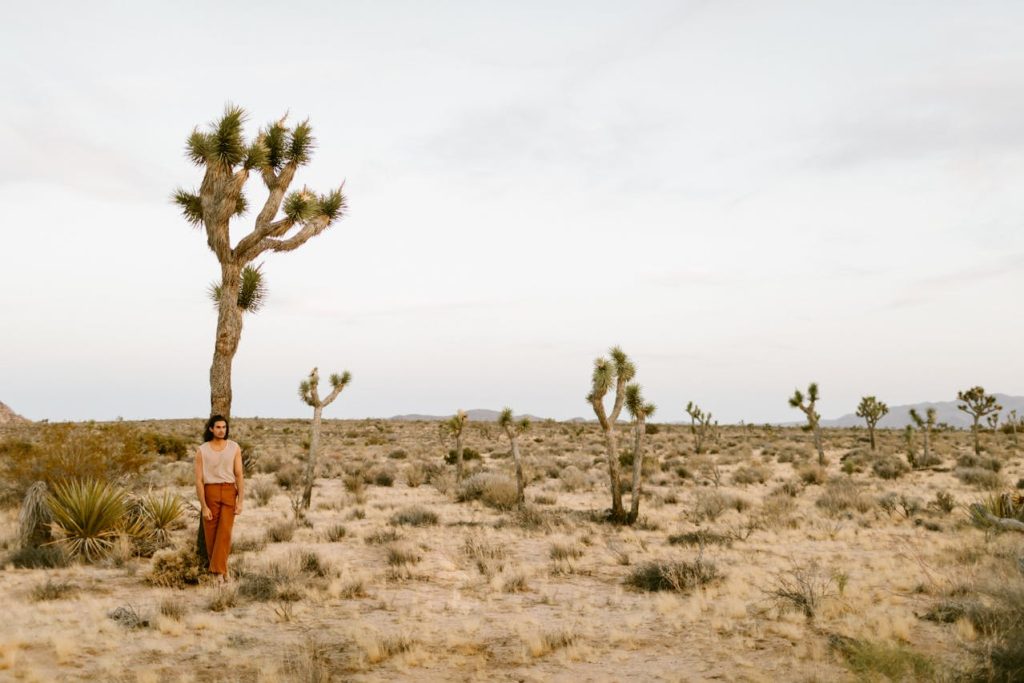
Joshua trees are slow-growing succulents in the agave family, famous for spiky leaves and twisting, branching forms. They are most associated with the Mojave Desert, which spreads across parts of California, Nevada, Arizona, and Utah.
A mature tree typically tops out around 40 feet and may live about 150 years on average, which can make change feel invisible. Yet each generation is fragile, because reaching maturity can take 40 or more years, and most young plants are eaten by rodents, birds, and rabbits. Fruiting seasons matter, too, since rodents and other desert animals help move seeds across the landscape to new ground.
The Yucca Moth Partnership With No Backup
Joshua trees rely on yucca moths, insects about the size of a grain of rice and the only species known to pollinate their blossoms. That exclusivity is rare in nature, and scientists describe it as obligate mutualism: each species depends on the other to reproduce.
Adult moths lay eggs inside the blooms while moving pollen between flowers. Later, the larvae hatch inside the light-green fruits and feed on some seeds before chewing out, burrowing into soil, and cocooning through winter. If flowers appear before moths emerge, the tree may set no fruit, and the moth may find no nursery at all. That mismatch is the fear this winter.
Why Moths May Stay Underground
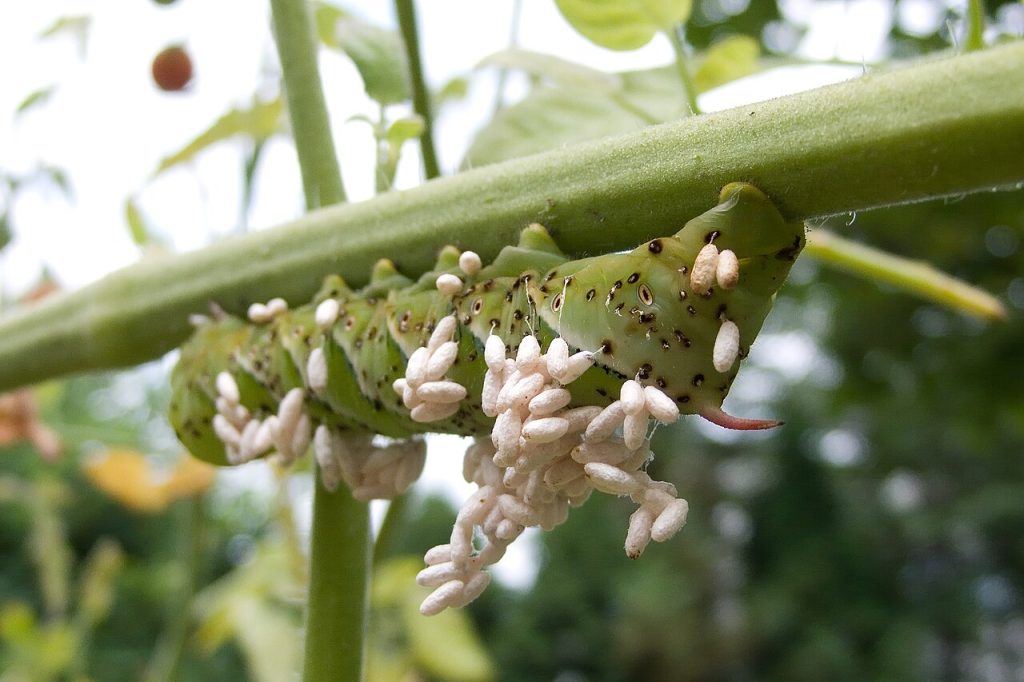
Scientists do not fully understand what tells adult yucca moths to emerge from the soil, but temperature is a leading suspect. If nights remain cold, moths may stay cocooned even when the trees are already flowering.
Biologist Jeremy Yoder of California State University, Northridge, has said the key question is whether moths will show up for these off-season blooms, and early signs suggest they are not. Without that visit, the flowers may simply pass, leaving branches bare of fruit. No fruit means no seeds to scatter, and the species cannot afford many missed seasons when only a small fraction of seedlings survive to maturity.
The 2018 Echo And What Looks Different Now
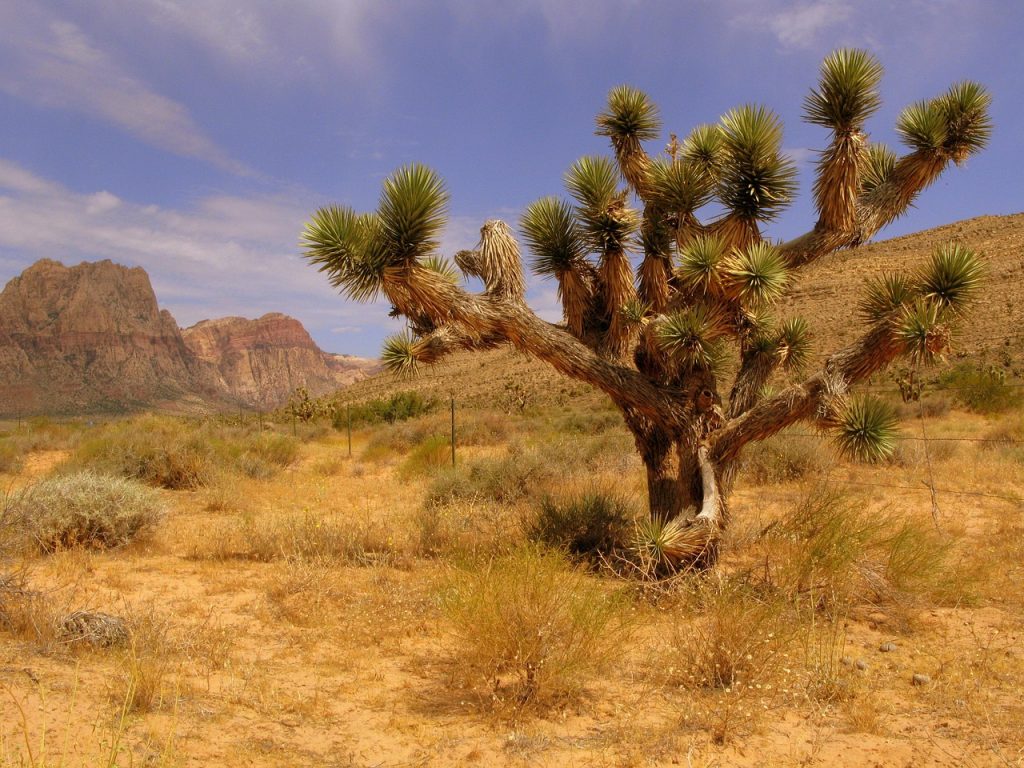
A strange fall bloom is not entirely new. In 2018, observers documented Joshua trees flowering out of season, but reports suggested most early blooms stayed near the southern edge of the species’ range.
This season appears wider, with early flowering reported across the Mojave. Scientists want side-by-side data: where flowers appear, when fruits follow, and how that compares with 2018. A desert-scale pattern would point to a shared trigger, not a one-off pocket of weather, and it explains why researchers are asking for many eyes across many miles. Even a single photo with a location pin helps build the map for later analysis.
Rain As A Likely Push Behind The Blooms
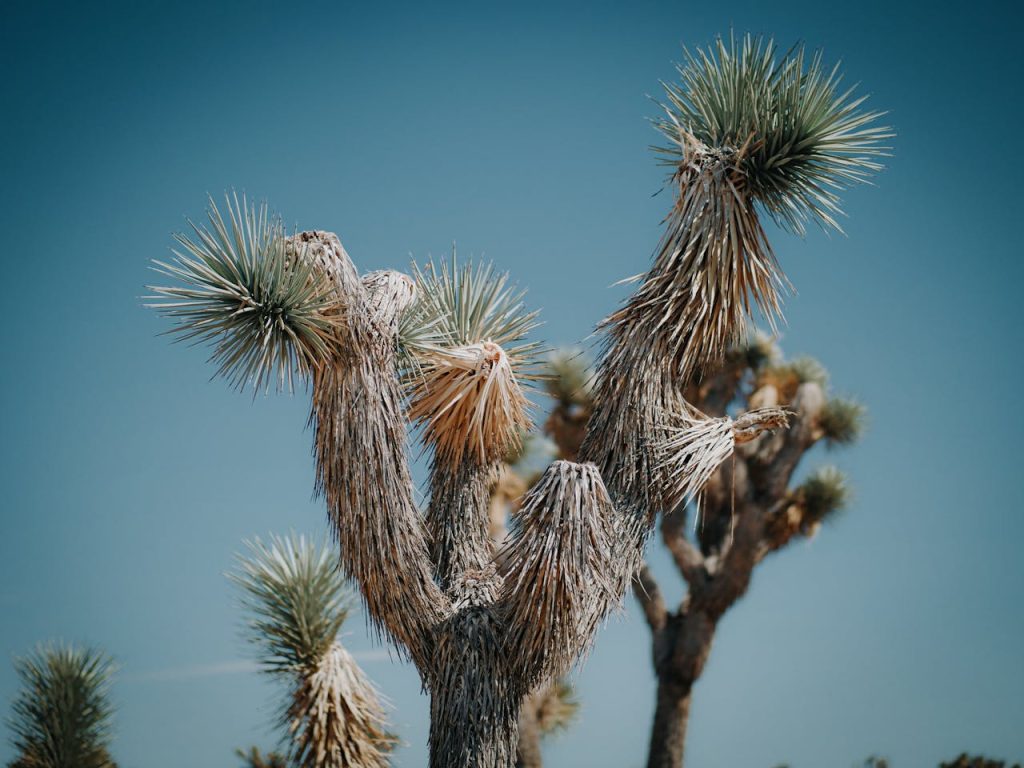
Scientists are still sorting out what pushed flowers to appear so early, but intense late-season rains are a leading suspect. Extra moisture can act like a false spring signal, especially in a desert where plants are tuned to seize brief windows.
The hope is that many observations will reveal patterns: whether early blooms cluster in areas that received heavy rain, and whether those flowers later set fruit. Ecologist Kirsten Zornado of California State University, Northridge, has emphasized tracking where flowers occur, what weather preceded them, and what happens next. That chain of facts is how guesses become evidence.
What Researchers Want Logged On iNaturalist
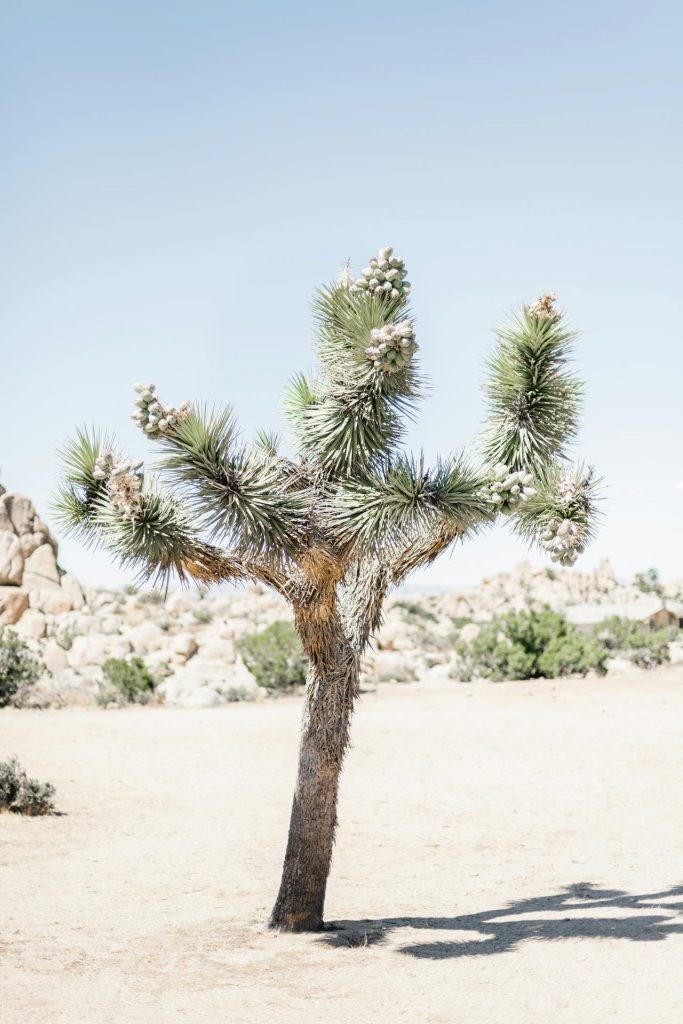
The request is simple and specific. Scientists are asking the public to photograph Joshua trees that are flowering or fruiting and upload the images to iNaturalist, a citizen science platform that saves dates and locations.
Clear shots of flower clusters, developing fruits, and the whole tree help researchers confirm stage and condition. What matters most is consistency: returning to the same tree over weeks shows whether blossoms fade, fruit forms, or nothing follows. Hikers, park visitors, and local residents can all contribute, and the combined reports let scientists compare patterns across the Mojave in one shared dataset.
Why Fruit Is The Real Signal To Watch
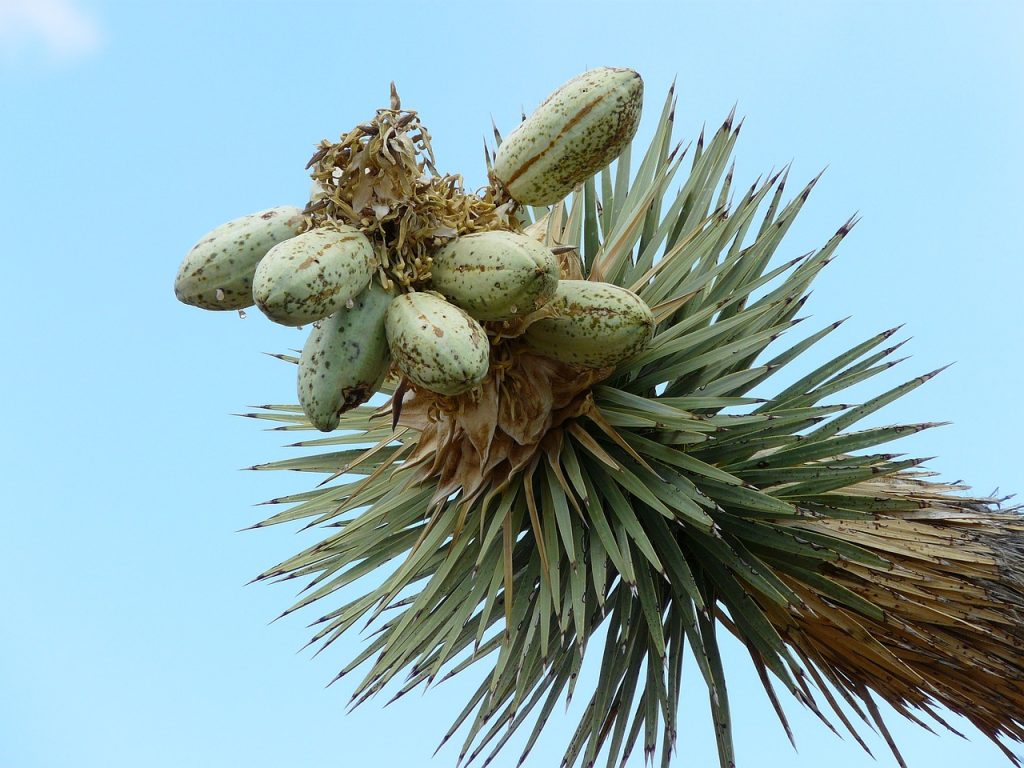
A Joshua tree bloom is not the end goal. After pollination, the branches should develop fleshy, light-green fruits packed with seeds, and rodents and other desert animals help disperse those seeds across the landscape.
That is why scientists are asking observers to note fruit as well as flowers. Flowers alone can be misleading if they appear, then vanish without setting seed. The species needs many tries because only a small fraction of seedlings make it through decades to adulthood. When fruit fails to form, the next generation loses its starting point, and these slow growers lose ground from shifting weather patterns.
How A Bloom Map Turns Stories Into Evidence
A single early bloom can be dismissed as a quirk. A map of hundreds cannot. When iNaturalist observations accumulate, researchers can see whether early flowering is scattered or clustered, and whether clusters line up with places that saw intense rain during the previous fall.
The same map can show where fruiting succeeds and where it fails, which is another way of asking whether moths arrived on time. Paired with the 2018 records, the new data can reveal whether early blooming stays confined to certain edges or is spreading across the Mojave as a broader pattern. That reach is hard for any single lab to match on its own.
Why This Moment Matters For The Long View
Joshua trees look timeless, which makes early blooms feel almost harmless at first glance. Scientists see something more specific: a signal that environmental cues may be shifting in ways that can desynchronize a tightly matched plant and pollinator. The yucca moth is the only known pollinator, so there is no easy backup.
The public call is not about perfect fieldwork, but about honest observation. A photo, a date, and a return visit can show whether flowers become fruit, and whether the season is behaving as expected. In a landscape measured in decades, those small notes help protect the story future decades will tell.