

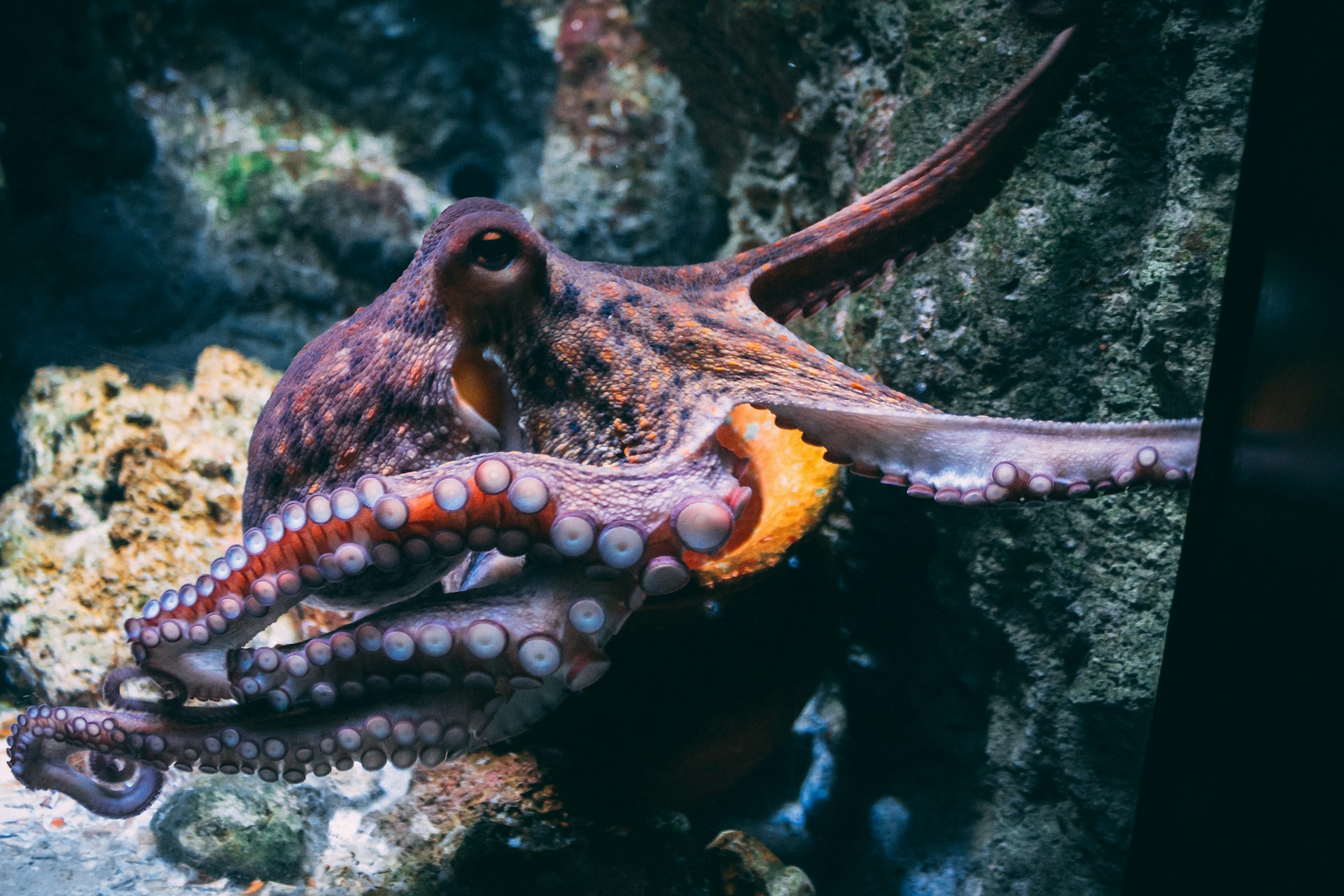
Animal intelligence stories travel fast, and tidy myths travel fastest. An octopus unscrews a jar, a parrot says hello, a bee dances, and many people leap to one-line conclusions about genius, instinct, or tiny feathered humans.
Scientists keep finding a messier richer picture: minds shaped by ecology, life span, social structure, and sensory worlds that do not map neatly onto human expectations. What looks like contradiction is often specialization across distinct lives. These seven myths survive because they feel simple and familiar, not because they match what careful field data and controlled experiments keep showing.
Octopuses Are Strictly Solitary Creatures
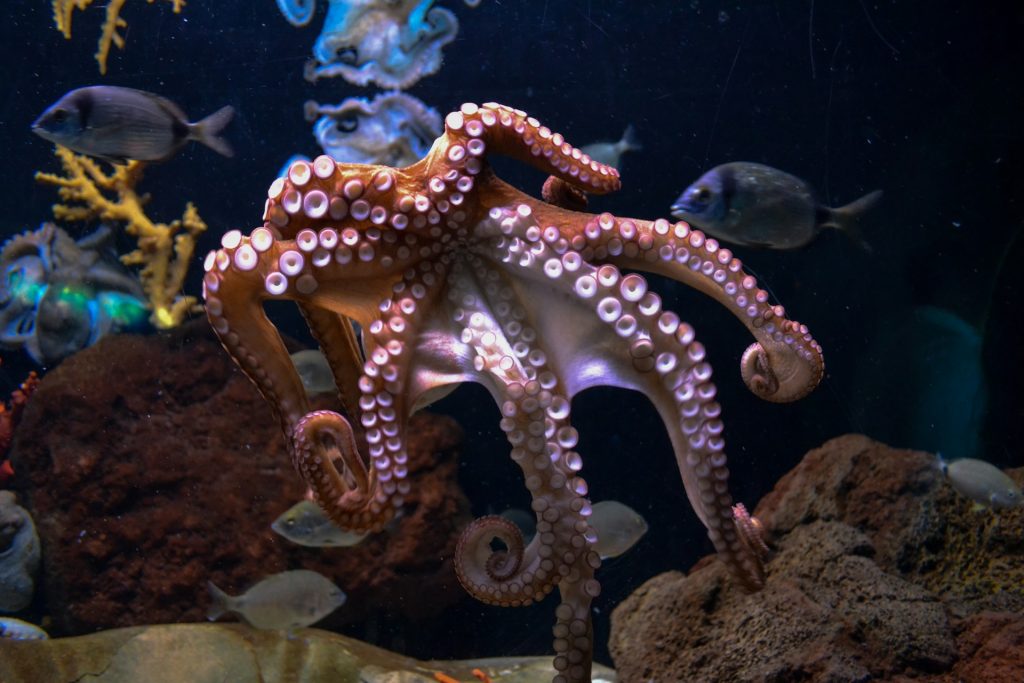
The loner-genius story misses what researchers keep documenting in the wild and in controlled settings. In one octopus species, individuals shared tanks and even dens under test conditions, showing social tolerance rather than permanent isolation when space and shelter were manipulated.
That does not mean octopuses are suddenly pack animals. It means social behavior is flexible, context dependent, and shaped by risk, shelter, and competition. On some days, avoiding neighbors is favored; on others, brief tolerance pays off. The smarter claim is not social or solitary, but strategically social when conditions demand it.
Octopus Arms Are Just Dumb Tools
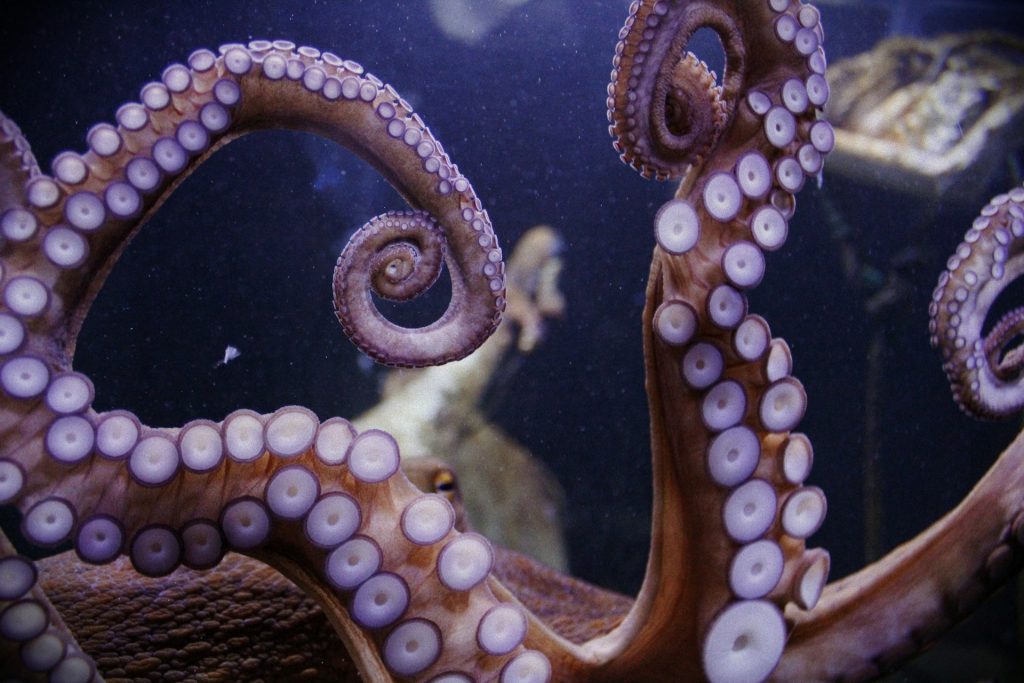
People often picture octopus intelligence as a single command center, like a tiny human brain issuing orders to passive limbs. But roughly two-thirds of octopus neurons sit in the arms, where local circuits process touch and movement with surprising autonomy.
That architecture does not make the animal less intelligent; it shows a different design for solving problems in real time. Arms can explore, adjust, and coordinate while the central brain manages broader goals, which helps explain fluid behavior in cluttered reefs and tight crevices. It is intelligence built on a separate evolutionary route, not a lesser copy of ours.
Parrots Only Mimic And Never Understand
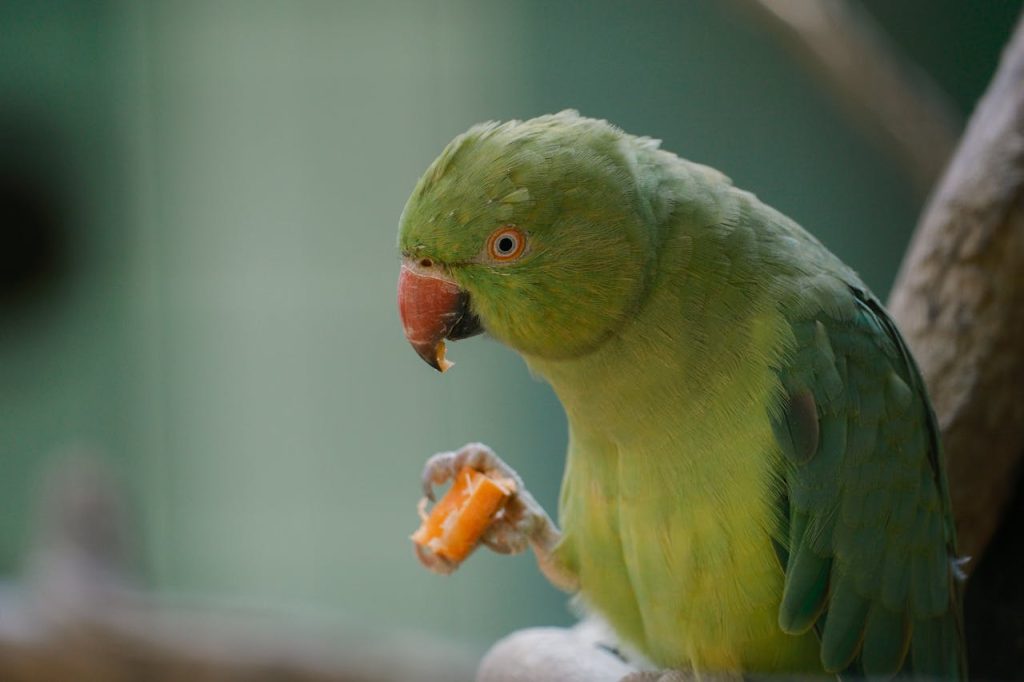
The loudest myth says parrots are tape recorders with feathers, repeating sounds without meaning. Decades of work with African grey parrots showed that trained birds can use labels referentially, separate requesting from labeling, and answer category or quantity questions in context.
That still does not mean every pet parrot understands every phrase heard at home, or that language appears automatically. It means vocal mimicry can become a channel for cognition when social learning conditions are right and feedback is consistent. In science terms, imitation is the doorway, not the whole house. Context and training matter enormously.
Talking Parrots Are Feathered Toddlers
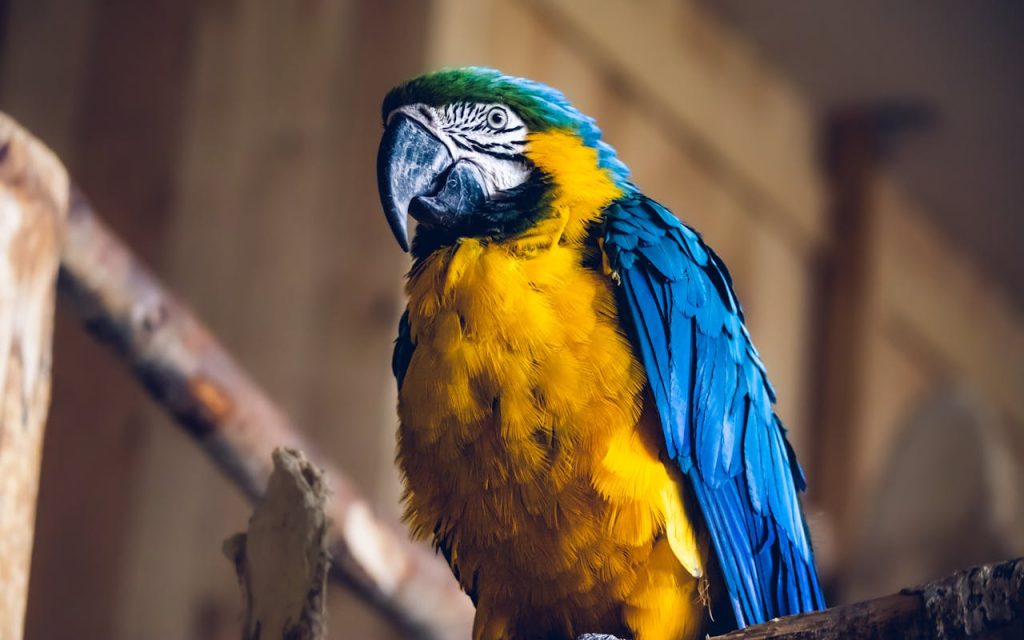
Another popular shortcut compares talking parrots directly to human toddlers, as if both minds run the same script with different voices. New comparative vocabulary work found overlap in output size, yet clear differences in what parrots and children produce and why they produce it.
Children in the study used more object and situation labels, while parrots used more conversational routines and multiword expressions. So the takeaway is not who is smarter. It is that communication reflects species-specific goals, bodies, and social worlds, even when surface behavior sounds similar. Similar words can hide distinct cognitive routes.
Bees Run On Instinct Alone
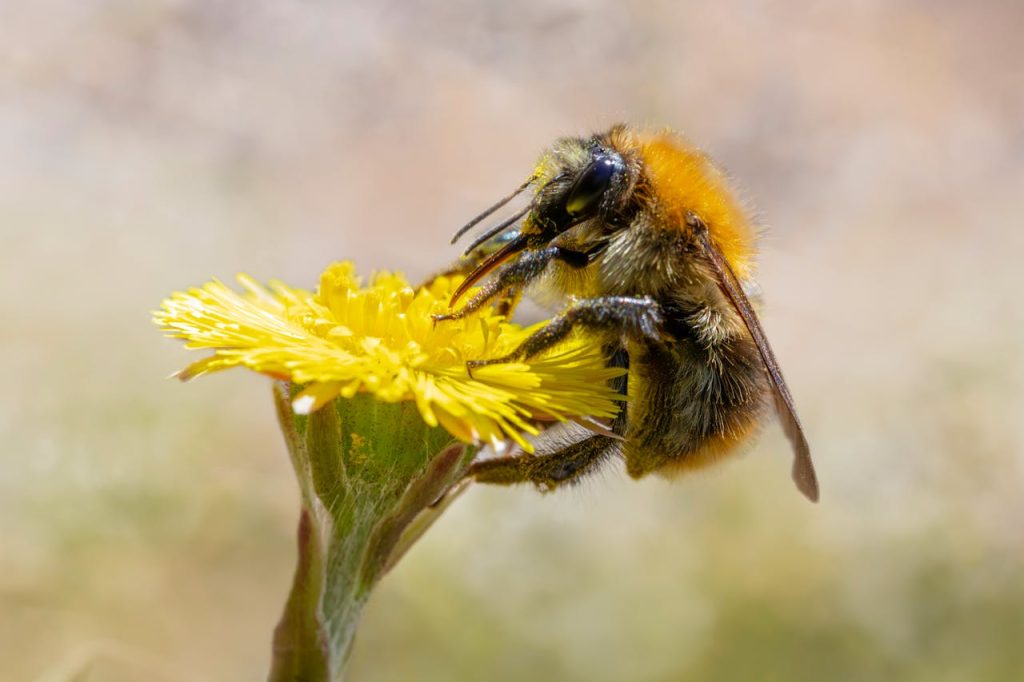
Bee intelligence is often dismissed because the brain is tiny, as if neuron count alone sets a hard ceiling on thought. Yet controlled experiments show honeybees can learn symbolic rules for adding or subtracting one element, then apply those rules to unfamiliar displays.
Other work reports learning of sameness and difference relationships, which pushes beyond simple stimulus reflex stories. None of this turns bees into miniature humans. It does show that compact nervous systems can support flexible problem solving when tasks align with how the animal samples the world. Insects can be efficient without being cognitively trivial.
Bee Colonies Are One Mind With Interchangeable Workers
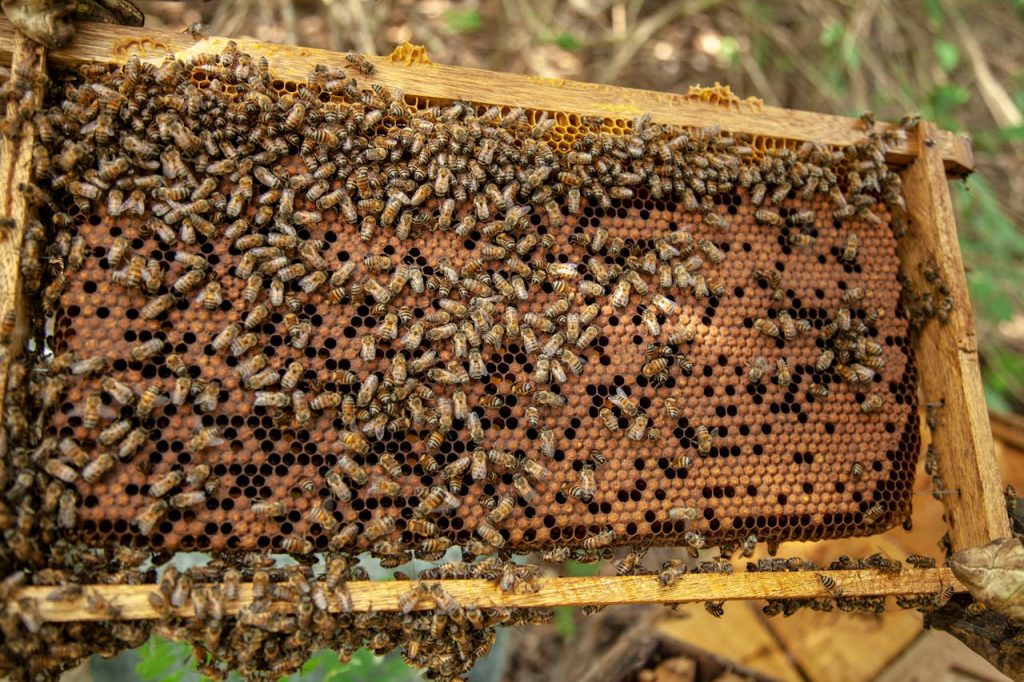
The hive-mind myth treats every worker as an interchangeable unit following a single script from dawn to dusk. Long-term tracking studies report consistent individual differences in movement, space use, and timing of transitions into foraging roles across life stages.
Even famous waggle-dance communication is not a rigid command system every bee must obey. Field results suggest colonies can gain when some foragers rely less on dance information and sample the environment directly, balancing social cues with personal sampling as conditions shift. Collective intelligence here emerges from variation, not from perfect behavior cloning.
Intelligence Is A Single Ladder
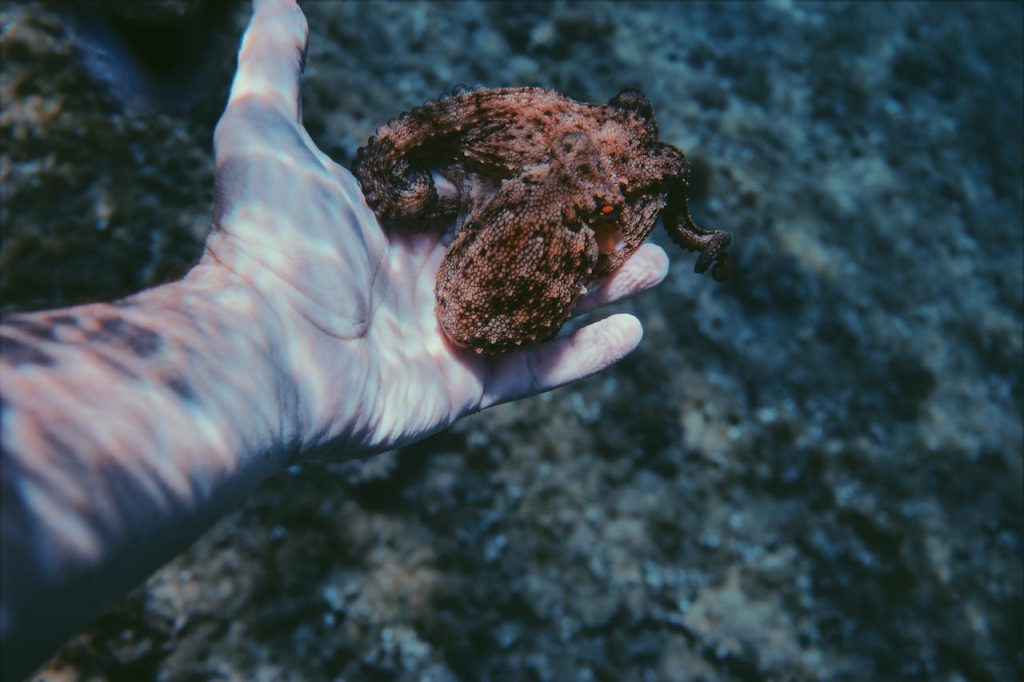
A final myth ranks octopuses, parrots, bees, and humans on one straight ladder, as if intelligence were a single score. Comparative cognition reviews argue the evidence does not support one universal package; species often show sharp strengths in some domains and clear limits in others.
When scientists test only headline abilities, they miss the ecological jobs those minds evolved to do, and publication bias can further inflate only the flashy wins. The fairer model is a mosaic: different cognitive tools tuned to different problems, with tradeoffs that make sense inside each species’ niche rather than inside human status rankings.