

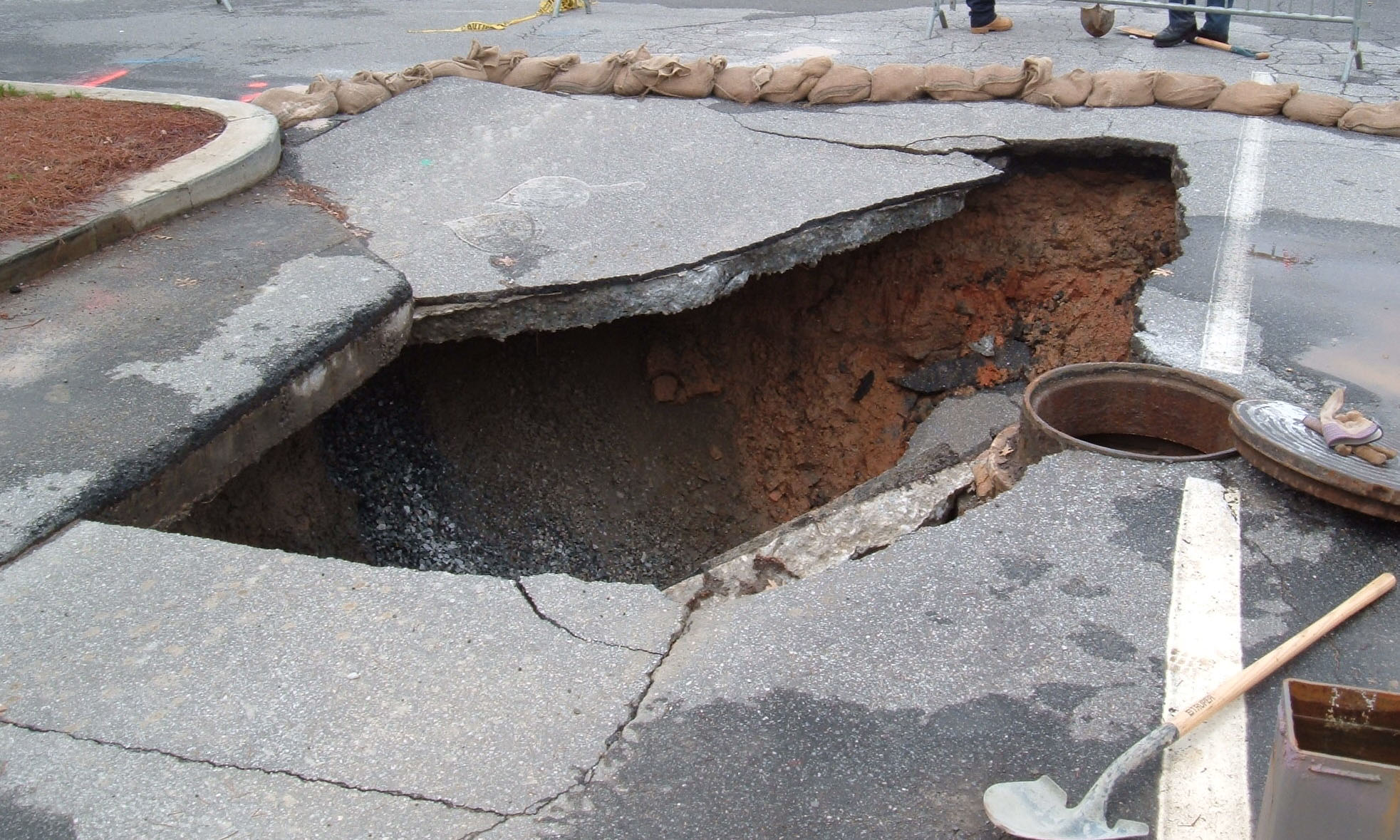
A sinkhole rarely begins with a movie-scene collapse. Most start as slow changes in soil, drainage, and small cracks that feel easy to excuse.
That delay is what catches homeowners. The ground often gives a warning long before it gives way, but the clues rarely look dramatic at first.
Sinkholes are most common in karst terrain, where water dissolves rock below the surface and leaves spaces that can no longer hold up the soil.
Not every odd dip is a true sinkhole. Broken pipes, rotting stumps, buried debris, and poor fill can create similar settling on the surface.
What matters is the pattern. One small issue may mean little, but several changes showing up together deserve real attention.
A yard that feels softer, a patio that starts cracking, and a door that suddenly sticks can all point to the same problem below.
Some sinkholes grow slowly for weeks or months. Others fail fast after heavy rain, drought, or nearby ground disturbance changes the pressure below.
The smartest response is calm and observant. You do not need panic, but you do need to stop dismissing signs that keep getting worse.
A Dip That Keeps Growing
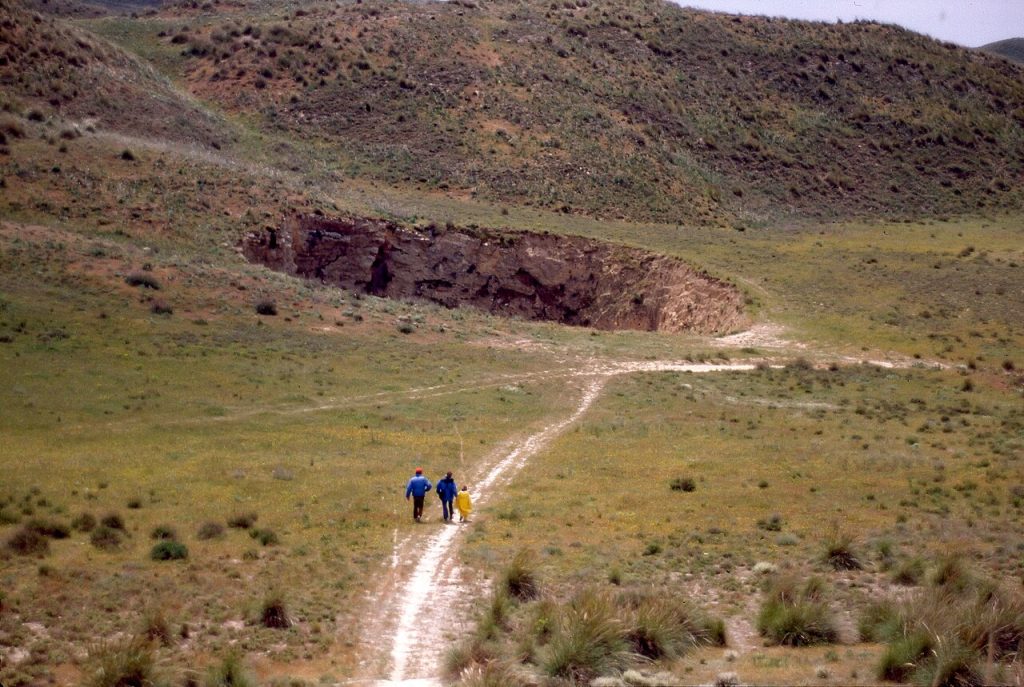
A shallow dip in the yard becomes more serious when it grows wider after rain or keeps sinking during dry weather without an obvious cause.
Soft soil matters too. If one patch feels spongy underfoot while nearby ground stays firm, the surface may be losing support.
Many homeowners blame mower tracks, pets, or old landscaping. That guess feels harmless until the depression deepens and edges begin to slump.
When a low spot keeps changing shape, stop treating it like cosmetic yard wear. Ground that keeps settling is asking for a closer look.
Cracks That Start Showing Up Together
Fresh cracks in concrete do not always mean a sinkhole, but they matter more when they appear beside a new dip or soft area.
Driveways, patios, and sidewalks often show movement clearly, because rigid surfaces reveal stress faster than ordinary lawn.
Curved or spreading cracks deserve extra attention. They can outline unstable soil instead of the simple shrink-and-settle cracks old slabs often get.
If the crack widens after storms or seems to travel in a rough arc, the ground below may be shifting instead of just aging.
Inside the house, small wall cracks can join the pattern. On their own they may be minor, but timing changes everything here.
A hairline mark above one doorway is ordinary. Several new cracks across walls, tile, or trim at the same time are not so easy to shrug off.
People often explain each crack away one by one. The real risk appears when the house and yard both start showing movement together.
When cracks multiply across hard surfaces and the timing feels new, treat that as evidence, not as bad luck or old construction alone.
Doors and Windows That Suddenly Stick
A door that drags once in wet weather may mean nothing. Several doors or windows sticking at once tell a more serious story.
Frames can shift when the structure settles unevenly. That is why stubborn windows often show up before people realize the ground is moving.
You may also notice gaps around trim, slight floor unevenness, or windows that no longer latch as smoothly as they did last month.
These changes feel small because each one is easy to explain. Age, humidity, and bad carpentry all sound more comfortable than soil failure.
But comfort is not the same as accuracy. If the timing is sudden and other warning signs are present, trust the pattern instead.
A house usually does not go from perfect to dangerous in one minute. It often whispers through misalignment before it shouts through damage.
When the building starts resisting normal use, do not just force things shut and move on. Watch the structure as carefully as the yard.
Water That Starts Behaving Differently
Water often reveals trouble before a hole opens. A spot that suddenly stays muddy or ponds after ordinary rain deserves a second look.
That is because a sinkhole is a depression with poor outward drainage, so surface water may start collecting where it never used to.
The reverse can matter too. If water seems to vanish quickly into one patch of ground, the soil may be funneling it downward.
Heavy rain after a dry stretch can add stress by loading weakened ground. That mix is one reason some collapses seem to come out of nowhere.
When drainage changes without a clear landscaping reason, pair that clue with any cracks or settling you already see around the property.
Yard Features That Start Tilting

Homeowners often notice the yard first through things that look unrelated. A fence post leans, pavers sink, or one corner of a step drops.
Plants can also tell the story. A stubborn patch of wilted grass or shrubs may reflect altered moisture where the ground has shifted.
That does not mean every brown spot signals a cavity. It means unexplained stress in one area should not be dismissed too quickly.
Light, rigid features near the surface often react early. They show tilt and separation long before a large visible hole forms in the yard.
If a garden edge, mailbox, or path starts drifting out of line, step back and inspect the whole area instead of fixing one symptom.
Small landscape changes become more meaningful when they cluster. The yard usually gives hints before the failure becomes dramatic enough to scare everyone.
What People Mistake for Sinkholes
Many suspected sinkholes turn out to be something else entirely. Broken sewer lines, septic failures, buried trash, and old stumps can mimic one.
Poorly compacted soil after construction can settle for years, creating depressions that look alarming but come from human work rather than geology.
That is why guessing from sight alone is risky. The problem may still be serious, just not for the reason people assume at first.
Calling every dip a sinkhole causes confusion. Calling every warning sign harmless is worse, because real subsidence gets ignored while the damage grows.
When to Leave Right Away
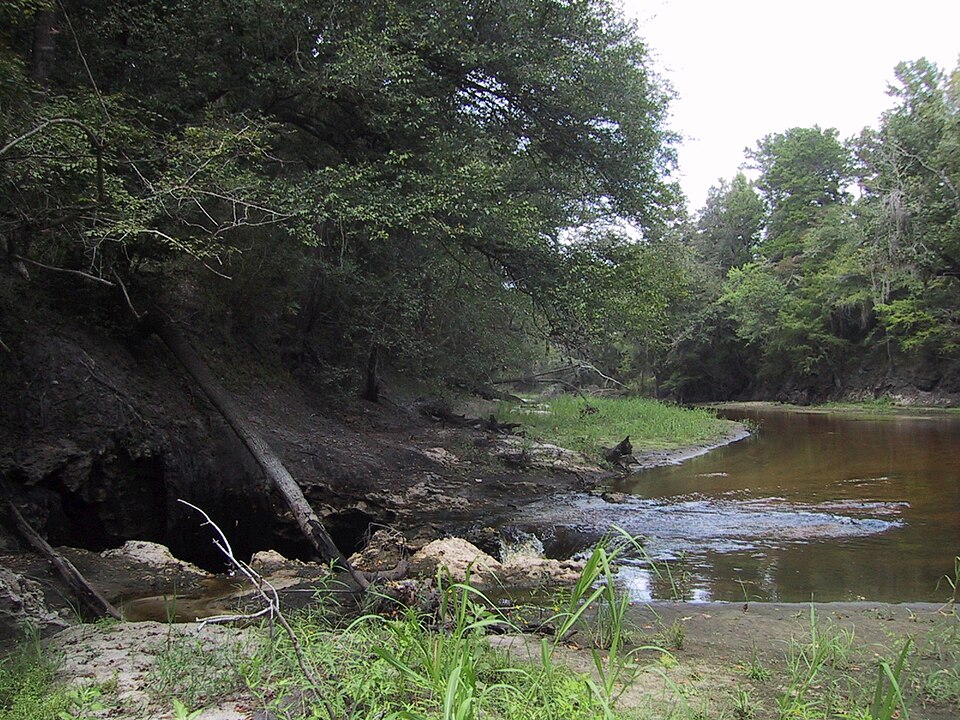
If walls begin cracking fast, floors sag, or the structure makes sharp popping or breaking sounds, stop debating and get people out.
Keep children, pets, and vehicles away from any hole or curved crack pattern, because the unsafe area may extend beyond what you can see.
A sudden opening near a home, driveway, or street is no time for curiosity. Distance and a quick call for help matter more than photos.
What to Do Next
Start by marking the area and watching for change. Photos, notes, and rough measurements help show whether the ground is still moving.
Do not dump yard waste, trash, or loose debris into the hole. That can worsen drainage, hide danger, and contaminate groundwater.
If a structure is affected, contact your insurer and a qualified geologist, engineer, or inspector instead of relying on neighborhood guesses.
The goal is not to play scientist from the porch. It is to act early enough that a warning sign stays a warning, not a collapse.
Excerpt: Watch for dips, cracks, stuck doors, and odd drainage. Small changes often signal deeper ground trouble before collapse hits hard.