

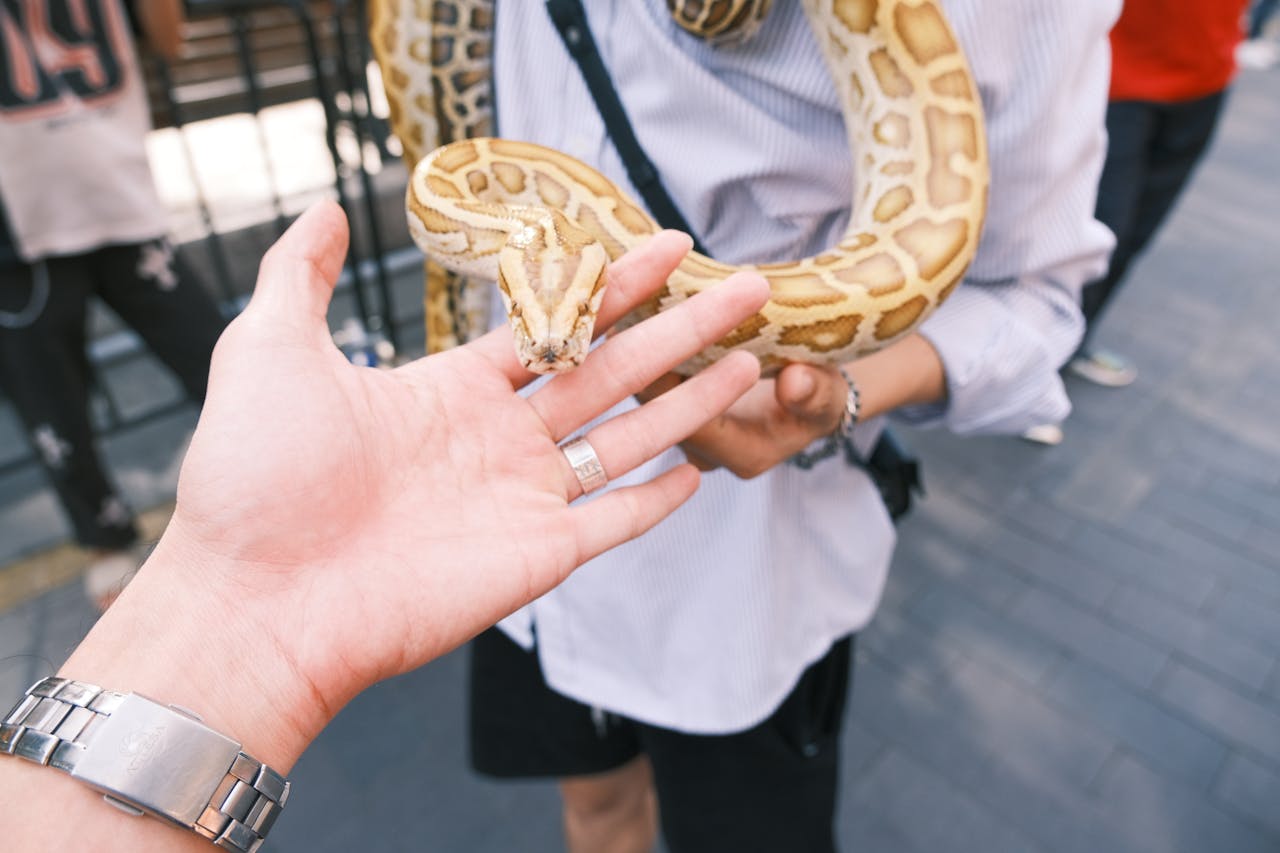
A snake gliding across a hallway can turn a calm evening into a loud, chaotic scene in seconds. Handlers say the real danger often starts after the sighting, when fear pushes people into fast choices that corner the animal, scatter pets, and erase the one thing that keeps everyone safer: control. Most indoor encounters involve nonvenomous species, yet panic can still create injuries, costly damage, and near misses. Clear moves, steady distance, and quick professional help usually end the moment without drama. Knowing what not to do is often the difference between a tense story and an emergency call on a weekday night.
Rushing In To Get A Closer Look
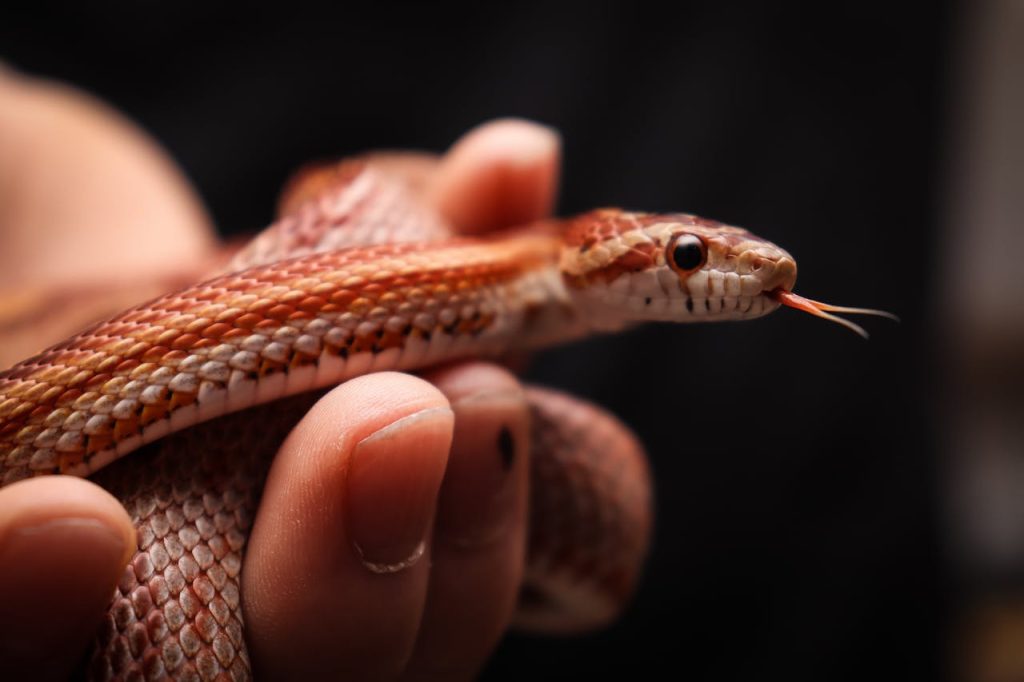
One common panic move is stepping in fast for a better view, often with a phone light aimed at the animal. That closes distance at the exact moment the snake is reading motion, vibration, and escape routes, not human intent. Handlers see near bites happen when curiosity overrides spacing.
Public health guidance stresses distance because snakes are most likely to bite when threatened or trapped, and many can strike farther than people expect. The safer response is to freeze foot traffic, keep visual contact from afar, and clear a calm perimeter until help arrives, even if identification is uncertain. That pause prevents mistakes.
Trying To Grab, Pin, Or Bag The Snake
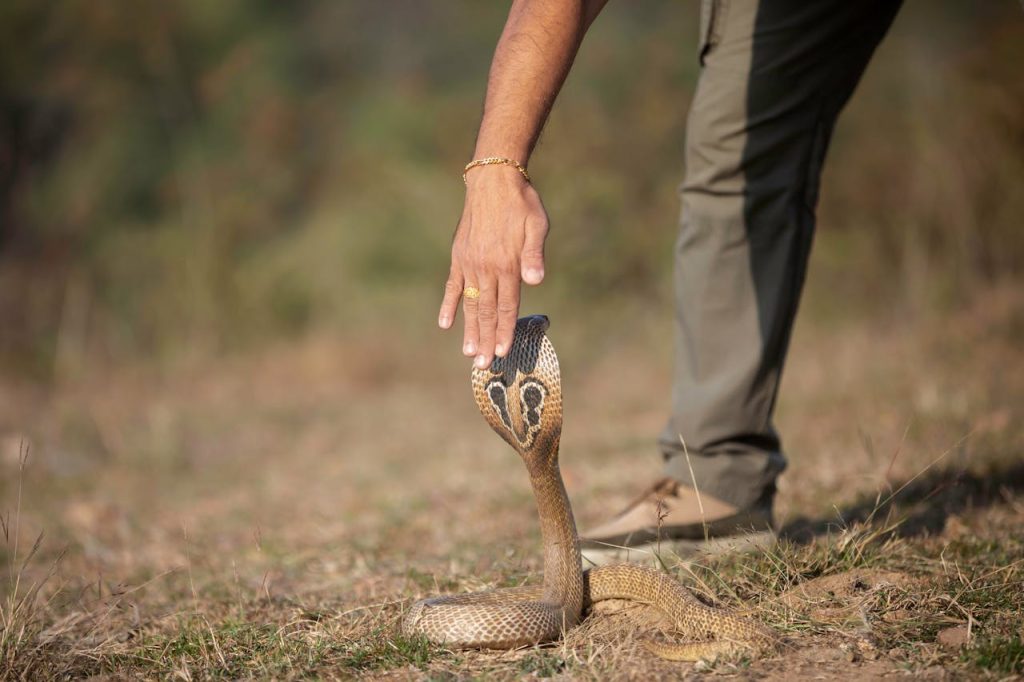
Fear pushes some people to throw a towel, pin with a stick, or scoop with bare hands because the animal looks small. That decision fails quickly in tight indoor corners where grip changes, body turns, and surprise movement happen in a split second. Gloves and reflexes are not a safety plan.
Wildlife and safety agencies advise against handling unknown snakes, even when the species seems harmless at first glance. A safer chain is to isolate the room if possible, keep children and pets out, and let trained removal staff handle capture tools, containment, and release protocols. This keeps contact risk near zero for everyone.
Cornering It With A Broom

Another panic pattern is chasing the snake with a broom until it has nowhere to go. Cornered animals switch from escape behavior to defensive behavior, which turns a manageable sighting into a fast, high-stress standoff. Each shove tightens pressure and increases unpredictable movement.
Extension experts note that blocking every exit can raise bite risk because people force the snake into a final decision point. The practical move is to give it space, avoid trapping it against walls, and control nearby doors so movement stays predictable while professional help is contacted. Space is the safest pressure release indoors.
Letting A Crowd Form Around The Room
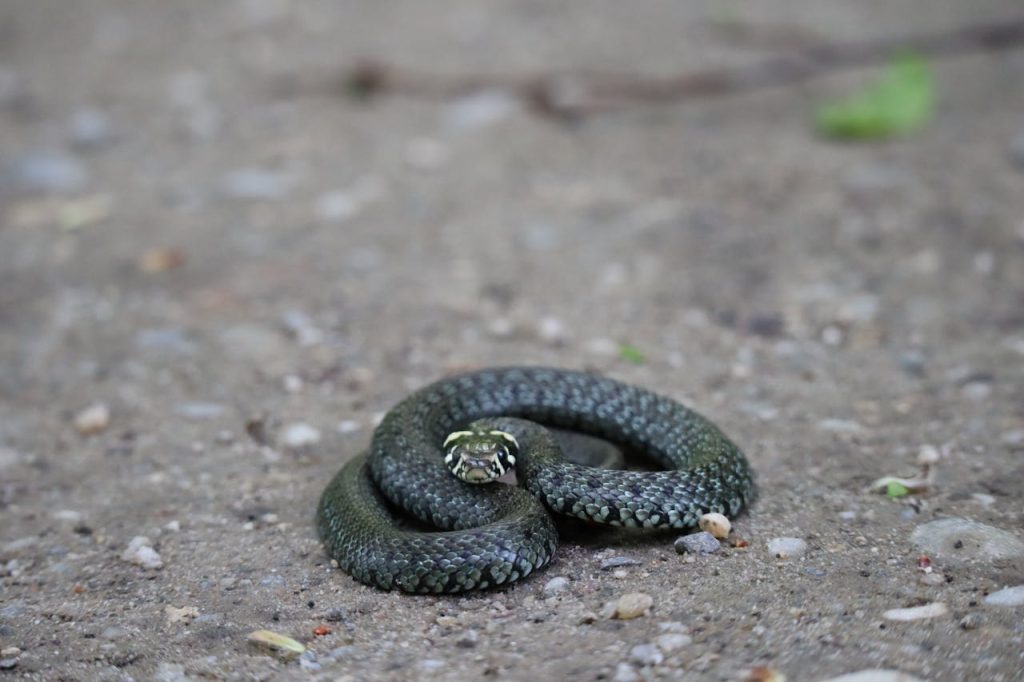
Indoor sightings often draw a crowd in seconds: family members filming, neighbors shouting advice, pets straining at leashes. Noise and motion from multiple angles make the scene harder to read and increase the chance that someone steps too close without noticing. Even well-meant help can multiply risk.
Snake safety guidance emphasizes reducing stimulation and keeping nonessential people away from the encounter zone. One calm adult coordinating from a distance is safer than six people improvising at once, especially when children, older adults, or excitable pets are in the home. Fewer bodies usually means fewer mistakes.
Trying To Injure Or Kill It

Many handlers call this the most dangerous impulse of all: trying to hit the snake with a tool or heavy object. In those seconds, attention shifts from distance and control to force, and hands, ankles, or faces can move into strike range. Indoor clutter makes those angles less predictable.
Residential snake experts warn that attempts to kill snakes raise the chance of a bite and rarely solve the reason the animal showed up. If food and shelter remain available, another snake can appear later. Calm removal, entry-point sealing, and rodent control work better than panic and damage. Prevention beats panic every time at home.
Spraying Chemicals Or Home Remedies
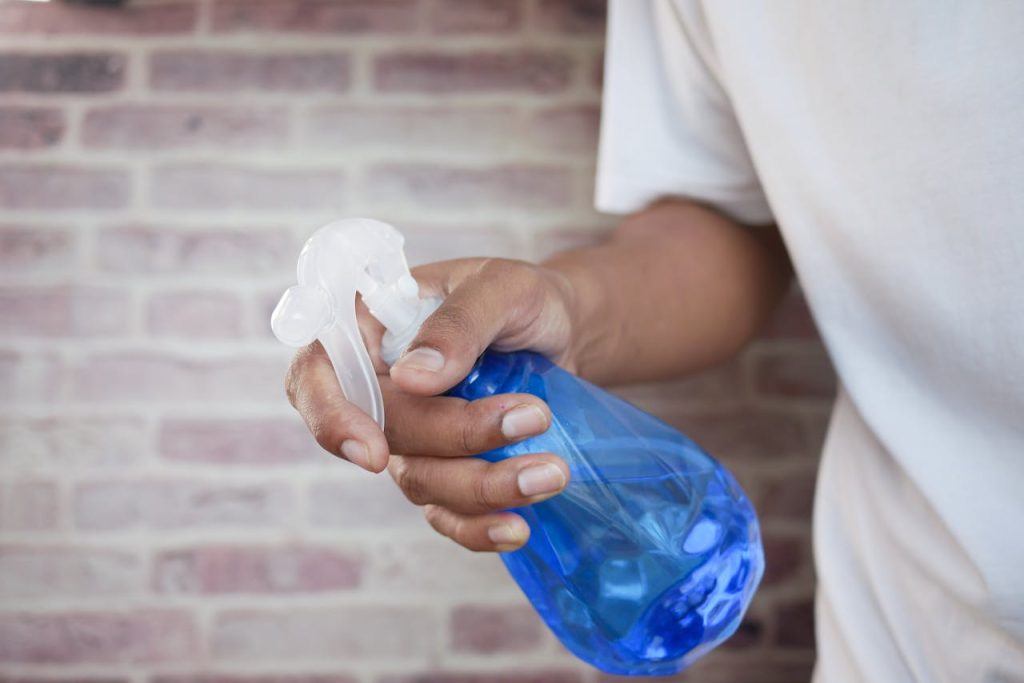
When panic spikes, people sometimes reach for bleach, aerosol sprays, mothballs, or random repellents. Those products can create indoor fume hazards for people and pets, while doing little to direct a snake safely out of a room. They may even drive it deeper into hidden spaces.
Extension guidance is blunt on this point: advertised snake repellents are unreliable, and chemical shortcuts often add risk without control. Nonchemical steps are stronger: maintain distance, contain access points, and connect quickly with wildlife professionals or animal control for measured removal. Clean air and clear space matter first, always.
Losing Track Of The Snake In Clutter
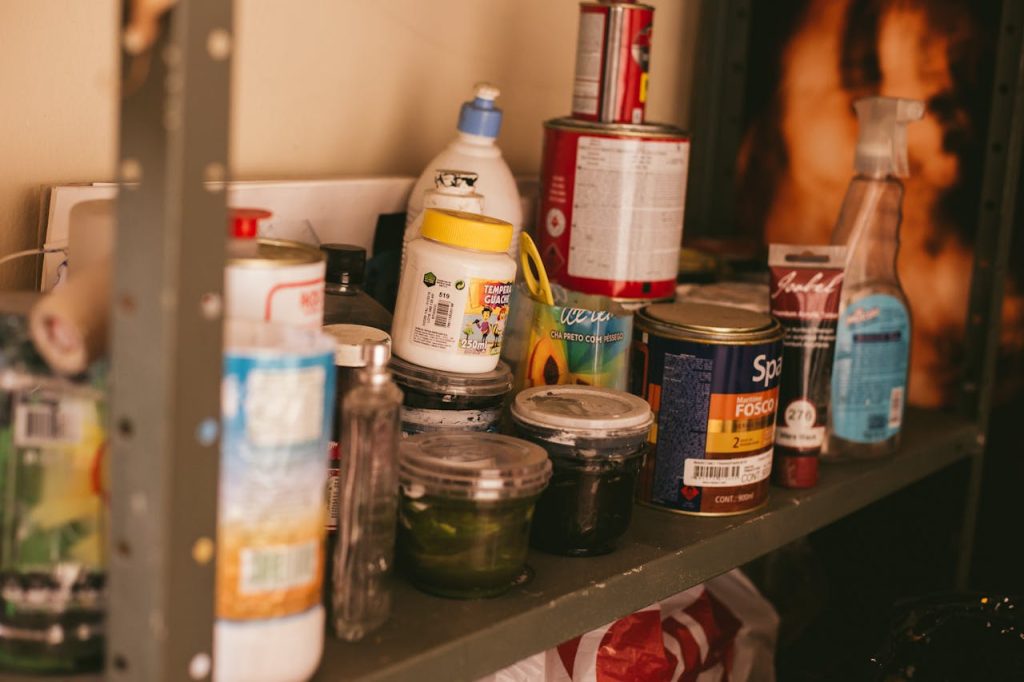
A frequent mistake is turning away for one minute, then returning to find the snake gone under boxes, laundry, or stored gear. Once visual contact is lost, every reach into dark corners becomes a gamble, and anxiety spreads through the household. People start checking everywhere, all at once.
Handlers recommend protecting sight lines by backing out slowly, shutting interior routes when possible, and avoiding sudden cleanup attempts. After the area is secured, trained responders can work methodically through hiding spots with tools, lighting, and spacing that reduce risk. Order lowers fear and exposure risk in tight rooms.
Setting Improvised Sticky Or Snap Traps
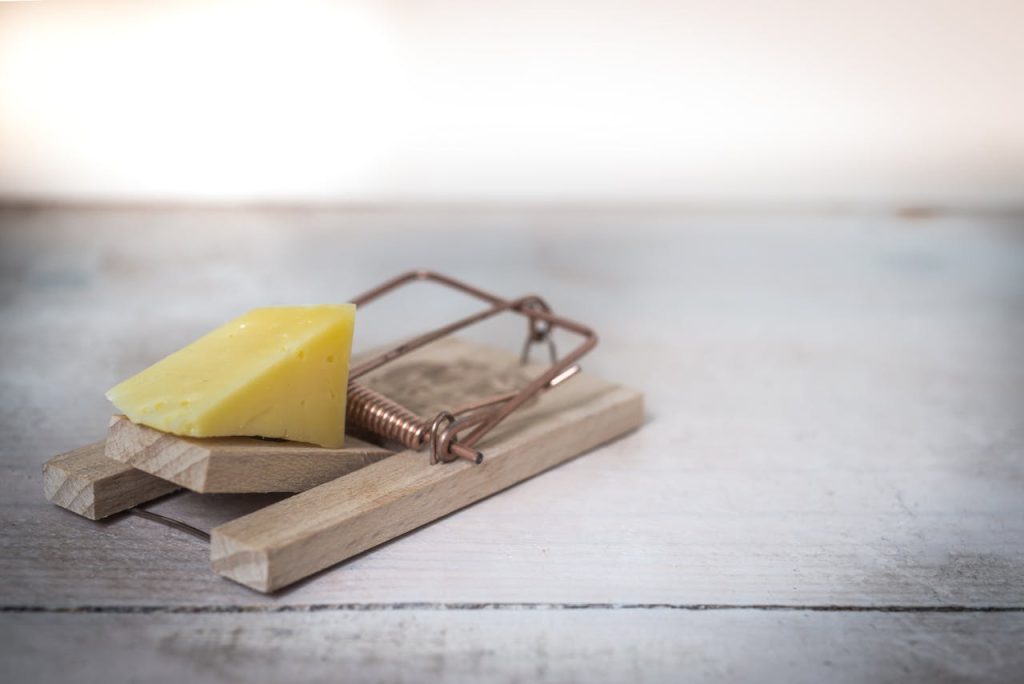
Improvised trapping is another panic move that can spiral fast, especially with sticky boards placed overnight in shared indoor spaces. These setups can catch non-target animals, create distress, and still leave residents unsure how to remove a trapped snake safely. By morning, stress is higher and options are worse.
Florida extension specialists caution against commercial glue traps for snake encounters because removal often requires risky handling. A controlled professional capture is usually safer for households, pets, and wildlife than a do-it-yourself trap plan built under pressure. Slow, trained handling is the safer route.
Delaying Emergency Action After A Bite
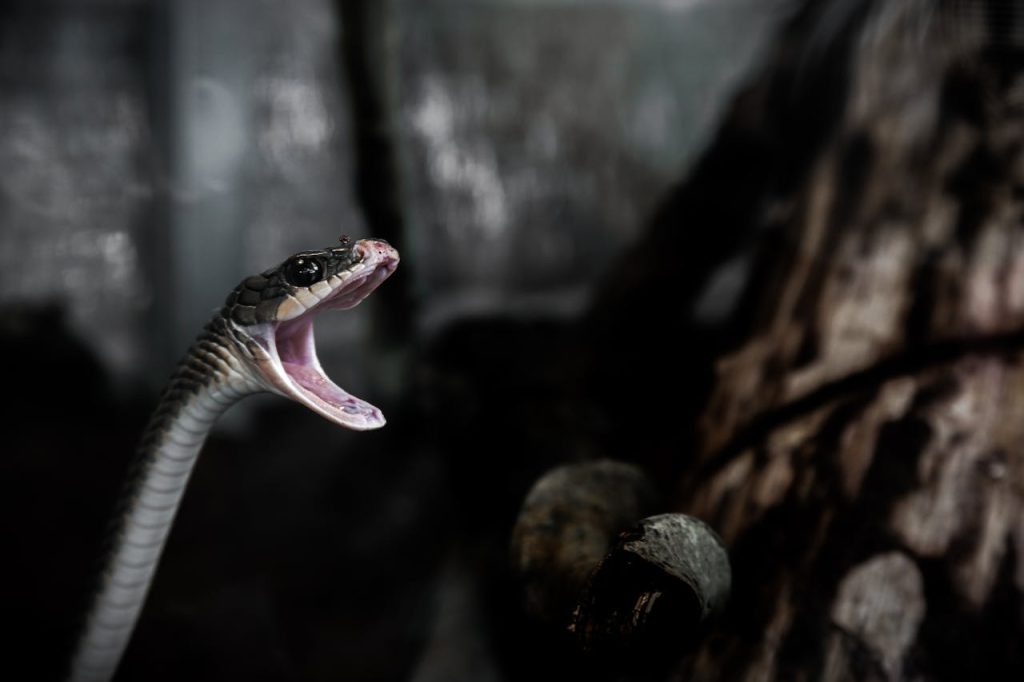
Sometimes the panic move is hesitation: waiting for swelling, searching old internet tips, or driving around to identify the snake first. Minutes matter after a suspected venomous bite, and confusion increases when fear and pain are both rising. Delay can turn a treatable injury into a harder emergency.
Current U.S. guidance says to get medical care right away, avoid cutting or sucking the wound, and avoid tourniquets or folk fixes. Keeping the person calm, moving away from the snake, and calling emergency services or Poison Control protects outcomes better than guesswork. Fast clinical care changes outcomes quickly.