

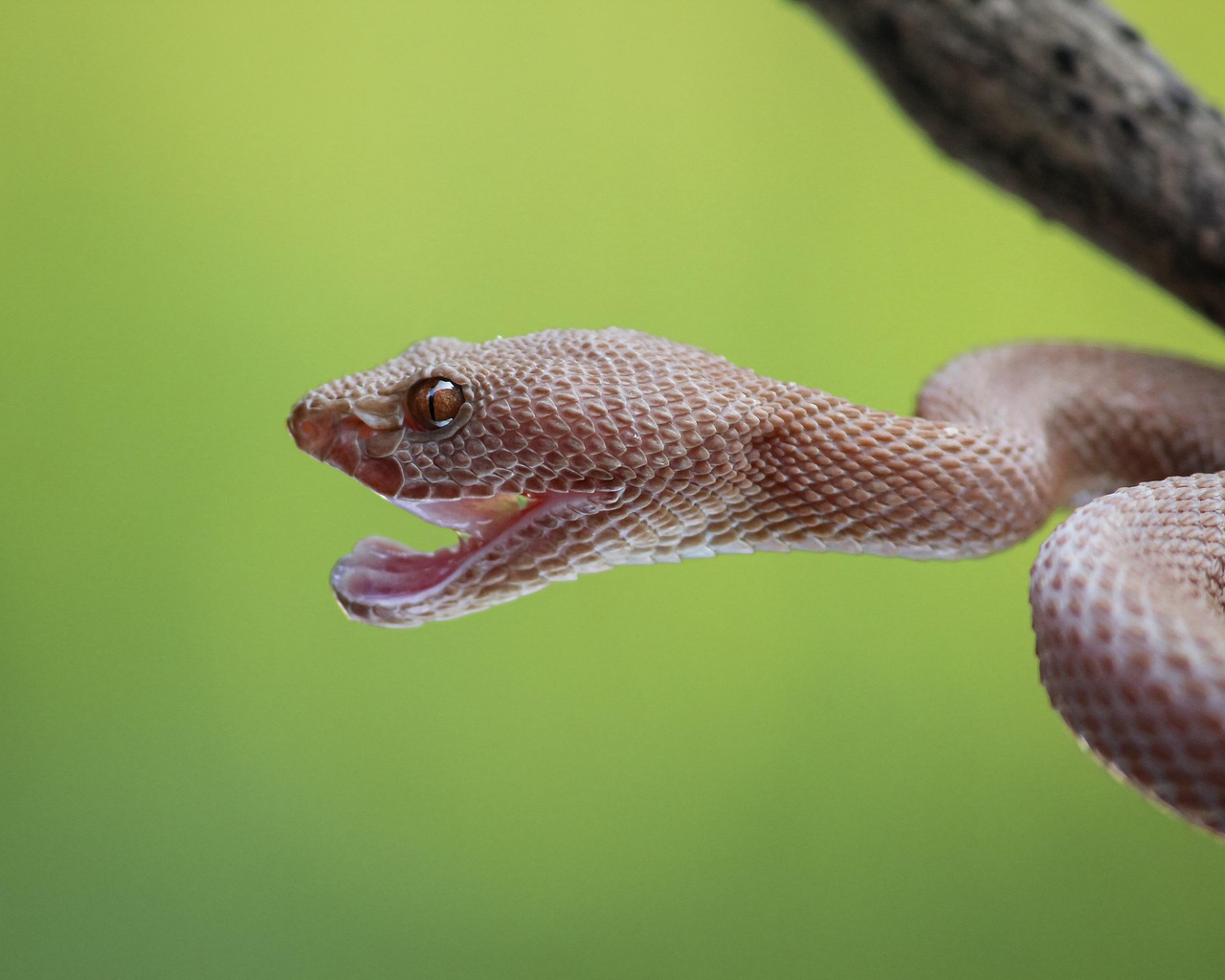
A soft scrape under a cabinet can flip a calm home into a tense, watchful space. Cold snaps, heavy rain, or nearby construction sometimes push snakes toward warmth and cover, so an indoor visit can feel personal even when it is pure accident. Most snakes are looking for a quiet exit, yet fear often turns the room loud, fast, and crowded. The safest response is usually the least dramatic: steady eyes, slow movement, and a simple plan that keeps distance, limits commotion, and brings in trained help before anyone tries to take control with bare hands or bad tools. A few common mistakes stretch the moment and raise risk.
Do Not Try To Harm It
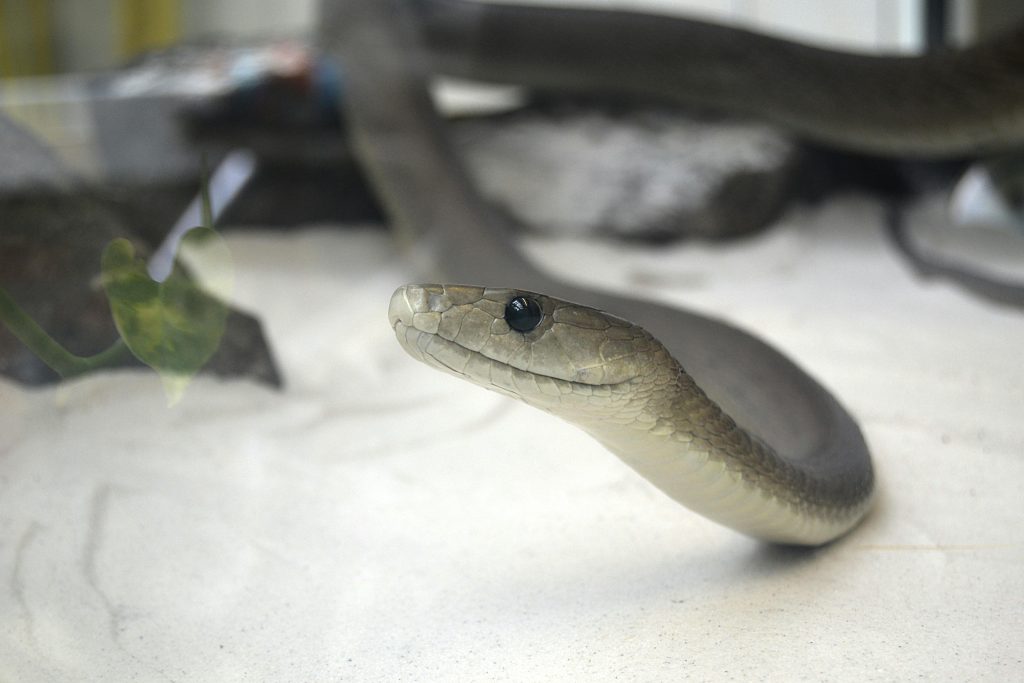
Trying to hit, crush, or otherwise harm a snake is when many bites happen, because the animal shifts from hiding to defense in a blink. A rushed swing also turns a small problem into broken glass, knocked-over furniture, and lost visibility, which makes the room harder to manage. That chaos is how someone gets too close without noticing.
Behavior studies and incident reports consistently show snakes bite mainly when they feel threatened, and closing in removes their escape option. Distance works better than force. Lights on, eyes on, and a call to animal control keeps hands out of range and lowers the odds of a sudden strike.
Do Not Corner It
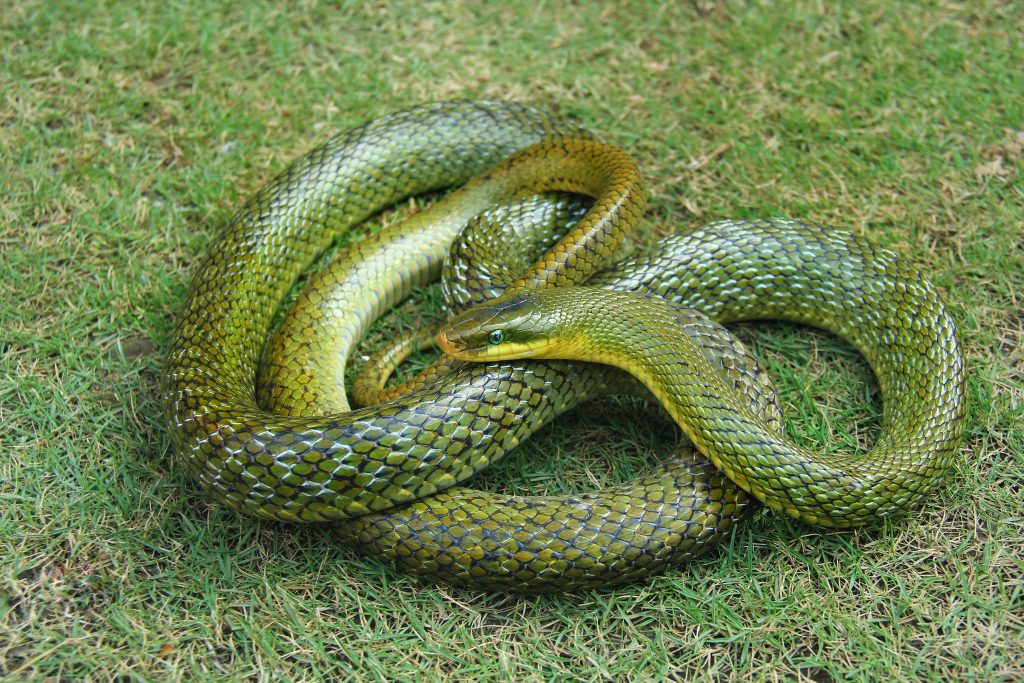
Blocking exits or crowding a snake into a corner removes the one thing that keeps it calmer: a way out. When escape disappears, a snake is more likely to hold its ground and strike at the nearest movement, especially if feet shuffle in close. Crowding also makes it harder to track the head, which is what matters most.
Interior doors can stay closed to limit wandering, but the immediate area should stay open and uncluttered. People and pets belong behind a barrier, with one calm observer keeping visual contact. If an exterior door is nearby, keeping one clear path can help the snake choose it and leave. Less crowding helps.
Do Not Grab It With A Tool
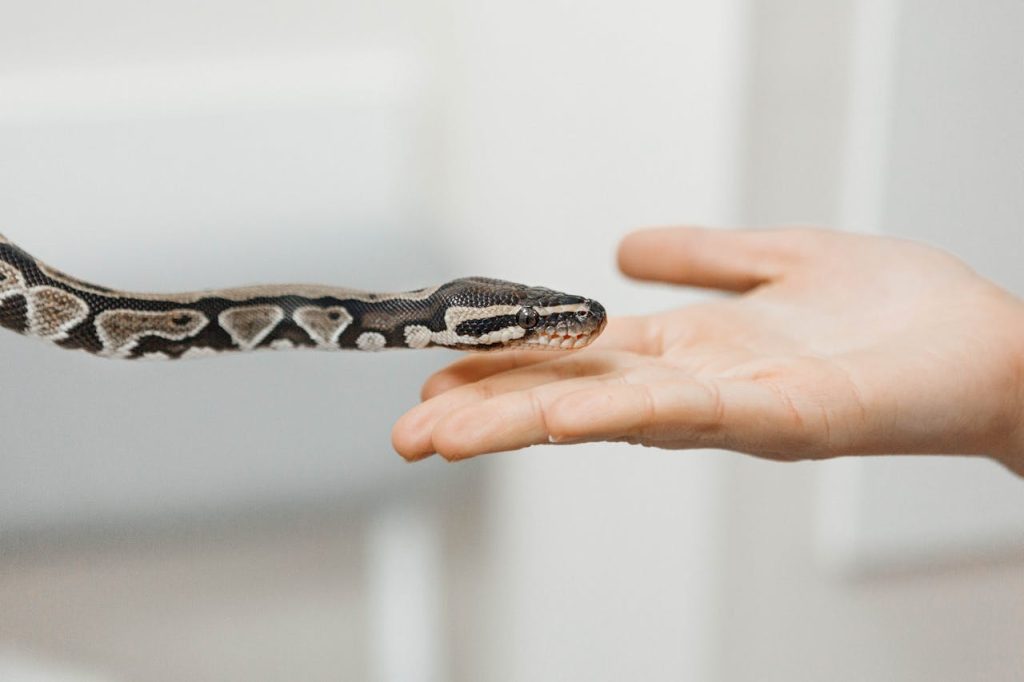
Brooms and sticks look smart, yet they often pull people closer and add confidence the situation has not earned. Snakes can pivot fast, climb along an object, or redirect a strike toward the hand holding it if the tool slips. A poorly placed jab can also injure the snake and drive it into walls or vents.
Handling research and removal records show that poor technique with casual tools raises bite and injury rates. A startled snake can slide up a broom head and end up closer than expected. When control matters, trained removal is the safer choice, and it keeps the snake from vanishing deeper into the home. It is rarely worth it.
Do Not Panic Or Sprint Away
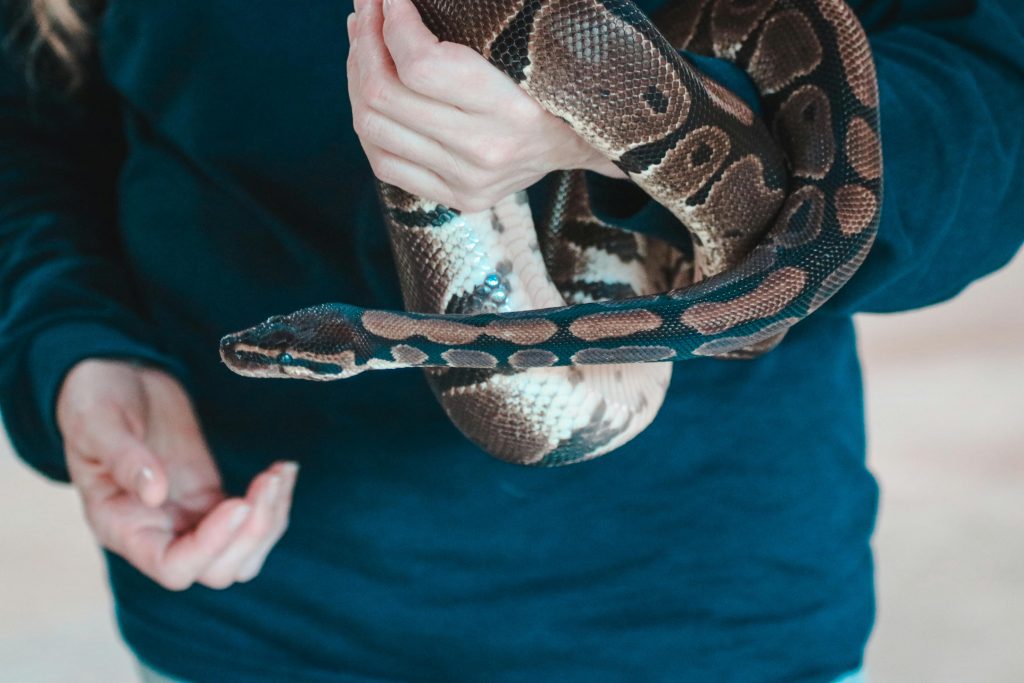
Panic turns steady eyes into scattered movement, and that is when visibility gets lost. A fast retreat can also lead to a foot landing too close, especially in dim halls, garages, or cluttered entryways where the snake blends in. Rushing also spreads alarm and pulls more people toward the scene.
Most bites land on lower legs after a sudden step or a rushed turn. Slow, deliberate movement keeps the snake in view and buys time. Closing doors in a rush can trap the snake deeper inside. Calm communication, bright lights, and one steady observer keep the situation contained, and a distant photo can help responders identify it.
Do Not Assume It Is Harmless

Many venomous snakes resemble nonvenomous species, and indoor lighting plus adrenaline makes quick identification shaky. That false certainty can push risky choices, like leaning in for a photo, attempting a capture, or relaxing the rules around kids and pets. Juveniles can also look different from adults, which adds to confusion.
Even experienced specialists rely on distance, context, and careful observation, not a split-second glance. Under stress, even a correct ID does not make a close approach safe. Treat any unknown snake as potentially dangerous, and focus on containment until help arrives and the room is under control.
Do Not Relocate It Personally
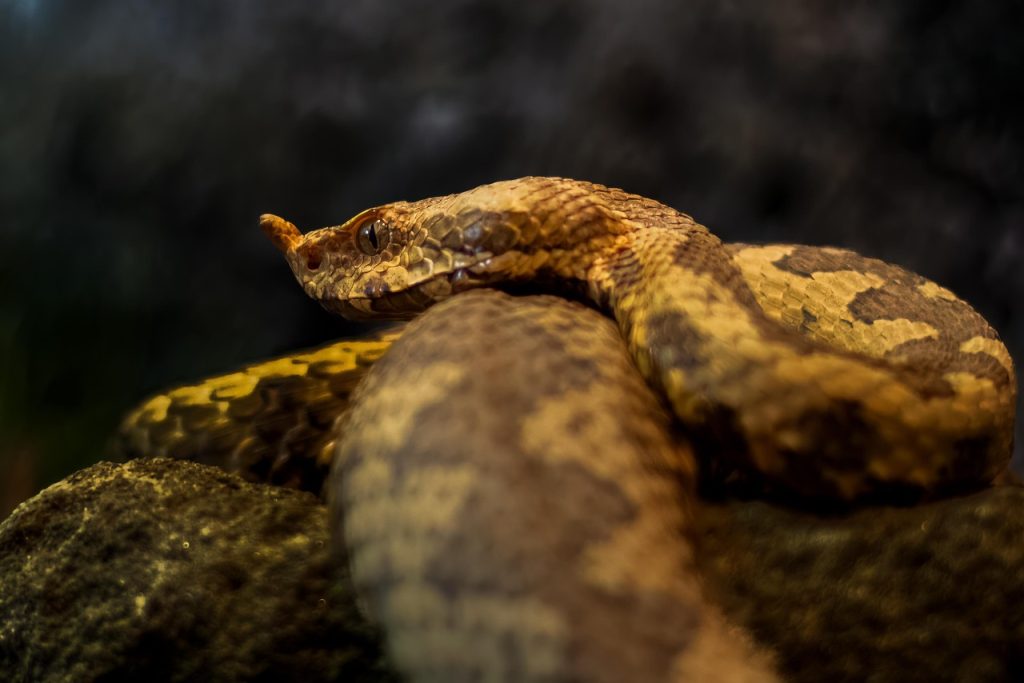
Relocation sounds kind, but the most common bite moment is the lift, when hands get close and the snake reacts to being restrained. Buckets, towels, and makeshift boxes can turn into a struggle once the snake twists, slips, or bolts behind furniture and disappears again. Once the snake is loose again, the search starts over.
Professional removers use proper tools and practiced technique that reduce exposure time and keep the animal oriented toward an exit. Shorter handling time means fewer surprises. A quick call resolves the situation faster, and it avoids an ill-placed release that could bring the snake back to the property.
Do Not Block Or Pin The Head
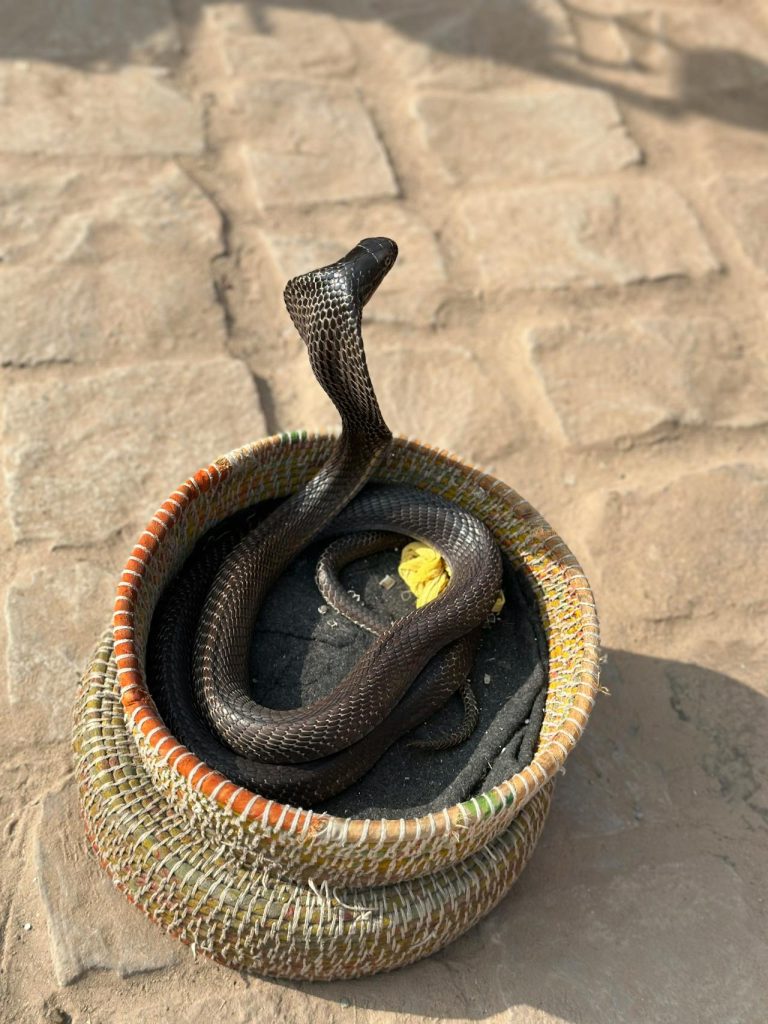
Reaching toward a snake’s head is a direct threat, and many snakes respond with a reflexive strike meant to stop that approach. Attempts to pin, cover, or block the head raise stress and make movement harder to predict, especially near cabinets or tight corners. Head-focused moves also shorten reaction time to almost nothing.
Strikes often happen when someone leans over the snake, because an approach from above reads as danger. A calm, side-on stance keeps sightlines clear. The safer posture stays back, with hands away from the line of motion. Let the snake orient itself, then allow room for retreat while keeping the area quiet.
Do Not Use Glue Traps Or Chemicals
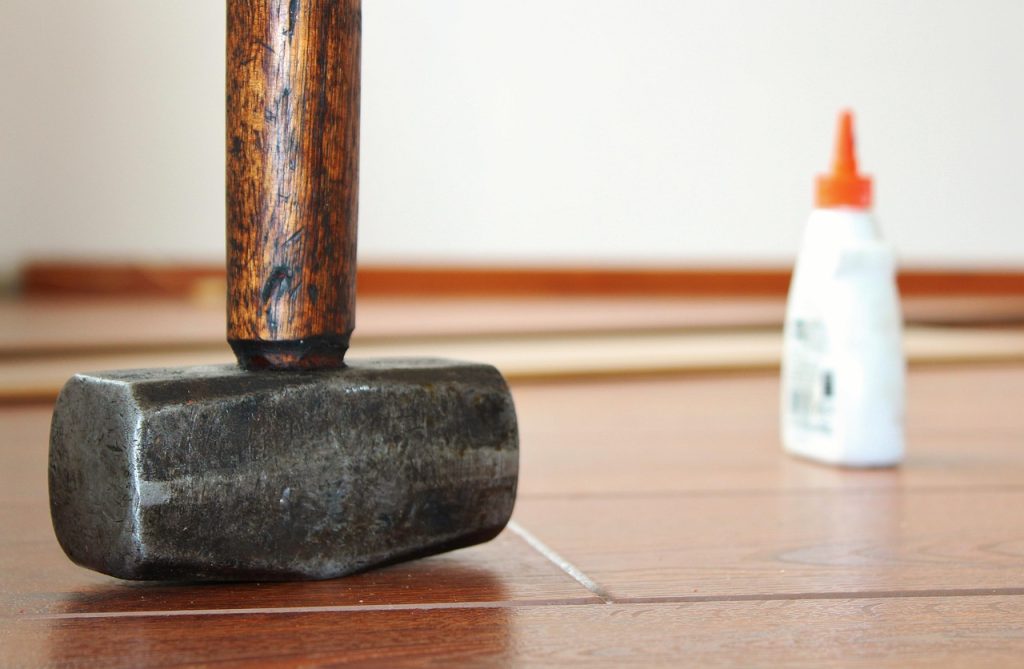
Glue traps create prolonged distress, and a trapped snake can thrash, injure itself, and lash out at the nearest hand that tries to free it. Sprays, fumes, and harsh cleaners can also make behavior erratic while adding a second hazard to the room, especially around pets. Strong odors may even drive the snake into hidden spaces.
Many animal control agencies discourage these tactics because they raise risk and reduce humane outcomes. Sticky traps can also glue a snake to flooring or objects, turning removal into a close-contact struggle. Close interior doors, keep distance, and let trained removal handle capture and release with the right equipment. Containment beats chemicals every time.
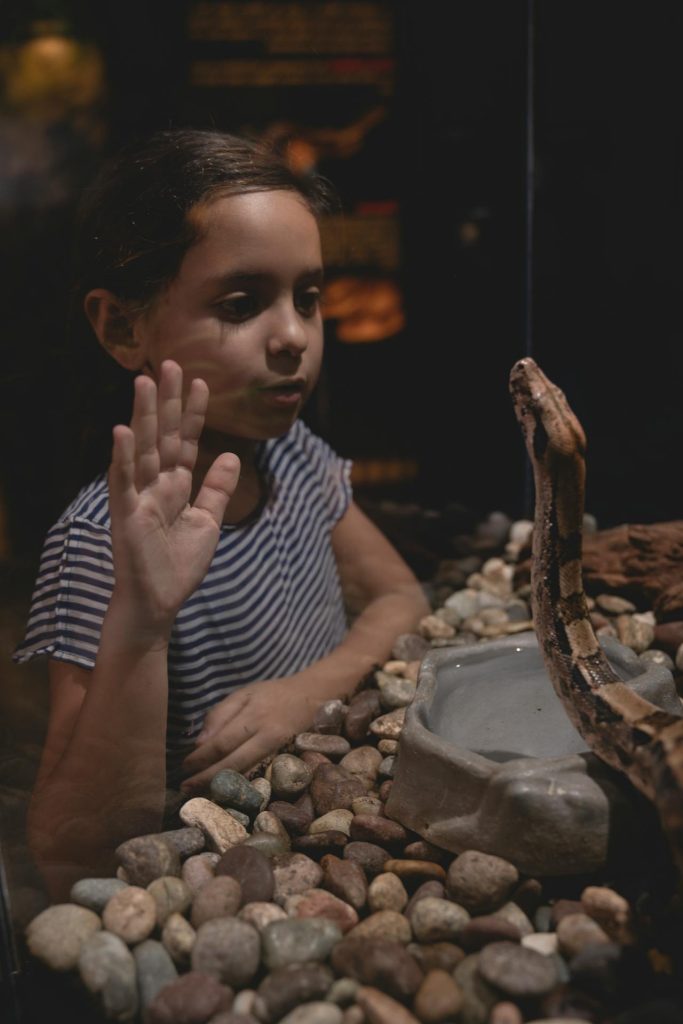
Do Not Let Kids Or Pets Investigate
Los Muertos Crew/pexels
Children often misjudge distance and speed, and a quick step forward can put hands and ankles in range before anyone can react. Pets add another spark, since barking, pawing, or pouncing can push a snake into defensive behavior and escalate an otherwise quiet standoff.
Veterinary sources often note pets as frequent bite victims during indoor encounters, with owners hurt while trying to intervene. The room should be cleared, doors shut, and pets secured, while one calm adult monitors from afar. Less noise and motion keeps the snake calmer and visible. Once the room is quiet, the safest next step is usually a call, not a closer look.