

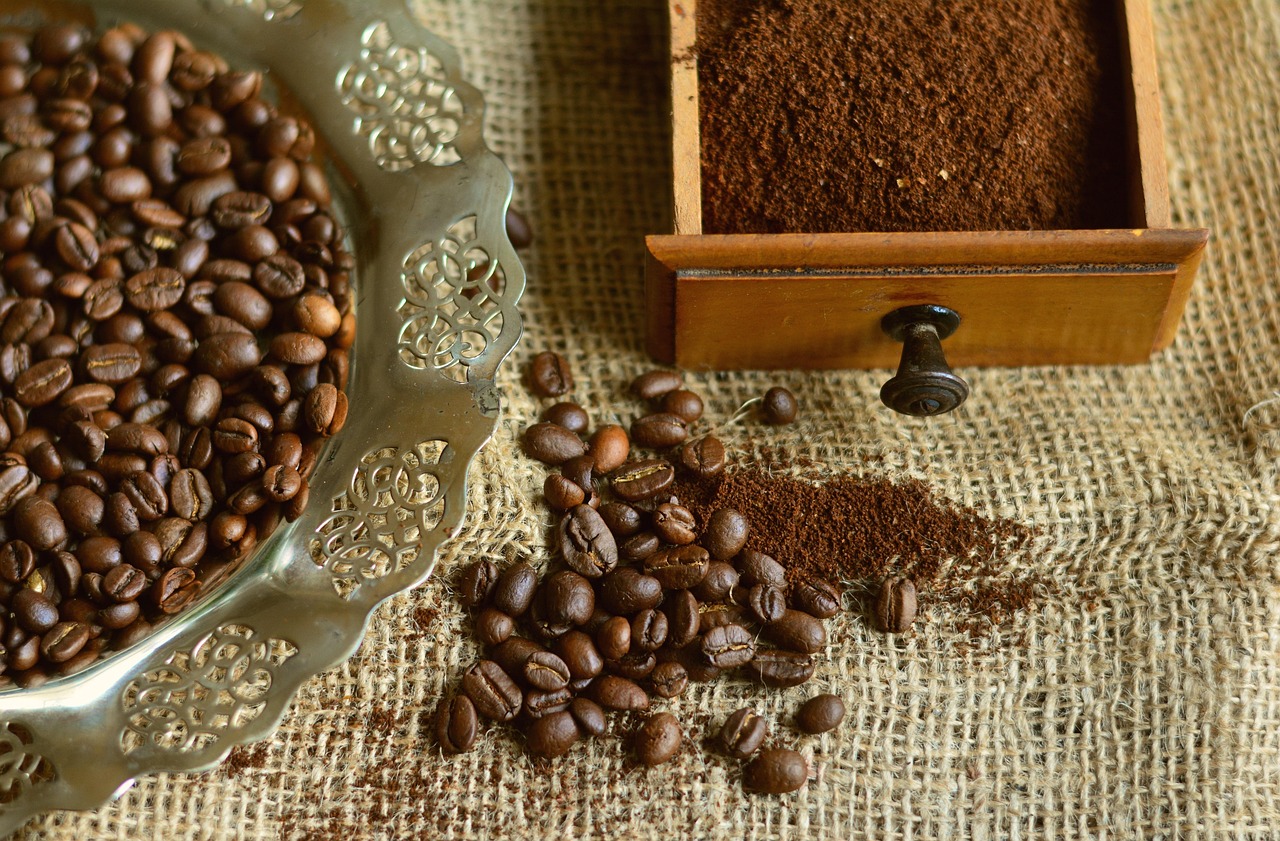
Used coffee grounds often land in garden beds because they feel too valuable to trash, and soil scientists agree that instinct has merit. They add organic material, feed soil life, and can support better structure over time, which is why the practice keeps showing up in home gardens and raised beds.
The trouble starts when enthusiasm outruns method. Extension specialists warn that thick layers, repeated heavy applications, and direct use without balance can create the opposite of healthy soil by slowing infiltration, tying up nitrogen, and stressing seeds or tender plants early in the season, especially in small beds.
The Acidity Shortcut Is Mostly A Myth
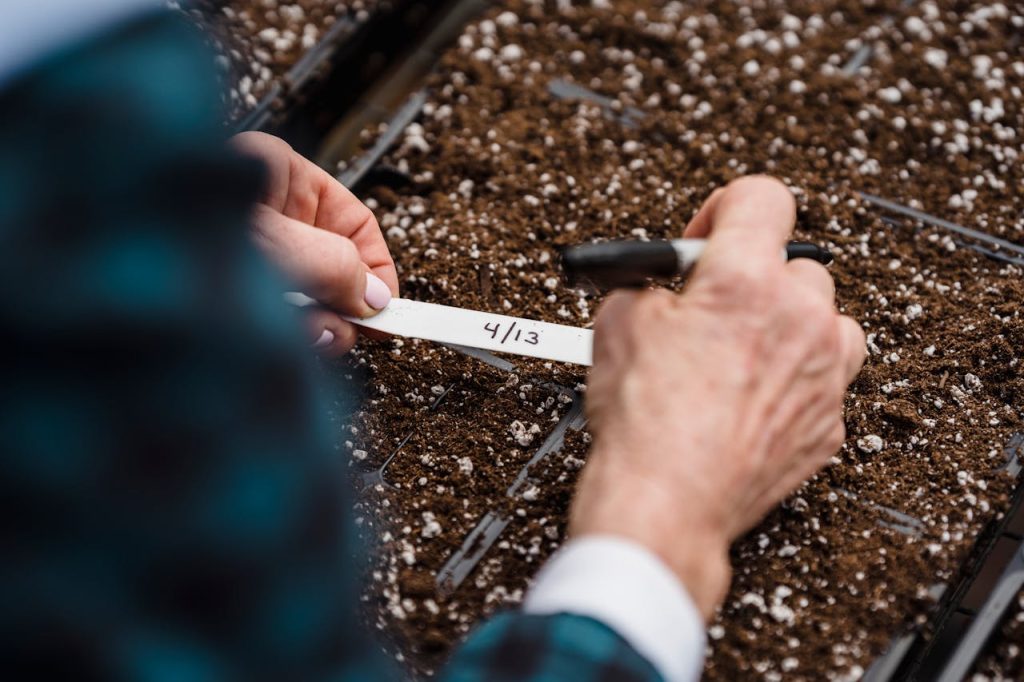
Coffee gets treated like a quick fix for acid-loving plants, but used grounds do not reliably acidify garden soil. University of Minnesota Extension says they have not been shown to consistently lower soil pH, and Cornell’s SoilNOW also describes the pH effect from spent grounds as minimal. Repeated sprinkling rarely solves blueberry or hydrangea pH problems.
When soil pH truly needs adjustment, extension guidance points to elemental sulfur as the safer and more effective tool. Coffee grounds can still be useful, but they work better as a soil-building ingredient than a pH strategy. They belong in a broader soil-care routine.
The Best Benefit Happens In The Soil, Not The Plant
Oregon State Extension makes the main point clearly: coffee grounds add small amounts of nutrients, but not enough to meet plant needs on their own. Their bigger value comes from what happens in the soil, where microbes break them down and release compounds that help bind particles into stable aggregates with better structure and drainage. The soil improves first, and plants benefit from that stronger base over time.
That shift matters more than a quick fertilizer boost. Better aggregation improves water movement, reduces crusting after irrigation, and gives roots a more workable environment during both wet spells and dry stretches.
Compost Is The Smart Default
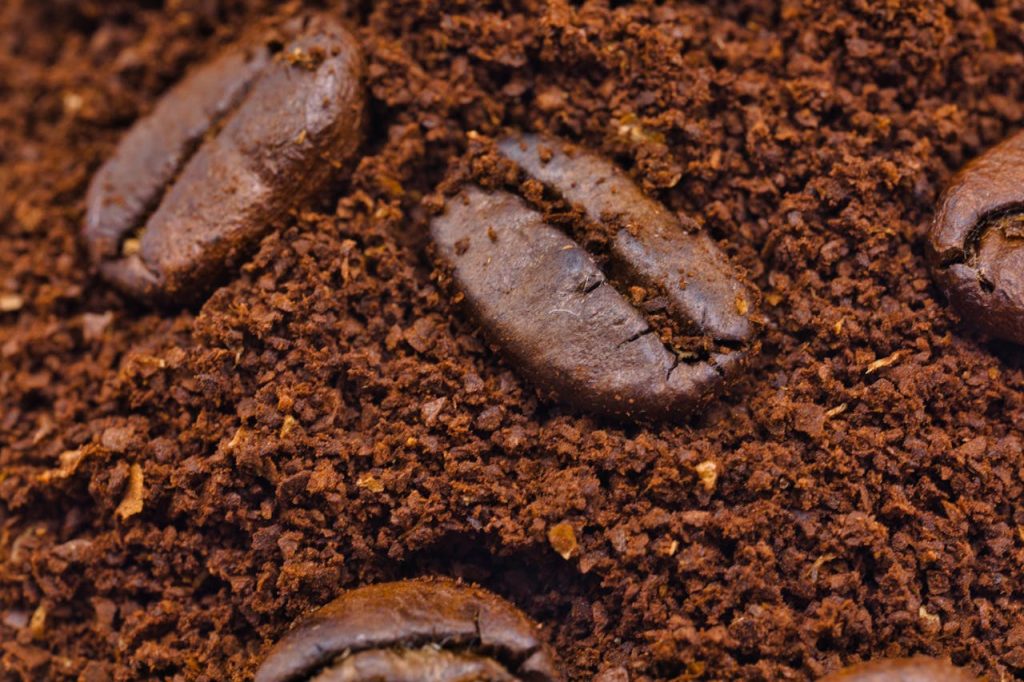
Coffee grounds are easiest to use well when they enter the compost pile first. Cornell SoilNOW and Oregon State both recommend composting because it spreads the material through a wider mix of feedstocks, reduces concentration problems, and turns a kitchen scrap into a steadier amendment that is easier on roots and seedlings. It also helps avoid heavy clumps in one part of a bed.
That approach also keeps expectations realistic. In compost, coffee grounds behave as one ingredient among many, which is exactly where they perform best in long-term soil care, especially when the pile includes leaves, paper, and other yard materials.
Too Much Can Tie Up Nitrogen For A While
The hidden problem of overuse is not always obvious on day one. Oregon State warns that excess grounds applied directly before composting can temporarily tie up nitrogen as microbes get to work, which means plants may grow slower even though a nitrogen-rich material was just added to the bed. The soil can look rich and dark while the plants still act hungry.
That mismatch leads many gardeners to add more, which can deepen the problem. Composting first lowers the risk, spreads the material through other feedstocks, and gives the soil biology time to process it before roots depend on it for steady growth in the bed over time.
Mulch Layers Fail When Grounds Are Applied Thick
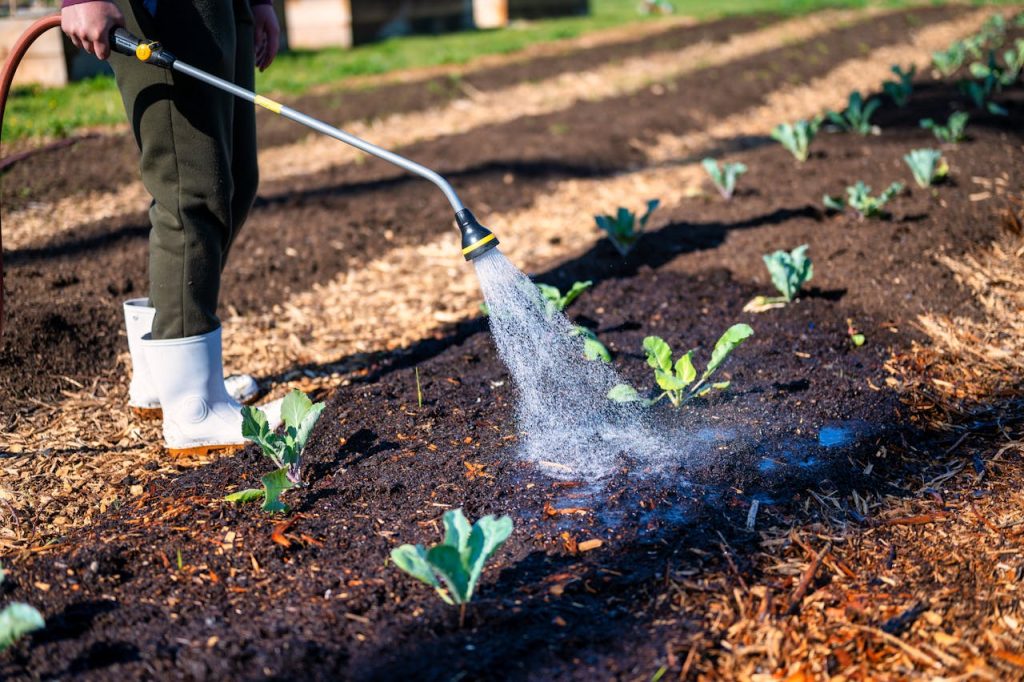
Coffee grounds look fluffy in a bucket, but Cornell SoilNOW explains that the small particles can compact when used alone as mulch. Once that layer tightens, airflow drops and water infiltration slows, which can leave the soil surface acting more like a barrier than a protective blanket. In hot weather, the top can dry into a crust that sheds water.
Cornell and Illinois Extension both warn that thick coffee layers can reduce infiltration and even form a water-repellent surface. The bed may look covered, but moisture can move unevenly and routine watering becomes harder to judge, especially during hot weather after irrigation.
Thin Layers And Coarse Mulch Work Better
The better mulch method is simple and much less dramatic than the social posts that show dark piles around stems. Cornell recommends a thin layer of spent coffee grounds, about half an inch or less, paired with a thicker layer of coarse organic mulch such as wood chips, needles, or clippings. That structure gives the soil cover without sealing the surface, and it keeps moisture management much steadier through the week.
Oregon State gives similar advice by suggesting bark or leaves over the grounds to prevent the surface from drying and repelling water. The combination keeps the soil open, shaded, and far less prone to crusting.
Seedlings And Fresh Grounds Show The Risk Fast
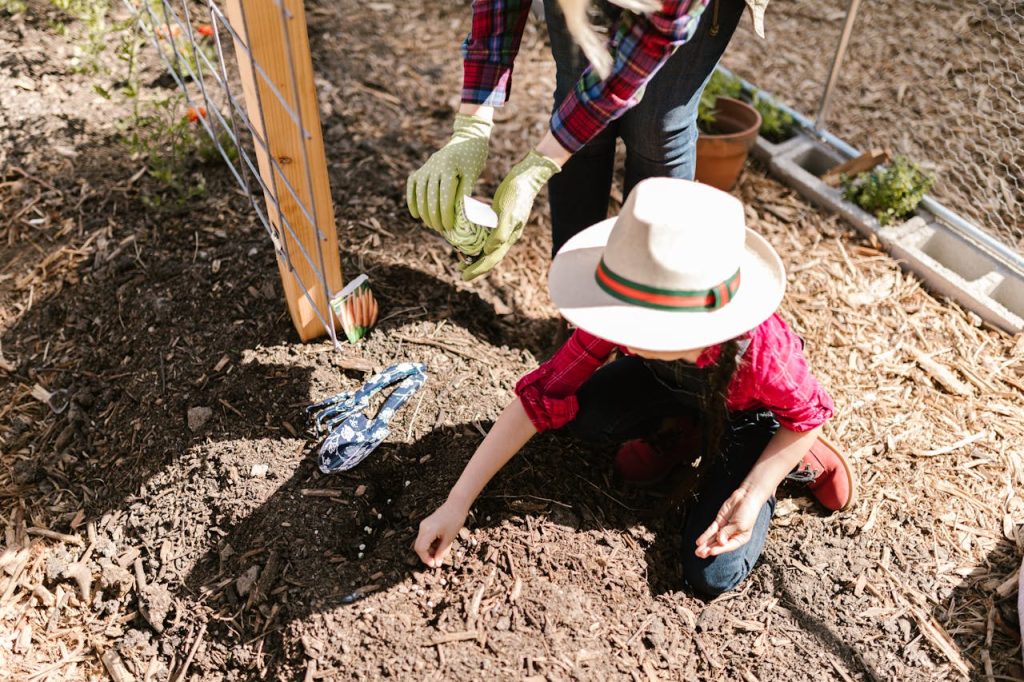
Young plants usually reveal coffee-ground mistakes first. Oregon State notes that excess grounds can inhibit seed germination or slow plant growth, and Cornell adds another key point for mulch use: spent grounds are suitable, but fresh unused grounds can alter pH more sharply and damage plants. That spent-versus-fresh distinction gets missed often in home gardening advice.
That is why soil specialists keep coming back to moderation and timing. A small amount in compost or a thin blended mulch behaves very differently from heavy direct use around seeds, starts, and tender roots, where stress usually appears first and fastest.
A Balanced Routine Beats A Weekend Dump
The most reliable coffee-ground routine looks simple, which is exactly why it works. Oregon State recommends working in about a half inch to a depth of 4 inches when grounds are used as a soil amendment, and it also gives a compost recipe built around leaves, grass clippings, and grounds. Those numbers give home gardeners a practical guardrail.
Cornell reinforces the same idea by urging diversity and keeping any one ingredient to no more than 20% of the pile. Oregon State adds a compost mix using leaves, grass clippings, and grounds. Small, repeated inputs build healthier soil than a heavy dump from a week of brewing over time.
Good soil habits usually look quiet. A compost bucket, a thin mulch layer, and a little restraint can turn a daily kitchen leftover into something genuinely useful, while still protecting drainage, seedlings, and the rhythm of the bed through the season.