

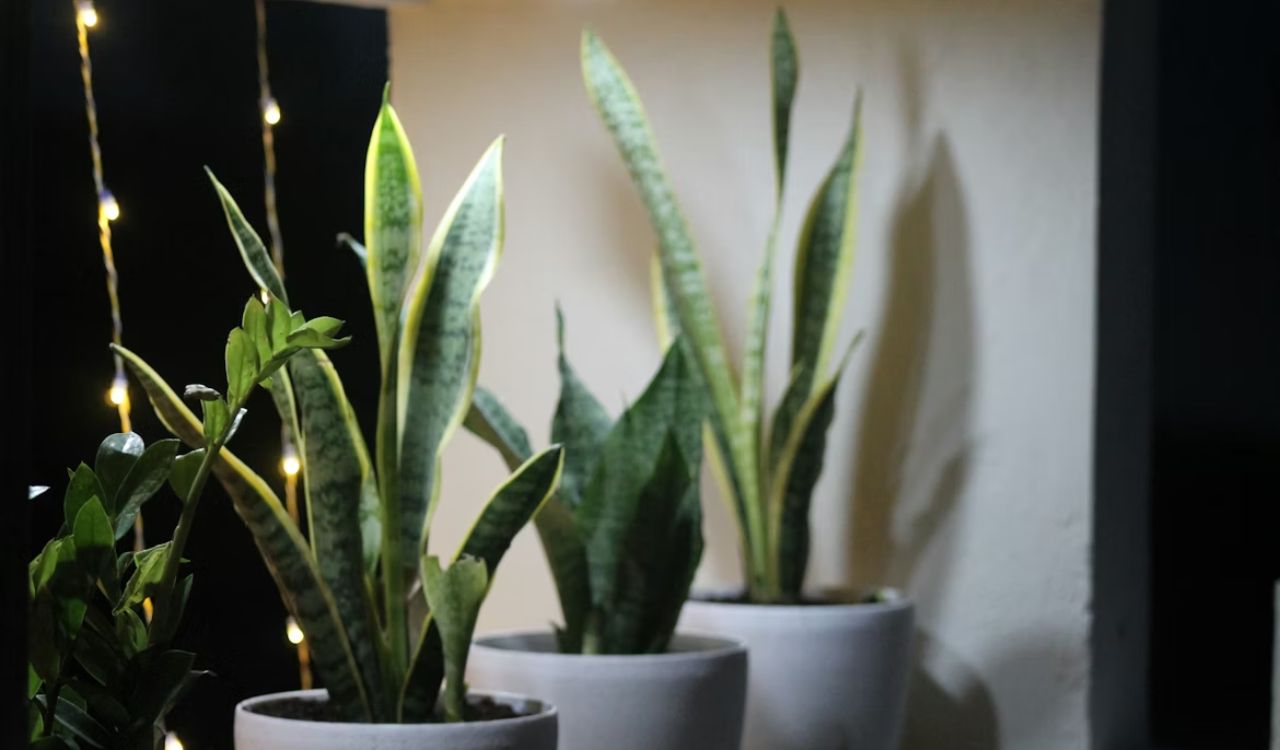

No-sun rooms can still look lush. The trick is choosing plants that naturally live under forest canopies or in shaded corners, so they can make do with soft, indirect light and even steady lamp light. These picks are favorites among growers because they stay attractive when the window is far away. Expect slower growth than in brighter spots, but solid survival and great texture. If leaves stretch or fade, move the pot a little closer to the brightest area. Use drainage, water only when the mix dries, and rotate plants so they grow evenly. You might be surprised how much life a dim room can hold.
1. Snake plant (Sansevieria)

Snake plant, also known as sansevieria or mother-in-law’s tongue, is a longtime favorite for low-light interiors. It prefers bright, indirect light but handles shade without losing its upright shape. Thick leaves store moisture, which helps the plant cope with slower growth in darker rooms. Allow the soil to dry fully between waterings, since excess moisture causes more problems than low light. In dim spaces, new growth appears gradually, which is normal. Wiping dust from the leaves improves light absorption, and turning the pot occasionally keeps growth even. Its tolerance for artificial light makes it well suited for bedrooms, hallways, and offices.
2. ZZ plant (Zamioculcas zamiifolia)
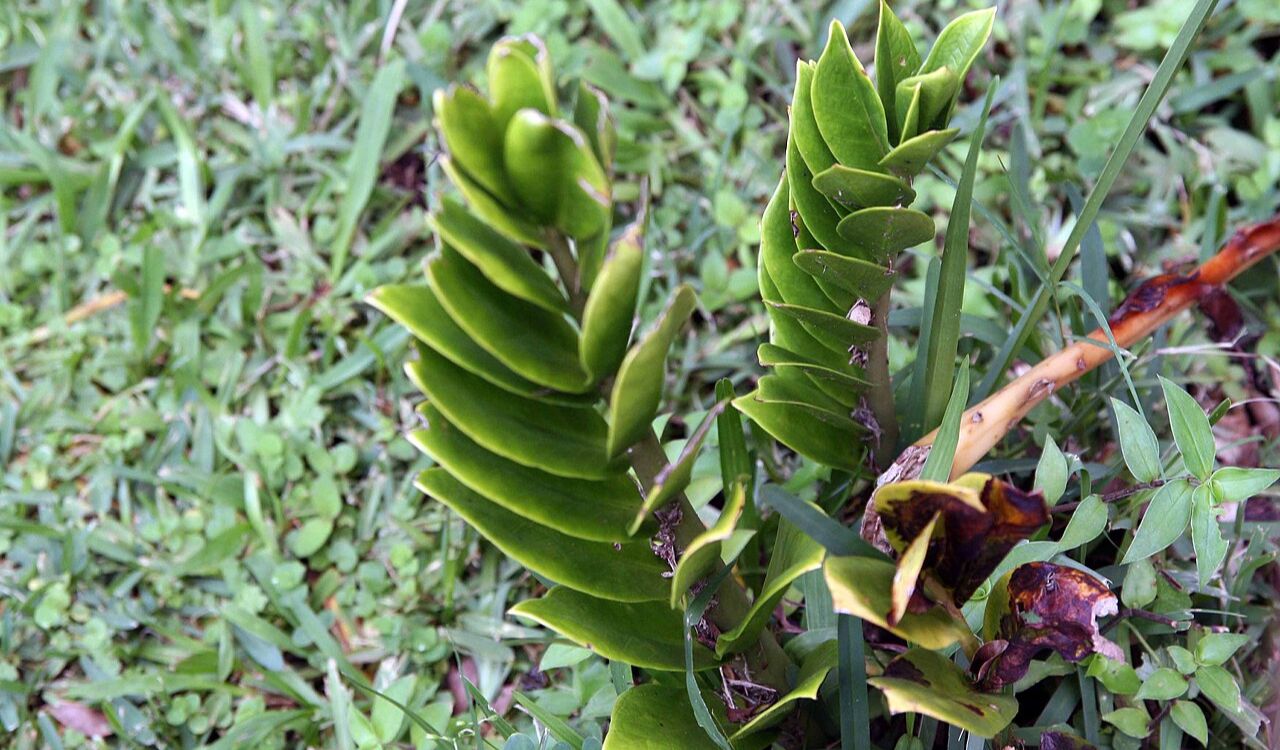
ZZ plant is often recommended for rooms with little natural light because it stays glossy and structured with minimal effort. Its thick underground rhizomes store water and nutrients, allowing it to manage long stretches between waterings and limited light exposure. Growth slows noticeably in shade, but leaves remain firm and healthy. Let the potting mix dry almost completely before watering to avoid root issues. This plant also adapts well to fluorescent lighting, which is why it is common in offices. Rotate it monthly for balanced growth and check new shoots for pests. Its steady appearance makes it ideal for low-maintenance indoor spaces.
3. Cast iron plant (Aspidistra elatior)
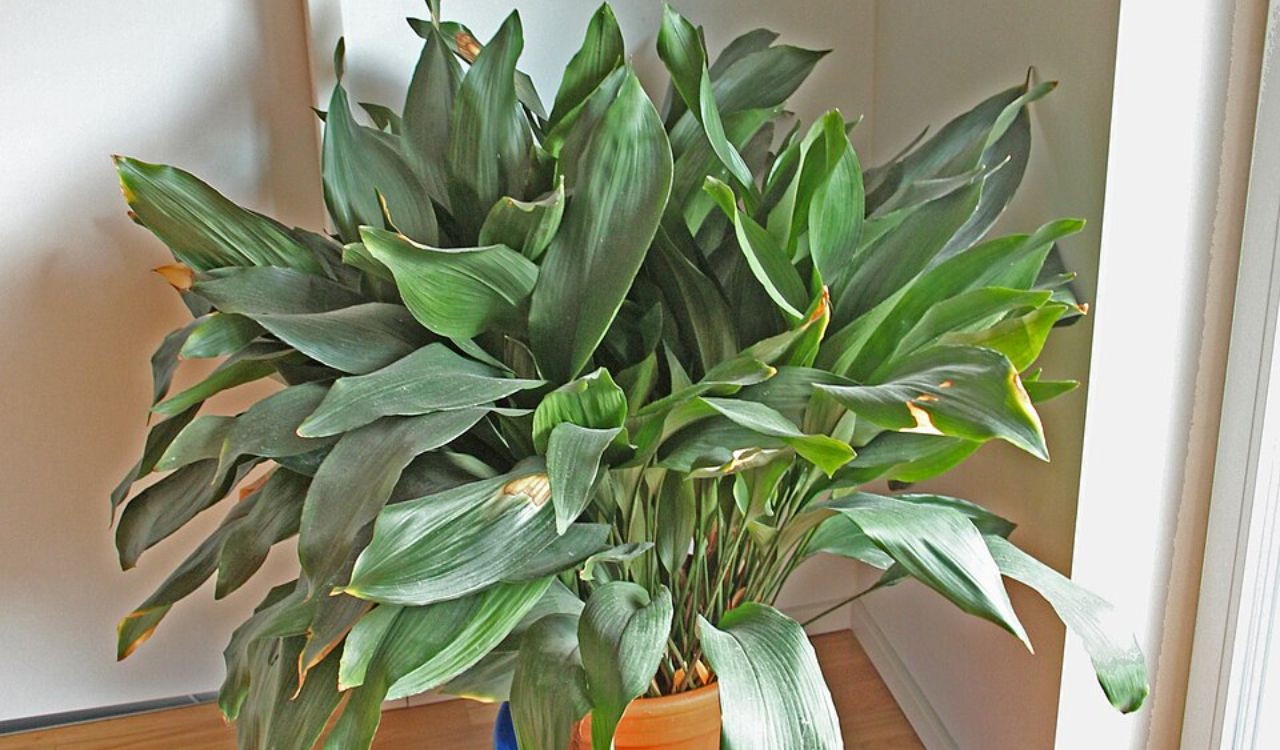
Cast iron plant lives up to its name by tolerating shade, uneven watering, and typical indoor conditions. It naturally grows on forest floors, where sunlight is filtered and inconsistent. Broad, dark green leaves continue to photosynthesize efficiently even in low light rooms. Keep the soil lightly moist, allowing the top portion to dry before watering again, and always use a pot with drainage. Direct sun can scorch the foliage, so shaded placement works best. Growth is slow and deliberate, which many growers appreciate for long-term indoor displays. Dusting the leaves occasionally helps the plant make the most of limited light and keeps it looking polished.
4. Pothos (Epipremnum aureum)
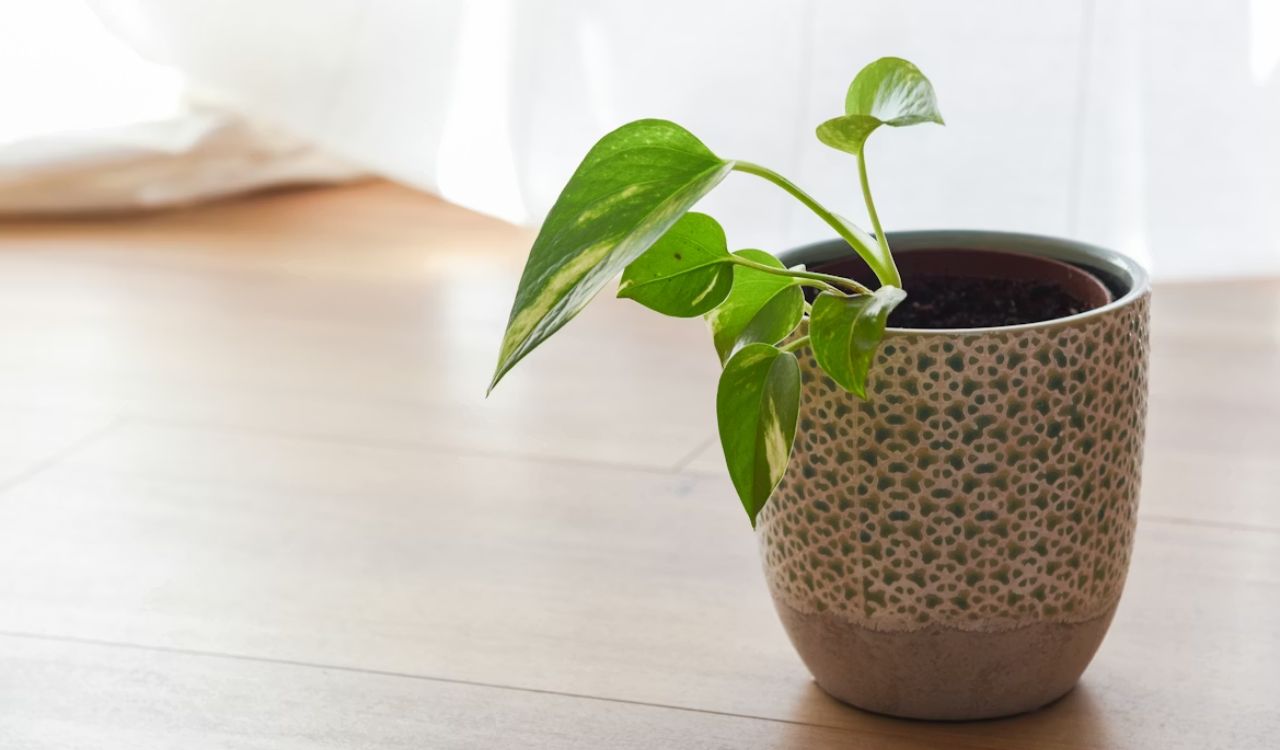
Pothos is frequently recommended for low-light rooms because it adapts its growth instead of declining. While it prefers bright, indirect light, it continues to grow in shaded areas, though leaf patterns may fade to solid green. This shift is normal and not a sign of poor health. Let the top inch or two of soil dry before watering, since soggy soil leads to yellowing leaves. In dim rooms, vines may grow longer between leaves, so trimming helps keep the plant full and tidy. Pothos works well on shelves or in hanging pots where light is indirect. Wiping leaves occasionally helps it use limited light more efficiently and keeps foliage looking fresh.
5. Peace lily (Spathiphyllum)
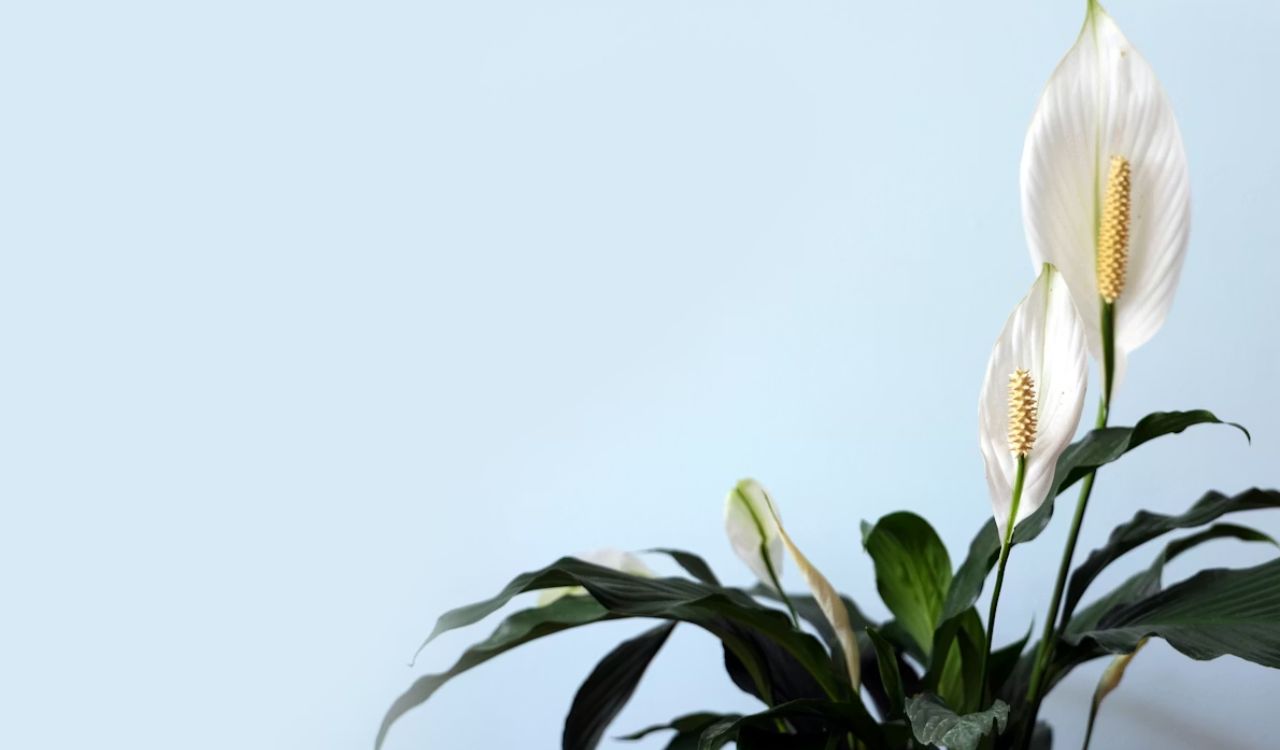
Peace lilies are well suited to low-light spaces because they evolved on shaded forest floors. In darker rooms, they focus on producing healthy foliage rather than frequent flowers, which is expected. Leaves will often droop slightly when the plant needs water, making care cues easy to read. Keep the soil lightly moist but never waterlogged, and choose a pot with good drainage. Low light slows growth but does not harm the plant. Brown tips may signal mineral buildup or dry air rather than lighting issues. Cleaning the leaves helps photosynthesis in dim conditions. Peace lilies add softness and calm to bedrooms, offices, and living areas with minimal sunlight.
6. Chinese evergreen (Aglaonema)

Chinese evergreen is widely favored for rooms without direct light because it maintains leaf color and structure in shade. Darker green varieties handle low light better than heavily patterned types, which may fade slightly. This plant prefers steady indoor temperatures and indirect light, making it reliable for apartments and offices. Water when the top layer of soil dries, and avoid cold drafts or overwatering. Growth remains slow and manageable in low light, which reduces frequent pruning. Rotate the pot every few weeks to keep stems upright. Chinese evergreen is valued for its durability, tolerance of artificial lighting, and ability to stay attractive even in consistently dim spaces.
7. Heartleaf philodendron (Philodendron hederaceum)

Heartleaf philodendron adjusts well to low-light rooms by spacing its leaves farther apart along the vine. This change is natural and does not mean the plant is unhealthy. While brighter indirect light encourages fuller growth, dimmer conditions still support steady foliage. Water once the top inch of soil feels dry, and avoid heavy feeding since low light slows growth. Pruning vine tips helps encourage branching and keeps the plant compact. Dusting the heart-shaped leaves improves light absorption, which matters in shaded spaces. This plant has remained popular for decades because it tolerates indoor air, average humidity, and inconsistent lighting without much complaint.
8. Dracaena (Dracaena fragrans)
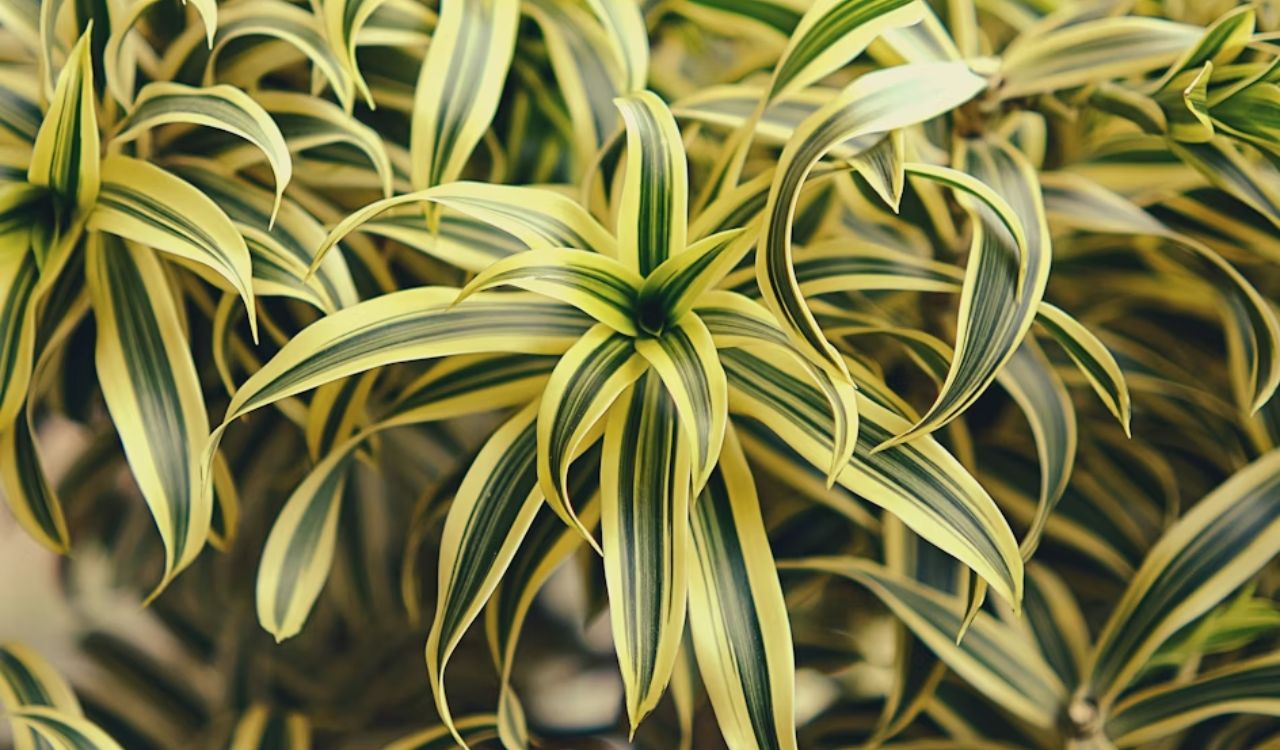
Dracaena fragrans is often chosen for low-light rooms because it keeps its upright form even when sunlight is limited. While it prefers bright, indirect light, it adapts well to dimmer spaces with slower, steady growth. Direct sun can damage the leaves, so shaded placement is safer indoors. Allow the top portion of the soil to dry before watering, as dracaenas dislike sitting in wet soil. Brown leaf tips are often linked to minerals in tap water rather than light levels. Rotating the pot helps maintain balanced growth. With its cane-like structure and arching leaves, dracaena works well in corners, offices, and living rooms where light is indirect and consistent.
9. Parlor palm (Chamaedorea elegans)

Parlor palm has a long history as an indoor plant because it tolerates low light better than many other palms. In dim rooms, its fronds stay green and soft, though growth is slower than in brighter spaces. It prefers indirect light and should be kept away from direct sun, which can scorch delicate leaves. Water when the top layer of soil dries slightly, and avoid letting the pot sit in excess water. Average indoor humidity suits it well, and misting is usually unnecessary. Parlor palm adds gentle texture without overwhelming a space, making it a good fit for bedrooms, offices, and shaded living areas where sunlight is limited.
10. Spider plant (Chlorophytum comosum)

Spider plant is known for its adaptability, which makes it suitable for rooms with low light. While brighter indirect light encourages stronger striping and baby plantlets, shaded areas still support healthy foliage. In darker rooms, growth slows and leaves may appear more green than striped, which is normal. Water once the soil surface dries, and avoid overwatering to prevent root problems. Brown tips are often caused by minerals in tap water rather than light issues. Rotate the pot occasionally for even growth. Spider plants are easy to read and forgiving, making them practical for shelves, bedrooms, or offices that rely mostly on ambient light.
11. Boston fern (Nephrolepis exaltata)
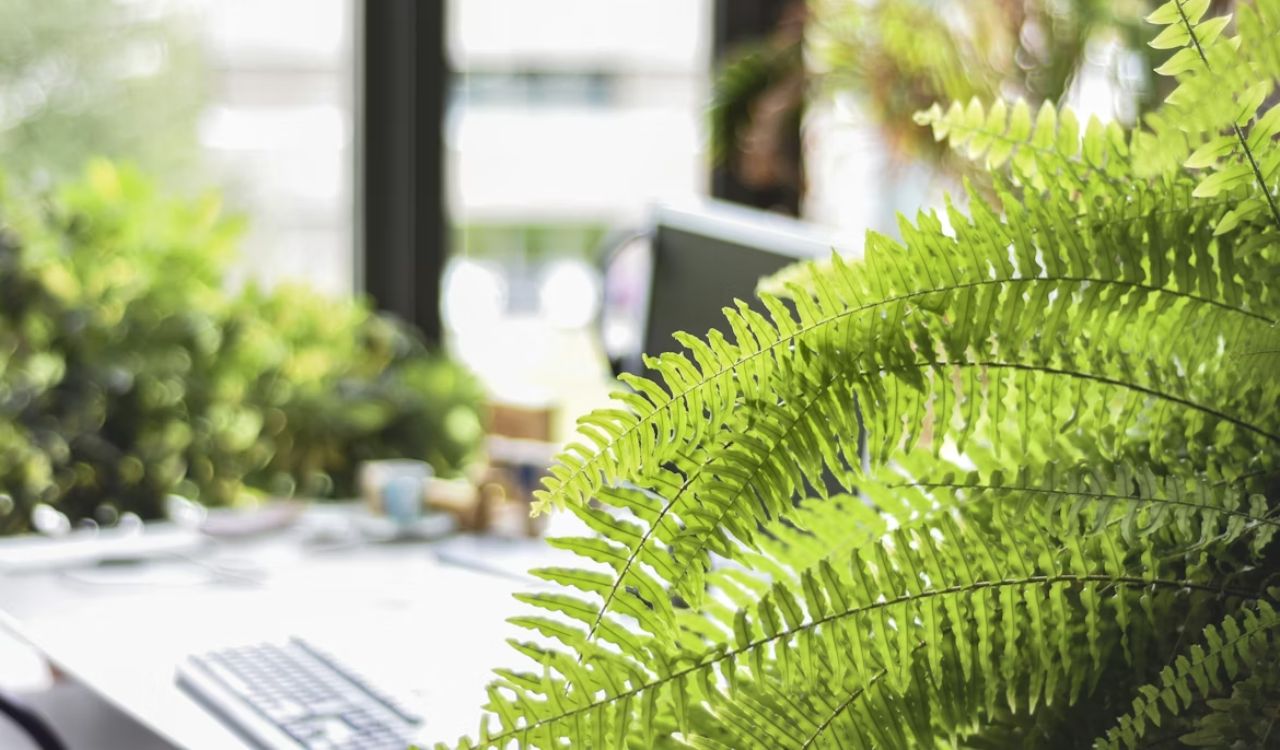
Boston fern can handle low light as long as it receives consistent care and indirect exposure. It naturally grows in shaded, humid environments, which explains its tolerance for rooms without direct sun. In dim spaces, fronds grow more slowly but remain lush if moisture needs are met. Keep the soil evenly moist but not soggy, and never allow it to dry out completely. While it appreciates higher humidity, it adapts to average indoor conditions when watering is consistent. Remove older fronds to keep the plant tidy and encourage new growth. Boston fern brings softness and movement to low-light rooms, especially when placed on stands or hanging baskets.
12. Dieffenbachia (Dieffenbachia seguine)
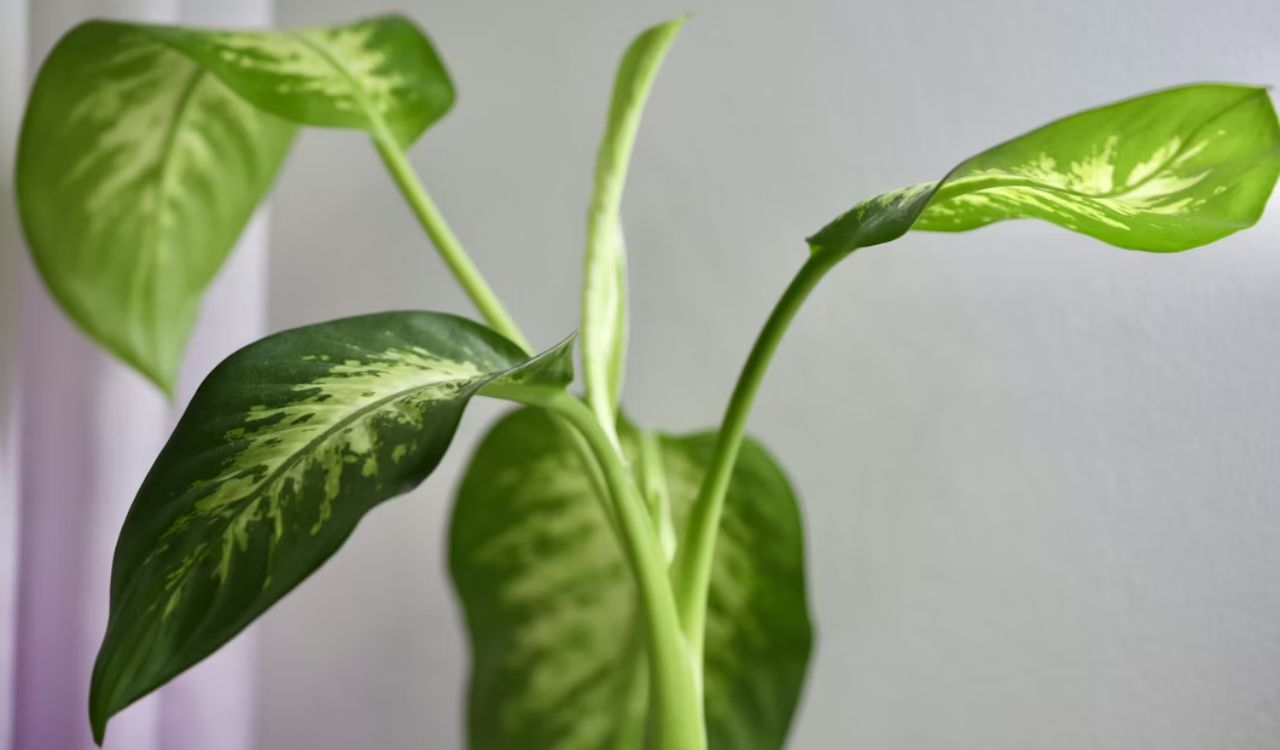
Dieffenbachia is often used in low-light rooms because it holds its bold leaf shape even when sunlight is indirect and limited. While brighter light brings out stronger patterns, shaded areas still support healthy growth with a slower pace. Keep the soil lightly moist, allowing the top layer to dry slightly before watering again. Overwatering causes more problems than low light. Rotate the pot regularly so stems do not lean toward one direction. In darker spaces, leaves may grow a bit smaller, which is normal. This plant works well in living rooms and offices where it can add visual impact without needing direct sun.
13. Lucky bamboo (Dracaena sanderiana)
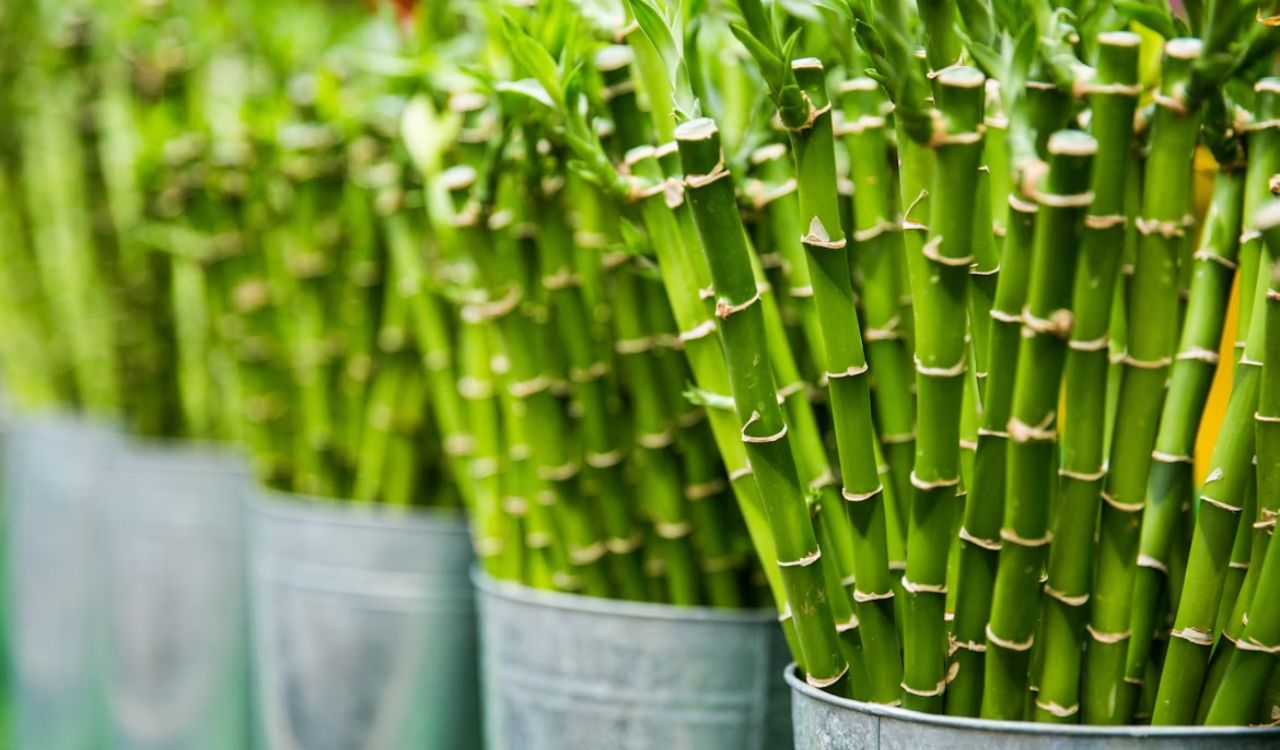
Lucky bamboo works well in low-light rooms because it relies on indirect and filtered light rather than direct sun. In fact, strong sunlight can damage its leaves, making shaded placement indoors a better fit. When grown in water, keep roots submerged and refresh the water regularly to prevent buildup. If planted in soil, allow the top layer to dry slightly between waterings. Growth is slow in dim spaces, but stems remain upright and healthy. Yellowing leaves often signal water quality or overwatering rather than light problems. Lucky bamboo suits desks, shelves, and corners where lighting is steady but gentle, adding structure without demanding brightness.
14. English ivy (Hedera helix)

English ivy is often recommended for low-light interiors because it tolerates shade better than many trailing plants. While brighter indirect light supports fuller growth, shaded rooms still allow vines to stay healthy. In low light, leaves may space out more along the stems, which is expected. Keep the soil slightly moist but never soggy, and provide good air circulation to prevent leaf issues. Cooler indoor temperatures suit it well. Trim vines regularly to control shape and encourage branching. English ivy works nicely on shelves or hanging planters, adding movement and greenery without requiring direct sun exposure.
15. Arrowhead plant (Syngonium podophyllum)
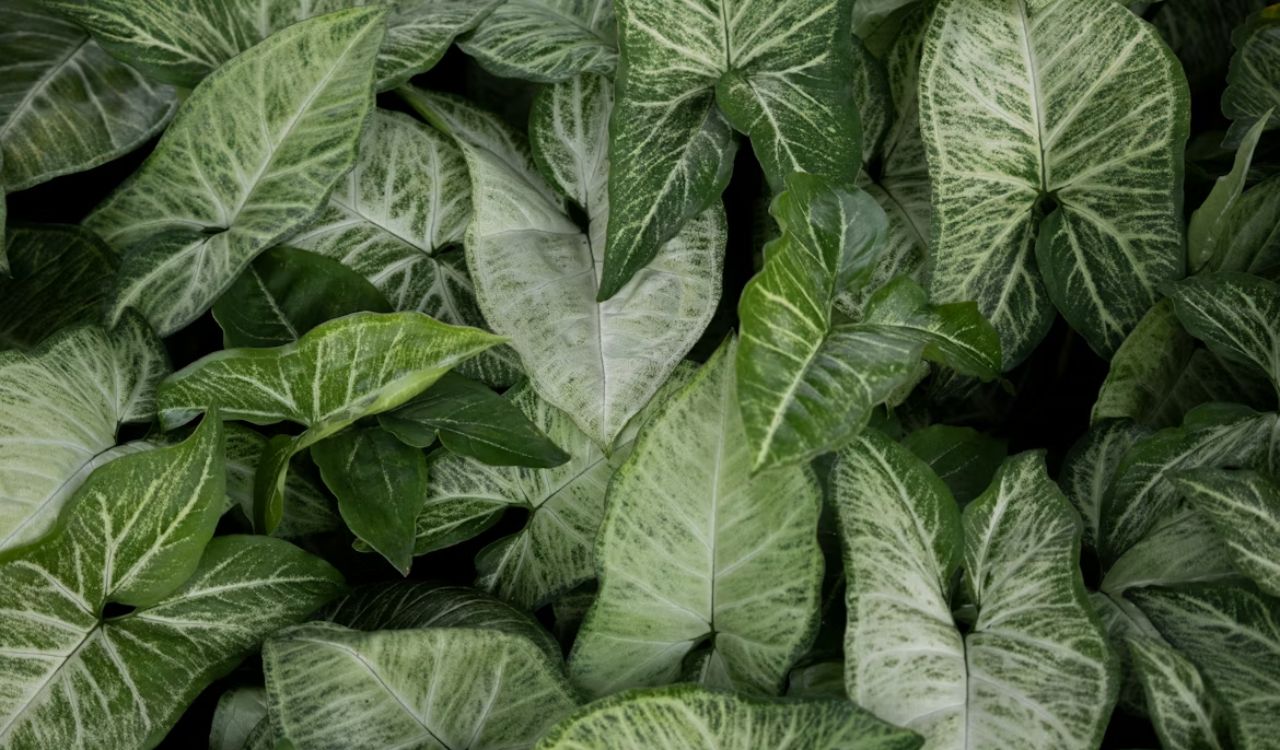
Arrowhead plant adapts to low-light rooms by growing more slowly while maintaining leaf shape and texture. Although brighter indirect light enhances color contrast, shaded spaces still support healthy foliage. In lower light, leaves often appear more solid green, which is a normal adjustment. Water once the top inch of soil dries, and always use a pot with drainage to avoid root issues. Pinching back stems encourages a fuller, bushier look rather than long trailing growth. Rotate the plant occasionally so it grows evenly. Arrowhead plant handles indoor humidity well and works nicely on desks or side tables where light is indirect and consistent throughout the day.