

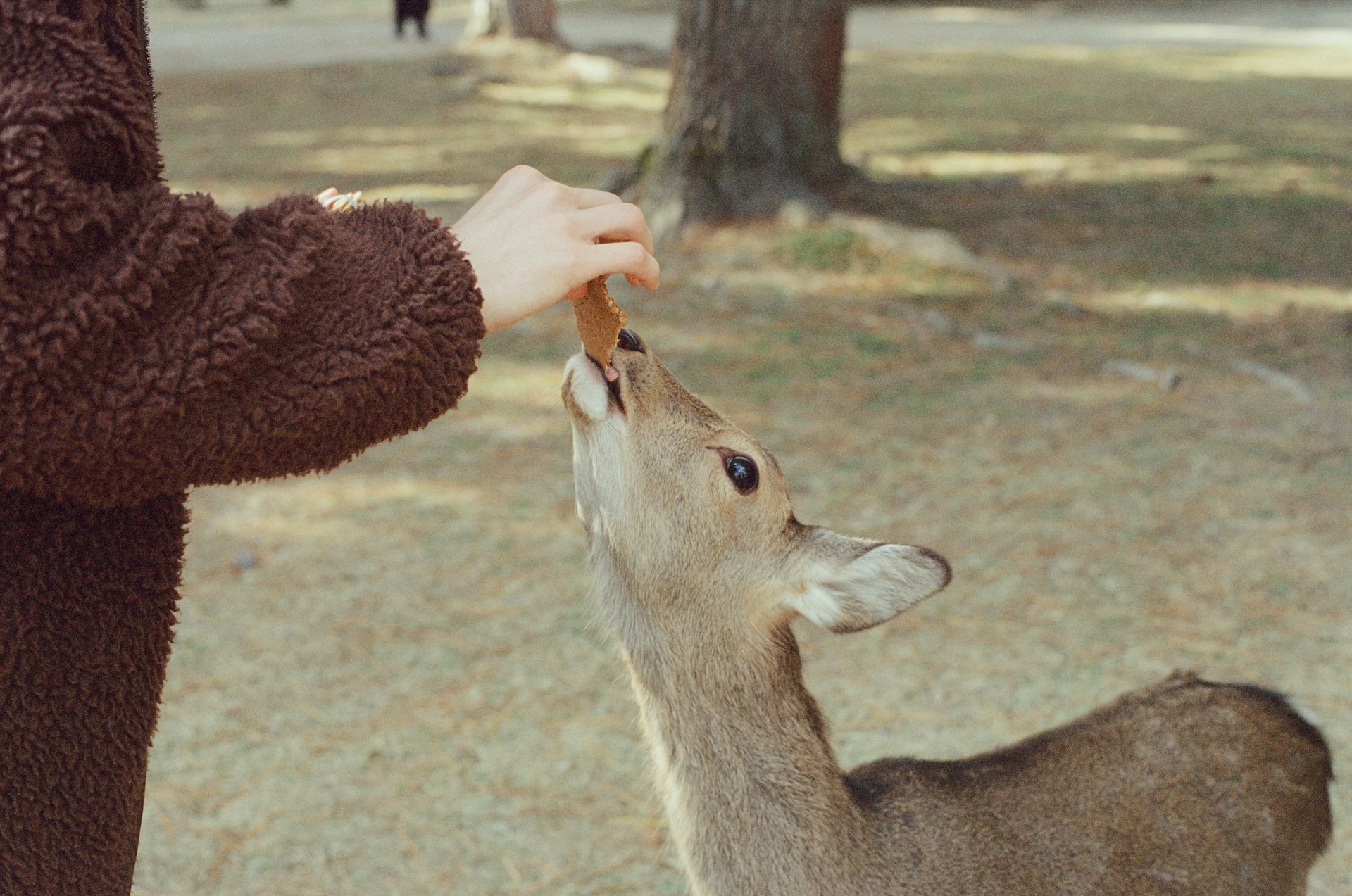
Feeding wild animals feels kind in the moment, especially when a squirrel waits on a fence or a deer lingers near the edge of a yard. The problem is that wild animals do not read generosity the way people do.
What starts as a handful of crackers or leftover bread can reshape behavior, draw crowds of animals into human spaces, and create trouble that spreads far beyond one porch or one park bench.
It Feels Helpful, but It Changes the Wrong Things
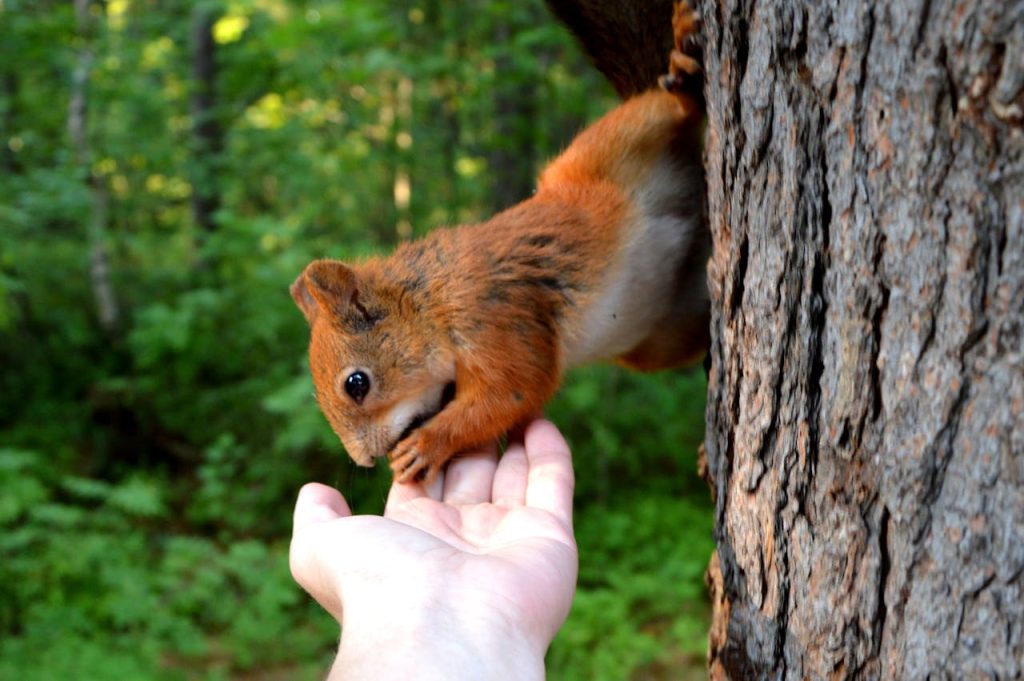
People usually feed wildlife for simple reasons. They want a closer look, a good photo, or the feeling that they helped an animal get through a hard day.
Wild animals do not need to learn that people equal food. Once that lesson sticks, they start returning to driveways, patios, playgrounds, and garbage areas.
That shift is where the real trouble begins.
An animal that should be foraging, hunting, grazing, or moving across a normal range starts waiting for handouts instead. The habit may look harmless at first, but it pulls the animal away from the behaviors that keep it healthy and wary.
Junk Food for Wildlife Is Still Junk Food
Most food people toss outside is wrong for the species eating it. Bread, chips, sweets, processed snacks, and leftovers may fill an animal up without giving it what its body actually needs.
That matters more than people think. An animal can look full and still be undernourished.
Young animals are especially vulnerable to that mismatch. If they grow up around easy food, they may never learn strong feeding patterns from adults.
Even foods that seem natural can cause problems when the quantity is unnatural. Corn piles, seed dumps, and constant hand-feeding can throw off normal diets and crowd animals into the same spot every day.
Some species stop working as hard to find diverse food. That means less varied nutrition and less time spent doing the natural behaviors their bodies are built for.
Birds, deer, raccoons, and ducks all pay for this in different ways. Poor diet can weaken condition, affect growth, and make animals more dependent on people than they should ever be.
It also changes the balance of a place. Instead of many animals spreading out across habitat, food handouts can create hotspots where too many animals gather at once.
And once a neighborhood becomes a dependable feeding zone, the habit is hard to undo. Animals keep showing up long after the person who started it loses interest.
Crowding Animals Together Spreads More Than Food
A feeding spot does not just deliver calories. It also pulls animals nose to nose, beak to beak, and body to body in ways that increase stress and the chance of disease spread.
That crowding is unnatural for many species. In the wild, they would often be more spaced out.
When one animal is sick, shared food piles and repeated contact make transmission easier. Saliva, droppings, contaminated ground, and close physical contact all turn a yard or park edge into a risky meeting point.
The mess left behind adds another layer. Feces, scattered food, greasy scraps, and standing water can attract insects and create unsanitary conditions around homes.
Predators may start following the concentration too. Where there are easy prey species or regular food scraps, there is often a second wave of visitors nobody planned for.
That means one feeding habit can alter a whole local chain of activity. Suddenly the issue is no longer a few birds or squirrels but a rotating cast of raccoons, rats, feral animals, and larger predators.
People often notice the smell, the noise, and the droppings before they connect those problems to the original handouts.
Fed Animals Get Bolder, Not Friendlier
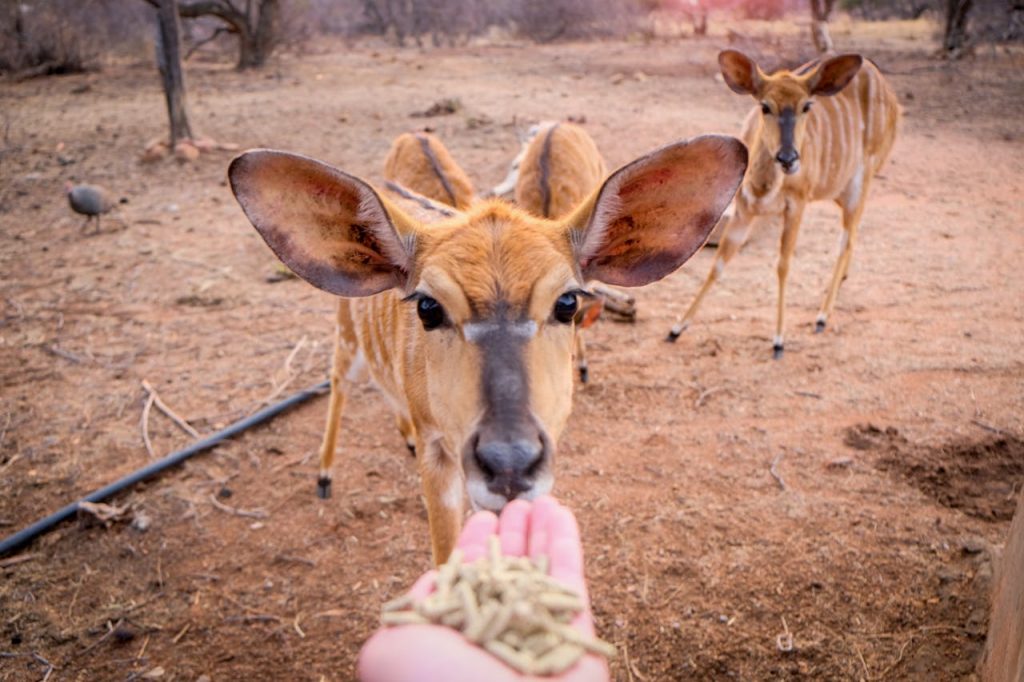
This is one of the biggest misunderstandings around wildlife feeding. Animals that approach people are not becoming tame in the way a pet becomes tame.
They are becoming conditioned. They learn that doors, cars, picnic tables, and human hands may lead to food.
That makes them bolder around adults, children, pets, and traffic. An animal that loses its caution is more likely to approach too closely, defend a food source, or behave unpredictably when food does not appear.
Some begin to test boundaries. They raid bags, paw at screens, nose into strollers, crowd porches, or linger near schoolyards and walking paths.
Once people start calling an animal aggressive or a nuisance, the outcome often gets worse for the animal. What began as feeding out of affection can end with relocation, conflict management, or removal.
Neighborhood Messes Never Stay Small
People imagine wildlife feeding as a quiet one-to-one moment. In reality, it often turns into noise, torn trash, scattered food, droppings, trampled plants, and repeated nighttime activity.
Raccoons tip bins. Deer chew landscaping. Geese foul lawns and sidewalks. Squirrels and birds scatter seed far beyond the area where it was meant to land.
Then other opportunists move in. Rats, mice, crows, stray animals, and insects all notice a place where food keeps appearing.
Neighbors who never agreed to the setup still deal with the consequences. One yard becomes a magnet, and the surrounding block inherits the cleanup.
Pets can also get pulled into the cycle. A dog lunging after a fed goose or raccoon is not reacting to wilderness; it is reacting to a human-made feeding station.
The social side matters too. Repeated feeding can trigger arguments between neighbors, complaints to property managers, and calls to local wildlife or sanitation staff.
Feeding Wildlife Can Put People at Risk Too
Most people think of risk only in dramatic terms, but everyday conflict is more common. Scratches, bites, defensive lunges, and food-seeking behavior often happen when animals get too comfortable around humans.
Children are especially likely to misread the situation. A bold animal can look cute right up until it feels cornered or frustrated.
There is also the traffic problem. Animals that start associating roadsides, parking lots, or neighborhoods with food may spend more time near moving cars.
That puts both animals and drivers in bad positions.
The Damage Lasts Longer Than the Feeding
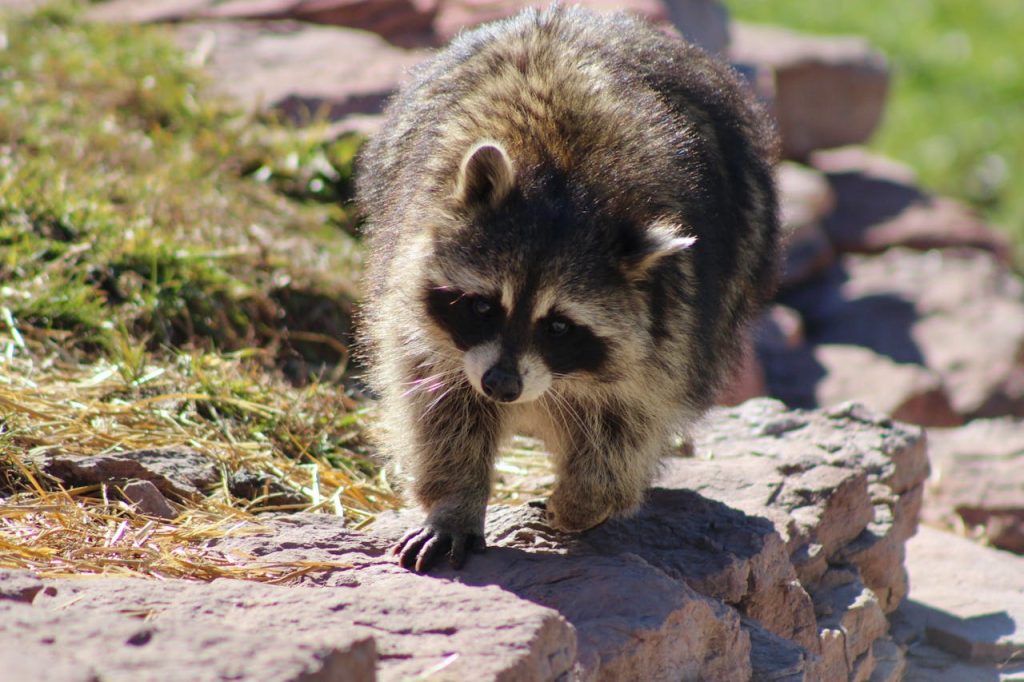
A fed animal may return for weeks or months because the lesson was simple and rewarding. Even after food stops appearing, the behavior can continue.
Young animals can learn by watching older ones. That means a single feeding habit may ripple across more than one season.
Neighborhood patterns can shift in ways people do not notice immediately. More nighttime noise, more scavenging, more repeated visits, and more conflict all become the new normal.
By then, people often say wildlife has become a problem in the area. In many cases, the area first became too welcoming in the wrong way.
What Actually Helps Wildlife
The best help is usually less personal and more practical. Keep trash secured, clean outdoor eating areas, bring pet food inside, harvest fallen fruit, and remove the easy rewards that pull animals close.
If someone wants to support wildlife, the smarter move is habitat, not hand-feeding. Native plants, clean water sources designed responsibly, safe cover, and reduced chemical use do more good than tossing out snacks.
Distance is part of respect. Let wild animals stay wild enough to avoid people, find proper food, and move through the neighborhood without learning habits that put them in danger.