


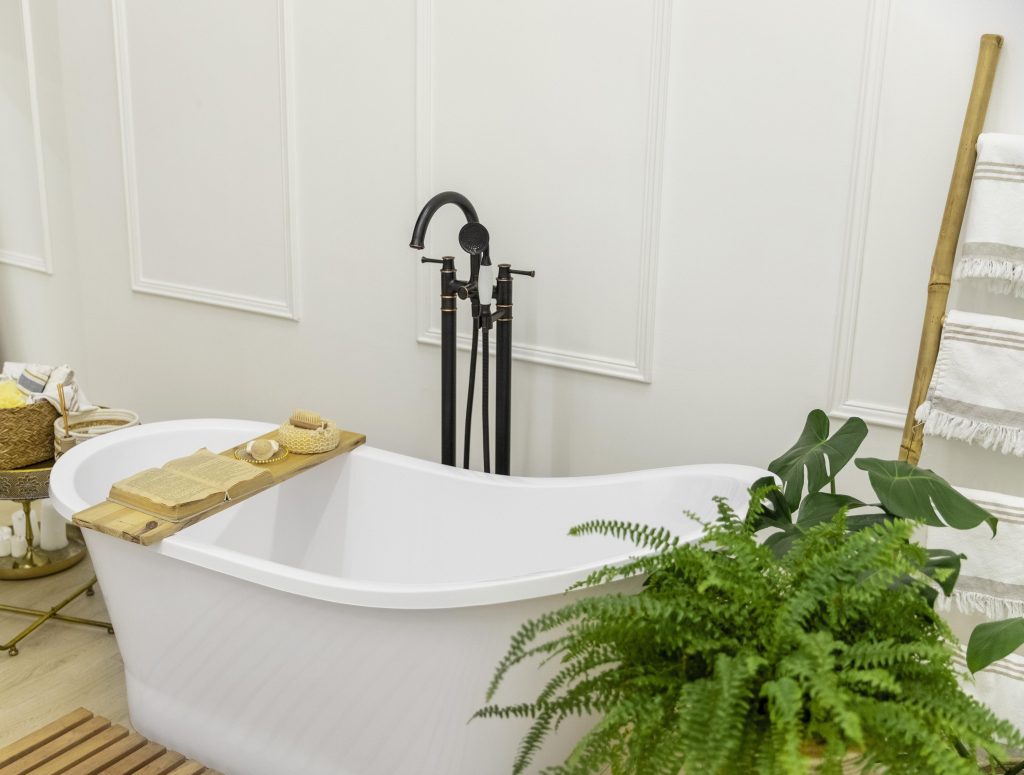
Bathrooms fail plants for the same reasons over and over: dim light, temperature swings, and humidity that spikes during showers, then drops fast when the fan kicks on. The wrong plant responds with limp stems, crispy edges, or mildew that appears like a rude surprise. The right plant looks calm in that chaos, holding shape and color while making the room feel softer and more intentional. These ten picks suit bathroom reality. They tolerate low to medium light, handle humidity without rotting, and deliver that spa look on a vanity, shelf, or windowsill without turning into a weekly rescue mission.
Boston Fern
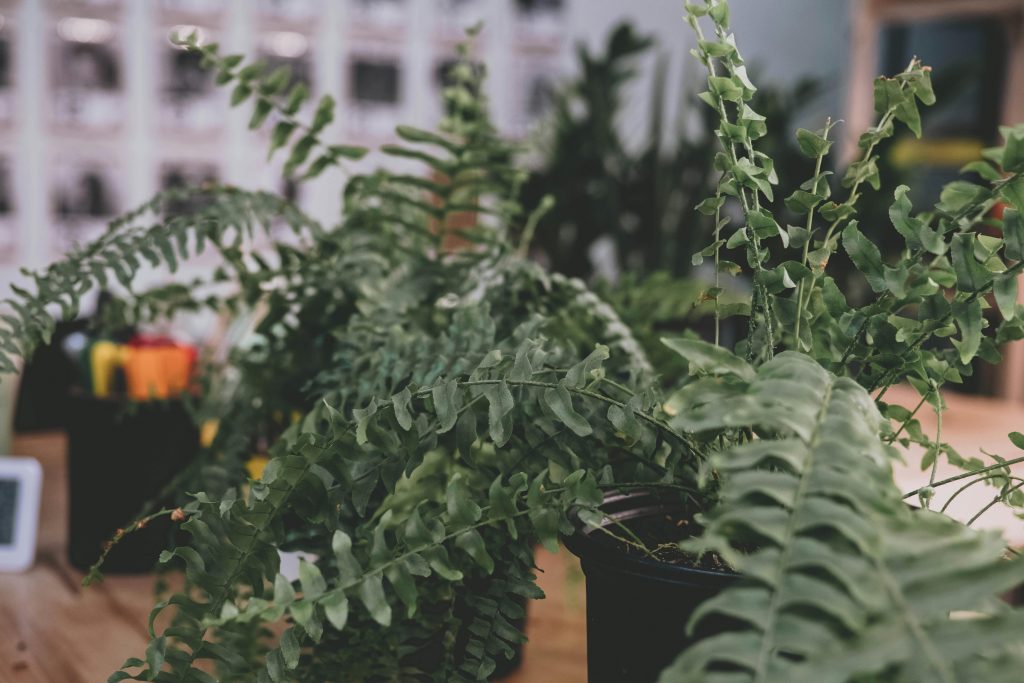
Boston fern is a classic bathroom success because it loves humidity, and steam keeps its fronds from crisping the way they do in dry living rooms. In bright, indirect light it grows into a dense, feathery cascade that immediately softens tile and hard edges, the same effect people chase with towels and candles. The plant does need consistent moisture, so it fits bathrooms where soil can be checked before it fully dries. A hanging basket near a window works best, and trimming old fronds keeps it full instead of stringy. When it is happy, it looks like a small green waterfall, and it makes even basic bathrooms feel calmer.
Bird’s Nest Fern
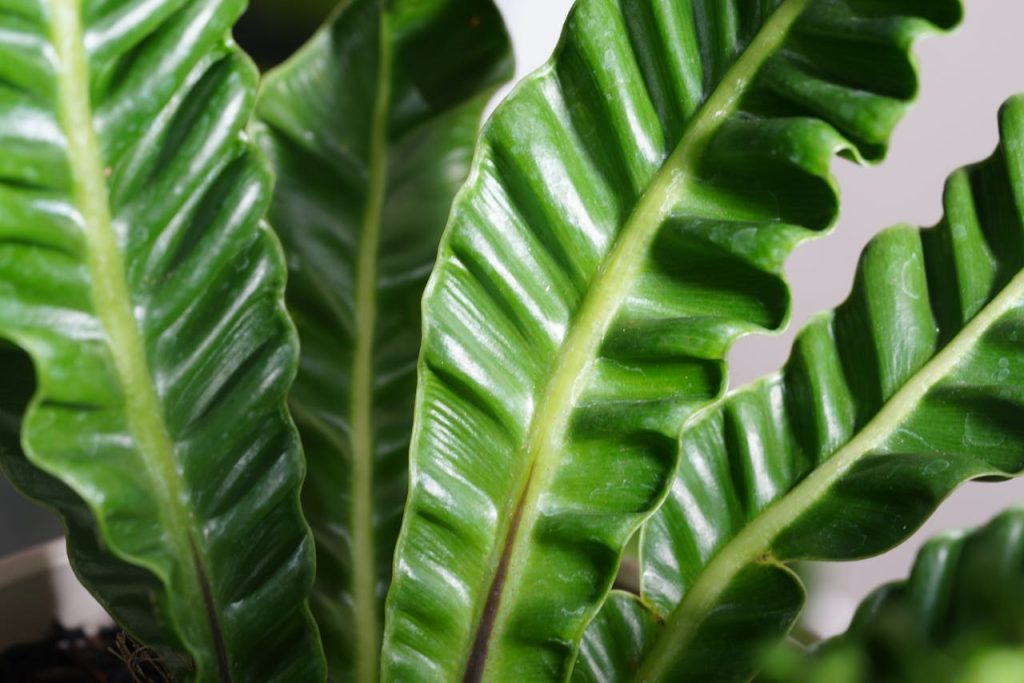
Bird’s nest fern brings a sculptural shape that reads spa-clean: a tidy rosette of wide, rippled fronds that looks designed rather than wild. It enjoys humidity and tolerates lower light better than many ferns, so it suits bathrooms with frosted glass or indirect daylight. Watering stays simple. Soil should be kept evenly moist, but water should not be poured into the center cup, since trapped water can rot the crown. Set in a matte pot beside the tub or on a stool, it holds its form without constant grooming, and the glossy fronds reflect light in a way that makes the room feel brighter than it is.
Golden Pothos
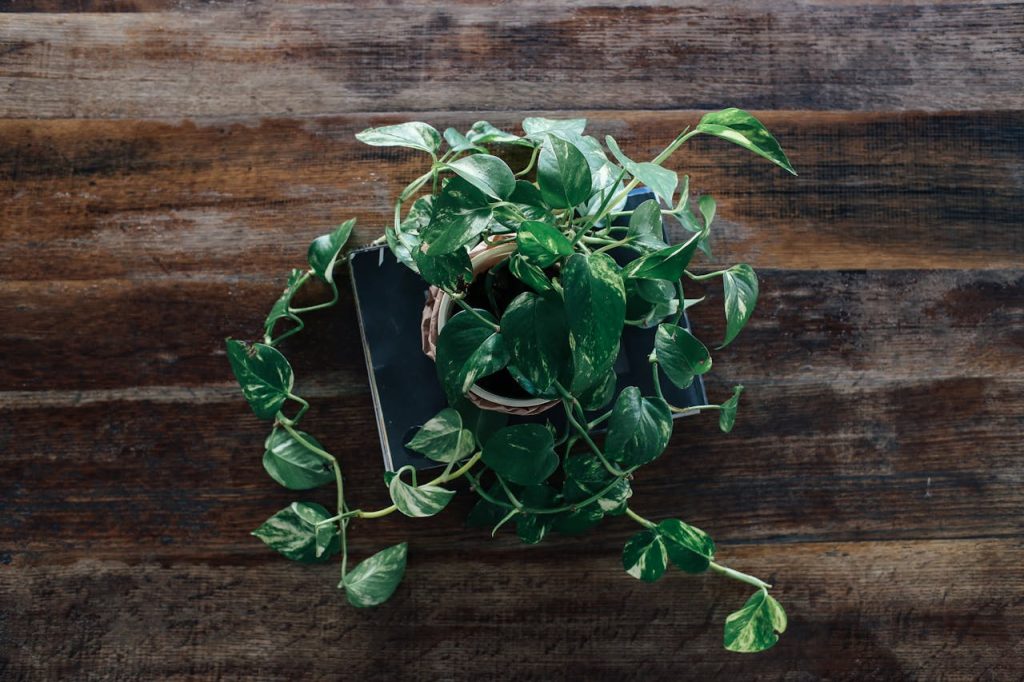
Golden pothos is the easiest bathroom vine because it tolerates low light, uneven watering, and the humid-dry swings that come with real use. It trails cleanly from a shelf, climbs a wall, or frames a mirror without needing a big window, and humidity keeps leaves plump and reduces droop. The only way to upset it is keeping soil wet. Let the pot dry slightly between waterings, and it keeps growing steadily. For spa style, it works in a simple white pot with the vines trained neatly, giving the room softness without looking cluttered or fussy.
Heartleaf Philodendron
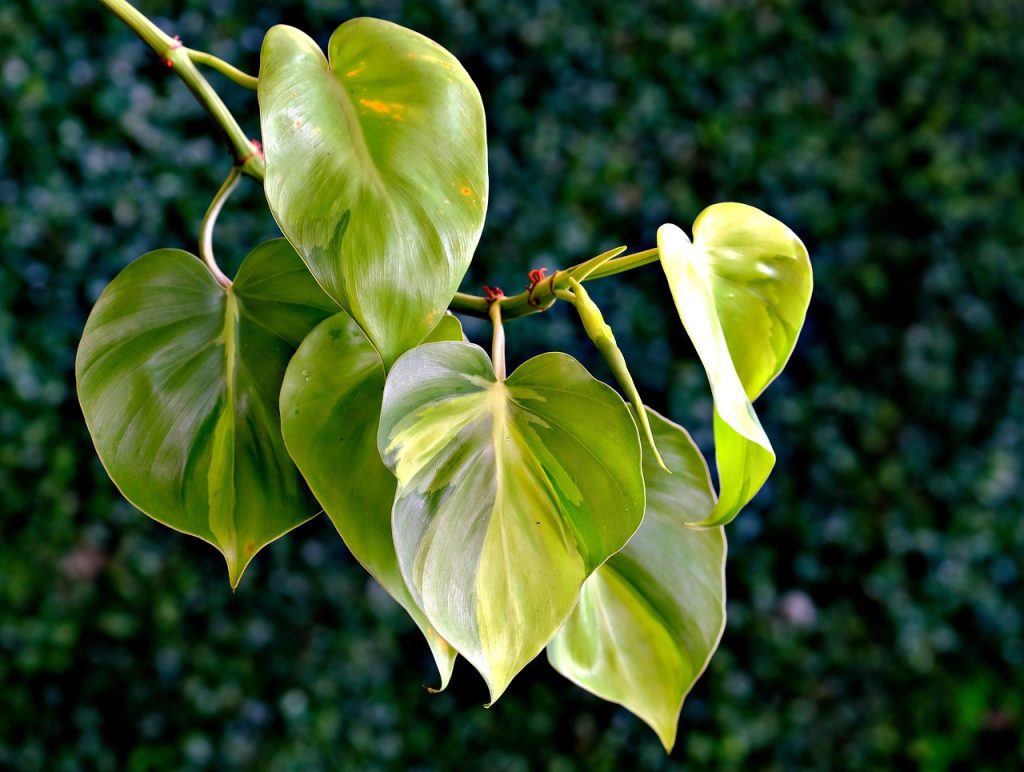
Heartleaf philodendron delivers a deeper green and a calmer look than many patterned plants, which is why it reads so good in small bathrooms. It tolerates low to medium light, appreciates humidity, and grows as a trailing plant that can spill from a ledge or hang from a hook without taking floor space. It likes a dry-down between waterings, so it fits bathrooms where care is occasional rather than obsessive. Pinching tips keeps it bushy, and wiping leaves prevents soap dust from dulling the shine. Paired with warm bulbs, wood accents, and white towels, it quietly turns the room into a more lived-in spa.
Peace Lily
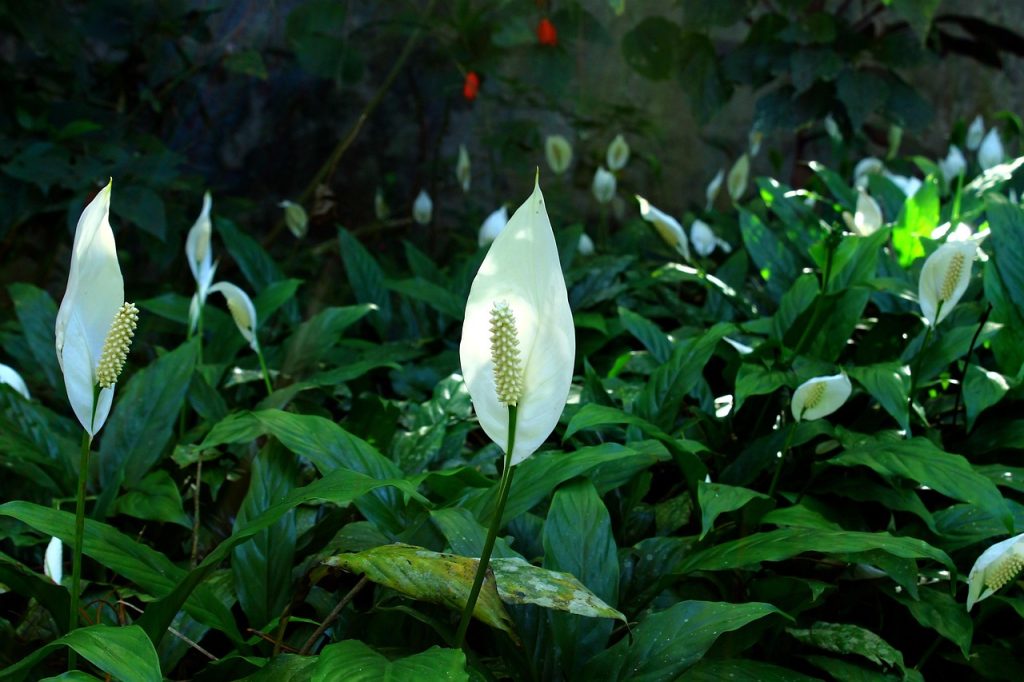
Peace lily works in bathrooms because it tolerates lower light and likes steady moisture, and the white blooms look like a deliberate design choice, not an accident. It also communicates clearly. Leaves droop when thirsty, then stand back up after watering, so it is easier to keep on track than plants that fail silently. Humidity helps it stay lush and reduces crispy edges, but cold drafts do not, so it should sit away from vents and winter windows. In a simple pot, it gives a bathroom a calm hotel feel, and it stays elegant as long as the pot drains and the plant is not left sitting in water.
Chinese Evergreen
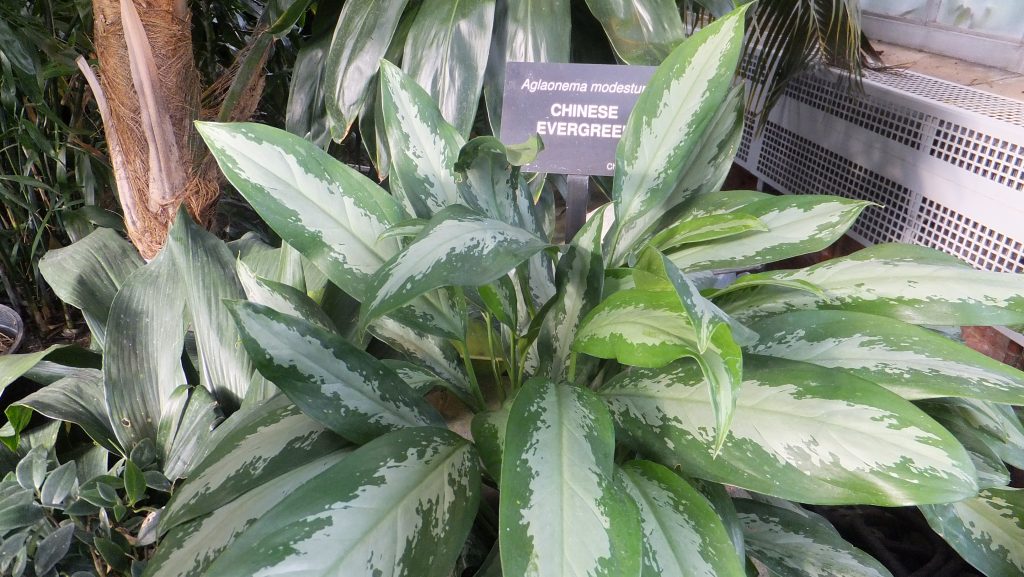
Chinese evergreen is a low-drama plant that handles the exact conditions many bathrooms offer: low to medium light, warm air, and occasional humidity spikes. Its patterned leaves add texture without looking busy, and it holds its shape in a way that feels tidy, not unruly. It prefers watering after the top inches of soil dry, and it dislikes soggy pots, so drainage matters more than misting. For a spa look, it shines in a matte ceramic container on a vanity corner or a small stool, giving the room color and structure without demanding constant attention.
Spider Plant
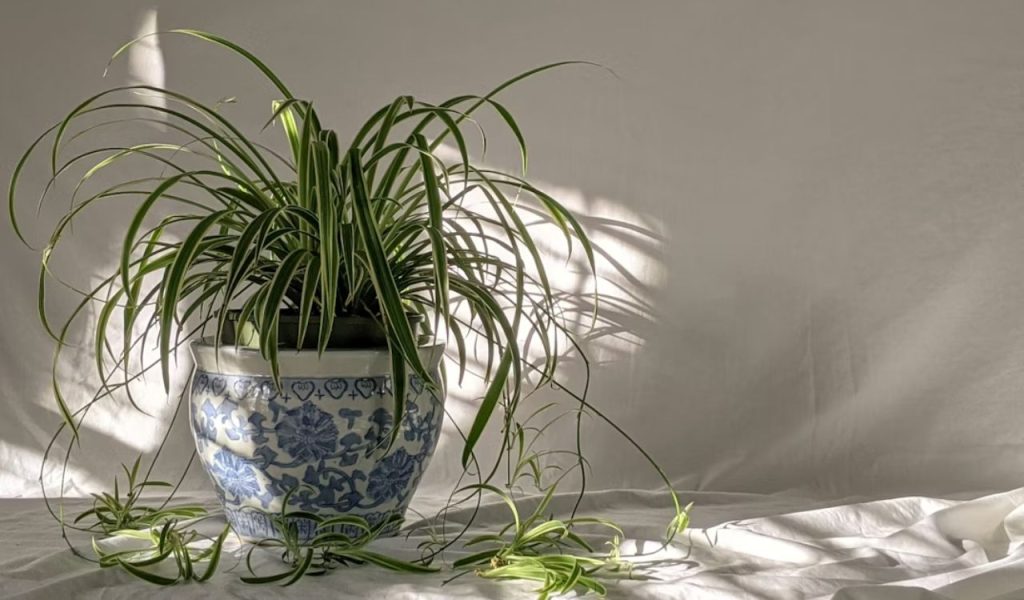
Spider plant is a strong bathroom pick because it tolerates low to medium light and enjoys humidity, which helps reduce the brown tips it can develop in dry rooms. Its arching leaves and little plantlets add movement, making a small space feel lighter, and it looks especially good hanging near a window or perched on a high shelf. It prefers to dry slightly between waterings and bounces back quickly after a missed week, which suits busy households. In a bathroom it often grows fuller because warmth and humidity support faster leaf growth, and it keeps the room looking fresh without needing perfection.
Orchid (Phalaenopsis)
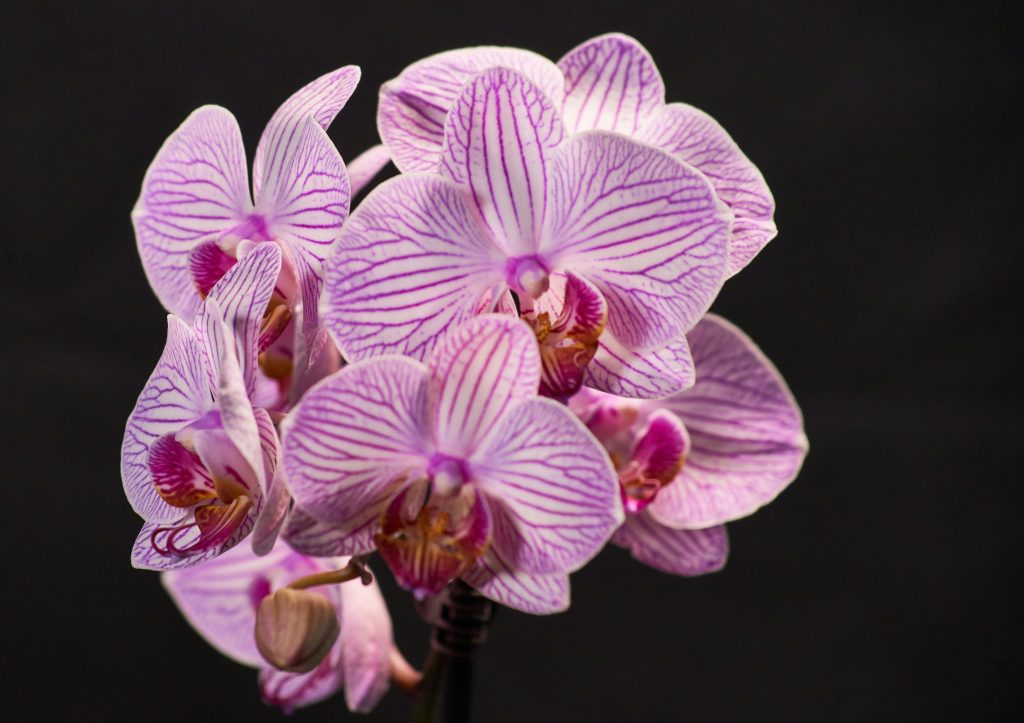
Randy Cooper/Unsplash
Phalaenopsis orchids are the spa statement plant for bathrooms that have bright, indirect light, especially near an east or north window. They like warmth and humidity, and their blooms make a room feel styled with almost no clutter. The key is airflow. Orchids do not want soggy roots, so the bark mix should dry slightly between waterings and the pot should never sit in water. Bathrooms can be ideal because showers boost humidity while fans prevent stagnant dampness. One orchid on a tray with a clean soap bottle and a folded towel can make the whole room look intentional.
Bamboo Palm
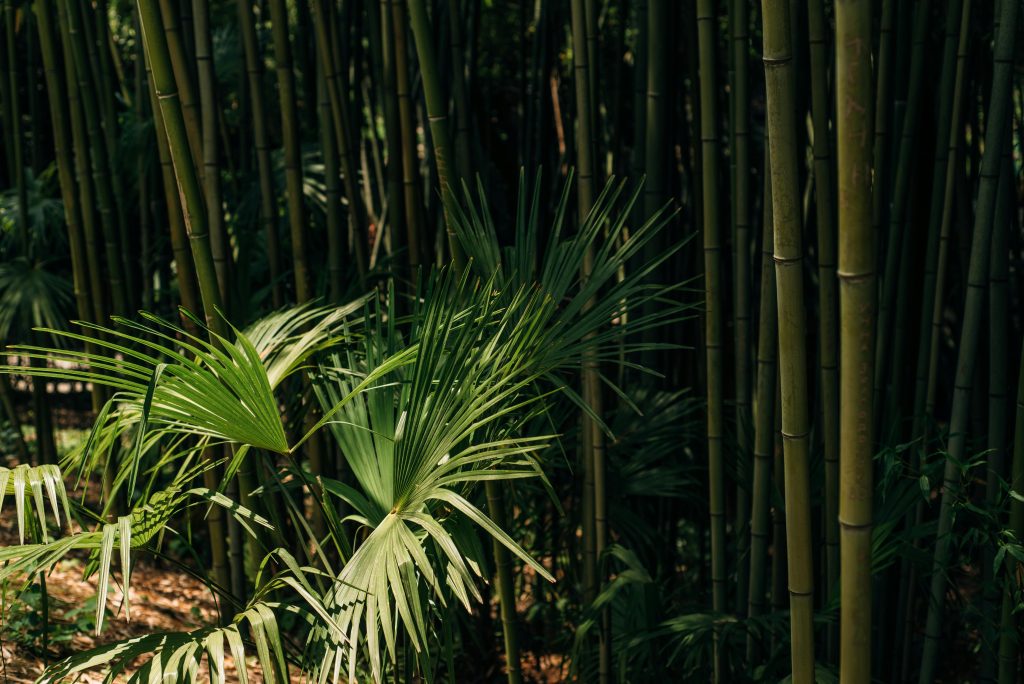
Bamboo palm brings a resort vibe with upright, feathery fronds that soften corners and add height without looking heavy. It does best in medium light and enjoys humidity, so it suits larger bathrooms with a window or steady ambient light. Soil should stay lightly moist, not wet, and a pot with drainage keeps roots healthy. Rotating the plant helps it grow evenly toward the light. In spa-style rooms, bamboo palm pairs well with linen textures, warm wood, and neutral stone, and it gives the space a gentle screen-like feel that makes the bathroom seem calmer and more private.
Aloe Vera
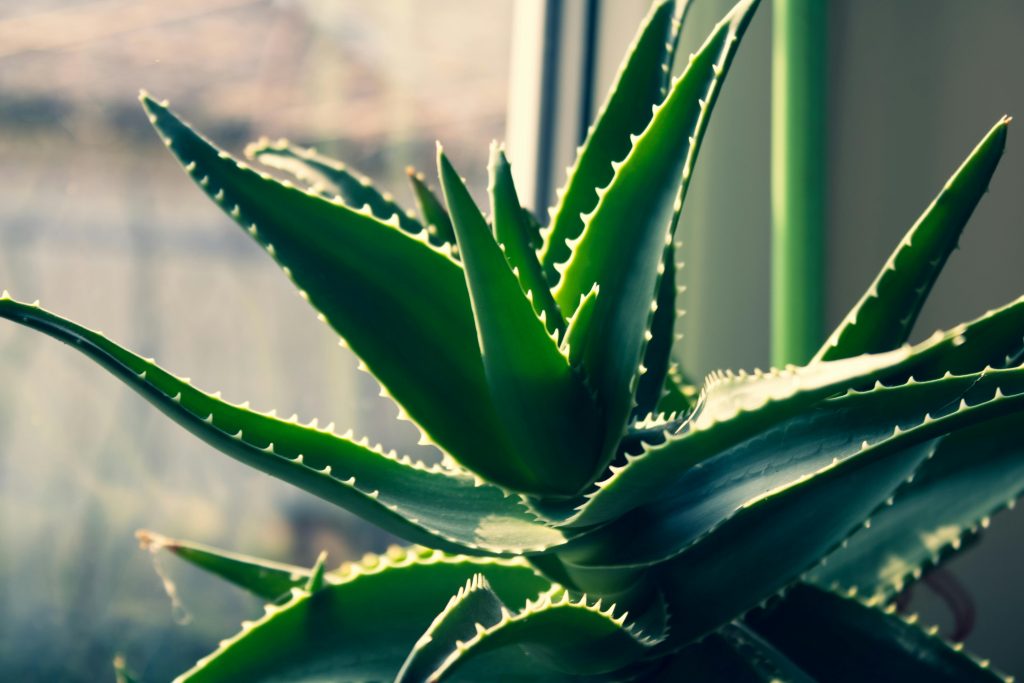
Aloe vera is the smart counterpoint for bathrooms that are bright but not consistently steamy. It thrives on drying out between waterings and wants sun, so a windowsill is the best placement, and a gritty cactus mix prevents root rot. Aloe also fits the room’s theme, since the gel is associated with skin care, and the plant’s clean form looks modern in a simple pot. Unlike moisture-hungry plants, aloe avoids mildew problems because it does not need damp soil. When light is strong, it stays firm and upright, adding a crisp, minimal spa feel without demanding much effort at all.