

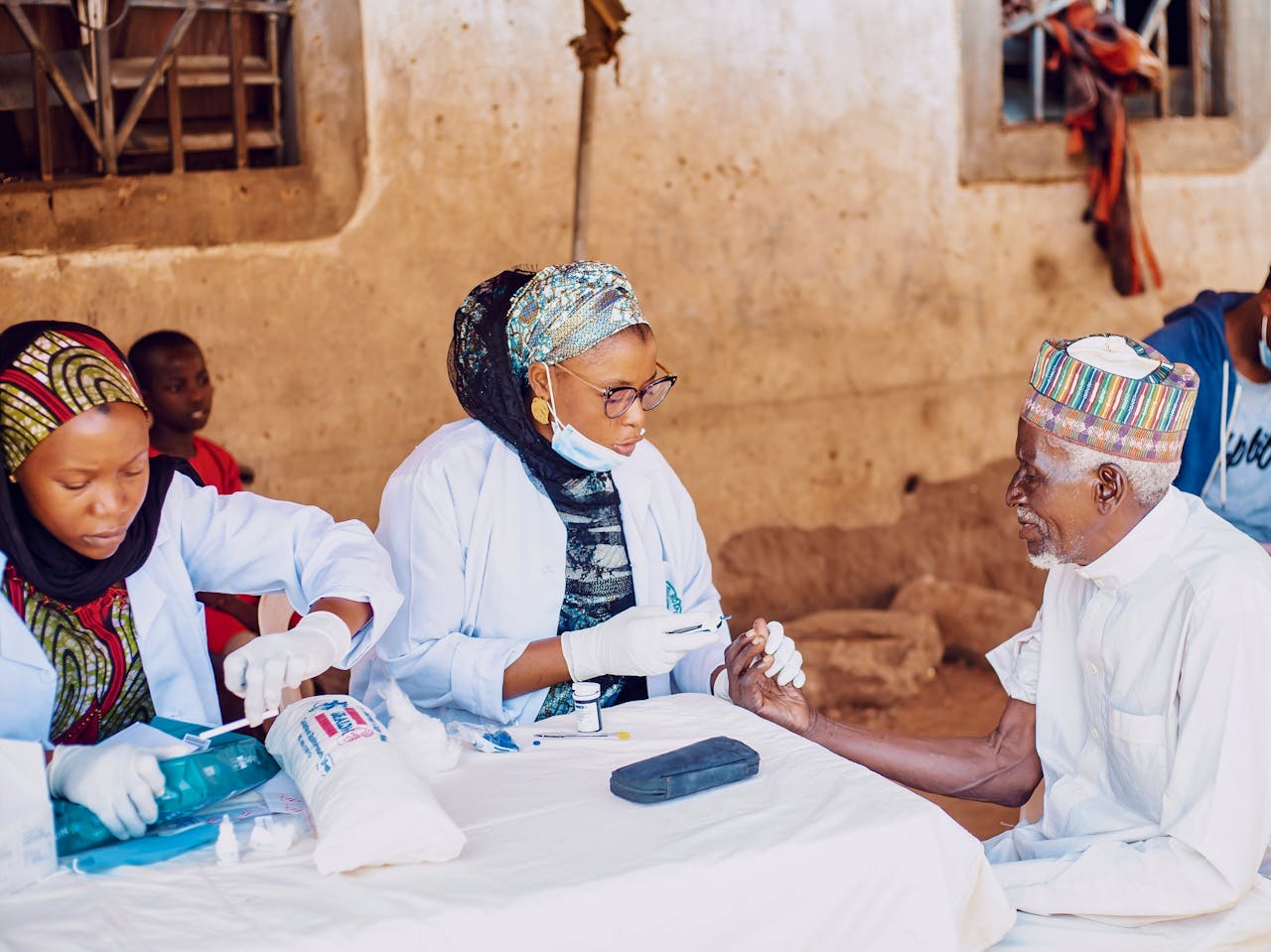
At a small clinic at the edge of farm country, snakebite care is still shaped by distance, uncertainty, and a race against time. Families often arrive after long motorbike rides, often during monsoon weeks when roads flood, and staff must decide quickly with limited supplies. A new wave of synthetic antivenom research is changing that conversation. Instead of relying only on century-old animal-plasma methods, teams are building antibodies and toxin blockers designed for broader coverage, steadier quality, and faster deployment where care is hardest to reach. Its real test is simple: faster care in rural clinics today.
Where the Rural Gap Starts
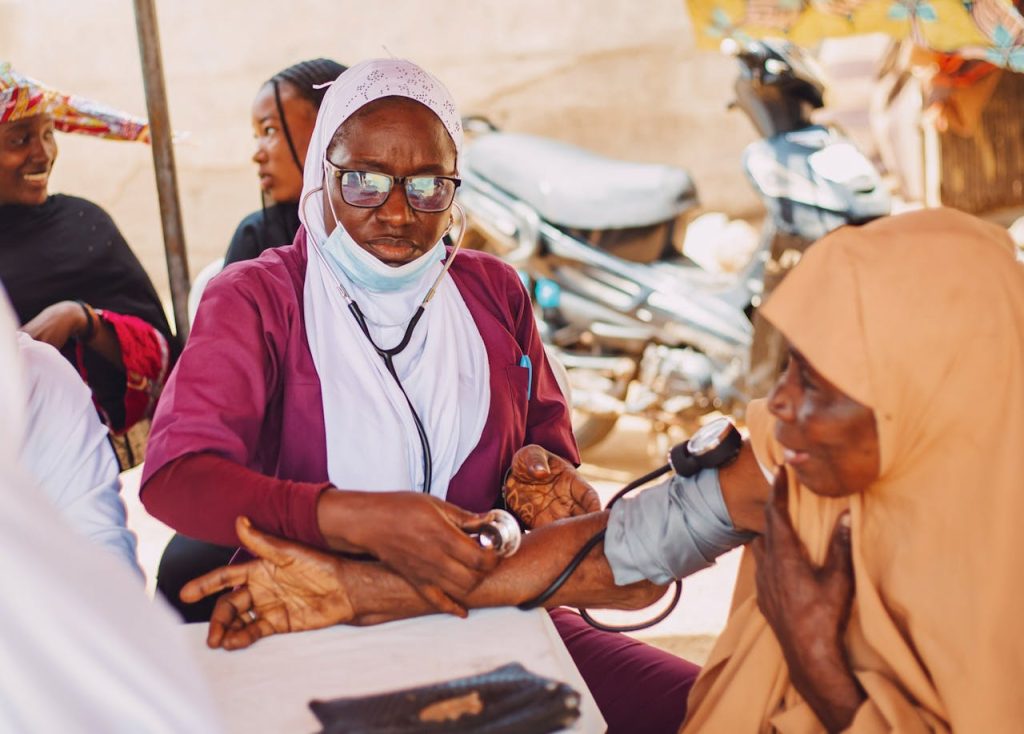
Snakebite burden is not evenly distributed. The heaviest impact falls on agricultural workers, children, and families in low-resource rural settings, where transport delays and thin staffing amplify risk after envenoming. WHO estimates 5.4 million snakebites yearly, with 1.8 to 2.7 million envenomings, plus many long-term disabilities.
South-East Asia carries an especially heavy share, and WHO reports that the region contributes close to 70% of estimated global snakebite deaths. That geography matters because treatment models built for city hospitals often break down in villages where every hour of travel can change outcomes.
Why Current Antivenoms Miss the Mark

Conventional antivenoms remain essential, but they come with structural limits. Most are made from antibodies collected from immunized animals, then purified into products that may vary by batch and by regional venom match. When supply is thin or the wrong product is stocked, clinicians lose time while symptoms progress.
Recent reviews and WHO documents describe a familiar pattern: treatment is tied to hospital infusion workflows, specialist supervision, and dependable procurement. Access becomes uneven where referral routes are long, antivenom cost is high, and refrigeration or monitoring capacity is fragile for months.
What Synthetic Antivenom Actually Means

Synthetic antivenom is not one product. It includes engineered antibodies, antibody fragments, and small-molecule toxin inhibitors that target venom components with greater precision. The goal is to move from broad animal-plasma mixtures toward defined ingredients that can be measured and reproduced with tighter quality control.
WHO target product profiles treat these candidates as add-ons to current antivenom or possible future alternatives, depending on data. The guidance highlights real-world needs: heat tolerance, faster deployment, simpler logistics, and pricing models that work for remote districts, not only tertiary centers.
The Antibody Breakthroughs Are Real

Laboratory progress has moved from theory to proof-of-concept. A 2023 Nature Communications study reported a broadly neutralizing human monoclonal antibody that protected against key long-chain neurotoxins and prevented or delayed lethality in mouse models across several medically important elapid venoms.
In 2025, a Nature study pushed further with an eight-nanobody recombinant cocktail that preclinically prevented venom-induced lethality across 17 African elapid species and reduced tissue injury in tested cytotoxic venoms. The paper also reported stronger performance than a plasma-derived comparator in its overall setup.
Small-Molecule Add-Ons Could Buy Critical Time

Synthetic care is not only about antibodies. Direct toxin inhibitors may create a bridge between bite and hospital treatment, which is crucial where transport is slow. The BRAVO phase II trial of oral varespladib, given with standard care including antivenom, did not improve the primary endpoint in the full population.
But the same trial showed a signal in patients who started treatment within five hours, including better illness-burden and recovery trends, with no treatment-emergent serious adverse events. Investigators described the drug as safe and well tolerated, and highlighted potential use as prehospital or field therapy.
Heat, Distance, And the Cold-Chain Problem

Rural clinics often manage medicines in hot climates with unstable electricity and long resupply cycles. WHO’s 2024 target profile draft for new snakebite therapeutics addresses this directly, noting that products not dependent on strict cold-chain storage are often preferred in many low- and middle-income settings.
The document also emphasizes time-to-treatment windows and prehospital usefulness when referral to a health facility is delayed by terrain or distance. In plain terms, a therapy that works only after prolonged transport and intensive hospital handling will miss too many patients, even if its chemistry looks excellent.
How New Tools Might Fit Existing Clinics

No credible research team is arguing that rural systems can discard current antivenoms overnight. The more realistic path is layered care: early toxin inhibition in the field or first-contact clinic, then targeted antivenom and supportive treatment as diagnostics and referral pathways become available.
WHO guidance reflects this staged model, describing engineered products as adjunctive or replacement options depending on evidence, registration, and local readiness. That framing is practical for district medicine, where protocols must be clear, nurse-led triage is common, and treatment decisions are made under pressure.
Trust, Training, And Local Care-Seeking Habits
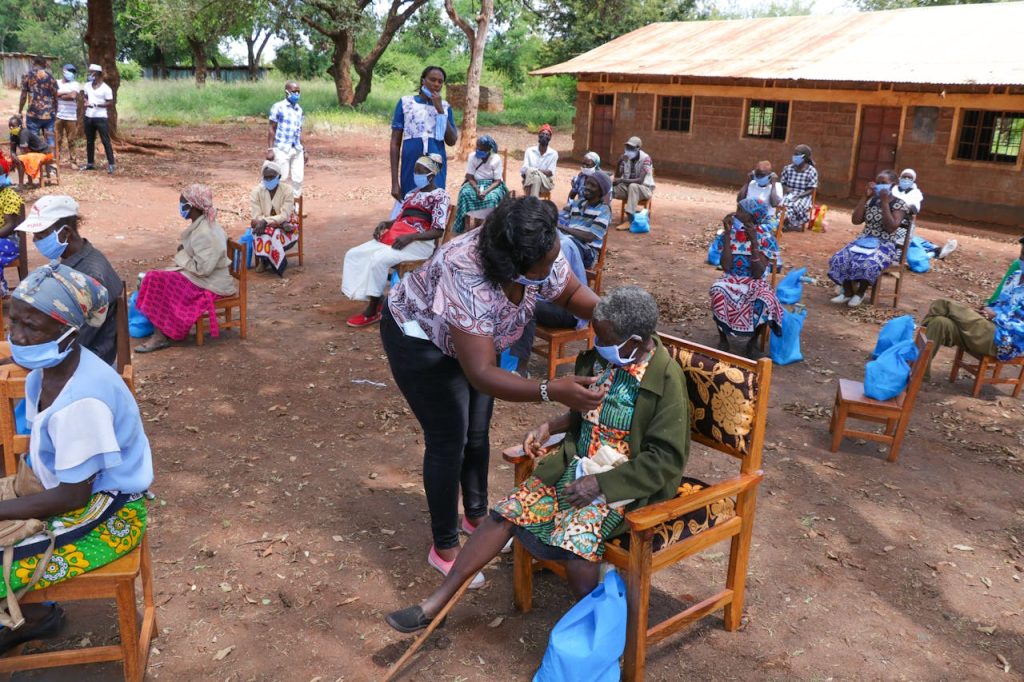
Science can advance quickly while care-seeking behavior moves slowly. In many snakebite regions, families still begin with home or traditional responses, then reach hospitals late. The BRAVO paper cites evidence that in India, more than 75% of snakebite deaths occur before hospital arrival, showing how access gaps shape outcomes.
That is why synthetic antivenom progress must include community education, referral planning, and training, not only molecular design. When early recognition, transport coordination, and standardized triage improve, new therapies have a fair chance to deliver benefits visible in controlled studies.
Pricing Will Decide Who Benefits

Clinical efficacy alone will not transform rural care if treatment remains financially out of reach. WHO’s target profile framework emphasizes affordability, fair pricing, and cost-effectiveness at the full-course level, not just the price per vial. That distinction matters in districts where patients often pay directly.
The same framework urges transparent economic evaluation, including incremental cost-effectiveness approaches, before scale-up. In practice, a synthetic product that lowers total treatment cost and referral burden could outperform a cheaper-looking alternative that still demands complex hospitalization.
From Lab Success to Field Reality

The research trajectory is encouraging, but translation must stay disciplined. Many engineered antivenom candidates are still in preclinical or early development, and field performance across diverse snake ecologies remains the real test. Regulators, ministries, and procurement groups will need shared standards to avoid fragmented rollout.
WHO’s global strategy aims to halve snakebite deaths and disability by 2030, creating a clear benchmark. If synthetic antivenoms are developed with rural delivery in mind from the start, they can become more than a lab milestone. They can become reliable care where access has been weakest.
When better science meets better delivery, rural medicine changes in a very human way: fewer late-night transfers, fewer families waiting in uncertainty, and more clinicians able to act with confidence in the first crucial hours. The technology is promising, but the deeper promise is dignity, speed, and fairness for communities that have carried the heaviest burden for decades.