

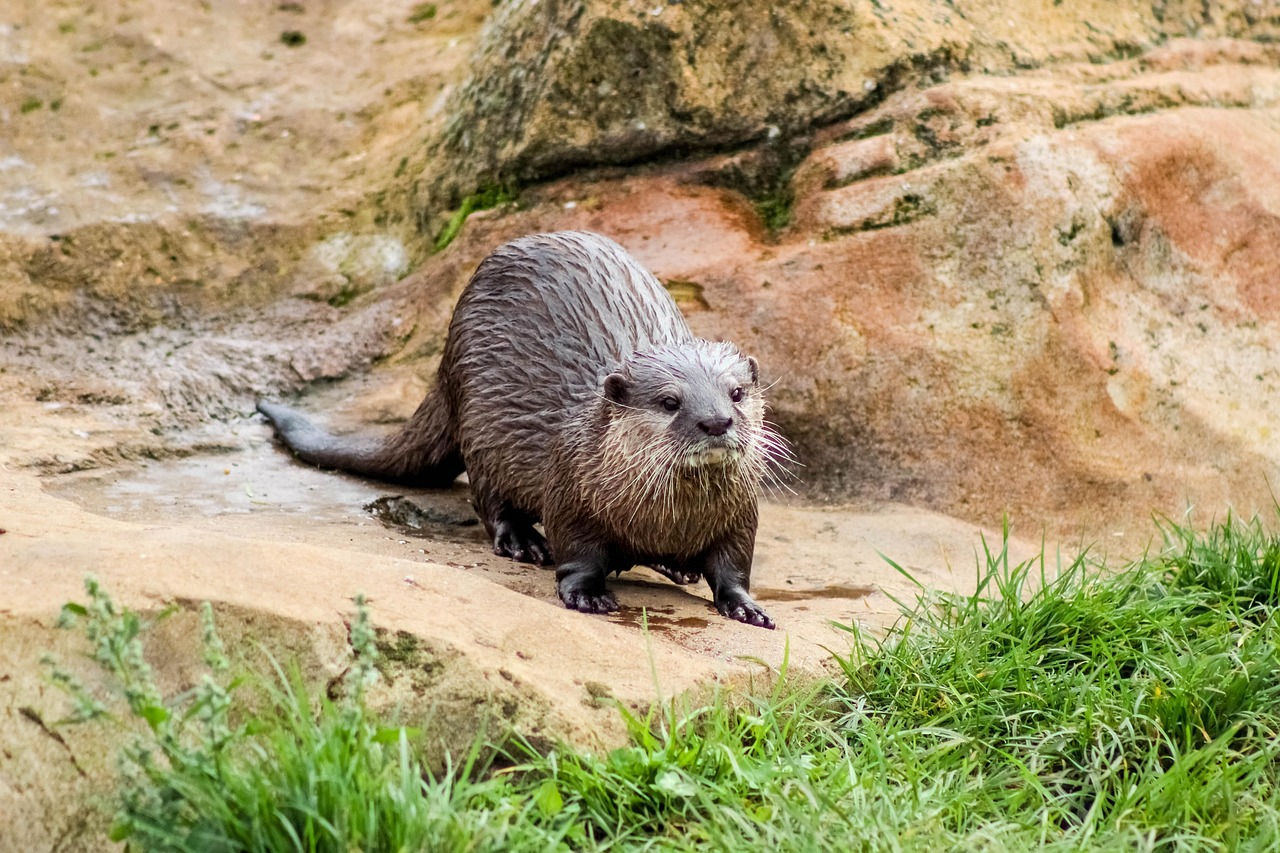
A spring-fed lake on a private Hill Country ranch, just west of Waco, turned a quiet wildlife moment into a viral one. A real estate agent filming clear water first mistook the swimmer for nutria, then realized it was a North American river otter, soon joined by three more. Otters are scarce in most Texas localities, so the clip spread fast and drew excited comments. Sightings have been reported more often along the San Marcos and Colorado rivers as water quality improves, but a rush of visitors can stress animals, scar shorelines, and strain private land boundaries. Biologists warn that crowd behavior can undo the quiet gains.
A Rare Hill Country Glimpse
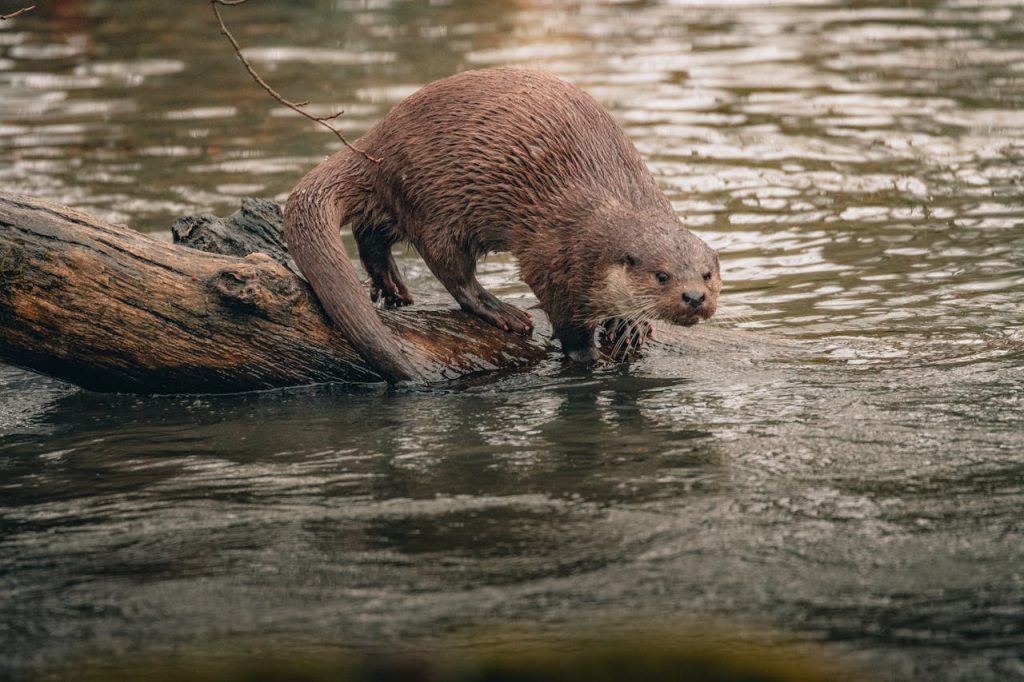
Josh Smith was touring an 843-acre ranch when he noticed ripples in a 13-acre spring-fed lake and raised his phone. He expected nutria, an invasive rodent seen in parts of Texas, but the animal’s sleek head and quick dives told a different story.
Within minutes, three more otters appeared, moving as a loose group and circling through clear water as if testing currents and one another. He watched for about 10 minutes, then posted the clip, and the location suddenly mattered to far more people than the ranch could ever host. That jump from private sighting to public chase is the risk biologists keep flagging. It happens overnight.
Why Otters Here Feel Like Lightning
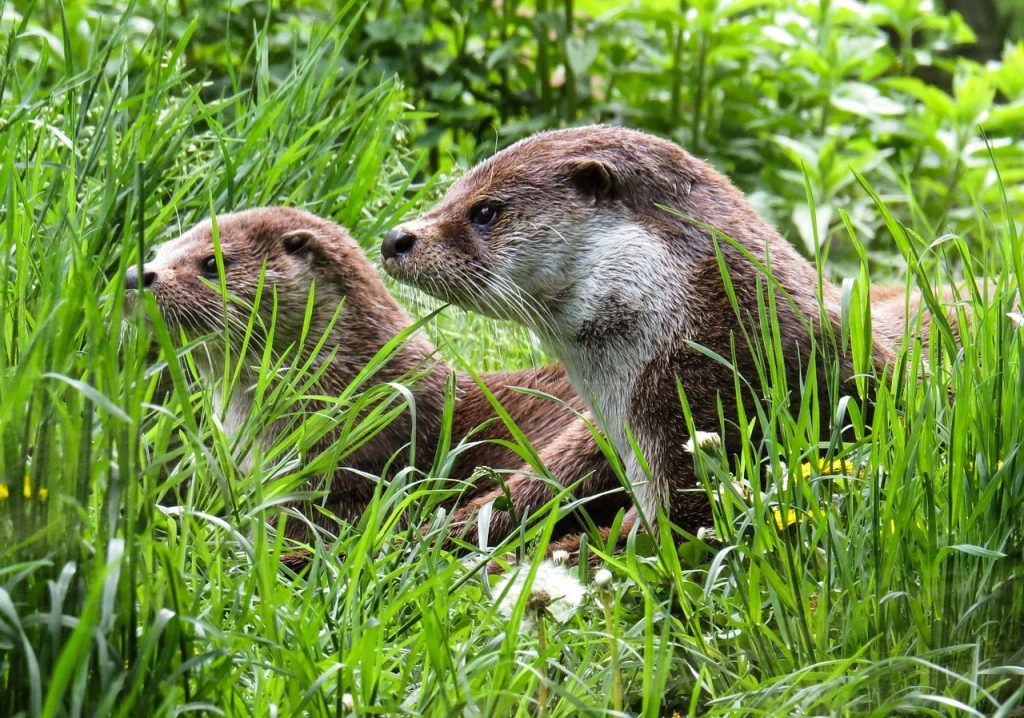
North American river otters once ranged widely in Texas, then faded as rivers were altered, polluted, and heavily trapped. Today they are found mostly in the eastern half of the state, and even there they are considered scarce in many localities.
So when four show up together in Central Texas, people treat it like proof of a comeback. Reports along the San Marcos and Colorado rivers support that hope, but biologists see it as cautious movement through improving corridors, not a guaranteed return. Otters range far, avoid noise, and vanish when banks get busy. A crowd can push them out of the reach that made the sighting possible.
Healthy Water Does Not Mean Safe Handling
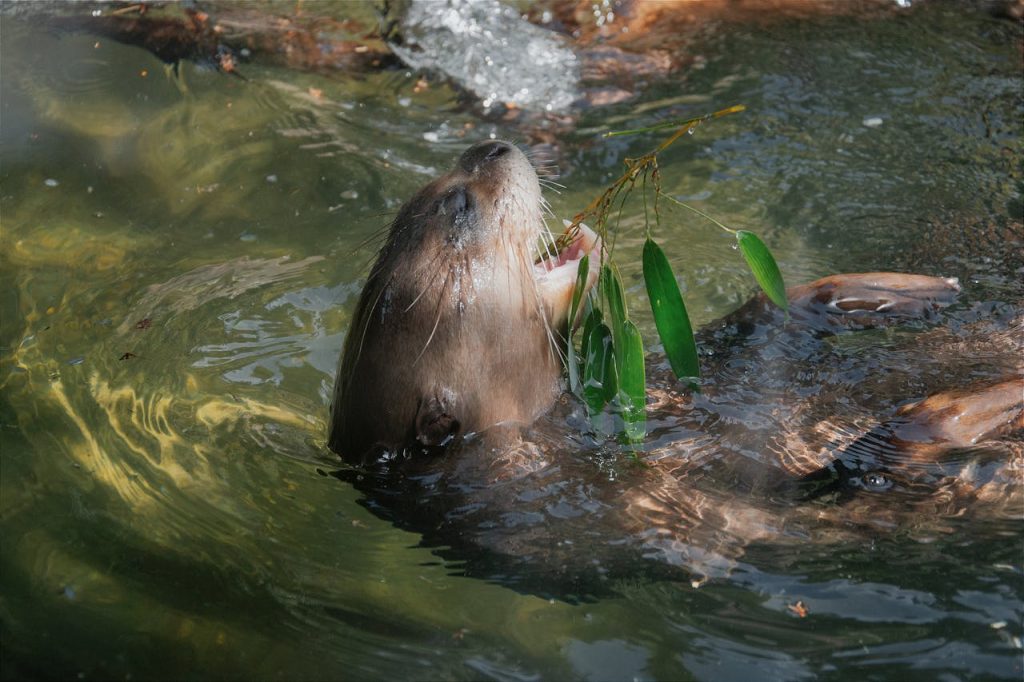
Clear, spring-fed water reads like an invitation, but it is also a fragile stage. Biologists often link otters with healthy habitat because they need food-rich waterways and room to travel.
That does not make them safe to approach. Smith reminded viewers that otters are predators and can be intensely territorial, especially if they feel cornered near a bank. When people cluster for a closer look, an otter may dive longer, shift feeding time, or abandon the spot entirely to avoid repeated pressure. Loose dogs, drone buzz, and splashing waders add stress fast, even when intentions are good. Distance protects animals, the waterline, and the people filming.
When A Viral Video Becomes A Crowd Signal
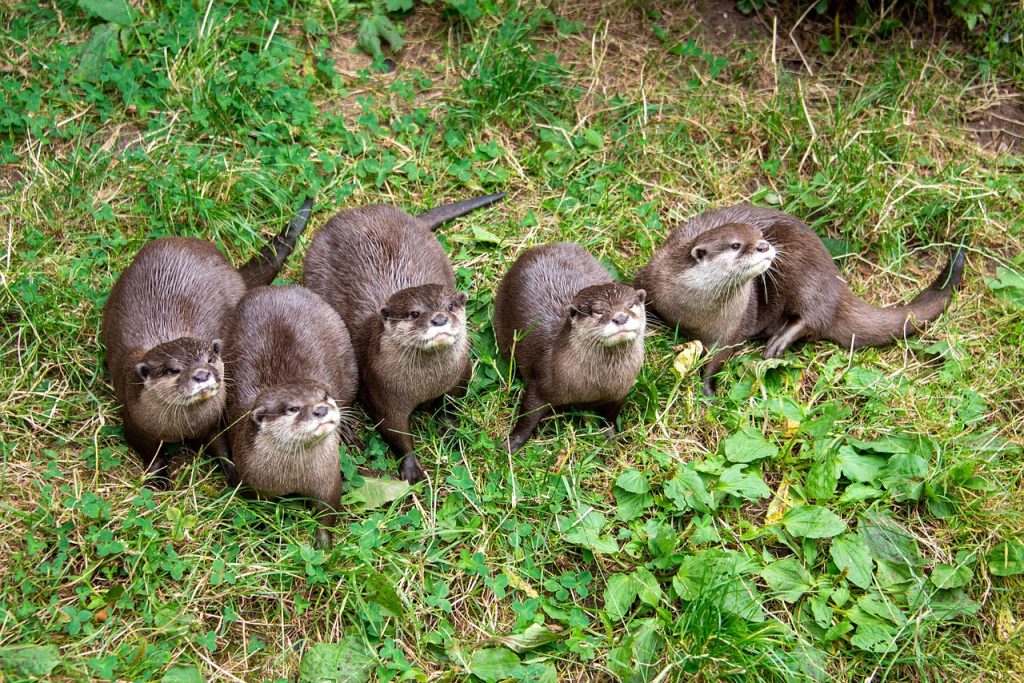
The otter clip didn’t just entertain; it created a map made of curiosity. Nearly 1 million views can turn one shoreline into a weekend plan, even when the scene happened on private land.
Commenters swapped locations from Austin to Lake Houston and Conroe, and the thread blurred into a statewide scavenger hunt. Biologists worry that repeated searches lead to crowding at bridges and pull-offs, louder banks, and more people stepping into sensitive shallows. Otters that are simply passing through may learn to avoid the area after a single noisy surge. Damage often lands after the animal is gone: crushed bank plants, litter, and fence-hopping. Landowners then tighten access.
Private Land Boundaries Matter More Than Ever
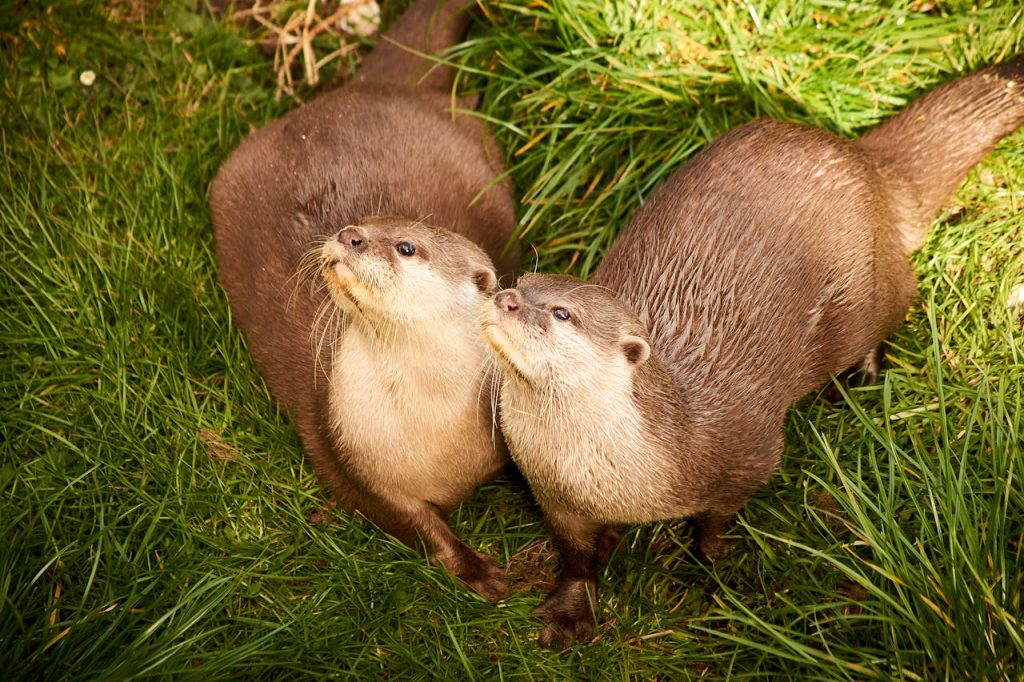
Hill Country water is often tucked behind gates, and that detail gets lost when a clip starts circulating. Smith’s sighting happened on a ranch property, the kind of place where a creek bend or lake sits miles from any public road.
Crowd-chasing can turn into trespass without people admitting it, especially when they assume a riverbank is public. Biologists and land managers stress that protecting wildlife includes respecting private land, staying off fences, and not pressuring owners for pin drops. A rare animal should not become a reason for conflict between neighbors and visitors. Unplanned traffic blocks ranch roads, spooks livestock, and adds liability that makes access less likely.
Low-Impact Viewing Keeps Otters Moving Naturally
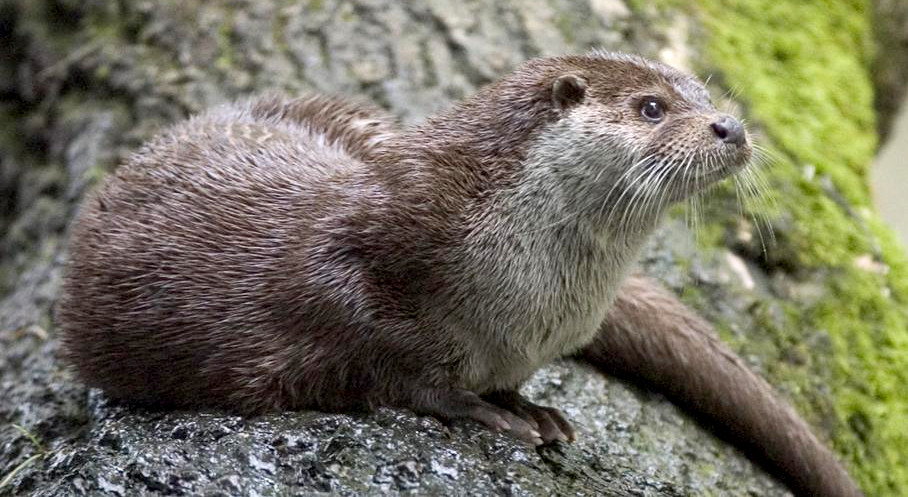
Otters are built for quick decisions: surface, scan, dive, repeat. A shoreline full of voices and camera movement changes that rhythm, forcing longer dives and less relaxed play.
Biologists generally urge quiet watching from one spot, without chasing along the bank or stepping into shallow edges. Leashed dogs help, and so does skipping flash and keeping drones grounded. Patience tends to beat pursuit, because otters often loop back through the same stretch when they feel unbothered, then slip away on their own terms. Some observers also wait to post until later, keeping exact access points out of the moment. It reduces rushes.
A Predator’s Return Can Stir Fishing Friction
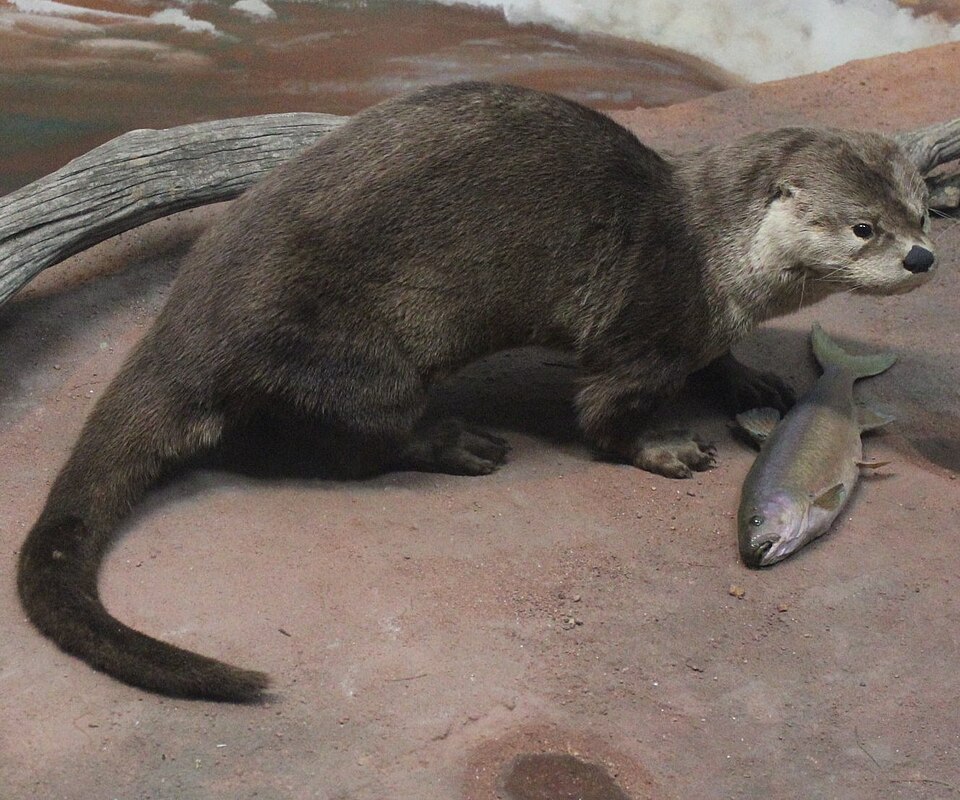
The happiest comment threads often miss the hardest part: otters eat like professionals. Smith noted that if they settle into a stocked pond or favorite fishing hole, they can clear fish fast.
That can sting for anglers who have managed a tank for years, and it can trigger calls to remove the animals. Biologists frame the tension as a normal predator return, not a sudden problem, but the conflict is real in small water. When crowds gather to film, the issue gets louder and less nuanced, and landowners may feel pushed to choose sides. Practical fixes stay simple: protect select ponds and keep pressure low so otters move on.
Nutria Or Otter The Quick Tells
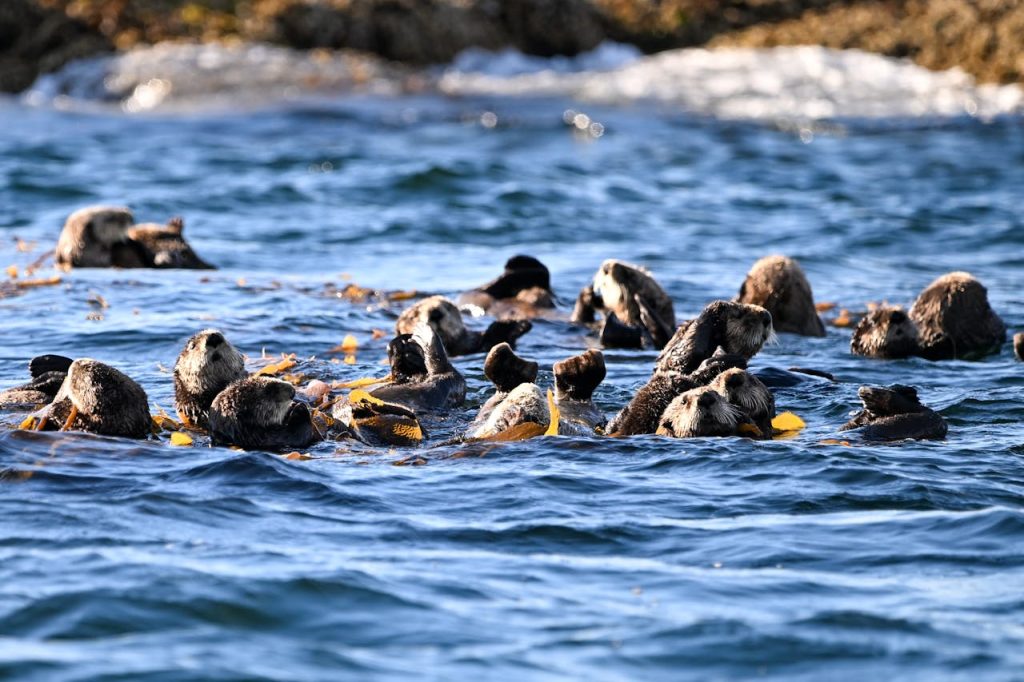
Smith’s first thought was nutria, and that confusion is common when a mammal cuts across water quickly. Nutria often look bulkier, linger near banks, and show a more obvious ratlike tail when they turn.
Otters read sleeker and more athletic, surfacing in short bursts, then diving with a smooth roll and a thicker, tapered tail. In Smith’s video, the hint was the social behavior: four animals moving together, circling, and seeming to play rather than graze. Knowing the difference matters because a true otter sighting can trigger a rush of attention that nutria rarely attract. Either way, distance is the move. Getting close for proof often turns a swim into a dive-and-disappear.
San Marcos And Colorado Reports Add Context
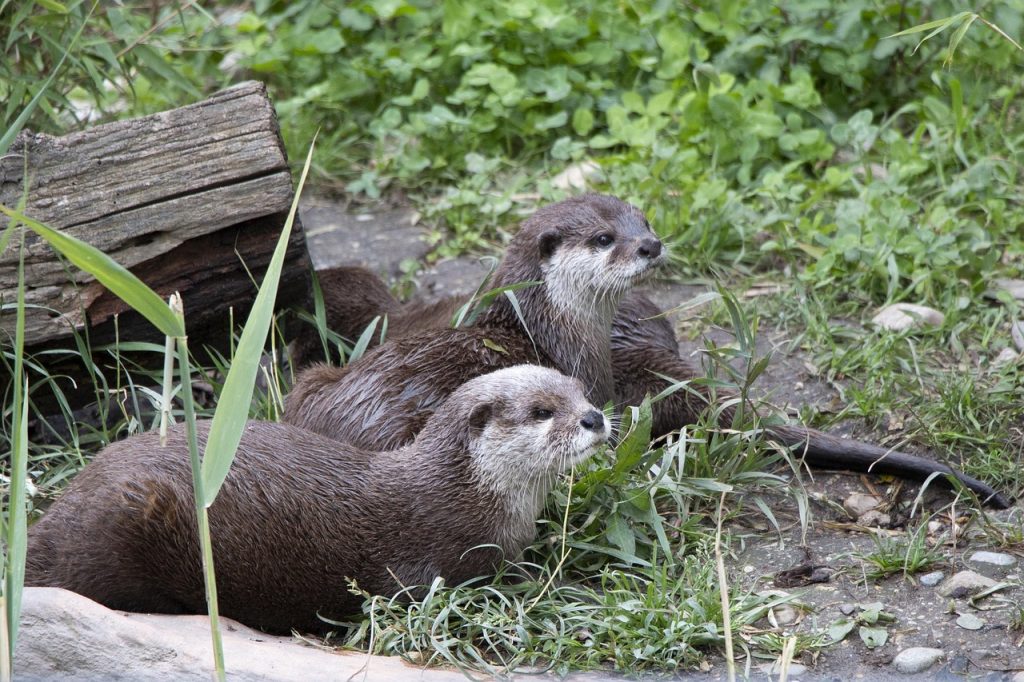
Central Texas sightings keep clustering in the same conversations, especially around the San Marcos River and stretches of the Colorado. That does not mean otters have suddenly become common; it may simply reflect where people spend time on clear water.
Biologists point out that otters travel widely, and a single animal can appear far from where anyone expects it to settle. So a summer of sightings can be followed by silence, with no dramatic explanation beyond movement, flow, and food. The most helpful reports focus on what was seen, when, and how the shoreline was behaving, not on directing strangers to a precise spot. Still.
How To Share A Sighting Without Starting A Rush
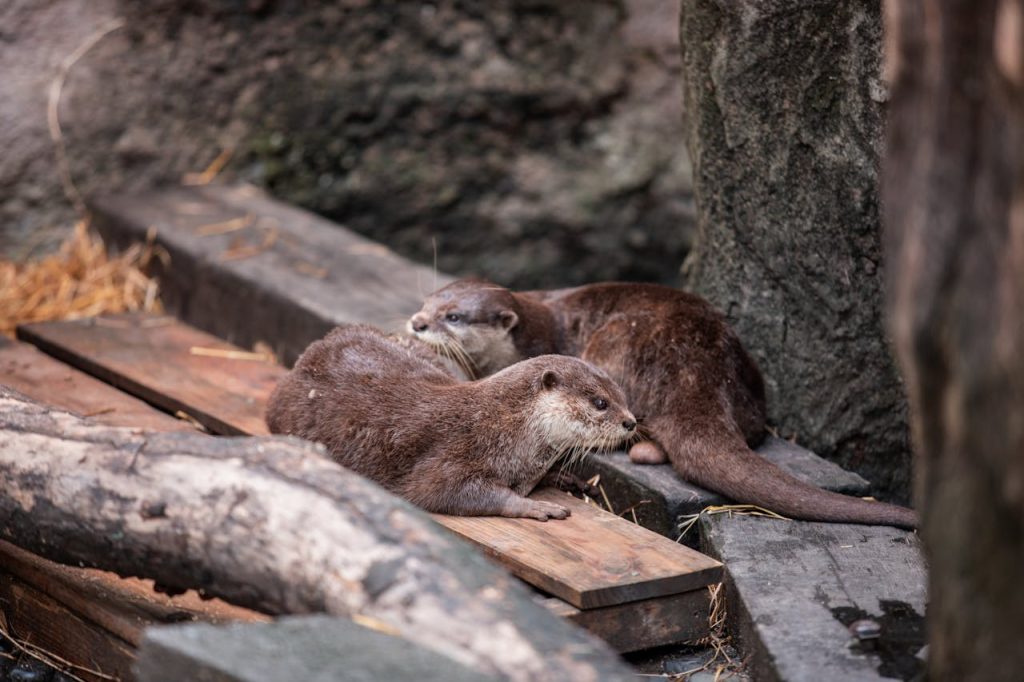
Online excitement can help if it turns into careful reporting instead of a chase. Smith said he was glad to see people care about native wildlife, yet he also set a boundary: do not try to touch them.
A smart share keeps details broad, avoids live location clues, and highlights respectful distance as part of the story. That protects the animal and the landowner who kept habitat healthy enough for otters to show up. When attention stays calm, the next sighting has a better chance of happening in the same water. Biologists worry that loud banks and repeated close filming can turn a return into retreat, especially in small corridors.
The Hill Country is built on small miracles: clear springs, hidden creeks, and the steady patience it takes to keep them healthy. When otters surface in that water, the best response is the simplest one. Let the moment stay quiet, let private boundaries hold, and let the animals pass through without being turned into a spectacle.