

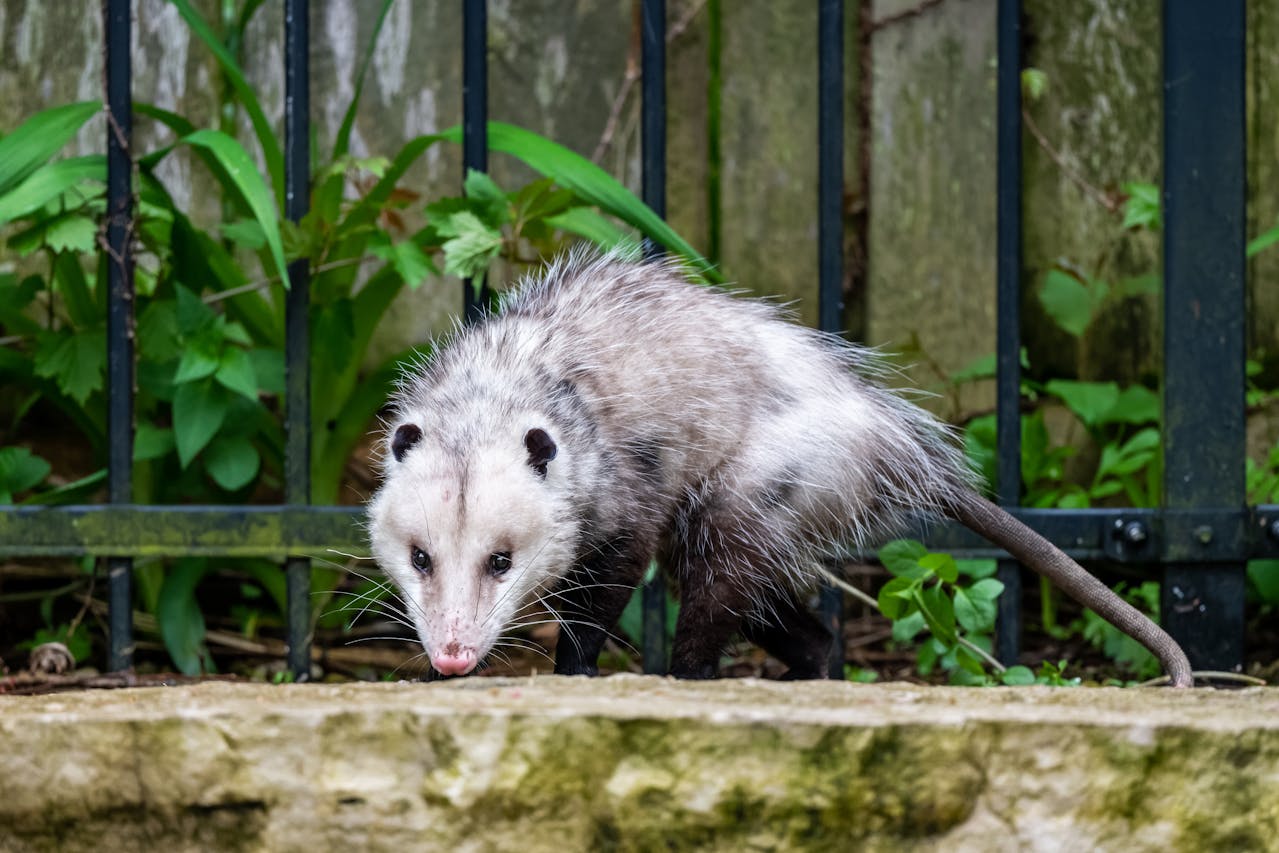
Backyard wildlife myths spread because they soothe a real worry. In many neighborhoods, the Virginia opossum gets cast as a nighttime fixer, with social posts repeating the claim that one scruffy visitor can wipe out ticks by the thousands. The story feels comforting in warm months, when leaf litter, pets, and porch lights pull people and wildlife into the same edge spaces. That matters in spring. But the science is less tidy than the meme. The earlier research was narrower than the slogan, and later evidence pushed back hard. That harder truth leaves room for better decisions around both wildlife and tick prevention.
The Meme Came From a Real Study, Then Outgrew It
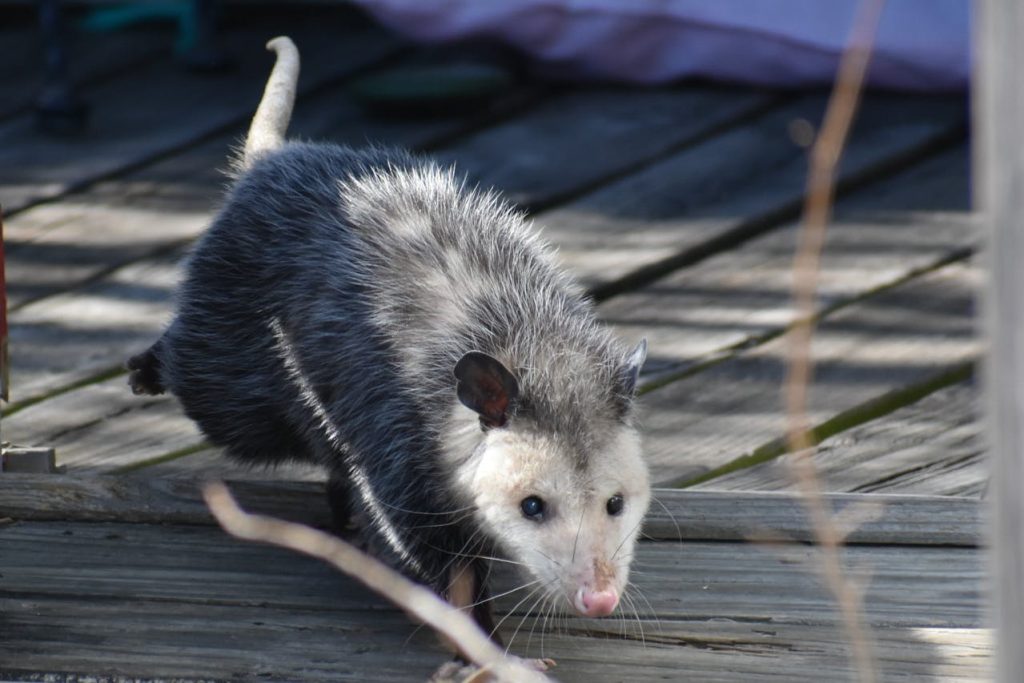
Part of the opossum tick claim stuck because it started with real science, not pure internet fiction. A 2009 study on Lyme disease ecology found that host species differed sharply in how well larval blacklegged ticks fed, and opossums were among the less permissive hosts in that experiment.
Online retellings flattened that result into a much simpler story that opossums actively patrol yards and eat huge numbers of ticks. That leap turned a host ecology finding into a household pest-control promise, which is exactly where the myth picked up more confidence than the evidence could support in real neighborhoods and online groups.
What the 2009 Experiment Actually Tested
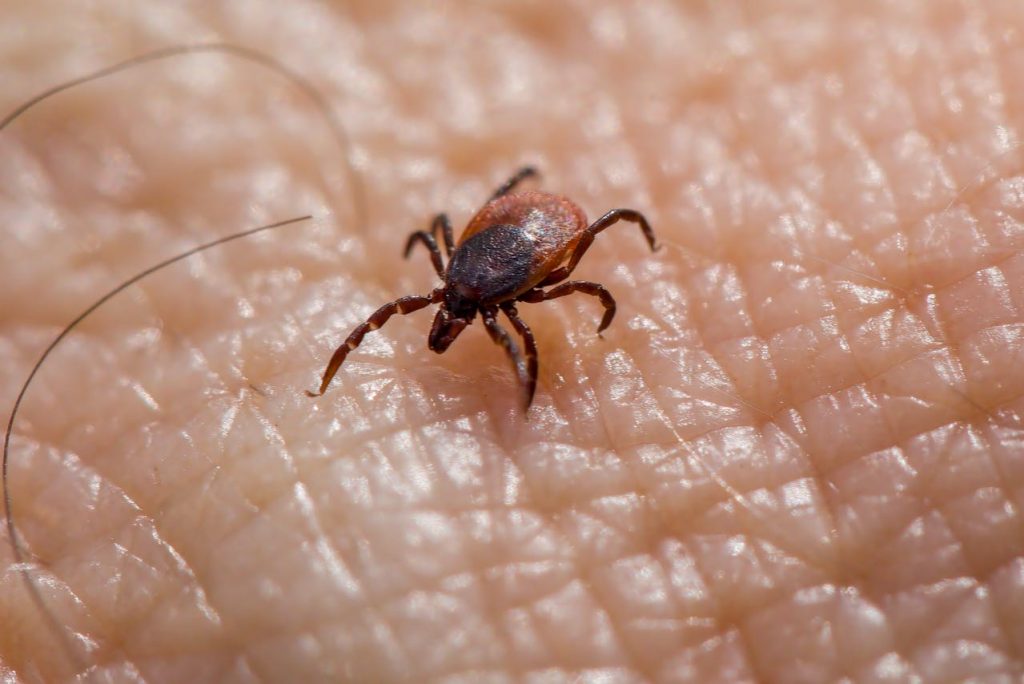
The early work did not watch wild opossums roaming through yards and tally what they swallowed. It compared hosts under controlled conditions, using field-caught animals, then exposing them to larval blacklegged ticks to see how many successfully fed and dropped off.
PubMed and later summaries of the paper note a key detail that gets lost in memes: researchers reinfested hosts with 100 larval ticks and followed their fate over a short laboratory holding period. That makes the study valuable for ecology, but not direct proof of routine tick consumption in the wild, in suburban yards, or in home landscapes. It was not a yard trial.
The 2021 Follow-Up Checked Stomachs, Not Assumptions

A later study went after the missing piece with a straightforward question: if opossums regularly eat ticks, where are the tick parts in their stomach contents? Researchers examined 32 Virginia opossums from central Illinois and reported that they did not find ticks or tick body parts.
The same 2021 paper also reviewed 23 published diet studies, including stomach, digestive tract, and scat analyses, and found no evidence of ticks as a preferred diet item. That does not make opossums less important, but it does undercut the famous number that keeps getting shared as settled fact. That gap matters more than the meme suggests.
Why the Big Number Sounds Better Than It Holds Up

The popular 5,500 figure was an estimate built from lab observations and extrapolation, not a direct count of ticks eaten in backyards. Later reviews noted that only a small number of ticks dropped off captive opossums in the original setup, and the rest were largely treated as groomed away and consumed.
Illinois Extension and Outdoor Illinois both point out the weak link in that logic: missing ticks are not the same thing as confirmed ingestion. The same reviews also flag timing, since opossum and tick combinations can take 3 to 9 days for feeding, while the captive animals in the 2009 critique summary were released after 4 days.
What Opossums Really Do in Yards and Wooded Edges
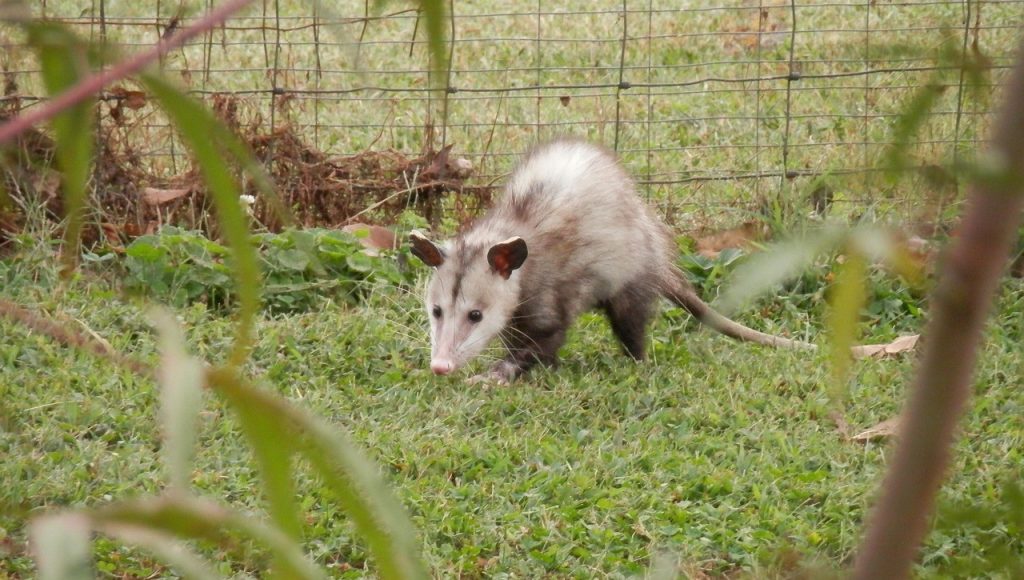
The harder truth is also the calmer one: Virginia opossums are adaptable, nocturnal omnivores that move through edge habitat, not specialized tick crews on nightly duty. State wildlife agencies describe them using wooded areas near water, residential spaces, sheds, brush piles, hollow logs, and other ready-made cover.
They also describe a broad scavenger diet that includes insects, fruit, plant matter, and carrion, with food choices shifting by season and place. That profile helps explain why opossums matter in local ecosystems without forcing them into a role the evidence does not support in yards. They are mostly solitary, too.
Attracting Opossums for Tick Control Can Backfire
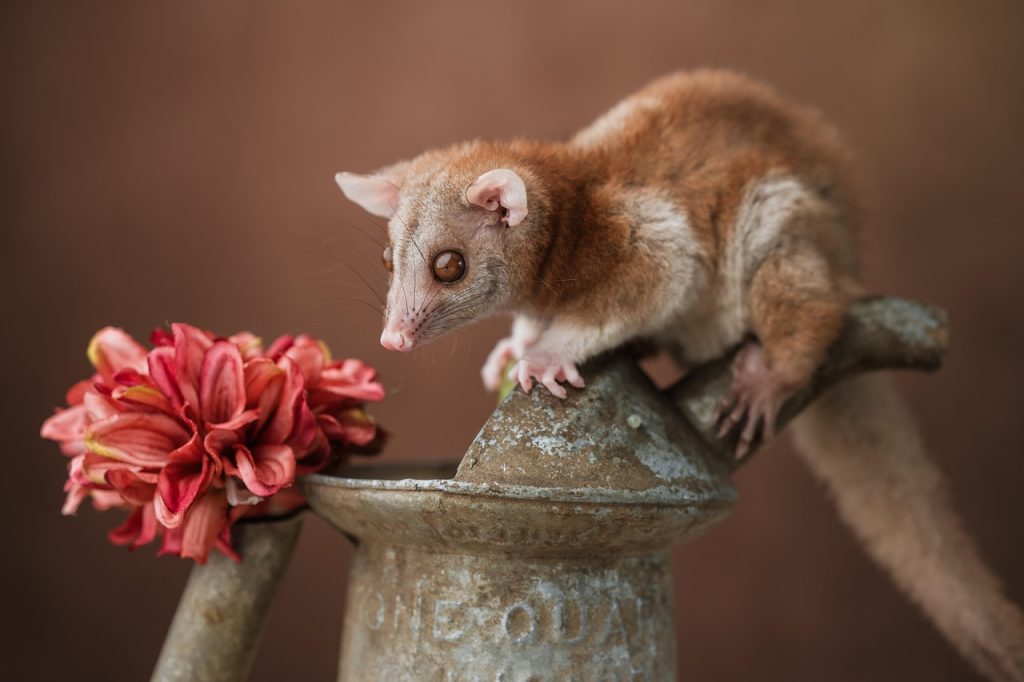
Once the myth spread, some homeowners started leaving out food or shelter in hopes of recruiting opossums as natural tick control. Illinois Extension warns that the same setup can draw raccoons, feral cats, rats, mice, and other rodents, which changes a yard fast and usually not for the better.
Outdoor Illinois makes the same point more bluntly: food left for opossums also attracts foxes and coyotes, and crowded feeding spots raise the chance of disease spread among animals. A myth that sounds harmless online can create a noisier, riskier, and messier wildlife situation close to the house. Feed bowls change behavior fast.
Real Tick Reduction Starts With Yard Conditions
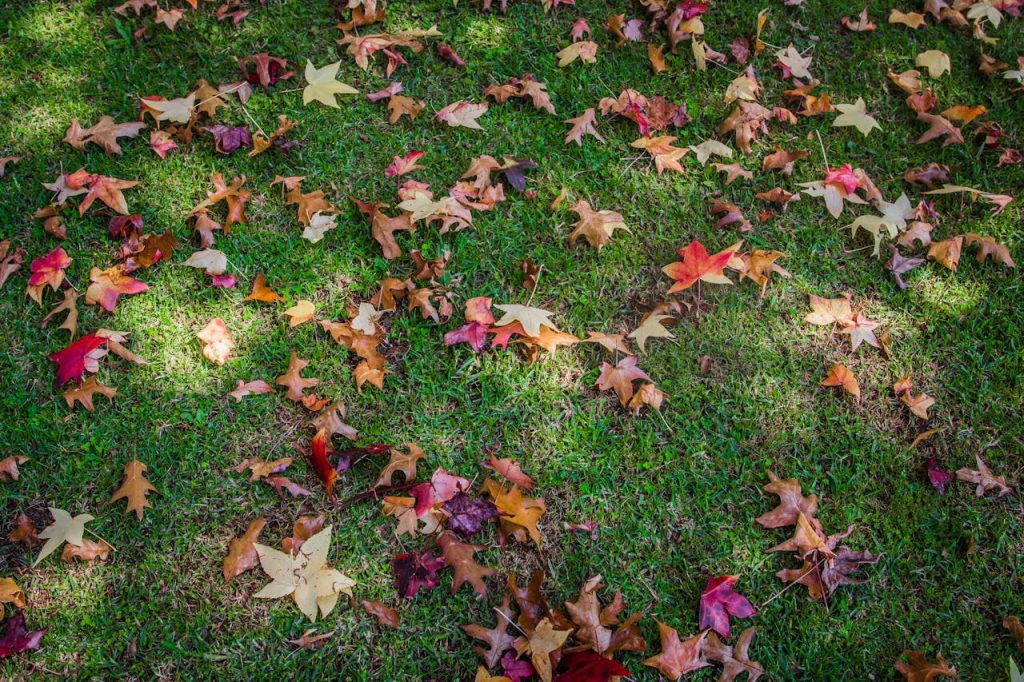
Public health guidance is far less catchy than a meme, but it is much more dependable. CDC tick prevention guidance focuses on making yards less inviting to ticks by removing leaf litter, clearing tall grass and brush, mowing often, stacking wood neatly, and creating a 3-foot barrier of wood chips or gravel at wooded edges.
The same CDC guidance also notes that pesticides can lower tick numbers in treated areas, but spraying should not be treated as the only answer. It advises following label directions and checking with local health or agricultural officials on timing, product choice, and local rules before treatment.
The Daily Habits That Matter More Than Any Meme
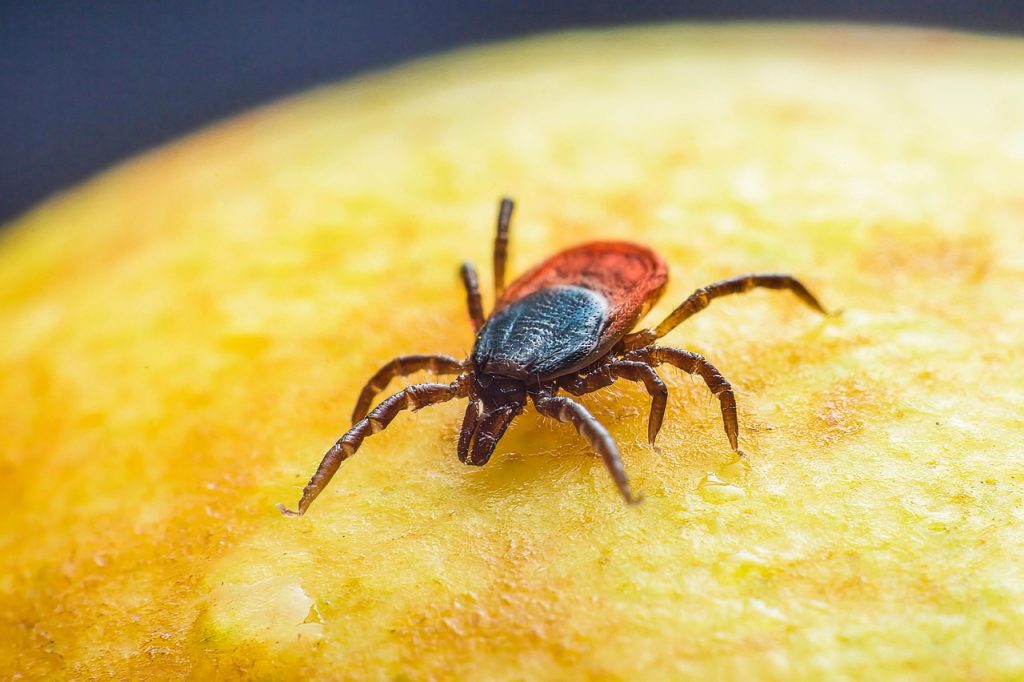
CDC guidance keeps the personal side of prevention simple and repeatable: ticks live in grassy, brushy, or wooded areas, so risk often starts where people work, walk, or garden. The agency also notes that tick exposure can happen year-round, with the highest activity in many areas from April to September.
Before and after outdoor time, the proven habits stay the same: use an EPA-registered repellent, treat clothing or gear with 0.5% permethrin, check the body for ticks, shower within 2 hours, and tumble-dry clothing on high heat. Those steps lack viral charm, but they hold up in real life and reduce preventable surprises.
Opossums do not need a made-up superpower to matter. They are resilient, odd, useful neighbors in many ecosystems, and the most respectful response is simple: let them be wild, skip the baiting, and rely on the prevention steps that public health guidance and better evidence actually support.