

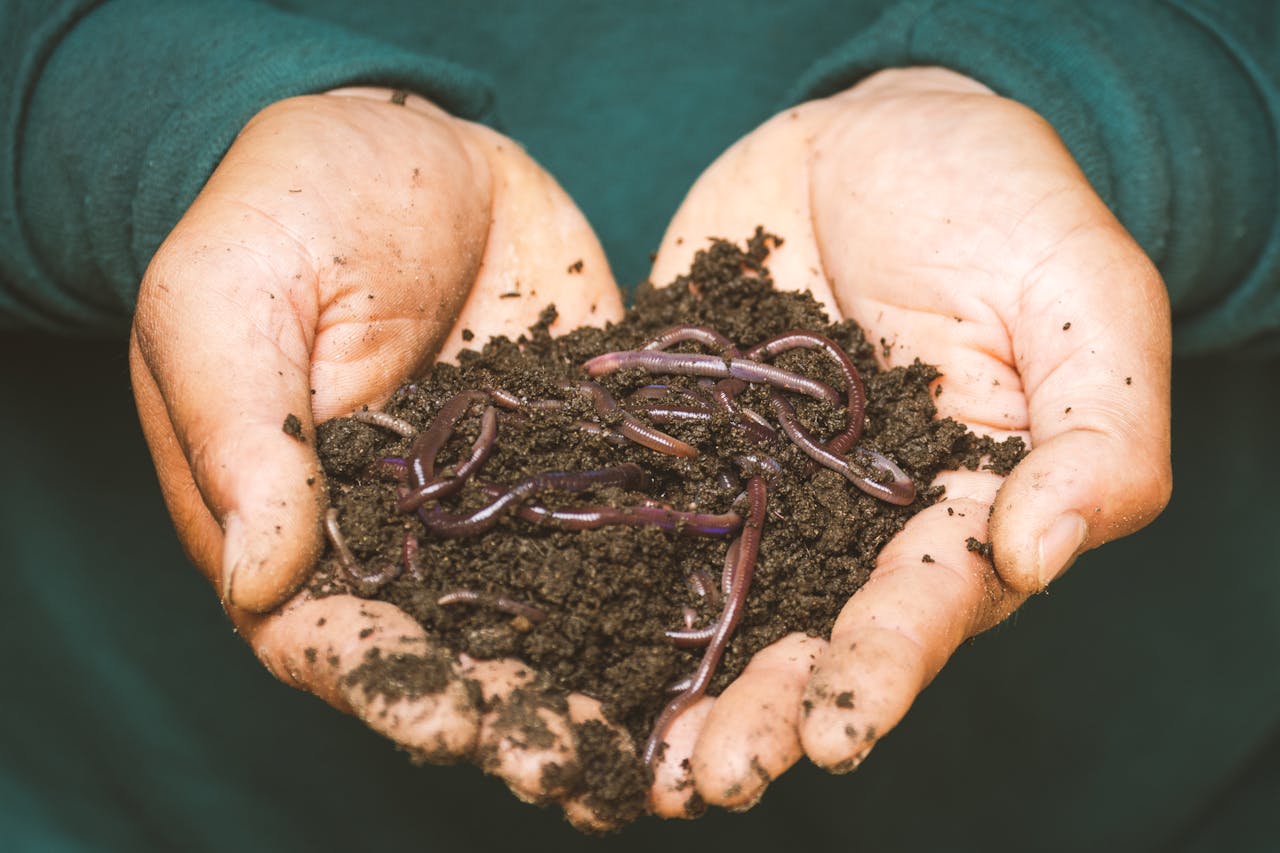
Healthy garden beds rarely fail all at once. They usually go quiet first, with slower seedlings, tighter soil after rain, and mulch that seems to sit on top instead of blending into the ground. When earthworms stop showing up, that quiet shift can point to a deeper soil problem, not just a missing creature. In many cultivated beds, worms help move air, water, and nutrients through the root zone, so their absence often signals stress from heat, dryness, compaction, or a shortage of organic matter. The missing worms are often the earliest clue that the soil is losing its balance, long before leaves look bad.
The Soil Is Losing Its Natural Plumbing
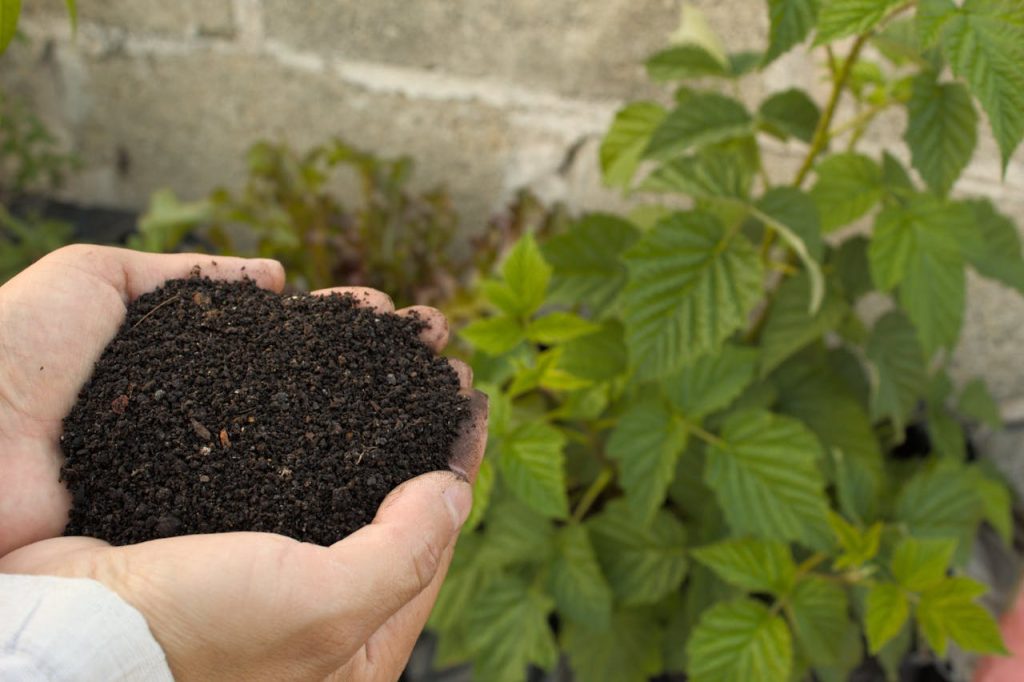
Earthworms do more than wriggle through dirt. Their burrows act like tiny channels that help water move downward, let air circulate, and give roots an easier path through dense layers. Extension and USDA sources describe those passages as a major reason healthy soils drain better after storms and recover faster between waterings.
When worms disappear, the change often shows up as puddling, crusting, or shallow rooting rather than a dramatic collapse. The bed still looks usable, but the soil starts holding water in the wrong places and sealing over where young roots need oxygen most. That shift often gets blamed on weather alone.
Fewer Worms Often Means Less Organic Matter

Worms stay where food is steady, and their food is tied to plant residues, mulch, compost, and other decaying organic material. USDA guidance notes that low or absent earthworm populations often indicate low residue levels, which also slows nutrient cycling and weakens the biological activity that supports plant growth.
Bare, tidy beds can look controlled, but they leave the soil hotter and hungrier. Once surface cover disappears, worms lose both shelter and food, and the garden starts acting more like exposed ground than a living system built to hold moisture and feed roots. Even light mulch can change that trend.
Compaction Can Push Them Out Before Plants Notice
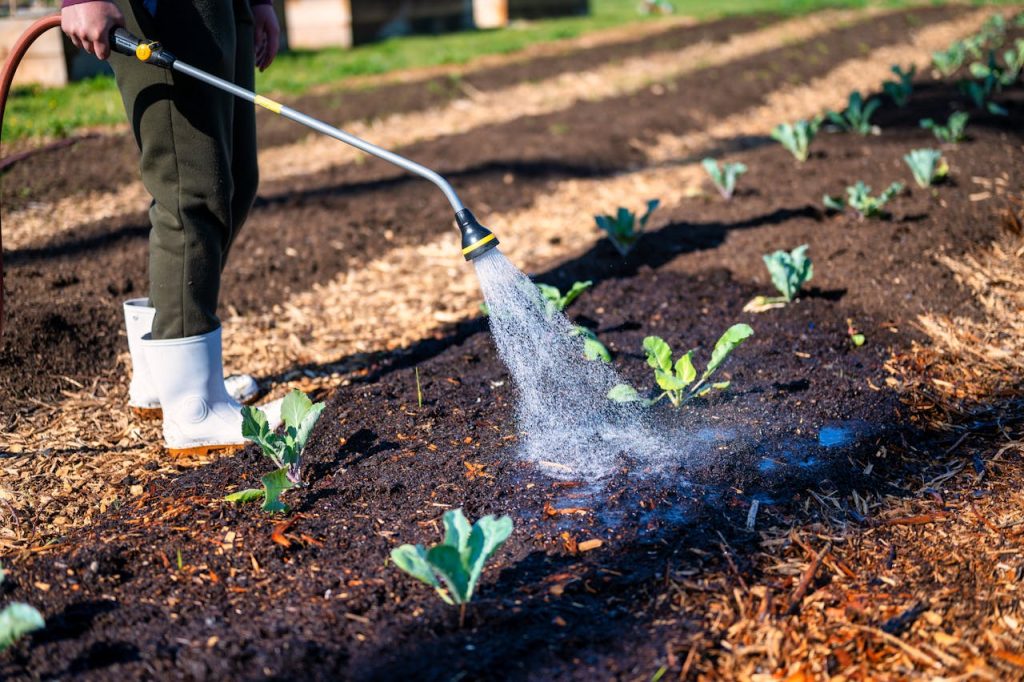
Compacted soil squeezes out the pore space that supports roots, microbes, and worm movement. NRCS and extension guidance repeatedly link low worm numbers with compacted conditions, and they also describe worm activity as one of the natural forces that helps rebuild porosity when the soil is protected from repeated disturbance.
That creates a frustrating cycle in stressed beds. Compaction reduces worms, fewer worms means fewer channels, and the next hard rain leaves the surface tighter than before, even when the top inch looks loose after a quick hoeing. By the time roots stall, the pattern has usually been building for months.
Heat And Dryness Quiet The Whole Soil Food Web
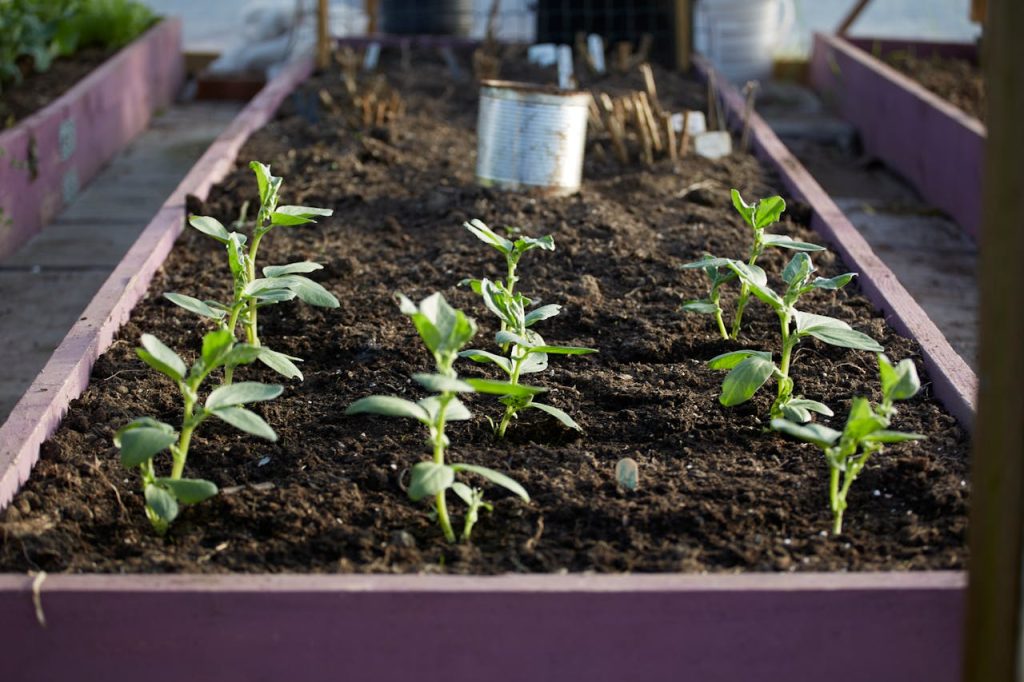
Earthworms breathe through their skin, so moisture and oxygen levels matter constantly, not just in peak summer. Colorado State Extension notes that dry soil and waterlogged soil both create trouble, while USDA material also flags high soil temperature and low moisture as common reasons worm populations drop.
When the ground stays hot and exposed, the damage spreads beyond worms. Residue breaks down unevenly, microbial activity slows, and plants begin relying more on short bursts of water and fertilizer instead of steady support from a healthy soil community. The soil may look open on top while going inactive below. Quietly.
Tillage Solves One Problem And Creates Another
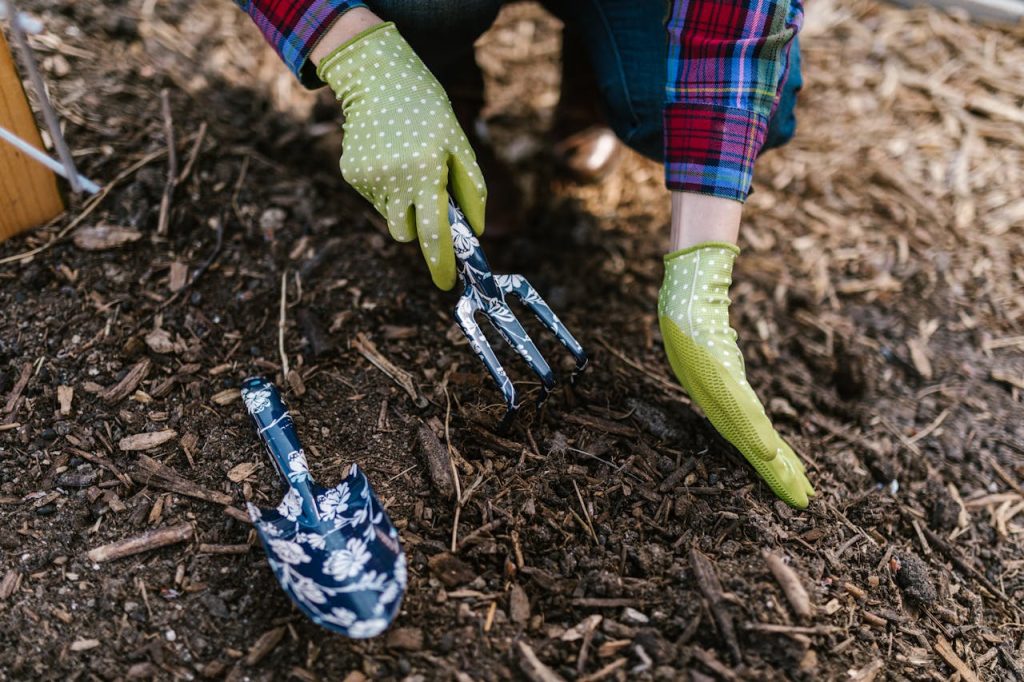
Turning the soil can feel productive after a rough season, but repeated tillage can undo the habitat worms need. NRCS and extension sources explain that frequent tillage destroys burrows, damages worms and cocoons, and removes or mixes away the surface residues that buffer temperature and protect moisture.
The bed may look loose for a few days, then settle into a weaker structure underneath. Without stable channels and cover, rain hits harder, crusting returns faster, and worm populations struggle to rebuild before the next round of disturbance. Quick softness at the surface can hide long-term decline below it. That is common.
Missing Worms Can Mean Slower Nutrient Cycling
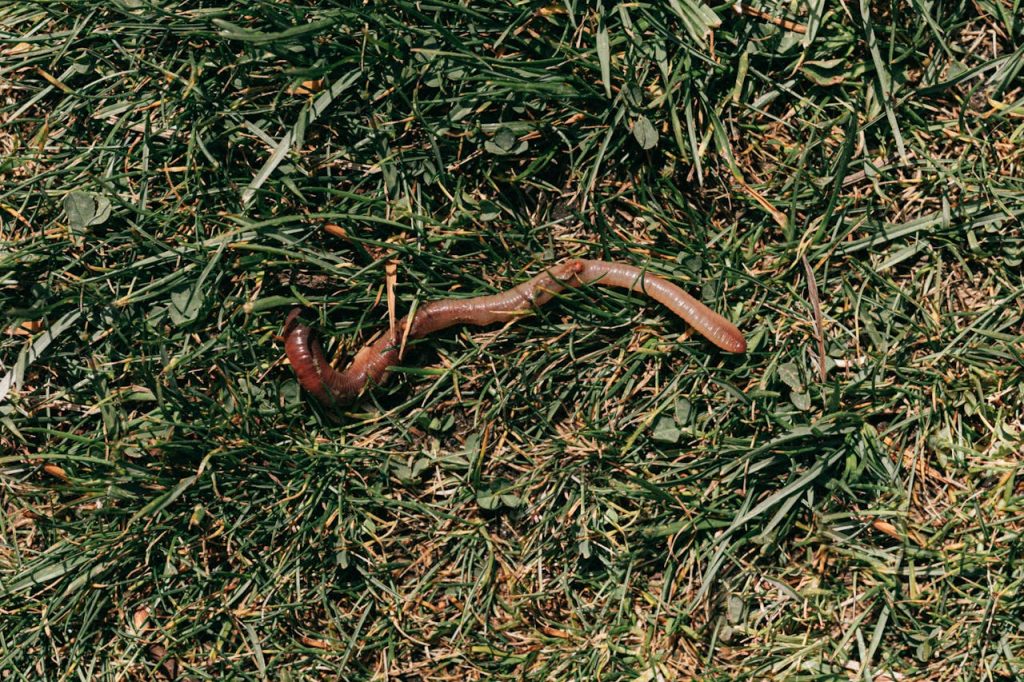
Worms are part of a larger soil workforce, but they play a visible role in decomposition and nutrient movement. USDA and university sources note that worm feeding, burrowing, and casting help break down residues, support aggregation, and redistribute nutrients through the soil profile where roots can reach them.
When worms thin out, nutrients do not disappear, but the timing often changes. Beds can show uneven growth, with one plant surging after fertilizer while another stalls, because the slow, steady recycling system underneath is no longer working as smoothly. The soil loses rhythm before it loses fertility completely.
A Quiet Bed Can Also Point To pH Or Inputs
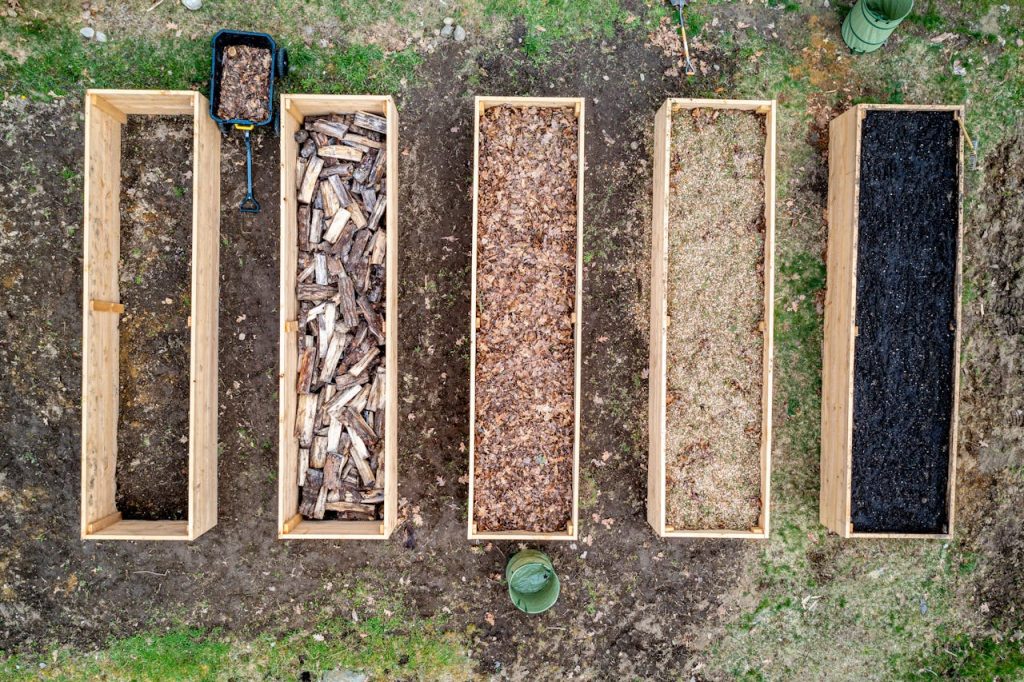
Earthworms generally prefer soils that are closer to neutral pH, and they decline when chemistry becomes too stressful. Extension guidance also warns that some inputs, including high rates of certain fertilizers and some chemicals, can reduce worm activity even when leaves still look green and healthy. Hidden soil stress can linger.
That is why a garden can look productive for a season and still be losing resilience below the surface. The plants may be fed, but the biology that keeps soil porous, stable, and forgiving is slowly thinning out. Over time, the bed becomes less responsive to compost and harder to manage. It adds up.
The First Fix Is Usually Protection, Not Products
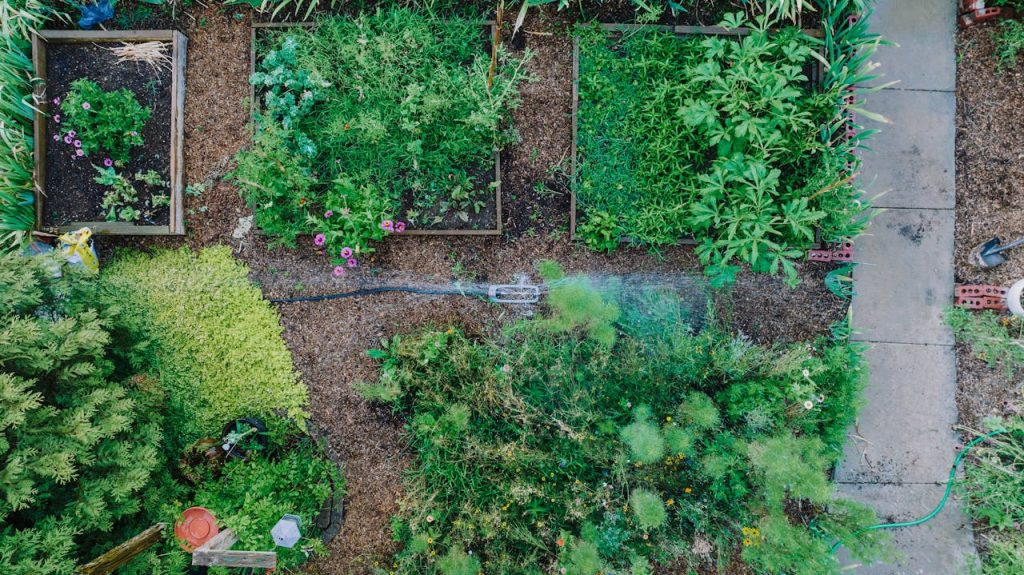
Most gardens do not need a miracle treatment when worm numbers fall. The reliable corrections are basic soil-health moves: keep the ground covered, add compost or other organic matter, reduce disturbance, and manage water so the bed stays evenly moist instead of swinging from dusty to soggy. They help roots and microbes together.
NRCS and extension guides repeat that pattern because it works across climates. Worms tend to return when food, cover, air, and moisture return, and plant performance usually improves alongside them without constant emergency feeding. Recovery often turns obvious after one season. Patience matters here.
A Shovelful Tells More Than A Surface Glance
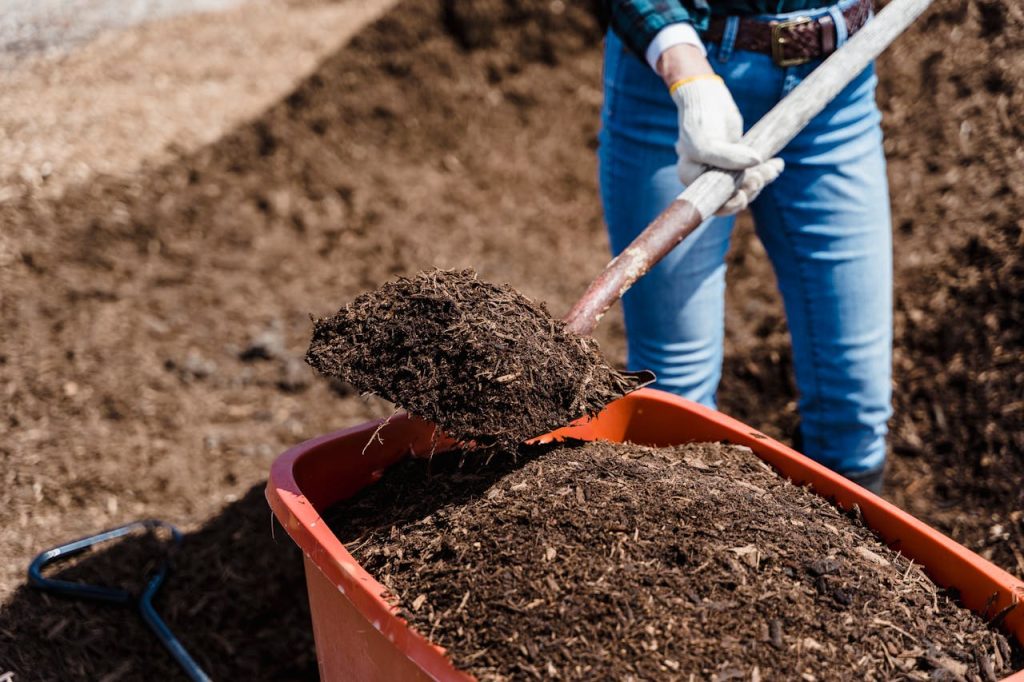
A neat bed can hide soil trouble, so a shovel check often reveals more than a quick look at the top inch. NRCS gardening guidance suggests examining a shovelful for structure, roots, and worm evidence, while Minnesota Extension also emphasizes soil testing for pH, organic matter, and nutrients. That check prevents guessing.
That combination separates a worm issue from a watering issue, compaction issue, or fertility imbalance. It also gives the garden a clear path back to steady, living soil instead of guessing and hoping the next product will fix everything. The best fixes usually follow what the soil is already showing.