


In many U.S. homes, a spider bite begins as a forgettable sting, then changes pace while daily life keeps moving. Most bites stay mild, but the medically important exceptions can shift from local discomfort to widespread symptoms in a short window, especially when species is unclear and early signs are brushed off as a simple rash. The tension comes from timing: skin can look modest while pain, muscle cramping, allergic response, or blood-related stress builds in the background. Understanding these patterns helps families, workers, and clinicians act early and keep a small mark from turning into a long recovery, safely.
Black Widow Bites Can Escalate Before The Skin Looks Severe

A black widow bite often starts as a small pinprick, then the pattern shifts quickly into spreading pain, muscle tightening, sweating, nausea, and a sharp rise in physical stress. The skin mark may still look limited while the body reaction gathers speed, which is why early underestimation is common in real cases.
Clinical guidance treats this as a time-sensitive problem, not a wait-and-see nuisance. When cramping climbs into the chest, back, or abdomen, urgent evaluation helps control symptoms before exhaustion, dehydration, and severe discomfort set the pace. Early control usually shortens the hardest phase and improves rest.
Brown Recluse Bites Often Worsen On A Delay
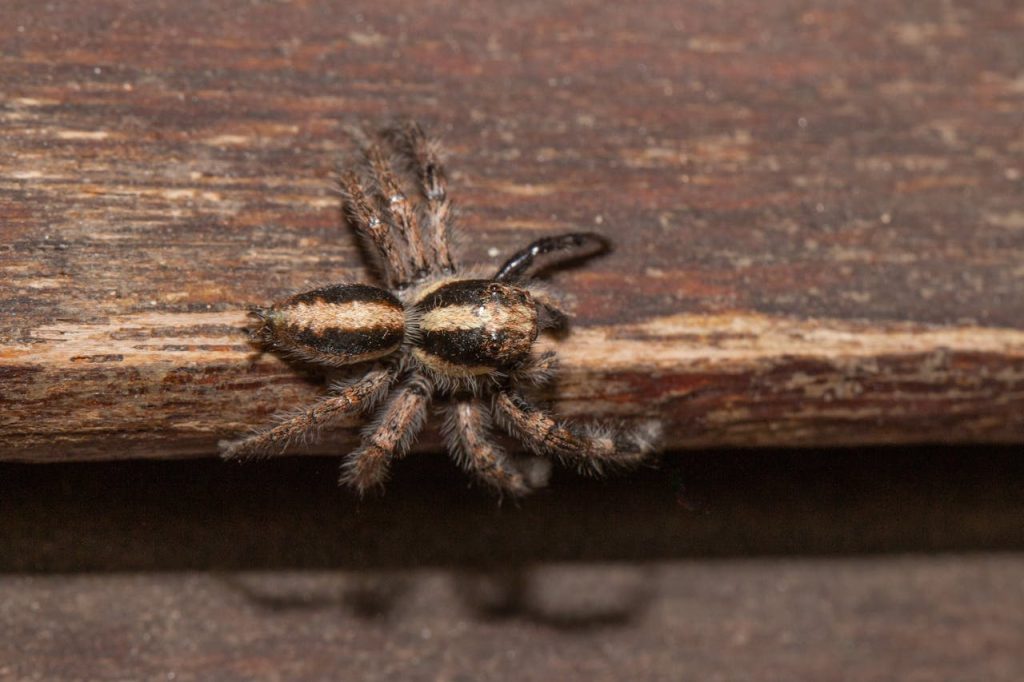
Brown recluse bites are difficult because the early phase can seem quiet. Some people feel little at first, then within hours pain intensifies and the area may shift from mild redness to a pale center with darker surrounding color as local tissue injury develops.
That delay creates false reassurance, and false reassurance creates lost time. Medical sources note that many cases stay localized, but some evolve into larger wounds that heal slowly and need close follow-up, especially when pain rises, skin changes spread, or general illness appears after the first day. Care timing strongly shapes the outcome and scarring.
Children Face Higher Risk Of Whole-Body Reactions

In children, venom effects can involve more than the skin because smaller body mass and stronger inflammatory response may amplify the same exposure. With brown recluse injury, clinicians watch closely for systemic signs such as fatigue, fever, dark urine, or lab changes linked to red blood cell breakdown.
The visible bite can look modest while internal stress builds, which makes early monitoring essential. Pediatric teams often act sooner on warning patterns because complications, though uncommon, can accelerate faster in younger patients than in otherwise healthy adults. Early labs can catch trouble before it peaks.
Where Serious Bites Commonly Happen Indoors

Many serious bites happen during ordinary indoor routines rather than dramatic outdoor encounters. Spiders shelter in shoes, storage boxes, folded fabric, gloves, and quiet corners, so bites often occur when skin traps an unseen spider during dressing, cleaning, moving items, or reaching into dark spaces.
That context matters because the bite is frequently unwitnessed, and unwitnessed bites are easier to dismiss. Public health guidance repeatedly links risk to cluttered, low-traffic areas where spiders remain undisturbed for long stretches, then are pressed suddenly against skin. Small prevention habits cut risk sharply.
When Misdiagnosis Makes Symptoms Feel Sudden

Spider bites are commonly over-assumed in the United States, while true medically important bites are sometimes missed early. A painful skin lesion may actually be bacterial infection or another condition, and that diagnostic overlap can delay the right monitoring plan in the first critical hours.
For brown recluse patterns, experts caution that many suspected cases outside endemic regions are not true recluse envenomation. Yet genuine cases can still be overlooked when no spider is seen, so careful reassessment over time is often more useful than a quick label on day one. Clinical humility protects patients and improves decisions.
Pain Patterns That Signal A Faster Clinical Turn

Pain trajectory can reveal risk before dramatic wound change appears. In widow envenomation, local pain may spread into broad muscle cramping with restlessness, sweating, and abdominal tightening that mimics other emergencies, which is why symptom pattern matters as much as the bite mark.
When pain keeps climbing despite basic first aid, emergency care usually shifts the course through hydration, targeted medications, and observation. The key point is timing: early control prevents the cycle where pain drives stress, stress worsens symptoms, and recovery becomes harder than it needed to be. Trend matters more than a snapshot.
Systemic Loxoscelism Can Outrun A Small Lesion
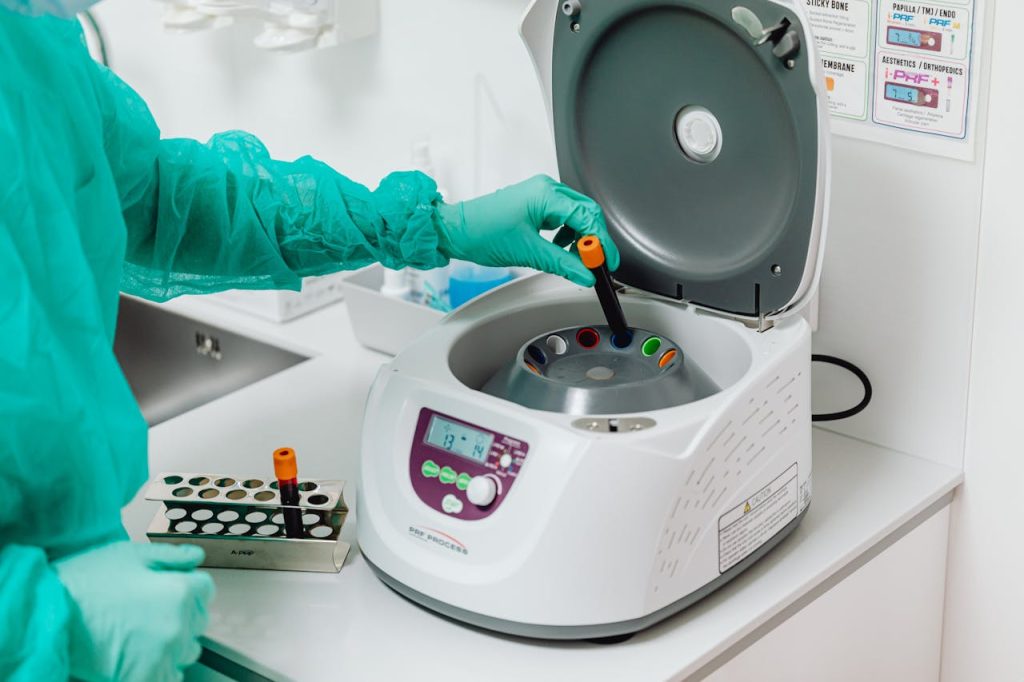
With brown recluse envenomation, systemic loxoscelism is uncommon but important because blood-related complications may develop even when the skin lesion does not look dramatic. Reported patterns include hemolysis, fatigue, jaundice, dark urine, and kidney strain that can appear after the initial bite window.
This mismatch between skin appearance and internal effects explains why clinicians give strict return precautions. A patient may look stable, then decline later, so follow-up and repeat evaluation matter more than cosmetic appearance of the wound during the first assessment. Clear discharge instructions reduce missed decline.
Allergic Reactions Can Overtake The Venom Picture

Some worsening cases are driven less by venom toxicity and more by allergy. Hives, facial swelling, throat tightness, wheeze, vomiting, dizziness, or sudden weakness can appear rapidly and create an airway or circulation risk before the bite site itself looks severe.
Emergency frameworks treat breathing or swallowing difficulty as immediate danger regardless of spider identification. When allergic response overlaps with venom symptoms, presentations can look confusing, but airway-first care and prompt stabilization are what prevent a manageable event from becoming a major crisis. Minutes matter most in this phase of care.
Secondary Infection Is A Common Force Multiplier
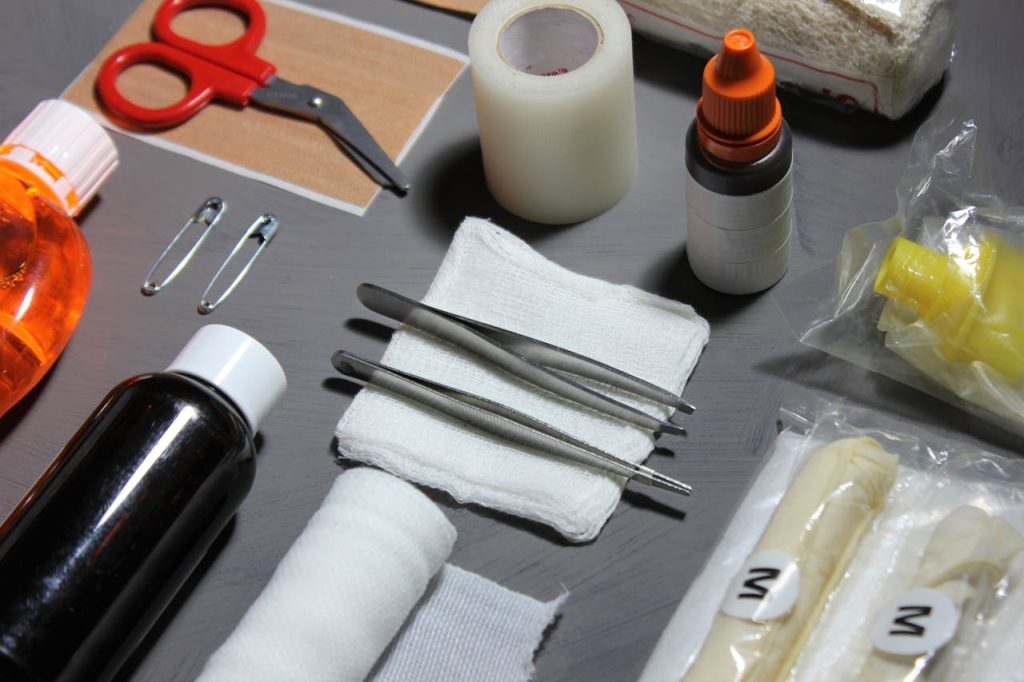
A bite that starts as manageable irritation can become a larger medical problem when skin breakdown is followed by bacterial infection. Increasing warmth, swelling, spreading redness, drainage, fever, and escalating pain often signal that infection has joined the original injury pathway.
For lesions already healing slowly, infection lengthens recovery and raises scar burden. The practical lesson is simple: good wound care, clean dressings, and timely review when symptoms expand can keep a localized bite from turning into a prolonged episode with more treatment than venom effects alone would require. Early cleaning is protective.
The First 24 Hours Usually Decide The Trajectory

The first day after a concerning bite is often the decisive window. Early pain pattern, progression speed, and whole-body symptoms provide better risk clues than a single snapshot photo, especially when the bite was not seen and the species cannot be confirmed.
Cases worsen fastest when recognition is late, travel to care is delayed, or symptoms are minimized because the skin mark looks small. Clinicians consistently prioritize trend over appearance: a small lesion with escalating cramps, fatigue, breathing issues, or spreading redness deserves urgent assessment, not home speculation. Prompt triage lowers the burden later.
Most spider encounters stay mild, and that perspective keeps decisions grounded. Still, the cases that worsen usually follow a clear pattern: rising symptoms, delayed recognition, and missed follow-up. Calm observation, early medical evaluation, and practical wound care give people the best chance of a shorter, steadier recovery and less disruption to daily life.